
 When God Was a Rabbit
Quotes from the Book
There are moments in life, so monumental and still, that the memory can never be retrieved without a catch to the throat or an interruption to the beat of the heart. Can never be retrieved without the rumbling disquiet of how close that moment came to not having happened at all.
53
No single act of generosity remains in isolation. The ripples are many.
33
So, time heals. Mostly. Sometimes carelessly. And in unsuspecting moments, the pain catches and reminds one of all that's been missing. The fulcrum of what might have been. But then it passes. Winter moves into spring and swallows return. The proximity of new skin returns to the sheets. Beauty does what is required. Jobs fulfil and conversations inspire. Loneliness becomes a mere Sunday. Scattered clothes. Empty bowls. Rotting fruit. Passing time. But still life in all its beauty and complexity.
27
Beautiful art opens our eyes to the beauty of the world, Ulysses. It repositions our sight and judgement. Captures forever that which is fleeting.
27
And for two hours the wine was poured, the cheese cut, and the two men talked. Of what? Who knows? Of love, of war, of the past. And they listened with hearts instead of ears, and in the candle-lit kitchen three floors up in an old palazzo, death was put on hold.
22
Tree said, Thanks for everything. It’s been nice knowing you. You too, said Cress. Will you be OK? I’m a tree. I’ve done this a thousand times before. Done what? Goodbyes. Really? Think about it. Leaves
21
...the world never turned out the way you wanted it to. It simply turned. And you hung on.
18
Art versus humanity is not the question, Ulysses. One doesn’t exist without the other. Art is the antidote.
15
What are we without love? Waiting, said Evelyn.
14
the responsibility of privilege must always be to raise others up.
13
We like beauty, don’t we? Something good on the eye cheers us. Does something to us on a cellular level, makes us feel alive and enriched. Beautiful art opens our eyes to the beauty of the world, Ulysses. It repositions our sight and judgment. Captures forever that which is fleeting. A meager stain in the corridors of history, that’s all we are. A little mark of scuff.
12
Two people pulling each other into Salvation is the only theme I find worthwhile. —E. M. Forster, Commonplace Book
11
The scale of man—spatially—is about midway between the atom and the star.
7
My granddaughter. She ran away to experience the nascent stirrings of love (le nascenti agitazioni dell'amore—Cress remembered the words from a poem) and now love has run away from her. She's somewhere up there—and he pointed to the black hills—cradling a broken heart, attempting to understand the complexity of human emotion. Why it's left her diminished when not long ago she felt like a conqueror. And here am I thinking what words can give the experience value. How to explain to her that the improbability of love, which she feels will last forever, will one day shine its light again. What words of consolation can be offered? What words of reassurance can I give her that a life lived without the object of her love is still worthwhile and hers for the taking?
6
I said you could never disappoint me, Alys. I'm proud of every inch of you. Every miniscule part of your being. Of your thoughts and your joy and your rage. The way you sing and navigate your way in this often godforsaken— I love a girl. (Pause.) Lucky girl, I say—world. They looked at one another and the distance halved. Ulysses said, A new year, Alys. I hope it's worthy of you.
6
Open your heart. Things happen there, if you let them. Wonderful things.
6
It’s what we’ve always done. Left a mark on a cave, or on a page. Showing who we are, sharing our view of the world, the life we’re made to bear. Our turmoil is revealed in those painted faces – sometimes tenderly, sometimes grotesquely, but art becomes a mirror. All the symbolism and the paradox, ours to interpret. That’s how it becomes part of us.
6
The choice for the educated woman was clear and stark. Marriage and no creative expression. Or convent and creative expression. So, women entered the convent in order to paint. Such was the sacrifice. But when have women not sacrificed to live as they feel? Not all of us will embrace men, marriage, motherhood.
6
And they listened with hearts instead of ears,
6
We're embarking on a world of new language and new systems. A world of stares and misunderstandings and humiliations and we'll feel every single one of them, boy. But we mustn't let our inability to know what's what diminish us. Because it'll try. We have to remains curious and open. Two words for you: ley lines. Ley lines? Straight lines of electromagnetic energy crisscrossing the Earth at special sites, drawing men and women—and ideas—to their mysterious pulse. We were drawn here, temps. No two ways about it. As many have been before. That Baedeker book? You know what it said? Go on. That 'even those whose usual avocations are of the most prosaic nature unconsciously become admirers of poetry and art in Italy.' Would that be so bad? To become an admirer of poetry and art? Until we figure it all out. It wouldn't, Cress. To be infused with all the city has to offer and has offered over the centuries? Our purpose revealing itself like the slow unfolding of an iris flower. Ulysses grinned. It's started already, Cress. What has? The poetry. Cress blushed and stood up. I'll get the cheese, he said.
5
To what shall we toast? said Darnley. What do you think, Temps? To this moment, sir. Oh, very good, said Evelyn. To this moment.
5
All those moments, those years, were his now. To remember or to forget. That’s what Ulysses said. So I choose to remember. The best man ever. And everything about him is vivid. And he is young. And he is laughing.
5
How beautiful is sunset, when the glow of heaven descends upon a land like thee, Thou paradise of exiles, Italy.
5
Col loved the silence that followed; he could have fucked it twice and cooked it breakfast.
4
Life’s but a walking shadow, Ulysses. I know, said Ulysses, holding him close to his chest. I know, I know. And I do love nothing in the world . . . so well . . . as you.
4
Santissima Annunziata in the north, Santo Spirito in the south, Santa Maria Novella over in the west, and Santa Croce in the east.
4
Did you know?
- The novel takes its inspiration in part from E. M. Forster's 1908 novel "A Room with a View," and Forster appears as a character.
- A central event is the real 1966 flood of the River Arno in Florence, which devastated the city and its artworks.
- The book references real artworks, including Pontormo's "The Deposition from the Cross."
- One of the characters is Claude, a Shakespeare-quoting parrot.
- Sarah Winman worked as an actor before becoming a novelist.
About Sarah Winman
Sarah Winman is an English novelist and former actor whose debut, "When God Was a Rabbit" (2011), was an international bestseller. She is also the author of "A Year of Marvellous Ways" and "Tin Man."
More about the author →More by Sarah Winman
When God Was a Rabbit
 A Year of Marvellous Ways
About the book
"Still Life" follows Ulysses Temper, a young British soldier who, in the ruins of a Tuscan wine cellar in 1944, meets Evelyn Skinner, a sixty-four-year-old English art historian who has come to help salvage paintings from the wreckage of war. Their brief, extraordinary encounter ripples outward across four decades, drawing a sprawling cast of friends from the East End of London to the piazzas of Florence, the city that gradually casts its spell over all of them.
At its heart the novel is about chosen family and the friendships that sustain a life. Winman braids together themes of art and beauty, the lingering aftermath of the Second World War, queer love, and the way places shape who we become. The 1966 flood of the River Arno becomes a central set piece, evoking both devastation and the solidarity of the "mud angels" who came from around the world to help save the city's treasures.
Published in 2021, the book was an instant Sunday Times bestseller and was named a Guardian Best Book of the Year. Critics and booksellers embraced its warmth, humour and generosity of spirit; it was selected for the BBC's "Between the Covers" and chosen as a BBC Radio 4 "Book at Bedtime," cementing Winman's reputation following her earlier novels "When God Was a Rabbit" and "Tin Man."
Key characters
- Ulysses TemperA young British soldier who becomes the novel's protagonist
- Evelyn SkinnerAn English art historian whose chance wartime meeting with Ulysses shapes the story
- PegA singer and Ulysses's great love
- AlysPeg's daughter, raised by Ulysses
- Alfred 'Cressy' CresswellAn older, philosophical father figure to the group
- ClaudeA Shakespeare-quoting parrot who joins the household
Book details
- First published
- 2021
- Length
- 448 pages
- Reading time
- 8 hours
- Author
- Sarah Winman
- Genre
- Historical
- Goodreads rating
- 4.15 (101k ratings) →
Critical reception
- An instant Sunday Times bestseller.
- Named a Guardian Best Book of 2021.
- Selected for the BBC's "Between the Covers" and as a BBC Radio 4 "Book at Bedtime."
If you liked this, read…
- 1A Room with a View by E. M. ForsterA direct inspiration for the novel, also set among the English abroad in Florence
- 2The Lido by Libby PageAnother warm, community-driven story about friendship across generations
- 3A Man Called Ove by Fredrik BackmanShares the warmth and found-family spirit of Winman's storytelling
Keep reading
 Arch of Triumph
 A Soldier of the Great War
 Light Years
 Fugitive Pieces
 In Sunlight and in Shadow
 Dearest Josephine
 Brideshead Revisited: The Sacred and Profane Memories of Captain Charles Ryder
 What the Wind Knows
 Just Above My Head
 Identity
 Oblomov
 Plainwater: Essays and Poetry
 Les Misérables
 A Room with a View
 Held
Held
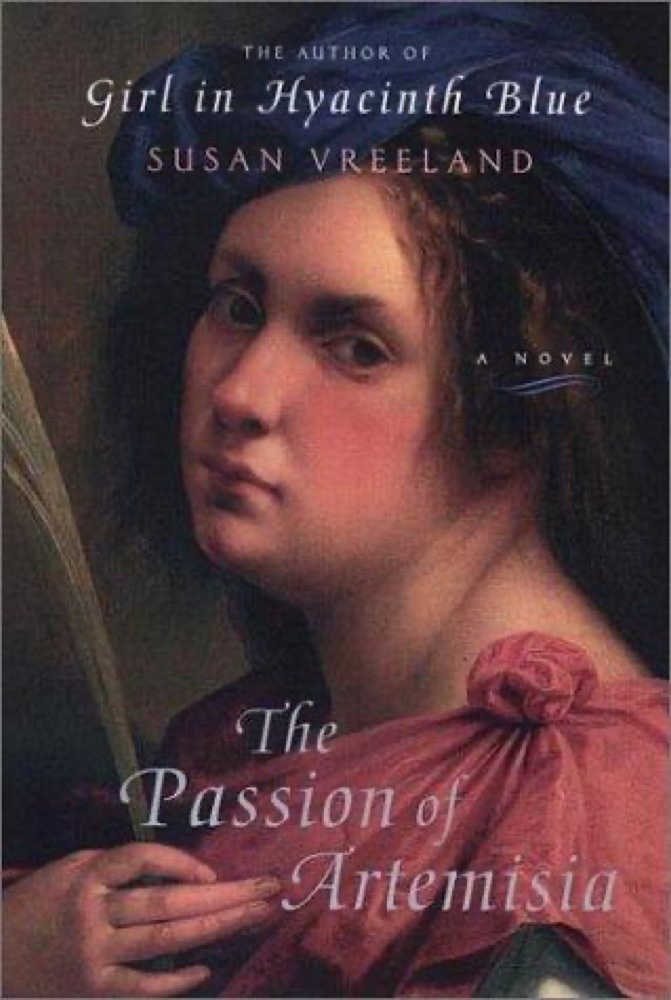 The Passion of Artemisia
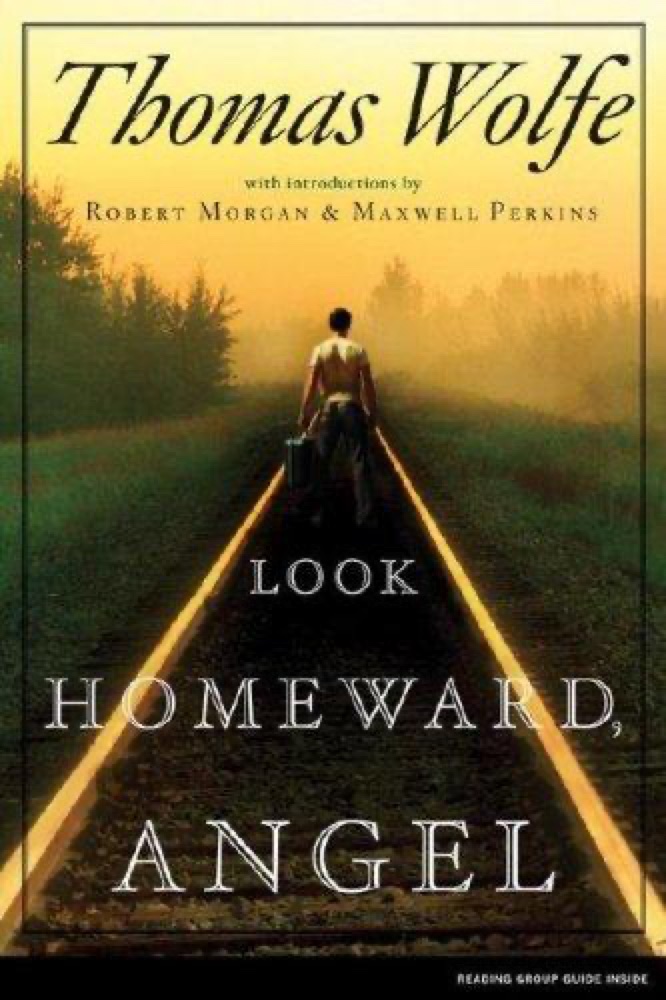 Look Homeward, Angel
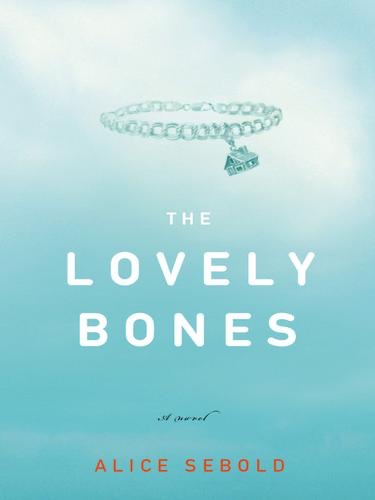 The Lovely Bones
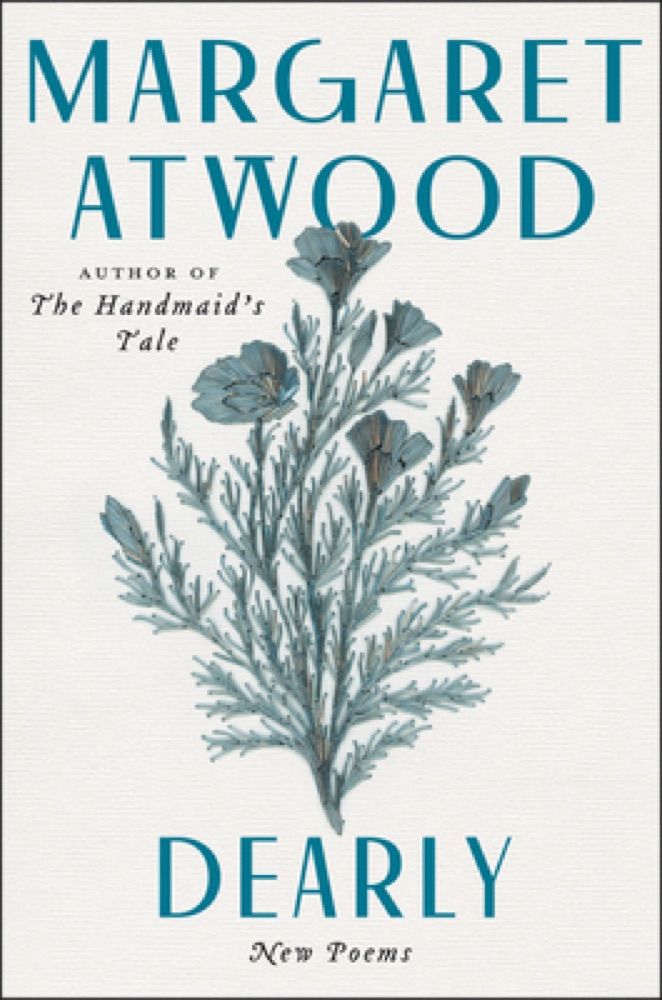 Dearly
 The City of Mirrors
 Howards End
 Ulysses
 The Wars
 What I Loved
 Loving Frank
 The Clockmaker's Daughter
 Divisadero
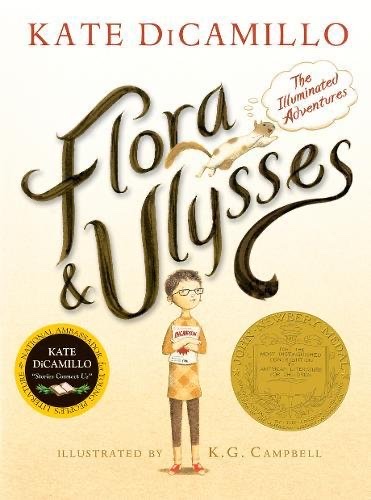 Flora & Ulysses: The Illuminated Adventures
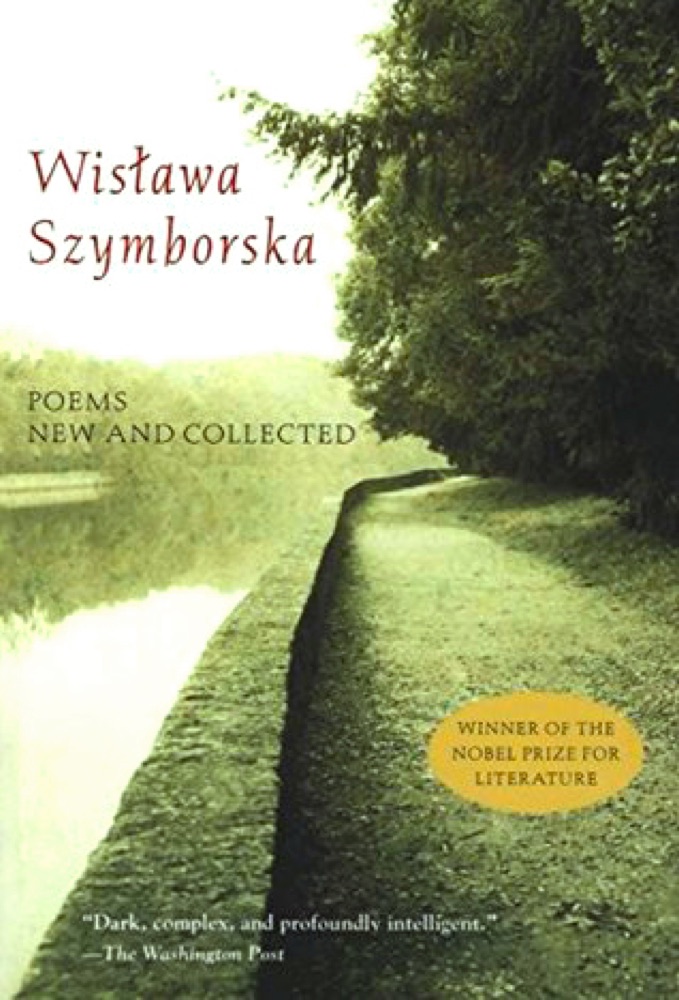 Poems New and Collected
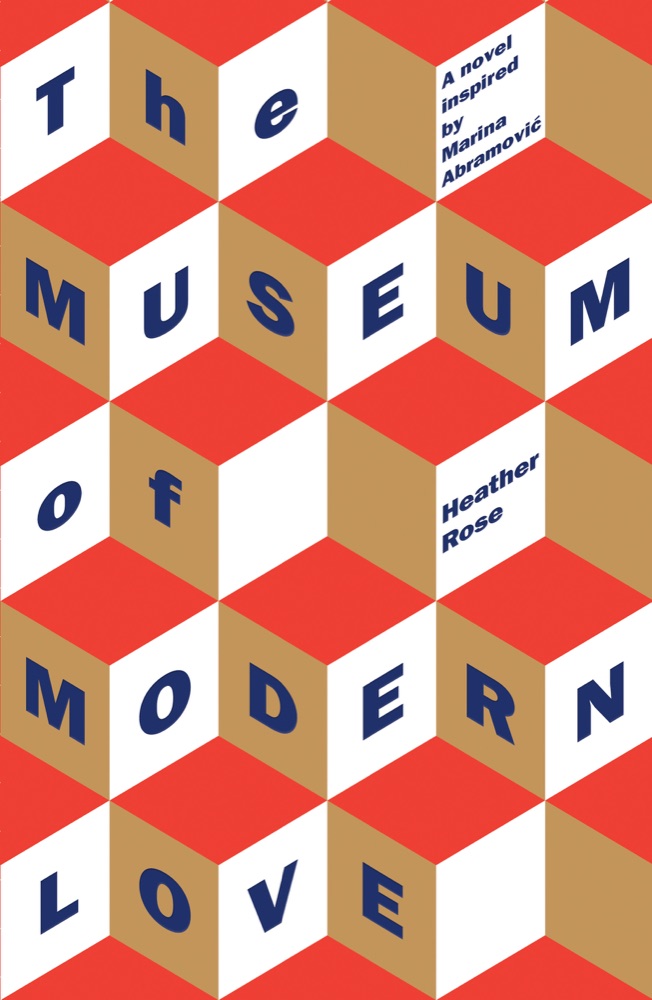 The Museum of Modern Love
 Spring Snow
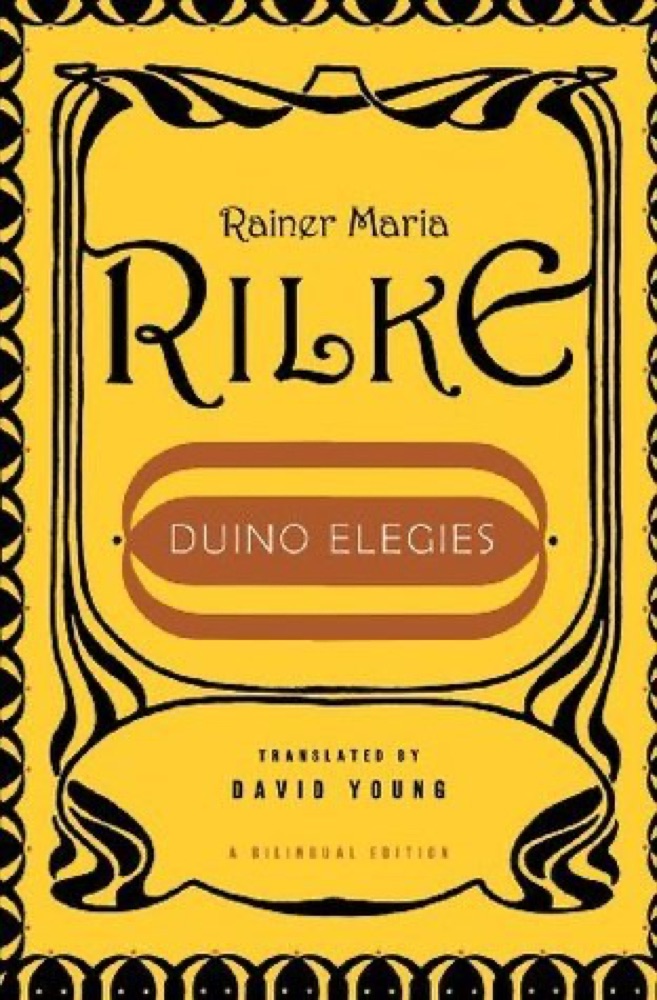 Duino Elegies
 Lincoln in the Bardo
 Monday or Tuesday
 Narcissus and Goldmund
 Weaveworld
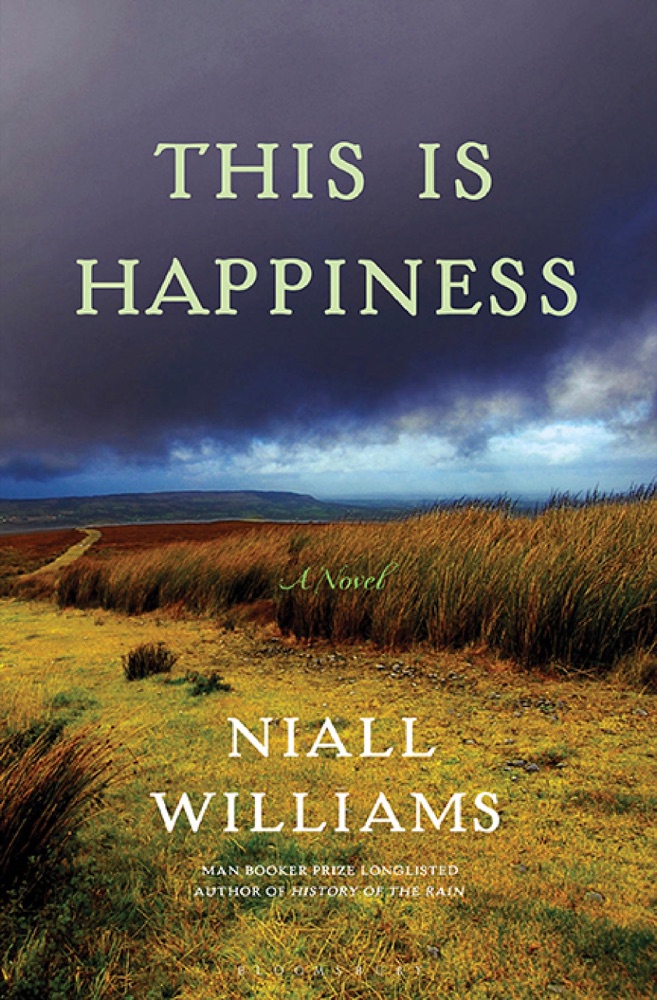 This Is Happiness
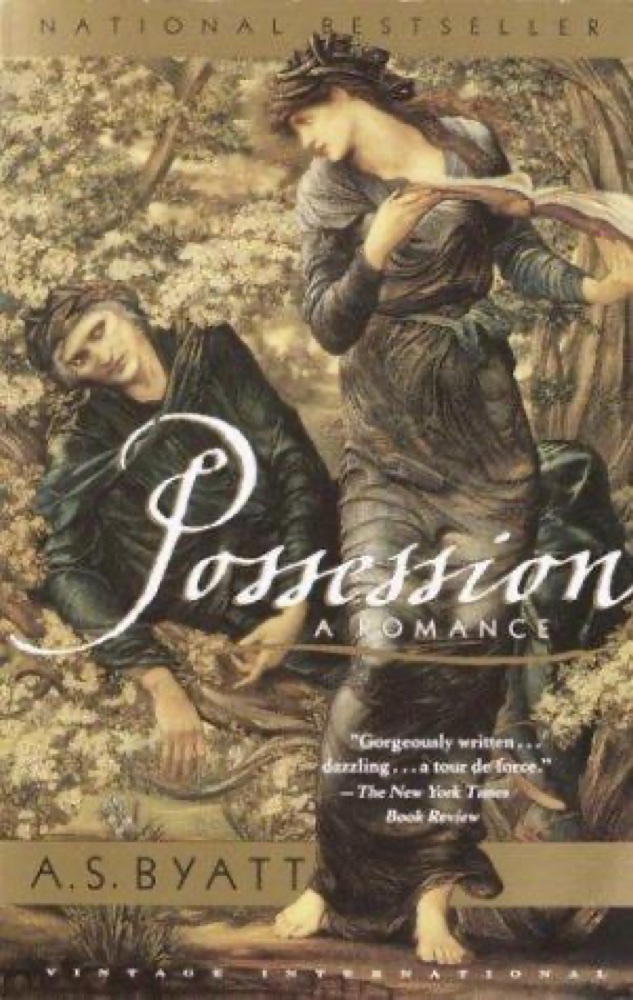 Possession
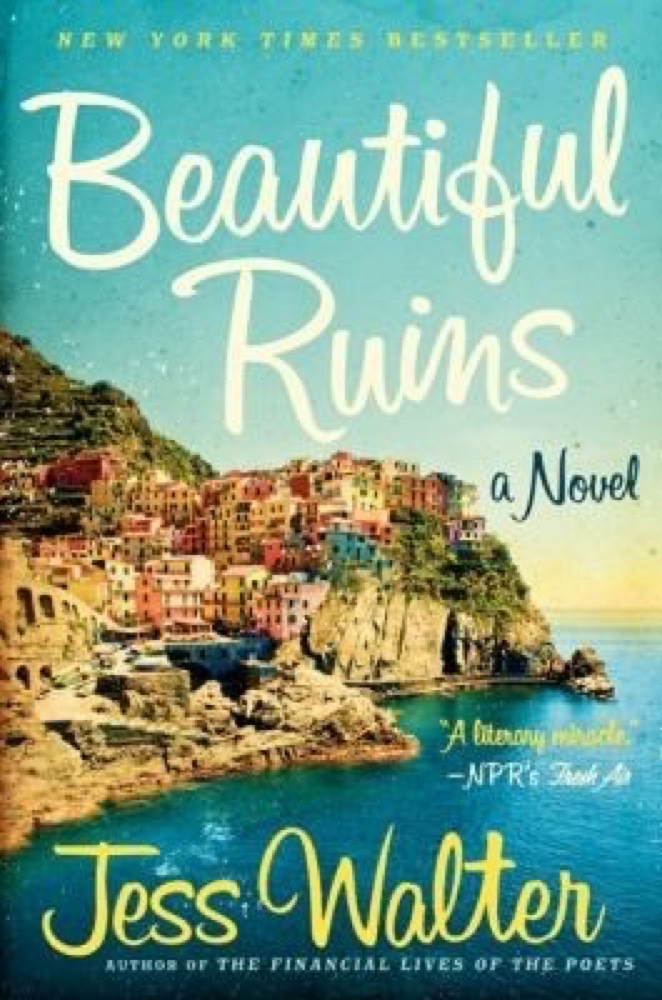 Beautiful Ruins
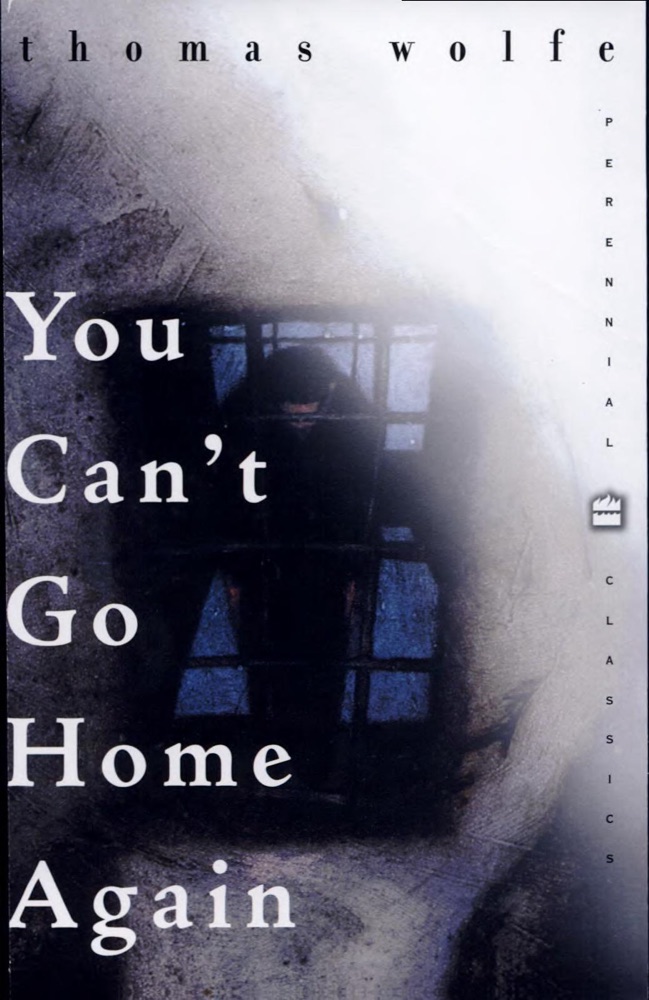 You Can't Go Home Again
 In Search of Lost Time
 The Swan Thieves
 Hourglass: Time, Memory, Marriage
 Poems, 1962-2012
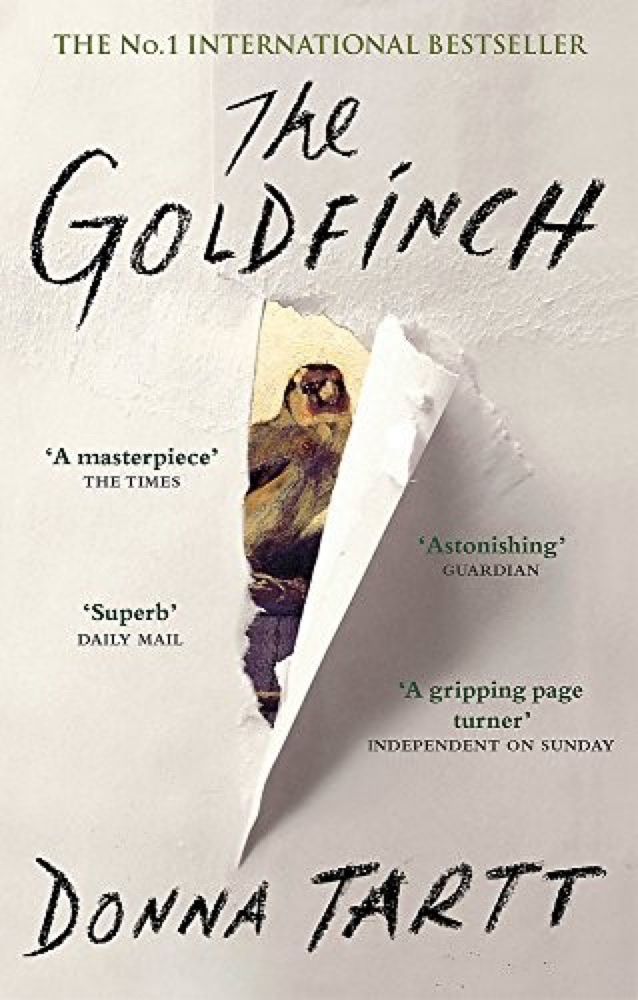 The Goldfinch
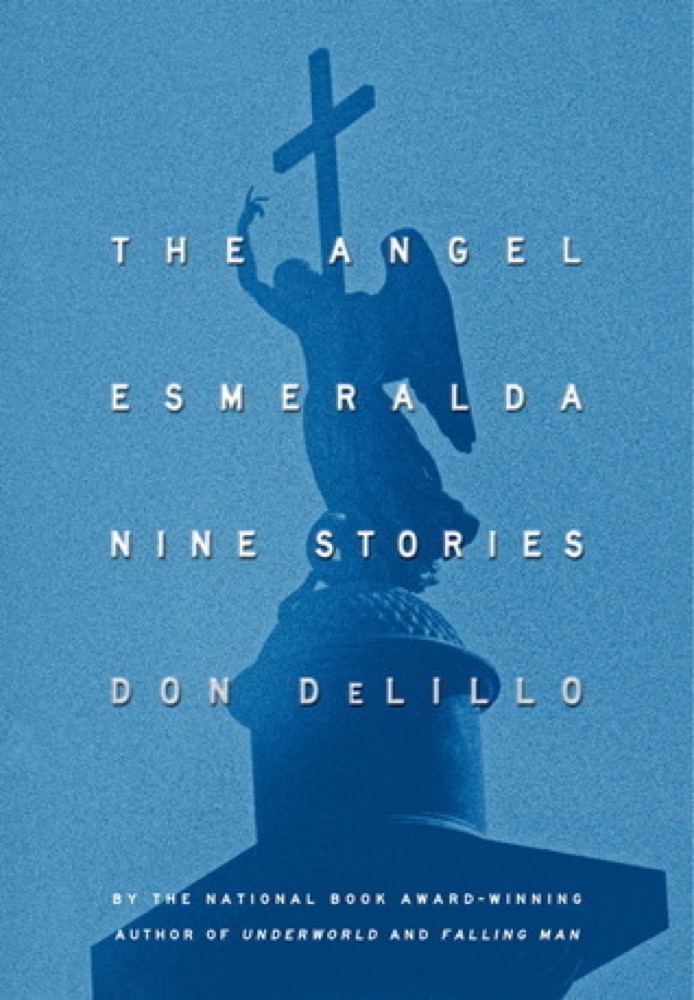 The Angel Esmeralda
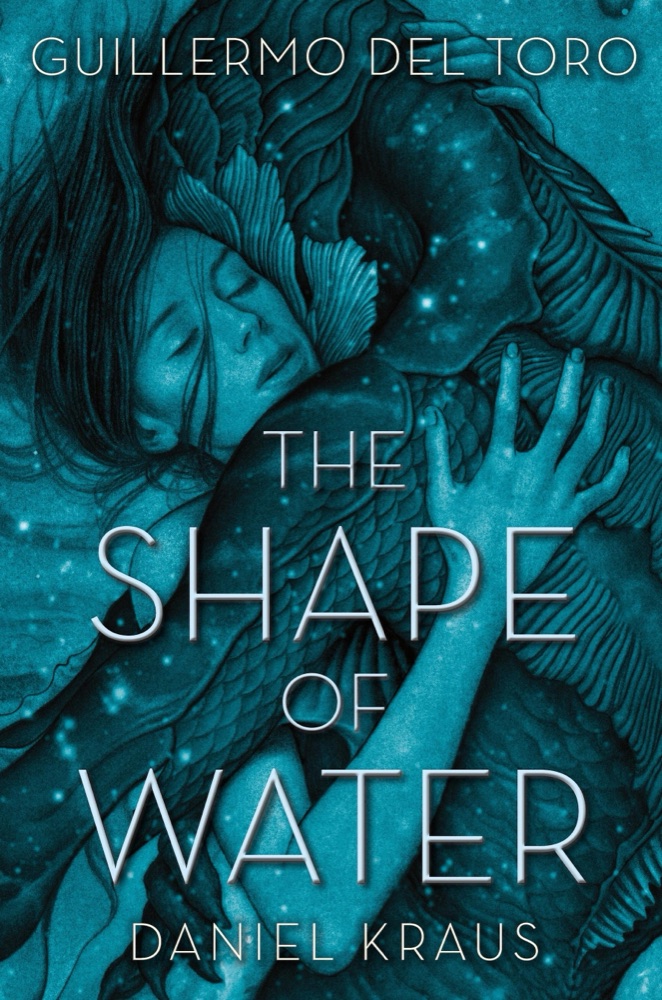 The Shape of Water
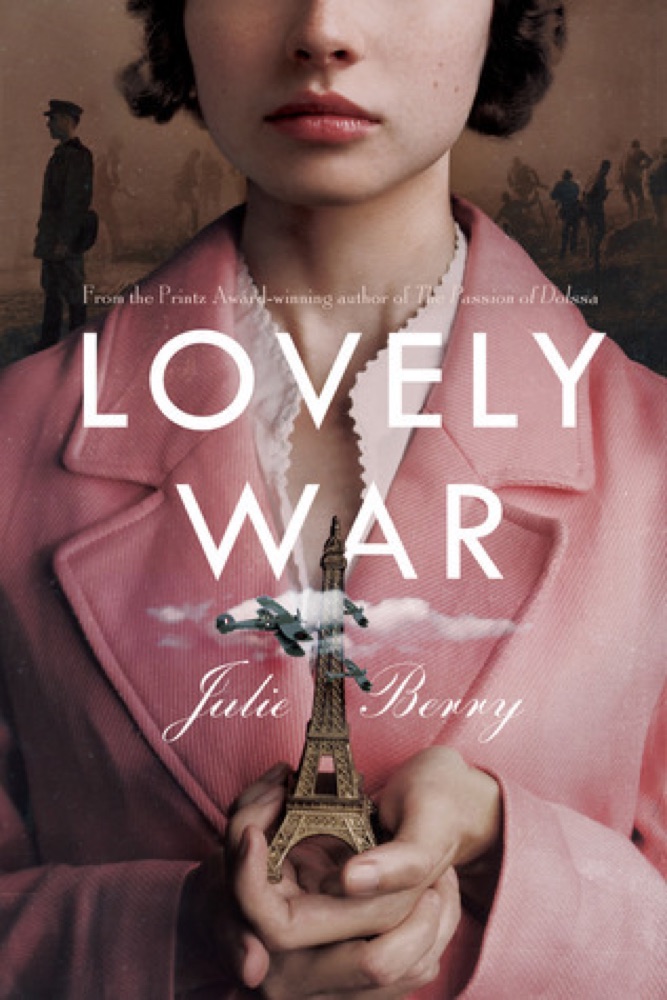 Lovely War
 Running in the Family
 Wind, Sand and Stars
 One Italian Summer
 Suite Française
 The Impossible Lives of Greta Wells
 The Good Soldier
 Jayber Crow
 Independent People
 Underworld
 Wake, Siren: Ovid Resung
 Honey, Baby, Sweetheart
 TransAtlantic