
 When You Ask Me Where I'm Going: Young Adult Prose Poetry on Trauma, Feminism, and Empowerment
Quotes from the Book
They say perhaps we cry when language fails, when words can no longer adequately convey our hurt.
10
Most crying happens at night. People cry out of fatigue. But how horrible it is to hear someone say, “She’s just tired!” Tired, yes, certainly, but just? There is nothing just about it.
10
The floor is the only thing that can hold me. If I could go any lower I would.
6
Some people think of reading poems and stories as a way to practice responding to imagined circumstances, without having to risk dangers of real life.
4
The car is a private crying area. If you see a person crying near a car, you may need to offer help. If you see a person crying inside a car, you know they are already held.
4
Crying is its own nakedness and to see both kinds at once elicits a panic of pity. This is why people offer handkerchiefs to each other; it is an act of care, a restoration of dignity, a small instruction to get dressed.
4
If you are alone, comfort arms are still available; you hold yourself together.
4
And what shall we make ourselves from today? A memory, a seedling, a word? What can we hold up to the light and find despair has not yet touched?
3
Maybe we cannot know the real reason why we are crying. Maybe we do not cry about, but rather near or around. Maybe all our explanations are stories constructed after the fact.
3
I say "despair" because it is a word that can live comfortably in a house without changing the building's purpose. It only changes the mood. "Depression" and "suicidal ideation" and "anxiety" all cast a stage or laboratory light. Even here, in this room. It shifts from paragraph to clinic. Despair recognizes its own ridiculousness, its emotional exaggeration.
3
Almost all my understanding is from books...Sometimes it seems there are more pages in me than breaths.
3
I understand she is crying because she is witnessing a difficult and maybe sorrowful event. I understand I am not crying because I am the event.
3
But it is dangerous to lay a map of one’s life over another’s, to make it a trap.
2
And I do, I try. I love the world, try to catch its tune and sing along.
1
Writing a poem is not so very different from digging a hole. It is work. You try to learn what you can from other holes and the people who dug before you. The difficulty comes from people who do not dig or spend time in holes thinking that the holes ought not to be so wet, dark, or full of worms. “Why is your hole not lined with light?” Sir, it is a hole.
1
Tears are a sign of powerlessness, a "woman's weapon." It has been a long war.
1
Some people will write about one thing as a way of not writing about something else. Like Tony Tost: 'I don’t know how to talk about my biological father, so I am going to describe the lake: it’s blue, with swans.
1
The despair is not reasonable. It has no sense of proportion. It knows the material conditions of my life are not under threat, but it does not care.
1
I want to learn to navigate by stars that have nothing to do with me, stars no human can master, but by whose light one might see where to go.
1
Muskie denied that he'd cried, said the tears were only snowflakes that had fallen in his eyes.
1
Sometimes I am afraid that as I am listening to people’s stories of tears—and therefore, frequently, of suffering—I will make the mistake of these priests, that I will fail to hear what people most want to be known, that I will only make them cry again.
1
Before they arrived, before they took me to the hospital, I half undressed myself and climbed into the bath, crying, chanting, keening, I want to die, I want to die. It is a song my body knows.
1
As far as words go, ‘crying’ is louder and ‘weeping’ is wetter. When people explain the difference between the two to English-language learners they say that weeping is more formal, can sound archaic in everyday speech. You can hear this in their past tenses—the plainness of ‘cried’, the velvet cloak of ‘wept’. I remember arguing once with a teacher who insisted ‘dreamt’ was incorrect, dreamed the only proper option. She was wrong, of course, in both philological and moral ways, and ever since I’ve felt a peculiar attachment to the t’s of the past: weep, wept, sleep, slept, leave, left. There’s a finality there, a quiet completion, of which ’d’ has never dreamt.
Emily and I exchange techniques to stop crying. There comes a time, we say, when one is simply not in the mood. Pick a color, she tells me, and find every instance of it in the room. I pick blue. I pick dark green. One day I call her and say that if I start to cry I want her to squawk like a chicken. When my voice starts to shake she panics and quacks like a duck. Then I am laughing and crying all at once-- wet and loud and thankful-- and it feels as if my heart has turned itself inside out.
When I am in the fog of despair I fear I cry too much to be a good partner or parent or person, that something within me is utterly broken, that any reprieve—a day of joy! a poem!—is temporary and somehow false. But that is the fog doing its work, making everything large and grotesque. When the fog lifts I can point up, say Look, it is a cloud.
To cry or not to cry is sometimes a choice, and no telling which is the better. Not true—if you are alone, or with only one other, cry. To cry with more people present, concludes the International Study of Adult Crying, can lead to a worsening mood, though that may depend on others’ reactions. You can be made to feel ashamed. Most frequently criers report others responding with compassion, or what the study categorizes as “comfort words, comfort arms, and understanding.”2 If you are alone, comfort arms are still available; you hold yourself together.
I fear the rage of grieving American men, men who--having suffered some loss of one of their narrow sources of self-worth--decide to murder their families along with themselves.
One afternoon the test says yes, pregnant, good job, very clever.
Despair recognizes its own ridiculousness, its emotional exaggeration. It invites you to say, like Anne of Green Gables, that you are in "the depths of despair." It makes no space for shallows.
Watch on YouTube
About Heather Christle
We have collected 29 quotes from 1 book by Heather Christle on BookQuoters.
More about the author →About the book
Award-winning poet Heather Christle has just lost a dear friend to suicide and must reckon with her own struggles with depression and the birth of her first child. How she faces her joy, grief, anxiety, impending motherhood, and conflicted truce with the world results in a moving meditation on the nature, rapture, and perils of crying―from the history of tear-catching gadgets (including the woman who designed a gun that shoots tears) to the science behind animal tears (including moths who drink them) to the fraught role of white women's tears in racist violence.
Told in short, poetic snippets, The Crying Book delights and surprises, as well as rigorously examines how mental illness can affect a family across generations and how crying can express women’s agency―or lack of agency―in everyday life. Christle’s gift is the freshness of her voice and honesty of her approach, both of which
Book details
- First published
- 2019
- Author
- Heather Christle
- Genre
- Literature
- Goodreads rating
- 3.76 (4k ratings)
The buzz
- The New York TimesReview in The New York Timesprofessional review (via Book Marks)
- The New YorkerReview in The New Yorkerprofessional review (via Book Marks)
- The GuardianReview in The Guardianprofessional review (via Book Marks)
- Kirkus ReviewsReview in Kirkus Reviewsprofessional review (via Book Marks)
- LA Review of BooksReview in LA Review of Booksprofessional review (via Book Marks)
- BooklistReview in Booklistprofessional review (via Book Marks)
Keep reading
When You Ask Me Where I'm Going: Young Adult Prose Poetry on Trauma, Feminism, and Empowerment
 All My Puny Sorrows
 A Grief Observed
 We Are All So Good at Smiling
 Blueberries: Essays Concerning Understanding
 In the Dream House
 Why Be Happy When You Could Be Normal?
 The Chronology of Water
 Old Babes in the Wood: Stories
 I Don't Want To Be Crazy
 Fear of Flying
 Grief Is for People
 The Hurting Kind: Poems
 Everything Is Illuminated
 Almond
 A History of My Brief Body
 The Shock of the Fall
 On Canaan's Side
 The Carrying
 How to Make Friends with the Dark
 Goodbye Days
 The Examined Life: How We Lose and Find Ourselves
 Take Me With You
 Men Without Women
 The Cancer Journals
 The First Time She Drowned
 The Madness Vase
 First Person Singular: Stories
 The Friend
 Conviction
 The Trauma Cleaner: One Woman's Extraordinary Life in the Business of Death, Decay, and Disaster
 Our Wives Under the Sea
 The Journals of Sylvia Plath
 Notes To Self
 Journal of a Solitude
 Hollywood Park
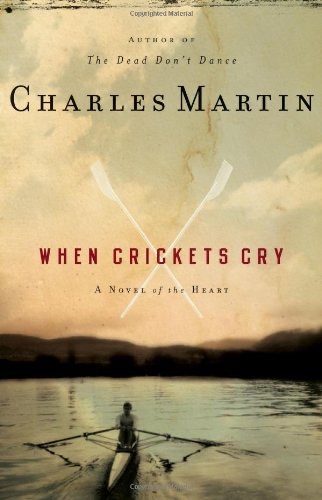 When Crickets Cry
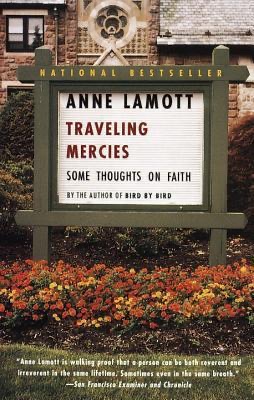 Traveling Mercies: Some Thoughts on Faith
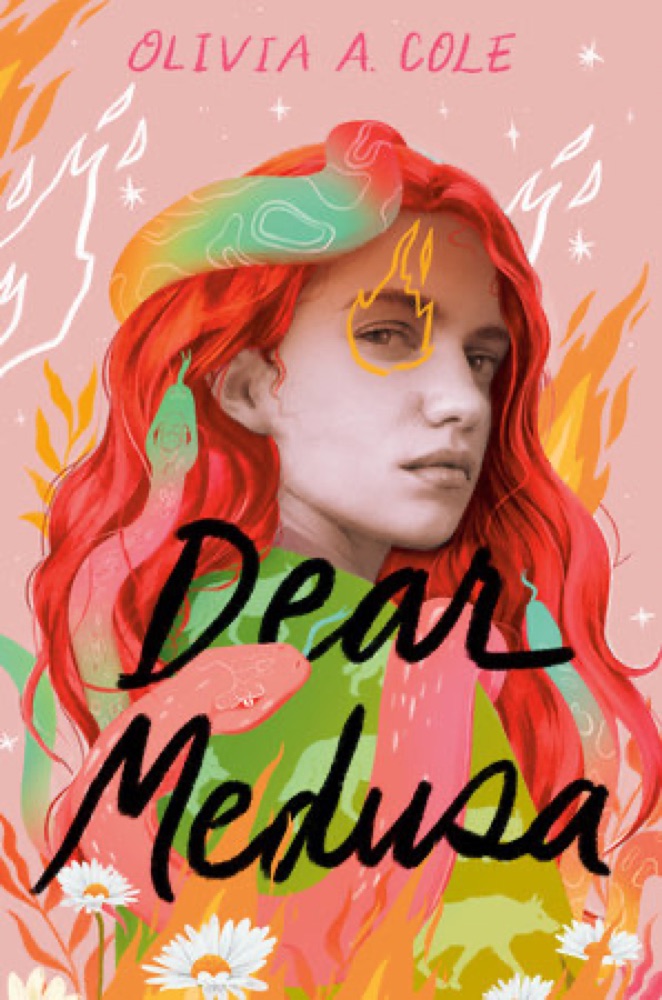 Dear Medusa
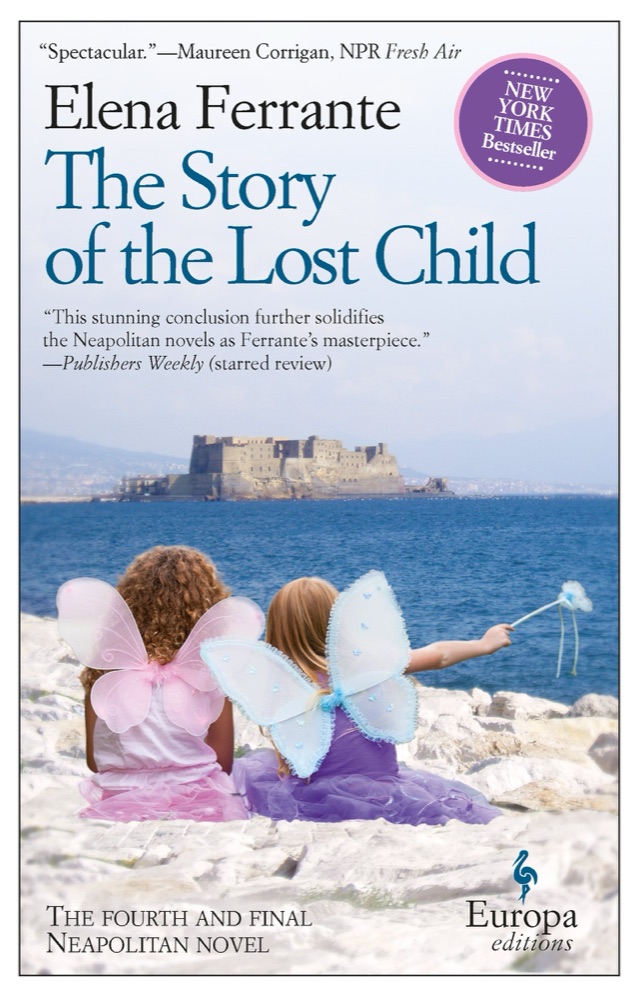 The Story of the Lost Child
 A Little Devil in America: Notes in Praise of Black Performance
 You Better Be Lightning
 In the Wild Light
 Shoot the Damn Dog: A Memoir of Depression
 Lit
Lit
 Notes on Grief
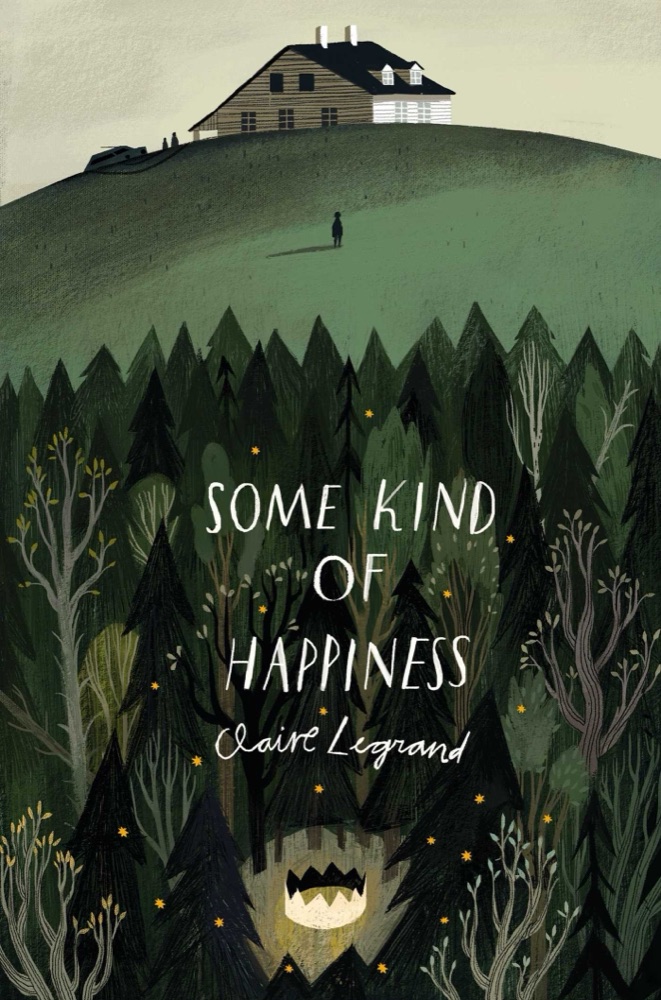 Some Kind of Happiness
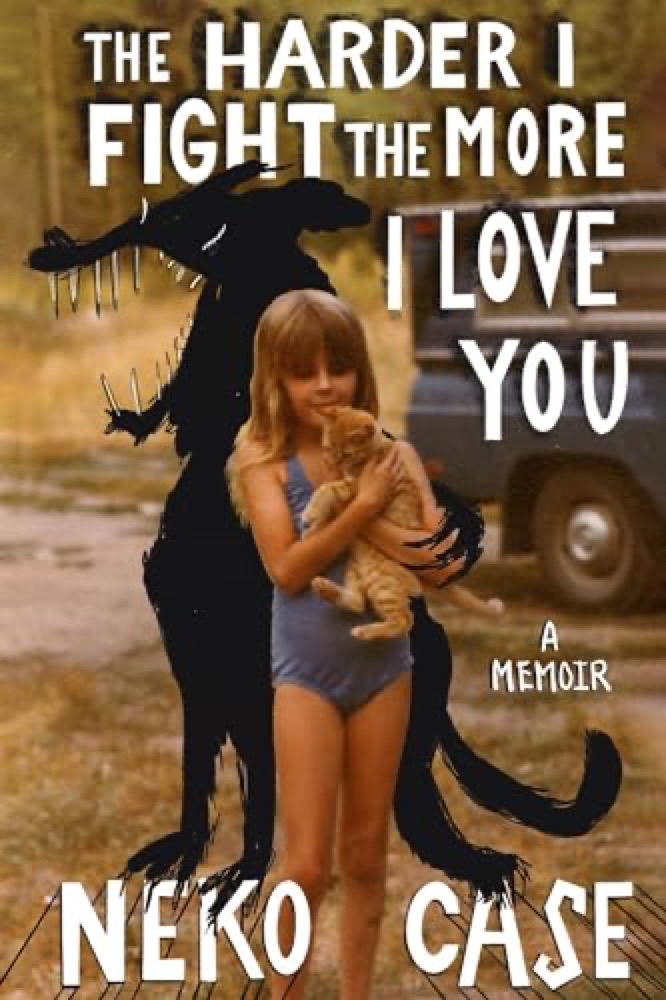 The Harder I Fight the More I Love You: A Memoir
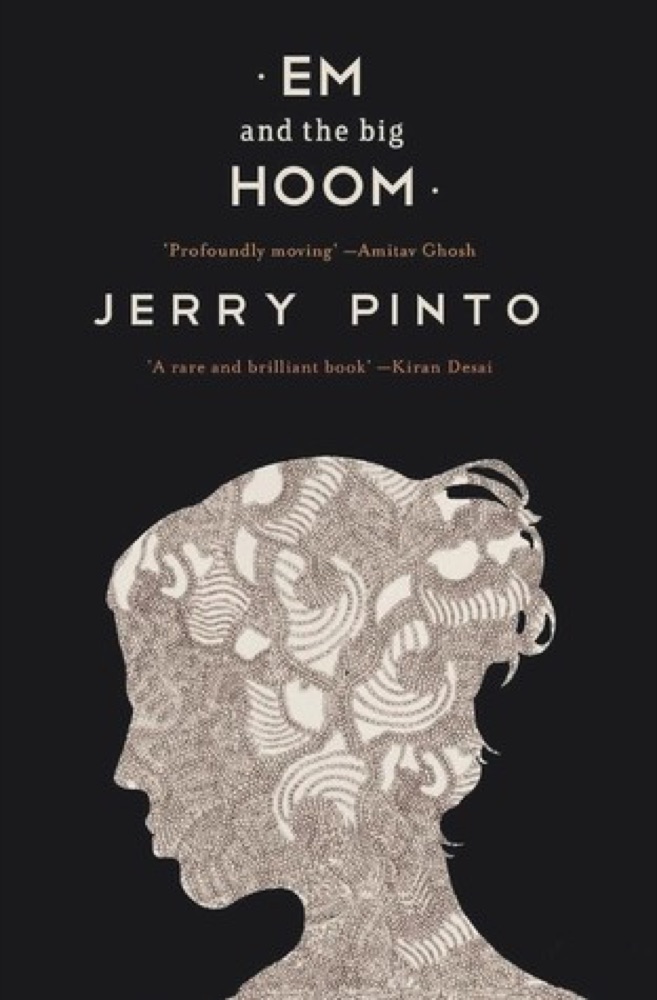 Em and The Big Hoom
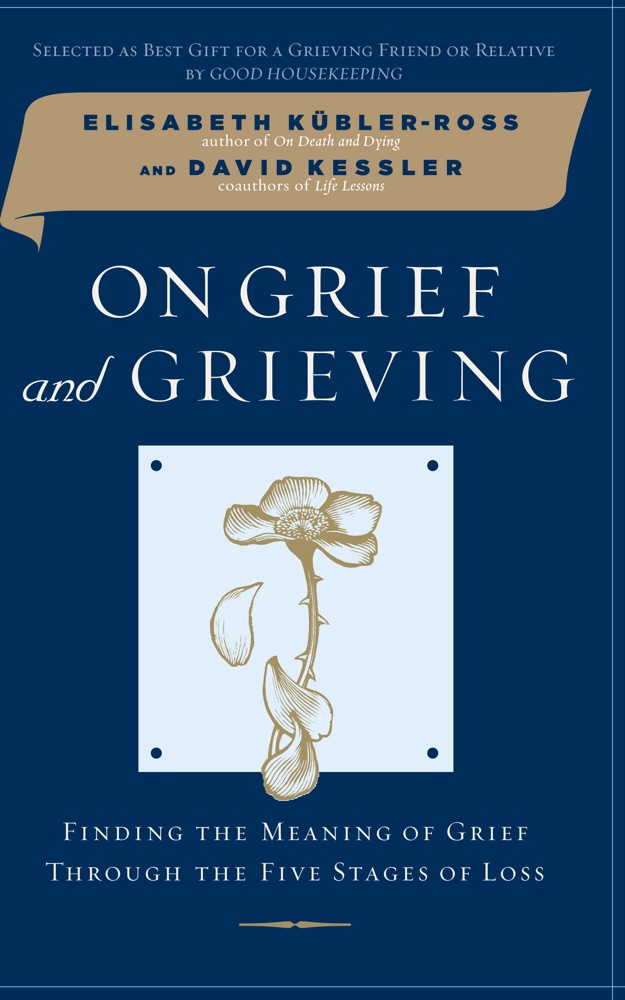 On Grief and Grieving: Finding the Meaning of Grief Through the Five Stages of Loss
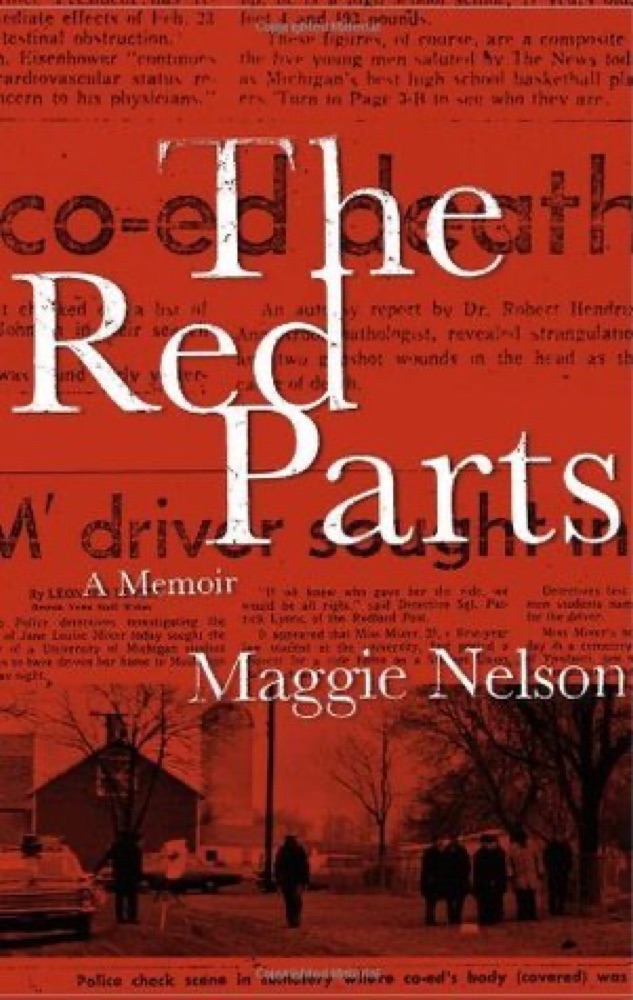 The Red Parts
 The Name of the Wind
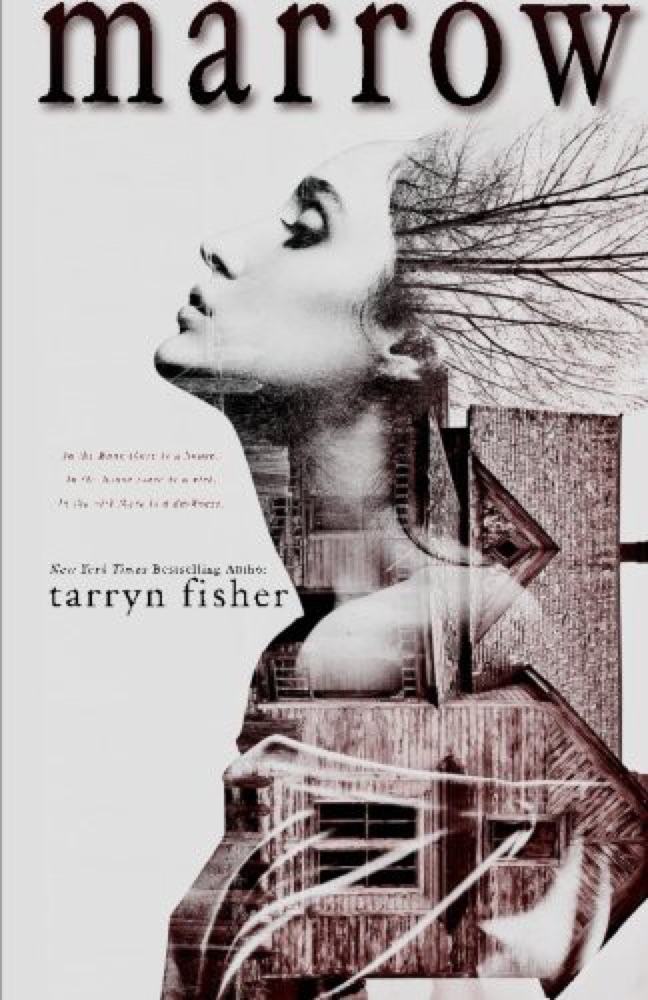 Marrow
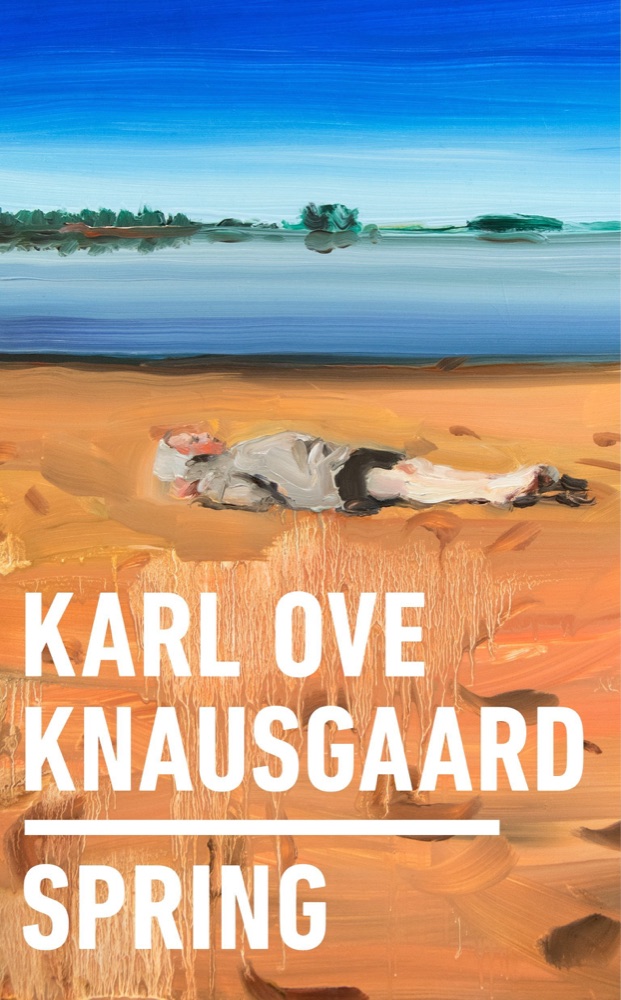 Spring
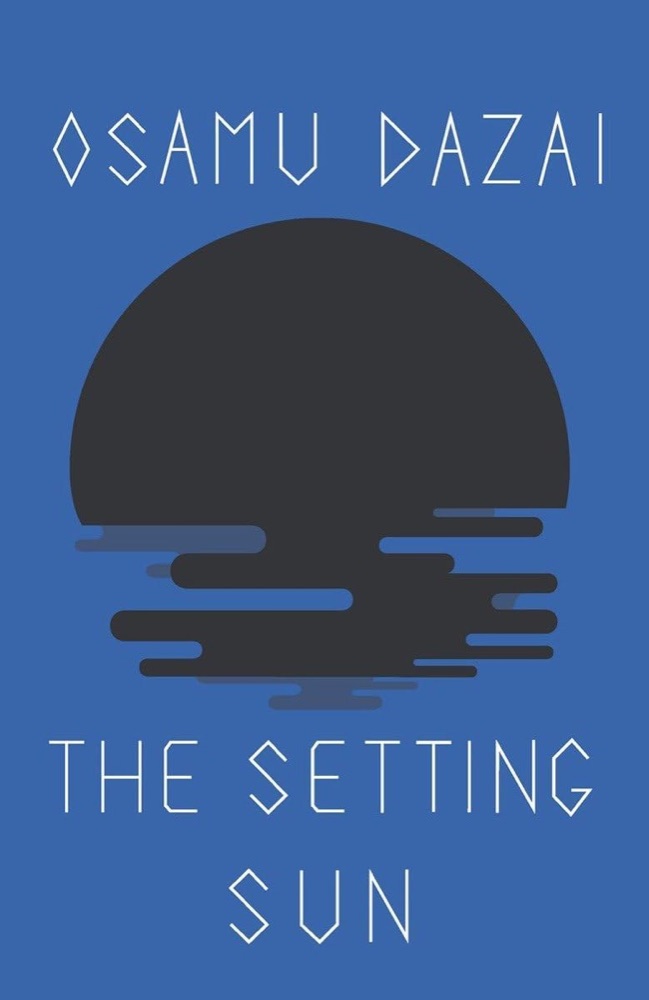 The Setting Sun
 Trigger Warning: Short Fictions and Disturbances
 Flow My Tears, the Policeman Said
 The Memory of Light
 The Dark and Hollow Places
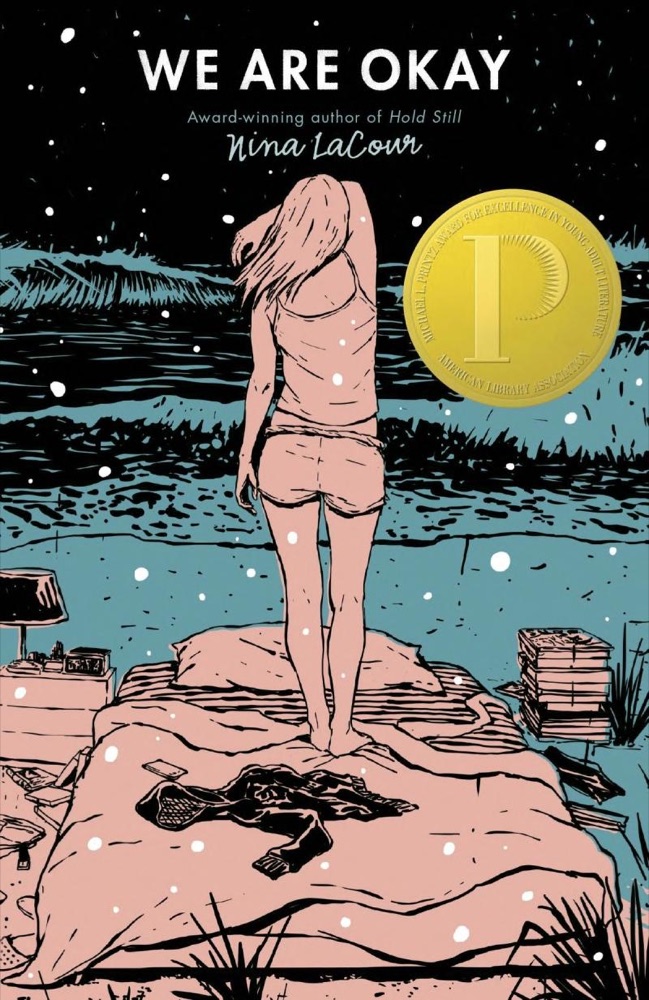 We Are Okay