
 Bluets
Quotes from the Book
Am I sitting here now, months later, in Los Angeles, writing all this down, because I want my life to matter? Maybe so. But I don't want it to matter more than others. I want to remember, or to learn, how to live as if it matters, as if they all matter, even if they don't.
15
Of course my ex didn’t walk me home. Instead I wandered, drunk, from Main Street down to the railroad tracks, lay down there and listened to the quiet world. Smoked a cigarette on my back, feeling a part of the ground, one of night’s dark and lost creatures. For as long as I can remember, this has been one of my favorite feelings. To be alone in public, wandering at night, or lying close to the earth, anonymous, invisible, floating. To be “a man of the crowd,” or, conversely, alone with Nature or your God. To make your claim on public space even as you feel yourself disappearing into its largesse, into sublimity. To practice for death by feeling completely empty, but somehow still alive. It’s a sensation that people have tried, in various times and places, to keep women from feeling.
12
I know what I want is impossible. If I can make my language flat enough, exact enough, if I can rinse each sentence clean enough, like washing a stone over and over again in river water, if I can find the right perch or crevice from which to record everything, if I can give myself enough white space, maybe I could do it. I could tell you this story while walking out of this story. I could—it all could—just disappear.
9
But if I were honest, or if I were at least to bump into the limits of my honesty, I would have to admit that I knew exactly how this love would end from the moment it began. The loss was probably before it was possible.
7
I awoke from this nightmare into a freezing cold motel room: the heater had broken at some point during the night, and the fan was now blowing icy air into the room. At first I tried to keep warm under the crappy motel bedspread by thinking about the man I loved. At the time he was traveling in Europe, and was thus unreachable. I didn't know it yet, but as I lay there, he was traveling with another woman. Does it matter now? I tried hard to feel his body wrapped tightly around mine. Next I tried to imagine everyone I had ever loved, and everyone who had ever loved me, wrapped around me. I tried to feel that I was the composite of all these people, instead of alone in a shitty motel room with a broken heater somewhere outside of Detroit, a few miles from where Jane's body was dumped thirty-six years ago on a March night just like this one. 'Need each other as much as you can bear,' writes Eileen Myles. 'Everywhere you go in the world.' I felt the wild need for any or all of these people that night. Lying there alone, I began to feel - perhaps even to know - that I did not exist apart from their love and need of me. Of this latter I felt less sure, but it seemed possible, if the equation worked both ways. Falling asleep I thought, 'Maybe this, for me, is the hand of God.
6
[...] Fear of breakdown is the fear of a breakdown that has already been experienced [...} It’s only lately that I’ve realized that Winnicott is not suggesting that breakdowns do not recut. Now I see that he may be suggesting just the opposite: that a fear of breakdown in our past may be precisely what causes it to repeat in our future
5
Perhaps because I have spent hours sermonizing to students about the sins of the passive voice—how it can obfuscate meaning, deaden vitality, and abandon the task of assigning agency or responsibility—I find the grammar of justice maddening. It’s always “rendered,” “served,” or “done.” It always swoops down from on high—from God, from the state—like a bolt of lightning, a flaming sword come to separate the righteous from the wicked in Earth’s final hour. It is not, apparently, something we can give to one other, something we can make happen, something we can create together down here in the muck. The problem may also lie in the word itself, as for millennia “justice” has meant both “retribution” and “equality,” as if a gaping chasm did not separate the two. If you really want to know what justice is, don’t only ask questions and then score off anyone who answers, and refute him, roars Thrasymachus to Socrates in The Republic. You know very well that it is much easier to ask questions than to answer them. Give an answer yourself and tell us what you say justice is. When justice is done, writes Anne Carson, the world drops away. This does not seem to me a happy thought. I am not yet sure I want the world to drop away.
5
For as long as I can remember, this has been one of my favorite feelings. To be alone in public, wandering at night, or lying close to the earth, anonymous, invisible, floating. To be ‘a man of the crowd,’ or, conversely, alone with Nature or your god. To make your claims on public space even as you feel yourself disappearing into its largesse, into its sublimity. To practice for death by feeling completely empty, but somehow still alive. It’s a sensation that people have tried, in various times and places, to keep women from feeling. Many still try. You’ve been told a million times that to be alone and female and in public late at night is to court disaster, so it’s impossible to know if you’re being bold and free or stupid and self-destructive. And sometimes practicing for death is just practicing for death. As a teenager I liked to take baths in the dark with coins placed over my eyes.
4
... I will take a long shower, as the shower is the only place I will have any privacy. In the stall I will get down on my knees and weep, letting the water run over my body, praying to get better, praying not to hurt myself any more than I’m already hurting, praying that this loss, that this whole time, will move over me, through me, like a dark storm passing over a great plane. A great plain which is, essentially, my soul. A soul which is neither light nor dark, neither wholly alone nor wholly with any other, certainly not with God, just flat, open, deathless, and free. Curled up in a wet ball on the tile floor I will hear myself say, something in me is dying. I no longer know to whom I’m talking.
4
But the more I looked at the card, the more it troubled me. My poems didn’t tell stories. I became a poet in part because I didn’t want to tell stories. As far as I could tell, stories may enable us to live, but they also trap us, bring us spectacular pain. In their scramble to make sense of nonsensical things, they distort, codify, blame, aggrandize, restrict, omit, betray, mythologize, you name it. This has always struck me as cause for lament, not celebration. As soon as a writer starts talking about the “human need for narrative” or the “archaic power of storytelling,” I usually find myself wanting to bolt out of the auditorium. Otherwise my blood creeps up to my face and begins to boil
3
After years of feeling like the dutiful daughter, now I just felt like a complete shit.
2
IN ONE OF his last psychoanalytic papers, D. W. Winnicott wrote: Fear of breakdown is the fear of a breakdown that has already been experienced.
2
Write the things which thou hast seen, and the things which are, and the things which shall be hereafter. A red part
2
I felt the wild need for any or all of these people that night. Lying there alone, I began to feel - perhaps even to know - that I did not exist apart from their love and need of me. Of this latter I felt less sure, but it seemed possible, if the equation worked both ways. Falling asleep I thought, 'Maybe this, for me, is the hand of God.
2
I am getting the bad feeling that my friends are growing tired of me. I am growing tired of me, too.
1
Fear of breakdown is the fear of a breakdown that has already been experienced.
1
AT THE VOIR dire the judge asks all the potential jurors to swear that even if they regularly watch CSI, Law & Order, Cold Case Files, or any other television show featuring forensic science and criminal justice, that they have a firm grasp on the difference between television—even reality television—and reality itself, in which we are presumably now mired. One potential juror with several small children says that won’t be a problem for her, because she mostly watches the Cartoon Network; the judge quips that an afternoon spent with the Cartoon Network provides as much or more information about the criminal justice system as a full season of Law & Order.
1
The witnesses and detectives fold and unfold this towel many times, always with a certain solemnity and formality, as if it were a flag. But the flag of what country, I cannot say. Some dark crescent of land, a place where suffering is essentially meaningless, where the present collapses into the past without warning, where we cannot escape the fates we fear the most, where heavy rains come and wash bodies up and out of their grave, where grief lasts forever and its force never fades
1
On April 20, 1970, the poet Paul Celan left his home in Paris, walked to a bridge over the River Seine, and jumped to his death. He left a biography of Hölderlin open on his desk, with the following words underlined: "Sometimes this genius goes dark and sinks down into the bitter well of his heart." The sentence does not end there. Celan chose not to underline the rest: "but mostly his apocalyptic star glitters wondrously.
1
But the flag of what country, I cannot say. Some dark crescent of land, a place where suffering is essentially meaningless, where the present collapses into the past without warning, where we cannot escape the fates we fear the most, where heavy rains come and wash bodies up and out of their graves, where grief lasts forever and its force never fades.
To the living we owe respect, / To the dead we owe the truth.” ~Voltaire.~ Violent Crimes Unit/Michigan State Police, reads the
Certainly I didn’t feel unwilling to face my revulsion. Sometimes I felt as though that was all I was doing. But was I “repressing anger at wrongful violation”? Was I denying the fact that “we live in a society in which there really are fearful and awful people”? What would it mean not to deny such a thing?
attempting to deny that we live in a society in which there really are fearful and awful people.
Watch on YouTube
About Maggie Nelson
We have collected 99 quotes from 4 books by Maggie Nelson on BookQuoters.
More about the author →More by Maggie Nelson

About the book
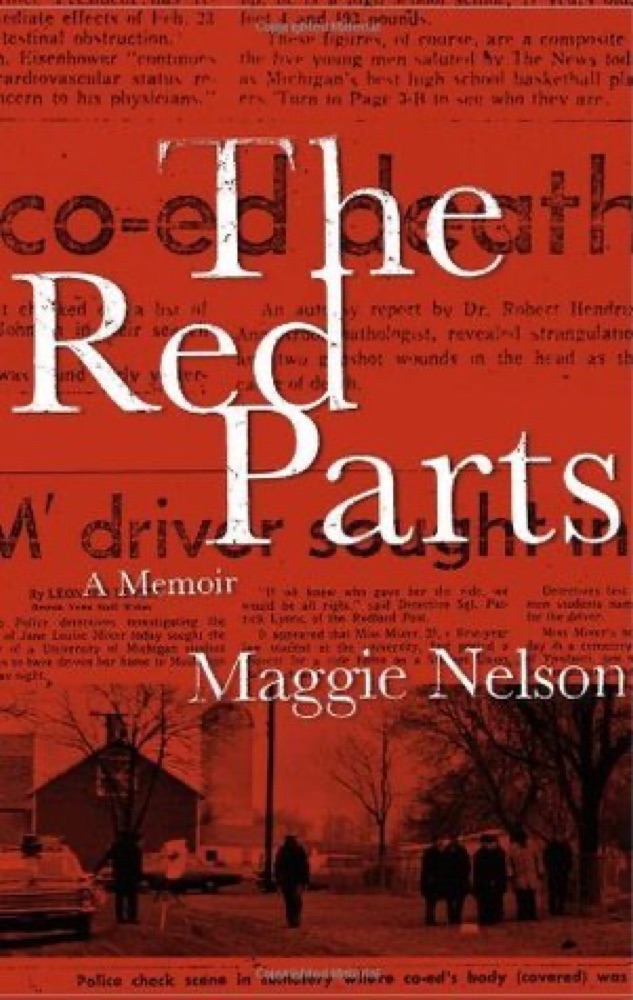
One day in March 1969, twenty-three- year-old Jane Mixer was on her way home to tell her parents she was getting married. She had arranged for a ride through the campus bulletin board at the University of Michigan in Ann Arbor, where she was one of a handful of pioneering women students at the law school. Her body was found the following morning just inside the gates of a small cemetery fourteen miles away, shot twice in the head and strangled. Six other young women were murdered around the same time, and it was assumed they had all been victims of alleged serial killer John Collins, who was convicted of one of these crimes not long after. Jane Mixer's death was long considered to be one of the infamous Michigan Murders, as they had come to be known. But officially, Jane's murder remained unsolved, and Maggie Nelson grew up haunted by the possibility that the killer of her mother's siste
Book details
- First published
- 2007
- Author
- Maggie Nelson
- Genre
- Nonfiction
- Goodreads rating
- 4.02 (10k ratings)
Keep reading
 A Little Devil in America: Notes in Praise of Black Performance
 Imagine Me Gone
 Blueberries: Essays Concerning Understanding
 Anthropology of an American Girl
 Just Above My Head
 Moments of Being: A Collection of Autobiographical Writing
 The Fact of a Body: A Murder and a Memoir
 The Story of the Lost Child
 The Raw Shark Texts
 Biography of X
 Tell No One
 Close to the Knives: A Memoir of Disintegration
 The Sweet Hereafter
 Good as Gone
 Trigger Warning: Short Fictions and Disturbances
 Underground: The Tokyo Gas Attack and the Japanese Psyche
 Her Body and Other Parties
 Dark Places
 Devotion
 American Psycho
 Aftershocks
 Stella Maris
 The Reader
 As I Lay Dying
 After the Quake
 Broken Harbor
 Plainwater: Essays and Poetry
 Conviction
 The Secret History
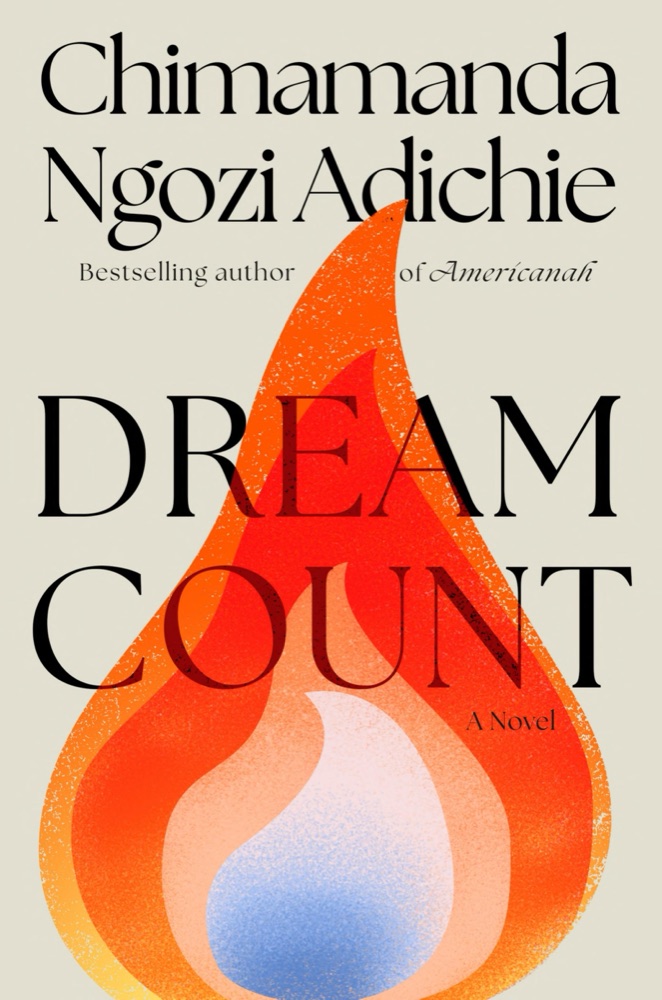 Dream Count
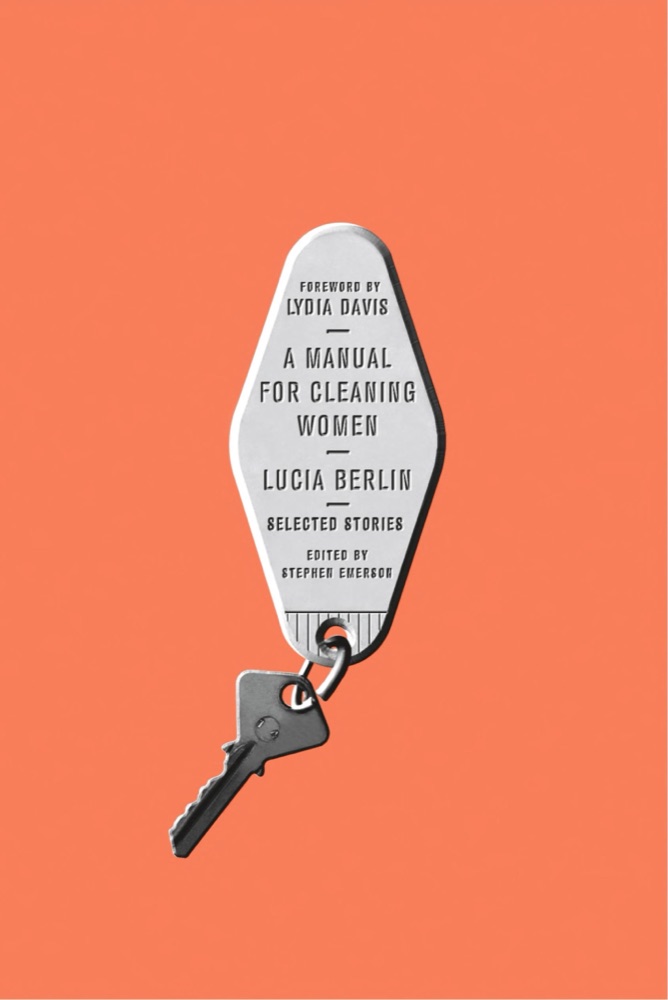 A Manual for Cleaning Women: Selected Stories
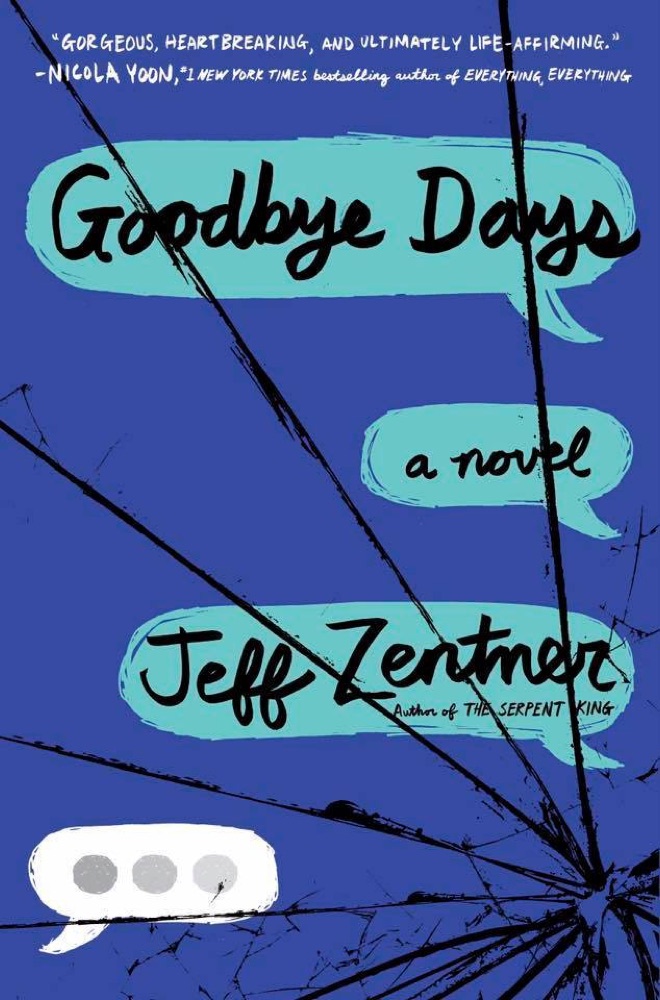 Goodbye Days
 The Shock of the Fall
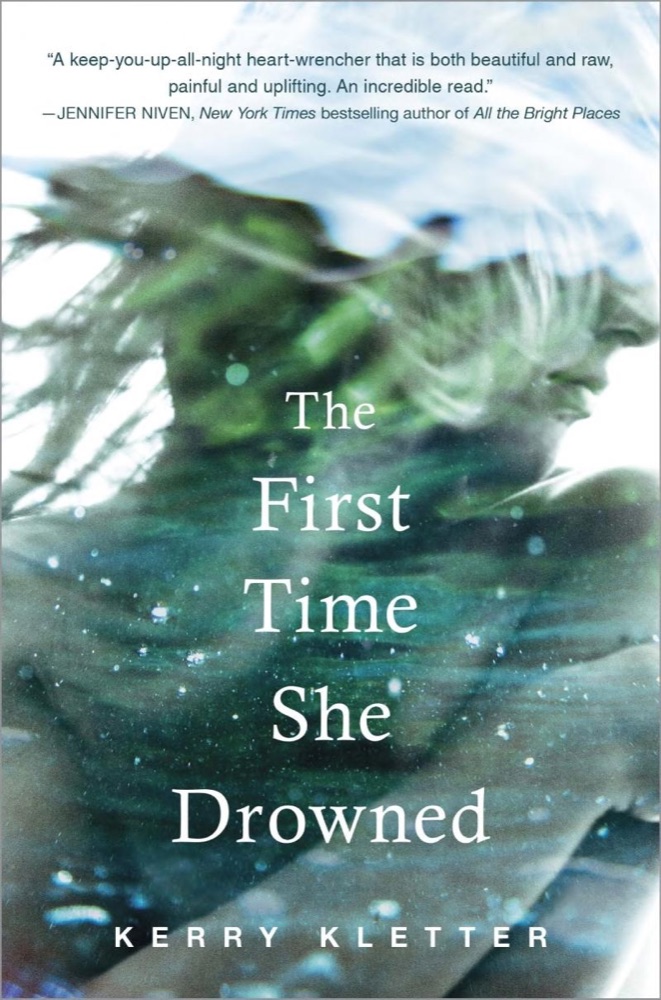 The First Time She Drowned
 The Folded Clock: A Diary
 The Marvelous Misadventures of Ingrid Winter
 The Chronology of Water
 The Return
 Future Home of the Living God
 Millennium Approaches
 Long Bright River
 Human Acts
 Make It Scream, Make It Burn
 Grief Is for People
 You Don't Have to Say You Love Me
 What Is the What
 In the Dream House
 The Story of a New Name
 Liberation Day
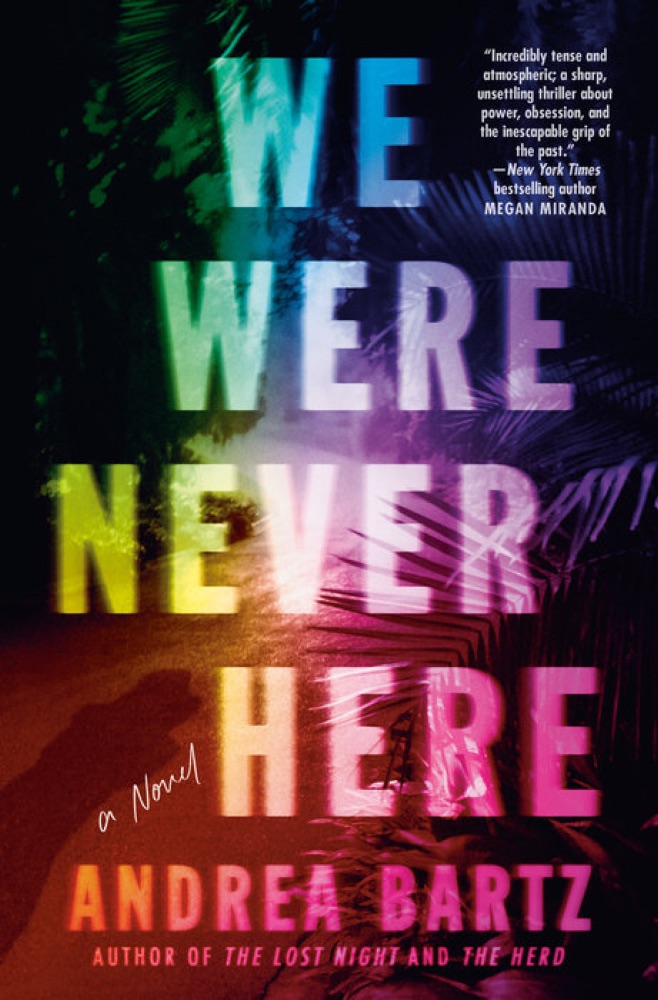 We Were Never Here
 The Girl Before
 Super Sad True Love Story
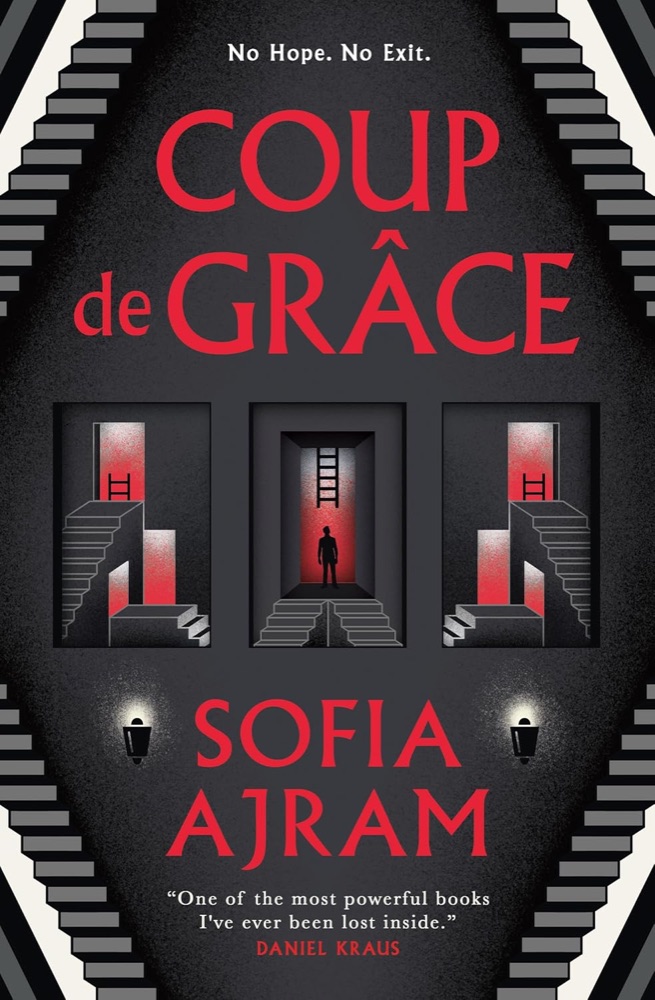 Coup de Grâce
 The Blind Assassin
 Bright Young Women
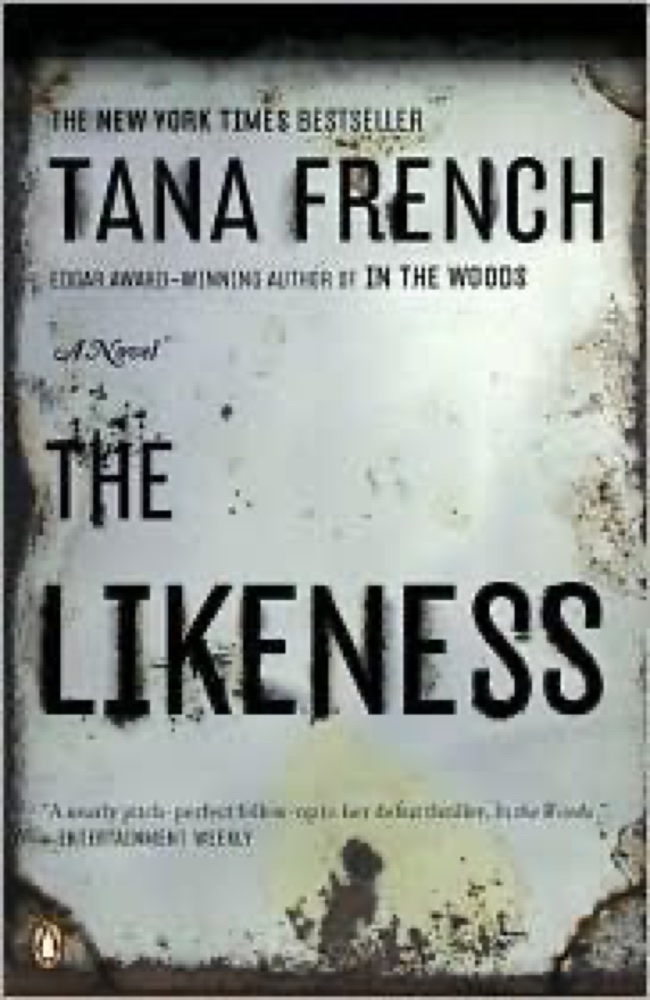 The Likeness
 Fear of Flying
 Our Wives Under the Sea
 A Woman in Berlin: Eight Weeks in the Conquered City: A Diary
 Robicheaux