
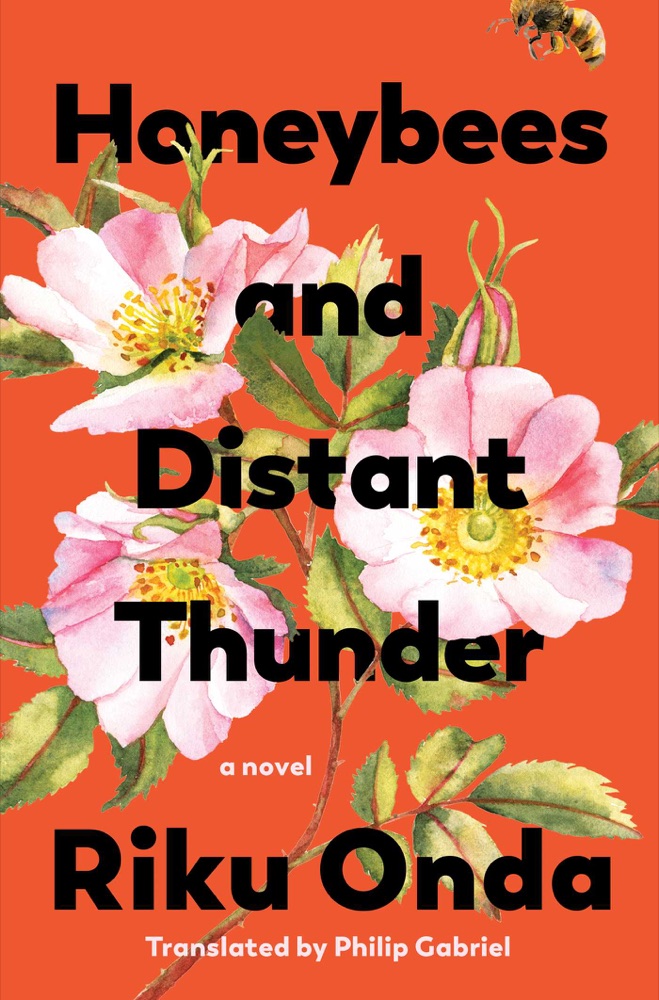
 Honeybees and Distant Thunder
Quotes from the Book
There is an old saying to the effect that when an elderly person dies a library disappears.
9
There are two kinds of people in this world, I believe, those who frequent bookshops and those who do not.
4
Non-fiction? I'm not keen on the word. No matter how much a writer tries to adhere to the truth, the notion of non-fiction is an illusion. All that can exist is fiction visible to the eye. And what is visible can also lie. The same applies to that which we hear and touch. Fictions that exist and fictions that don't exist- that's the level of difference, in my opinion.
4
I feel reassured that the world is full of books that people are steadily reading their way through. No matter how much information may be available, or how easy it is to come by, when all is said and done books can only be read by working one’s way through them, line by line, page by page.
3
I hope you understand that truth is nothing more than one view of a subject seen from a particular perspective.
2
Yes, people are indeed a mystery. The way they present themselves changes according to the place and person they are with.
2
Quite a few people became depressed once the crime was solved. It seemed so pointless. If the culprit had at least had a strong motive, it might have been easier to understand. Once it was all over, people felt as if they had been left in limbo. Yes, they did. Many people expressed doubt as to whether the man who committed suicide really was the culprit.
2
If my life were a book, the thickest section, the one with the most dog-eared pages, would be the one about that case. The spine would be bent from being opened to those pages so often. And the book would always fall open to that place. That's how I see it.
2
Fear is a spice that lends credibility. Just the right amount sprinkled in any story makes it plausible.
2
There are some people who you can never understand, even if they are relatives, like parents, or children, or brothers and sisters. Is that wrong? Isn’t acknowledging that lack of understanding, and giving up, one kind of understanding? That’s the kind of thing I think about. But in this day and age, society doesn’t forgive those it doesn’t understand. To not be understood leaves you open to bullying, or gets you labelled suspicious. If you’re not convincing in the eyes of society it makes you vulnerable to attack. Everything has to be by the book – reduced and standardized. The reason for anger is, more often than not, simply lack of understanding.
1
the notion of non-fiction is an illusion. All that can exist is fiction visible to the eye. And what is visible can also lie. The same applies to that which we hear and touch. Fictions that exist and fictions that don’t exist – that’s the level of difference, in my opinion.
1
If there is no observer, the observed does not exist.
1
That’s how I came to believe that it’s impossible to ever really know the truth behind events. Once one accepts this, it follows that everything written in newspapers or textbooks as “history” is actually an amalgam of the greatest common factors from all the information available.
1
Every person spoke in the sincere belief that what they said was the absolute truth, but if one thinks about it, it’s difficult to describe an actual event in words exactly as one sees it. More like impossible, in my opinion. Each person has their own idiosyncratic biases, visual impressions and tricks of memory that shape their perception, and when one also takes into consideration the individual knowledge, education and personality that influence each single viewpoint, one can see how infinite the possibilities are.
1
Of course, human agency and contrivance are at the centre of this particular snowball, and probably repressed emotions have something to do with it as well, but I believe that terrible things – terrible beyond anything that humans could devise – can happen due to a series of circumstances coinciding with some kind of trigger. Such events are then presented to us in the form of a great calamity, as if to mock our puny human desires. Do you see what I mean? My feeling is that this crime was something like that.
1
I don’t have any great ambitions for myself. It’s enough for me if the three of us can lead safe, healthy lives. A peaceful life is best. But such a modest ambition is becoming more and more difficult to achieve. People may try to live quiet, retiring lives, but things can happen. They might get caught up in a crime, or ill from food additives. The way society works or businesses operate can change in a flash, and even as you wish things would stay the same, a giant wave engulfs everything. It’s tragic when people think the wave won’t reach them but get swept away by it anyway. The wave takes everything with it, you hurt all over, and you’re left holding on to nothing.
1
That’s right. Sometimes people get caught up in events beyond their understanding. They get ambushed under the guise of chance. Things happen and it seems as if they’re in another world or dimension. When something like that occurs, nobody can explain what’s really going on… Well, of course they can’t.
1
That was how I chose to deal with it. I felt I had no other choice.
1
That's why it's a mistake to believe it's realistic to think about surviving in a world that can't be understood.
1
But as I grew older, every time I saw an injustice or something I couldn't understand, I felt something surreptitiously stirring deep down inside, slowly working its way up from the depths. Over time this sense of unease built up and felt more solid. I don't remember what the trigger was, but one day I realized I had to do something about it. I knew I couldn't go on with life as usual until I'd removed that accumulation of uneasiness. If I didn't, I knew I'd suffocate.
1
After a bit she asked if I thought people’s dreams are connected. I told her that the dreams of people who are thinking about each other are. “Gosh, that’s nice,” she said.
No, it wasn’t because of the illness, she was stable by then. It was the past, coming back to torment her, that’s what. She had terrible memories. More than anyone should have to bear. The thought of them made her twist her face in agony.
Yes, as time went by, I began to travel again in order to see things I had a fancy to see. Mind you, they didn’t necessarily exist in reality any more. My travels became a quest for the sources of memories, things that I had ostensibly seen before. Scenes from childhood, for example, or locations with nostalgic associations and the like.
When she – Hisako, that is – was questioned, she was confused at first, and apparently started talking about this room all of a sudden. No matter what the policewoman said to her, she’d only speak of things she had seen as a child. I can well believe it. She’d been alone and listening to her family dying all around her with no one to tell her what was going on. It must have been terrifying. Of all the people who lived in that house, only she had survived. Hisako Aosawa… She was in her first year of middle school at the time, so she would have been around twelve.
I enjoy rambling about old towns. Going to an unknown place and glimpsing the lives of strangers. Walking around an old city is like a journey through time. I get a lot of pleasure from discovering remnants of times past, like a milk box outside an old house or a retro enamel sign tacked to the wall of a tiny shop.
Green that verges on darkness.
Watch on YouTube
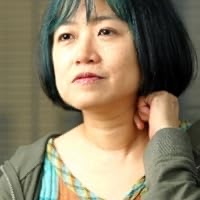
About Riku Onda
We have collected 32 quotes from 2 books by Riku Onda on BookQuoters.
More about the author →More by Riku Onda
Honeybees and Distant Thunder
About the book
The novel starts in the 1973 when 17 people die of cyanide poisoning at a party given by the owners of a prominent clinic in a town on the coast of the Sea of Japan. The only surviving links to what might have happened are a cryptic verse that could be the killer's, and the physician's bewitching blind daughter, Hisako, the only person spared injury. The youth who emerges as the prime suspect commits suicide that October, effectively sealing his guilt while consigning his motives to mystery.
The police are convinced Hisako had a role in the crime, as are many in the town, including the author of a bestselling book about the murders written a decade after the incident, who was herself a childhood friend of Hisako’s and witness to the discovery of the killings. The truth is revealed through a skillful juggling of testimony by different voices: family members, witnesses and neighbors, p
The buzz
- Kirkus ReviewsReview in Kirkus Reviewsprofessional review (via Book Marks)
- Publishers WeeklyReview in Publishers Weeklyprofessional review (via Book Marks)
- LA Review of BooksReview in LA Review of Booksprofessional review (via Book Marks)
- LibraryjournalReview in Libraryjournalprofessional review (via Book Marks)
- AsianreviewofbooksReview in Asianreviewofbooksprofessional review (via Book Marks)
Keep reading
 Underground: The Tokyo Gas Attack and the Japanese Psyche
 Gnomon
 The Book That Broke the World
 Saint X
 Stella Maris
 The Secret History
 The Shock of the Fall
 Drive Your Plow Over the Bones of the Dead
 The Unlikely Escape of Uriah Heep
 The Wind-Up Bird Chronicle
 The Hundred Lies of Lizzie Lovett
 Kafka on the Shore
 How to Stop Time
 Flights
 Mary Toft; or, The Rabbit Queen
 Oranges Are Not the Only Fruit
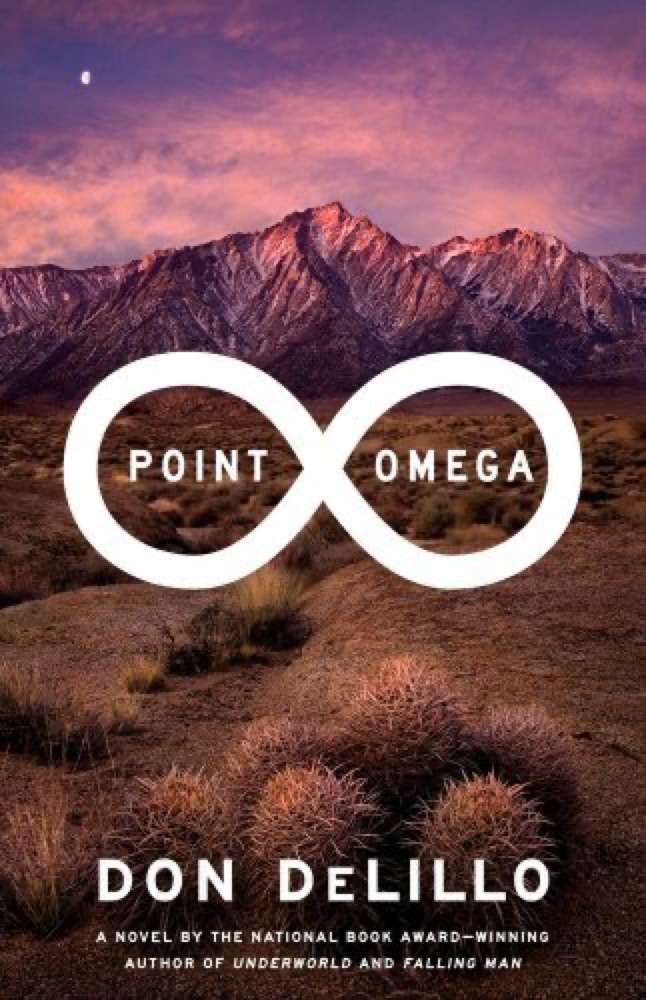 Point Omega
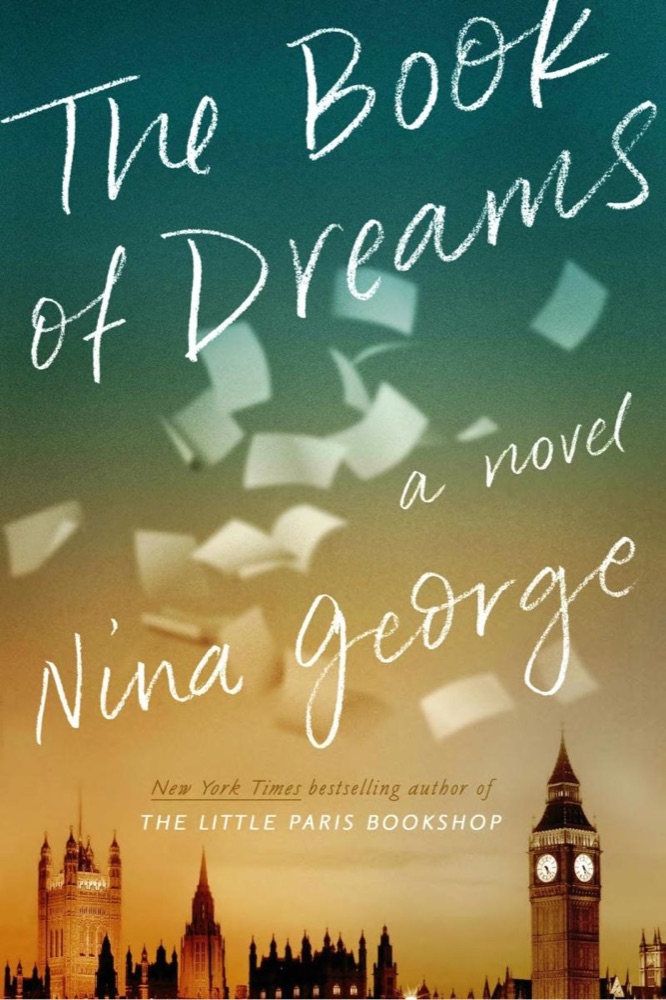 The Book of Dreams
 The Glass Hotel
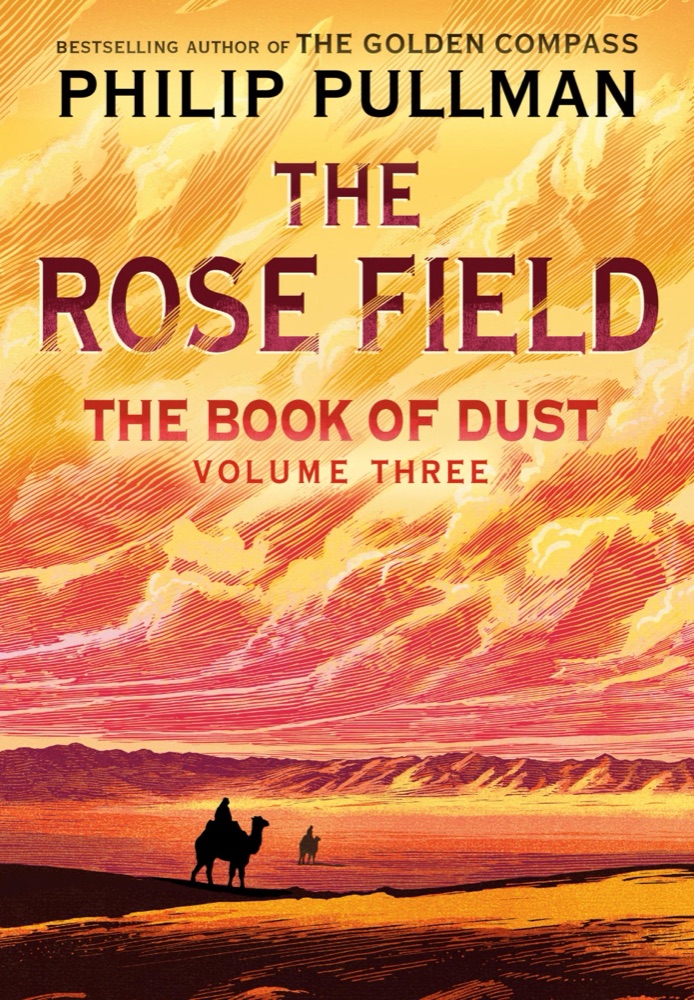 The Rose Field
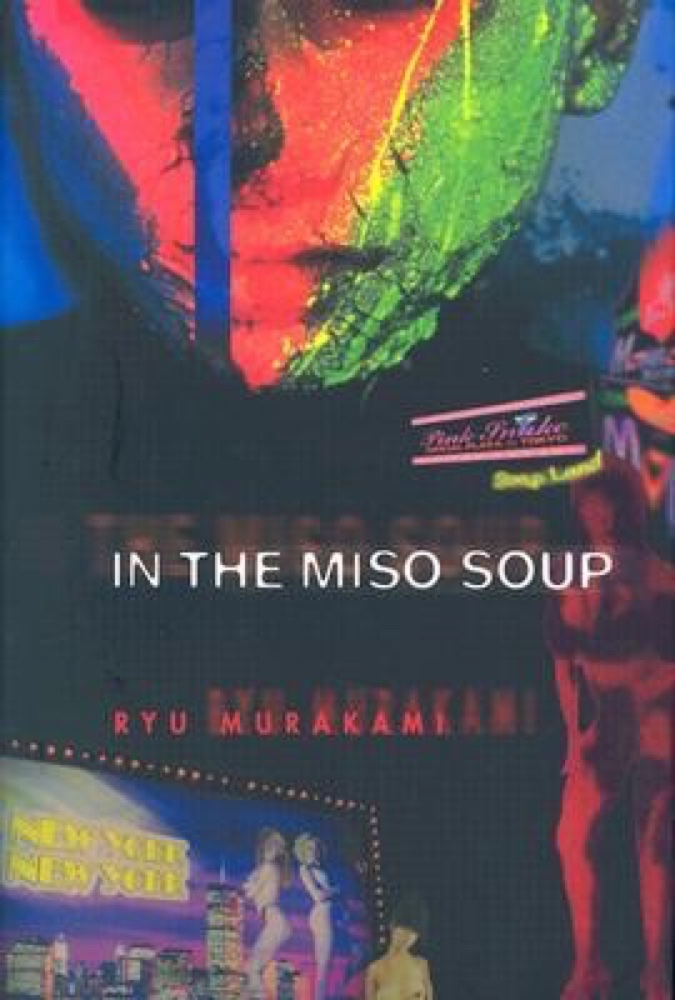 In the Miso Soup
 The Boy on the Bridge
 The Cat Who Saved the Library
 The Universe Versus Alex Woods
 Pew
Pew
 The Book of Goose
 Experimental Film
 The Mysterious Mr. Quin
 The Book of Tomorrow
 When Women Were Dragons
 Arcadia
 Alias Grace
 Golden State
 The Library of the Dead
 Conviction
 The Story of the Lost Child
 The Wolf Gift
 The Year of Magical Thinking
 Parade
 The Fall of Babel
 The Empusium
 Acceptance
 The Book That Held Her Heart
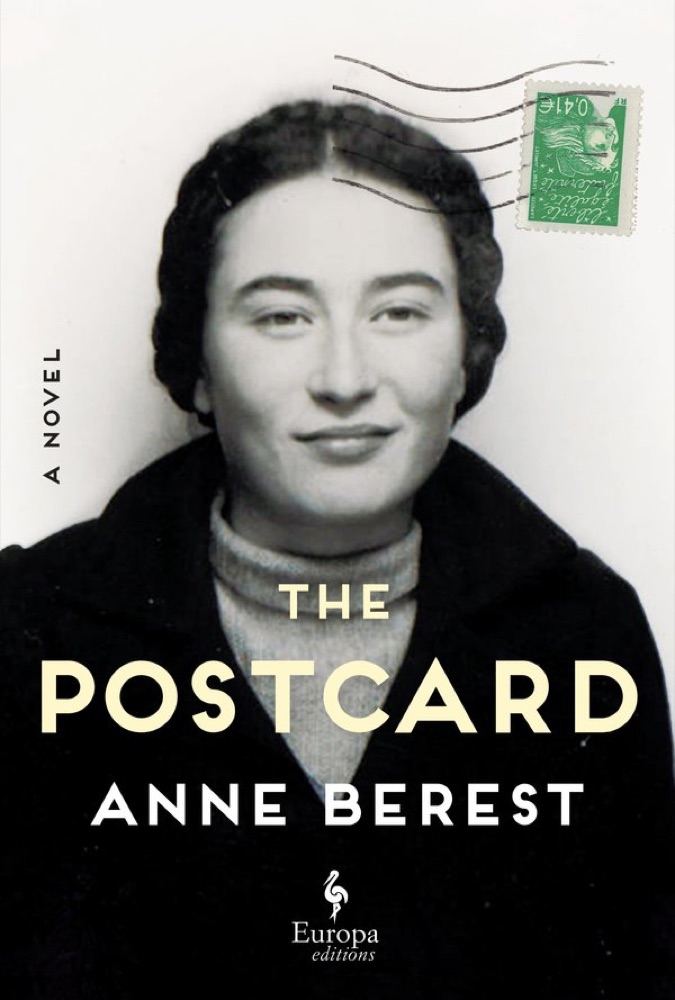 The Postcard
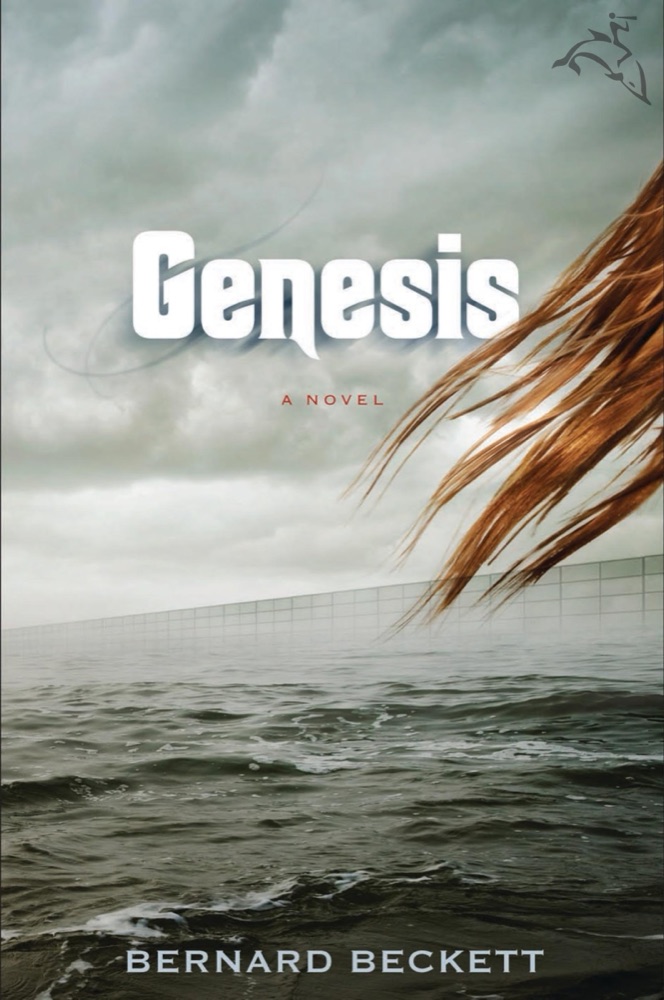 Genesis
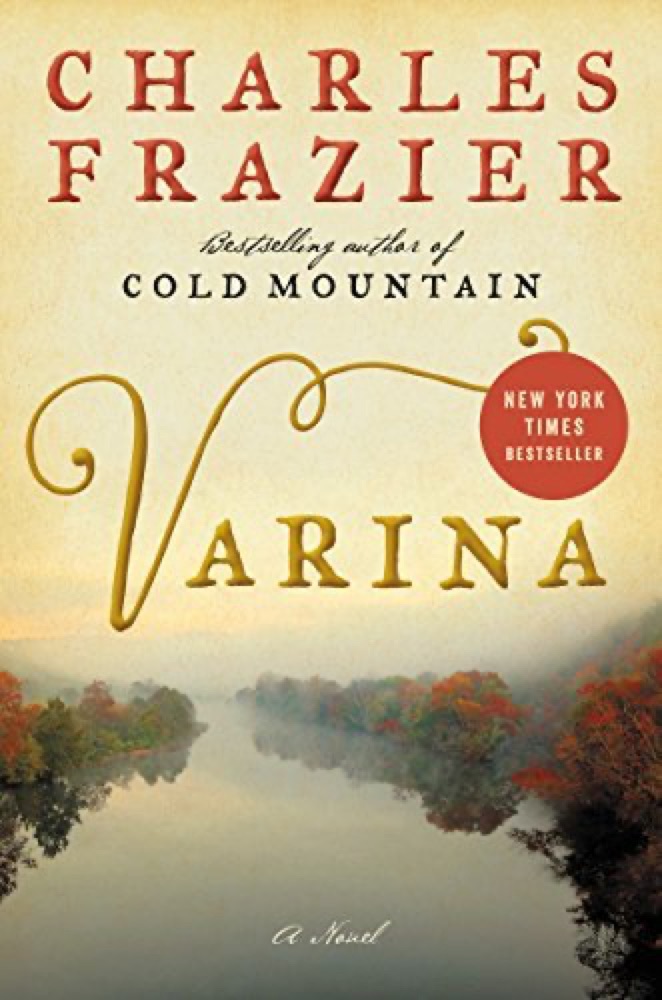 Varina
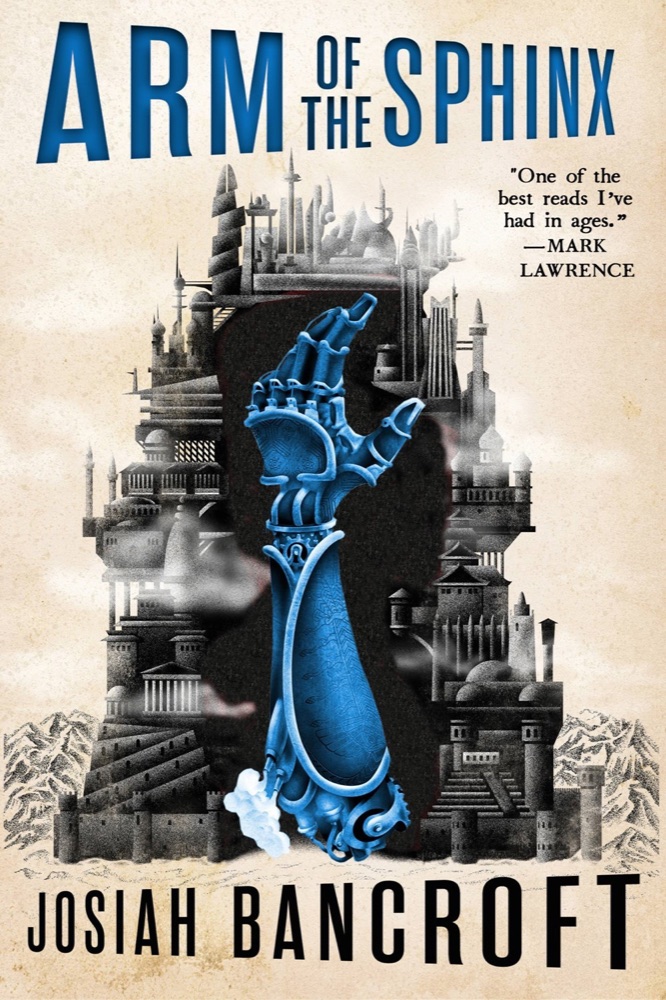 Arm of the Sphinx
 The Toll
 The Book That Wouldn’t Burn
 Sometimes a Great Notion
 Coventry: Essays
 The Gone-Away World
 The Novel Habits of Happiness
 Ghosts of Harvard
 The Blind Assassin
 Under the Net
 Anthropology of an American Girl
 The Enchanted
 No One Writes Back
 Almond