 The Importance of Being Earnest
Quotes from the Book
Yet each man kills the thing he loves By each let this be heard Some do it with a bitter look Some with a flattering word The coward does it with a kiss The brave man with a sword
2.3k
Each man kills the thing he loves.
248
For he who lives more lives than one More deaths than one must die.
28
We know not whether laws be right Or whether laws be wrong All we know who lie in gaol Is that the walls are strong And each day is like a year A year whose days are long.
26
Like two doomed ships that pass in storm We had crossed each other's way: But we made no sign, we said no word, We had no word to say;
25
Some love too little, some too long, Some sell, and others buy; Some do the deed with many tears, And some without a sigh: For each man kills the thing he loves, Yet each man does not die. He
17
I never saw sad men who looked With such a wistful eye Upon that little tent of blue We prisoners called the sky, And at every happy cloud that passed In such strange freedom by.
14
Silently we went round and round, And through each hollow mind The memory of dreadful things Rushed like a dreadful wind, And horror stalked before each man, And terror crept behind.
13
something was dead in each of us, and what was dead was hope.
12
For each man kills the thing he loves yet each man does not die he does not die a death of shame on a day of dark disgrace nor have a noose about his neck, nor a cloth upon his face nor drop feet foremost through the floor into an empty space He does not sit with silent men who watch him night and day Who watch him when he tries to weep and when he tries to pray Who watch him lest himself should rob the prison of its prey
12
For his mourners will be outcast men, And outcasts always mourn.
8
Yet each man kills the things he loves
7
For Man's grim Justice goes its way, And will not swerve aside: It slays the weak, it slays the strong, It has a deadly stride: With iron heel it slays the strong, The monstrous parricide!
7
He did not wring his hands, as do Those witless men who dare To try to rear the changeling Hope In the cave of black Despair.
6
He who lives more lives than one More deaths than one must die
5
My heart stole back across wide wastes of years To One who wandered by a lonely sea, And sought in vain for any place of rest: ‘Foxes have holes, and every bird its nest. I, only I, must wander wearily, And bruise my feet, and drink wine salt with tears.’ Poem:
4
For lo, what changes time can bring! The cycles of revolving years May free my heart from all its fears, And teach my lips a song to sing. Before yon field of trembling gold Is garnered into dusty sheaves, Or ere the autumn’s scarlet leaves Flutter as birds adown the wold, I may have run the glorious race, And caught the torch while yet aflame, And called upon the holy name Of Him who now doth hide His face. ARONA.
4
Within this restless, hurried, modern world We took our hearts' full pleasure—You and I, And now the white sails of our ship are furled, And spent the lading of our argosy. Wherefore my cheeks before their time are wan, For very weeping is my gladness fled, Sorrow has paled my young mouth's vermilion, And Ruin draws the curtains of my bed. But all this crowded life has been to thee No more than lyre, or lute, or subtle spell Of viols, or the music of the sea That sleeps, a mimic echo, in the shell.
4
In Reading gaol by Reading town There is a pit of shame, And in it lies a wretched man Eaten by teeth of flame, In a burning winding-sheet he lies, And his grave has got no name. And there, till Christ call forth the dead, In silence let him lie: No need to waste the foolish tear, Or heave the windy sigh: The man had killed the thing he loved, And so he had to die. And all men kill the thing they love, By all let this be heard, Some do it with a bitter look, Some with a flattering word, The coward does it with a kiss, The brave man with a sword!
3
They glided past, they glided fast, Like travellers through a mist: They mocked the moon in a rigadoon Of delicate turn and twist, And with formal pace and loathsome grace The phantoms kept their tryst
3
For our high Gods have sick and wearied grown Of all our endless sins, our vain endeavour For wasted days of youth to make atone By pain or prayer or priest, and never, never, Hearken they now to either good or ill, But send their rain upon the just and the unjust at will. They sit at ease, our Gods they sit at ease, Strewing with leaves of rose their scented wine, They sleep, they sleep, beneath the rocking trees Where asphodel and yellow lotus twine, Mourning the old glad days before they knew What evil things the heart of man could dream, and dreaming do. And
3
Yet each man kills the thing he loves
2
I know not whether Laws be right, Or whether Laws be wrong; All that we know who lie in gaol Is that the wall is strong; And each day is like a year, A year whose day is long.
2
Nay! for perchance that poppy-crownèd god Is like the watcher by a sick man’s bed Who talks of sleep but gives it not; his rod Hath lost its virtue, and, when all is said, Death is too rude, too obvious a key To solve one single secret in a life’s philosophy. And
2
Thou art the same: ’tis I whose wretched soul Takes discontent to be its paramour, And gives its kingdom to the rude control Of what should be its servitor,—for sure Wisdom is somewhere, though the stormy sea Contain it not, and the huge deep answer ‘’Tis not in me.’ To
2
O we are wearied of this sense of guilt, Wearied of pleasure’s paramour despair, Wearied of every temple we have built, Wearied of every right, unanswered prayer, For man is weak; God sleeps: and heaven is high: One fiery-coloured moment: one great love; and lo! we die. Ah!
2
With beat of systole and of diastole One grand great life throbs through earth’s giant heart, And mighty waves of single Being roll From nerveless germ to man, for we are part Of every rock and bird and beast and hill, One with the things that prey on us, and one with what we kill. From
2
Tread lightly, she is near Under the snow, Speak gently, she can hear The daisies grow. All her bright golden hair Tarnished with rust, She that was young and fair Fallen to dust. Lily-like, white as snow, She hardly knew She was a woman, so Sweetly she grew. Coffin-board, heavy stone, Lie on her breast, I vex my heart alone, She is at rest. Peace, Peace, she cannot hear Lyre or sonnet, All my life’s buried here, Heap earth upon it. AVIGNON Poem:
2
And I will sing how sad Proserpina Unto a grave and gloomy Lord was wed, And lure the silver-breasted Helena Back from the lotus meadows of the dead, So shalt thou see that awful loveliness For which two mighty Hosts met fearfully in war’s abyss! And
2
Watch on YouTube
About Oscar Wilde
We have collected 488 quotes from 22 books by Oscar Wilde on BookQuoters.
More about the author →More by Oscar Wilde
The Importance of Being Earnest
 The Picture of Dorian Gray and Other Fantastic Tales
 A Woman of No Importance
 De Profundis
About the book
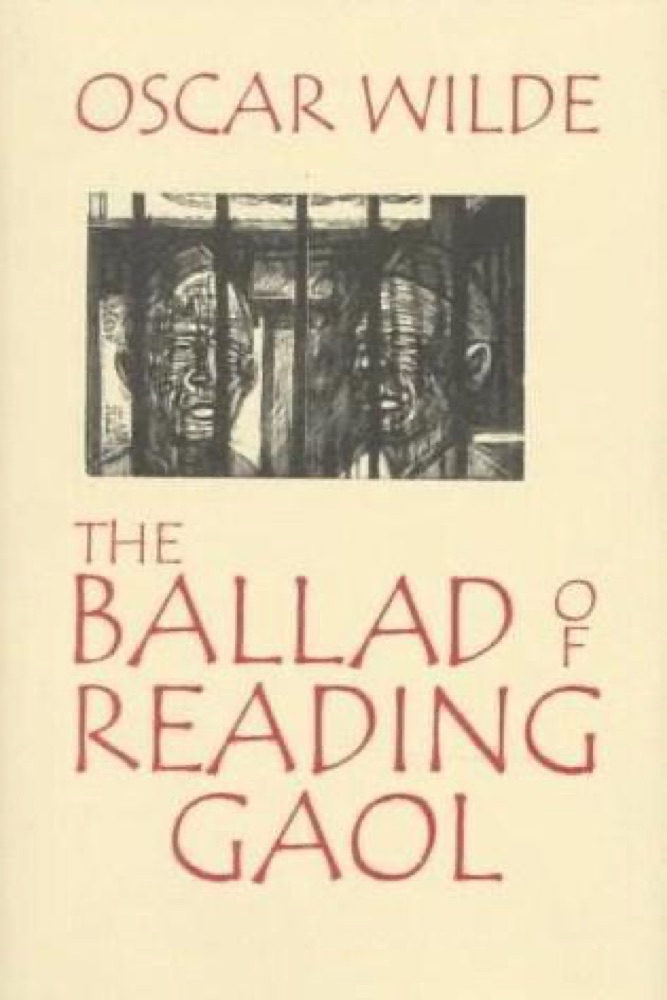
This dramatically illustrated collector's edition marks the centenary of Oscar Wilde's release from prison in 1898 and the publication of his anguished poetic masterpiece. One hundred years after his release from Reading Gaol, the life and work of Oscar Wilde has lost none of its fascination. In his day, his wit and writings enchanted and scandalized society in equal measure; his downfall came at the height of his powers. Devastated by his notorious trial for indecency, imprisoned for ``homosexual offenses,'' he was to spend two ruinous years in solitary confinement. As he was later to tell Andre Gide, Reading Gaol ``was not fit for dogs. I thought I would go mad.'' The Ballad was written from personal experience, and there was to be no more writing after this. As Wilde observed: ``Something is killed in me.'' Bankrupt, disgraced, and in exile, Wilde was to die not long after his release
Book details
- First published
- 1898
- Author
- Oscar Wilde
- Genre
- Literature
- Goodreads rating
- 4.28 (8k ratings)
Keep reading
 Toll the Hounds
 The Iliad
 Prometheus Unbound
 Agamemnon
 The Oresteia
 King Lear
 Selected Poems
 Mythology
 The Complete Works
 Uncle Tom's Cabin
 She
She
 The Odyssey
 Dead Souls
 The Complete Poems
 Titus Groan
 Forge of Darkness
 Measure for Measure
 The Last Man
 Miss Lonelyhearts
 Melmoth the Wanderer
 Gardens of the Moon
 Shahnameh: The Persian Book of Kings
 Nightwood
 Empire of Silence
 The Treasured Writings of Kahlil Gibran
 The Warrior Prophet
 Lord Jim
 Ajax
Ajax
 Sword & Citadel
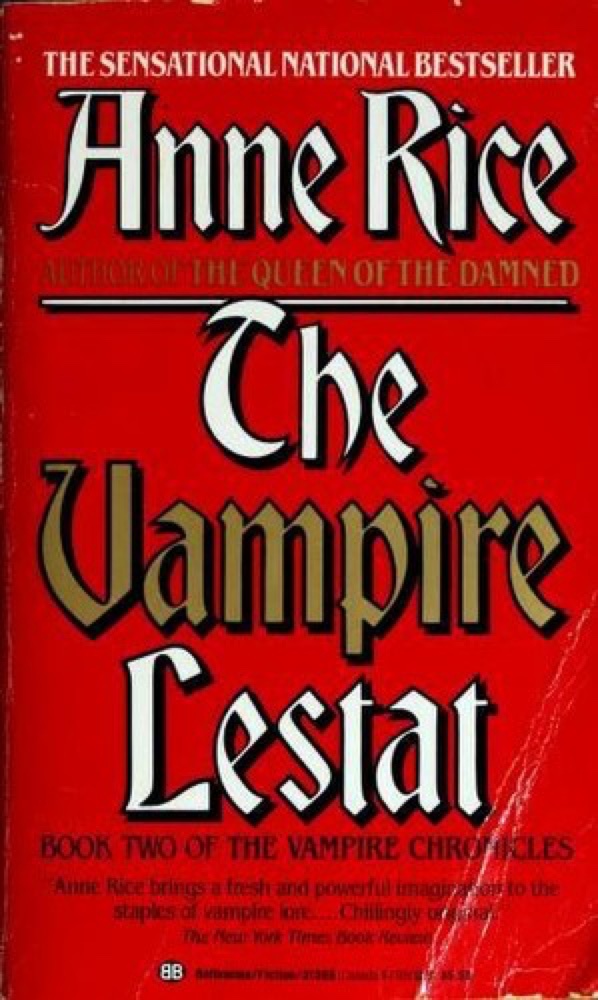 The Vampire Lestat
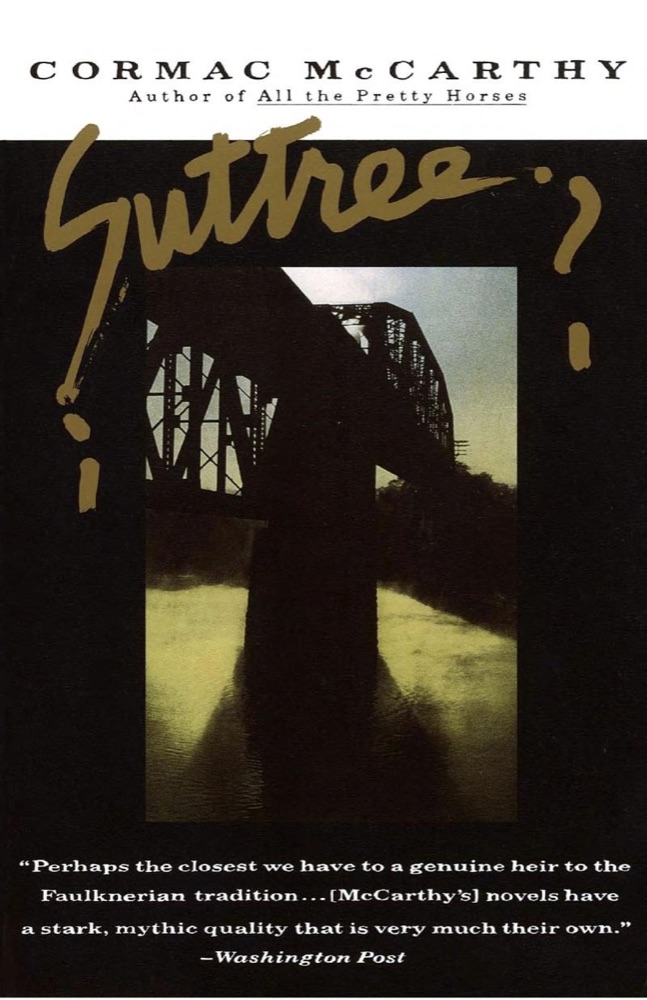 Suttree
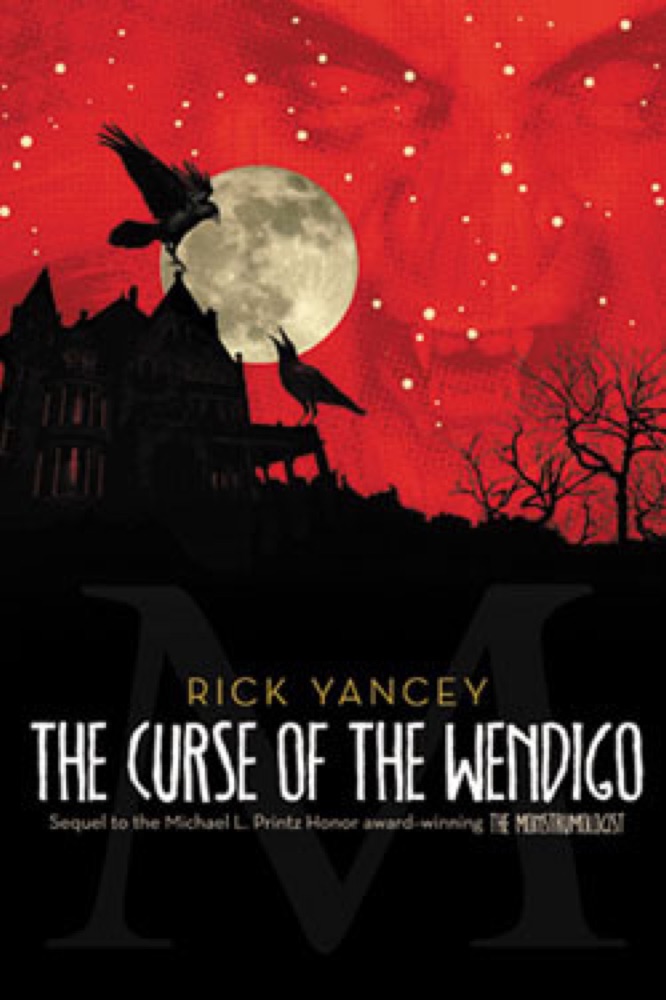 The Curse of the Wendigo
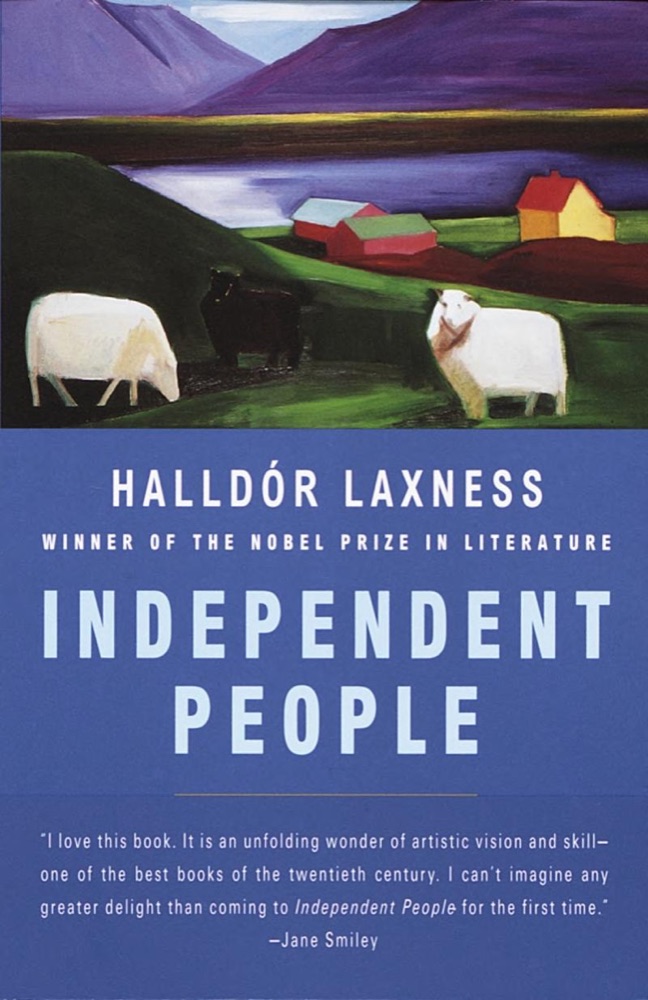 Independent People
 Les Fleurs du Mal
 Paradise Lost
 The Duchess of Malfi
 The White Devil
 We Hunt the Flame
 Beowulf
 The Plague
 Childe Harold's Pilgrimage
 The Anatomy of Melancholy
 The Tunnel
 The Mirror & the Light
 The Faerie Queene
 The Power and the Glory
 Ninety-Three
 The Complete Stories and Poems
 The Spanish Tragedy
 The Ministry of Fear
 The Thousand Autumns of Jacob de Zoet
 The Collected Poems of Wilfred Owen
 Hell
Hell
 The Waste Land
 Birds Without Wings
 The Collected Poems
 Dark Age
 Light in August
 Brideshead Revisited: The Sacred and Profane Memories of Captain Charles Ryder
 Phantastes