
 Holy Bible: ESV Bible
Quotes from the Book
It is always better to avenge dear ones than to indulge in mourning. For every one of us, living in this world means waiting for our end. Let whoever can win glory before death. When a warrior is gone, that will be his best and only bulwark.
197
Behaviour that's admired is the path to power among people everywhere.
130
Anyone with gumption and a sharp mind will take the measure of two things: what's said and what's done.
127
I shall gain glory or die.
56
Quickly, the dragon came at him, encouraged As Beowulf fell back; its breath flared, And he suffered, wrapped around in swirling Flames -- a king, before, but now A beaten warrior. None of his comrades Came to him, helped him, his brave and noble Followers; they ran for their lives, fled Deep in a wood. And only one of them Remained, stood there, miserable, remembering, As a good man must, what kinship should mean.
51
Fate will unwind as it must!
46
That was their way, their heathenish hope; deep in their hearts they remembered hell.
35
Meanwhile, the sword began to wilt into gory icicles, to slather and thaw. It was a wonderful thing, the way it all melted as ice melts when the Father eases the fetters off the frost and unravels the water-ropes. He who wields power over time and tide: He is the true Lord.
27
And a young prince must be prudent like that, giving freely while his father lives so that afterwards, in age when fighting starts steadfast companions will stand by him and hold the line.
26
In off the moors, down through the mist beams, god-cursed Grendel came greedily loping.
24
I’ve never known fear; as a youth I fought/ In endless battles. I am old, now,/ But I will fight again, seek fame still,/ If the dragon hiding in his tower dares/ To face me
21
Bebeorh þé ðone bealo-níð, Béowulf léofa, secg betsta, ond þé þæt sélre gecéos, éce rǽdas; ofer-hýda ne gým, mǽre cempa! Nú is þines mægnes blǽd áne hwíle; eft sóna bið þæt þec ádl oððe ecg eafoþes getwǽfeð, oððe fýres feng oððe flódes wylm oððe gripe méces oððe gáres fliht oððe atol yldo, oððe éagena bearhtm forsiteð ond forsworceð; semninga bið, þæt ðec, dryht-guma, déað oferswýðeð. O flower of warriors, beware of that trap. Choose, dear Béowulf, the better part, eternal rewards. Do not give way to pride. For a brief while your strength is in bloom but it fades quickly; and soon there will follow illness or the sword to lay you low, or a sudden fire or a surge of water or jabbing blade or javelin from the air or repellent age. Your piercing eye will dim and darken; and death will arrive, dear warrior, to sweep you away.
18
A ring-whorled prow rode in the harbour, ice-clad, outbound, a craft for a prince. They stretched their beloved lord in his boat, laid out by the mast, amidships, the great ring-giver. Far fetched treasures were piled upon him, and precious gear. I have never heard before of a ship so well furbished with battle tackle, bladed weapons and coats of mail. The massed treasure was loaded on top of him: it would travel far on out into the ocean's sway. They decked his body no less bountifully with offerings than those first ones did who cast him away when he was a child and launched him alone over the waves. And they set a gold standard up high above his head and let him drift to wind and tide, bewailing him and mourning their loss. No man can tell, no wise man in hall or weathered veteran knows for certain who salvaged that load.
18
Death is not easily escaped, try it who will; but every living soul among the children of men dwelling upon the earth goeth of necessity unto his destined place, where the body, fast in its narrow bed, sleepeth after feast.
17
Many a man has a treasure in his hoard that he knows not the worth of. (Sellic Spell)
14
Beloved Beowulf, remember how you boasted, Once, that nothing in the world would ever Destroy your fame; fight to keep it, Now, be strong and brave, my noble King, protecting life and fame Together. My sword will fight at your side!
14
Bro! Tell me we still know how to speak of kings! In the old days, everyone knew what men were: brave, bold, glory-bound. Only stories now, but I’ll sound the Spear-Danes’ song, hoarded for hungry times.
12
We know this much is true, and it’s true for all souls: each of us will one day find the feast finished and, fattened or famished, step slowly backward into their own dark hall for that final night of sleep.
10
Over the waves, with the wind behind her and foam at her neck, she flew like a bird until her curved prow had covered the distance...
9
Beowulf survives: for a time, for as long as learning keeps any honor in its land. And how long will that be? God ána wát. (Tolkien on the life and relevance of the Beowulf poem)
9
That struggle was too strong, hateful and long-lasting, which had come on the people, dire wrack and ruin - the greatest of night-evils.
9
Wyrd oft nered unfaegne, eorl, ponne his ellen deah. Often, for undaunted courage, fate spares the man it has not already marked.
8
We all know a boy can't daddy until his daddy's dead.
7
His poem is like a play in a room through the windows of which a distant view can be seen over a large part of the English traditions about the world of their original home. (Tolkien on the author of Beowulf)
7
The sword sweated red; the swordsman regretted nothing.
6
But to elude death is not easy: attempt it who will, he shall go to the place prepared for each of the sons of men, the soul-bearers dwelling on earth, ordained them by fate: laid fast in that bed, the body shall sleep when the feast is done.
6
Sometimes at pagan shrines they vowed offerings to idols, swore oaths that the killer of souls might come to their aid and save the people. That was their way, their heathenish hope; deep in their hearts they remembered hell.
6
Did you know?
- The poem survives in just one manuscript, the Nowell Codex, held by the British Library.
- It famously opens with the Old English exclamation 'Hwæt!', variously rendered as 'Listen!', 'Behold!', or 'So.'
- The poem runs to 3,182 alliterative lines.
- Beowulf fights three monstrous adversaries: Grendel, Grendel's mother, and a dragon.
- J.R.R. Tolkien's 1936 lecture 'Beowulf: The Monsters and the Critics' transformed scholarly appreciation of the poem.
- Seamus Heaney's acclaimed 1999 verse translation became a bestseller and won the Whitbread Book of the Year.
About Unknown
Beowulf is anonymous; its author and exact date of composition are unknown and much debated. The poem was likely composed in England between roughly 700 and 1000 AD and preserved in a manuscript copied around 975 to 1025 AD.
More about the author →More by Unknown
Holy Bible: ESV Bible
 Holy Bible, NKJV
 The New Oxford Annotated Bible: New Revised Standard Version
 Hagakure: The Book of the Samurai
About the book
Beowulf is an Old English epic poem of 3,182 alliterative lines, set in pagan Scandinavia during the 5th and 6th centuries. It follows the Geatish hero Beowulf across three great trials: as a young warrior he crosses the sea to aid the Danish king Hrothgar by slaying the monster Grendel and then Grendel's avenging mother, and decades later, now an aged king of the Geats, he fights a fire-breathing dragon in a final, fatal battle.
At its heart the poem dwells on heroic valor, loyalty between lord and warrior, the pull between an older pagan ethos and an emerging Christian worldview, and the inevitability of death. Its structure is famously cyclical, framed by funerals, and meditates throughout on glory, mortality, and the passing of kings and kingdoms.
Surviving in a single manuscript, the Nowell Codex, now held by the British Library, Beowulf is one of the most important and most frequently translated works of Old English literature. J.R.R. Tolkien's 1936 lecture 'Beowulf: The Monsters and the Critics' reshaped modern scholarship by insisting on the poem's literary value, and Seamus Heaney's celebrated verse translation brought it to a wide contemporary readership.
Key characters
- BeowulfGeatish hero and later king who battles Grendel, Grendel's mother, and the dragon
- HrothgarKing of the Danes whose hall Heorot is terrorized by Grendel
- GrendelMonster who attacks Heorot and is slain by Beowulf
- Grendel's motherAvenging creature who seeks retribution for her son's death
- WiglafYoung, loyal warrior who alone stands by Beowulf in the dragon fight
- The dragonFire-breathing beast Beowulf faces in his final, fatal battle
Critical reception
- Widely regarded as one of the most important works of Old English literature and frequently translated.
- J.R.R. Tolkien's 1936 lecture established the poem's literary value for modern critics.
- Seamus Heaney's 1999 translation won wide acclaim and the Whitbread Book of the Year award.
Movie & TV adaptations
- IMDb
If you liked this, read…
- 1The IliadFoundational epic of heroic combat, glory, and mortality
- 2Sir Gawain and the Green KnightAnother cornerstone of medieval English heroic poetry
- 3The Saga of the VolsungsNorse legend sharing Beowulf's world of warriors, dragons, and doom
Keep reading
 The Last Kingdom
 The Great Hunt
 The Odyssey
 The Poetic Edda
 The Pale Horseman
 The Empty Throne
 Agamemnon
 A Dance with Dragons
 The High King
 Toll the Hounds
 A Game of Thrones
 The Fires of Heaven
 A Clash of Kings
 The Return of the King
 The Children of Húrin
 The Dragon Reborn
 The Canterbury Tales
 Mythology
 The Lord of the Rings: The Two Towers
 The Iliad
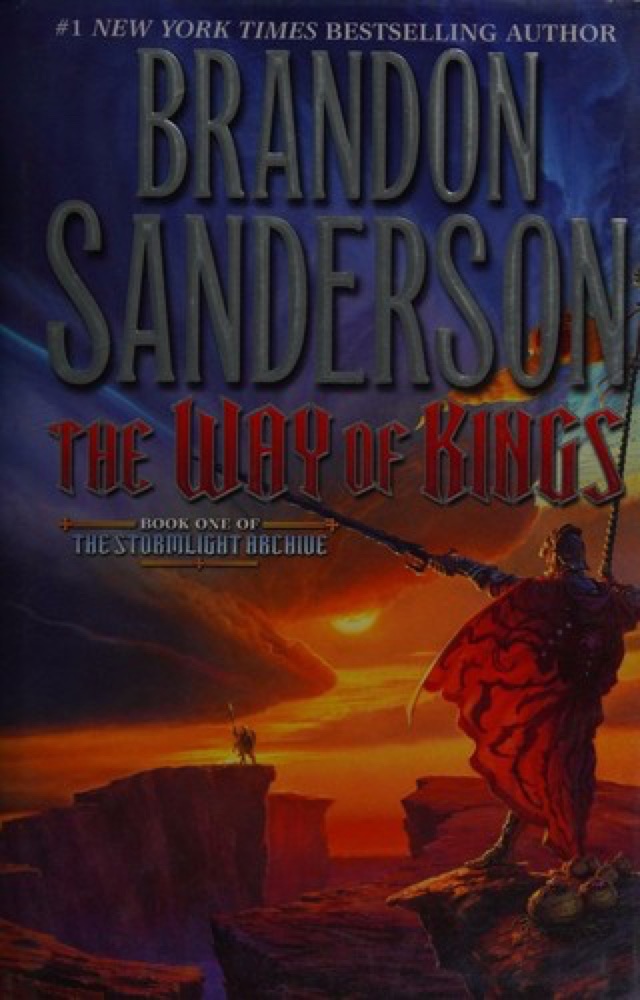 The Way of Kings
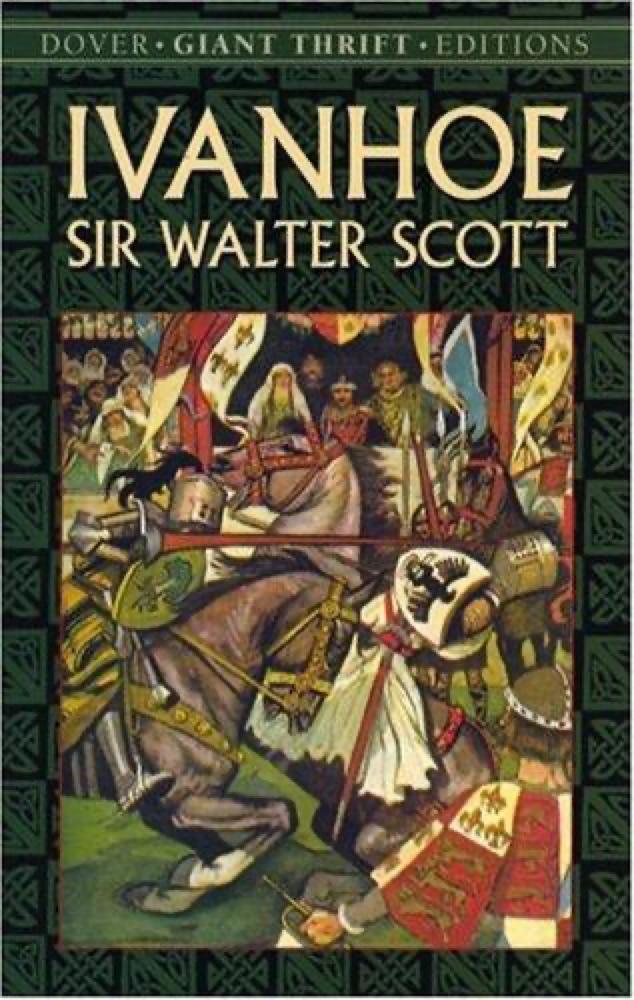 Ivanhoe
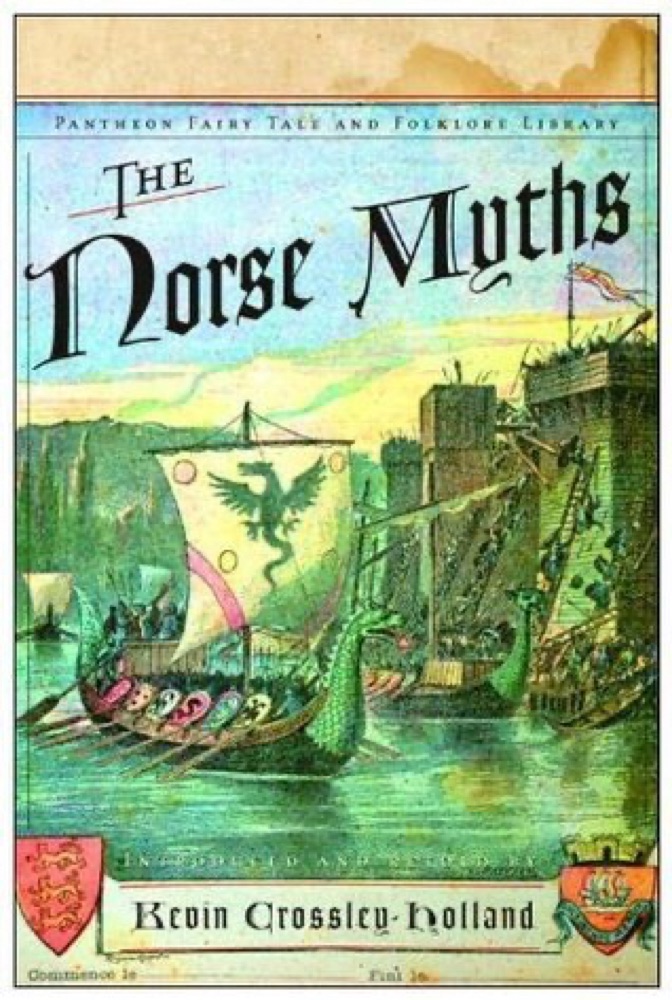 The Norse Myths
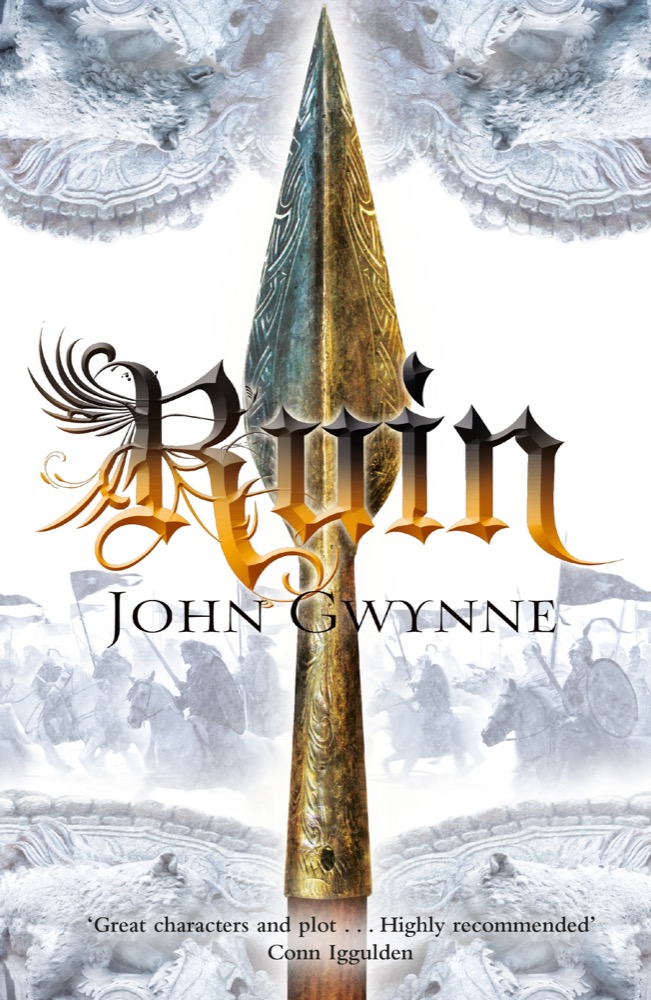 Ruin
Ruin
 The Acts of King Arthur and His Noble Knights
 Finnikin of the Rock
 The King Must Die
 Elric of Melniboné
 The Crippled God
 The Once and Future King
 The Gospel of Loki
 The Warrior Prophet
 The Complete Works
 Gardens of the Moon
 The Mirror & the Light
 The Ballad of the White Horse
 The Lord of the Rings
 The Oresteia
 Windwitch
 Fool's Quest
 Sword & Citadel
 The Black Cauldron
 Half a King
 Sir Gawain and the Green Knight
 Dark Age
 The Steel Remains
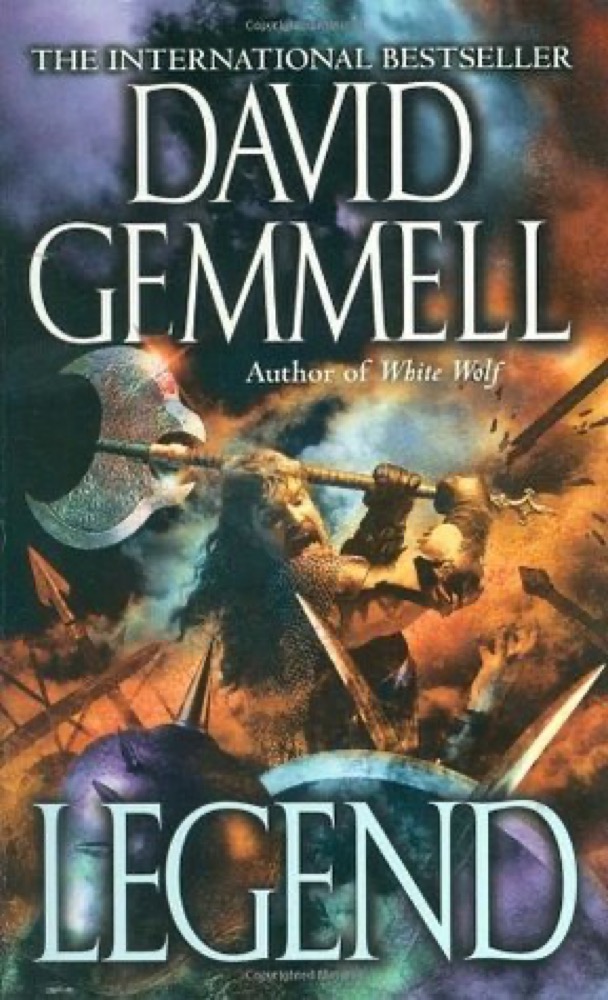 Legend
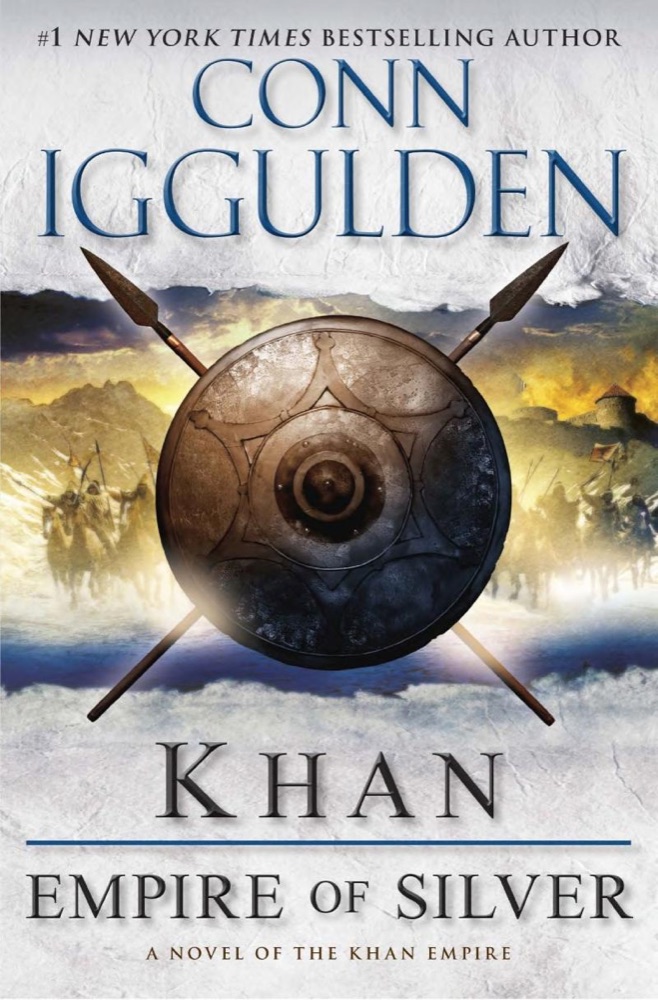 Khan: Empire of Silver
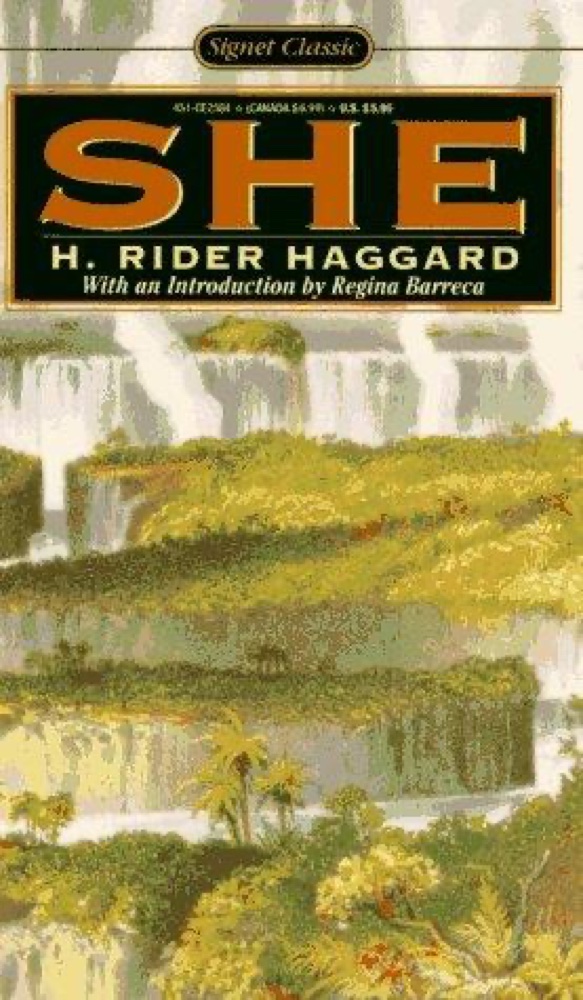 She
She
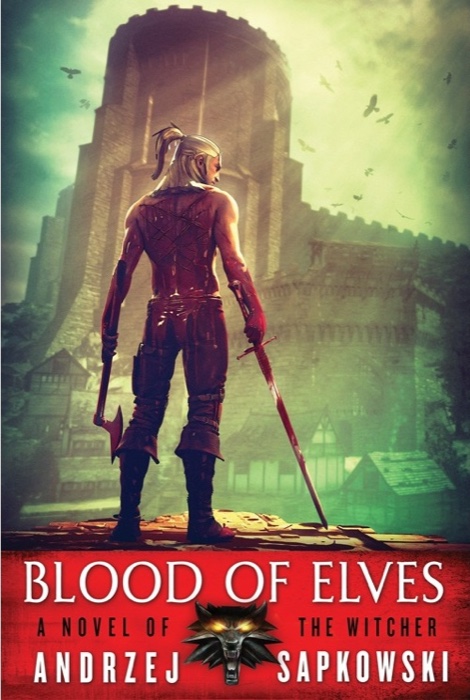 Blood of Elves
 The Grace of Kings
 The Dragonbone Chair
 The Last Battle
 Blood Song
 Fall of Kings
 A Wizard of Earthsea
 Ulysses
 Ben-Hur: A Tale of the Christ
 Empire of the Vampire
 Inheritance