
 The Tale of the Body Thief
Quotes from the Book
None of us really changes over time. We only become more fully what we are.
The prince is never going to come. Everyone knows that; and maybe sleeping beauty's dead.
I never lie," I said offhand. "At least not to those I don't love.
Very few beings really seek knowledge in this world. Mortal or immortal, few really ask. On the contrary, they try to wring from the unknown the answers they have already shaped in their own minds -- justifications, confirmations, forms of consolation without which they can't go on. To really ask is to open the door to the whirlwind. The answer may annihilate the question and the questioner.
I'm Gentleman Death in silk and lace, come to put out the candles. The canker in the heart of the rose.
To be godless is probably the first step to innocence," he said, "to lose the sense of sin and subordination, the false grief for things supposed to be lost." So by innocence you mean not an absence of experience, but an absence of illusions." An absence of need for illusions," he said. "A love of and respect for what is right before your eyes.
A singer can shatter glass with the proper high note," he said, "but the simplest way to break glass is simply to drop it on the floor.
We breathe the light, we breathe the music, we breathe the moment as it passes through us.
Oh, my darling, wish you were here! And my dark soul is happy again, because it does not know how to be anything else for very long, and because the pain is a deep dark sea in which I would drown if I did not sail my little craft steadily over the surface, steadily towards a sun which will never rise.
As for oblivion, well, we can wait a little while for that.
Do devils love each other? Do they walk arm in arm in hell saying, “Ah, you are my friend, how I love you,” things like that to each other?...it was a matter of a concept of evil, wasn't it? All creatures in hell are supposed to hate one another, as all the saved hate the damned, without reservation.
In spite of all the refinements of civilization that conspired to make art--the dizzying perfection of the string quartet or the sprawling grandeur of Fragonard's canvases--beauty was savage. It was as dangerous and lawless as the earth had been eons before man had one single coherent thought in his head or wrote codes of conduct on tablets of clay. Beauty was a Savage Garden.
Words. Borne on the ever swelling current of hatred, like flowers opening in the current, petals peeling back, then falling apart.
I am an unwilling devil. I cry like some vagrant child. I want to go home.
You sense my loneliness, (...) my bitterness at being shut out of life. My bitterness that I'm evil, that I don't deserve to be loved and yet I need love hungrily. My horror that I can never reveal myself to mortals. But these things don't stop me, Mother. I'm too strong for them to stop me. As you said yourself once, I am very good at being what I am. These things merely now and then make me suffer, that's all
One will hate you for taking his life, another will run to excesses that you scorn. A third will emerge mad and raving, another a monster you cannot control. One will be jealous of your superiority, another shut you out... And the veil will always come down between you Make a legion, you will be, always and forever alone!
No one is safe from nature's savagery,not even the innocent. Only beauty is consistent. Gabrielle envisions a time when the Savage Garden will overtake civilizations and destroy it.
Yet I saw crypts when I looked at him, and I heard the beat of kettledrums. I saw torchlit fields where I had never been, heard vague incantations, felt the heat of raging fires on my face. And they didn't come out of him, these visions. Rather I drew them out on my own. Yet I never had Nicolas, mortal or immortal, been so alluring. Never had Gabrielle held me so in thrall. Dear God, this is love. This is desire. And all my past amours have been but the shadow of this." — Lestat de Lioncourt
But the sky was never quite the same shade of blue again.
I didn't want to be in hell, even for a moment. I sure as hell wasn't going there just to spit in the face of the Prince of Darkness, whoever he might be! On the contrary, if I was a damned thing, then let the son of a bitch come for me! Let him tell me why I was mean to suffer. I would truly like to know. As for oblivion, well, we can wait a little while for that.
I don't believe in anything, Mother," I said. "You told Armand long ago that you believe you'll find answers in the great jungles and forests; that the stars will finally reveal a vast truth. But I don't believe in anything. And that makes me stronger than you think
I stumble through a carnival of horrors
an intoxication with forbidden knowledge in which the natural things become unimportant.
All the stories I have told you are finally as useless as all ancient knowledge is to man and to us. Its images and its poetry can be beautiful; it can make us shiver with the recognition of things we have always suspected or felt. It can draw us back to times when the earth was new to man, and wondrous. But always we come back to the way the earth is now.
Who cares? Kingdoms rise and fall. Just don't burn the paintings in the Louvre, that's all.
It's not so," I said. "And how long do you think it will sustain you, feeling and seeing and touching and tasting, if there is no love? No one with you?
Did you know?
- The Vampire Lestat is the second book in Anne Rice's Vampire Chronicles, following Interview with the Vampire.
- The novel is narrated in the first person by Lestat de Lioncourt, who was an antagonist in the first book.
- In the story Lestat becomes a rock star and publishes an autobiography, deliberately breaking the vampires' code of secrecy.
- The book alternates between the 1980s and Lestat's origins in eighteenth-century France.
- Elements of the novel were adapted into the 2002 film Queen of the Damned, which combined it with the following book.
- Elton John and Bernie Taupin wrote the songs for Lestat, a 2006 Broadway musical based on the Vampire Chronicles.
About Anne Rice
Anne Rice (1941-2021) was an American author best known for The Vampire Chronicles, a series of gothic novels beginning with Interview with the Vampire. Her work helped redefine the modern vampire in popular fiction and sold tens of millions of copies worldwide.
More about the author →More by Anne Rice
All books by Anne Rice →
About the book
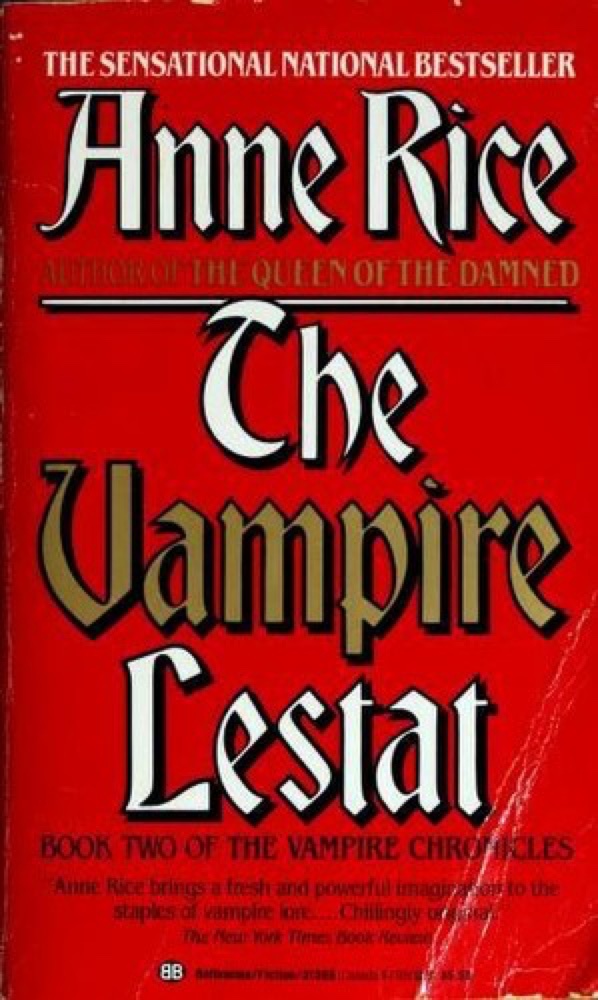
The Vampire Lestat is the second novel in Anne Rice's Vampire Chronicles, published in 1985 as a follow-up to Interview with the Vampire. It hands the narration to Lestat de Lioncourt, the charismatic vampire who was cast as a villain in the first book and who now sets out to tell his own version of events. Waking in the 1980s after decades of dormancy, Lestat reinvents himself as a rock star, publishes an autobiography, and deliberately breaks the vampire code of silence to reveal his kind to the human world.
The story moves between the modern present and Lestat's origins in eighteenth-century France, tracing his aristocratic upbringing, his brief career as a stage actor in Paris, and his violent transformation into a vampire by the ancient Magnus. His search for the meaning and origins of vampirism carries him across Europe and into contact with figures such as the Roman vampire Marius, who guards the oldest of their kind, and ultimately toward the very first vampires themselves.
Rice used the novel to greatly expand the mythology she began in Interview with the Vampire, offering an elaborate secret history of vampire origins and lore. Through Lestat's restless, self-dramatizing voice, the book explores immortality, the loneliness of endless life, the hunger for connection, and the seductive pull of spectacle and fame, themes that helped make the Vampire Chronicles a landmark of modern gothic fiction.
Key characters
- Lestat de LioncourtThe vampire narrator and protagonist, a former French aristocrat turned rock star
- Louis de Pointe du LacVampire from the first novel and Lestat's former companion
- GabrielleLestat's mother, whom he transforms into a vampire
- Nicolas de LenfentLestat's close friend and fellow actor from Paris
- ArmandCenturies-old vampire and leader of a Parisian coven
- Marius de RomanusAncient Roman vampire who guards the earliest vampires
- AkashaOne of the original vampires, awakened by Lestat's music
Book details
- First published
- 1985
- Length
- 560 pages
- Reading time
- 34 hours
- Author
- Anne Rice
- Genre
- Fiction
- Goodreads rating
- 4.11 (221k ratings) →
- First line
- “I am the Vampire Lestat. I am immortal.”
Series & reading order
- 1 Interview with the Vampire
- 2 The Vampire Lestat
- 3 The Queen of the Damned
- 4 The Tale of the Body Thief
Movie & TV adaptations
- IMDb
- IMDb
If you liked this, read…
- 1Interview with the VampireThe first Vampire Chronicles novel that introduces Lestat
- 2The Queen of the DamnedDirect sequel continuing the awakened Akasha storyline
- 3DraculaFoundational gothic vampire novel in the same tradition
Keep reading
 Interview with the Vampire
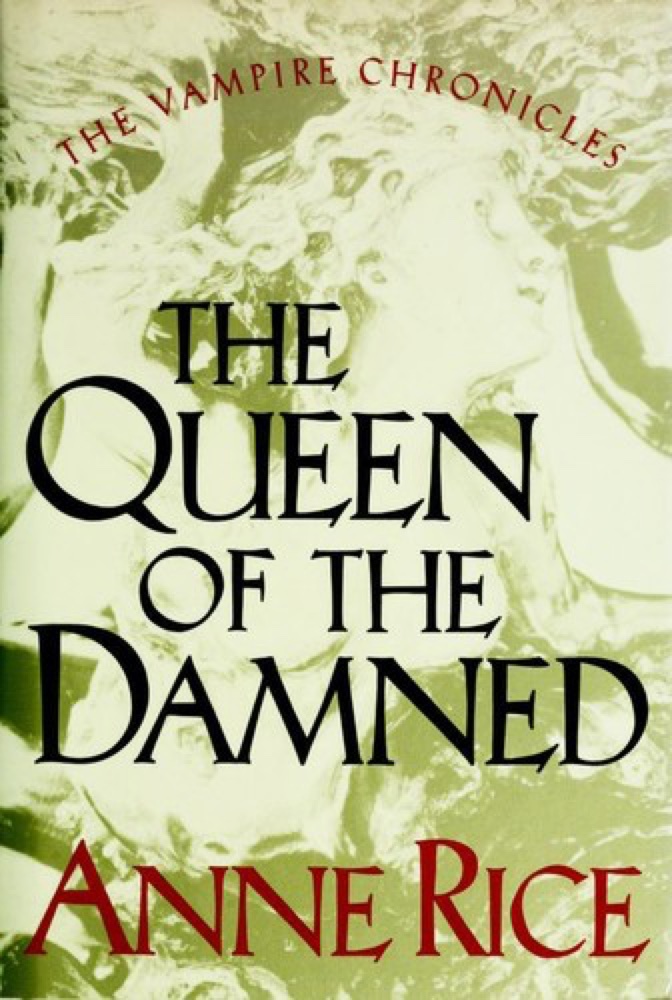 The Queen of the Damned
The Tale of the Body Thief
The Queen of the Damned
The Tale of the Body Thief
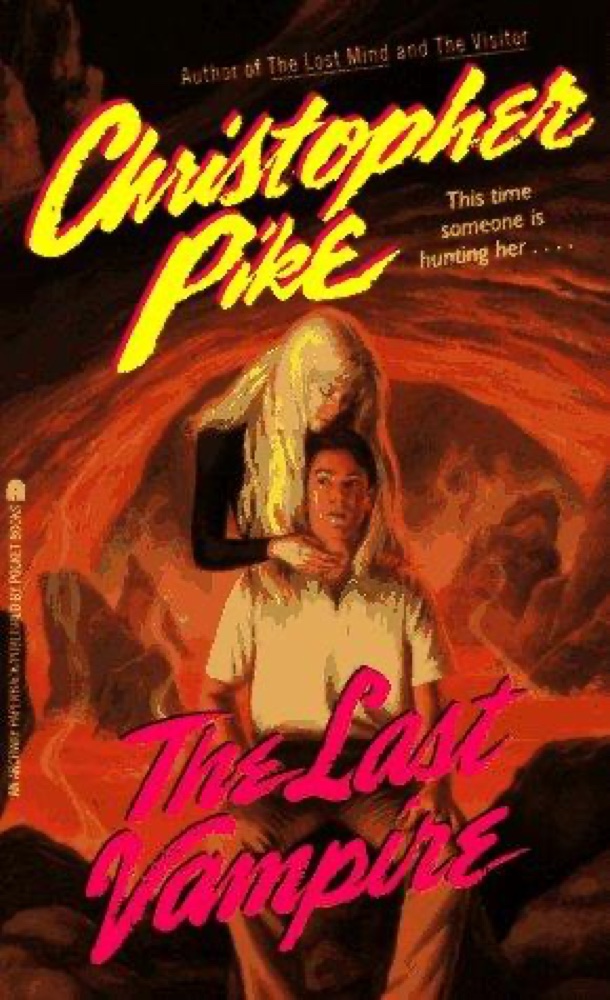 The Last Vampire
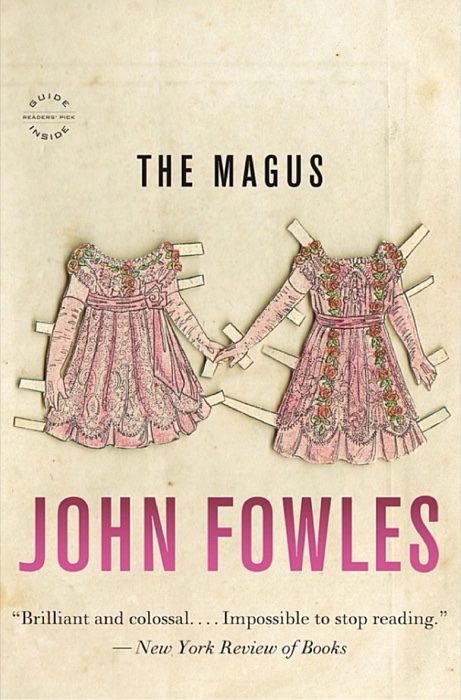 The Magus
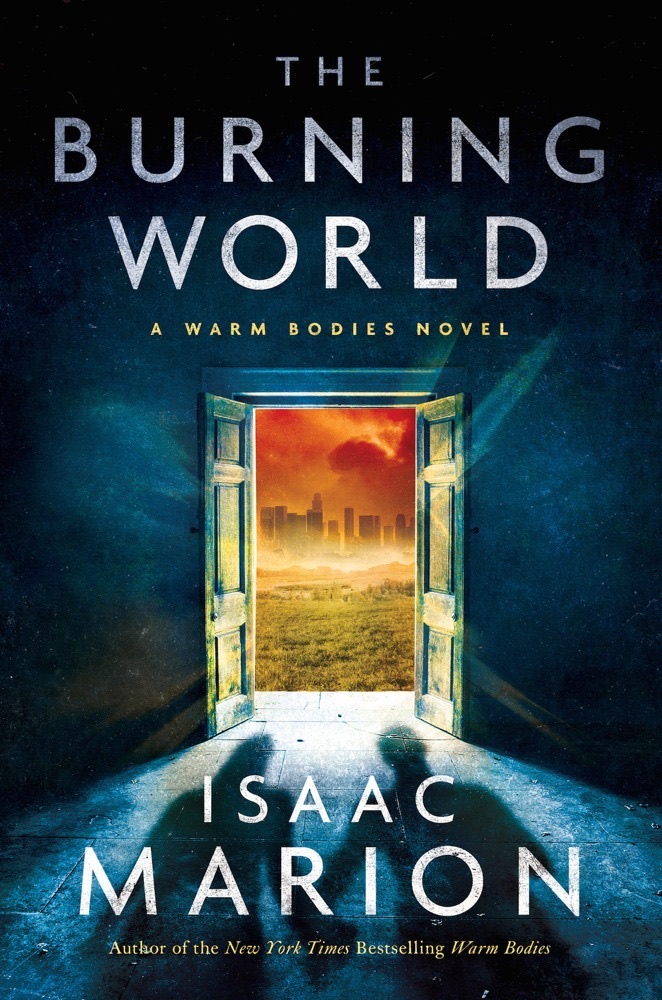 The Burning World
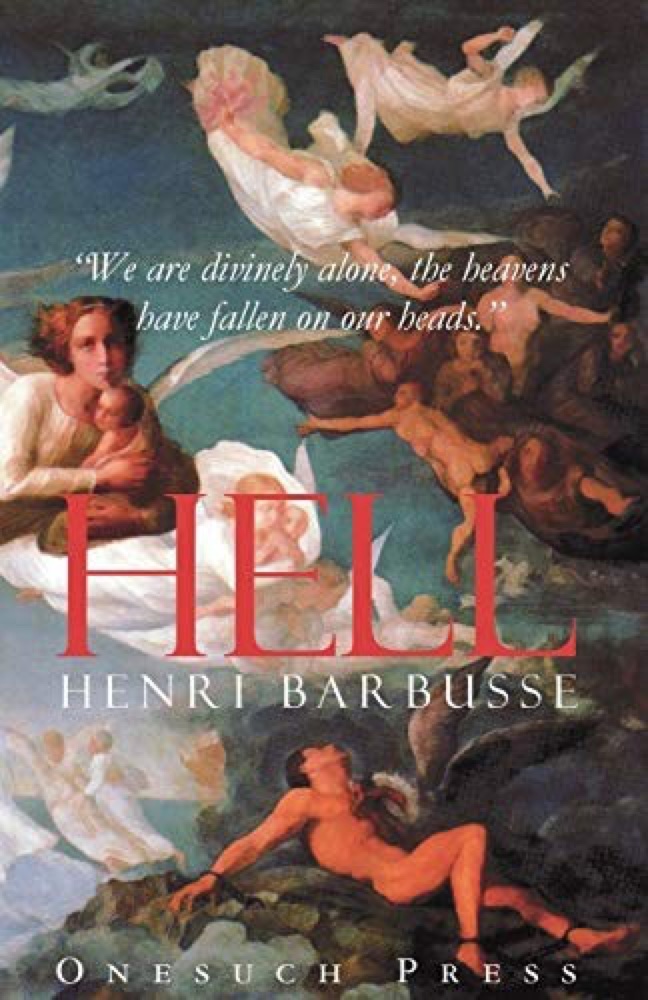 Hell
Hell
 House of Leaves
 The Isle of Blood
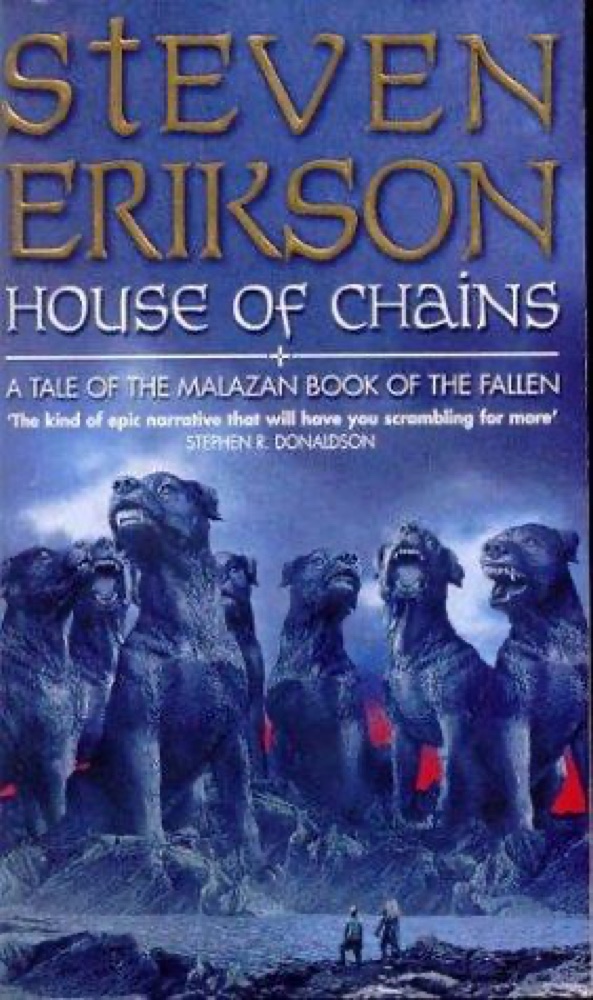 House of Chains
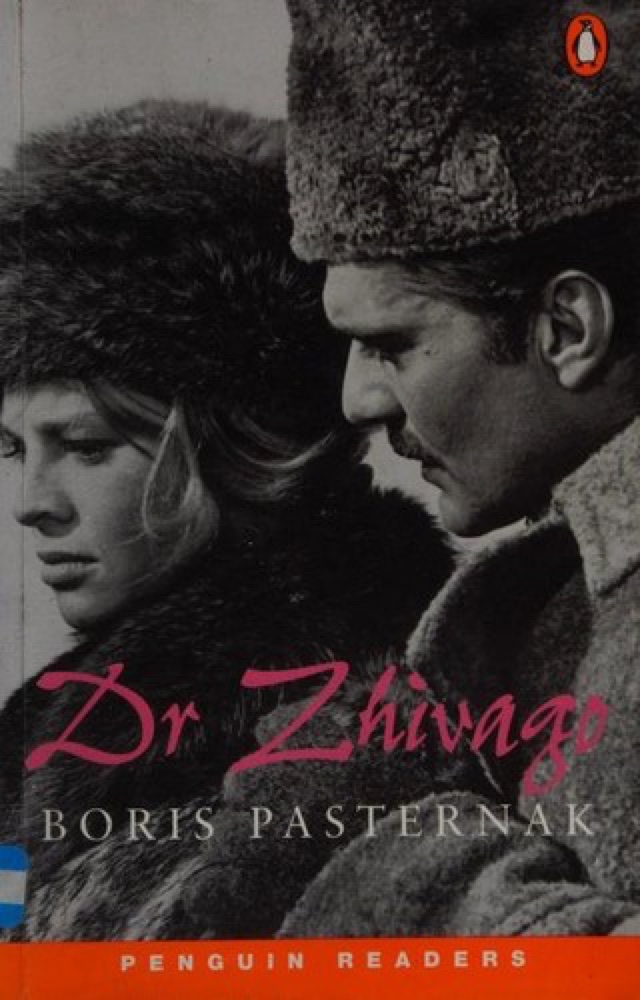 Doctor Zhivago
 Tropic of Cancer
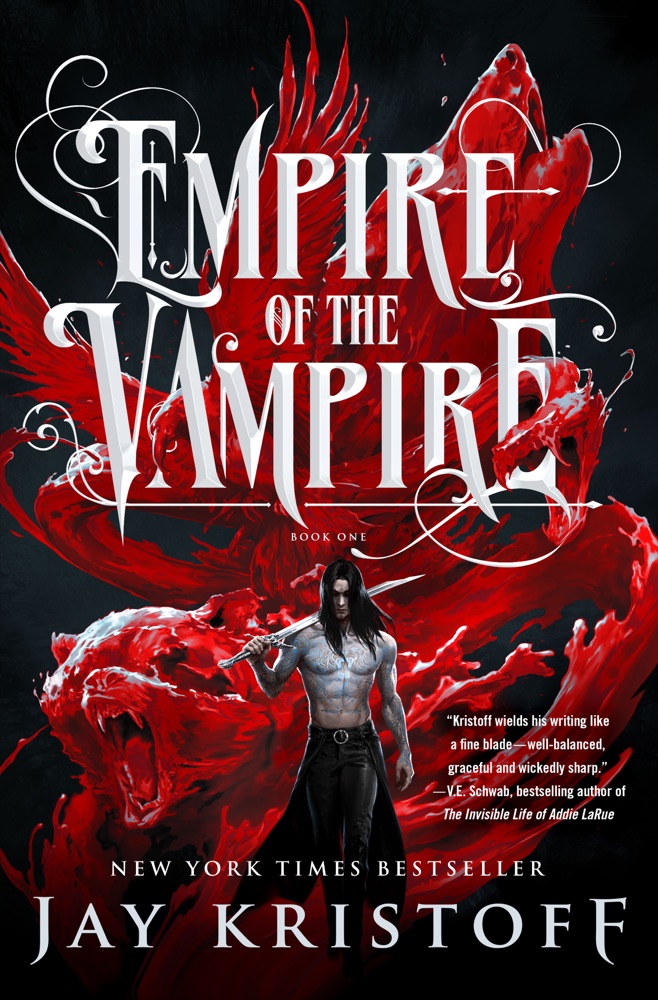 Empire of the Vampire
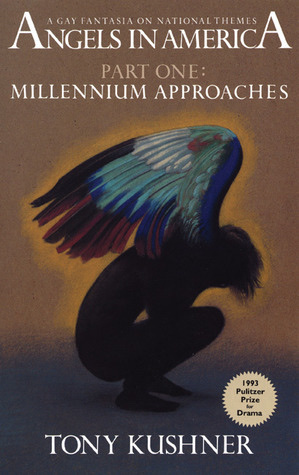 Millennium Approaches
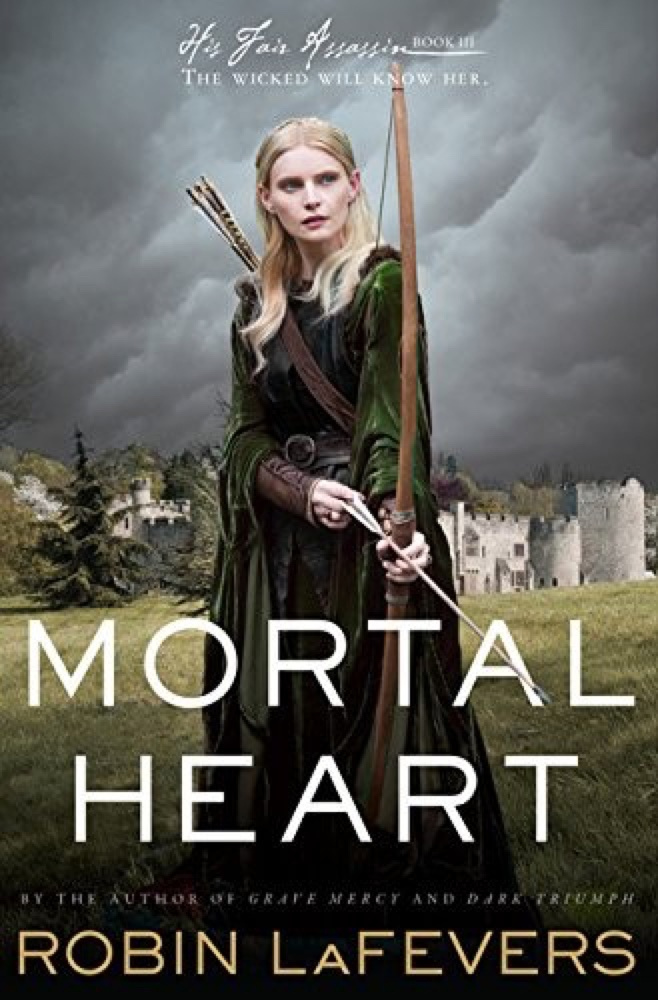 Mortal Heart
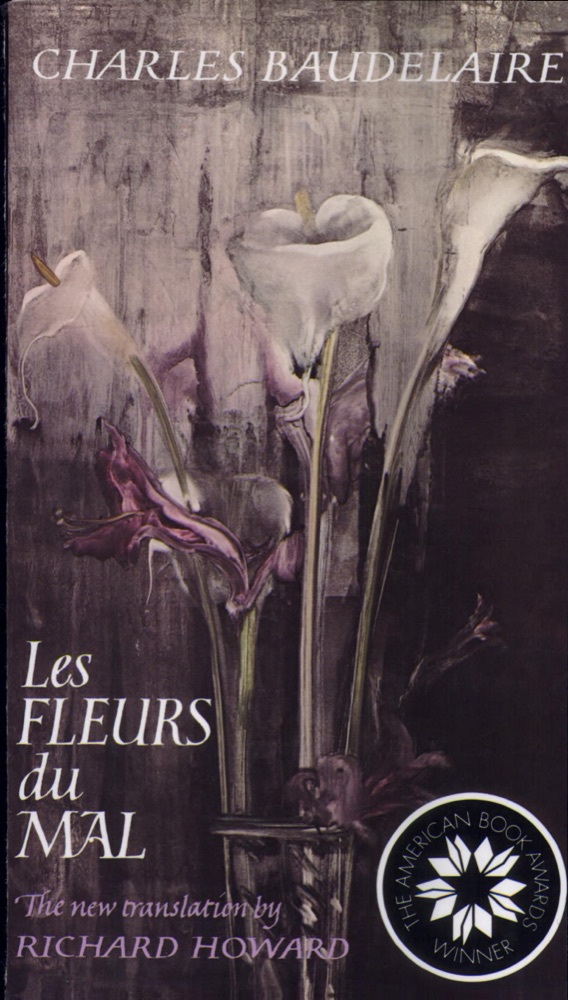 Les Fleurs du Mal
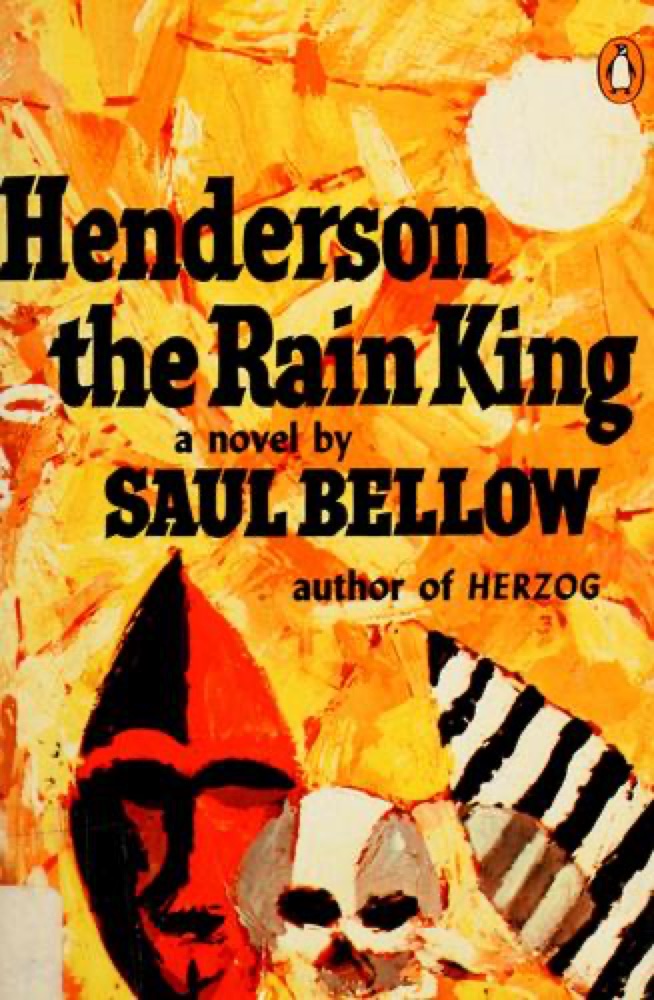 Henderson the Rain King
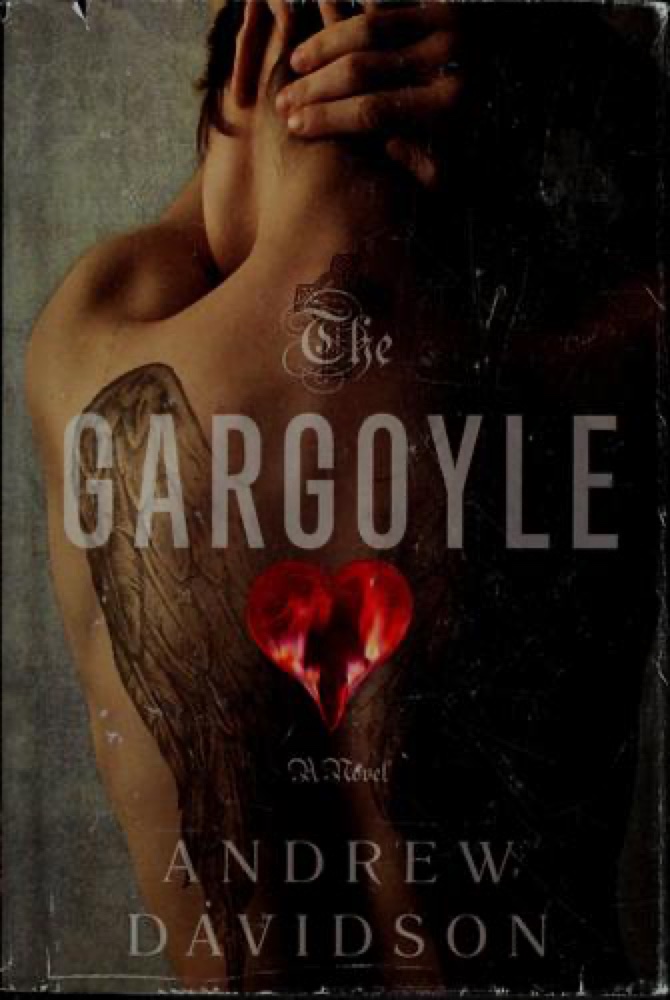 The Gargoyle
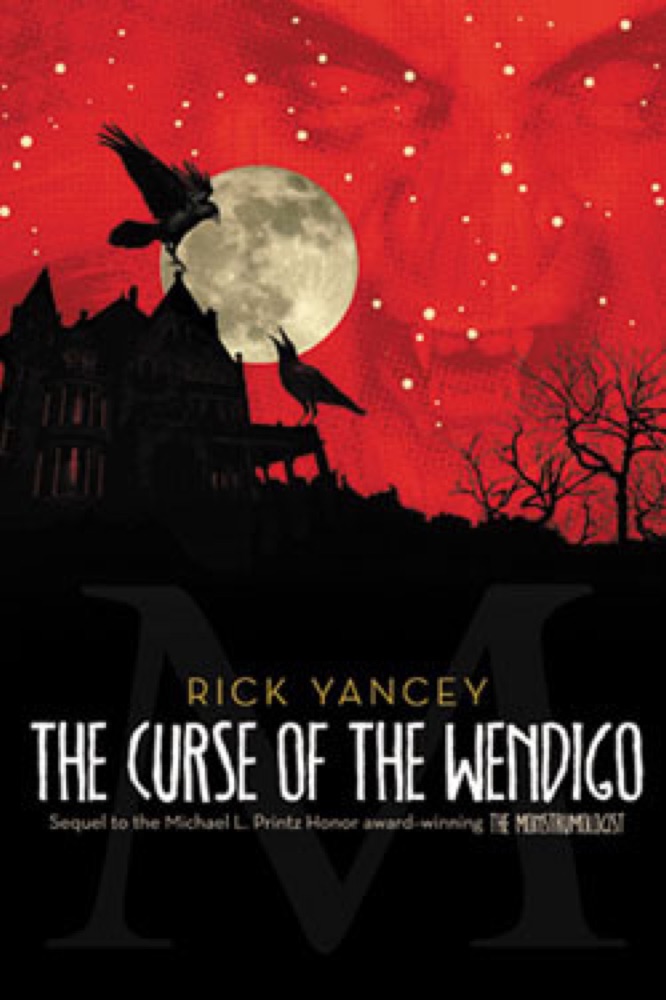 The Curse of the Wendigo
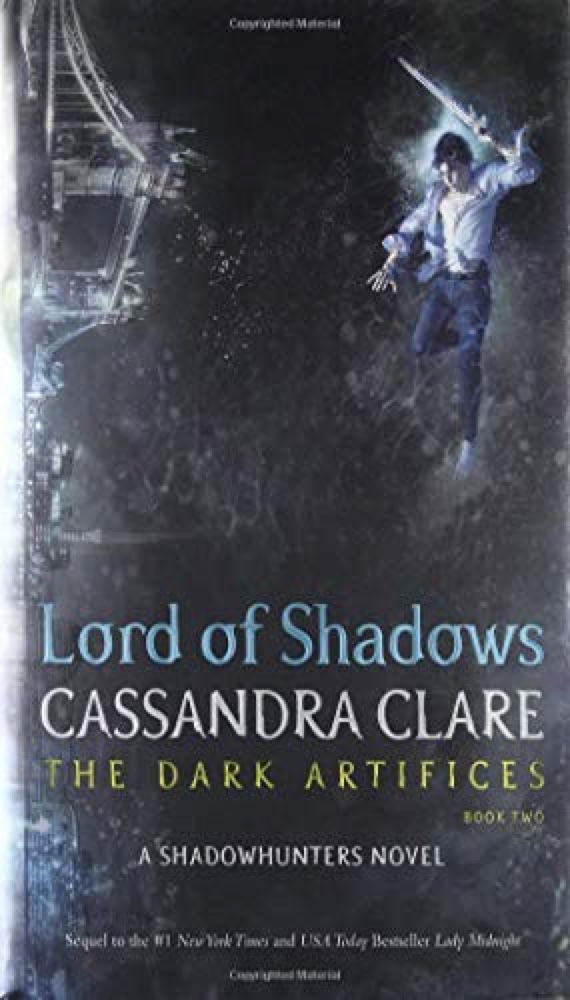 Lord of Shadows
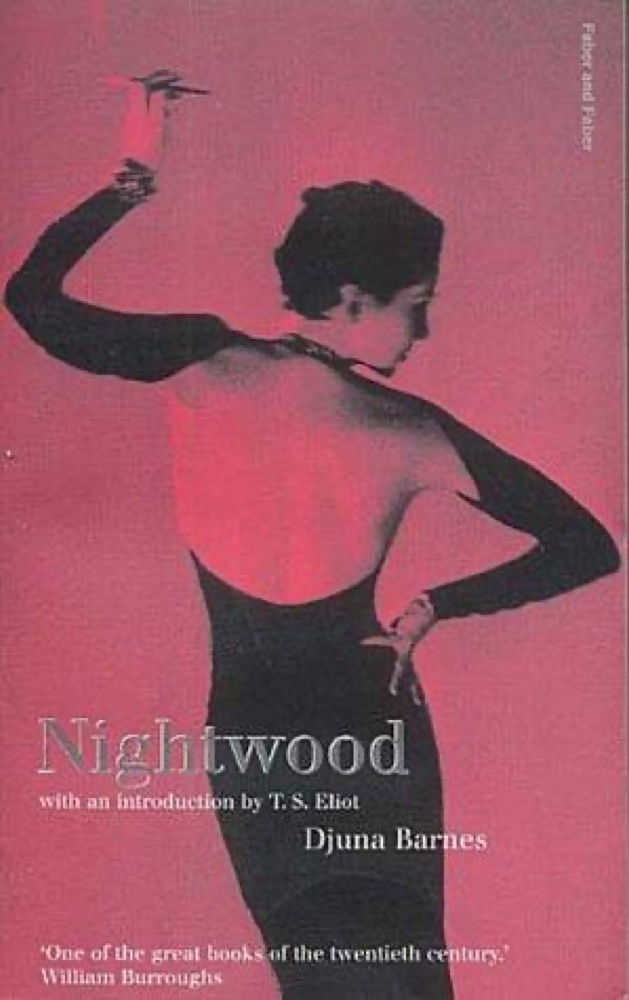 Nightwood
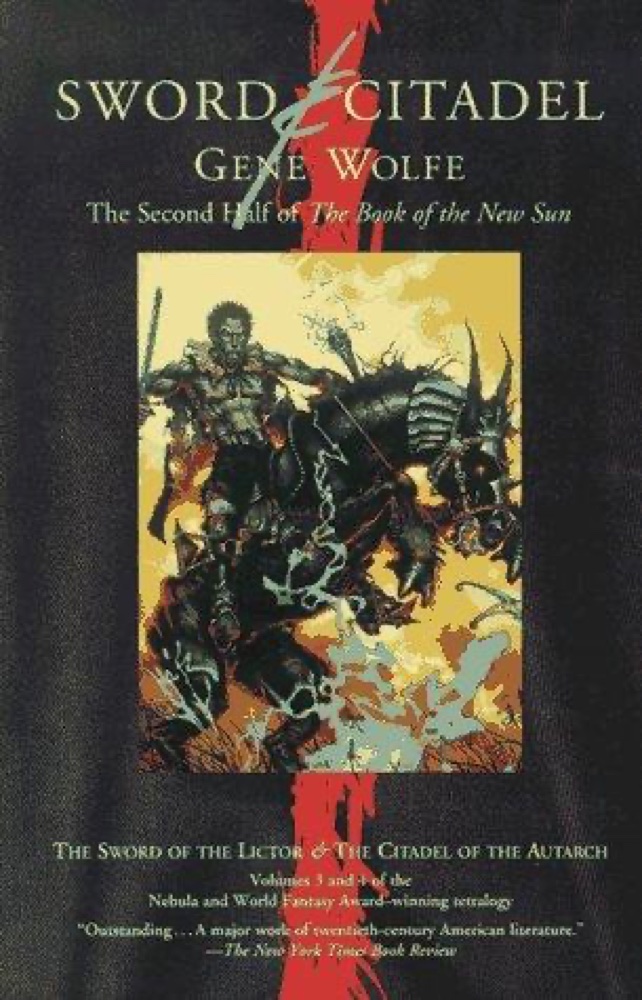 Sword & Citadel
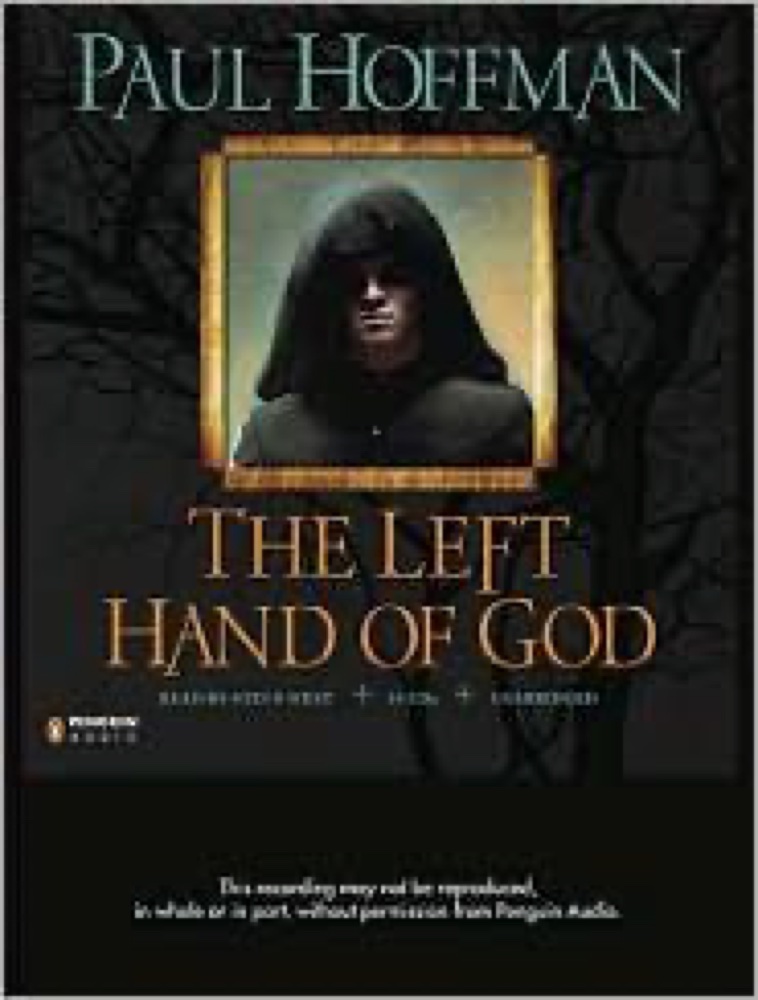 The Left Hand of God
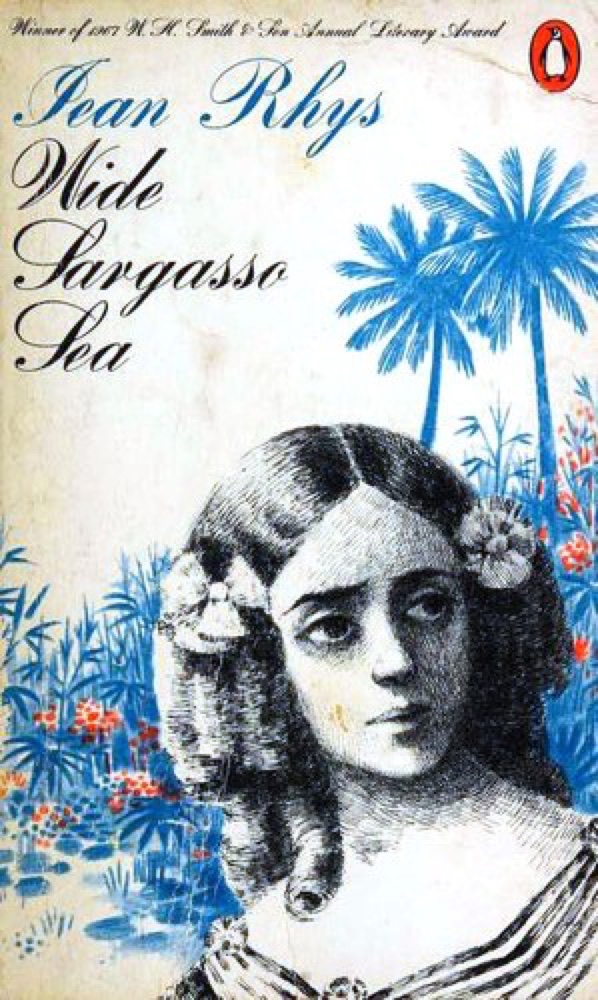 Wide Sargasso Sea
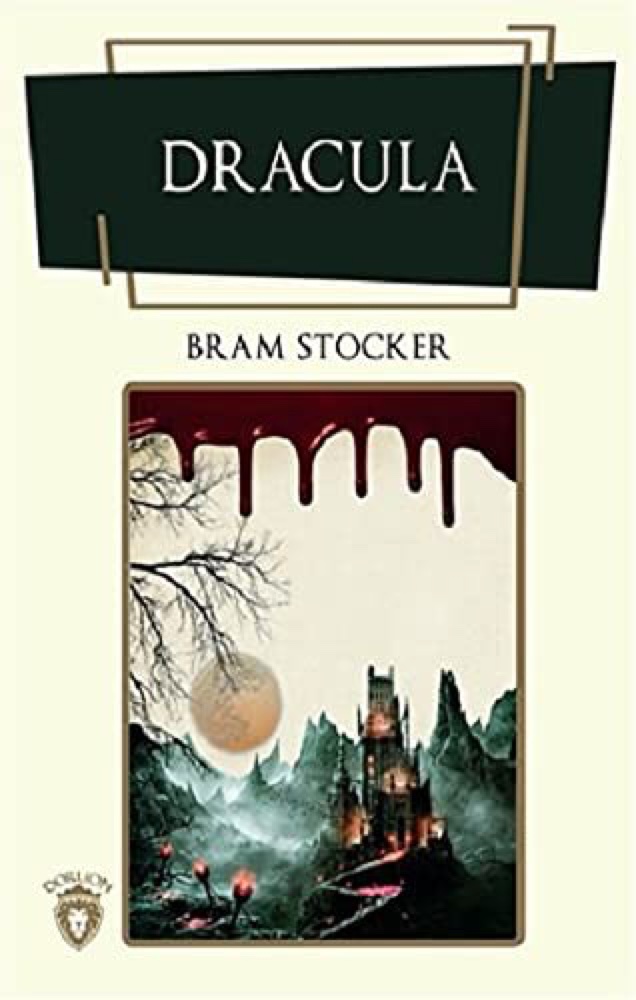 Dracula
 Abarat
 The Broken Eye
 A Discovery of Witches
 Narcissus and Goldmund
 Faust
Faust
 By Grand Central Station I Sat Down and Wept
 Tropic of Capricorn
 Prince of Thorns
 The Sandman: Endless Nights
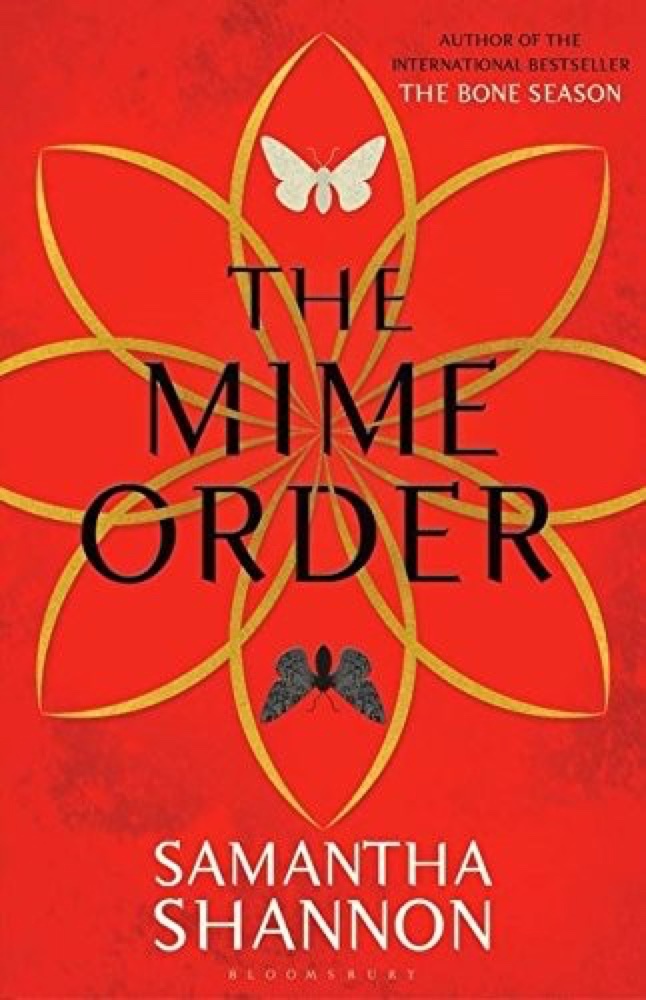 The Mime Order
 Black Leopard, Red Wolf
 An Ember in the Ashes
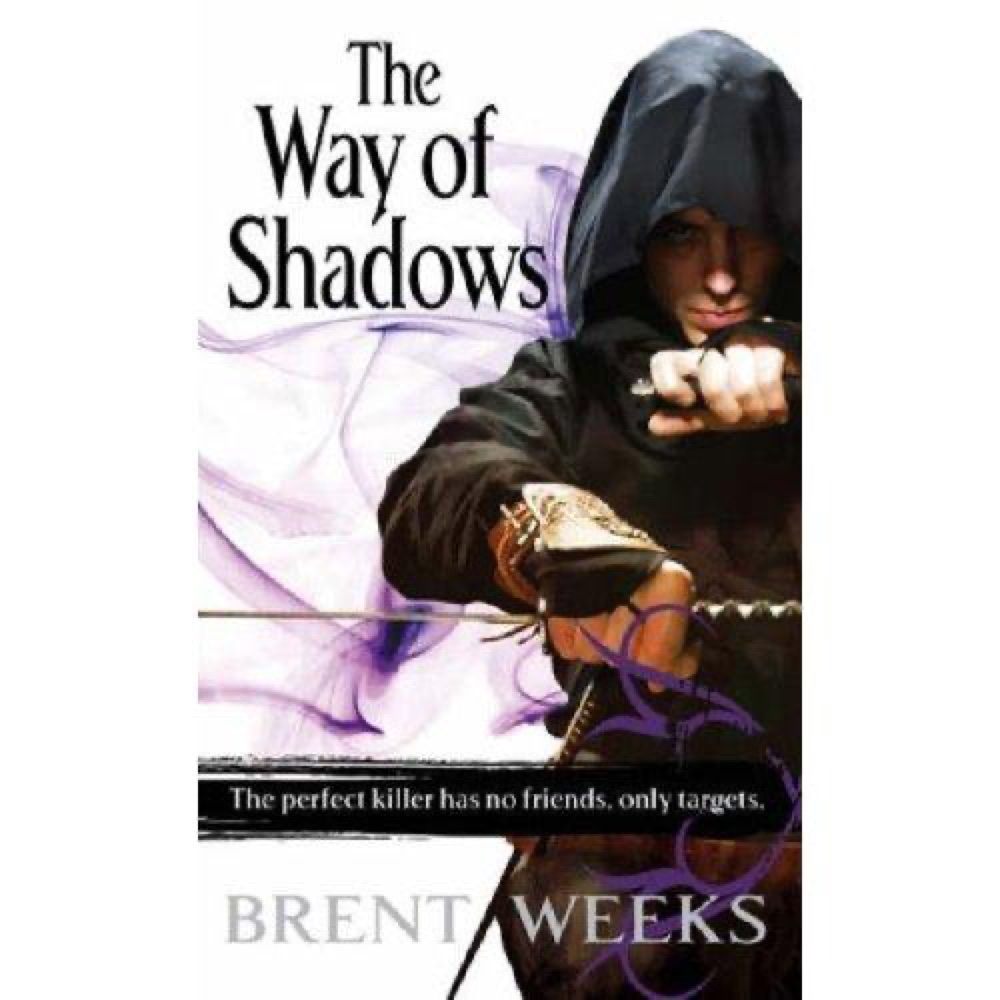 The Way of Shadows
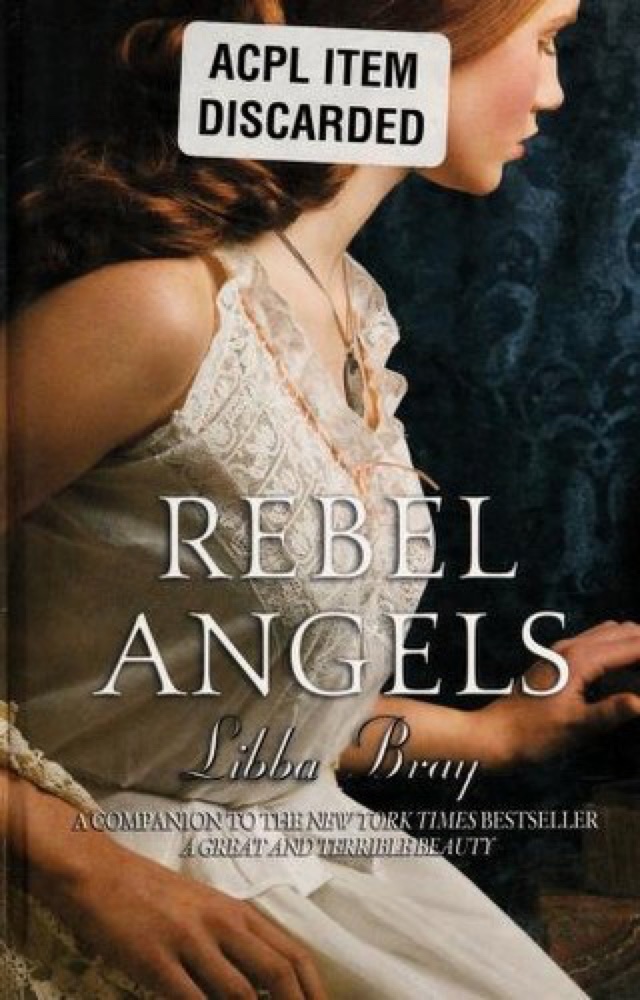 Rebel Angels
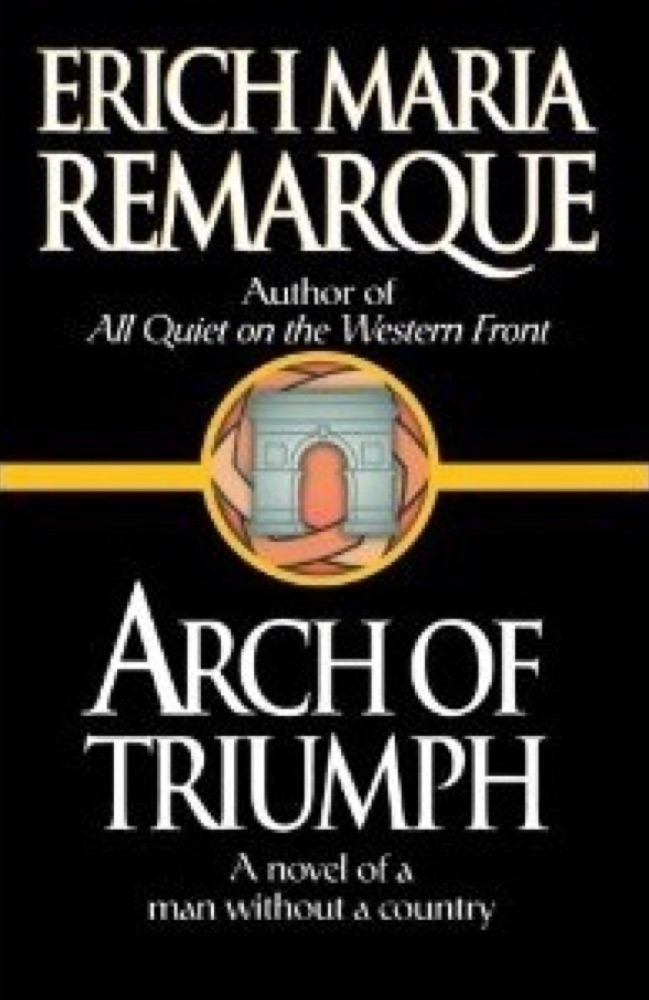 Arch of Triumph
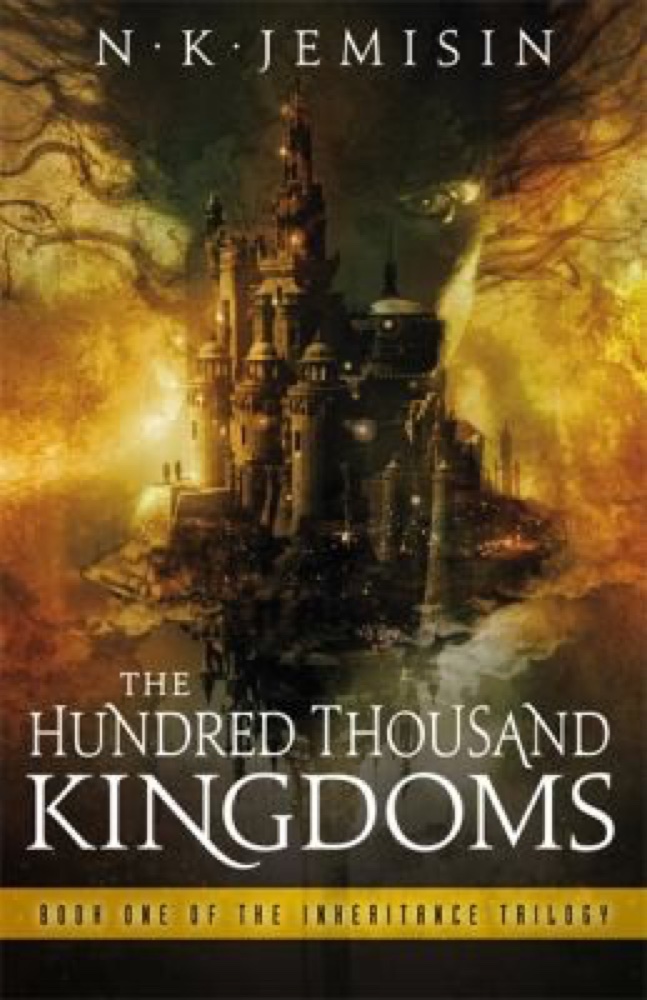 The Hundred Thousand Kingdoms
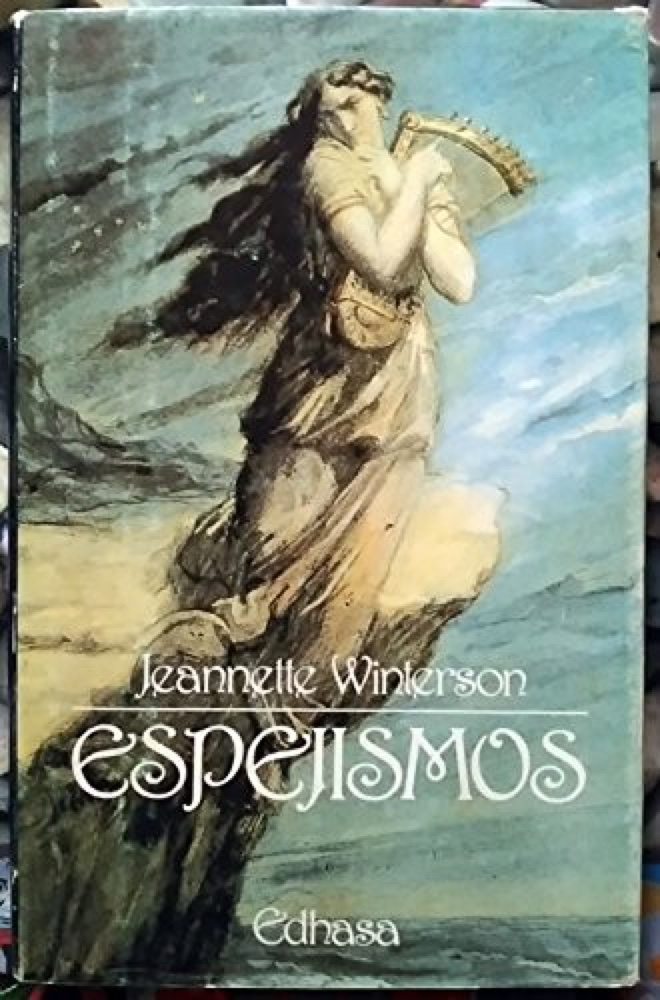 Sexing the Cherry
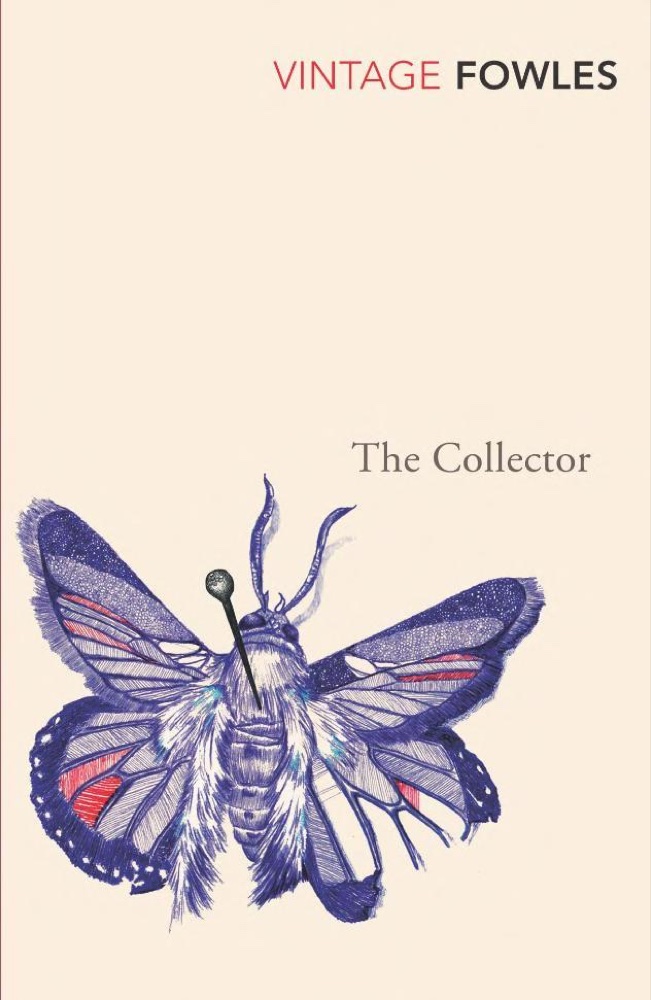 The Collector
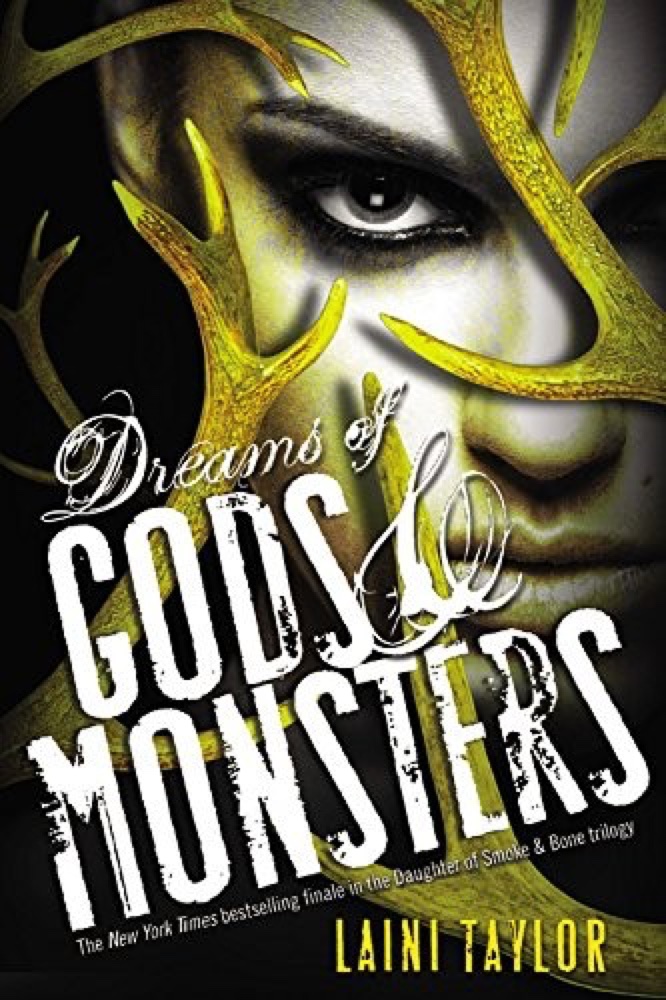 Dreams of Gods & Monsters
 The Rose Society
 Phantastes
 The Scarlet Gospels
 Requiem
 Preludes & Nocturnes
 The Secret History
 Empire of Silence
 Revolution
 In the Night Garden
 The Immortal Rules
 His Dark Materials
 A Reaper at the Gates
 The Claw of the Conciliator
 Brideshead Revisited: The Sacred and Profane Memories of Captain Charles Ryder
 Mother Night
 I, Lucifer