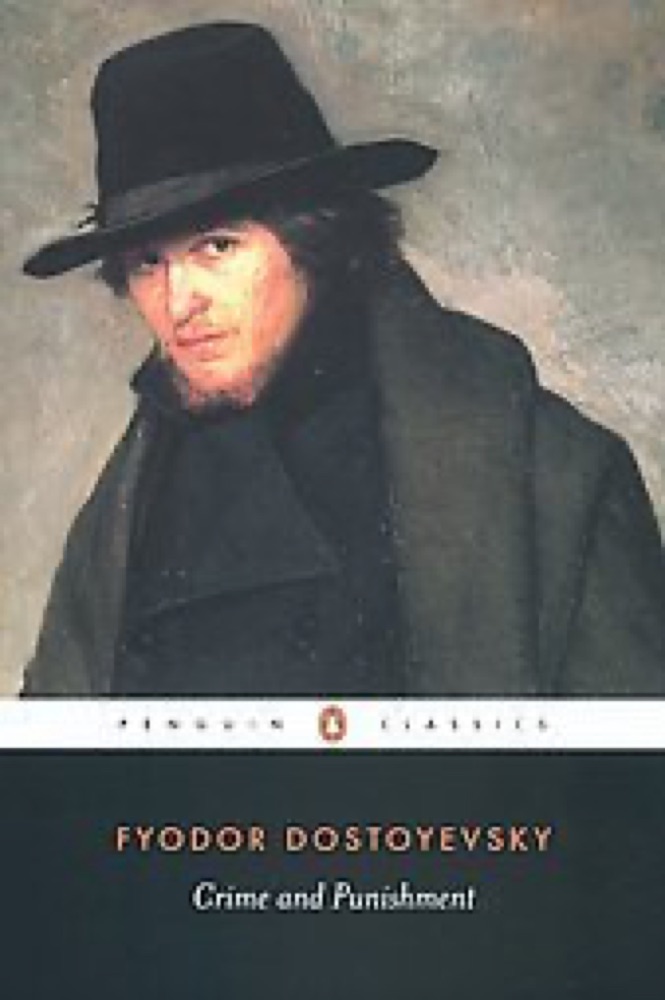
 Crime and Punishment
Quotes from the Book
The longest way must have its close - the gloomiest night will wear on to a morning.
Soon after the completion of his college course, his whole nature was kindled into one intense and passionate effervescence of romantic passion. His hour came,—the hour that comes only once; his star rose in the horizon,—that star that rises so often in vain, to be remembered only as a thing of dreams; and it rose for him in vain. To drop the figure,—he saw and won the love of a high-minded and beautiful woman, in one of the northern states, and they were affianced. He returned south to make arrangements for their marriage, when, most unexpectedly, his letters were returned to him by mail, with a short note from her guardian, stating to him that ere this reached him the lady would be the wife of another. Stung to madness, he vainly hoped, as many another has done, to fling the whole thing from his heart by one desperate effort. Too proud to supplicate or seek explanation, he threw himself at once into a whirl of fashionable society, and in a fortnight from the time of the fatal letter was the accepted lover of the reigning belle of the season; and as soon as arrangements could be made, he became the husband of a fine figure, a pair of bright dark eyes, and a hundred thousand dollars; and, of course, everybody thought him a happy fellow. The married couple were enjoying their honeymoon, and entertaining a brilliant circle of friends in their splendid villa, near Lake Pontchartrain, when, one day, a letter was brought to him in that well-remembered writing. It was handed to him while he was in full tide of gay and successful conversation, in a whole room-full of company. He turned deadly pale when he saw the writing, but still preserved his composure, and finished the playful warfare of badinage which he was at the moment carrying on with a lady opposite; and, a short time after, was missed from the circle. In his room,alone, he opened and read the letter, now worse than idle and useless to be read. It was from her, giving a long account of a persecution to which she had been exposed by her guardian's family, to lead her to unite herself with their son: and she related how, for a long time, his letters had ceased to arrive; how she had written time and again, till she became weary and doubtful; how her health had failed under her anxieties, and how, at last, she had discovered the whole fraud which had been practised on them both. The letter ended with expressions of hope and thankfulness, and professions of undying affection, which were more bitter than death to the unhappy young man. He wrote to her immediately: I have received yours,—but too late. I believed all I heard. I was desperate. I am married, and all is over. Only forget,—it is all that remains for either of us." And thus ended the whole romance and ideal of life for Augustine St. Clare. But the real remained,—the real, like the flat, bare, oozy tide-mud, when the blue sparkling wave, with all its company of gliding boats and white-winged ships, its music of oars and chiming waters, has gone down, and there it lies, flat, slimy, bare,—exceedingly real. Of course, in a novel, people's hearts break, and they die, and that is the end of it; and in a story this is very convenient. But in real life we do not die when all that makes life bright dies to us.
...the heart has no tears to give,--it drops only blood, bleeding itself away in silence.
There are in this world blessed souls, whose sorrows all spring up into joys for others; whose earthly hopes, laid in the grave with many tears, are the seed from which spring healing flowers and balm for the desolate and the distressed.
Perhaps it is impossible for a person who does no good not to do harm.
Any mind that is capable of a real sorrow is capable of good.
Treat 'em like dogs, and you'll have dogs' works and dogs' actions. Treat 'em like men, and you'll have men's works.
Scenes of blood and cruelty are shocking to our ear and heart. What man has nerve to do, man has not nerve to hear.
But now what? Why, now comes my master, takes me right away from my work, and my friends, and all I like, and grinds me down into the very dirt! And why? Because, he says, I forgot who I was; he says, to teach me that I am only a nigger! After all, and last of all, he comes between me and my wife, and says I shall give her up, and live with another woman. And all this your laws give him power to do, in spite of God or man. Mr. Wilson, look at it! There isn't one of all these things, that have broken the hearts of my mother and my sister, and my wife and myself, but your laws allow, and give every man power to do, in Kentucky, and none can say to him nay! Do you call these the laws of my country? Sir, I haven't any country, anymore than I have any father. But I'm going to have one. I don't want anything of your country, except to be let alone,--to go peaceably out of it; and when I get to Canada, where the laws will own me and protect me, that shall be my country, and its laws I will obey. But if any man tries to stop me, let him take care, for I am desperate. I'll fight for my liberty to the last breath I breathe. You say your fathers did it; if it was right for them, it is right for me!
For, so inconsistent is human nature, especially in the ideal, that not to undertake a thing at all seems better than to undertake and come short.
Strange, what brings these past things so vividly back to us, sometimes!
What's your hurry?" Because now is the only time there ever is to do a thing in," said Miss Ophelia.
I am braver than I was because I have lost all; and he who has nothing to lose can afford all risks.
I am one of the sort that lives by throwing stones at other people's glass houses, but I never mean to put up one for them to stone.
O, with what freshness, what solemnity and beauty, is each new day born; as if to say to insensate man, "Behold! thou hast one more chance! Strive for immortal glory!
Talk of the abuses of slavery! Humbug! The thing itself is the essence of all abuse!
It was the first time that ever George had sat down on equal terms at any white man's table; and he sat down, at first, with some constraint, and awkwardness; but they all exhaled and went off like fog, in the genial morning rays of this simple overflowing kindness. This indeed, was a home, - home, -a word that George had never yet known a meaning for; and a belief in God, and trust in His providence, began to encircle his heart, as, with a golden cloud of protection and confidence, dark, misanthropic, pining, atheistic doubts, and fierce despair, melted away before the light of a living Gospel, breathed in living faces, preached by a thousand unconscious acts of love and good-will, which, like the cup of cold water given in the name of a disciple, shall never lose their reward.
If ever you have had a romantic, uncalculating friendship, - a boundless worship and belief in some hero of your soul, - if ever you have so loved, that all cold prudence, all selfish worldly considerations have gone down like drift-wood before a river flooded with new rain from heaven, so that you even forgot yourself, and were ready to cast your whole being into the chasm of existence, as an offering before the feet of another, and all for nothing, - if you awoke bitterly betrayed and deceived, still give thanks to God that you have had one glimpse of heaven. The door now shut will open again. Rejoice that the noblest capability of your eternal inheritance has been made known to you; treasure it, as the highest honor of your being, that ever you could so feel, -that so divine a guest ever possessed your soul.
I make no manner of doubt that you threw a very diamond of truth at me, though you see it hit me so directly in the face that it wasn't exactly appreciated, at first.
Could I ever have loved you, had I not known you better than you know yourself?
No one is so thoroughly superstitious as the godless man
What man has nerve to do, man has not nerve to hear.
But it is often those who have least of all in this life whom He chooseth for the kingdom. Put thy trust in Him and no matter what befalls thee here, He will make all right hereafter.
And, perhaps, among us may be found generous spirits, who do not estimate honour and justice by dollars and cents.
Have not many of us, in the weary way of life, felt, in some hours, how far easier it were to die than to live? The martyr, when faced even by a death of bodily anguish and horror, finds in the very terror of his doom a strong stimulant and tonic. There is a vivid excitement, a thrill and fervor, which may carry through any crisis of suffering that is the birth-hour of eternal glory and rest. But to live, to wear on, day after day, of mean, bitter, low, harassing servitude, every nerve dampened and depressed, every power of feeling gradually smothered, this long and wasting heart-martyrdom, this slow, daily bleeding away of the inward life, drop by drop, hour after hour, this is the true searching test of what there may be in man or woman.
Tom opened his eyes, and looked upon his master. "Ye poor miserable critter!" he said, "there ain't no more ye can do! I forgive ye, with all my soul!" and he fainted entirely away.
Did you know?
- The novel was first serialized in the abolitionist newspaper The National Era from June 1851 to April 1852 before appearing as a book.
- It was published in two volumes by John P. Jewett and Company on March 20, 1852.
- More than 10,000 copies sold in the first week, and roughly 300,000 copies sold in the United States within the first year.
- It became the best-selling novel of the 19th century.
- George L. Aiken's stage adaptation was performed on American and British stages for decades.
About Harriet Beecher Stowe
Harriet Beecher Stowe (1811-1896) was an American author and abolitionist from a prominent New England religious family. She is best known for Uncle Tom's Cabin, which drew on her opposition to slavery and made her one of the most famous writers of her time.
More about the author →About the book
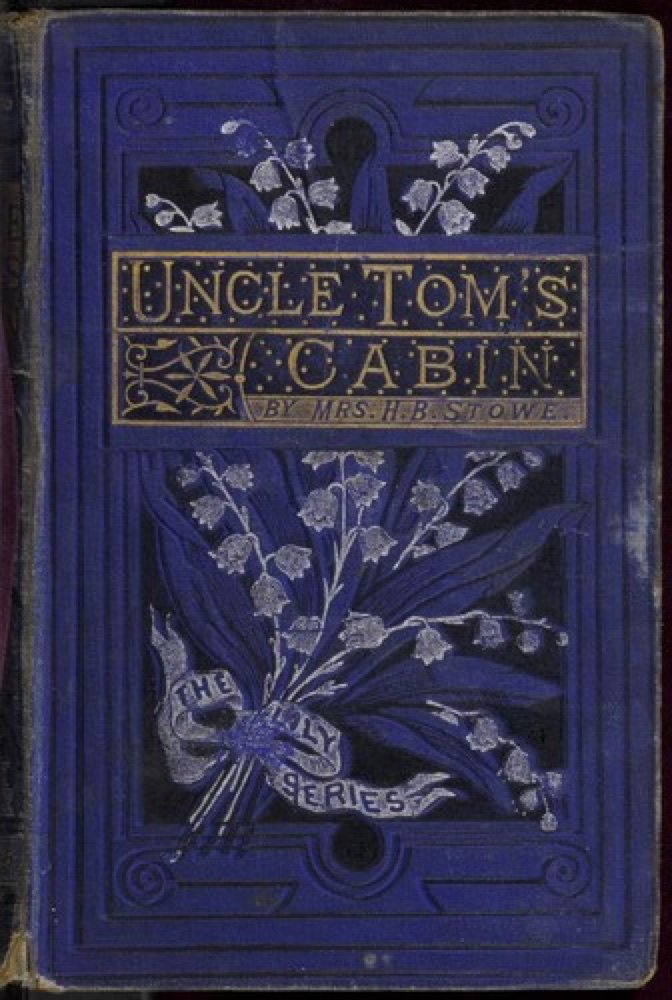
"Uncle Tom's Cabin; or, Life Among the Lowly" is an anti-slavery novel by Harriet Beecher Stowe, first serialized in the abolitionist newspaper The National Era from 1851 to 1852 and published in two volumes by John P. Jewett in March 1852. It follows enslaved people in the American South, chiefly the pious, long-suffering Uncle Tom, who is sold away from his Kentucky home and passes through several owners before falling into the hands of the brutal Simon Legree. A parallel storyline traces the enslaved Eliza, who flees across the frozen Ohio River with her young son to keep him from being sold, and her husband George Harris's fight to reach freedom.
The novel is built around Stowe's moral and religious argument against slavery. It dramatizes the destruction of families through sale, the corrupting cruelty the institution licenses, and the redemptive power of Christian love and the moral authority of motherhood. Uncle Tom's refusal to renounce his faith or betray fellow slaves, even under fatal abuse, is presented as a form of spiritual triumph over the system that destroys him.
Uncle Tom's Cabin became the best-selling novel of the 19th century and helped galvanize anti-slavery sentiment in the years before the American Civil War. It was adapted repeatedly for the stage, most durably in George L. Aiken's dramatization, and later for film. Its enormous cultural reach also fixed characters and imagery in the popular imagination for generations, making it one of the most influential and widely discussed American novels of its era.
Key characters
- Uncle TomA devout, long-suffering enslaved man sold away from his Kentucky home
- ElizaAn enslaved woman who flees with her young son to keep him from being sold
- George HarrisEliza's husband, who seeks freedom for his family
- Eva (Evangeline St. Clare)The angelic young daughter of one of Tom's owners who befriends him
- Augustine St. ClareA reflective New Orleans slaveholder who buys Tom
- Simon LegreeThe brutal plantation owner and chief antagonist
Book details
- First published
- 1852
- Length
- 634 pages
- Reading time
- 30 hours
- Author
- Harriet Beecher Stowe
- Genre
- Classics
- Goodreads rating
- 3.92 (246k ratings) →
- First line
- “Late in the afternoon of a chilly day in February, two gentlemen were sitting alone over their wine, in a well-furnished dining parlor, in the town of P——, in Kentucky.”
Movie & TV adaptations
- IMDb
- IMDb
If you liked this, read…
- 1Twelve Years a SlaveFirst-hand slave narrative depicting the same institution Stowe attacks
- 2Narrative of the Life of Frederick DouglassFoundational abolitionist memoir of enslavement and escape
- 3BelovedLater novel confronting slavery's human cost and its aftermath
Keep reading
Crime and Punishment
 Lord Jim
 Silas Marner
 March
March
 The House of the Seven Gables
 The Heart of the Matter
 The Virginian
 Absalom, Absalom!
 Bleak House
 Melmoth the Wanderer
 Barnaby Rudge
 Hard Times
 In Cold Blood
 Dracula
 Mary Barton
 The Gadfly
 The Jewel in the Crown
 The Broken Eye
 The Oedipus Cycle: Oedipus Rex/Oedipus at Colonus/Antigone
 Dead Souls
 The Lost World
 The Blithedale Romance
 The Scarlet Letter
 Daniel Deronda
 The Power and the Glory
 Embers
 Fool's Fate
 Incidents in the Life of a Slave Girl
 The Plague
 Père Goriot
 Light in August
 The Once and Future King
 The Quiet American
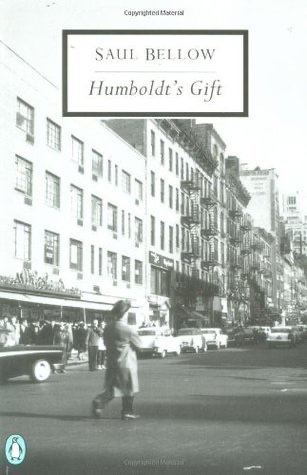 Humboldt's Gift
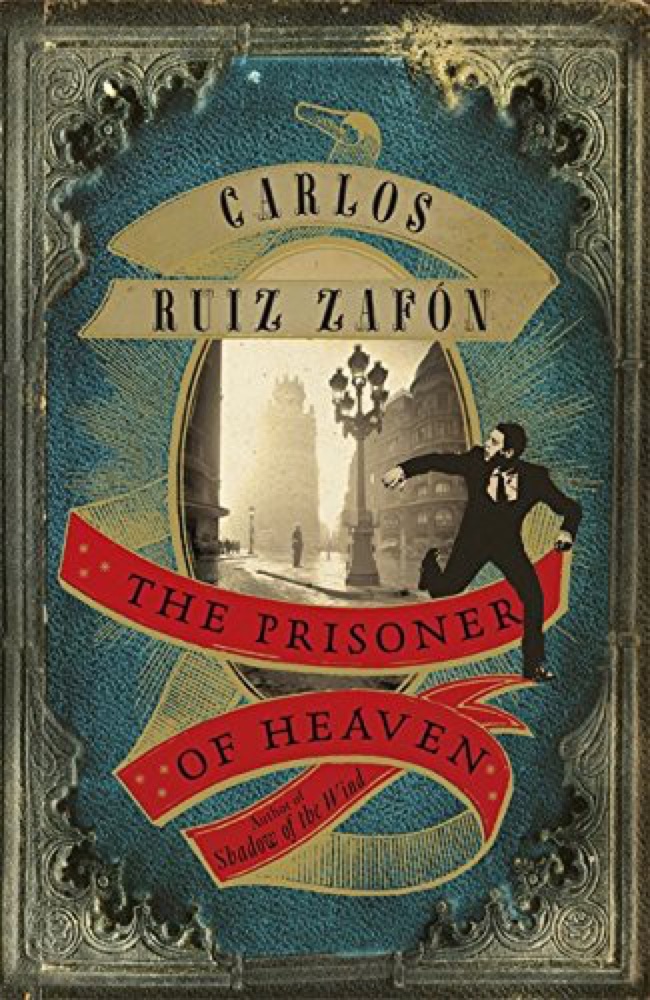 The Prisoner of Heaven
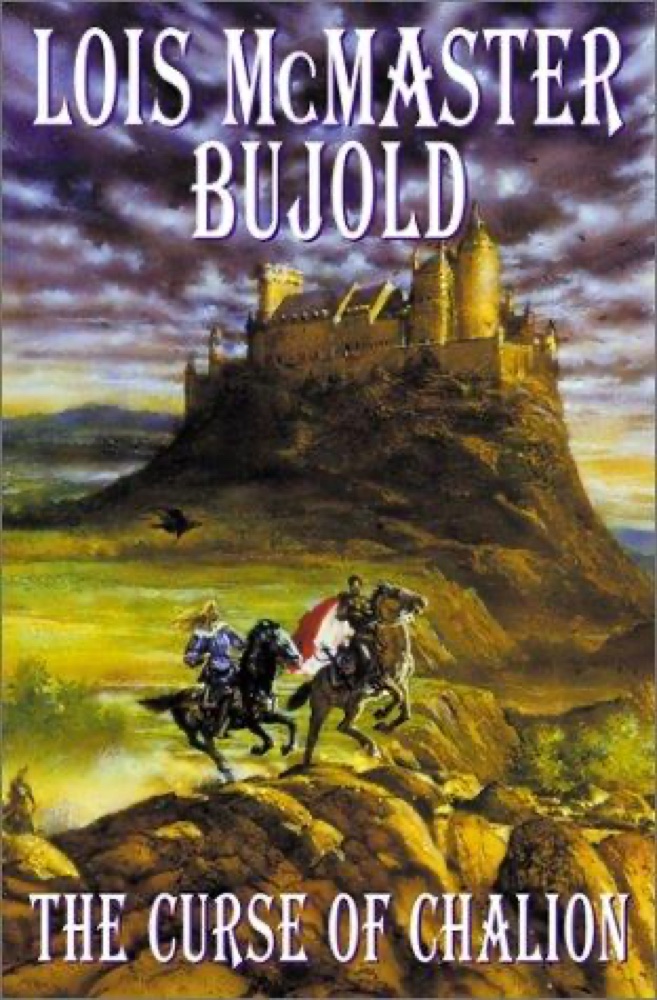 The Curse of Chalion
 The Damnation Game
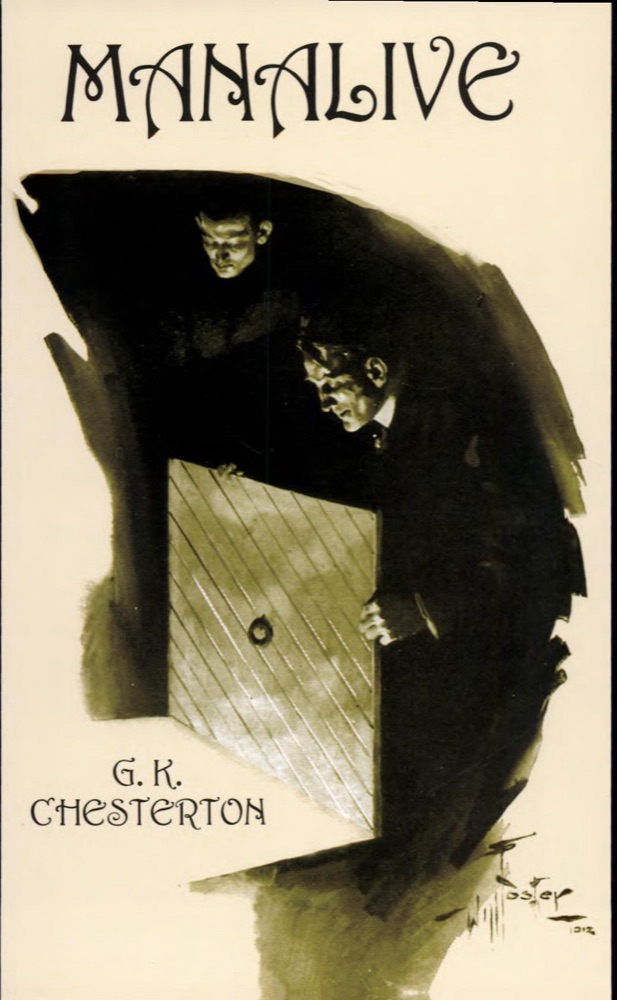 Manalive
 East of Eden
 The Count of Monte Cristo
 The Green Mile
 Adam Bede
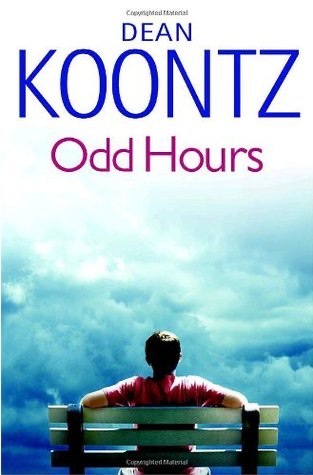 Odd Hours
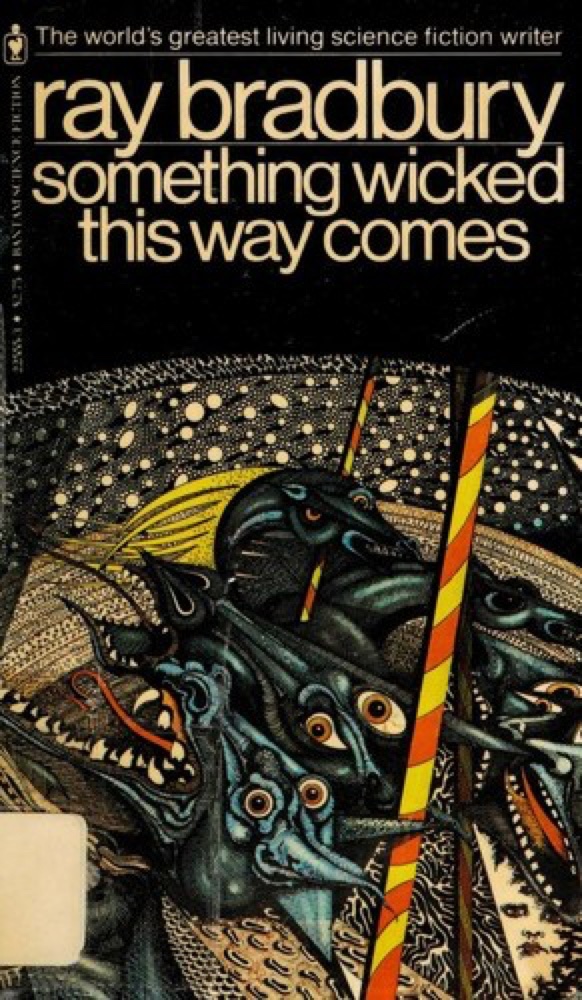 Something Wicked This Way Comes
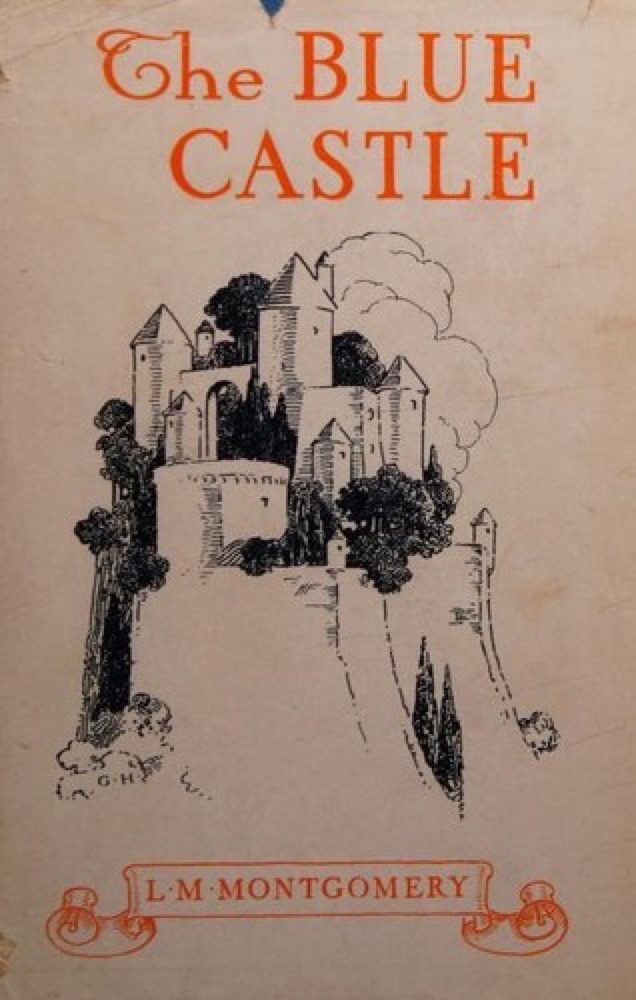 The Blue Castle
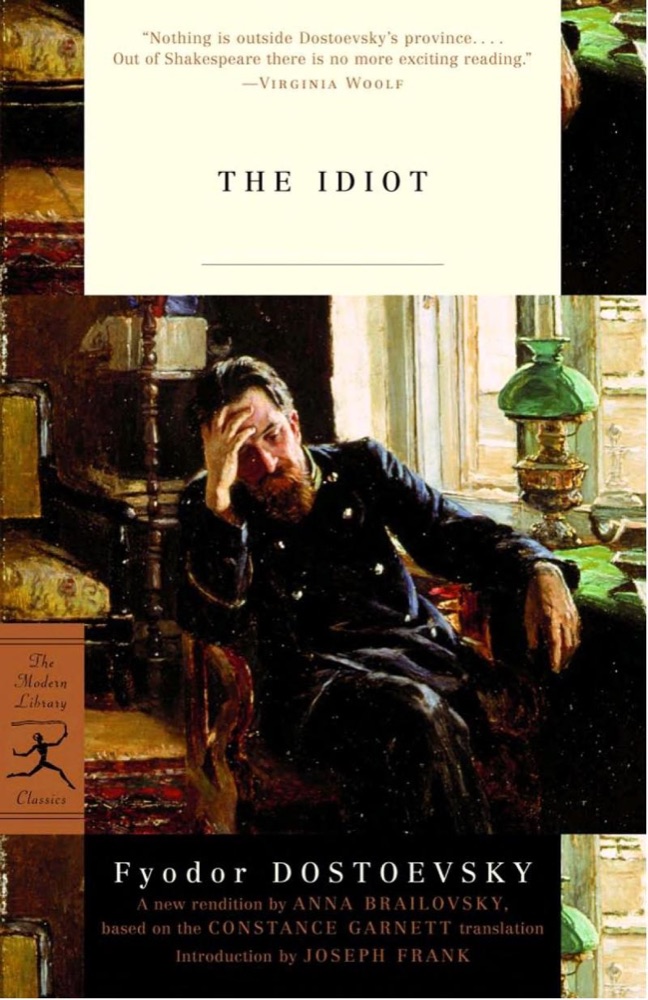 The Idiot
 Victory
 Brideshead Revisited: The Sacred and Profane Memories of Captain Charles Ryder
 The Left Hand of God
 Jude the Obscure
 Sacred Hunger
 Fathers and Sons
 A Death in the Family
 Allan Quatermain
 Measure for Measure
 Mother Night
 Moby-Dick
 King Lear
 Agnes Grey
 Nightwood