 The Odyssey
Quotes from the Book
…There is the heat of Love, the pulsing rush of Longing, the lover’s whisper, irresistible—magic to make the sanest man go mad.
1.3k
Hateful to me as the gates of Hades is that man who hides one thing in his heart and speaks another.
931
Let me not then die ingloriously and without a struggle, but let me first do some great thing that shall be told among men hereafter.
555
Sing, O muse, of the rage of Achilles, son of Peleus, that brought countless ills upon the Achaeans.
426
Like the generations of leaves, the lives of mortal men. Now the wind scatters the old leaves across the earth, now the living timber bursts with the new buds and spring comes round again. And so with men: as one generation comes to life, another dies away.
398
We men are wretched things.
384
Why so much grief for me? No man will hurl me down to Death, against my fate. And fate? No one alive has ever escaped it, neither brave man nor coward, I tell you - it’s born with us the day that we are born.
378
Achilles glared at him and answered, "Fool, prate not to me about covenants. There can be no covenants between men and lions, wolves and lambs can never be of one mind, but hate each other out and out an through. Therefore there can be no understanding between you and me, nor may there be any covenants between us, till one or other shall fall
298
...like that star of the waning summer who beyond all stars rises bathed in the ocean stream to glitter in brilliance.
209
No man or woman born, coward or brave, can shun his destiny.
189
No one can hurry me down to Hades before my time, but if a man's hour is come, be he brave or be he coward, there is no escape for him when he has once been born.
181
His descent was like nightfall.
178
Come, Friend, you too must die. Why moan about it so? Even Patroclus died, a far, far better man than you. And look, you see how handsome and powerful I am? The son of a great man, the mother who gave me life-- A deathless goddess. But even for me, I tell you, Death and the strong force of fate are waiting. There will come a dawn or sunset or high noon When a man will take my life in battle too-- flinging a spear perhaps Or whipping a deadly arrow off his bow.
173
And overpowered by memory Both men gave way to grief. Priam wept freely For man - killing Hector, throbbing, crouching Before Achilles' feet as Achilles wept himself, Now for his father, now for Patroclus once again And their sobbing rose and fell throughout the house.
144
There is nothing alive more agonized than man / of all that breathe and crawl across the earth.
123
Beauty! Terrible Beauty! A deathless Goddess-- so she strikes our eyes!
120
Be strong, saith my heart; I am a soldier; I have seen worse sights than this.
108
Without a sign, his sword the brave man draws, and asks no omen, but his country's cause.
103
Why have you come to me here, dear heart, with all these instructions? I promise you I will do everything just as you ask. But come closer. Let us give in to grief, however briefly, in each other's arms.
89
The roaring seas and many a dark range of mountains lie between us.
88
Still, we will let all this be a thing of the past, though it hurts us, and beat down by constraint the anger that rises inside us. Now I am making an end of my anger. It does not become me, unrelentingly to rage on
85
Ruin, eldest daughter of Zeus, she blinds us all, that fatal madness—she with those delicate feet of hers, never touching the earth, gliding over the heads of men to trap us all. She entangles one man, now another.
72
Generations of men are like the leaves. In winter, winds blow them down to earth, but then, when spring season comes again, the budding wood grows more. And so with men: one generation grows, another dies away.
68
Everything is more beautiful because we are doomed. You will never be lovelier than you are now. We will never be here again.
66
…but there they lay, sprawled across the field, craved far more by the vultures than by wives.
61
The sort of words a man says is the sort he hears in return.
56
Nay if even in the house of Hades the dead forget their dead, yet will I even there be mindful of my dear comrade.
52
Is he not sacred, even to the gods, the wandering man who comes in weariness?
50
Scepticism is as much the result of knowledge, as knowledge is of scepticism. To be content with what we at present know, is, for the most part, to shut our ears against conviction; since, from the very gradual character of our education, we must continually forget, and emancipate ourselves from, knowledge previously acquired; we must set aside old notions and embrace fresh ones; and, as we learn, we must be daily unlearning something which it has cost us no small labour and anxiety to acquire.
49
I say no wealth is worth my life! Not all they claim was stored in the depths of Troy, that city built on riches, in the old days of peace before the sons of Achaea came- not all the gold held fast in the Archer's rocky vaults, in Phoebus Apollo's house on Pytho's sheer cliffs! Cattle and fat sheep can all be had for the raiding, tripods all for the trading, and tawny-headed stallions. But a man's life breath cannot come back again- no raiders in force, no trading brings it back, once it slips through a man's clenched teeth. Mother tells me, the immortal goddess Thetis with her glistening feet, that two fates bear me on to the day of death. If I hold out here and I lay siege to Troy, my journey home is gone, but my glory never dies. If I voyage back to the fatherland I love, my pride, my glory dies... true, but the life that's left me will be long, the stroke of death will not come on me quickly.
49
Did you know?
- The Iliad is composed in dactylic hexameter and is traditionally divided into twenty-four books.
- The poem comprises roughly 15,693 lines in the original Homeric Greek.
- The narrative covers only a few weeks in the tenth and final year of the Trojan War rather than the whole conflict.
- The Greek word that opens the poem, menis, meaning wrath or rage, names its central theme.
- It is one of two surviving epics attributed to Homer, the other being the Odyssey.
About Homer
Homer is the name traditionally given to the ancient Greek poet credited with composing the Iliad and the Odyssey, the two foundational epics of Western literature. Little is known of his life, and scholars continue to debate whether he was a single historical individual.
More about the author →More by Homer
The Odyssey
About the book
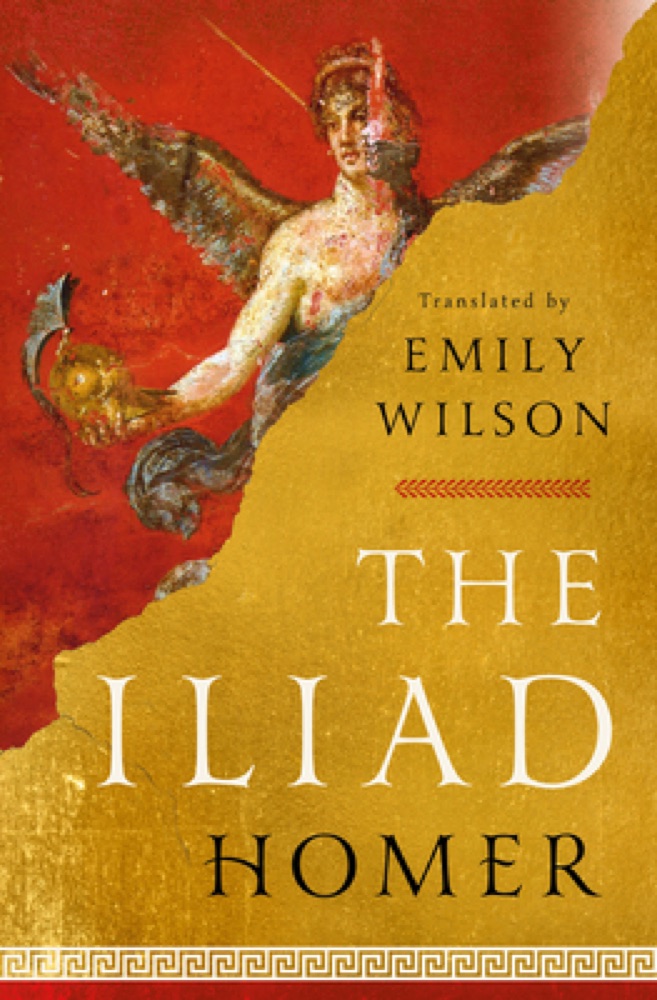
The Iliad is an ancient Greek epic poem attributed to Homer, composed in dactylic hexameter and traditionally dated to the late 8th or early 7th century BC. Set during the final weeks of the ten-year Trojan War, it centers on the wrath of the Greek warrior Achilles after he is dishonored by the commander Agamemnon. Achilles withdraws from the fighting, and his absence turns the war against the Greeks until the death of his close companion Patroclus draws him back to the battlefield, culminating in his fateful confrontation with the Trojan prince Hector.
Across its twenty-four books the poem explores wrath and its consequences, the pursuit of glory and honor, the inevitability of fate and mortality, and the immense human cost of war. Gods and mortals act side by side, and the narrative repeatedly weighs the desire for everlasting renown against the grief, loss, and fragility that war brings to both Greeks and Trojans.
Regarded as one of the foundational works of Western literature, the Iliad has shaped poetry, education, and storytelling for nearly three millennia and stands alongside its companion epic, the Odyssey. It has been continuously studied, translated, and reinterpreted since antiquity, and its characters and episodes remain touchstones of the broader tradition surrounding the Trojan War.
Key characters
- AchillesThe greatest Greek warrior, whose wrath drives the poem
- HectorTrojan prince and chief defender of Troy
- AgamemnonCommander of the Greek forces whose quarrel with Achilles starts the conflict
- PatroclusAchilles's close companion whose death spurs his return to battle
- PriamAged king of Troy and father of Hector
- HelenWoman whose abduction sparked the Trojan War
- OdysseusGreek hero noted for his cunning and diplomacy
Critical reception
- Widely regarded as the first major work of European literature and a cornerstone of the Western canon.
- It profoundly influenced classical Greek education, culture, and later literary tradition.
- The poem has been continuously translated and reinterpreted from antiquity to the present day.
Series & reading order
- 1 The Iliad
- 2 The Odyssey
Keep reading
 Agamemnon
The Odyssey
Agamemnon
The Odyssey
 The Oresteia
 The Last Song of Penelope
 Mythology
 Toll the Hounds
 The Song of Achilles
 Sword & Citadel
 King Lear
 Electra
 Troy
Troy
 The King Must Die
 Medea
Medea
 Troilus and Cressida
 Fall of Kings
 The Warrior Prophet
 The Crippled God
 Lord Jim
 Selected Poems
 She
She
 Glorious Exploits
 Grief Lessons: Four Plays by Euripides
 The Curse of the Wendigo
 Ninety-Three
 The Silence of the Girls
 Dark Age
 The Great Hunt
 Ivanhoe
 Lavinia
 King Solomon's Mines
 The Ballad of Reading Gaol
 Iphigenia in Aulis
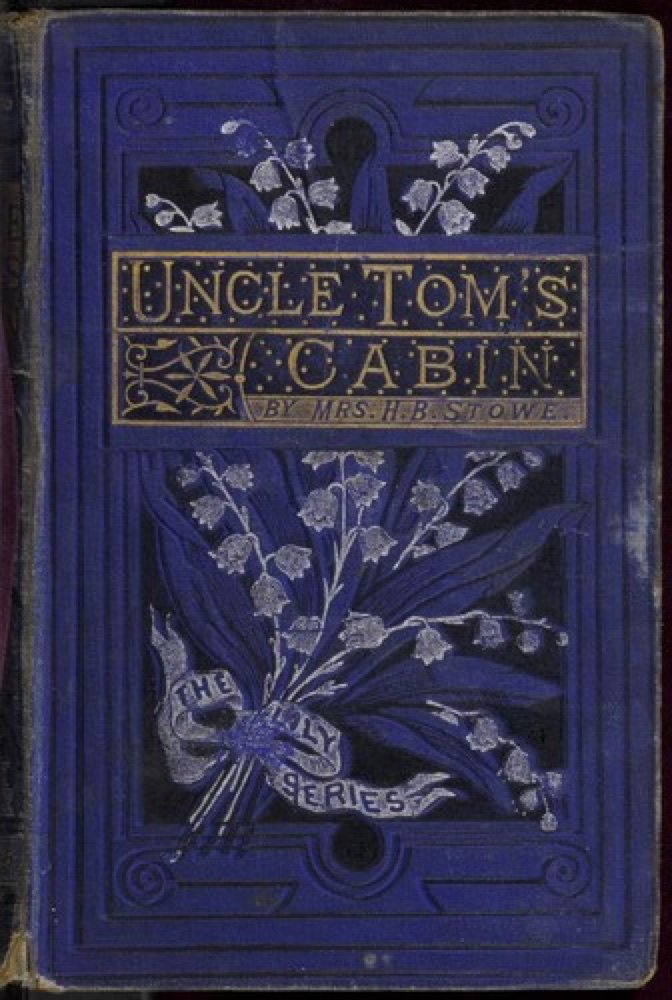 Uncle Tom's Cabin
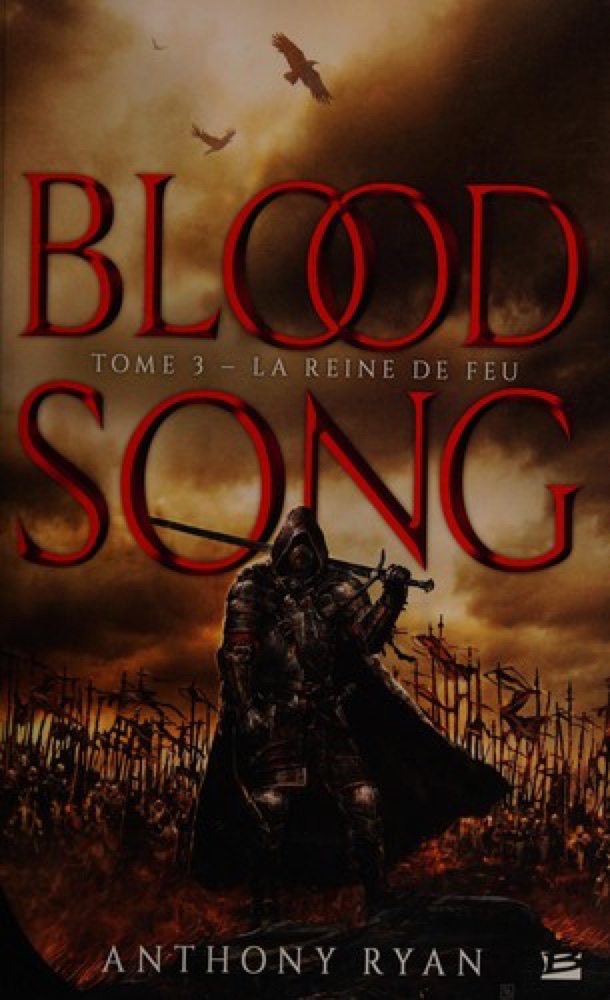 Blood Song
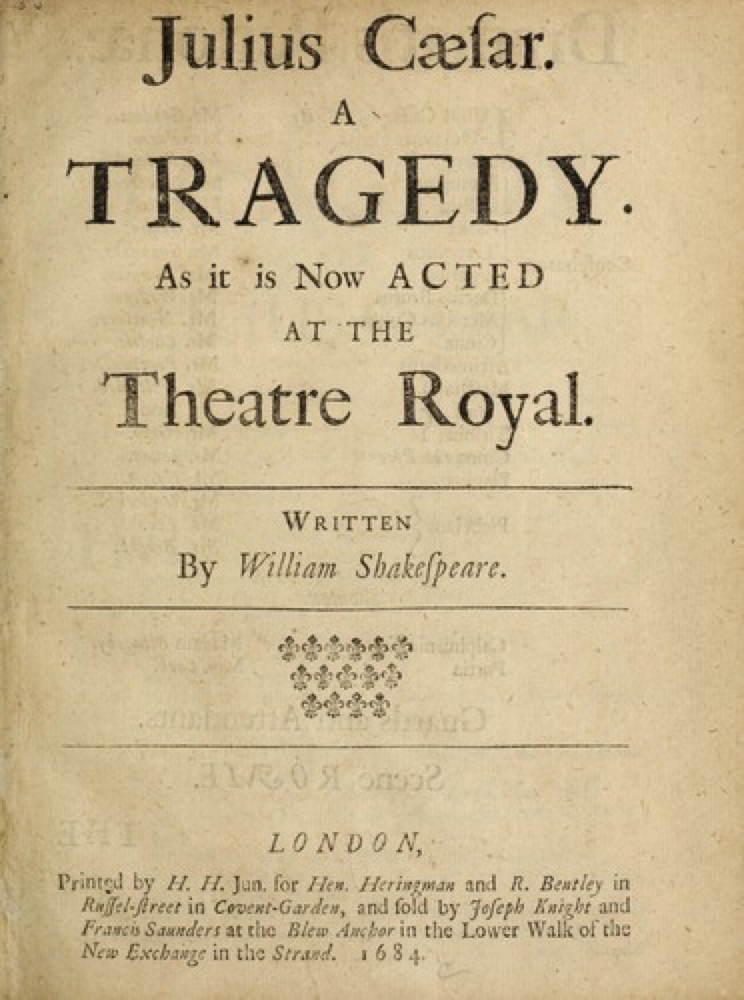 Julius Caesar
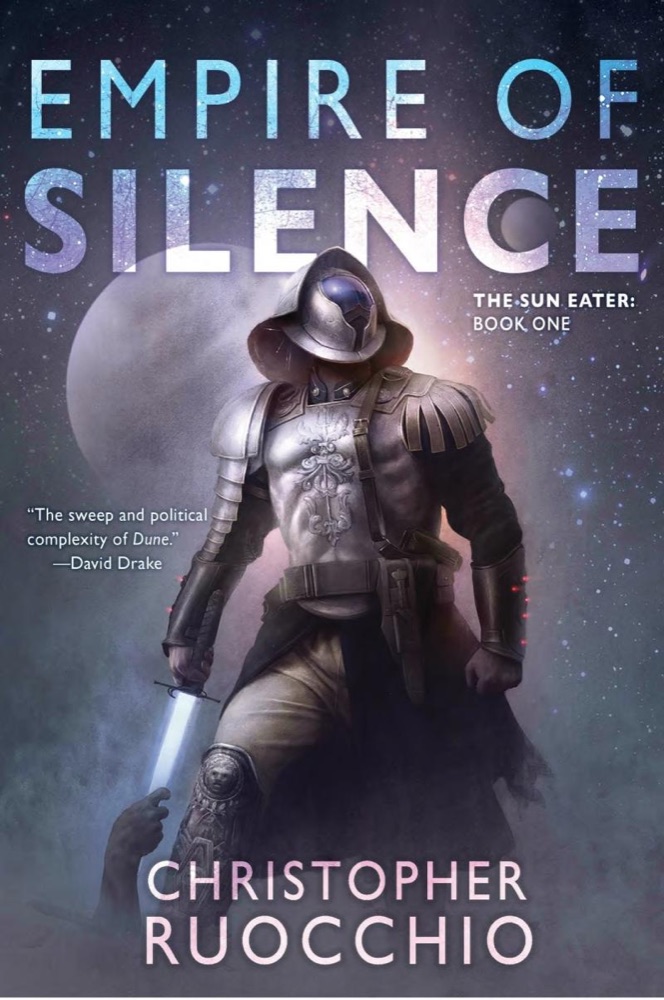 Empire of Silence
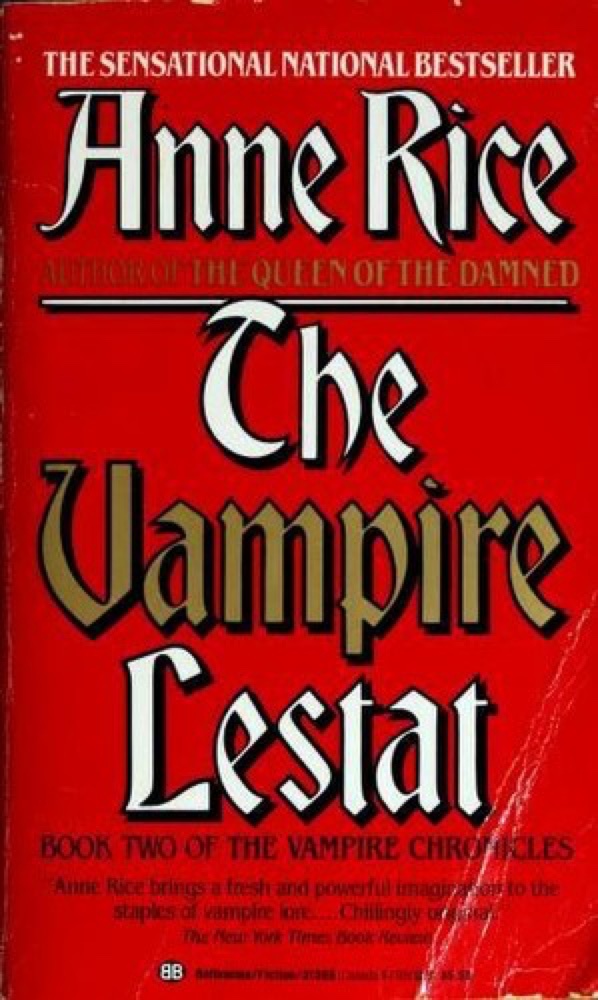 The Vampire Lestat
 Ulysses
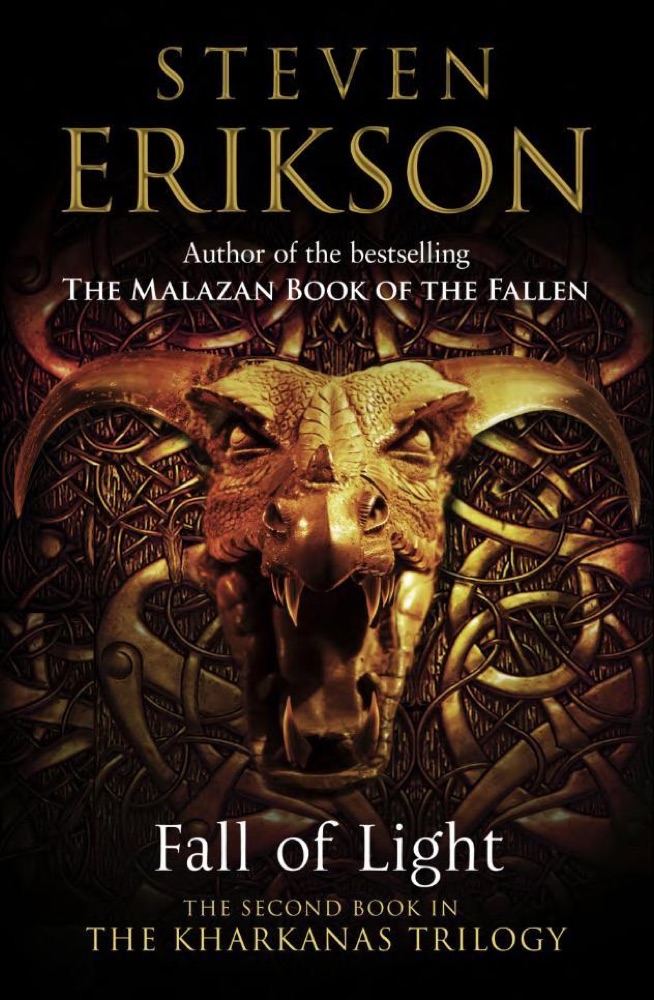 Fall of Light
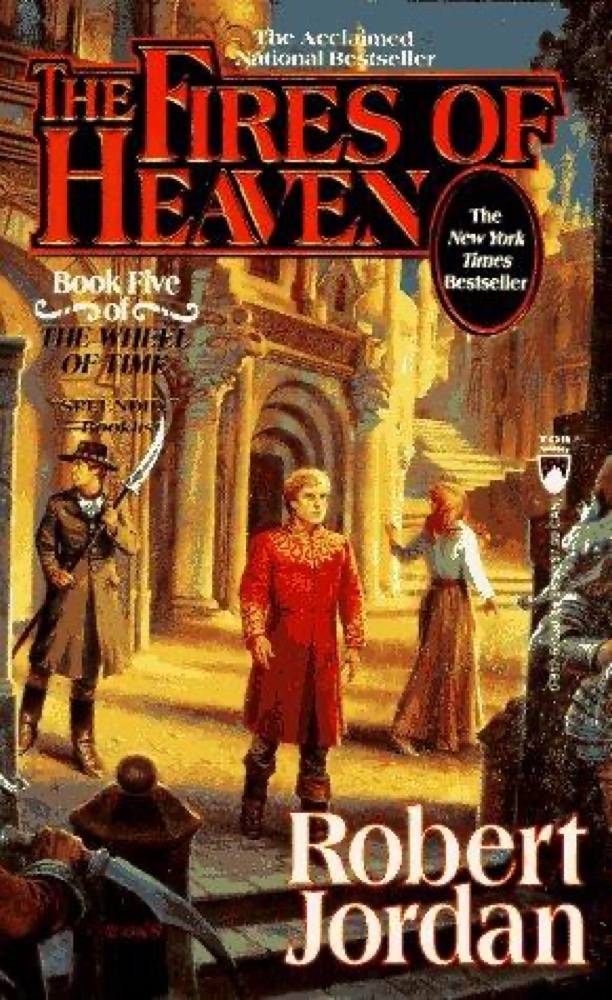 The Fires of Heaven
 Iron Gold
 The Eye of the World
 A Thousand Ships
 The Oedipus Cycle: Oedipus Rex/Oedipus at Colonus/Antigone
 Shōgun
 The Left Hand of God
 Lord of the Silver Bow
 Complete Poems
 Don Quixote
 Paladin of Souls
 Prometheus Unbound
 The Man in the Iron Mask
 A Reaper at the Gates
 The Aeneid
 March
March
 The Last Man
 Paradise Lost
 The White Luck Warrior
 Morning Star
 Ajax
Ajax