
 Othello
Quotes from the Book
When we are born, we cry that we are come to this great stage of fools.
743
As flies to wanton boys are we to the gods. They kill us for their sport.
320
This is the excellent foppery of the world, that when we are sick in fortune (often the surfeits of our own behavior) we make guilty of our disasters the sun, the moon, and stars, as if we were villains on necessity; fools by heavenly compulsion; knaves, thieves, and treachers by spherical predominance; drunkards, liars, and adulterers by an enforced obedience of planetary influence; and all that we are evil in, by a divine thrusting on. An admirable evasion of whoremaster man, to lay his goatish disposition on the charge of a star! My father compounded with my mother under the Dragon's tail, and my nativity was under Ursa Major, so that it follows I am rough and lecherous. I should have been that I am, had the maidenliest star in the firmament twinkled on my bastardizing.
319
Many a true word hath been spoken in jest.
290
The prince of darkness is a gentleman!
262
Who is it that can tell me who I am?
234
The weight of this sad time we must obey, Speak what we feel, not what we ought to say. The oldest hath borne most: we that are young Shall never see so much, nor live so long.
219
Thou shouldst not have been old till thou hadst been wise.
217
Speak what we feel, not what we ought to say.
177
And worse I may be yet: the worst is not So long as we can say 'This is the worst.
149
How sharper than a serpent's tooth it is To have a thankless child!
121
No, no, no, no! Come, let's away to prison: We two alone will sing like birds i' the cage: When thou dost ask me blessing, I'll kneel down, And ask of thee forgiveness: so we'll live, And pray, and sing, and tell old tales, and laugh At gilded butterflies, and hear poor rogues Talk of court news; and we'll talk with them too, Who loses and who wins; who's in, who's out; And take upon's the mystery of things, As if we were God's spies: and we'll wear out, In a wall'd prison, packs and sects of great ones, That ebb and flow by the moon.
120
I am a man more sinned against than sinning
110
In jest, there is truth.
98
This cold night will turn us all to fools and madmen.
93
O, let me kiss that hand! KING LEAR: Let me wipe it first; it smells of mortality.
81
Blow, winds, and crack your cheeks! Rage! Blow! You cataracts and hurricanoes, spout Till you have drenched our teeples, drowned the cocks! You sulphurour and thought-executing fires, Vaunt-couriers to oak-cleaving thunderbolts, Singe my white head! And thou, all-shaking thunder, Strike flat the thick rotundity o' the world! Crack nature's molds, all germens spill at once That make ingrateful man!
81
Mark it, nuncle. Have more than thou showest, Speak less than thou knowest, Lend less than thou owest, Ride more than thou goest, Learn more than thou trowest, Set less than thou throwest, Leave thy drink and thy whore And keep in-a-door, And thou shalt have more Than two tens to a score.
78
Tis the times' plague, when madmen lead the blind.
77
Men must endure Their going hence, even as their coming hither. Ripeness is all.
68
A knave; a rascal; an eater of broken meats; a base, proud, shallow, beggarly, three-suited, hundred-pound, filthy, worsted-stocking knave; a lily-livered, action-taking knave, a whoreson, glass-gazing, super-serviceable finical rogue; one-trunk-inheriting slave; one that wouldst be a bawd, in way of good service, and art nothing but the composition of a knave, beggar, coward, pandar, and the son and heir of a mongrel bitch: one whom I will beat into clamorous whining, if thou deniest the least syllable of thy addition.
68
Love's not love When it is mingled with regards that stand Aloof from th' entire point.
57
The art of our necessities is strange That can make vile things precious.
54
You are not worth the dust which the rude wind blows in your face
53
When we our betters see bearing our woes, We scarcely think our miseries our foes.
53
When the mind's free, The Body's delicate.
47
I will have such revenges on you both, That all the world shall—I will do such things— What they are, yet I know not, but they shall be The terrors of the earth!
45
O! Let me not be mad, not mad, sweet heaven; keep me in temper; I would not be mad!
41
Did you know?
- The play exists in two notably different early texts: the 1608 Quarto and the 1623 First Folio, which scholars sometimes treat as separate versions.
- From 1681 the play was performed for over 150 years in Nahum Tate's adaptation, which gave it a happy ending in which Cordelia survives.
- Akira Kurosawa's acclaimed 1985 film Ran transposes the story to feudal Japan, replacing Lear's daughters with three sons.
- Shakespeare drew on earlier sources including the legendary King Leir, as recounted by Geoffrey of Monmouth and in an anonymous earlier play.
About William Shakespeare
William Shakespeare (1564-1616) was an English playwright, poet, and actor, widely regarded as the greatest writer in the English language. Based in London with the King's Men, he wrote some of the most enduring tragedies, comedies, and histories in world literature.
More about the author →More by William Shakespeare
All books by William Shakespeare →
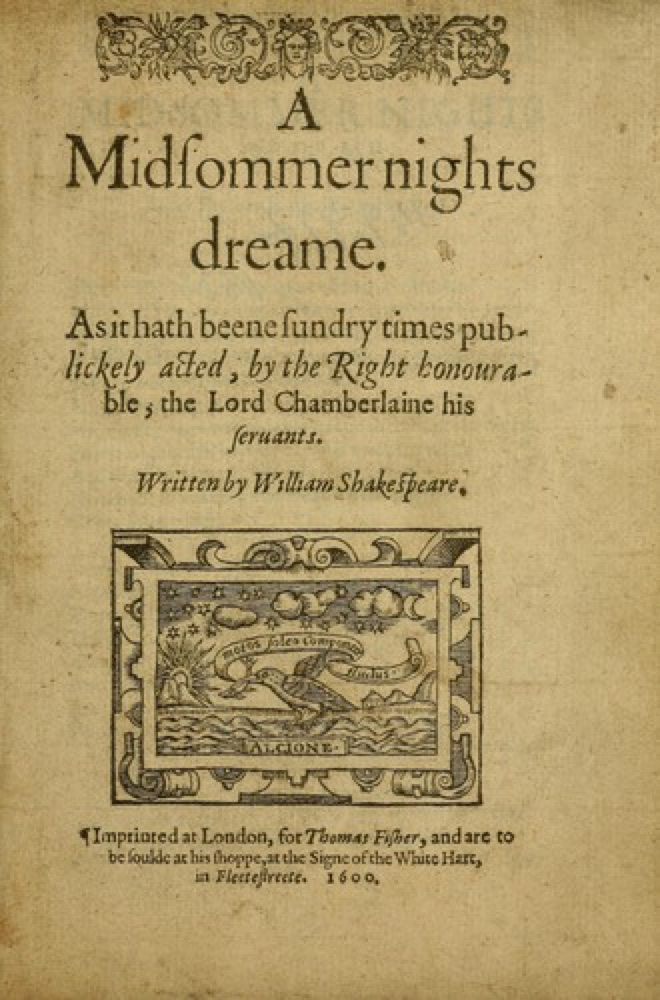
About the book
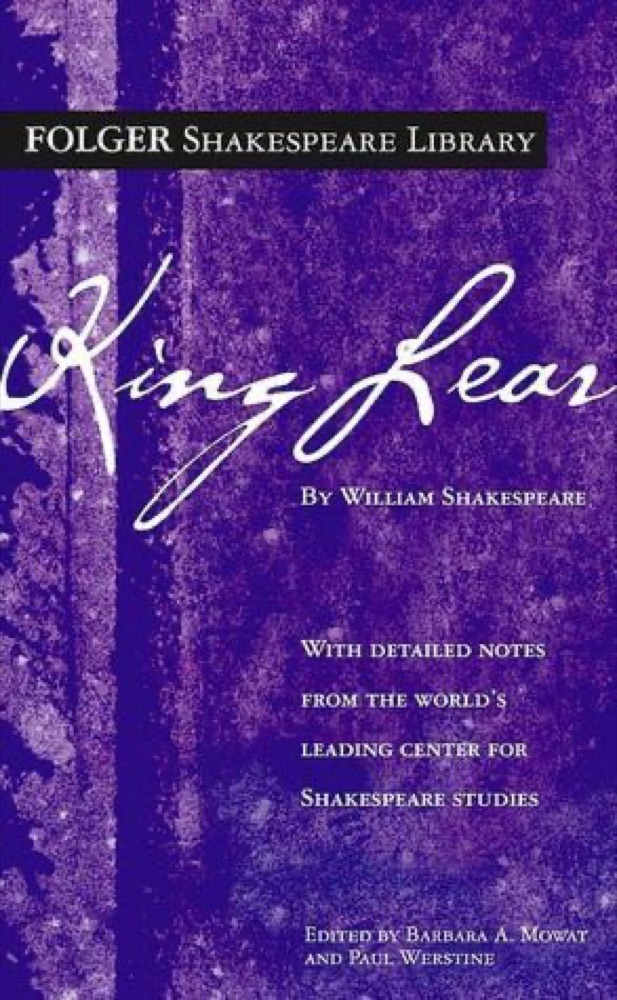
King Lear is a tragedy by William Shakespeare in which an aging king of pre-Roman Britain decides to divide his kingdom among his three daughters according to how lavishly each professes her love for him. When his youngest and most honest daughter, Cordelia, refuses to flatter him, Lear banishes her and splits the realm between her scheming sisters, Goneril and Regan, setting in motion his own undoing. A parallel plot follows the Earl of Gloucester, who is deceived by his illegitimate son Edmund into turning against his loyal son Edgar.
At its heart the play explores blindness and insight, madness, the fragility of power and identity, and the gulf between appearance and reality. Lear's literal loss of authority and his descent into madness on the storm-lashed heath are mirrored by Gloucester's physical blinding, as both fathers come to see their children truly only after catastrophic misjudgment. The work probes filial ingratitude, justice, and the question of whether the universe is governed by any moral order.
Written around 1605-1606 and first published in a 1608 quarto before appearing in the 1623 First Folio, King Lear is widely regarded as one of Shakespeare's supreme achievements and among the greatest works in English literature. Its bleak vision long made it controversial; for much of the 17th through 19th centuries it was performed in Nahum Tate's revised version with a happy ending. The original text was restored in the 19th and 20th centuries and the play is now celebrated as a towering tragic masterpiece.
Key characters
- King LearAging king of Britain whose decision to divide his kingdom by flattery leads to his downfall and madness
- CordeliaLear's honest youngest daughter, banished for refusing to flatter him
- GonerilLear's eldest daughter, who flatters him then turns against him
- ReganLear's second daughter, cruel and ambitious like Goneril
- Earl of GloucesterLoyal nobleman deceived by his son Edmund and later blinded
- EdmundGloucester's scheming illegitimate son who plots against his family
- EdgarGloucester's legitimate son who disguises himself as the madman Poor Tom
- Earl of KentLoyal subject who, though banished, serves Lear in disguise as Caius
- The FoolLear's clear-sighted jester who speaks hard truths through wit
Book details
- First published
- 1608
- Series
- omit
- Author
- William Shakespeare
- Genre
- Classics
- Goodreads rating
- 3.91 (242k ratings)
- First line
- “I thought the King had more affected the Duke of Albany than Cornwall.”
Critical reception
- Widely regarded as one of Shakespeare's supreme achievements and among the greatest works in English literature.
- For over a century after 1681 it was staged in Nahum Tate's revised version with a happy ending, the original tragic text being restored only later.
- Critics such as A.C. Bradley placed it among the pinnacles of tragic drama.
Movie & TV adaptations
- IMDb
- IMDb
- IMDb
If you liked this, read…
- 1MacbethAnother of Shakespeare's great tragedies of ambition and moral ruin
- 2OthelloA Shakespearean tragedy driven by deception and a manipulative villain
- 3A Thousand Acres by Jane SmileyA modern novel that retells the King Lear story on an Iowa farm
Keep reading
 Troilus and Cressida
Othello
Troilus and Cressida
Othello
 Macbeth
 The Gadfly
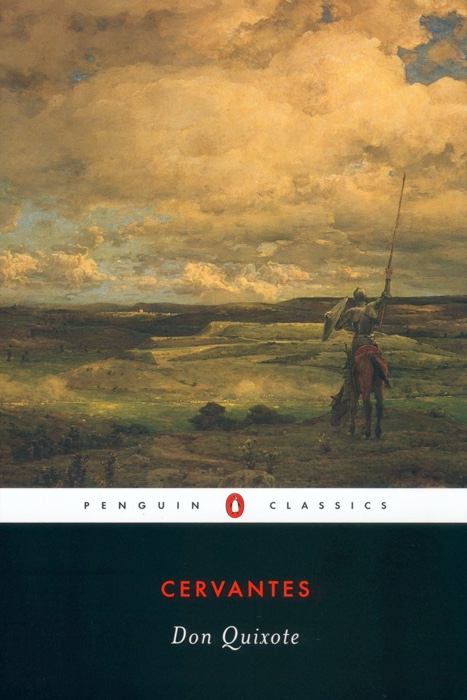 Don Quixote
 The Spanish Tragedy
 Daniel Deronda
 Don Juan
 The Duchess of Malfi
 The White Devil
 Adam Bede
 Faust
Faust
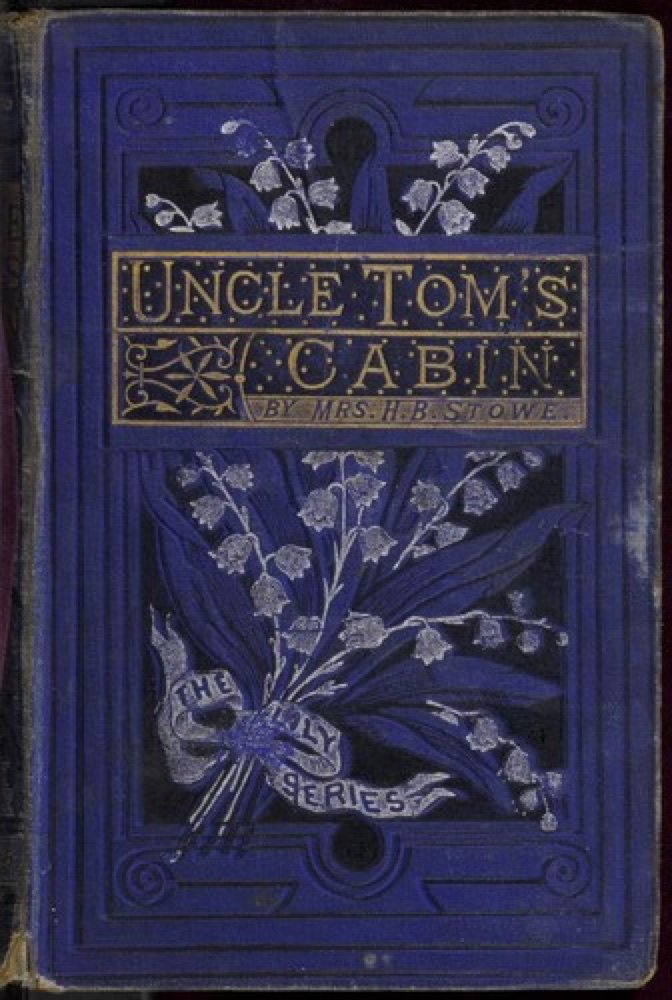 Uncle Tom's Cabin
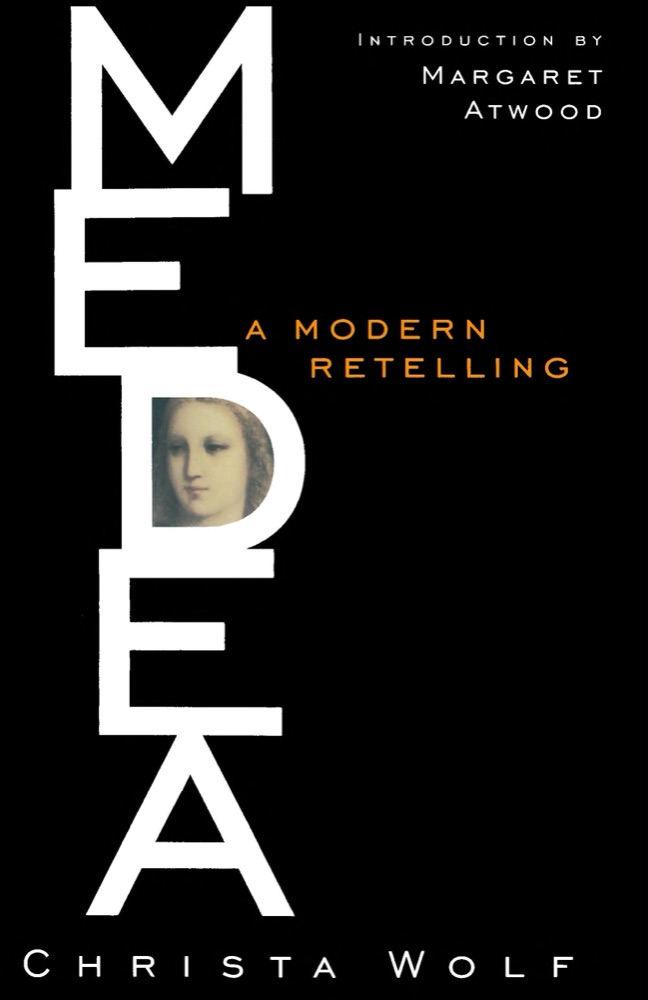 Medea
Medea
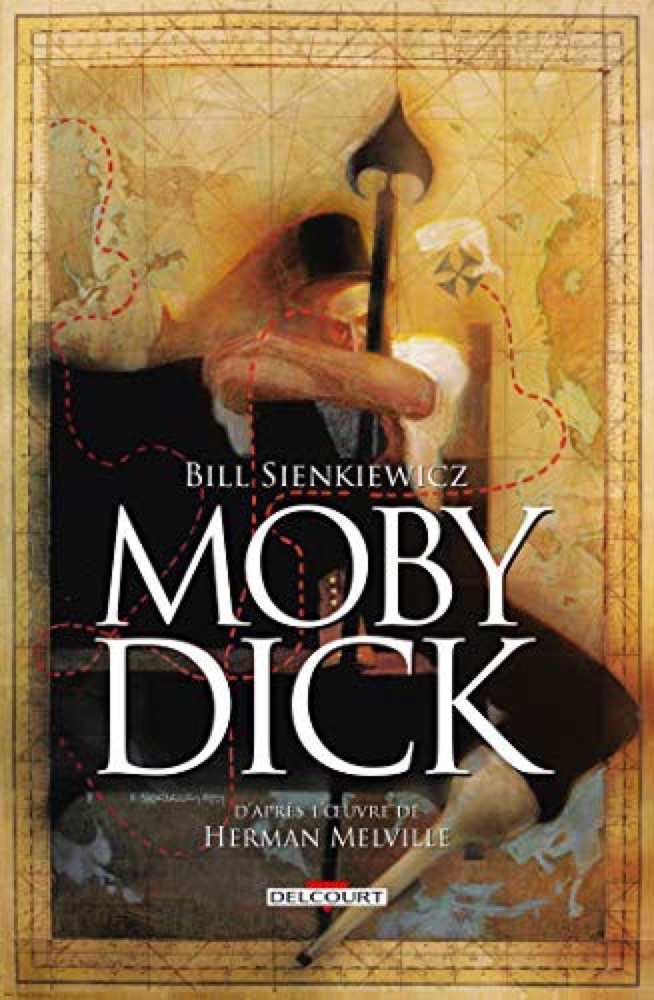 Moby-Dick
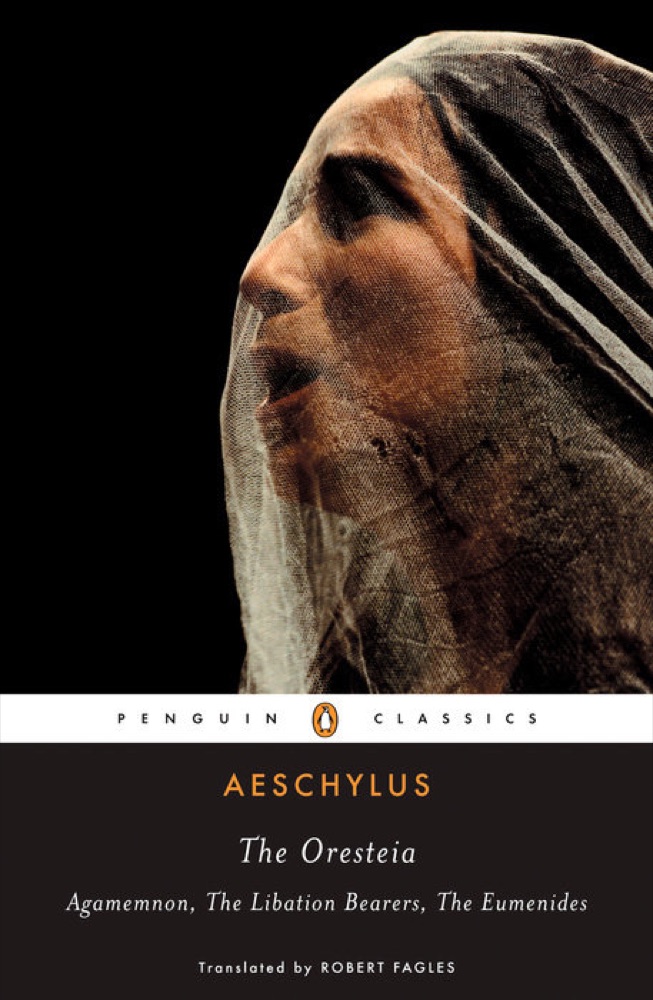 The Oresteia
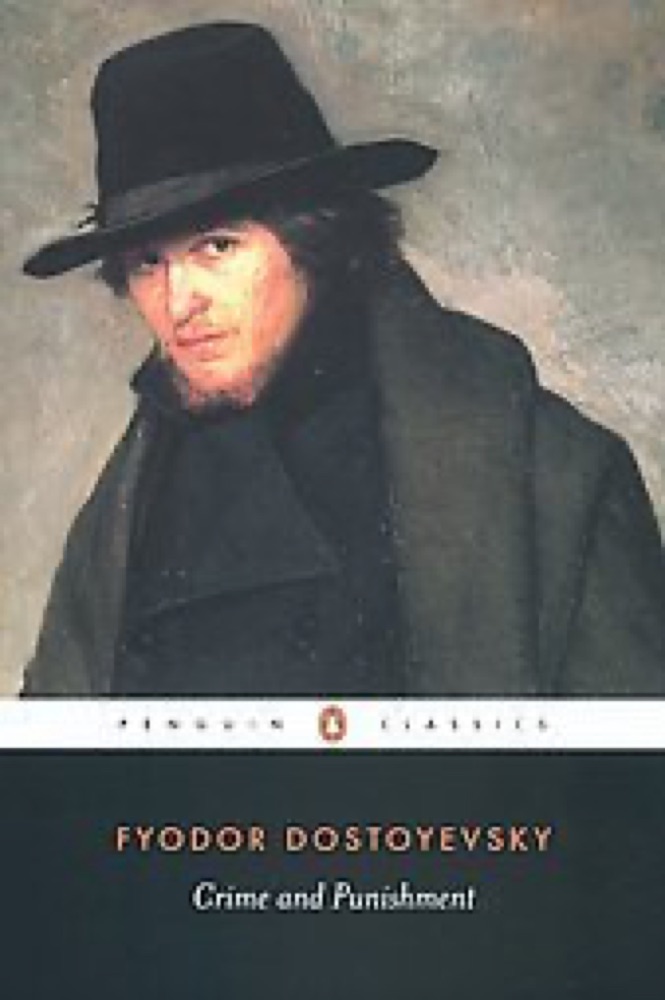 Crime and Punishment
 Lord Jim
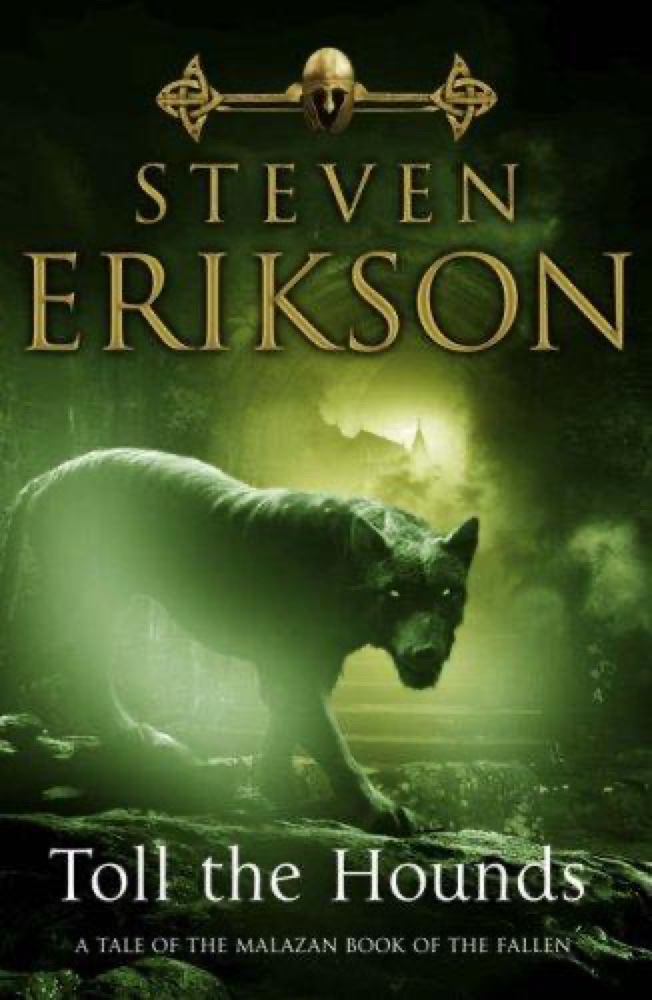 Toll the Hounds
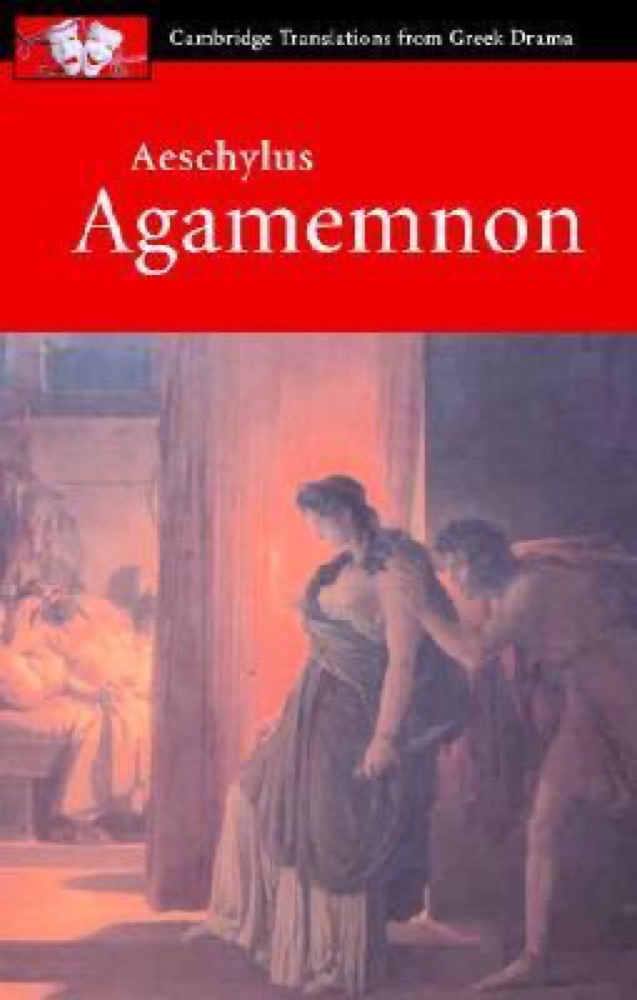 Agamemnon
 Half a War
 The Odyssey
 The Oedipus Cycle: Oedipus Rex/Oedipus at Colonus/Antigone
 Ivanhoe
 Oedipus Rex
 Middlemarch
 Aesop's Fables
 The Anatomy of Melancholy
 Shirley
 The Red and the Black
 Poor Richard's Almanack
 The Once and Future King
 She
She
 Complete Poems
 The Satyricon
 The Iliad
 Beyond Good and Evil
 Iphigenia in Aulis
 Man and Superman
 The Blight of Muirwood
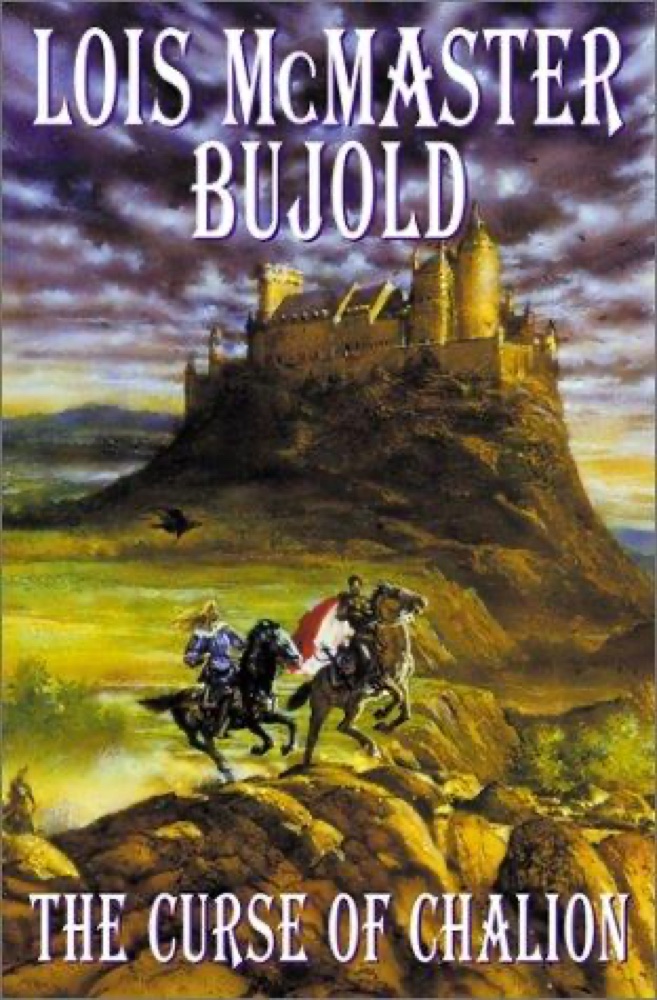 The Curse of Chalion
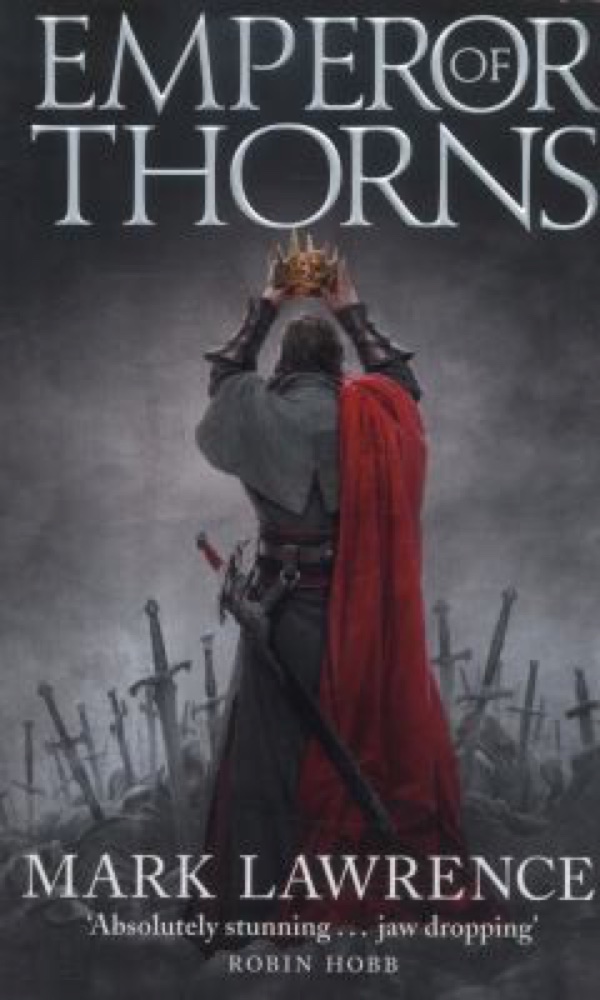 Emperor of Thorns
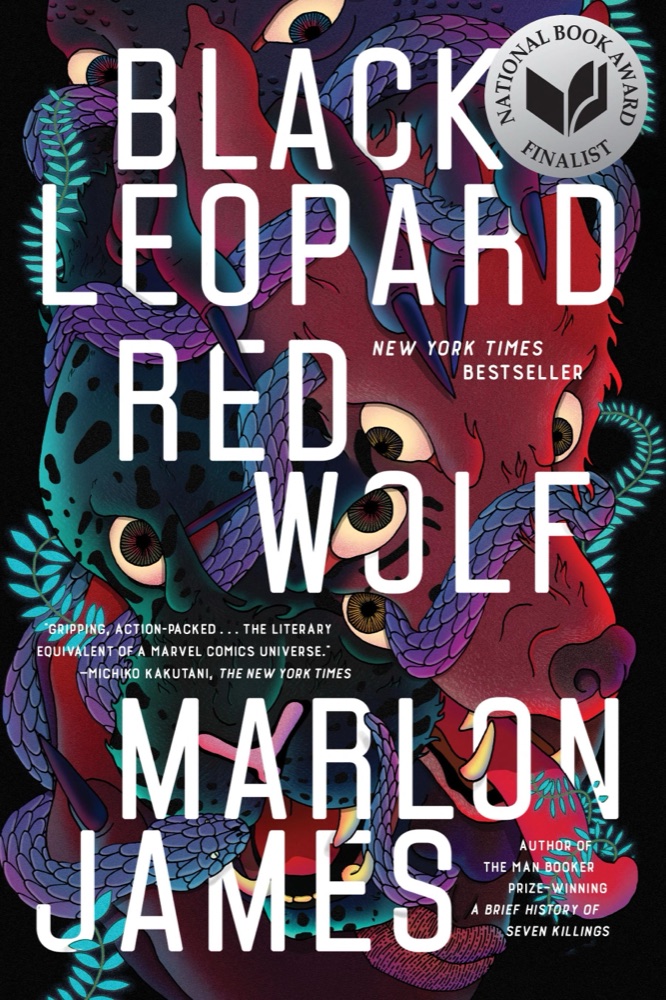 Black Leopard, Red Wolf
 The Complete Essays
 Empire of the Vampire
 Thus Spake Zarathustra
 The Man Who Laughs
 Barnaby Rudge
 The Fall of Babel
 Père Goriot
 That Hideous Strength
 Fathers and Sons
 Medea and Other Plays
 His Dark Materials
 Fall of Light
 The Count of Monte Cristo
 No Exit and Three Other Plays
 Sheever's Journal, Diary of a Poison Master
 The Mime Order
 The Crucible