 The Iliad
Quotes from the Book
Of all creatures that breathe and move upon the earth, nothing is bred that is weaker than man.
There is a time for many words, and there is also a time for sleep.
A man who has been through bitter experiences and travelled far enjoys even his sufferings after a time
There is nothing more admirable than when two people who see eye to eye keep house as man and wife, confounding their enemies and delighting their friends.
For a friend with an understanding heart is worth no less than a brother
Be strong, saith my heart; I am a soldier; I have seen worse sights than this.
Sleep, delicious and profound, the very counterfeit of death
Ah how shameless – the way these mortals blame the gods. From us alone they say come all their miseries yes but they themselves with their own reckless ways compound their pains beyond their proper share.
[I]t is the wine that leads me on, the wild wine that sets the wisest man to sing at the top of his lungs, laugh like a fool – it drives the man to dancing... it even tempts him to blurt out stories better never told.
Men are so quick to blame the gods: they say that we devise their misery. But they themselves- in their depravity- design grief greater than the griefs that fate assigns.
Each man delights in the work that suits him best.
some things you will think of yourself,...some things God will put into your mind
The blade itself incites to deeds of violence.
There will be killing till the score is paid.
Now from his breast into the eyes the ache of longing mounted, and he wept at last, his dear wife, clear and faithful, in his arms, longed for as the sunwarmed earth is longed for by a swimmer spent in rough water where his ship went down under Poseidon's blows, gale winds and tons of sea. Few men can keep alive through a big serf to crawl, clotted with brine, on kindly beaches in joy, in joy, knowing the abyss behind: and so she too rejoiced, her gaze upon her husband, her white arms round him pressed as though forever.
Few sons are like their fathers--most are worse, few better.
Why cover the same ground again? ... It goes against my grain to repeat a tale told once, and told so clearly.
So, the gods don't hand out all their gifts at once, not build and brains and flowing speech to all. One man may fail to impress us with his looks but a god can crown his words with beauty, charm, and men look on with delight when he speaks out. Never faltering, filled with winning self-control, he shines forth at assembly grounds and people gaze at him like a god when he walks through the streets. Another man may look like a deathless one on high but there's not a bit of grace to crown his words. Just like you, my fine, handsome friend.
Immortals are never alien to one another.
Yea, and if some god shall wreck me in the wine-dark deep, even so I will endure… For already have I suffered full much, and much have I toiled in perils of waves and war. Let this be added to the tale of those.
Even his griefs are a joy long after to one that remembers all that he wrought and endured.
These nights are endless, and a man can sleep through them, or he can enjoy listening to stories, and you have no need to go to bed before it is time. Too much sleep is only a bore. And of the others, any one whose heart and spirit urge him can go outside and sleep, and then, when the dawn shows, breakfast first, then go out to tend the swine of our master. But we two, sitting here in the shelter, eating and drinking, shall entertain each other remembering and retelling our sad sorrows. For afterwards a man who has suffered much and wandered much has pleasure out of his sorrows.
Aries in his many fits knows no favorites.
down from his brow she ran his curls like thick hyacinth clusters full of blooms
Come then, put away your sword in its sheath, and let us two go up into my bed so that, lying together in the bed of love, we may then have faith and trust in each other.
[B]ut it is only what happens, when they die, to all mortals. The sinews no longer hold the flesh and the bones together, and once the spirit has let the white bones, all the rest of the body is made subject to the fire's strong fury, but the soul flitters out like a dream and flies away.
By hook or by crook this peril too shall be something that we remember
Did you know?
- The Odyssey is composed of 24 books totaling 12,109 lines in dactylic hexameter.
- The poem is traditionally attributed to Homer and is thought to have been composed around the 8th century BC.
- In Odysseus's absence, his wife Penelope holds off 108 suitors, famously delaying them by weaving and unweaving a shroud.
- E. V. Rieu's 1946 prose translation was the first title in the Penguin Classics series.
- The word 'odyssey' entered the English language as a term for a long, eventful journey, derived from the poem itself.
About Homer
Homer is the name traditionally given to the ancient Greek poet credited with the epic poems the Iliad and the Odyssey. Little is known of him with certainty, and modern scholarship regards the poems as products of a long oral tradition, likely reaching their form around the 8th century BC.
More about the author →More by Homer
The Iliad
About the book
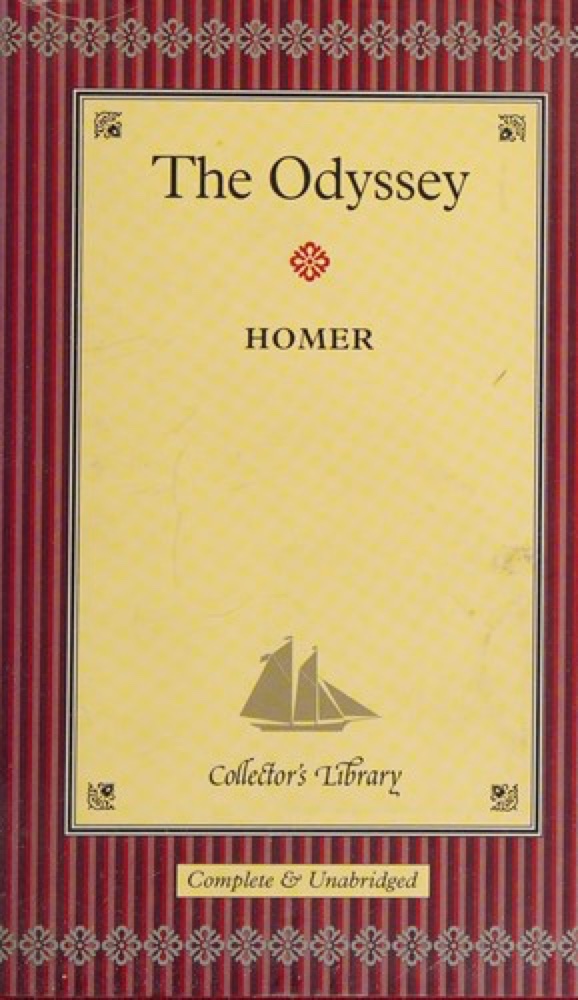
The Odyssey is an ancient Greek epic poem attributed to Homer, composed around the 8th century BC in Homeric Greek and structured in 24 books of dactylic hexameter. It follows Odysseus, king of Ithaca, as he struggles to return home over ten years after the fall of Troy, while his wife Penelope and son Telemachus contend with a household of aggressive suitors. Its narrative moves between the fantastical adventures of Odysseus's wanderings and the pressures building at home, culminating in his return and reckoning.
Among its central themes are nostos (homecoming and the longing for return), xenia (the sacred obligations of guest-friendship), the testing of loyalty and identity, and the interplay of human cunning with divine will. Odysseus is defined less by brute strength than by wit and endurance, and the goddess Athena repeatedly guides and protects him. The poem alternates perspectives and famously has Odysseus recount his own trials, from the Cyclops to the enchantress Circe.
Regarded as one of the foundational works of Western literature, the Odyssey has shaped storytelling for millennia and inspired countless retellings and reworkings across media. The 1946 English prose translation by E. V. Rieu inaugurated the Penguin Classics series and became a landmark in making the epic accessible to ordinary readers, celebrated for its smooth, modern prose.
Key characters
- OdysseusKing of Ithaca and the poem's cunning, long-suffering hero striving to return home
- PenelopeOdysseus's faithful wife, who fends off suitors during his absence
- TelemachusSon of Odysseus and Penelope, who sets out to seek news of his father
- AthenaGoddess who protects and guides Odysseus and Telemachus
- CirceEnchantress encountered on Odysseus's wanderings
- PolyphemusThe Cyclops whom Odysseus blinds to escape
- CalypsoNymph who detains Odysseus on her island
Book details
- First published
- 1946
- Author
- Homer
- Genre
- Classics
- Goodreads rating
- 3.84 (1.2M ratings) →
Movie & TV adaptations
- IMDb
- IMDb
If you liked this, read…
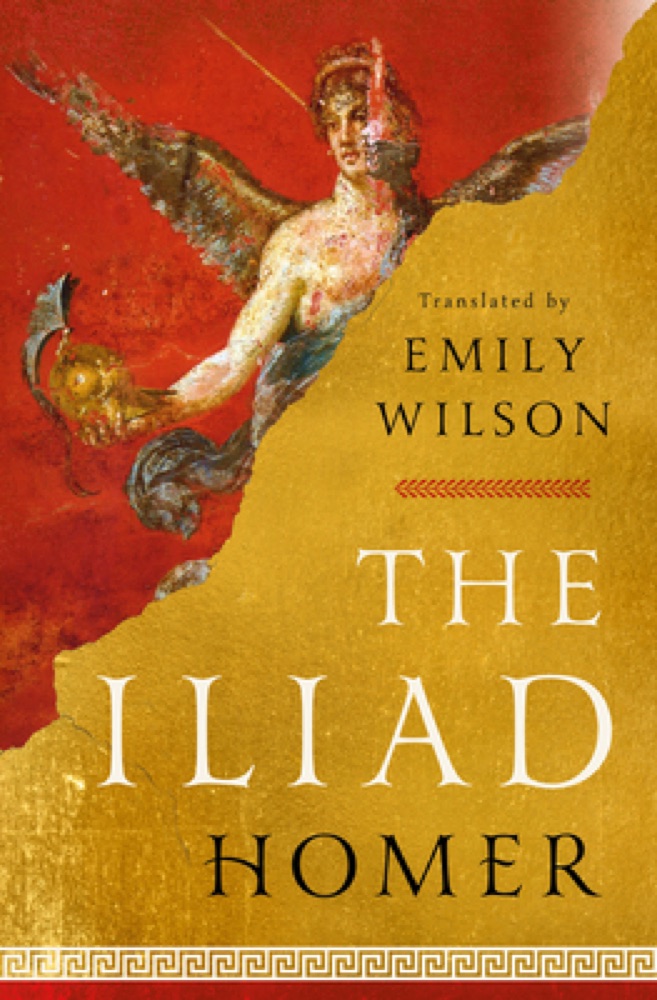
- 1The IliadHomer's companion epic, set during the Trojan War that precedes Odysseus's journey home
- 2The PenelopiadMargaret Atwood retells the story from Penelope's perspective
- 3CirceMadeline Miller reimagines the Odyssey's enchantress at the center of her own tale
Keep reading
The Iliad
 Lord Jim
 Agamemnon
 The Oedipus Cycle: Oedipus Rex/Oedipus at Colonus/Antigone
 Don Quixote
 The Arabian Nights
 Ulysses
 Toll the Hounds
 The Grace of Kings
 Sacred Hunger
 Ben-Hur: A Tale of the Christ
 Dead Souls
 Les Misérables
 Hamlet
 King Lear
 The Fires of Heaven
 Uncle Tom's Cabin
 Jubal Sackett
 Mythology
 Cuckold
 The Complete Works
 Adam Bede
 Dracula
 The Warrior Prophet
 The Man in the Iron Mask
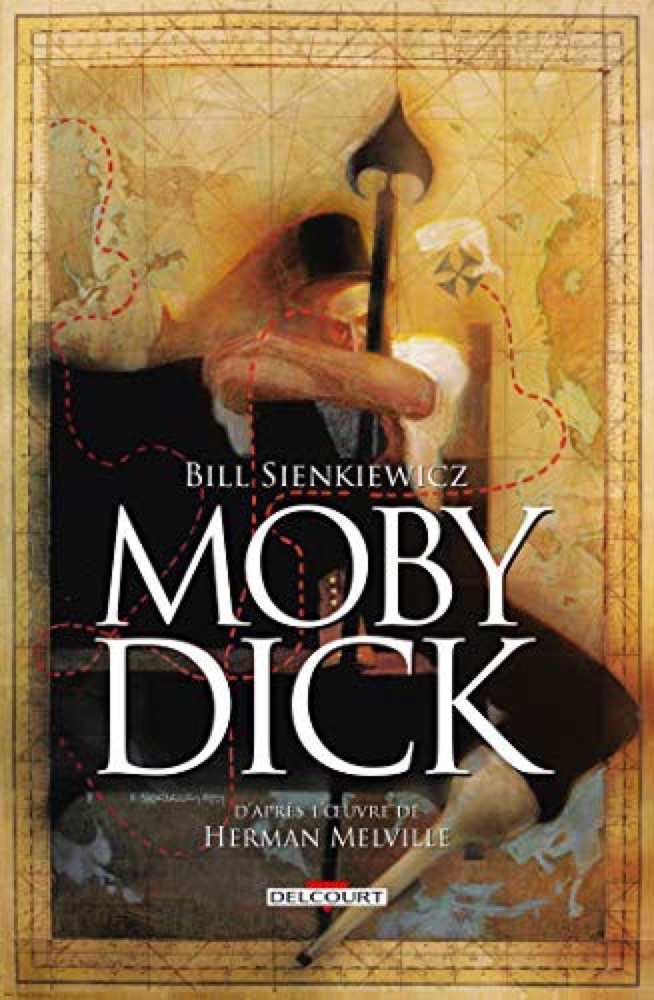 Moby-Dick
 Faust
Faust
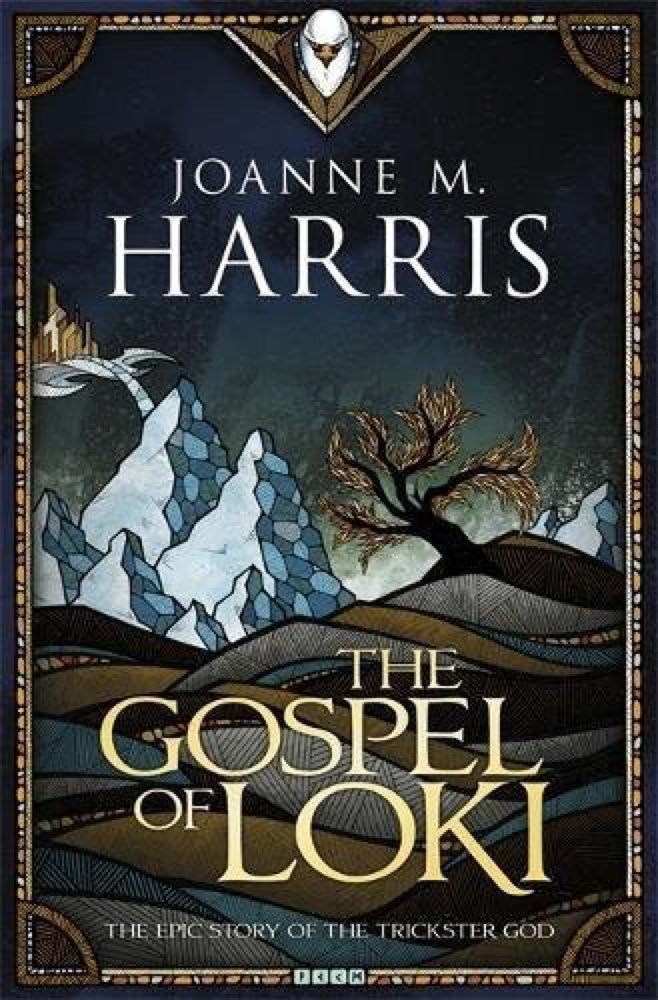 The Gospel of Loki
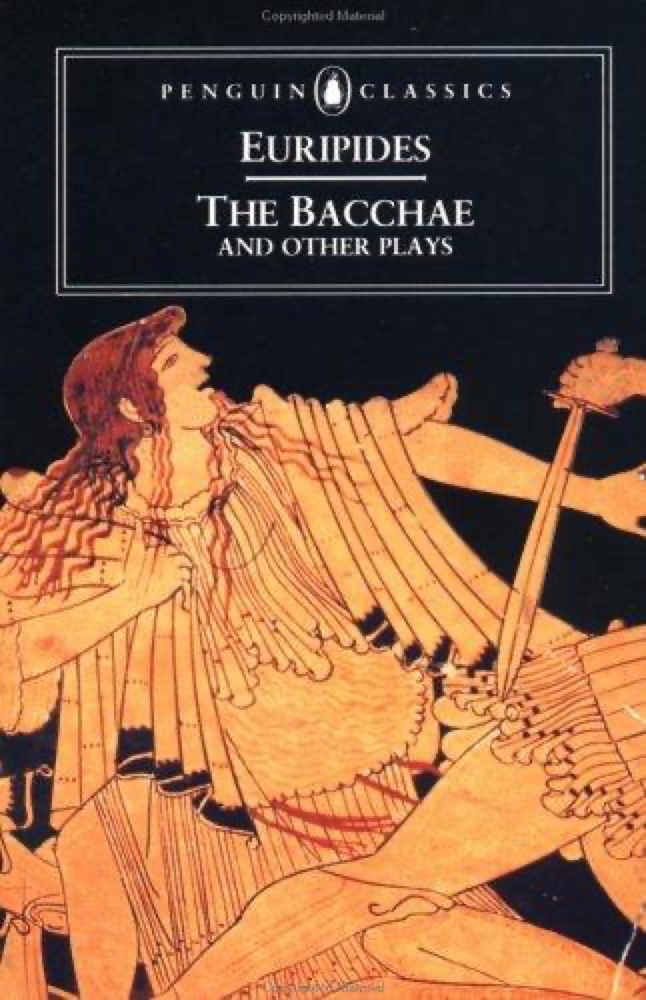 The Bacchae
 Kushiel's Chosen
 Oedipus Rex
 Nicholas Nickleby
 Man and Superman
 The Memoirs of Cleopatra
 Beowulf
 Silas Marner
 Crime and Punishment
 Daniel Deronda
 The Great Hunt
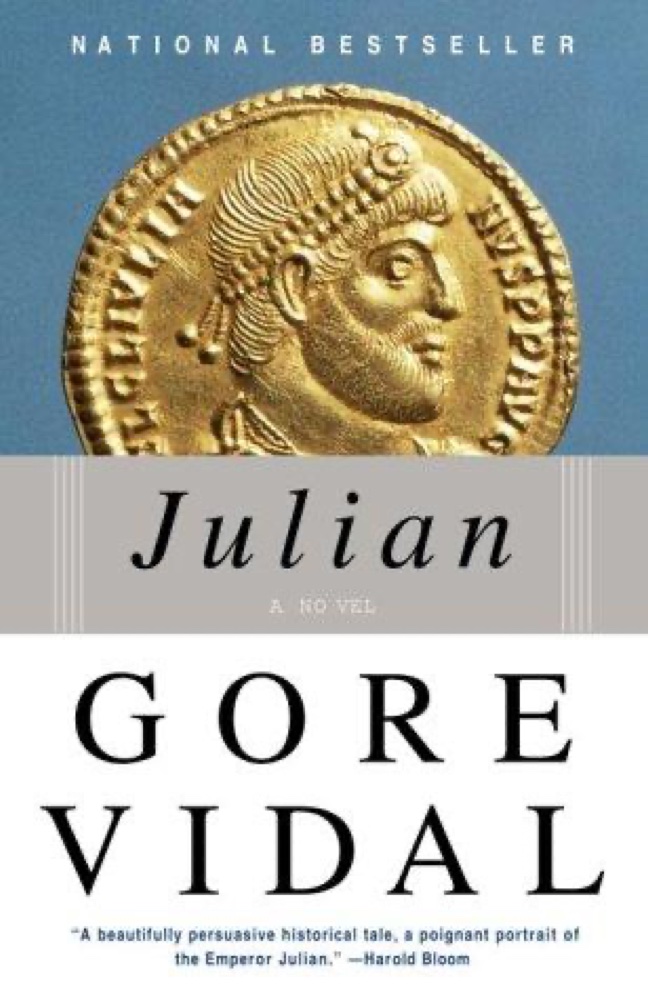 Julian
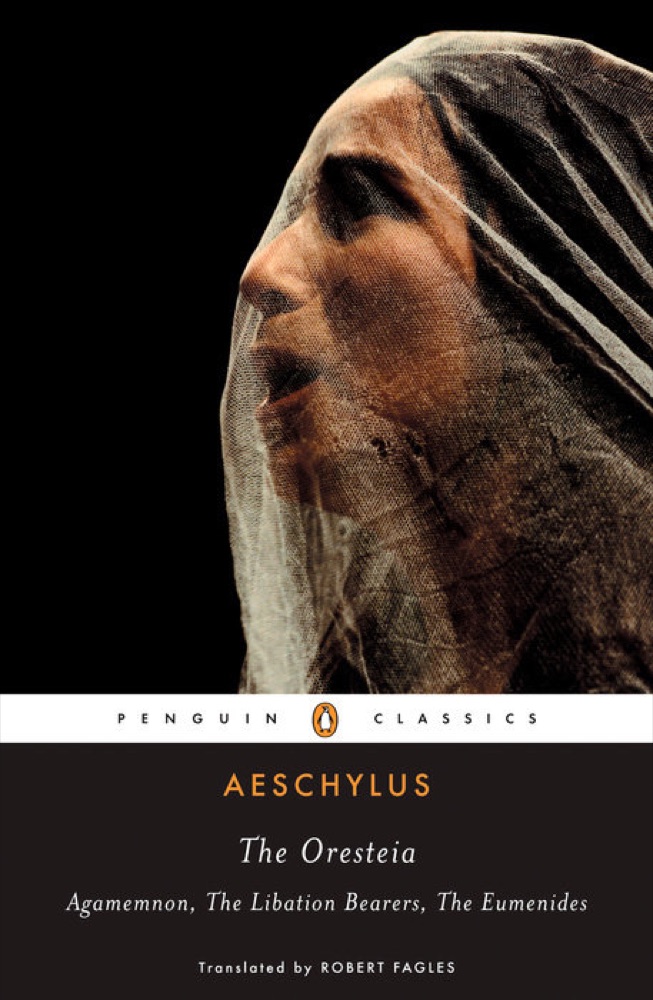 The Oresteia
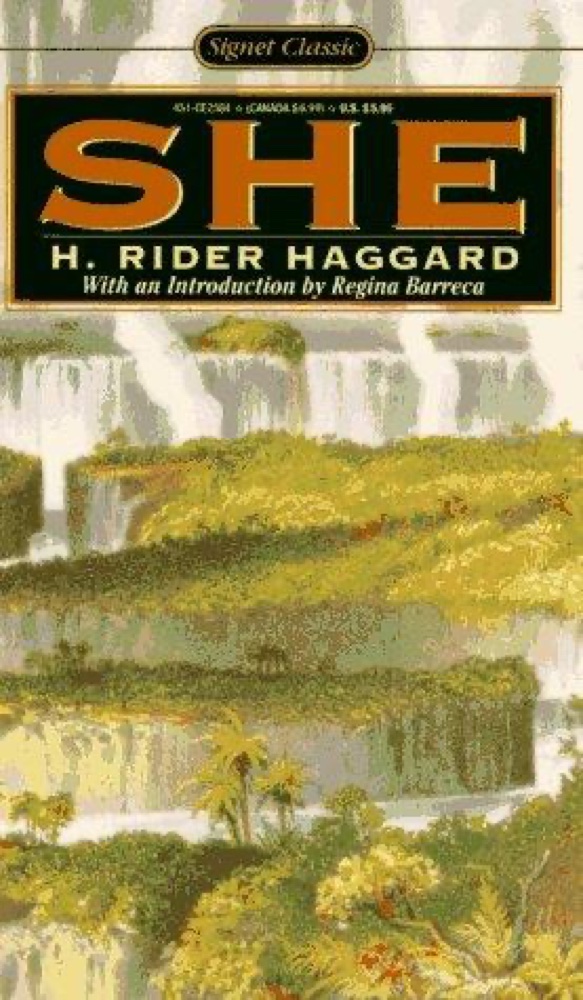 She
She
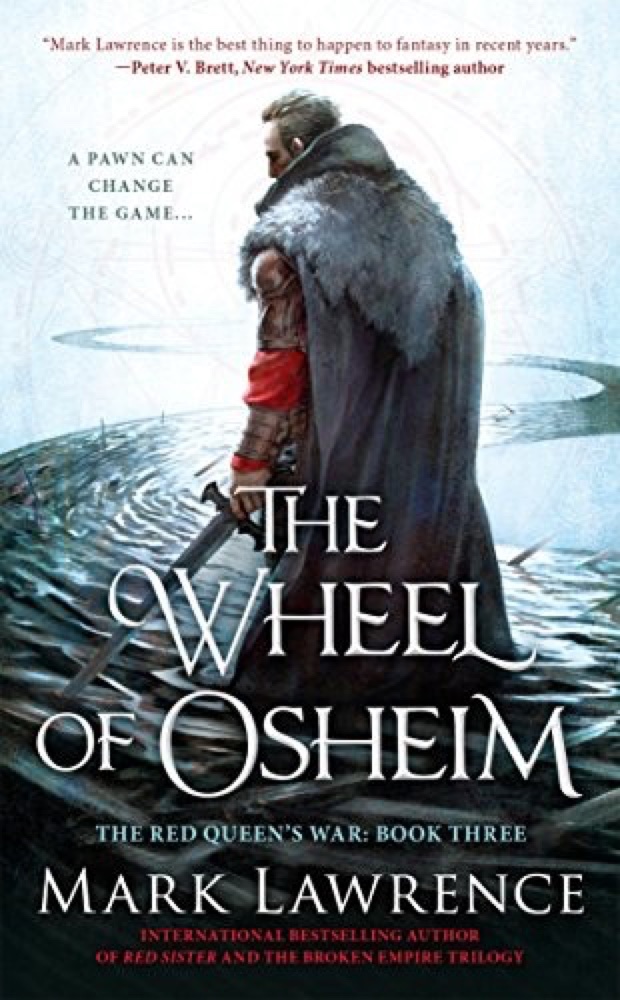 The Wheel of Osheim
 Light in August
 Medea
Medea
 Absalom, Absalom!
 The Man Who Laughs
 Dark Age
 The Emperor's Blades
 The Satyricon
 Half a War
 King Solomon's Mines
 House of Chains
 The Persian Boy
 Kushiel's Dart
 Don Juan
 Enchanted
 Père Goriot
 The Canterbury Tales
 Abraham Lincoln: Vampire Hunter