
 A Gentleman in Moscow
Quotes from the Book
In our twenties, when there is still so much time ahead of us, time that seems ample for a hundred indecisions, for a hundred visions and revisions—we draw a card, and we must decide right then and there whether to keep that card and discard the next, or discard the first card and keep the second. And before we know it, the deck has been played out and the decisions we have just made will shape our lives for decades to come.
It is a lovely oddity of human nature that a person is more inclined to interrupt two people in conversation than one person alone with a book.
...be careful when choosing what you're proud of--because the world has every intention of using it against you.
As a quick aside, let me observe that in moments of high emotion....if the next thing you're going to say makes you feel better, then it's probably the wrong thing to say. This is one of the finer maxims that I've discovered in life. And you can have it, since it's been of no use to me.
If we only fell in love with people who were perfect for us...then there wouldn't be so much fuss about love in the first place.
Slurring is the cursive of speech...
That's the problem with living in New York. You've got no New York to run away to.
Right from the first, I could see a calmness in you - that sort of inner tranquility that they write about in books, but that almost no one seems to possess. I was wondering to myself: How does she do that? And I figured it could only come from having no regrets - from having made choices with .... such poise and purpose.
Whatever setbacks he had faced in his life, he said, however daunting or dispiriting the unfolding of events, he always knew that he would make it through, as long as when he woke in the morning he was looking forward to his first cup of coffee. Only decades later would I realize that he had been giving me a piece of advice.
As a quick aside, let me observe that in moments of high emotion - whether they're triggered by anger or envy, humiliation or resentment - if the next thing you're going to say makes you feel better, then it's probably the wrong thing to say.
I've come to realize that however blue my circumstances, if after finishing a chapter of a Dickens novel I feel a miss-my-stop-on-the-train sort of compulsion to read on, then everything is probably going to be just fine.
Uncompromising purpose and the search for eternal truth have an unquestionable sex appeal for the young and high-minded; but when a person loses the ability to take pleasure in the mundane--in the cigarette on the stoop or the gingersnap in the bath--she had probably put herself in unnecessary danger.
—I probably shouldn’t tell you this, I said. —Kay-Kay, those are my six favorite words in the English language.
Old times, as my father used to say: If you're not careful, they'll gut you like a fish.
Really. Is there anything nice to be said about other people's vacations?
I know that right choices by definition are the means by which life crystallizes loss.
Anyone who has ridden the subway twice a day to earn their bread knows how it goes: When you board, you exhibit the same persona you use with your colleagues and acquaintances. You've carried it through the turnstile and past the sliding doors, so that your fellow passengers can tell who you are - cocky or cautious, amorous or indifferent, loaded or on the dole. But you find yourself a seat and the train gets under way; it comes to one station and then another; people get off and others get on. And under the influence of the cradlelike rocking of the train, your carefully crafted persona begins to slip away. The super-ego dissolves as your mind begins to wander aimlessly over your cares and your dreams; or better yet, it drifts into ambient hypnosis, where even cares and dreams recede and the peaceful silence of the cosmos pervades.
For however inhospitable the wind, from this vantage point Manhattan was simply so improbable, so wonderful, so obviously full of promise - that you wanted to approach it for the rest of your life without ever quite arriving.
For better or worse, there are few things so disarming as one who laughs well at her own expense.
Because when some incident sheds a favorable light on an old and absent friend, that's about as good a gift as chance intends to offer.
If you could relive one year in your life, which one would it be? [...] The upcoming one.
I told him I'd always found the description a little too long on adjectives and a little too short on specifics.
What was your favorite day of the year? The summer solstice. June twenty-first. The longest day of the year.
I'm willing to be under anything...as long as it isn't somebody's thumb.
After meeting someone by chance and throwing off a few sparks, can there be any substance to the feeling that you've known each other your whole lives? After those first few hours of conversation, can you really be sure that your connection is so uncommon that it belongs outside the bounds of time and convention?
It is a bit of a cliche to characterize life as a rambling journey on which we can alter our course at any given time – by the slightest turn of the wheel, the wisdom goes, we influence the chain of events and thus recast our destiny with new cohorts, circumstances, and discoveries. But for the most of us, life is nothing like that. Instead, we have a few brief periods when we are offered a handful of discrete options. Do I take this job or that job? In Chicago or New York? Do I join this circle of friends or that one, and with whom do I go home at the end of the night? And does one make time for children now? Or later? Or later still? In that sense life is less like a journey than it is a game of ‘honeymoon bridge’. In our twenties, when there is still so much time ahead of us, time that seems ample for a hundred indecisions, for a hundred visions and revisions – we draw a card, and we must decide right then and there whether to keep that card and discard the next, or discard the first card and keep the second. And before we know it, the deck has been played out and the decisions we have just made shape our lives for decades to come.
When a mother loses a daughter, she grieves over the future that her daughter will never have, but she can take solace in memories of close-knit days. But when your daughter runs away, it is the fond memories that have been laid to rest; and your daughter's future, alive and well, recedes from you like a wave drawing out to sea.
If only someone had told me about the confidence-boosting nature of guns, I’d have been shooting them all my life.
The romantic interplay that we were having wasn't the real game--it was a modified version of the game. It was a version invented for two friends so that they can get some practice and pass the time divertingly while they eat in the station for their train to arrive
If we fell in love with people who were perfect for us, he said, then there wouldn't be so much fuss about love in the first place.
Did you know?
- The novel's title comes from George Washington's "Rules of Civility and Decent Behaviour in Company and Conversation," a set of 110 etiquette maxims the teenage Washington transcribed.
- One character, Tinker Grey, carries a copy of Washington's rules, and Towles reprints the list at the end of the book.
- It was Amor Towles's debut novel, published in 2011 while he was still working in the investment industry.
- The story is narrated by an older Katey Kontent looking back from 1966 after seeing photographs of Tinker Grey.
- The book became a New York Times bestseller and was named one of the Wall Street Journal's best books of 2011.
- Critics compared Towles's evocation of Depression-era Manhattan to the work of F. Scott Fitzgerald and Edith Wharton.
About Amor Towles
Amor Towles, born in 1964 in Boston, earned degrees from Yale College and Stanford University and worked as an investment professional in New York for two decades before turning to fiction full-time. He is the bestselling author of Rules of Civility (2011), A Gentleman in Moscow (2016), and The Lincoln Highway (2021).
More about the author →More by Amor Towles
About the book
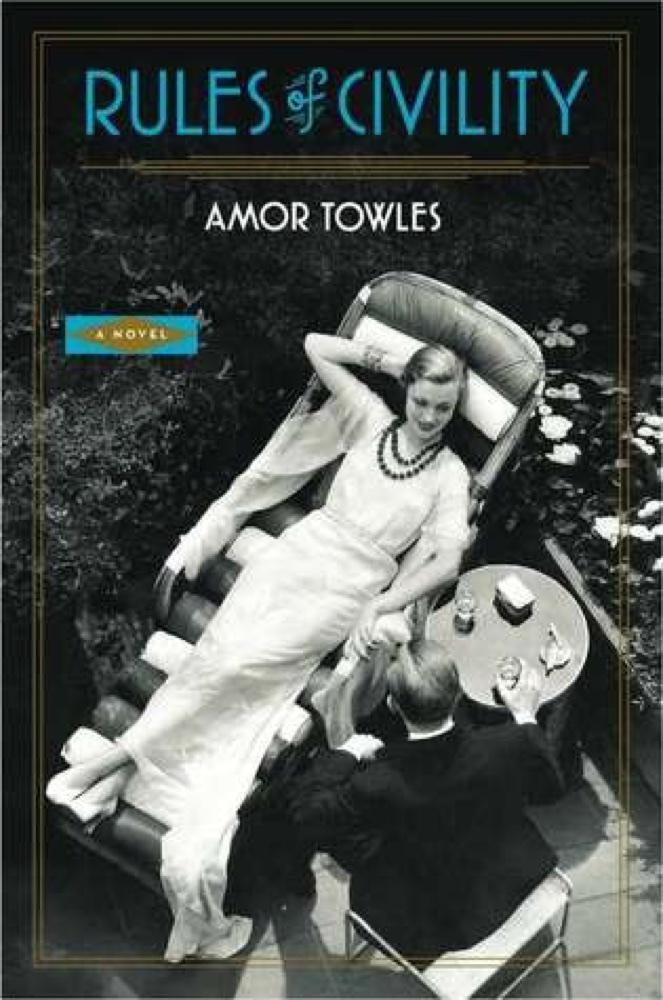
Rules of Civility is Amor Towles's 2011 debut novel, set across a single transformative year in New York City in 1938. It follows Katey Kontent, a sharp-witted twenty-five-year-old secretary of Russian immigrant descent, whose life is set on a new course when she and her roommate Eve Ross meet Theodore "Tinker" Grey, a charming young banker, on New Year's Eve in a Greenwich Village jazz bar. That chance encounter draws Katey out of a Wall Street secretarial pool and into the glittering upper echelons of Manhattan society, including the offices of Condé Nast and a new circle of privileged acquaintances.
The novel takes its title from George Washington's "Rules of Civility and Decent Behaviour in Company and Conversation," a list of 110 etiquette maxims the young Washington copied out, and which one character carries as a personal guide. Towles uses these rules as a lens on his central concerns: social ambition and class mobility, the tension between authentic identity and self-reinvention, friendship and betrayal, and the interplay of luck and choice. Narrated by an older Katey looking back from 1966, the story is steeped in the manners, glamour, and quiet desperation of Depression-era New York on the eve of the Second World War.
Widely praised for its polished period voice, the book drew comparisons to F. Scott Fitzgerald and Edith Wharton and became a New York Times bestseller, later named among the Wall Street Journal's best books of 2011. It launched Towles, a longtime investment professional, into a prominent literary career that continued with A Gentleman in Moscow and The Lincoln Highway. Rules of Civility remains a touchstone of contemporary historical fiction about aspiration and the shaping power of a single fateful year.
Key characters
- Katey KontentWitty, ambitious young secretary of Russian descent and the novel's narrator
- Eve RossKatey's Midwestern boardinghouse roommate and close friend
- Theodore "Tinker" GreyHandsome young banker whose chance appearance changes Katey's and Eve's lives
- Wallace WolcottA shy, principled young multimillionaire Katey befriends
- Dicky VanderwhileAn amiable Upper East Side ne'er-do-well in Katey's new social circle
- Anne GrandynA worldly, forward-thinking widow ahead of her times
Book details
- First published
- 2011
- Length
- 335 pages
- Reading time
- 20 hours
- Author
- Amor Towles
- Genre
- Fiction
- Goodreads rating
- 4.09 (278k ratings) →
If you liked this, read…
- 1The Great GatsbyJazz Age New York, social aspiration, and reinvention rendered in polished prose
- 2The House of MirthA young woman navigating the rigid class expectations of New York society
- 3A Gentleman in MoscowTowles's own follow-up, sharing his elegant period voice and interest in manners and fate
Keep reading
 Crossing to Safety
 Speedboat
 The Jewel in the Crown
 The Razor's Edge
 Humans of New York
 Out of Oz
 Second Helpings
 The Penultimate Peril
 The Adventures of Augie March
 Happy Hour
 A Fraction of the Whole
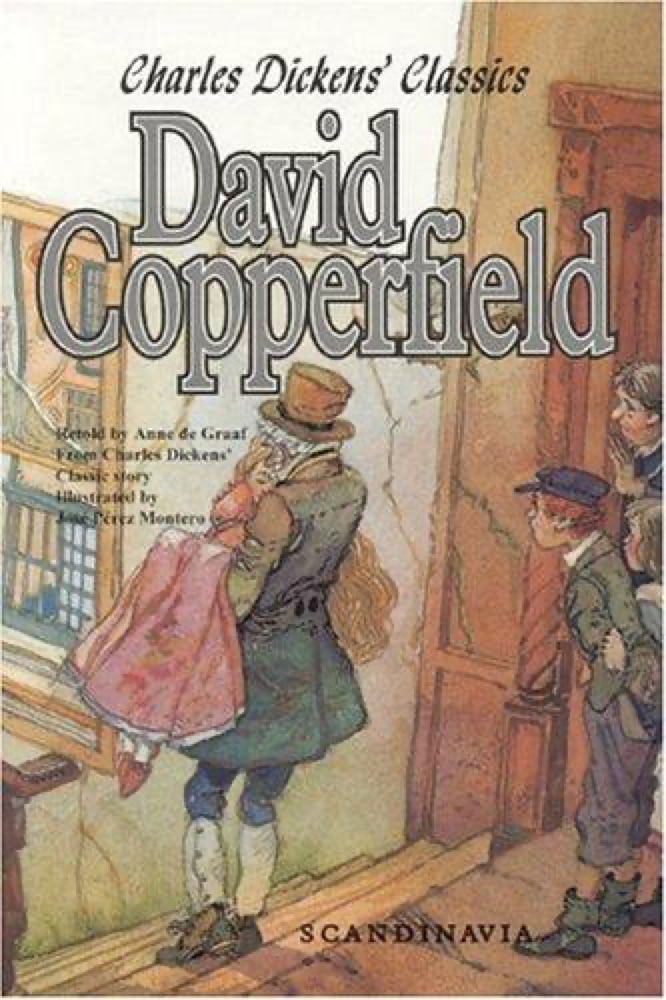 David Copperfield
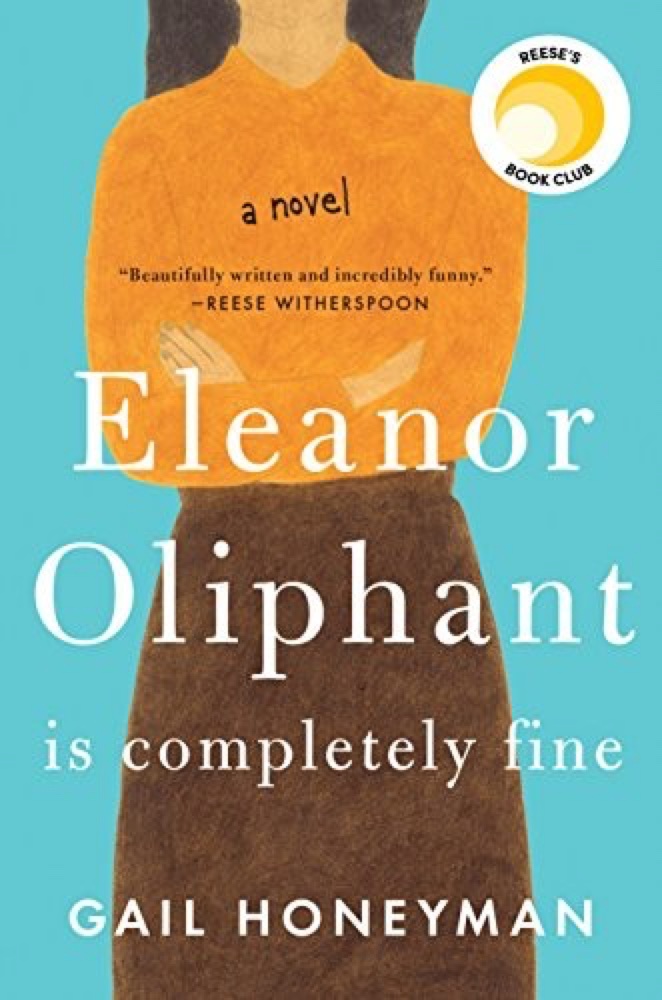 Eleanor Oliphant Is Completely Fine
 Life Itself
 The Six Rules of Maybe
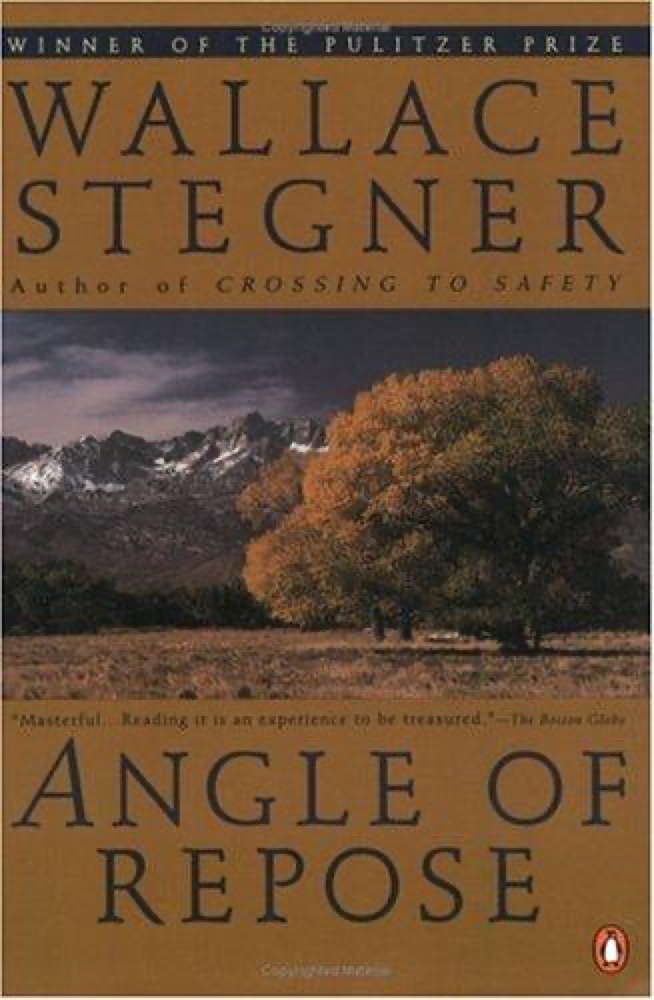 Angle of Repose
 The Post-Birthday World
 The Lay of the Land
 The Collected Stories
 Special Topics in Calamity Physics
 Enchanted
 S.
S.
 The Time of My Life
 Riding the Elephant: A Memoir of Altercations, Humiliations, Hallucinations, and Observations
 Crazy Little Thing
 American Wife
 The Love of My Afterlife
 Cackle
 It Happens for a Reason
 Twenties Girl
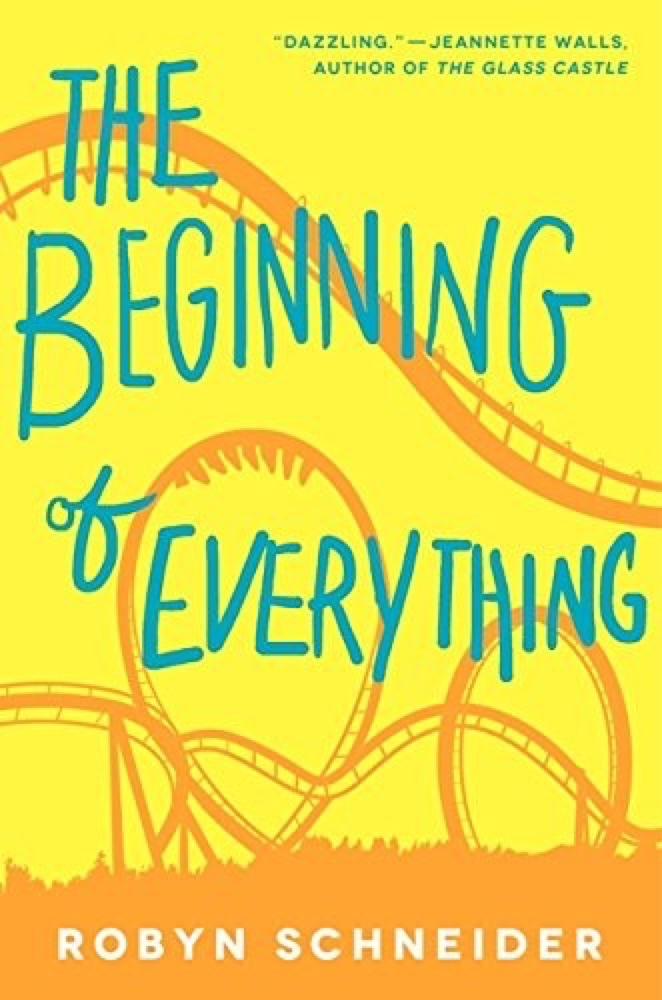 The Beginning of Everything
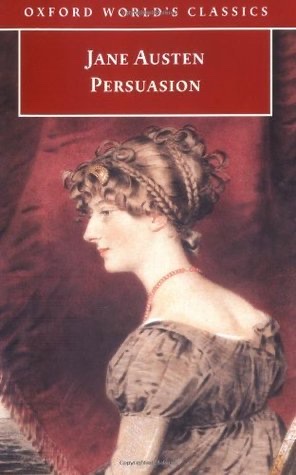 Persuasion
 Any Human Heart
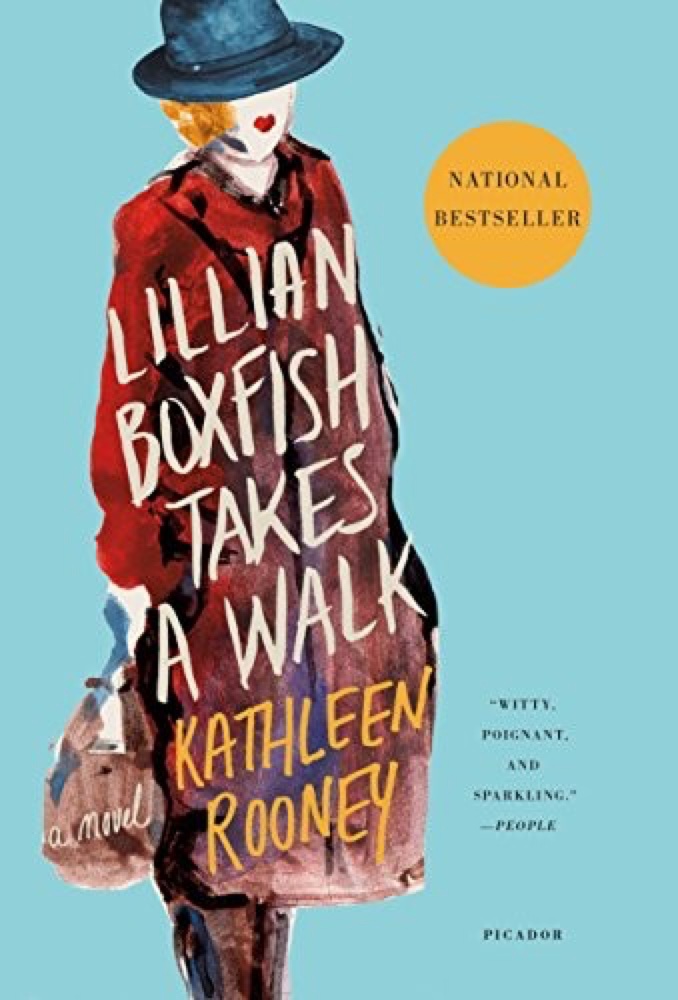 Lillian Boxfish Takes a Walk
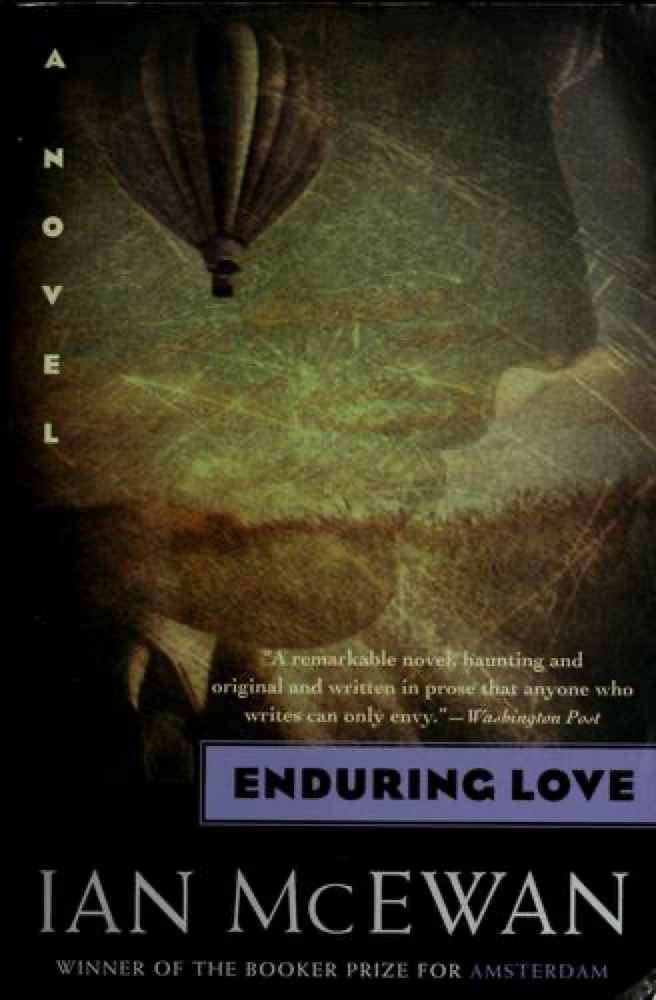 Enduring Love
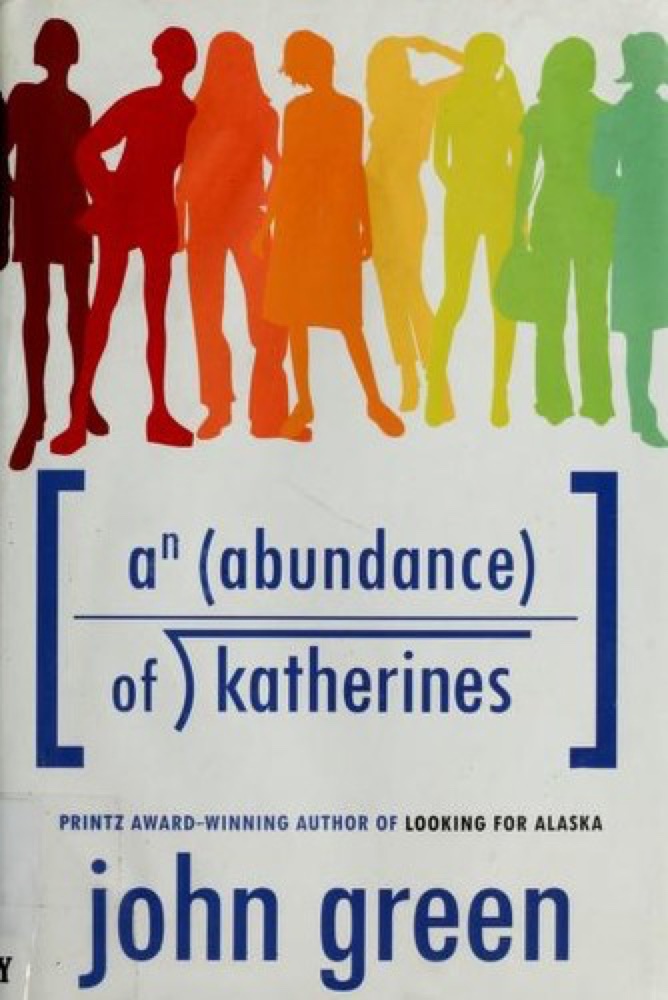 An Abundance of Katherines
 The Gun Seller
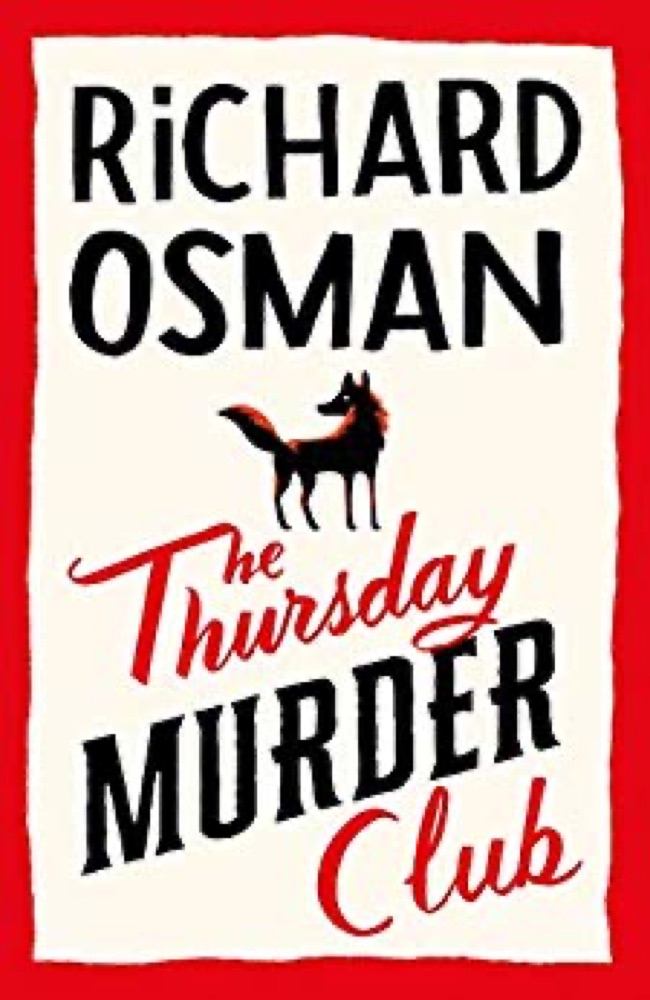 The Thursday Murder Club
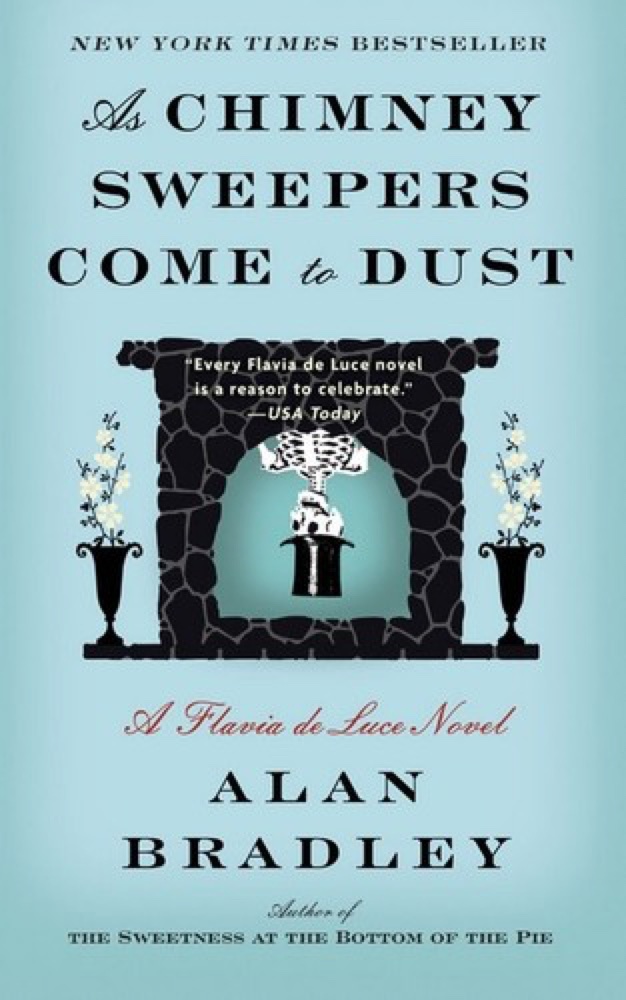 As Chimney Sweepers Come to Dust
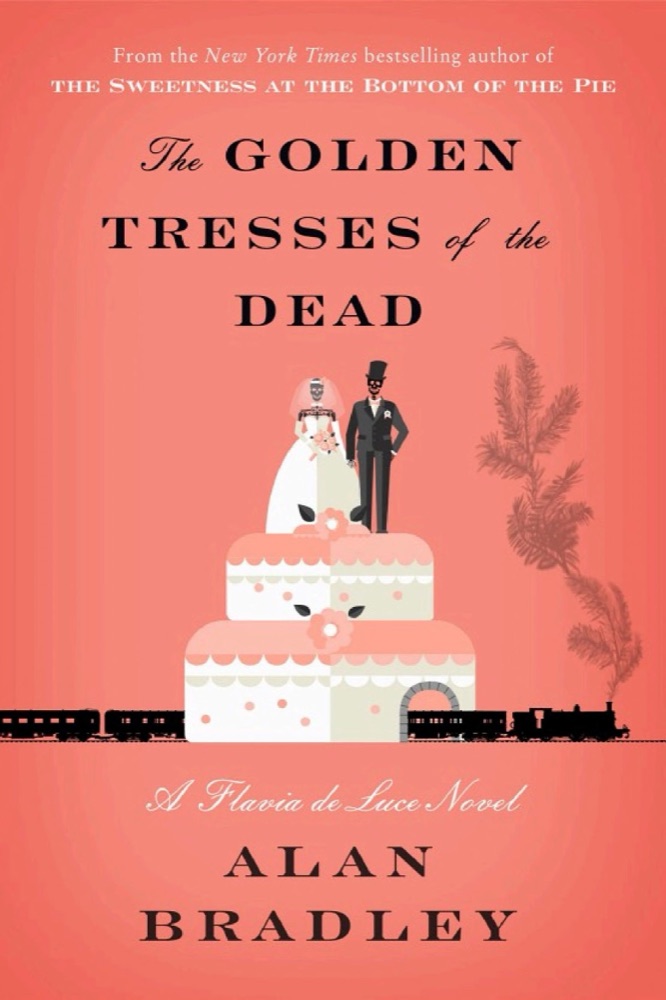 The Golden Tresses of the Dead
 The Sweet Far Thing
 Tempted
 Encyclopedia of an Ordinary Life
 Funny Story
 Forever Odd
 The Cider House Rules
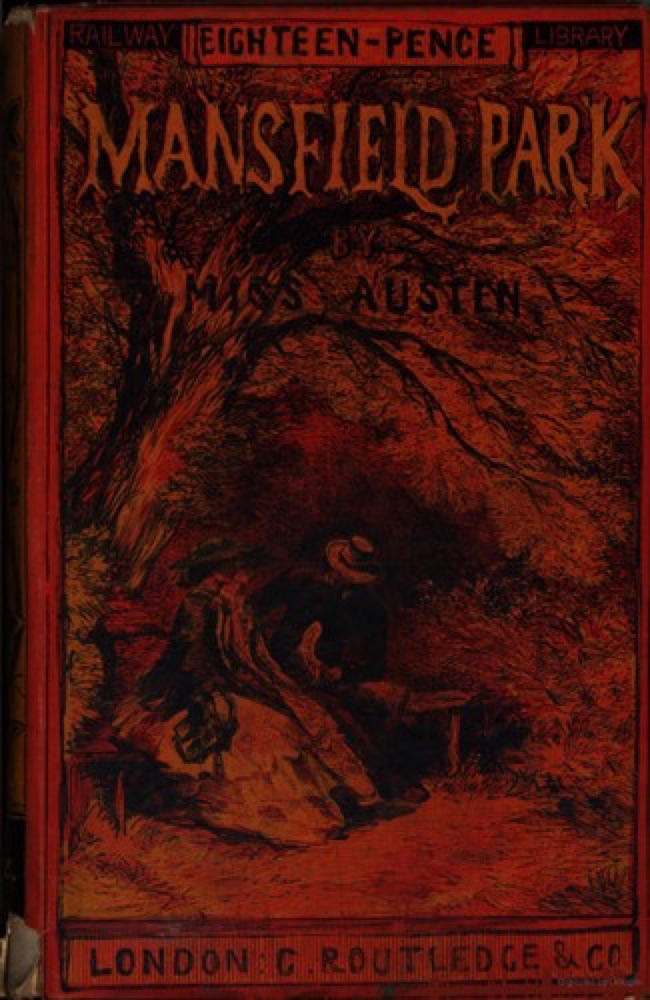 Mansfield Park
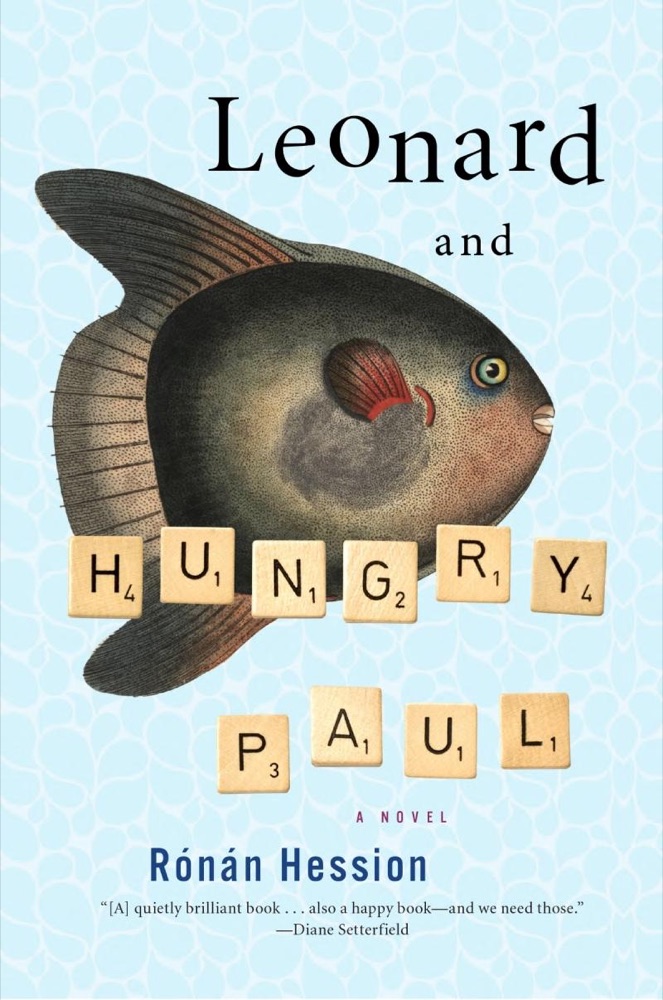 Leonard and Hungry Paul
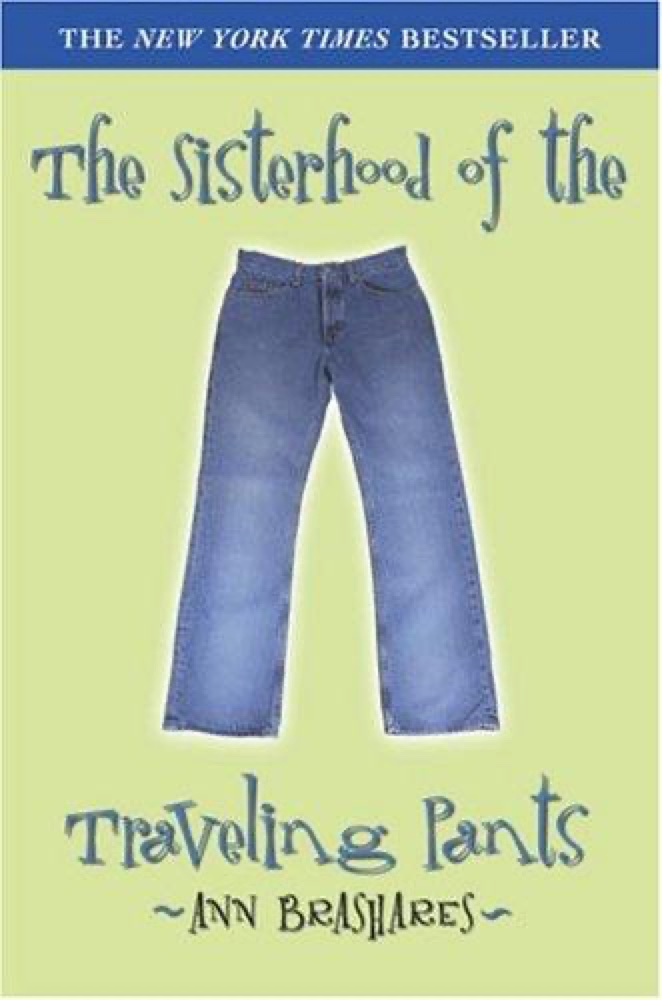 The Sisterhood of the Traveling Pants
 A Room with a View
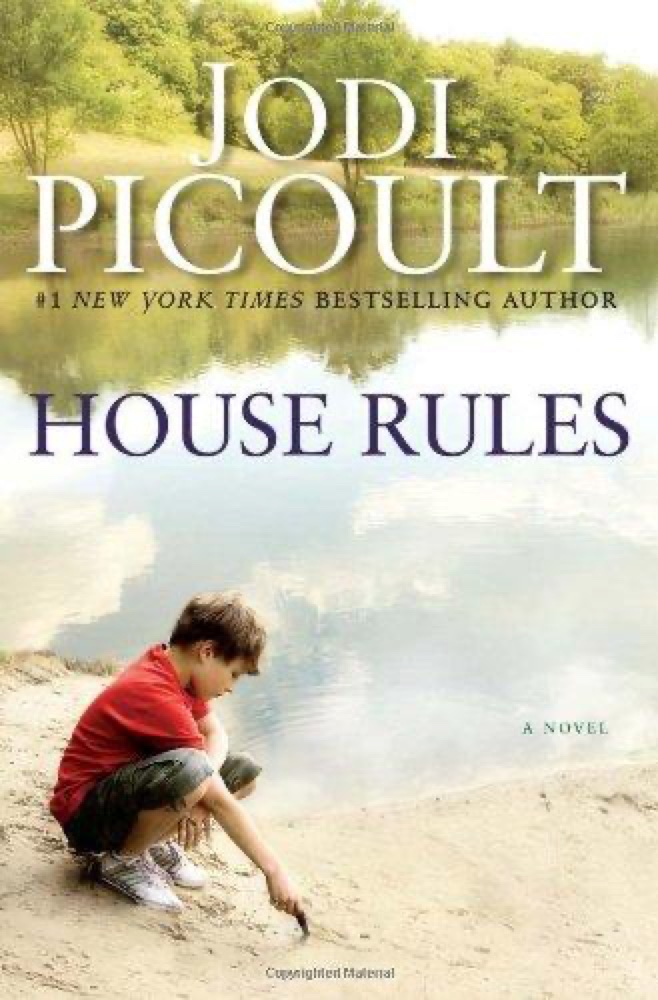 House Rules
 Varina
 The Story of Us
 The Hour I First Believed
 Children of the Mind
 Stay
Stay
 Mostly Harmless
 Canada
 The Importance of Being Earnest
 Perfect Match