
 The Lost World of Genesis One: Ancient Cosmology and the Origins Debate (Volume 2)
Quotes from the Book
It would be a pity if, in a desire (rightly) to treat the Bible as more than a book, we ended up treating it as less than a book by not permitting it the range and use of language, order, and figures of speech that are (or ought to be) familiar to us from our ordinary experience of conversation and reading.
8
One of Richard Dawkins’s main God Delusion arguments is that, if God created everything, we would have to ask who created God. But the very asking of this question reveals at once that Dawkins has in mind a created God: “Who created God?” Created gods certainly are a delusion.
5
Both Genesis and science say that the universe is geared to supporting human life. But Genesis says more. It says that you, as a human being, bear the image of God. The starry heavens show the glory of God, yes; but they are not made in God’s image. You are. That makes you unique. It gives you incalculable value. The galaxies are unimaginably large compared with you. However, you know that they exist, but they don’t know that you exist. You are more significant, therefore, than a galaxy.
4
God loves an enquiring mind, a fact that has been a great encouragement to me in my study of mathematics and the history and philosophy of science.
2
If the text means that the sun came into existence on day 4, Origen was asking a very reasonable question: “If the sun is not yet there, how are we to understand the first three days with their ‘evenings and mornings
2
THE BOOK OF GENESIS is foundational for the rest of the Bible. Its opening chapter does something of incalculable importance: it lays down the basis of a biblical worldview.1 It gives to us humans a metanarrative, a big story into which our lives can be fitted and from which they can derive meaning, purpose, and value. This chapter is devoted to that big story.
1
Furthermore, if Dawkins’s question is valid, it can be turned back on him. He believes that the universe created him. Therefore, we are justified in asking him: who created your creator?
1
Here we have the basic ingredients that define human beings as moral beings. God has given them the ability to say “yes” to him by not eating the prohibited tree, and to say “no” to him by eating it. In this way the Bible introduces us to the idea that the humans are moral beings, with all that this implies.
1
Galileo held that the laws of nature are written by the hand of God in the “language of mathematics”7 and that the “human mind is a work of God’s and one of the most excellent.
Watch on YouTube
About John C. Lennox
We have collected 9 quotes from 1 book by John C. Lennox on BookQuoters.
More about the author →About the book
What did the writer of Genesis mean by the first day? Is it a literal week or a series of time periods? If I believe that the earth is 4.5 billion years old, am I denying the authority of Scripture? In response to the continuing controversy over the interpretation of the creation narrative in Genesis, John Lennox proposes a succinct method of reading and interpreting the first chapters of Genesis without discounting either science or Scripture. With examples from history, a brief but thorough exploration of the major interpretations, and a look into the particular significance of the creation of human beings, Lennox suggests that Christians can heed modern scientific knowledge while staying faithful to the biblical narrative. He moves beyond a simple response to the controversy, insisting that Genesis teaches us far more about the God of Jesus Christ and about God’s intention for creatio
Book details
- First published
- 2011
- Author
- John C. Lennox
- Genre
- Nonfiction
- Goodreads rating
- 4.16 (3k ratings)
Keep reading
The Lost World of Genesis One: Ancient Cosmology and the Origins Debate (Volume 2)
 The Language of God: A Scientist Presents Evidence for Belief
 The Case for a Creator: A Journalist Investigates Scientific Evidence That Points Toward God
 Summa Theologica
 The Mind of the Maker: Dorothy L. Sayers' Witty Classic on the Trinity, Christianity, and Human Creativity
 Reasonable Faith
 What's So Great About Christianity
 A History of God: The 4,000-Year Quest of Judaism, Christianity, and Islam
 There Is a God: How the World's Most Notorious Atheist Changed His Mind
 The Age of Reason
 Miracles: What They Are, Why They Happen, and How They Can Change Your Life
 The Bible Tells Me So: Why Defending Scripture Has Made Us Unable to Read It
 The Varieties of Scientific Experience: A Personal View of the Search for God
 Simply Christian
 The Knowledge of the Holy
 Escape from Reason
 What Is the Bible?: How an Ancient Library of Poems, Letters, and Stories Can Transform the Way You Think and Feel About Everything
 The God Delusion
 Why Does the World Exist?: An Existential Detective Story
 Systematic Theology: An Introduction to Biblical Doctrine
 Jesus Among Other Gods: The Absolute Claims of the Christian Message
 The Orthodox Way
 Finding God in the Waves: How I Lost My Faith and Found It Again Through Science
 Outgrowing God: A Beginner’s Guide to Atheism
 The Reason for God: Belief in an Age of Skepticism
 The Case for Christianity
 The Attributes of God
 Think: The Life of the Mind and the Love of God
 Letter to a Christian Nation
 The Case for God
 The Bible Jesus Read
 Epic: The Story God Is Telling And The Role That Is Yours To Play
 The Portable Atheist: Essential Readings for the Nonbeliever
 Dialogues Concerning Natural Religion
 Inspired: Slaying Giants, Walking on Water, and Loving the Bible Again
 On the Incarnation
 On Christian Doctrine
 The Case for Faith: A Journalist Investigates the Toughest Objections to Christianity
 That All Shall Be Saved: Heaven, Hell, and Universal Salvation
 The Divine Dance: The Trinity and Your Transformation
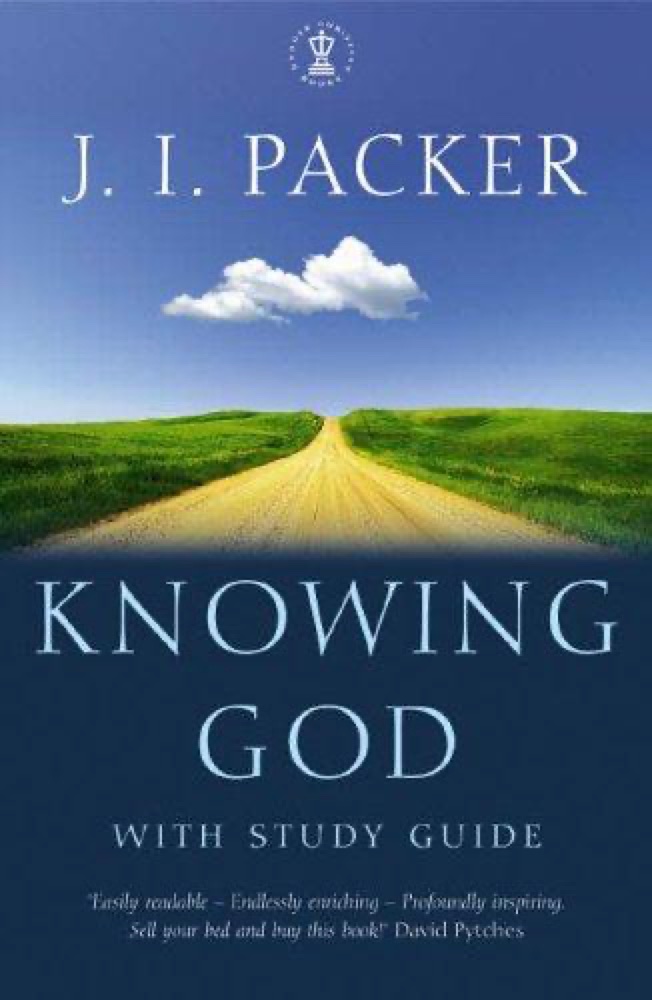 Knowing God
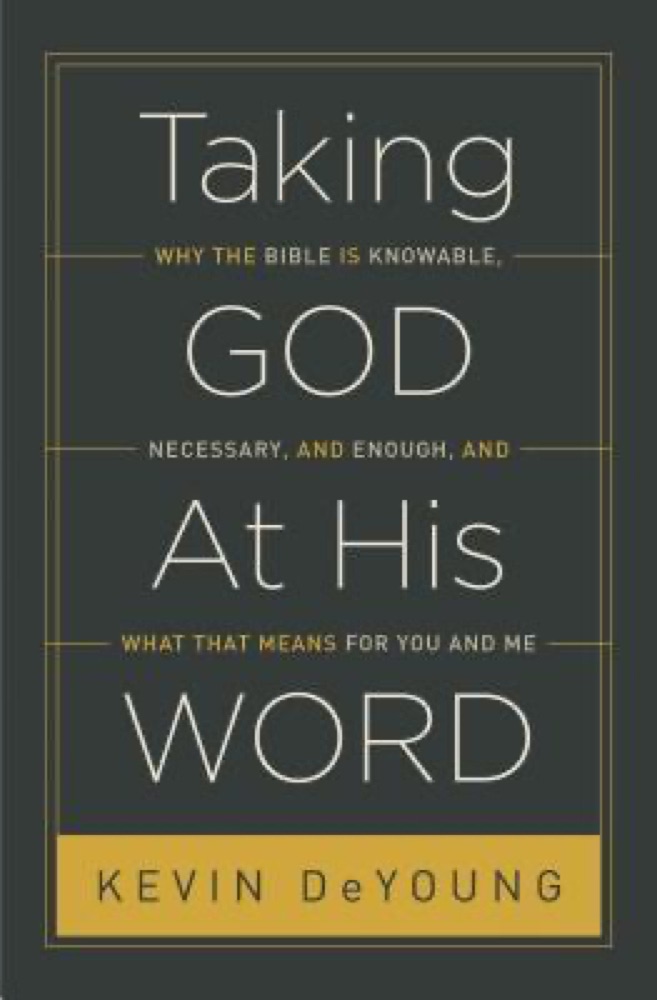 Taking God At His Word: Why the Bible Is Knowable, Necessary, and Enough, and What That Means for You and Me
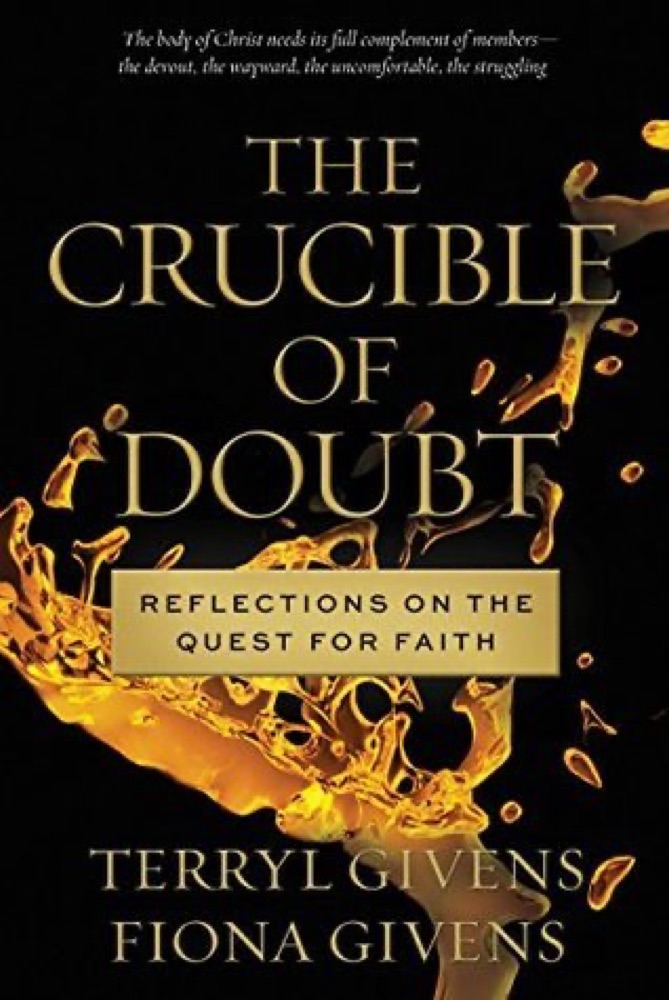 The Crucible of Doubt: Reflections On the Quest for Faith
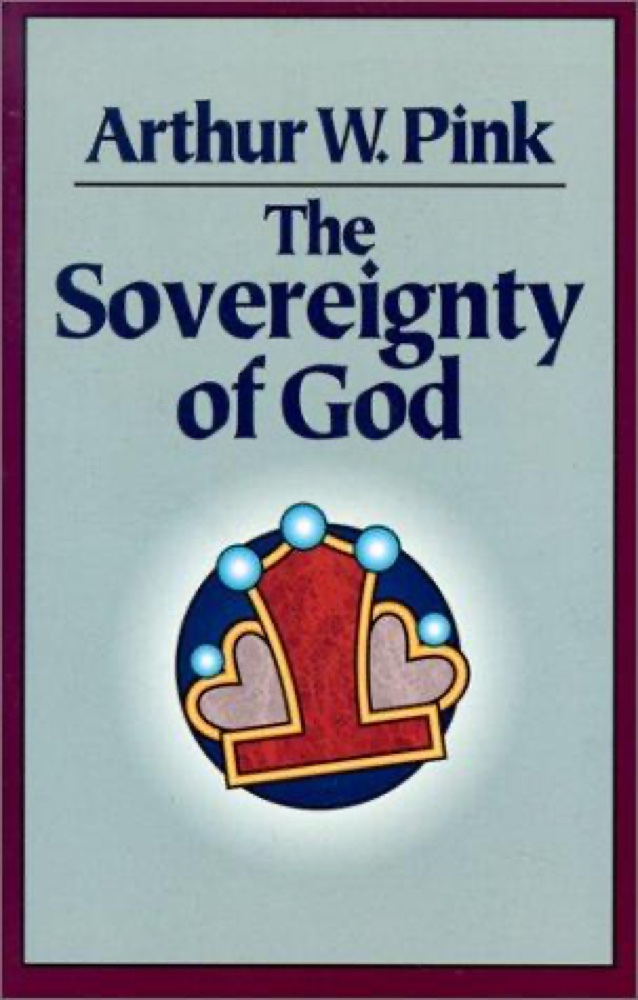 The Sovereignty of God
 The Divine Conspiracy: Rediscovering Our Hidden Life in God
 The God Who Weeps: How Mormonism Makes Sense of Life
 Velvet Elvis: Repainting the Christian Faith
 Breaking the Spell: Religion as a Natural Phenomenon
 Tactics: A Game Plan for Discussing Your Christian Convictions
 Godless: How an Evangelical Preacher Became One of America's Leading Atheists
 The Perennial Philosophy
 The Gospel in a Pluralist Society
 Quest Study Bible: NIV
 Jesus of Nazareth: The Infancy Narratives
 The Grand Weaver: How God Shapes Us through the Events in Our Lives
 God in Search of Man: A Philosophy of Judaism
 A Universe from Nothing: Why There Is Something Rather Than Nothing
 Total Truth: Liberating Christianity from its Cultural Captivity
 How to Read the Bible for All Its Worth