
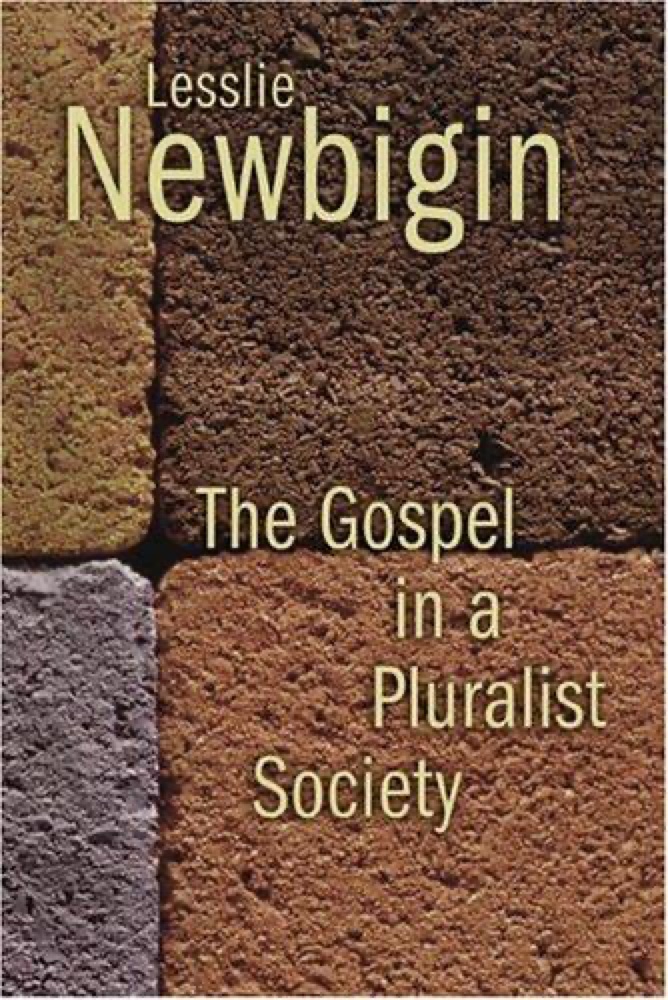
 The Gospel in a Pluralist Society
Quotes from the Book
Having a Christian worldview means being utterly convinced that biblical principles are not only true but also work better in the grit and grime of the real world.
36
The gospel is like a caged lion,' said the great baptist preacher Charles Spurgeon. 'It does not need to be defended, it simply needs to be let out of it's cage' Today, the cage is our accommodation to the secular/sacred split that reduces Christianity to a matter of personal belief. To unlock the cage, we need to become utterly convinced that, as Francis Schaeffer said, Christianity is not merely religious truth, it is total truth- truth about the whole of reality.
21
Beginning with sin instead of creation is like trying to read a book by opening it in the middle: You don’t know the characters and can’t make sense of the plot.
10
Redemption is as comprehensive as Creation and Fall. God does not save our souls while leaving our minds to function on their own. He redeems the whole person. Conversion is meant to give new direction to our thoughts, emotions, wills and habits.
9
Redemption is not just about being saved *from* the consequences of sin, it is also about being saved *to* something- to resume the task for which we were originally created. And what was that task? In Genesis, God gives what we might call the first job description: "Be fruitful and multiply, and fill the earth and subdue it." "Be fruitful and multiply", means to develop the social world: build families, churches, cities, governments, laws. The second phrase, "subdue the earth" means to harness the natural world: plant crops, build bridges, design computers, compose music. This passage is sometimes called the "cultural mandate" because it tells us that our original purpose was to create cultures and build civilizations- nothing less.
9
The danger is that is Christians do not consciously develop a biblical approach to a subject, then we will unconsciously absorb some other philosophical approach.
9
The great historian of religion Martin Marty once said every religion serves two functions: First, it is a message of personal salvation telling is how to get right with God; and second, it is a lens for interpreting the world. Historically, evangelicals have been good at the first functions- at "saving souls". But they have not been nearly so good at helping people to interpret the world around them- at providing a set of interrelated concepts that function as a lens to give a biblical view of areas like science, politics, economics, or bioethics. As Marty puts it, evangelicals have typically "accentuated personal piety and individual salvation, leaving men to their own devices to interpret the world around them.
7
Christianity is the key that fits the lock of the universe.
6
A Christian approach to any field needs to be both critical and constructive. We cannot simply borrow from the results of secular scholarship as though that were spiritually neutral territory discovered by people whose minds are completely open and objective- that is, *as though the fall had never happened*.
6
If Christians do not develop their own tools of analysis , then when issues come up that they want to understand, they'll reach over and borrow someone else's tools- whatever concepts are generally accepted in their general field or in the culture at large. But when they do that, Os Guiness writes, they don't realize that "They are borrowing not an isolated tool, but a whole philosophical toolbox laden with tools which have their own particular bias to every problem." They may even end up absorbing an entire set of alien principles without even realizing it. In other words, not only do we fail to be salt and light to a lost culture, but we ourselves may end up being shaped by our culture.
6
As with every aspect of our sanctification, the renewal of the mind may be painful and difficult. It requires hard work and discipline, inspired by a sacrificial love for Christ and a burning desire to build up His body, the Church. Developing a Christian worldview means submitting our entire self to God, in an act of devotion and service to Him.
6
For many women today, on a personal level, the problem is not male dominance so much as male desertion.
6
How do we break free from the dichotomies that limit God's power in our lives? How can love and service to God become living sparks that light up our whole lives? By discovering a worldview perspective that unifies *both* secular and sacred, public and private, within a single framework. By understanding that all honest work and creative enterprise can be a valid calling from the Lord. And by realizing that there are biblical principles that apply to every field of work. These insights will fill us with purpose, and we will begin to experience the joy that comes from relating to God in and through every dimension of our lives.
5
A school superintendent once told me that most educators define "a Christian teacher" as strictly in terms of personal behavior: things like setting a good example and showing concern for the students. Almost none define it in terms of conveying a biblical worldview on the subjects they teach, whether literature, science, social studies, or the arts. In other words, they are concerned about being a Christian *in* their work, but they don't think in terms of having a biblical framework *on* the work itself.
5
All of science is largely formalized common sense.
4
A merely symbolic religion does not threaten the ruling regime of materialistic science.
4
Artists are often the barometers of society.
4
Redemption is as comprehensive as creation or fall.
4
The best organizations regard the nurturing of their employees as a spiritual mandate.
3
Morality is always derivative. It stems from one's worldview.
3
When the only form of cultural commentary Christians offer is moral condemnation, no wonder we come across to non-believers as angry and scolding.
3
Knowing the truth has meaning only as a first step to living the truth day by day.
3
What kind of ministry is that, just talking to people?" Criticism directed at Francis Schaeffer's plan to open an obscure spot in the Swiss Alps to those who came with questions.
2
We need to understand enough of modern thought to identify the ways it blocks us from living out the Gospel the way God intends, both in terms of intellectual roadblocks and in terms of economic and structural changes that make it harder to live by Scriptural principles.
2
The Rosetta Stone of Christian social thought is the Trinity.
2
Many of us don't even know what it means to have a Christian perspective on our work. Oh, we know that being a Christian means being ethical on the job- as Saly put it, "no lying and cheating." But the work itself is typically defined in secular terms as bringing home a paycheck, climbing the career ladder, building a professional reputation.
2
In many churches, the message of justification- how to get right with God- is preached over and over again. But much less is said about sanctification- how to live after you're converted.
2
Redemption consists primarily of casting out our mental idols and turning back to the true God. And when we do that, we will experience His transforming power renewing every aspect of our lives. To talk of a Christian Worldview is simply another way of saying that when we are redeemed, our entire outlook on life is re-centered on God and rebuilt on His revealed truth.
2
Biblical worldview'. The term means literally a 'view of the world', a biblically informed perspective on all of reality. A worldview is like a mental map that tells you how to navigate the world effectively. It is the imprint of God's objective truth on our inner life.
2
Men will be drawn back into family life only when they are convinced that being a good husband and father is a manly thing to do. That parental duty and sacrifice are masculine virtues. That marital love and fidelity are not female standards imposed on men externally but an integral part of the male character. Something inherent and original, created by God.
1
Watch on YouTube
About Nancy R. Pearcey
We have collected 30 quotes from 1 book by Nancy R. Pearcey on BookQuoters.
More about the author →About the book
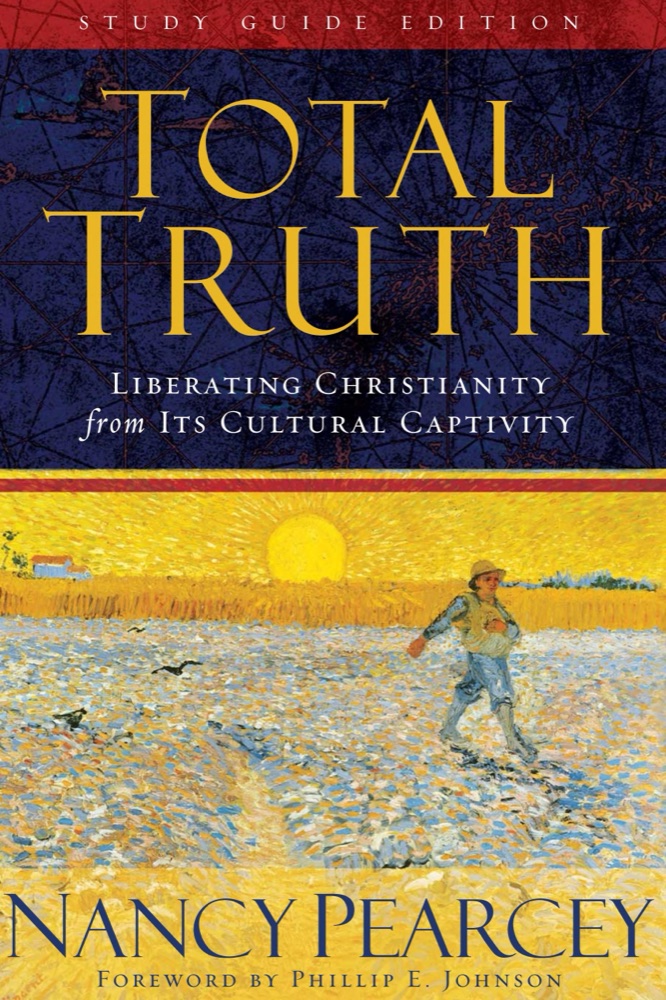
Is God a public figure? Does Christianity have a legitimate role to play in the public realm of politics, business, law, and education? Or are secularists right when they relegate religion to the strictly private realm of faith and feelings?
In Total Truth, Nancy Pearcey offers a razor-sharp analysis of the split between public and private, fact and feelings. She reveals the strategies of secularist gatekeepers who use this division to banish biblical principles from the cultural mainstream, stripping Christianity of its power to challenge and redeem the whole of culture.
How can we overcome this divide? Unify our fragmented lives? Recover authentic spirituality? With compelling examples from the struggles of real people, Pearcey shows how to liberate Christianity from its cultural captivity. She walks readers through practical, hands-on steps for developing a full-orbed Christian
Book details
- First published
- 2004
- Author
- Nancy R. Pearcey
- Genre
- Philosophy
- Goodreads rating
- 4.22 (5k ratings)
Keep reading
The Gospel in a Pluralist Society
 Resident Aliens: Life in the Christian Colony
 Simply Christian
 The Reason for God: Belief in an Age of Skepticism
 Ethics
 Velvet Elvis: Repainting the Christian Faith
 unChristian: What a New Generation Really Thinks about Christianity... and Why It Matters
 The Benedict Option: A Strategy for Christians in a Post-Christian Nation
 Amazing Grace: A Vocabulary of Faith
 The Prodigal God: Recovering the Heart of the Christian Faith
 Jesus Among Other Gods: The Absolute Claims of the Christian Message
 The Spirit of the Disciplines: Understanding How God Changes Lives
 Christless Christianity: The Alternative Gospel of the American Church
 The Explicit Gospel
 Escape from Reason
 Shameless: A Case for Not Feeling Bad About Feeling Good
 The Crucible of Doubt: Reflections On the Quest for Faith
 Instruments in the Redeemer's Hands: People in Need of Change Helping People in Need of Change
 Studies in the Sermon on the Mount
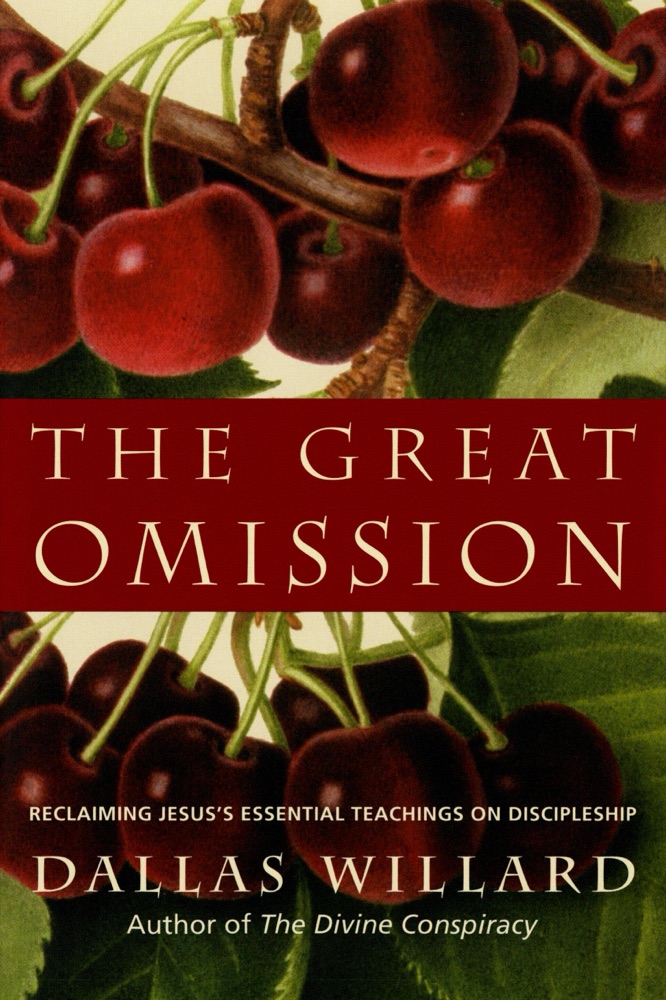 The Great Omission: Reclaiming Jesus's Essential Teachings on Discipleship
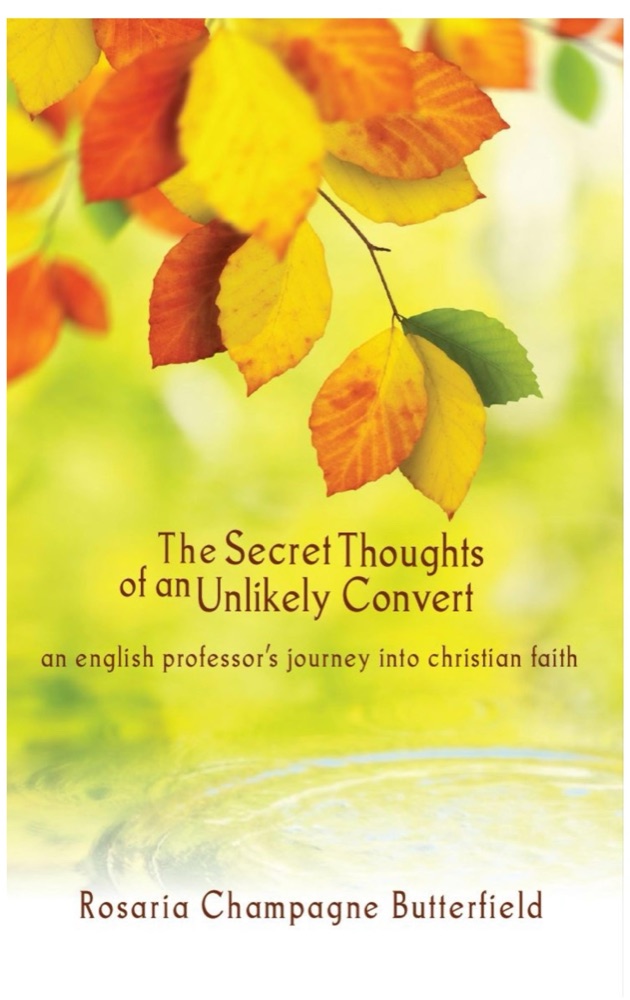 The Secret Thoughts of an Unlikely Convert: An English Professor's Journey Into Christian Faith
 The Divine Conspiracy: Rediscovering Our Hidden Life in God
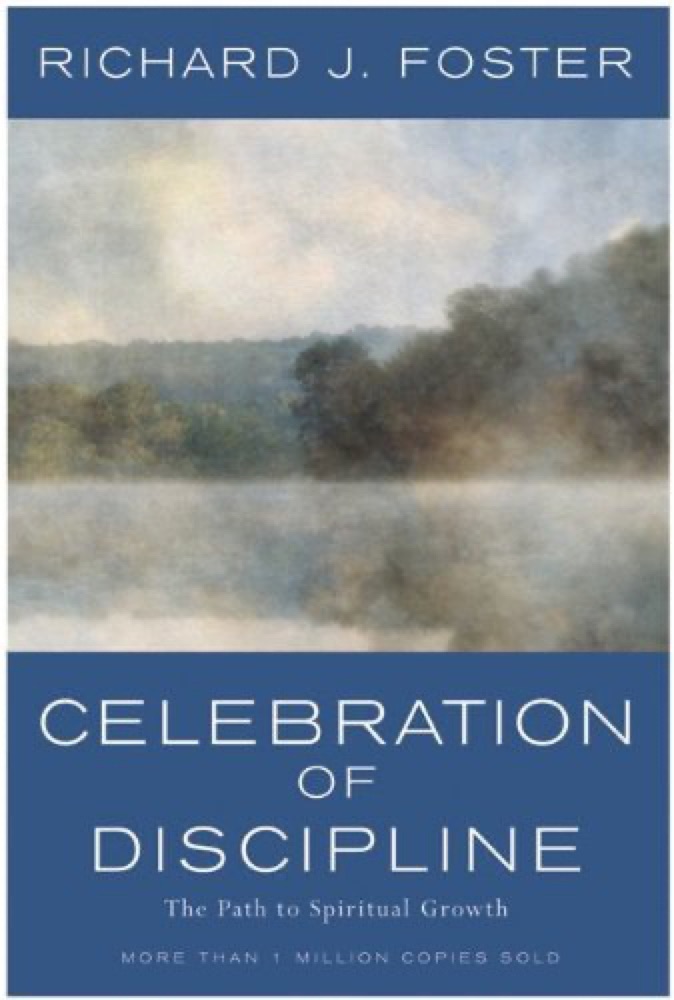 Celebration of Discipline: The Path to Spiritual Growth
 Disciplines of a Godly Man
 Think: The Life of the Mind and the Love of God
 Tactics: A Game Plan for Discussing Your Christian Convictions
 Surprised by Hope: A Study of Christian Hope and Resurrection
 Christ Plays in Ten Thousand Places: A Conversation in Spiritual Theology
 Jesus for President: Politics for Ordinary Radicals
 What We Talk about When We Talk about God
 The Sermon on the Mount: The Key to Success in Life
 Discipline: The Glad Surrender
 Bad Religion: How We Became a Nation of Heretics
 Desiring the Kingdom: Worship, Worldview, and Cultural Formation
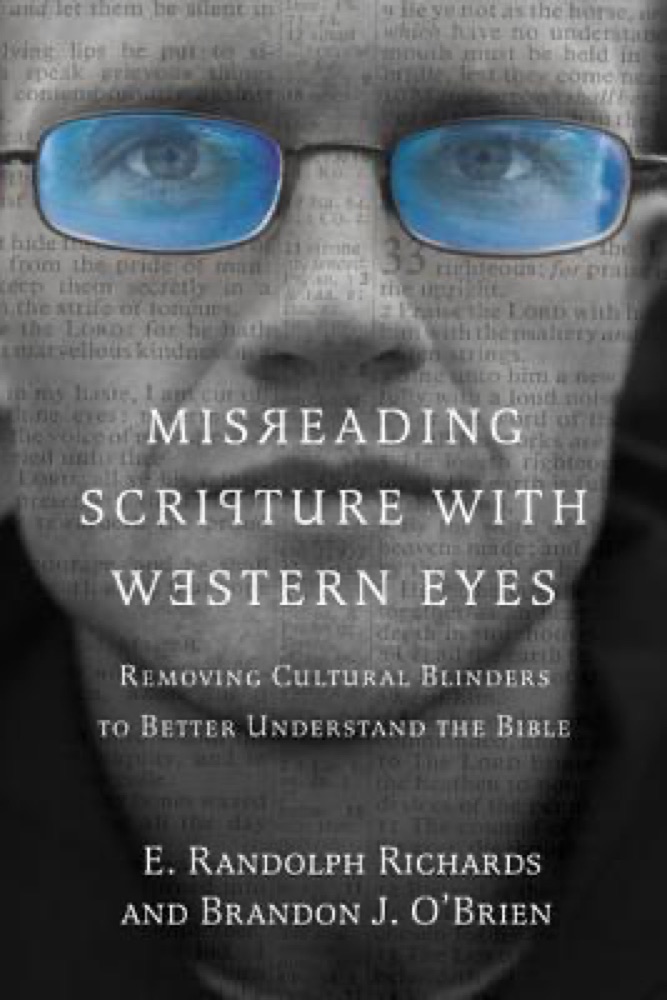 Misreading Scripture with Western Eyes: Removing Cultural Blinders to Better Understand the Bible
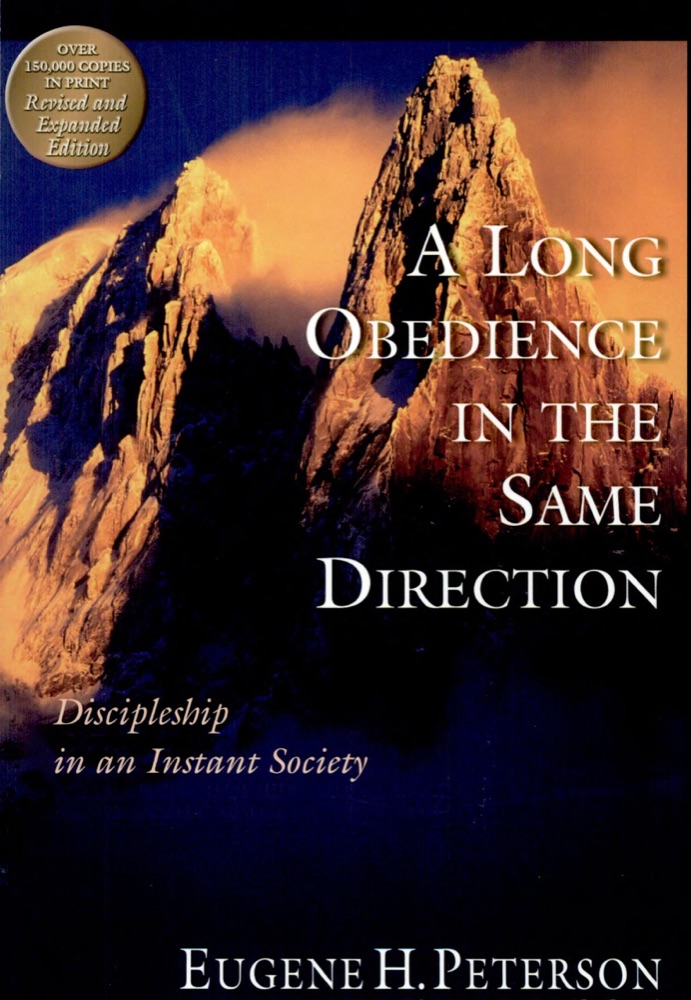 A Long Obedience in the Same Direction: Discipleship in an Instant Society
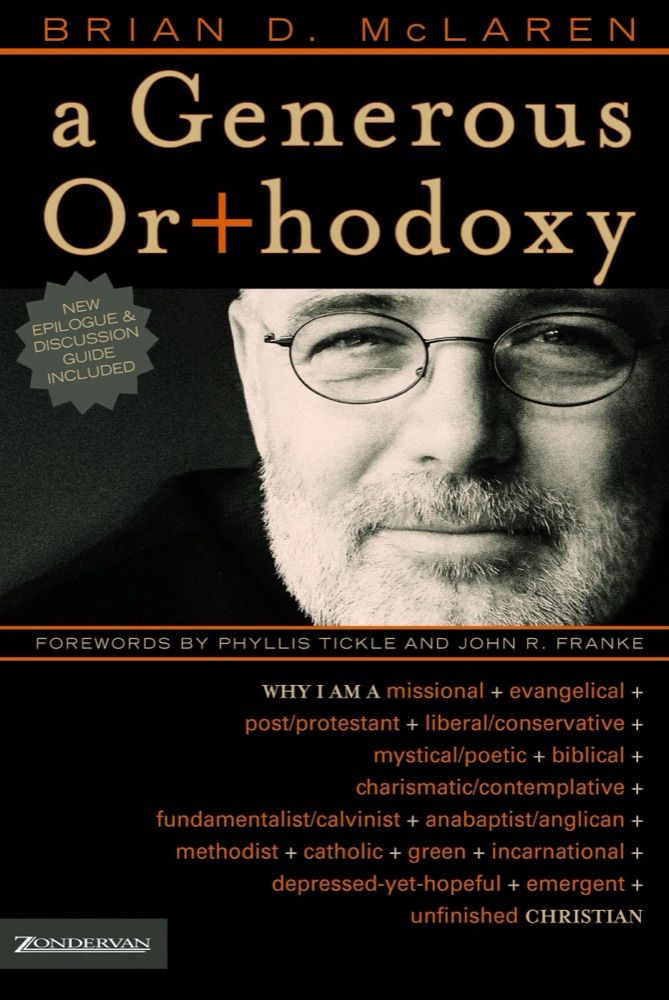 A Generous Orthodoxy
 What's So Great About Christianity
 Searching for God Knows What
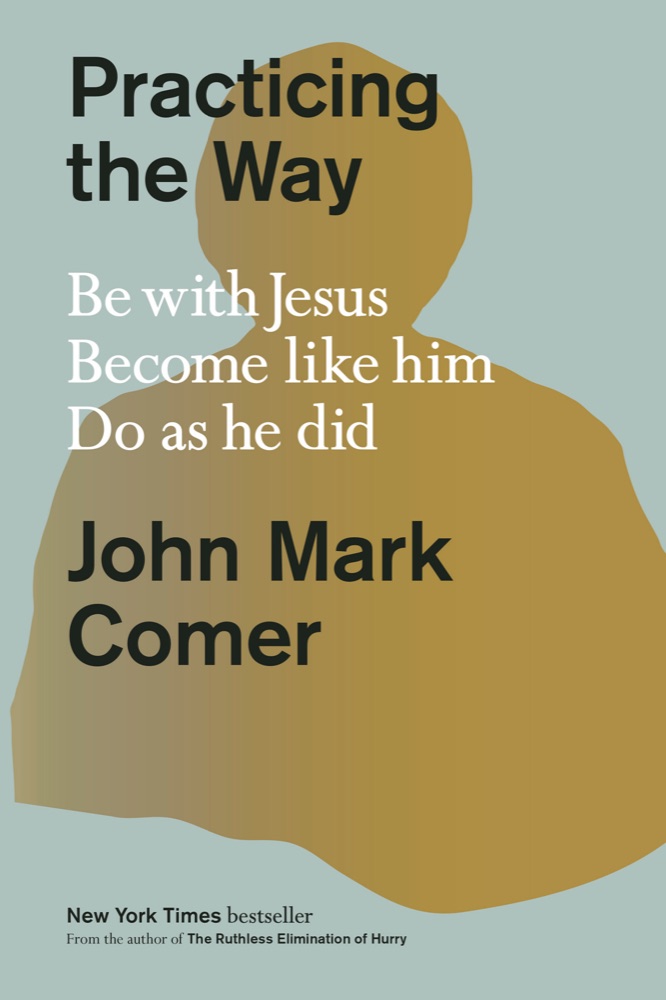 Practicing the Way: Be with Jesus, Become Like Him, Do As He Did
 The Kingdom of God Is Within You
 How People Change
 Inspired: Slaying Giants, Walking on Water, and Loving the Bible Again
 Encounters with Jesus: Unexpected Answers to Life's Biggest Questions
 The Cross of Christ
 The Holy Longing: The Search for a Christian Spirituality
 The Bible Jesus Read
 Compassion (&) Conviction: The AND Campaign's Guide to Faithful Civic Engagement
 Evangelism & the Sovereignty of God
 Letter to a Christian Nation
 The Deeply Formed Life: Five Transformative Values to Root Us in the Way of Jesus
 The Orthodox Way
 A Year of Biblical Womanhood
 Systematic Theology: An Introduction to Biblical Doctrine
 What Is the Bible?: How an Ancient Library of Poems, Letters, and Stories Can Transform the Way You Think and Feel About Everything
 The Life You've Always Wanted: Spiritual Disciplines for Ordinary People
 Rediscover Catholicism
 A History of God: The 4,000-Year Quest of Judaism, Christianity, and Islam