
 Crazy Busy: A (Mercifully) Short Book about a (Really) Big Problem
Quotes from the Book
You can exaggerate your authority in handling the Scriptures, but you cannot exaggerate the Scriptures' authority to handle you. You can use the word of God to come to wrong conclusions, but you cannot find any wrong conclusions in the word of God.
7
Every true Christian should feel deep in his bones an utter dependence on God’s self-revelation in the Scriptures. Man does not live by bread alone, but by every word that comes from the mouth of the Lord (Deut. 8:3; Matt. 4:4).
4
Jesus submitted his will to the Scriptures, committed his brain to studying the Scriptures, and humbled his heart to obey the Scriptures. The Lord Jesus, God’s Son and our Savior, believed his Bible was the word of God down to the sentences, to the phrases, to the words, to the smallest letter, to the tiniest specks—and that nothing in all those specks and in all those books in his Holy Bible could ever be broken.
2
Our teachers, our friends, our science, our studies, even our eyes can deceive us. But the word of God is entirely true and always true: God’s word is firmly fixed in the heavens (v. 89); it doesn’t change. There is no limit to its perfection (v. 96); it contains nothing corrupt. All God’s righteous rules endure forever (v. 160); they never get old and never wear out.
2
We need the bible if we are to be competent Christians. The Bible will build us up so that we can endure suffering. It will give us discernment for difficult choices. It will make us strong enough to be patient with others and patient enough to respond with kindness when others hurt us. The Bible will get us up to bring meals to new moms and pray for people on their hospital beds. The bible equips us to be truth lovers and truth tellers. It sens us out to care for the poor and welcome the stranger. There is no limit on what the Bible can do for us, to us and through us.
1
But when interpreted correctly—paying attention to the original context, considering the literary genre, thinking through authorial intent—the Bible is never wrong in what it affirms and must never be marginalized as anything less than the last word on everything it teaches.
1
The unity of Scripture also means we should be rid, once and for all, of this “red letter” nonsense, as if the words of Jesus are the really important verses in Scripture and carry more authority and are somehow more directly divine than other verses. An evangelical understanding of inspiration does not allow us to prize instructions in the gospel more than instructions elsewhere in Scripture. If we read about homosexuality from the pen of Paul in Romans, it has no less weight or relevance than if we read it from the lips of Jesus in Matthew. All Scripture is breathed out by God, not just the parts spoken by Jesus.
1
What makes the Bible utterly unlike any other book—religious or otherwise—is the unsurpassed grace we encounter in its pages. We need Scripture because without it we cannot know the love of God.
1
This is exactly the point Jesus reiterates in Matthew 23:23, where he exhorts the people to keep “the weightier matters of the law: justice and mercy and faithfulness,” without neglecting the responsibility they have to tithe their mint, dill, and cumin. Clearly, Jesus doesn’t want us to keep the little commandments in Scripture and miss the big stuff, but neither does he allow us to overlook the smallest parts so long as we get the big picture right. He expects obedience to the spirit of the law and to the letter. Our Messiah sees himself as an expositor of Scripture, but never a corrector of Scripture. He fulfills it, but never falsifies it. He turns away wrong interpretations of Scripture, but insists there is nothing wrong with Scripture, down to the crossing of t’s and dotting of i’s.
1
nowhere do Jesus or the apostles ever treat the Old Testament as human reflections on the divine. It is instead the voice of the Holy Spirit (Acts 4:25; Heb. 3:7) and God’s own breath (2 Tim. 3:16).
1
The word of God is more than enough for the people of God to live their lives to the glory of God.
1
To affirm the sufficiency of Scripture is not to suggest that the Bible tells us everything we want to know about everything, but it does tell us everything we need to know about what matters most.
1
We can say all the right things about the Bible, and even read it regularly, but when life gets difficult, or just a bit boring, we look for new words, new revelation, and new experiences to bring us closer to God. We feel rather ho-hum about the New Testament’s description of heaven, but we are mesmerized by the accounts of school-age children who claim to have gone there and back. From magazine articles about “My Conversation with God” (see chapter 2), to best-selling books where God is depicted as giving special, private communications, we can easily operate as if the Bible were not enough. If we could only have something more than the Scriptures, then we would be really close to Jesus and know his love for us.
1
This cannot be stated too strongly: From the very beginning, Christianity tied itself to history. The most important claims of Christianity are historical claims, and on the facts of history the Christian religion must stand or fall.
1
When we embrace everything the Bible says about itself, then—and only then—will we believe what we should believe about the word of God, feel what we should feel, and do with the word of God what we ought to do.
1
Finally, whom God is for is at stake. The doctrine of the clarity of Scripture insists that even the simplest disciple can understand God’s word and be saved. Without this doctrine, you have to wonder: Is the Bible only for pastors and priests? Can laypeople be trusted with the sacred Scriptures? Do you need to be a scholar to really understand God’s word? Do you need a working knowledge of Greek and Hebrew, of Second Temple Judaism, of Greco-Roman customs, of ancient Near Eastern religion, or redaction criticism, source criticism, and form criticism? Is God a God of the smarty-pants only? As R. C. Sproul asks, “What kind of God would reveal his love and redemption in terms so technical and concepts so profound that only an elite corps of professional scholars could understand them?
One cannot doubt the Bible,” J. I. Packer warns, “without far-reaching loss, both of fullness of truth and of fullness of life. If therefore we have at heart spiritual renewal for society, for churches and for our own lives, we shall make much of the entire trustworthiness—that is, the inerrancy—of Holy Scripture as the inspired and liberating Word of God.
All truth may be God's truth, but saving truth is revealed truth.
No words can express what is needful in our dying hour. But there are words to sustain us in that moment, and in every moment from this hour until that. They are the words of truth, the words of life, the never-failing, never-falling, Christ-exalting, Spirit-inspired, God-breathed words of Holy Scripture.
This is partly because few teenagers are instinctively good poets. It’s about as common as cats being instinctively friendly.
It's not necessarily a sin of growth to move past the faith of your childhood, and not necessarily a weakness to believe the same thing throughout your whole life.
Scripture is enough because the work of Christ is enough.
There is no more authoritative declaration than what we find in the word of God, no firmer ground to stand on, no “more final” argument that can be spoken after Scripture has spoken.
The purpose of Holy Scripture is not ultimately to make you smart, or make you relevant, or make you rich, or get you a job, or get you married, or take all your problems away, or tell you where to live. The aim is that you might be wise enough to put your faith in Christ and be saved.
But while he wasn’t shy about correcting their erroneous interpretations of Scripture, there is no indication that Jesus ever thought his fellow Jews to have too high a view of Scripture. And if they had been wrong on such an essential matter, he would not have gone along with the flow. He would have corrected their beliefs about the Bible just as he chastised them for other “doctrines of men.
But it still is the case—and, I would argue, by God’s design always will be the case—that the most natural way Christian commitment is spread is through the family.
Jesus may have seen himself as the focal point of Scripture, but never as a judge of it. The only Jesus who stands above Scripture is the Jesus of our own invention.
There is no other book like the Bible. It reveals a different kind of wisdom, comes from a different source, and tells of a different love.
Watch on YouTube
About Kevin DeYoung
We have collected 65 quotes from 3 books by Kevin DeYoung on BookQuoters.
More about the author →More by Kevin DeYoung
Crazy Busy: A (Mercifully) Short Book about a (Really) Big Problem
 What is the Mission of the Church?: Making sense of social justice, Shalom and the Great Commission
About the book
The Bible stands at the heart of the Christian faith, but people disagree about its nature and authority. Can we trust the Bible completely? Is it sufficient for our complicated lives? Can we really know what it teaches? And isn't it more important to focus on Jesus instead of the Bible?
With his characteristic wit and clarity, Kevin DeYoung has written an accessible introduction to the Bible that answers important questions raised by Christians and non-Christians alike. This book will help readers understand what the Bible says about itself and the key characteristics that contribute to its lasting significance. Avoiding technical jargon, this winsome volume will encourage men and women to read and believe the Bible--confident that it truly is God's word.
Free Study Guide by Pat Quinn.
Book details
- First published
- 2014
- Author
- Kevin DeYoung
- Genre
- Nonfiction
- Goodreads rating
- 4.30 (4k ratings)
Keep reading
 The Bible Tells Me So: Why Defending Scripture Has Made Us Unable to Read It
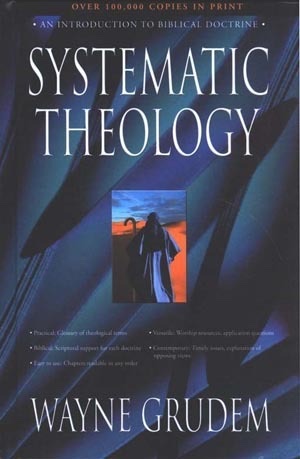 Systematic Theology: An Introduction to Biblical Doctrine
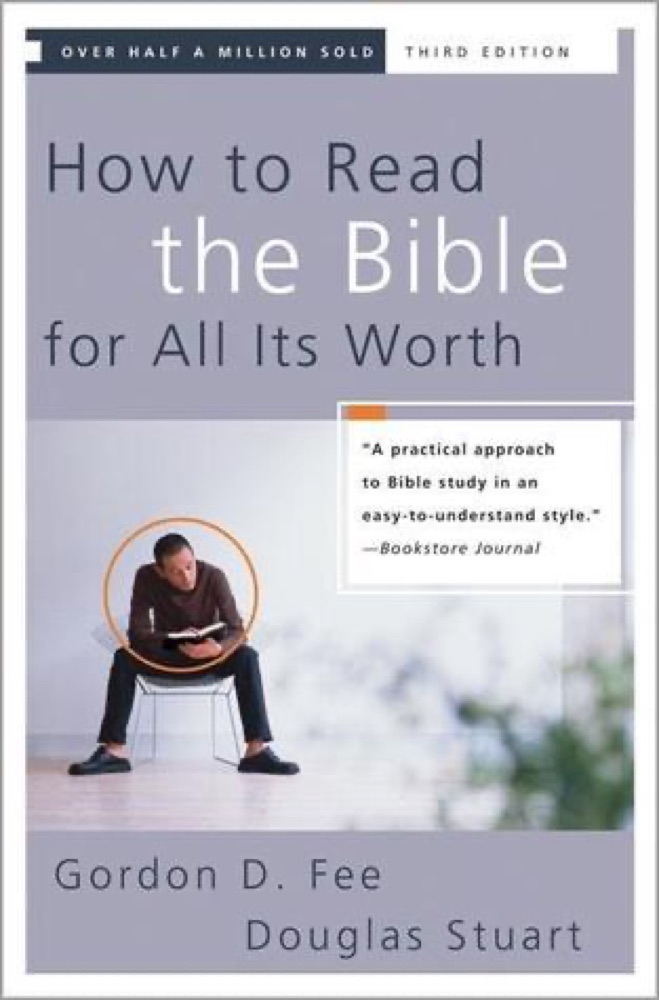 How to Read the Bible for All Its Worth
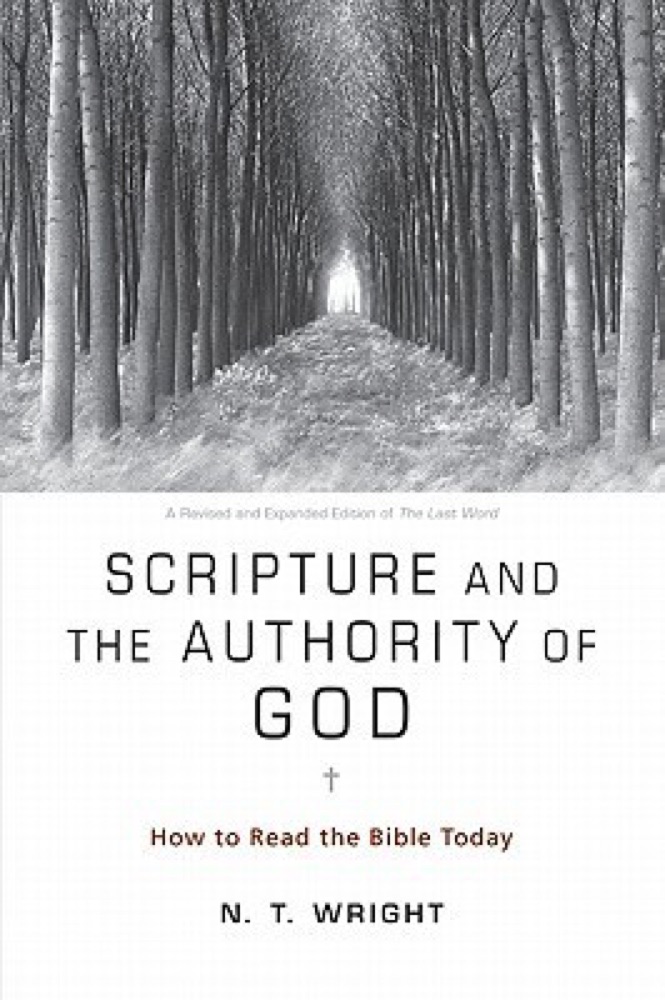 Scripture and the Authority of God: How to Read the Bible Today
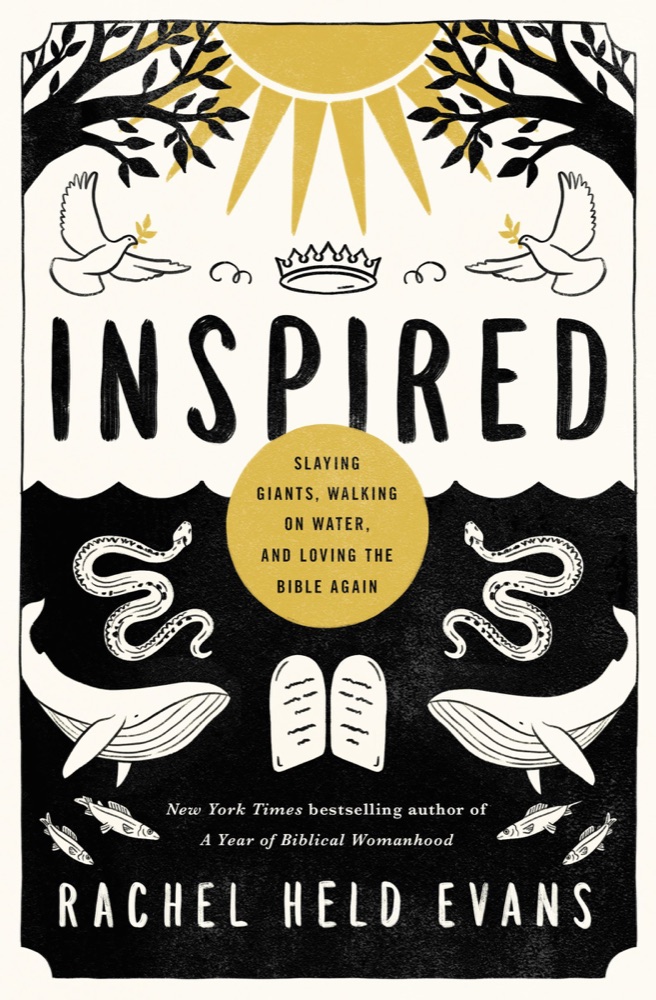 Inspired: Slaying Giants, Walking on Water, and Loving the Bible Again
 What Is the Bible?: How an Ancient Library of Poems, Letters, and Stories Can Transform the Way You Think and Feel About Everything
 Velvet Elvis: Repainting the Christian Faith
 Jesus Among Other Gods: The Absolute Claims of the Christian Message
 Simply Christian
 Knowing God
 The Bible Jesus Read
 All of Grace
 The Sin of Certainty: Why God Desires Our Trust More Than Our "Correct" Beliefs
 The Reason for God: Belief in an Age of Skepticism
 Studies in the Sermon on the Mount
 On Christian Doctrine
 Believing God
 The Explicit Gospel
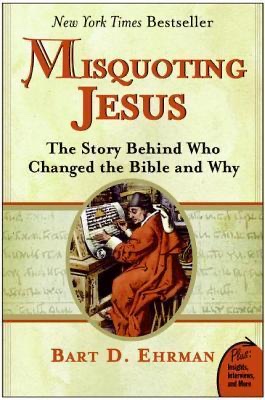 Misquoting Jesus: The Story Behind Who Changed the Bible and Why
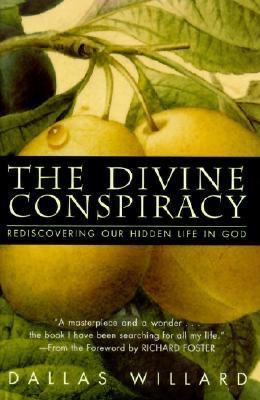 The Divine Conspiracy: Rediscovering Our Hidden Life in God
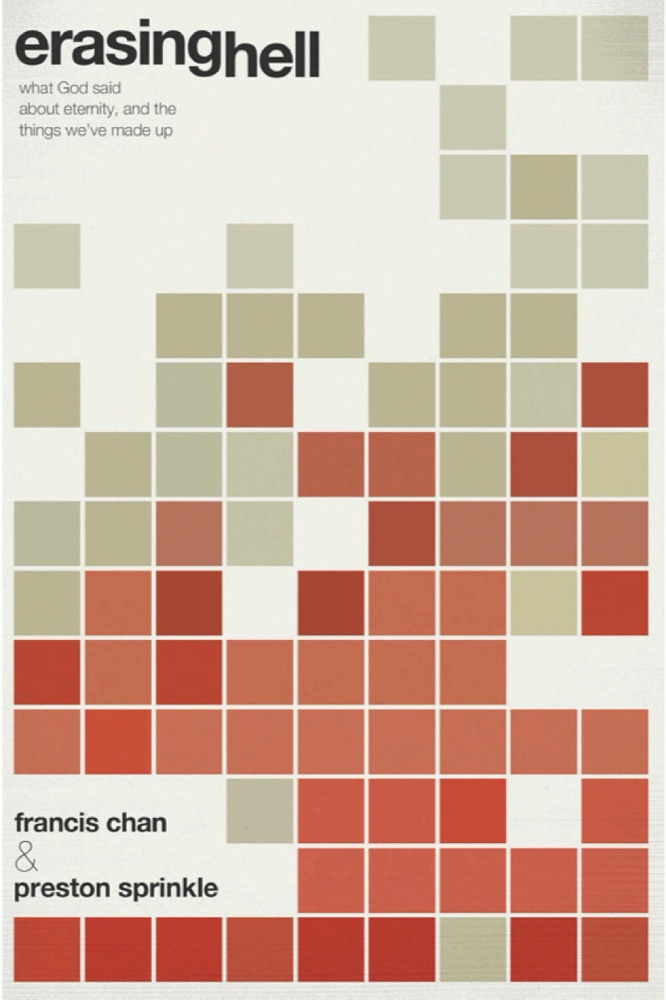 Erasing Hell: What God Said About Eternity, and the Things We've Made Up
 The Sermon on the Mount: The Key to Success in Life
 The Crucible of Doubt: Reflections On the Quest for Faith
 The Challenge of Jesus: Rediscovering Who Jesus Was & Is
 Total Truth: Liberating Christianity from its Cultural Captivity
 Life Application Study Bible: NIV
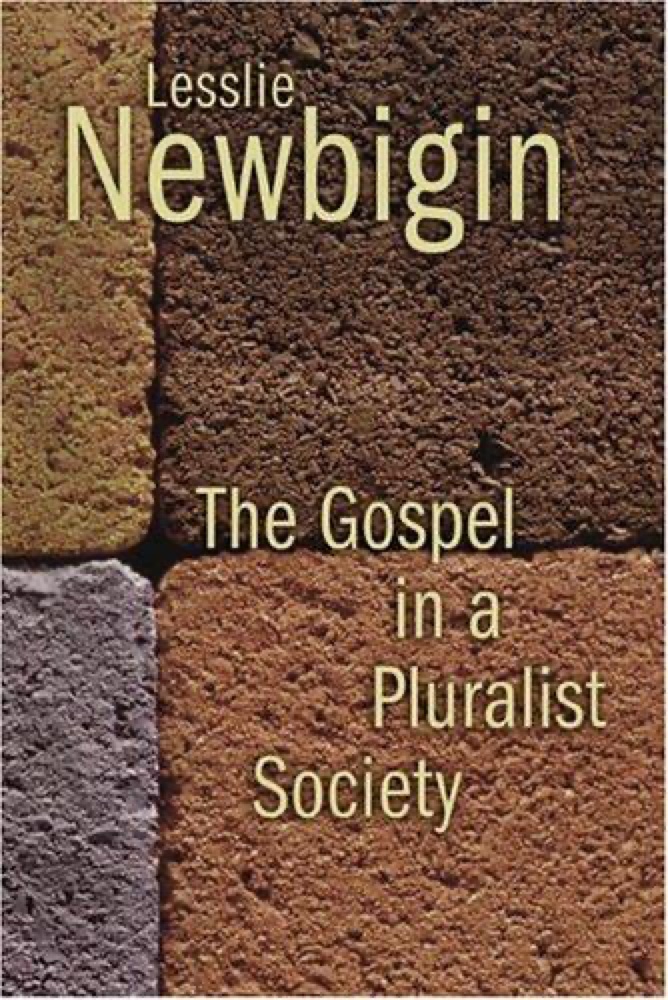 The Gospel in a Pluralist Society
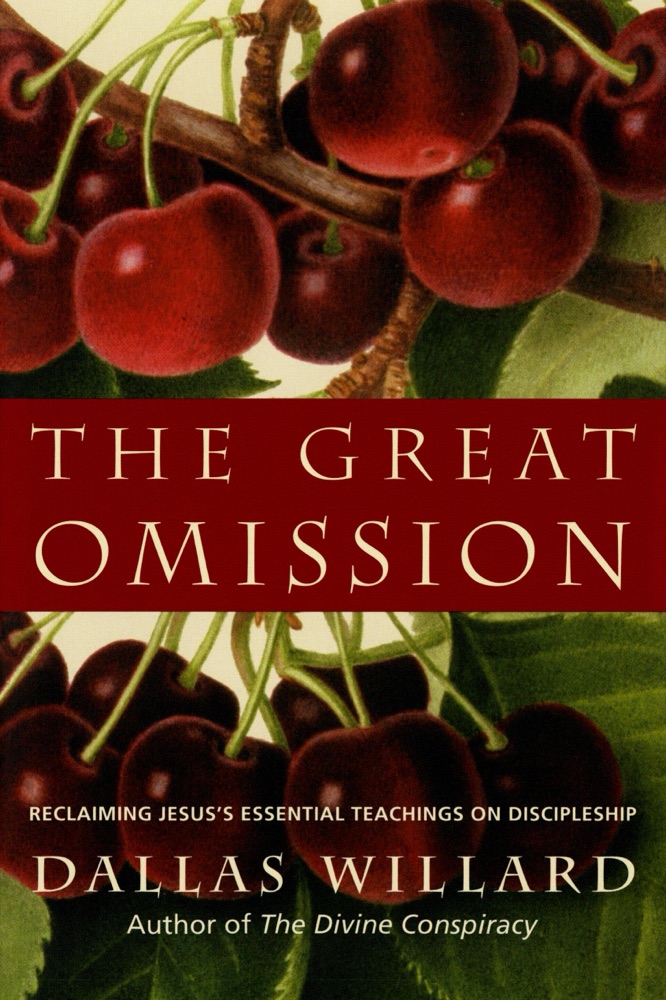 The Great Omission: Reclaiming Jesus's Essential Teachings on Discipleship
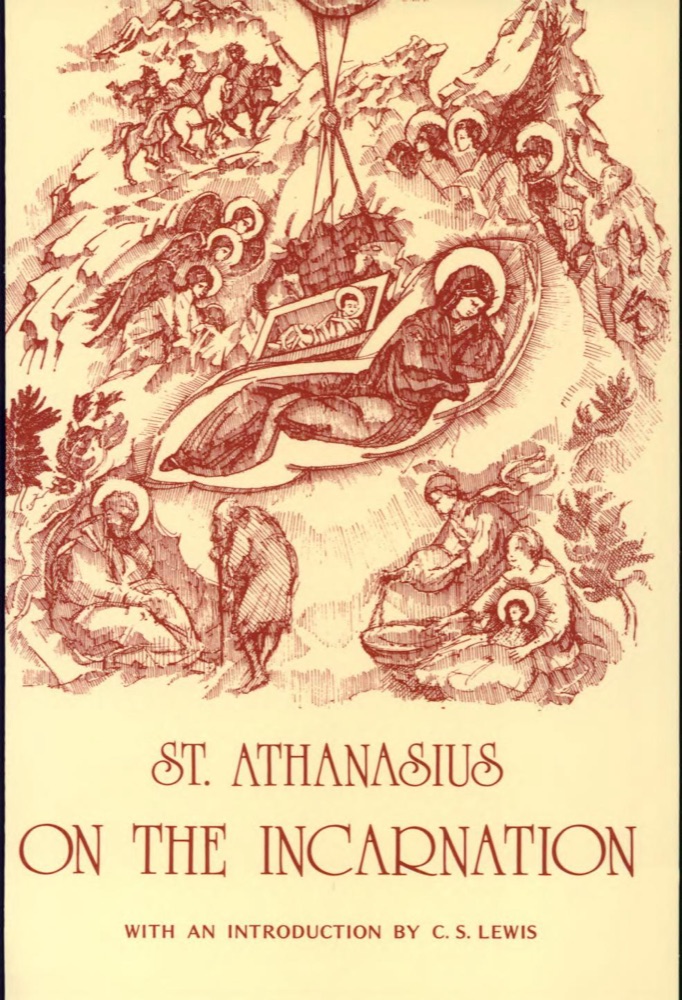 On the Incarnation
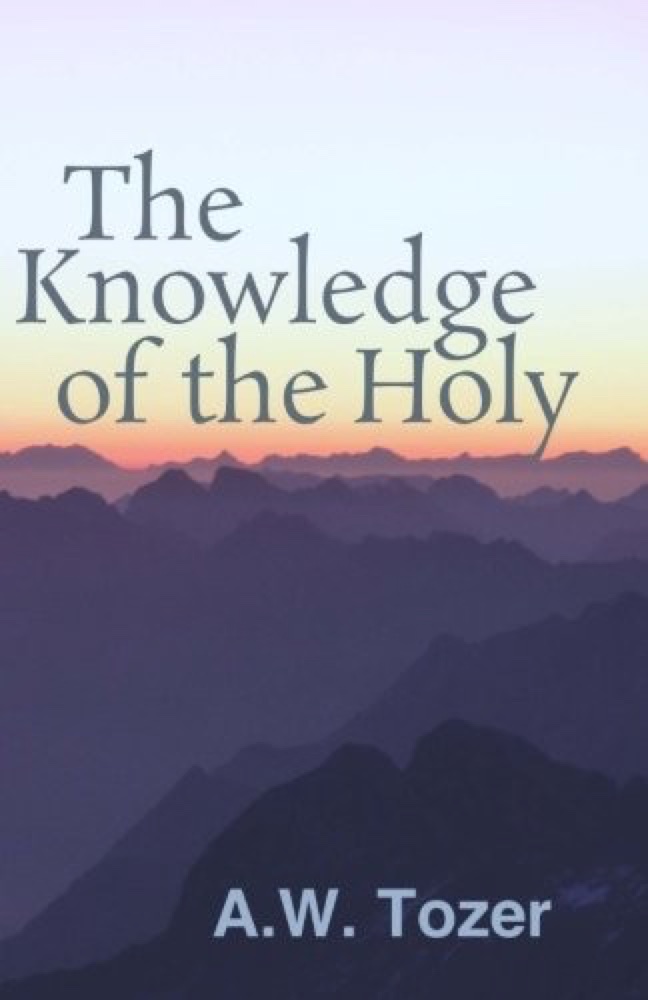 The Knowledge of the Holy
 Radical: Taking Back Your Faith from the American Dream
 The Message Remix
 Jesus of Nazareth: The Infancy Narratives
 Encounters with Jesus: Unexpected Answers to Life's Biggest Questions
 King's Cross: The Story of the World in the Life of Jesus
 Love Wins Low Price CD: Love Wins Low Price CD
 The Attributes of God
 How People Change
 The Sovereignty of God
 Sinners in the Hands of a Loving God: The Scandalous Truth of the Very Good News
 Quest Study Bible: NIV
 None Like Him: 10 Ways God Is Different from Us
 Amazing Grace: A Vocabulary of Faith
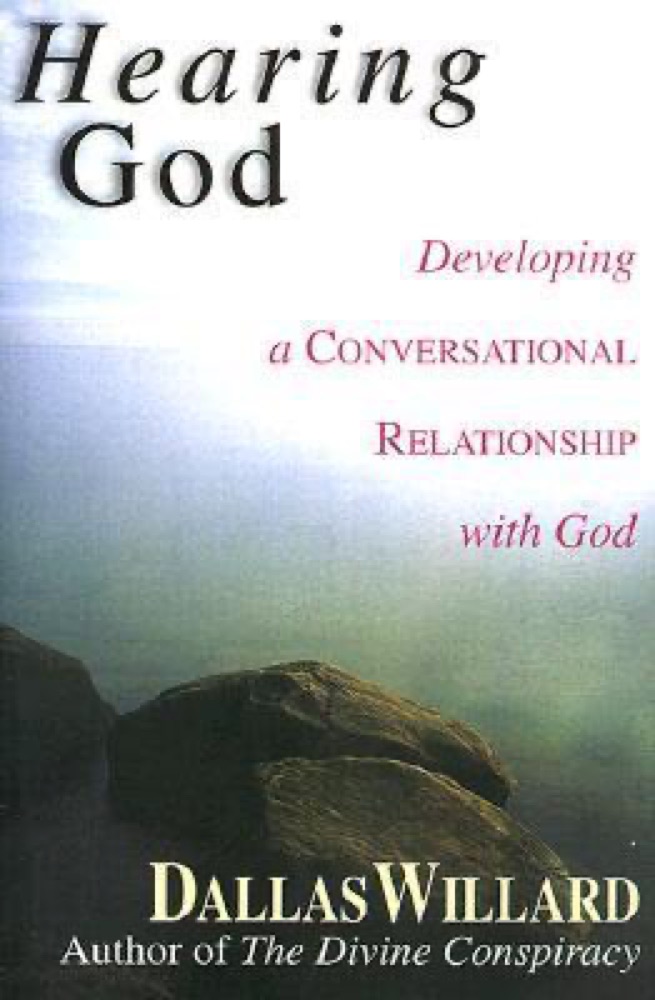 Hearing God: Developing a Conversational Relationship with God
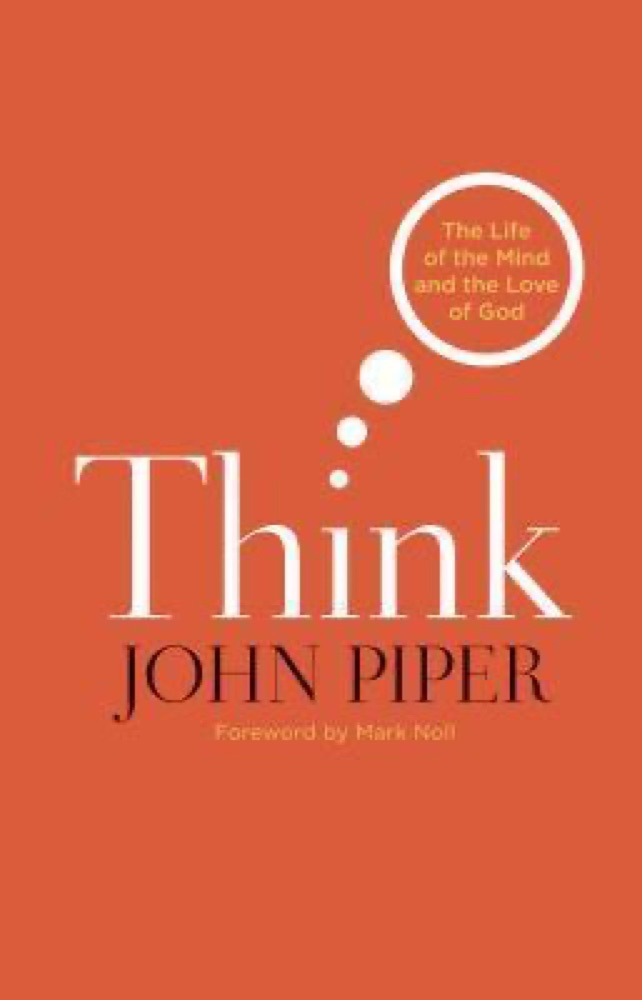 Think: The Life of the Mind and the Love of God
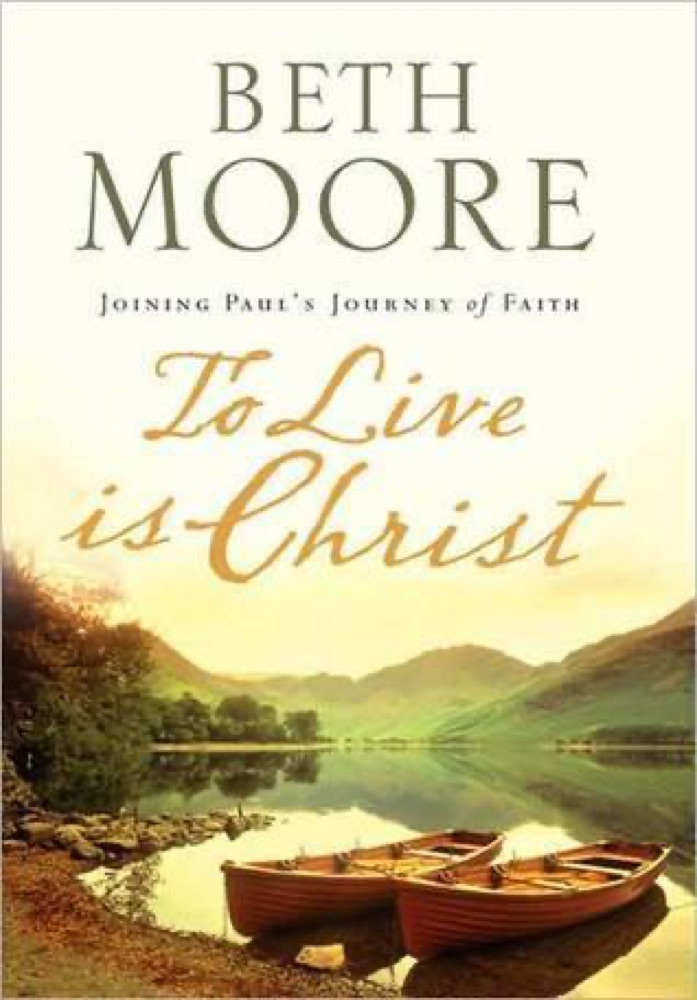 To Live Is Christ: Joining Paul's Journey of Faith
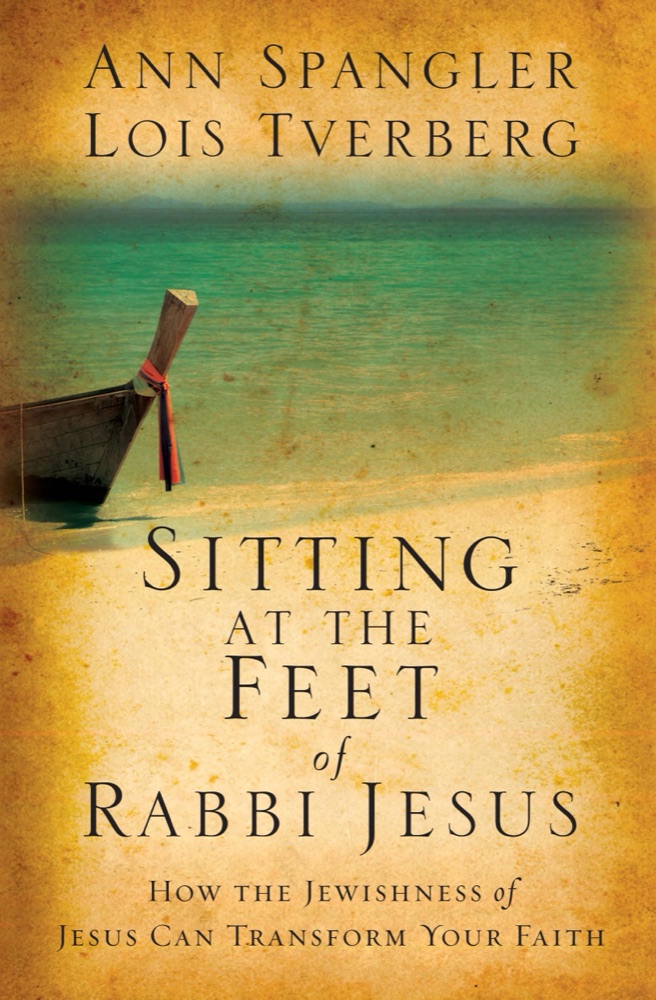 Sitting at the Feet of Rabbi Jesus: How the Jewishness of Jesus Can Transform Your Faith
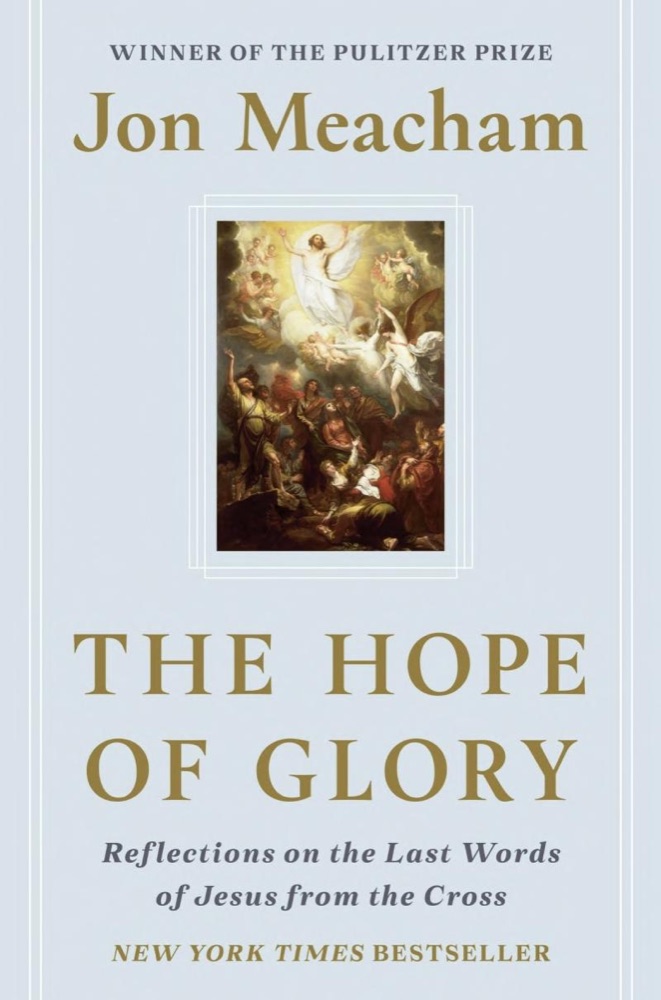 The Hope of Glory: Reflections on the Last Words of Jesus from the Cross
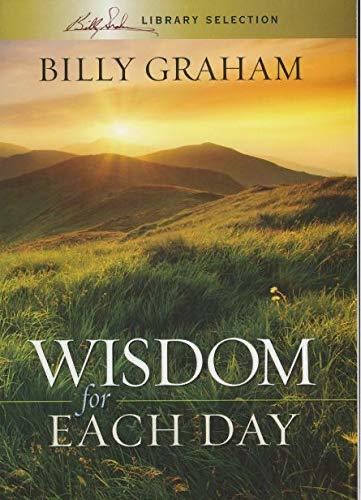 Hope for Each Day: Words of Wisdom and Faith
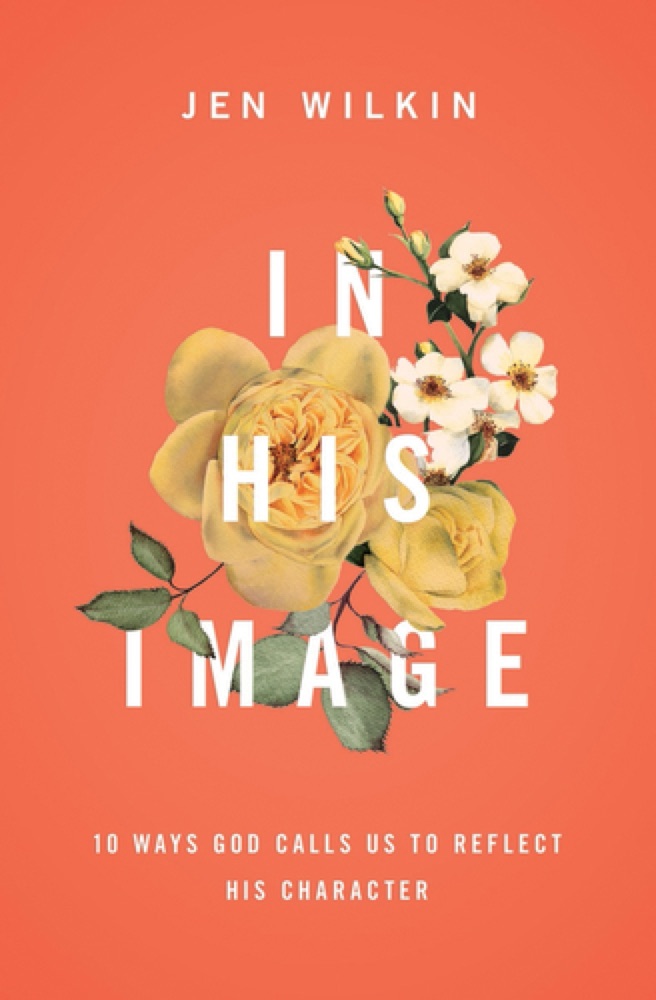 In His Image: 10 Ways God Calls Us to Reflect His Character
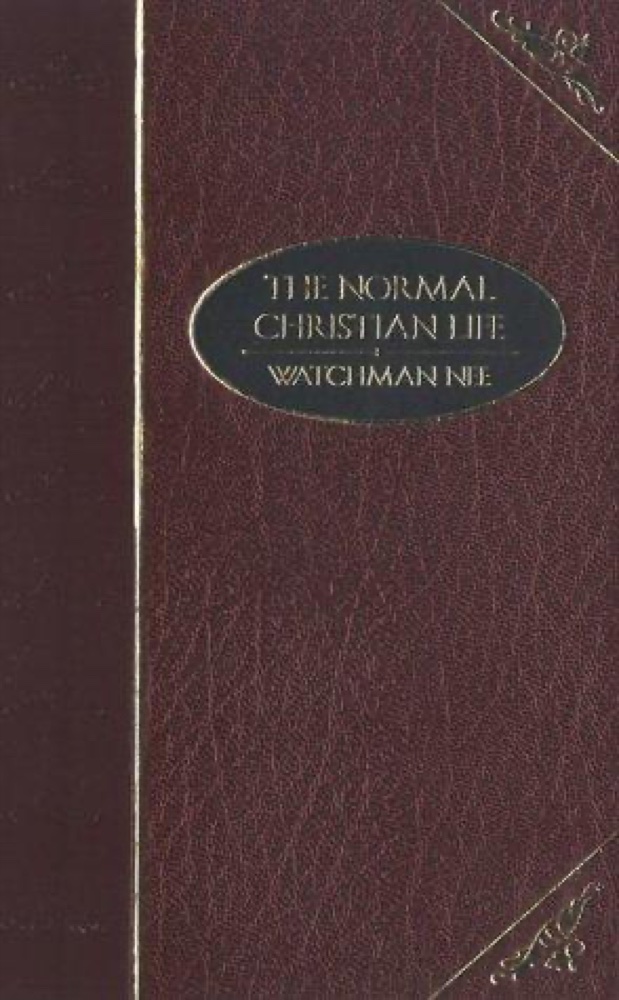 The Normal Christian Life
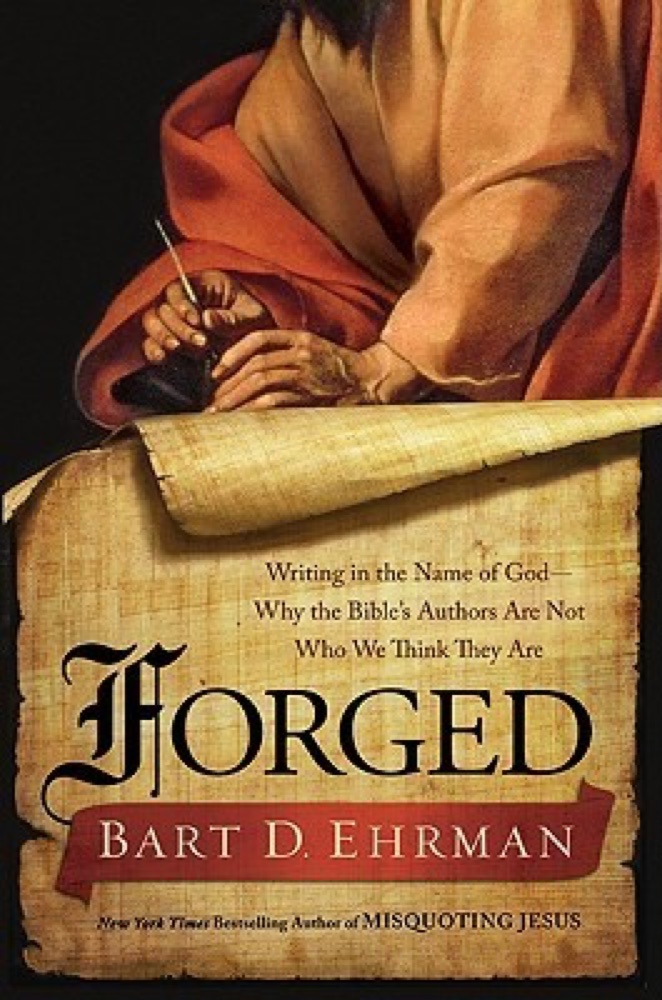 Forged: Writing in the Name of God—Why the Bible's Authors Are Not Who We Think They Are
 Evangelism & the Sovereignty of God
 Holy Bible: ESV Bible
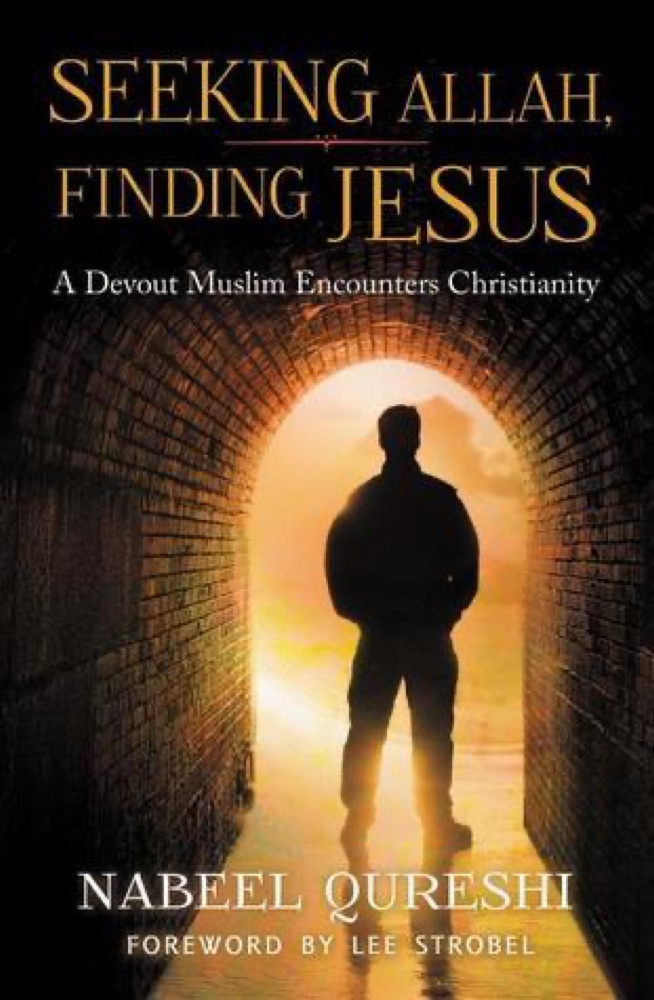 Seeking Allah, Finding Jesus: A Devout Muslim Encounters Christianity
 Gospel: Recovering the Power that Made Christianity Revolutionary
 Discipline: The Glad Surrender