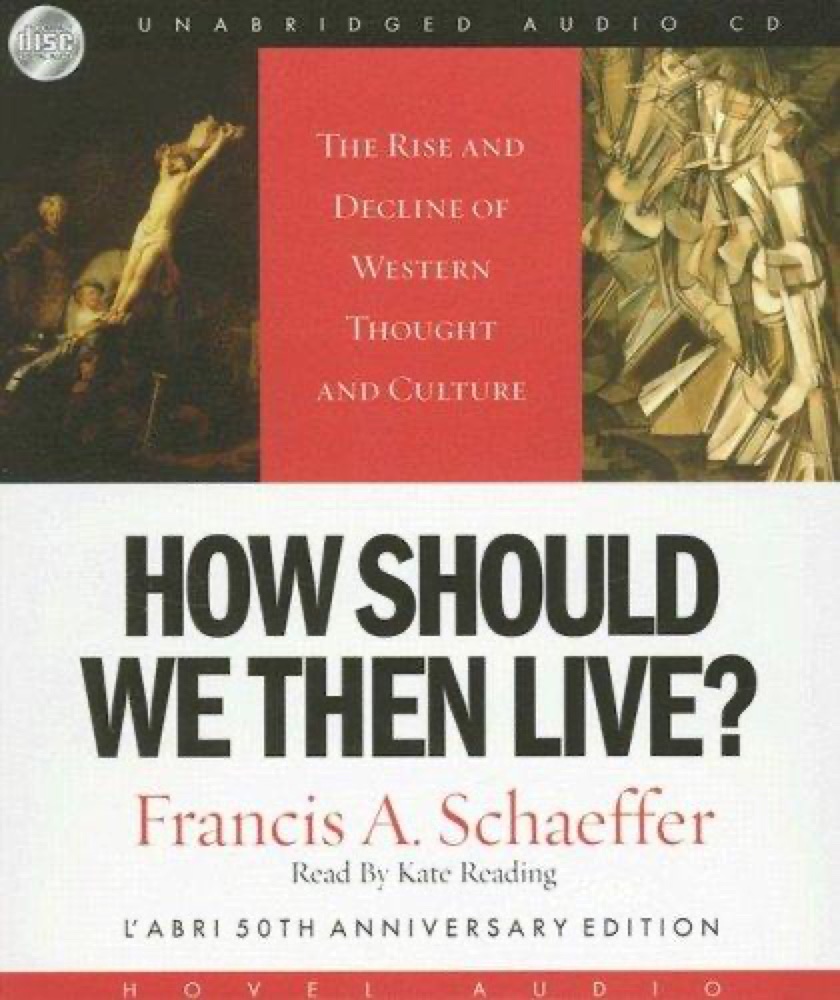
 How Should We Then Live? The Rise and Decline of Western Thought and Culture
Quotes from the Book
People today are trying to hang on to the dignity of man, but they do not know how to, because they have lost the truth that man is made in the image of God. . . . We are watching our culture put into effect the fact that when you tell men long enough that they are machines, it soon begins to show in their actions. You see it in our whole culture -- in the theater of cruelty, in the violence in the streets, in the death of man in art and life.
31
We cannot deal with people like human beings, we cannot deal with them on the high level of true humanity, unless we really know their origin-who they are. God tells man who he is. God tells us that He created man in His image. So man is something wonderful.
12
Evangelical Christians need to notice..., that the Reformation said 'Scripture Alone' and not 'the Revelation of God in Christ Alone'. If you do not have the view of the Scriptures that the Reformers had, you really have no content in the word 'Christ' - and this is the modern drift in theology. Modern theology uses the word without content because 'Christ' is cut away from the Scriptures. The Reformation followed the teaching of Christ Himself in linking the revelation Christ gave of God to the revelation of the written Scriptures.
11
Christianity has the opportunity, therefore, to speak clearly of the fact that its answer has the very thing that modern man has despaired of—the unity of thought. It provides a unified answer for the whole of life. It is true that man will have to renounce his rationalism, but then, on the basis of what can be discussed, he has the possibility of recovering his rationality. You may now see why I stressed so strongly, earlier, the difference between rationalism and rationality. Modern man has lost the latter. But he can have it again with a unified answer to life on the basis of what is open to verification and discussion.
Often people say to me, “How is it that you seem to be able to communicate with these far-out people? You seem to be able to talk in such a way that they understand what you’re saying, even if they do not accept it.” There may be a number of reasons why this is so, but one is that I try to get them to consider the biblical system and its truth without an appeal to blind authority—that is, as though believing meant believing just because one’s family did or as though the intellect had no part in the matter. This is the way I became a Christian. I had gone to a “liberal” church for many years. I decided that the only answer, on the basis of what I was hearing, was agnosticism or atheism. On the basis of liberal theology I do not think I have ever made a more logical decision in my life. I became an agnostic, and then I began to read the Bible for the first time—in order to place it against some Greek philosophy I was reading. I did this as an act of honesty in so far as I had given up what I thought was Christianity but had never read the Bible through. Over a period of about six months I became a Christian because I was convinced that the full answer which the Bible presented was alone sufficient to the problems I then knew, and sufficient in a very exciting way.
Christianity’s answer rests in the historic, space-time, real and complete Fall. Aquinas’s error was an incomplete Fall.
Nature had to be freed from the Byzantine mentality and returned to a proper biblical emphasis; and it was the biblical mentality which gave birth to modern science.
And Paul says in Romans 6 that even in the present life we are to have a substantial reality of the redemption of the whole man.
The doctrine of the bodily resurrection of the dead is not an old-fashioned thing. It tells us that God loves the whole man and the whole man is important. The biblical teaching, therefore, opposes the Platonic, which makes the soul (the “upper”) very important and leaves the body (the “lower”) with little importance at all. The biblical view also opposes the humanist position where the body and autonomous mind of man become important and grace becomes very unimportant.
It is an important principle to remember, in the contemporary interest in communication and in language study, that the biblical presentation is that, though we do not have exhaustive truth, we have from the Bible what I term “true truth.” In this way we know true truth about God, true truth about man and something truly about nature. Thus on the basis of the Scriptures, while we do not have exhaustive knowledge, we have true and unified knowledge.
Evangelical Christians need to notice, at this point, that the Reformation said “Scripture alone” and not “the Revelation of God in Christ alone.” If you do not have the view of the Scriptures that the Reformers had, you really have no content in the word Christ, and this is the modern drift in theology. Modern theology uses the word without content because Christ is cut away from the Scriptures. The Reformation followed the teaching of Christ himself in linking the revelation Christ gave of God to the revelation of the written Scriptures.
This was true in two areas. First of all there was nothing autonomous in the area of final authority. For the Reformation, final and sufficient knowledge rested in the Bible—that is, Scripture Alone, in contrast to Scripture plus anything else parallel to the Scriptures, whether it be the church or a natural theology. Second, there was no idea of man being autonomous in the area of salvation. In the Roman Catholic position there was a divided work of salvation—Christ died for our salvation, but man had to merit the merit of Christ. Thus there was a humanistic element involved. The Reformers said that there is nothing man can do; no autonomous or humanistic, religious or moral effort of man can help. One is saved only on the basis of the finished work of Christ as he died in space and time in history, and the only way to be saved is to raise the empty hands of faith and, by God’s grace, to accept God’s free gift—Faith Alone.
What was the Reformation answer? It said that the root of the trouble sprang from the old and growing Humanism in the Roman Catholic Church, and the incomplete Fall in Aquinas’s theology which set loose an autonomous man. The Reformation accepted the biblical picture of a total Fall. The whole man had been made by God, but now the whole man is fallen, including his intellect and will.
The point to be stressed is that, when nature is made autonomous, it is destructive. As soon as one allows an autonomous realm one finds that the lower element begins to eat up the higher. In what follows I shall be speaking of these two elements as the “lower story” and the “upper story.” LEONARDO DA VINCI AND RAPHAEL The next man to examine is Leonardo da Vinci.
In Aquinas’s view the will of man was fallen, but the intellect was not. From this incomplete view of the biblical Fall flowed all the subsequent difficulties. Man’s intellect became autonomous. In one realm man was now independent, autonomous.
Christ died for a man who had true moral guilt because he had made a real and true choice.
Watch on YouTube
About Francis A. Schaeffer
We have collected 62 quotes from 4 books by Francis A. Schaeffer on BookQuoters.
More about the author →More by Francis A. Schaeffer
How Should We Then Live? The Rise and Decline of Western Thought and Culture
 A Christian Manifesto
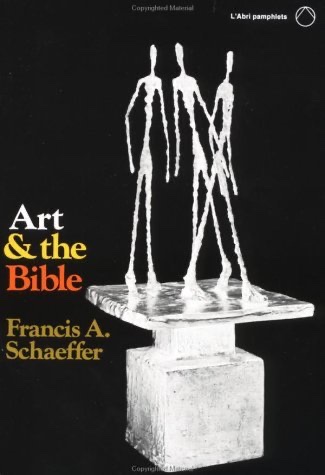 Art and the Bible: Two Essays
About the book
Truth used to be based on reason. No more. What we feel is now the truest source of reality. Despite our obsession with the emotive and the experiential, we still face anxiety, despair, and purposelessness. How did we get here? And where do we find a remedy? In this modern classic, Francis A. Schaeffer traces trends in twentieth-century thought and unpacks how key ideas have shaped our society. Wide-ranging in his analysis, Schaeffer examines philosophy, science, art and popular culture to identify dualism, fragmentation and the decline of reason. Schaeffer's work takes on a newfound relevance today in his prescient anticipation of the contemporary postmodern ethos. His critique demonstrates Christianity's promise for a new century, one in as much need as ever of purpose and hope.
Book details
- First published
- 1968
- Author
- Francis A. Schaeffer
- Genre
- Philosophy
- Goodreads rating
- 4.21 (3k ratings)
Keep reading
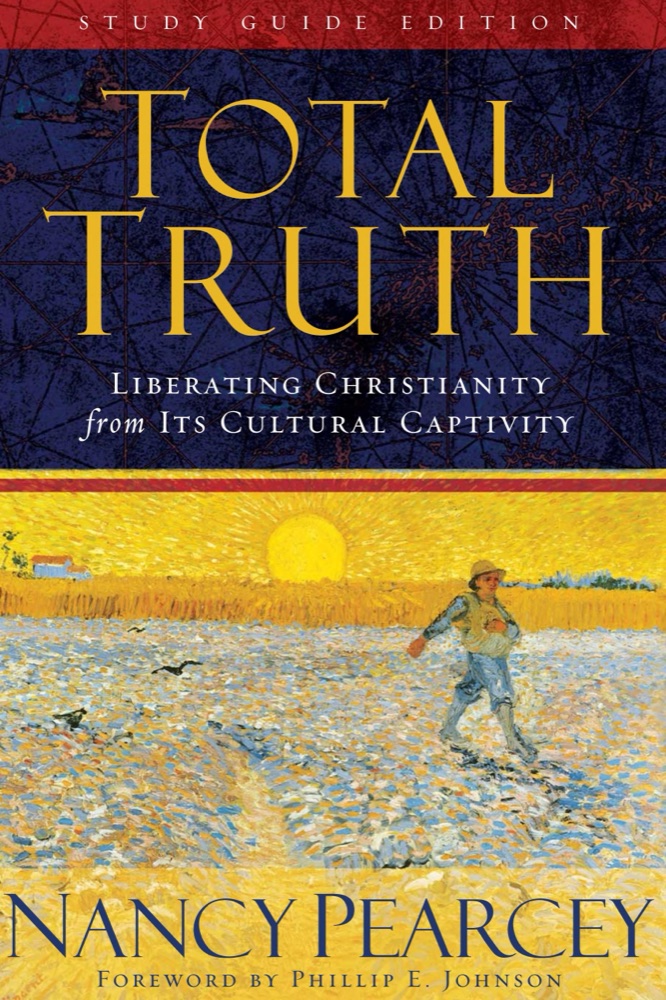 Total Truth: Liberating Christianity from its Cultural Captivity
 The Reason for God: Belief in an Age of Skepticism
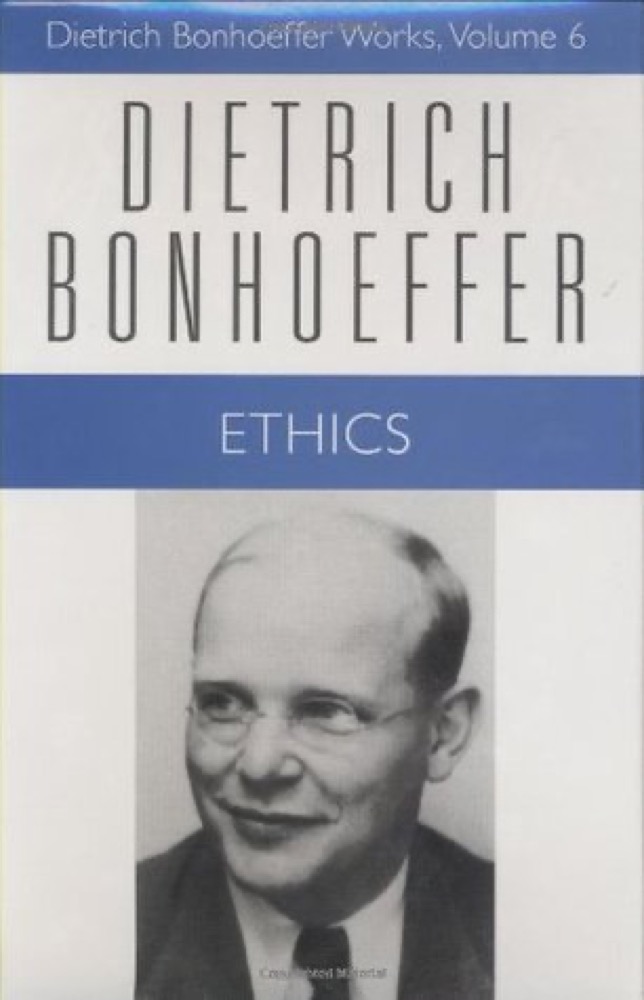 Ethics
 What's So Great About Christianity
 Reasonable Faith
 The Gospel in a Pluralist Society
 The Age of Reason
 The Orthodox Way
 That All Shall Be Saved: Heaven, Hell, and Universal Salvation
 Summa Theologica
 Studies in the Sermon on the Mount
 Simply Christian
 Resident Aliens: Life in the Christian Colony
 The Crucible of Doubt: Reflections On the Quest for Faith
 The Mind of the Maker: Dorothy L. Sayers' Witty Classic on the Trinity, Christianity, and Human Creativity
 The Perennial Philosophy
 Systematic Theology: An Introduction to Biblical Doctrine
 Think: The Life of the Mind and the Love of God
How Should We Then Live? The Rise and Decline of Western Thought and Culture
Think: The Life of the Mind and the Love of God
How Should We Then Live? The Rise and Decline of Western Thought and Culture
 The Prodigal God: Recovering the Heart of the Christian Faith
 On the Incarnation
 Jesus Among Other Gods: The Absolute Claims of the Christian Message
 The Everlasting Man
 Jesus of Nazareth: The Infancy Narratives
 Surprised by Hope: A Study of Christian Hope and Resurrection
 My Bright Abyss: Meditation of a Modern Believer
 The Spirit of the Disciplines: Understanding How God Changes Lives
 Life of Christ
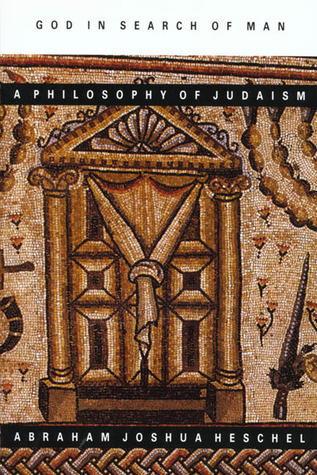 God in Search of Man: A Philosophy of Judaism
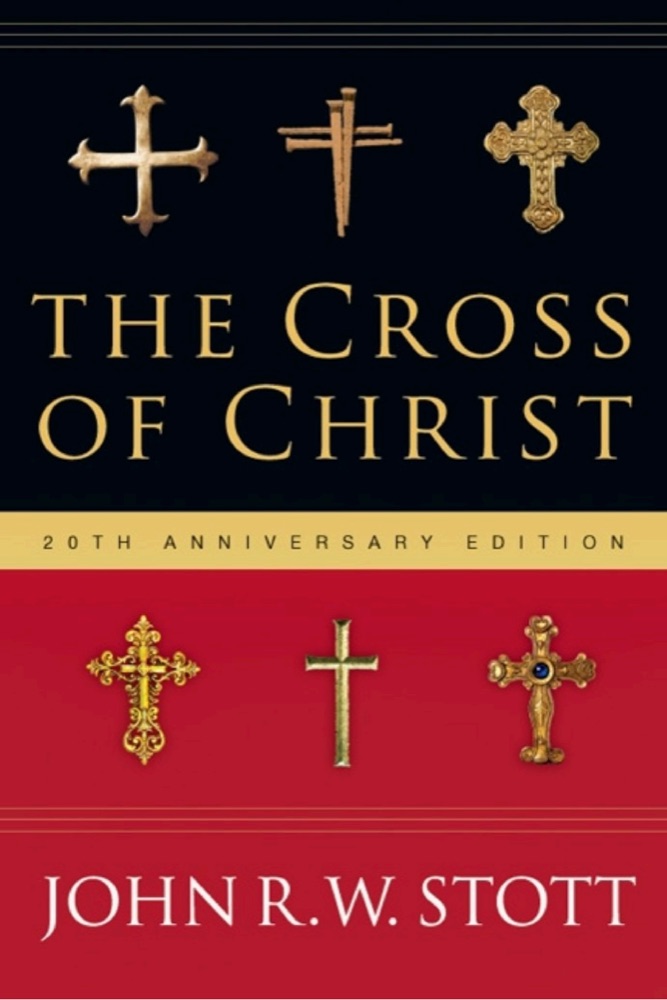 The Cross of Christ
 Letters and Papers from Prison
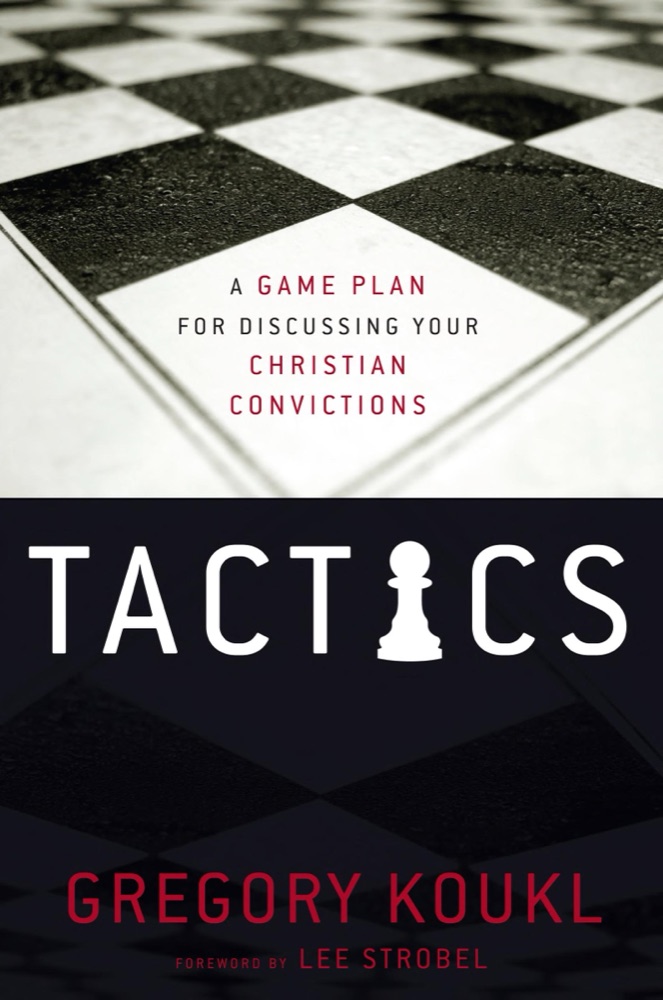 Tactics: A Game Plan for Discussing Your Christian Convictions
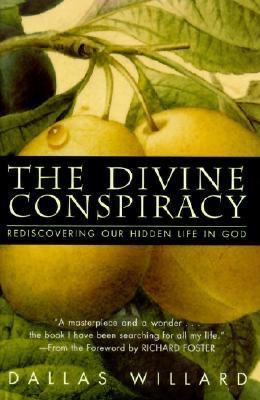 The Divine Conspiracy: Rediscovering Our Hidden Life in God
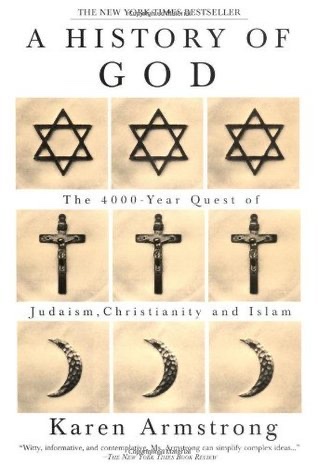 A History of God: The 4,000-Year Quest of Judaism, Christianity, and Islam
 Orthodoxy
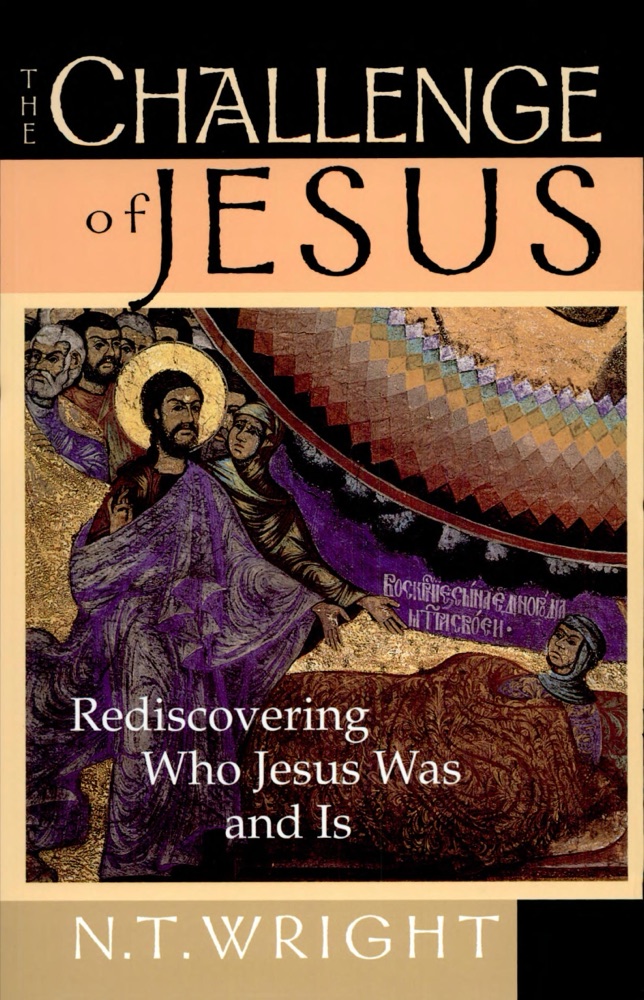 The Challenge of Jesus: Rediscovering Who Jesus Was & Is
 Velvet Elvis: Repainting the Christian Faith
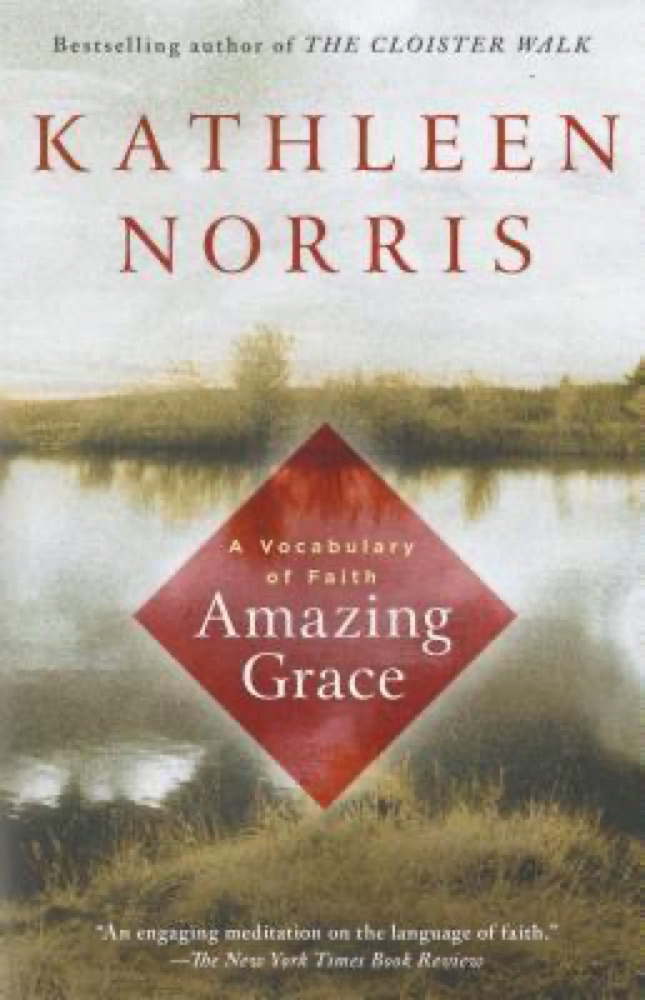 Amazing Grace: A Vocabulary of Faith
 On Christian Doctrine
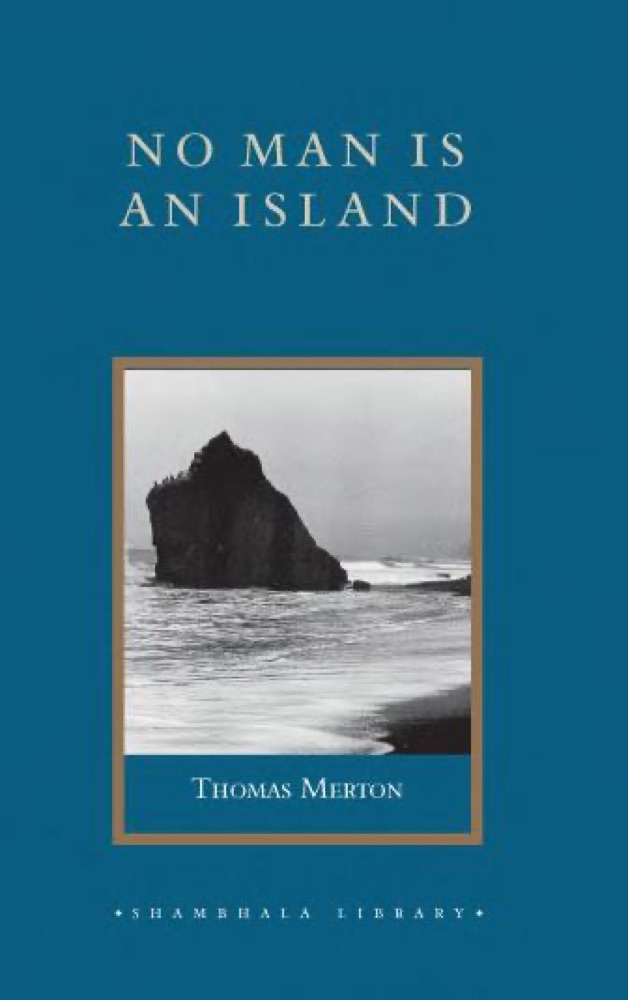 No Man Is an Island
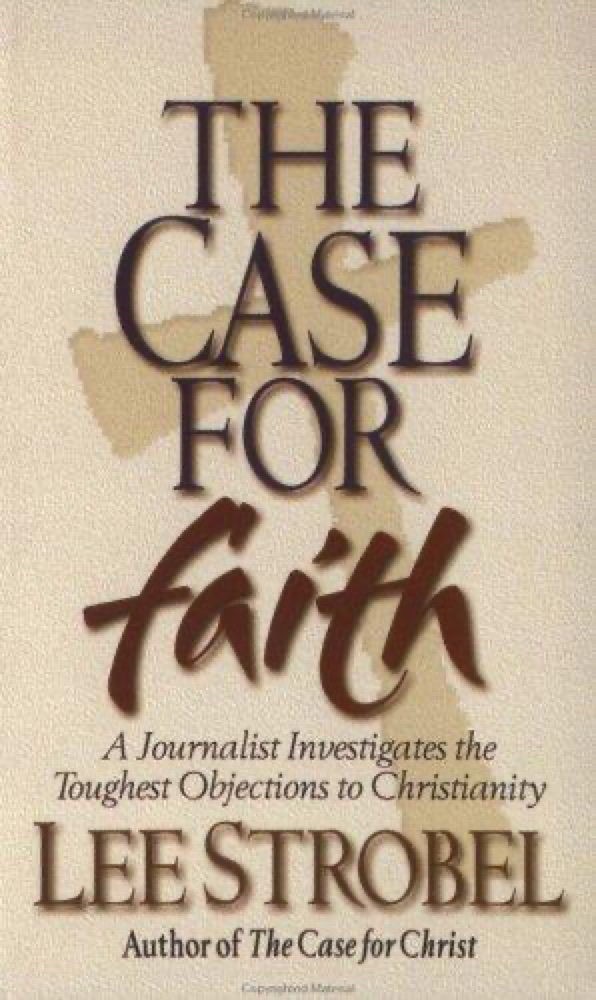 The Case for Faith: A Journalist Investigates the Toughest Objections to Christianity
 The Divine Dance: The Trinity and Your Transformation
 The Benedict Option: A Strategy for Christians in a Post-Christian Nation
 The Knowledge of the Holy
 The Kingdom of God Is Within You
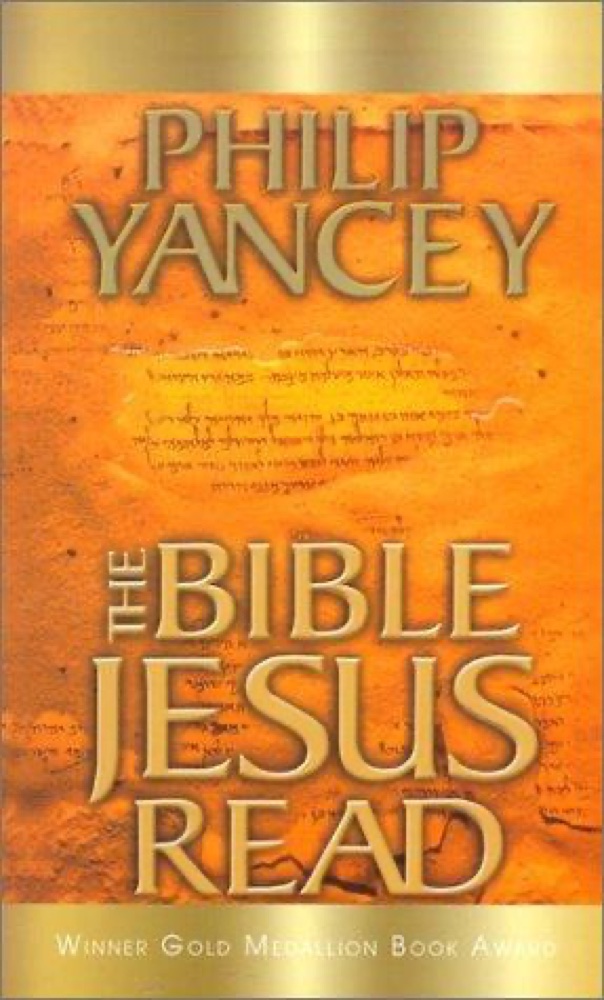 The Bible Jesus Read
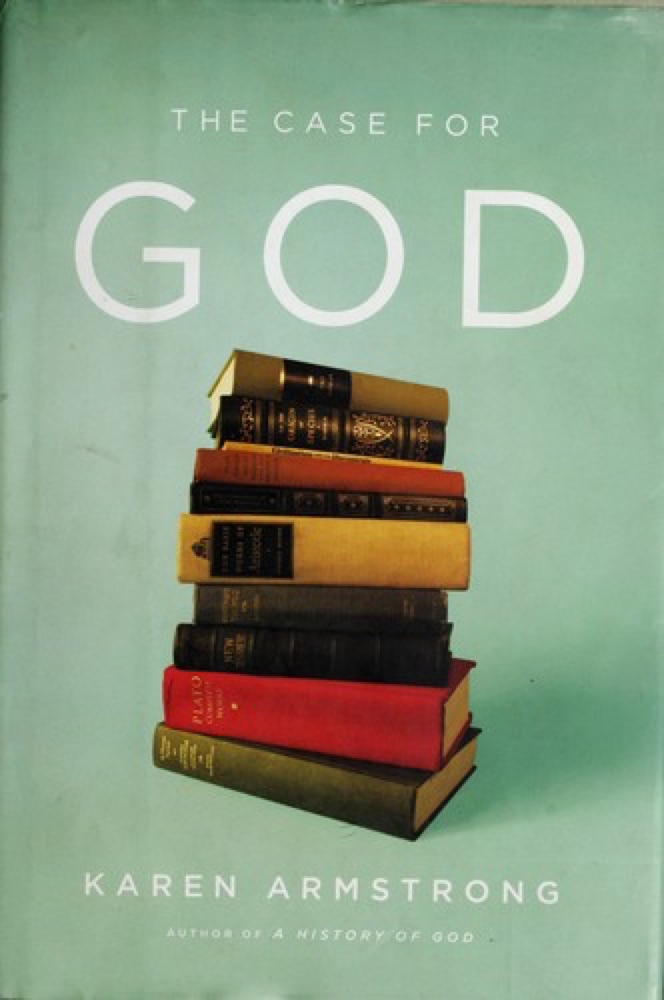 The Case for God
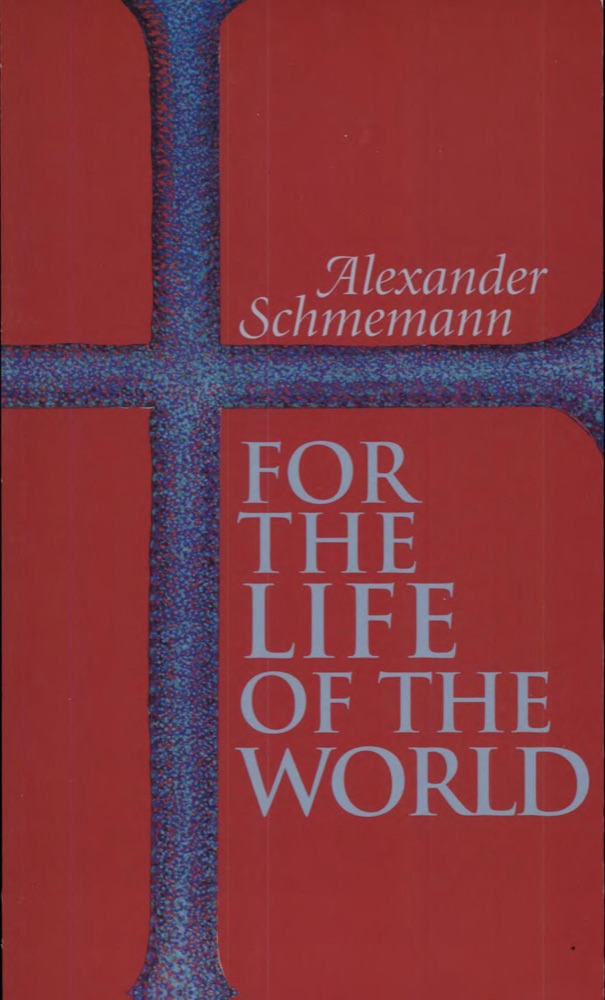 For the Life of the World: Sacraments and Orthodoxy
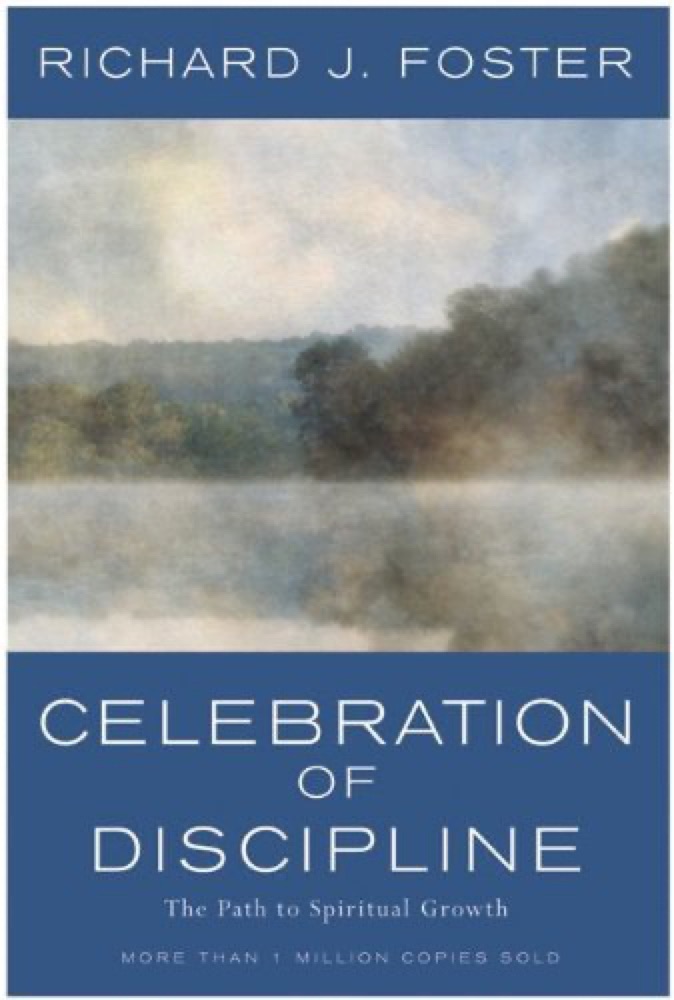 Celebration of Discipline: The Path to Spiritual Growth
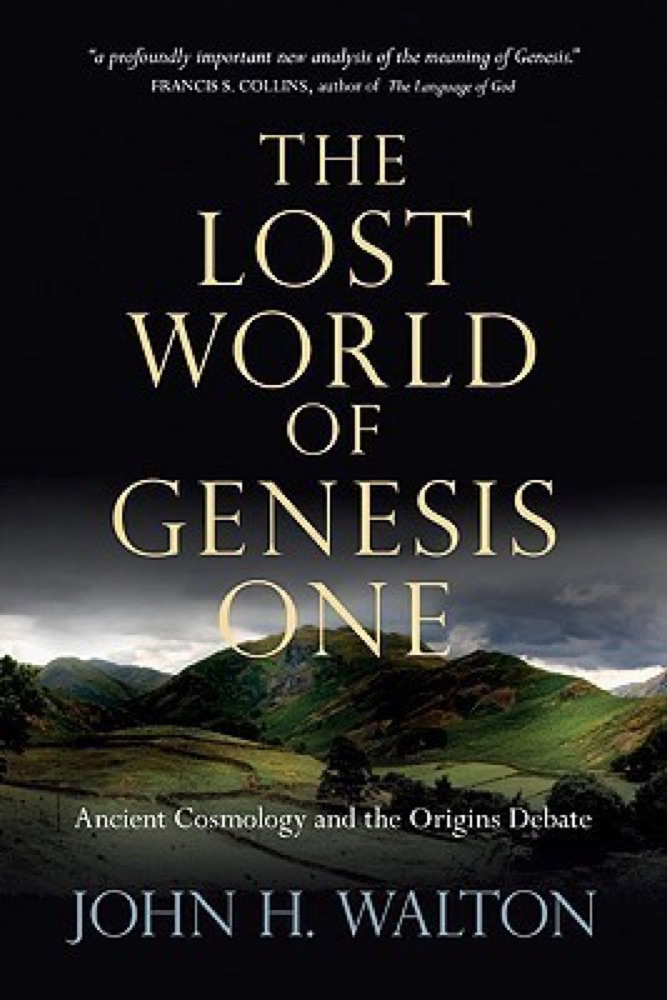 The Lost World of Genesis One: Ancient Cosmology and the Origins Debate (Volume 2)
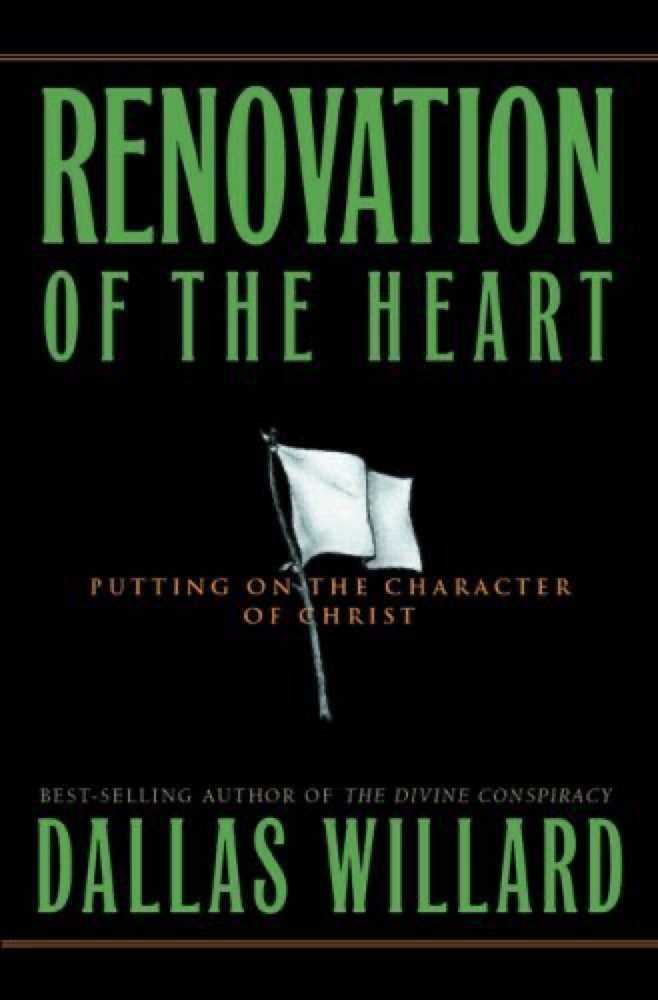 Renovation of the Heart: Putting On the Character of Christ
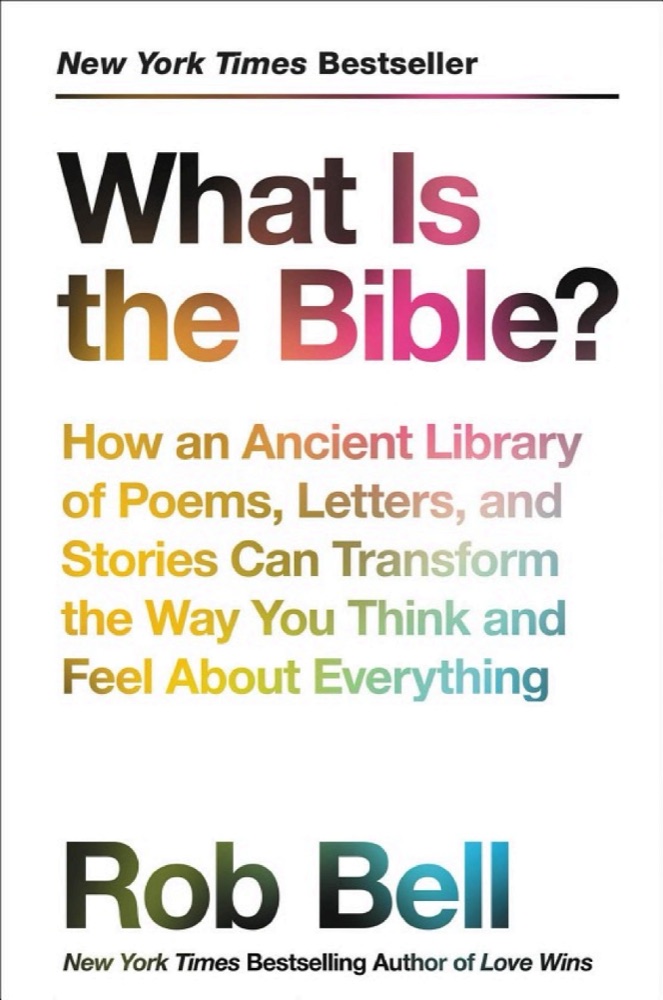 What Is the Bible?: How an Ancient Library of Poems, Letters, and Stories Can Transform the Way You Think and Feel About Everything
 Discipline: The Glad Surrender
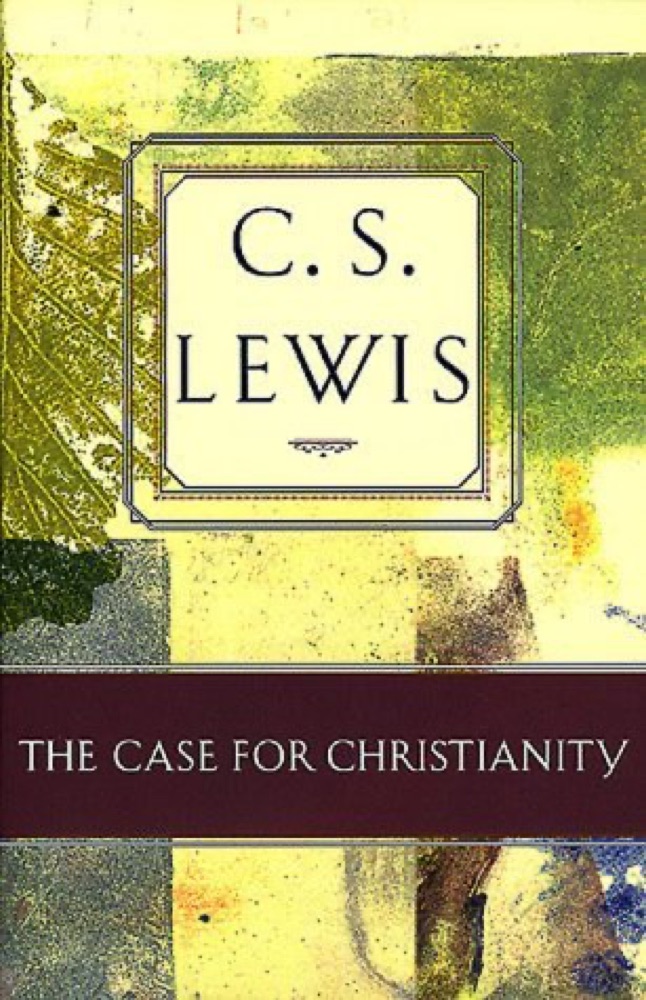 The Case for Christianity
 Finding God in the Waves: How I Lost My Faith and Found It Again Through Science
 Instruments in the Redeemer's Hands: People in Need of Change Helping People in Need of Change
 The Explicit Gospel
 The Hope of Glory: Reflections on the Last Words of Jesus from the Cross
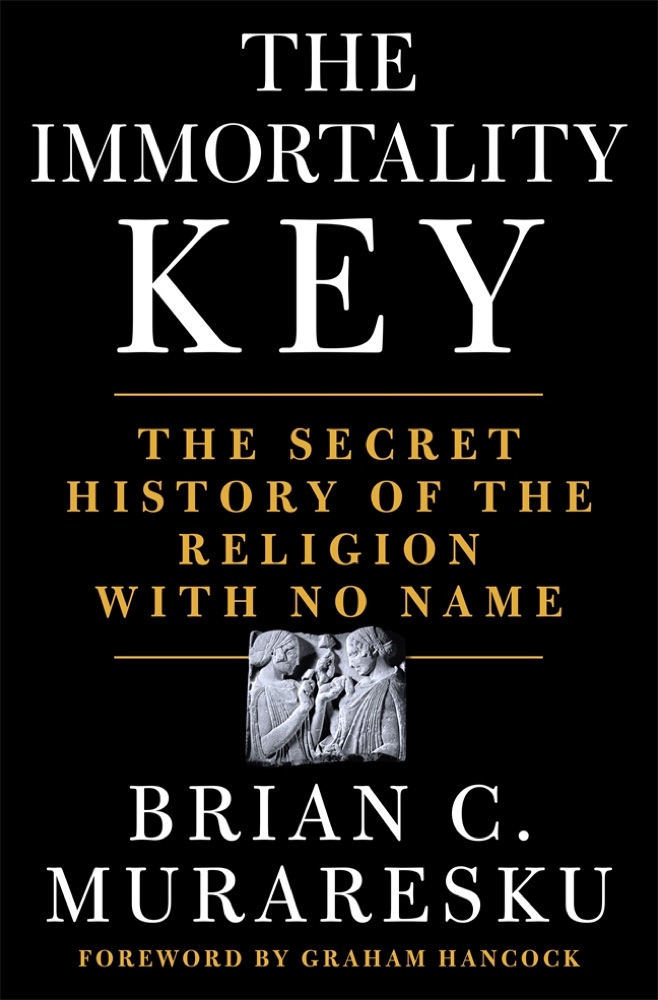 The Immortality Key: Uncovering the Secret History of the Religion with No Name