
 Ada, or Ardor: A Family Chronicle
Quotes from the Book
NEUTRALITY, BOREDOM become worse sins than murder, worse than illicit love affairs,” she told her Smith College students in 1958. “BE RIGHT OR WRONG, don’t be indifferent, don’t be NOTHING.
7
Anything to evade the life not lived, the poem not written, the love not realized.
4
I lust for him, and in my mind I am ripped to bits by the words he welds and wields...and glory in the temporary sun of his ruthless force.
2
She was, [Wilfrid Riley] recalled, "a very clever person, but you couldn't be at ease with her some way. She wasn't with you. She was up in the clouds, always studying poetry, what have you . . . You couldn't sit with her and converse with her like you can normal people." It wasn't pride, he thought, that made her this way. "Shyness came into it. She couldn't lend herself to people. She was a little bit aloof from people, and I don't think she intended to be.
2
She was determined to live as fully as possible—to write, to travel, to cook, to draw, to love as much and as often as she could. She was, in the words of a close friend, “operatic” in her desires, a “Renaissance woman” molded as much by Romantic sublimity as New England stoicism.5 She was as fluent in Nietzsche as she was in Emerson; as much in thrall to Yeats’s gongs and gyres as Frost’s silences and snow.
2
BE RIGHT OR WRONG, don’t be indifferent, don’t be NOTHING.
1
I am a damn good high priestess of the intellect,
1
Plath was determined to play her part, but, as Stevenson’s speech suggests, the odds were against her. She lived in a shamelessly discriminatory age when it was almost impossible for a woman to get a mortgage, loan, or credit card; when newspapers divided their employment ads between men and women (“Attractive Please!”); the word “pregnant” was banned from network television; and popular magazines encouraged wives to remain quiet because, as one advice columnist put it, “his topics of conversation are more important than yours.
1
get ignored and trampled. They decompose in the bloody soil of war, of business, of art, and they rot into the warm ground under the spring rains. It is the bold, the loud-mouthed, the cruel, the vital, the revolutionaries, the mighty in arms and will, who march over the soft patient flesh that lies beneath their cleated boots.
It feels like bewilderment and it is. It moves me like a puppet, and I am. In this I have lost freedom.
And as you and I believe,” she wrote Miriam in the depths of grief, “whatever the cost, the awareness, the leaping up of the heart must remain with us.
By the time she published Letters Home, Aurelia ascribed her daughter’s suicide to “some darker day than usual.” Lorna Secker-Walker agreed: “One must think of her suicide as a moment of madness, and not really relevant to her life, in a sense. Not what her life was about, really.
There is no choice. It is like the last stage of a cancer of a mind. You don’t know what you’re doing. You’ve been made crazy by the drugs….I don’t think the world as we know it knows what mental illness
Assia came to believe that Sylvia’s suicide had been her fault: “She never, never thought otherwise.
He had inherited a mother’s responsibilities, and a mother’s lack of freedom, at exactly the moment he had been plotting his escape. But he loved his children too much to abandon them, and he fretted over their future.
Never was Sylvia mentioned. Never, by anyone.
that causes some kinds of depression” from her paternal relatives.36 (Aurelia likely told him that three women in Otto’s family, including his mother, had suffered from the disease.)37
If only he’d given Sylvia as much “care, thought” as he devoted to some small task, he “could have helped her to live for a lifetime.” “But I depended on a resilience in her that I was too blind to see wasn’t there.
To Daniel Huws, he wrote bluntly, “No doubt where the blame lies.
or he may have felt too guilty to speak to Aurelia. Dot was left to shatter Aurelia’s world. Warren and Maggie flew over while Aurelia, lost in grief, remained in Wellesley. She assumed that Sylvia had died of pneumonia until Warren told her, in his February 17th letter from Halifax, the “hard news” that she had died from “carbon monoxide poisoning from the gas stove.
This may have been the result of random spasms, or she may have tried to get up, too late. Both children probably would have been awake and crying by seven a.m.
The evil times,” Hughes later wrote, “were those two or three hours between the effects of one dose wearing off, and the effect of the next dose taking hold, in the early morning. In the last paragraph of her diary, she described her fear of the horror of these hours.
I would have no more interrupted nights. And pity tires the heart. For which thoughts I was to endure long remorse.
I’d wait for her to pick up a spoon, a sponge or whatever, but she didn’t.” At one point Sylvia realized that Jillian was in the middle of changing Nick’s dirty diaper and said, “Now that’s really beyond the call of duty. Let me do it.”47 But it was already done. Despite some chronological
As in the summer of 1953, depression’s “cures” likely made her depression worse.
In what was probably her last poem, Plath drew on Shakespeare, Greek myth, Graves, de Chirico, Yeats, Teasdale, Lawrence, and Hughes to create art that was utterly new and strange—an alternate poetic tradition for women in the wake of her personal male “desertions” and betrayals. It was as if Plath had finally decided that maternity and poetry, womanhood and ambition, could not be reconciled.
inspired a mocking determination to give Hughes what he “wanted”—a cold, cruel, childless muse to whom he must sacrifice himself.
It was an artist’s Eden, the first and last time she could surrender herself solely to her craft. Yaddo was perpetual spring. Plath grafted the world of de Chirico onto Yaddo’s garden.
To Sylvia, in her depressed state, their love and concern meant more obligation—like the “smiling hooks” of “Tulips.
Watch on YouTube
About Heather Clark
We have collected 29 quotes from 1 book by Heather Clark on BookQuoters.
More about the author →About the book
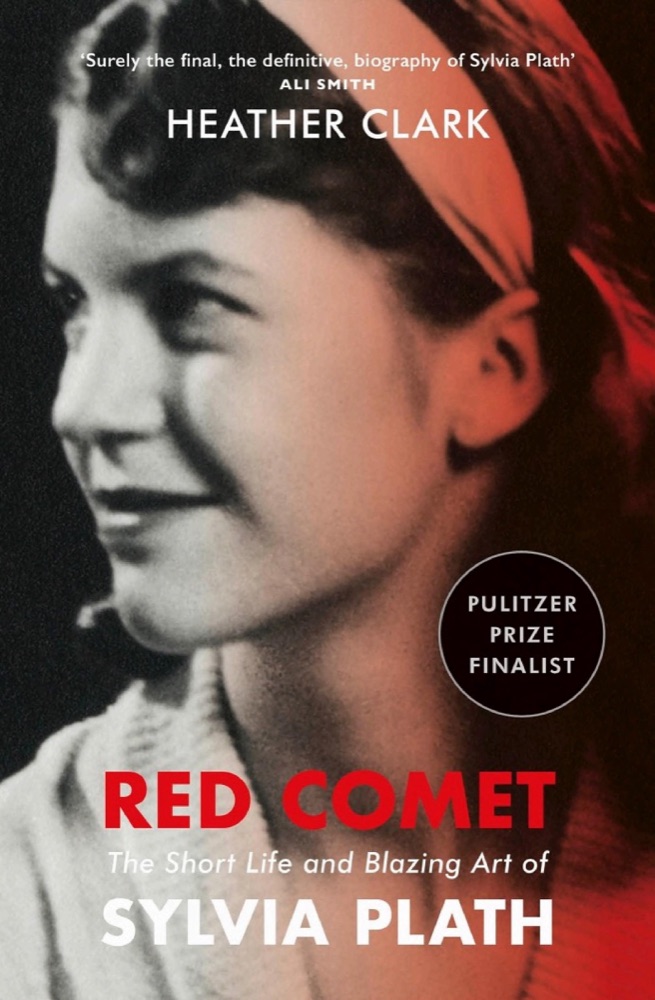
The first biography of this great and tragic poet that takes advantage of a wealth of new material, this is an unusually balanced, comprehensive and definitive life of Sylvia Plath.*A BOOK OF THE YEAR IN THE DAILY TELEGRAPH AND THE TIMES* Determined not to read Plath's work as if her every act, from childhood on, was a harbinger of her tragic fate, Clark presents new materials about Plath's scientist father, her juvenile writings, and her psychiatric treatment, and evokes a culture in transition in the mid-twentieth century, in the shadow of the atom bomb and the Holocaust, as she explores Sylvia's world: her early relationships and determination not to become a conventional woman and wife; her conflicted ties to her well-meaning, widowed mother; her troubles at the hands of an unenlightened mental-health industry; and her Cambridge years and thunderclap meeting with Ted Hughes, a true m
Book details
- First published
- 2020
- Author
- Heather Clark
- Genre
- Nonfiction
- Goodreads rating
- 4.57 (5k ratings)
The buzz
- The New York TimesReview in The New York Timesprofessional review (via Book Marks)
- The Washington PostReview in The Washington Postprofessional review (via Book Marks)
- Los Angeles TimesReview in Los Angeles Timesprofessional review (via Book Marks)
- The TimesReview in The Timesprofessional review (via Book Marks)
- The Boston GlobeReview in The Boston Globeprofessional review (via Book Marks)
- New StatesmanReview in New Statesmanprofessional review (via Book Marks)
Keep reading
Ada, or Ardor: A Family Chronicle
 What Is Not Yours Is Not Yours
 Too Much Happiness: Stories
 Mislaid
 My Brilliant Friend
 Case Histories
 And I Do Not Forgive You: Stories & Other Revenges
 The Story of the Lost Child
 The English Patient
 Parade
 The Life of Charlotte Brontë
 A Reliable Wife
 Katabasis
 Tess of the D'Urbervilles
 Johnny Panic and the Bible of Dreams: Short Stories, Prose and Diary Excerpts
 After Leaving Mr. Mackenzie
 The Third Hotel
 Shirley
 Mrs. Dalloway
 The Daughter of Doctor Moreau
 Idaho
Idaho
 A Slow Fire Burning
 Sign Here
 The Muse
 Modern Divination
 The Stories of John Cheever
 Summer Island
 Biography of X
 The Cost of Living: A Working Autobiography
 Uncle Silas
 All Passion Spent
 The Days of Abandonment
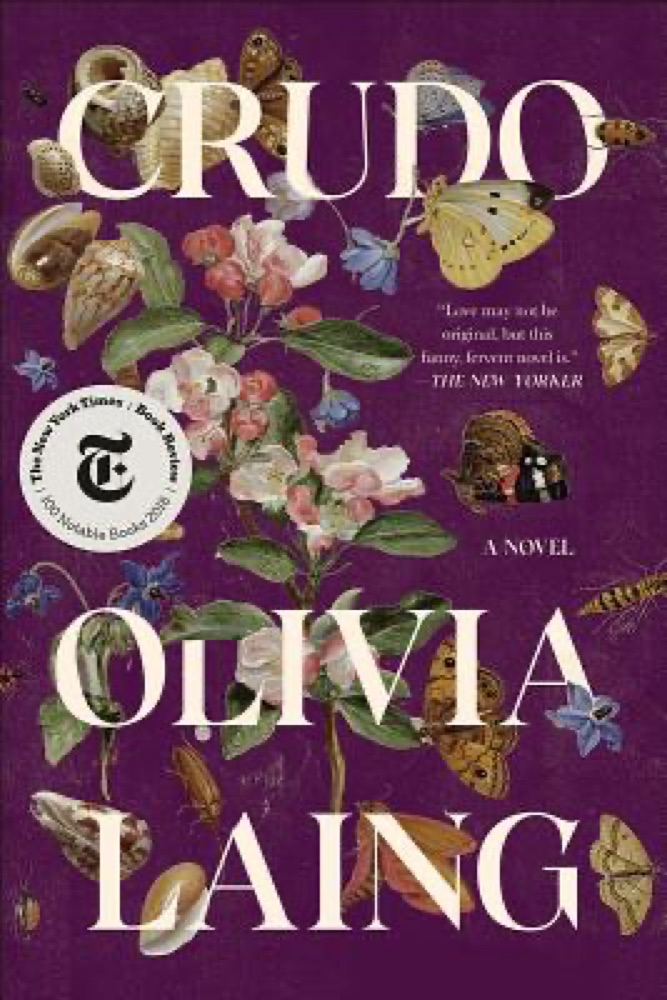 Crudo
Crudo
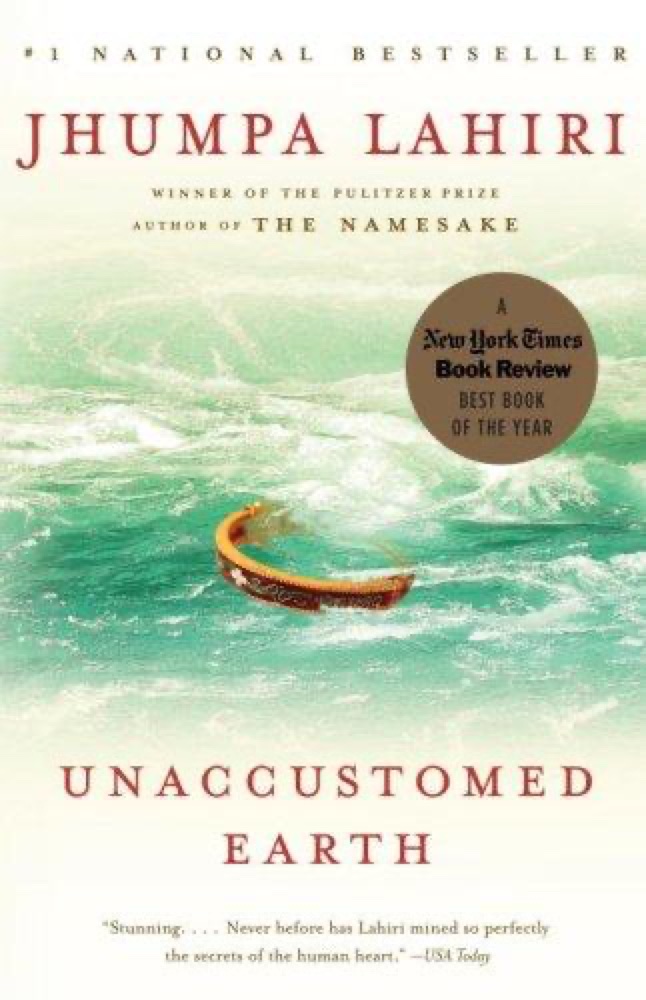 Unaccustomed Earth
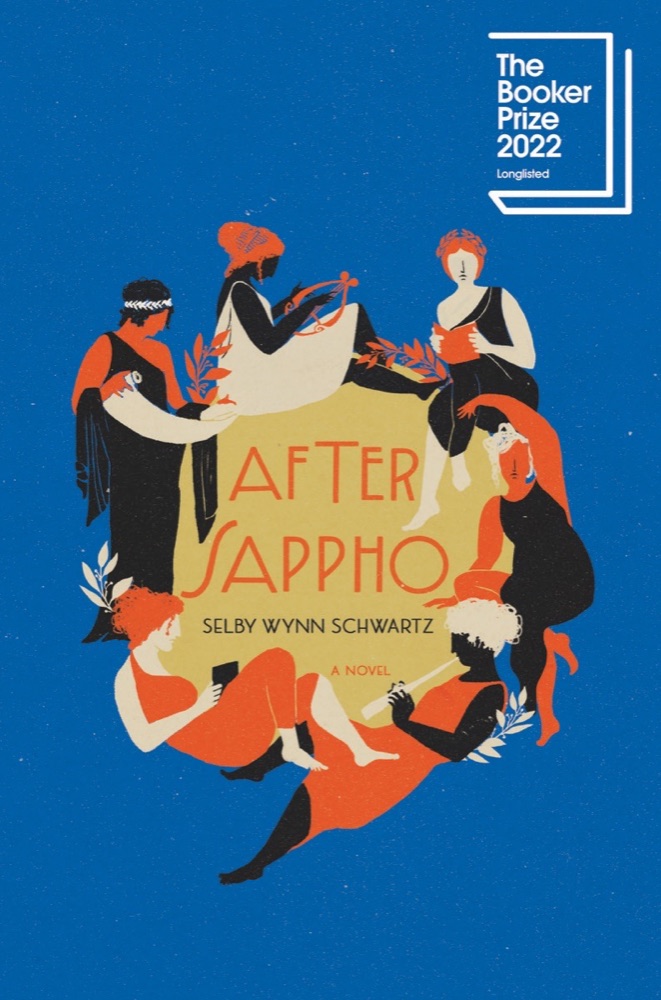 After Sappho
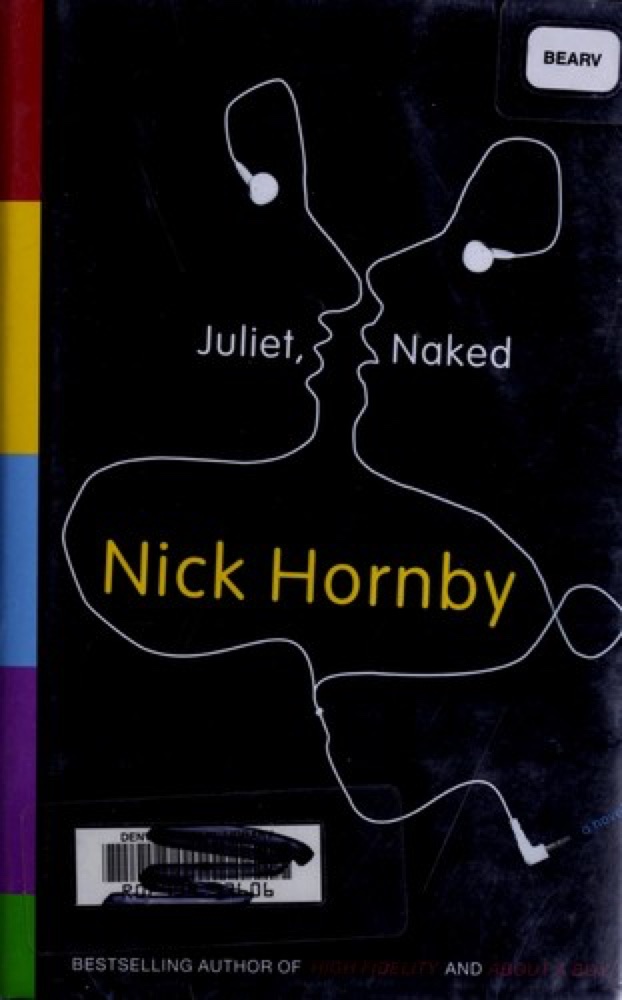 Juliet, Naked
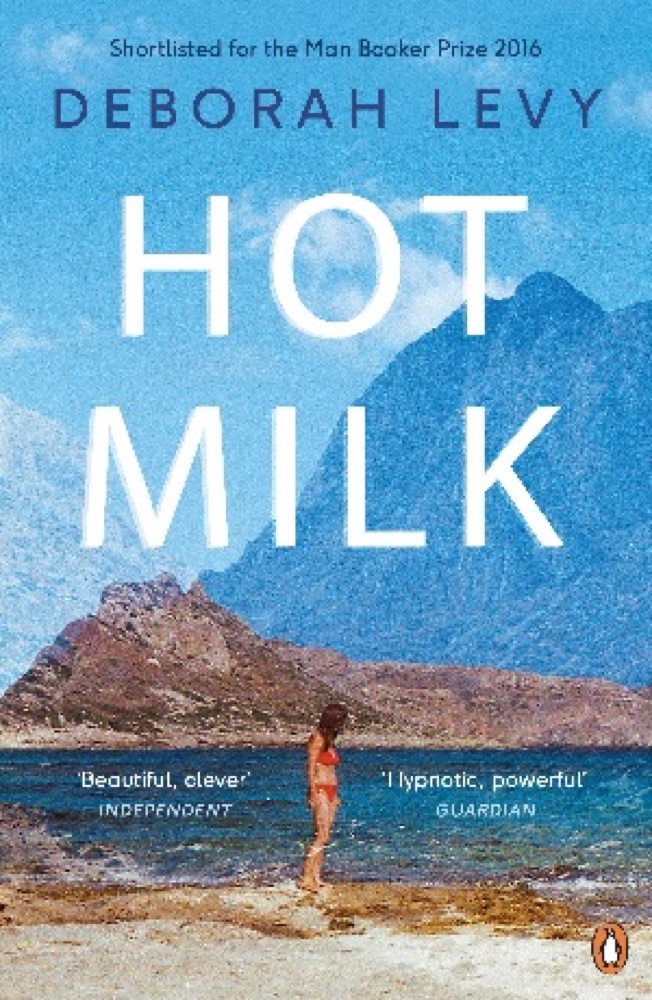 Hot Milk
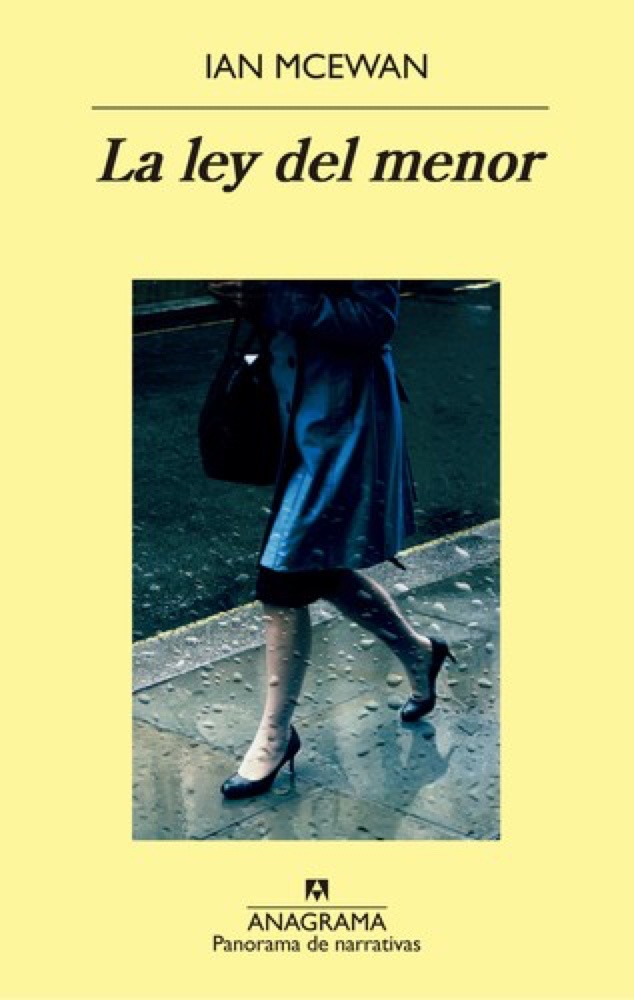 The Children Act
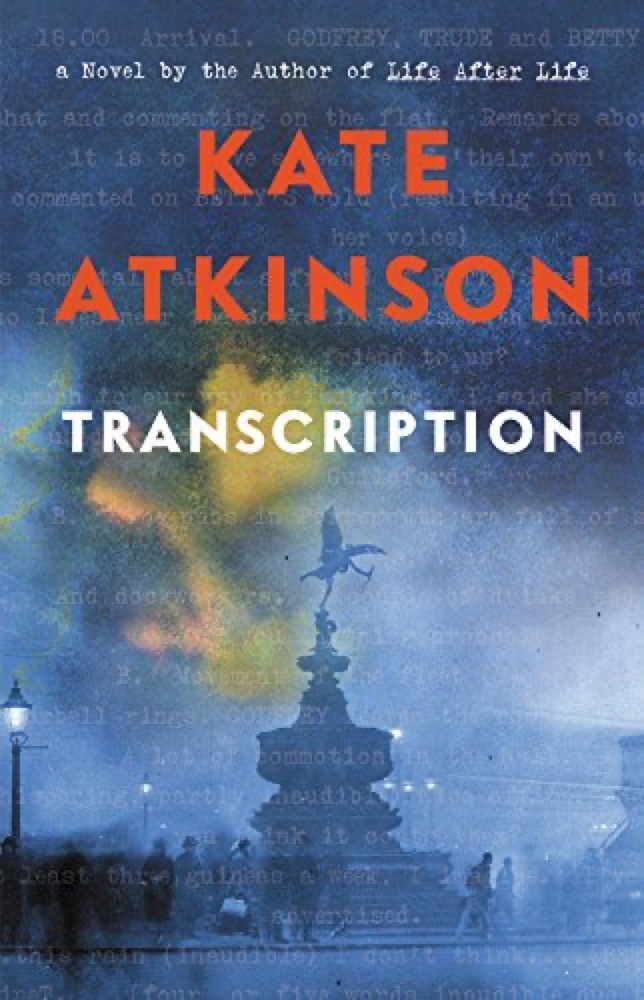 Transcription
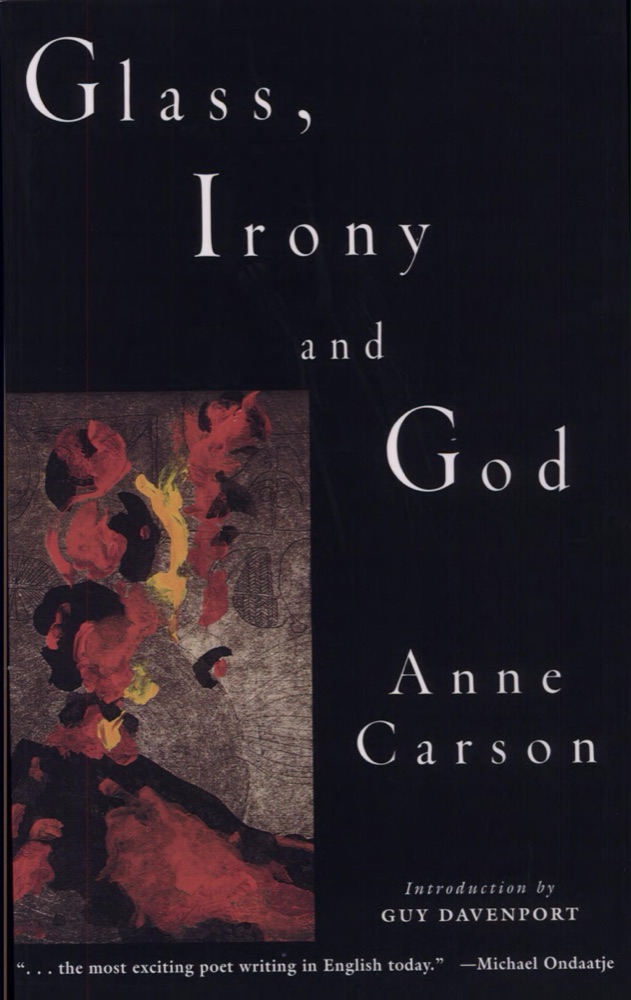 Glass, Irony and God
 Home Fire
 A Widow's Story
 Everything That Rises Must Converge: Stories
 I Never Promised You a Rose Garden
 Warlight
 Old Babes in the Wood: Stories
 The Christie Affair
 Notes on an Execution
 An Unsuitable Job for a Woman
 The Paris Bookseller
 Birds of America
 Bastard Out of Carolina
 Palimpsest
 Moonglow
 A Woman Is No Man
 In the Heart of the Heart of the Country and Other Stories
 The Weight of Ink
 Lisey's Story
 Dubliners
 Tar Baby