

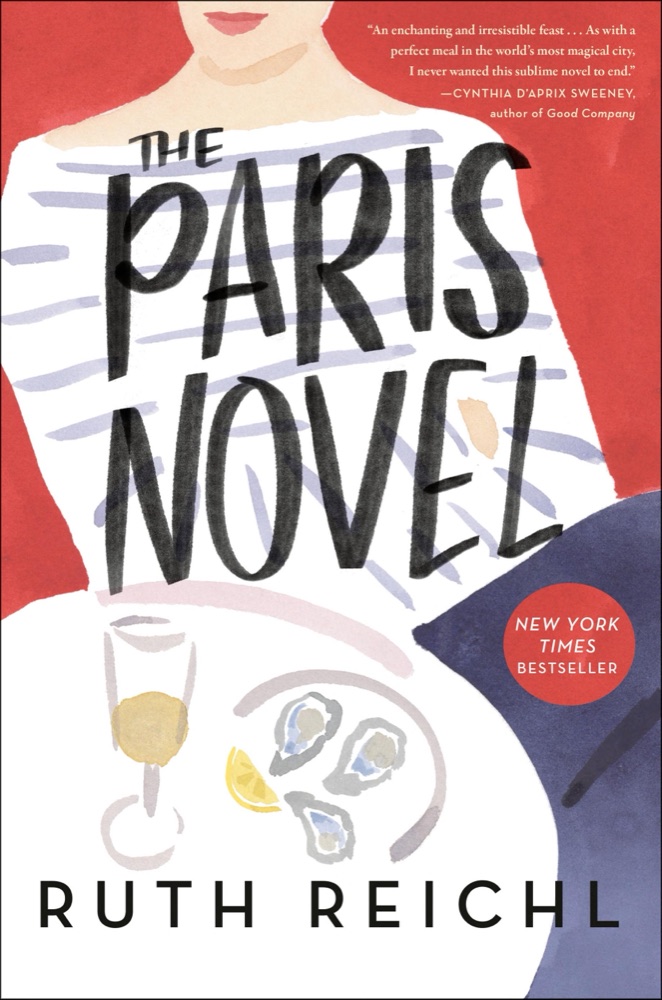
 The Paris Novel
Quotes from the Book
Not every star is like the étoile polar, chérie. Some are more elusive, more subtle. But they are no less brilliant, no less important.
3
It is possible to serve without losing oneself.
2
Perhaps it’s because our Joyce doesn’t blame Gerty for Leopold’s arousal that the episode is so troubling to some readers?
1
Was that greed or ambition? Was there a difference?
1
Anyone who read that much, had to be given to empathy.
1
Joyce's...writing is so far above the head of someone like Sumner, that I'm sure he can't help but hate it, because he's just smart enough to realize, he doesn't understand it.
1
Censorship is not commensurate with democracy. Or art.
1
More voices speaking against injustice strengthens the cause. More is always better in that way. And I'm sure you would say something different. You are you, not Pound or Spire.
1
I hold it true, whate’er befall; I feel it, when I sorrow most; ’Tis better to have loved and lost Than never to have loved at all.
1
What is it Tennyson wrote in his ‘Ulysses’? ‘Tho’ / We are not now that strength which in old days / Moved earth and heaven, that which we are, we are.’
That summer she’d noticed a dramatic uptick in the number of conversations about aches and pains among her friends. It used to be that only Joyce complained endlessly about his eyes. But recently, Mrs. Joyce added her voice to the chorus, with fretting about her cycles; Larbaud complained about his joints, Bob about his back, Fargue about his lungs.
speak to her mother. But she felt strange talking to her, even silently, in her mind. So she sat down near the flowers, putting her hand on the cool dirt that was already sprouting grass, and thanked her mother again. Then she sat for a long while, as she wished she had done with her mother when she was alive, as the day ended and the moon rose in the sky.
the quarter, then through the Jardin du Luxembourg, her eyes filling with the showy colors and delicate textures of midsummer petunias, begonias, and roses. Among those planted beauties, she found the flower merchant she was looking for, a toothless woman named Louise who’d lost both sons in the war, whom Adrienne had introduced Sylvia to years before, instructing her to buy flowers only from her. Her cart near the palace was small, but she always carried the finest, longest-lasting blooms. Eleanor’s favorite were pink peonies, which were copious in late spring, not midsummer, but miraculously Louise had a single bouquet of them that evening. “They grew slowly, in the shade,” she explained, when Sylvia marveled at their presence. Then she hailed a cab, one of her mother’s favorite luxuries, and enjoyed the little tour of Paris she got from the open window: past the Sorbonne and then over the Seine on the Pont de Sully with Notre-Dame Cathedral just to her left, then northeast and circling the Place de la Bastille, all the way into the twentieth arrondissement, where Père Lachaise Cemetery sprawled leafy and green, with arcades of trees shading countless gray tombstones, temples, and memorials. The light had turned silver by the time she got out of the car and passed through the break in the high stone walls that encircled the cemetery. The place was something of a maze, and even though she’d been there for the burial just a few weeks before, Sylvia feared she might not be able to locate her mother’s small grave. Fortunately, though, she found it with no trouble. I’m never lost in Paris. Thanks to you, Mother. She set the peonies down on the earth before the stone with her mother’s name and dates of birth and death, then felt a breeze ruffle her hair and cool her neck. Breathing as deeply as she could, she wondered why, precisely, she’d come. To deliver the flowers, of course. What she wanted, desperately,
But that stifling July evening, as the sun set fire to the sky and a flaming golden light flooded the rue de l’Odéon and Sylvia sat with the correspondence from her sisters and father in her shop that was empty of customers because everyone had gone to the seaside, she thought, Lost means gone, or unable to find. It struck her that her mother had indeed been lost; she was always trying to get back to her dream of Paris, and unable to get there to stay; and it was more than Paris as a city, it was Paris as a concept of the bright, beautiful life she’d always wanted to lead, and felt she had led for a brief moment thirty years before. Sylvia had found her dream, and was living it—but that was thanks in large part to the money, books, and love her mother had sent her in the last decade. Odeonia would not be possible without Eleanor Beach. Can it go on without her? Can it go on without Joyce? Am I enough to sustain this dream? Or am I, too, lost? The questions made Sylvia feel restless, like she needed to do something. If she’d been in Les Déserts, she’d have gone outside to chop some wood, then marinated in the exhausted twinges of her shoulders and arms the rest of the evening. It was getting late, but there were still hours of sun left in the long Paris twilight, so Sylvia shuttered her store and walked briskly on the busy sidewalks
for all its appalling longueurs, Ulysses is a work of high genius.
We’ve all been in quite a state,” Sylvia observed to Adrienne after one especially maudlin dinner, where everyone drank too much to medicate one ill or another. “Do you think we’re getting old?
All tragedies contain a gift.
Peut-être,” Adrienne responded noncommittally, and Sylvia was amazed—as she often was—at Adrienne’s je ne sais quoi, her ability to command attention and then wave it off, as if she didn’t need to keep it, for there was plenty more where it came from.
Shrugging, she said, “It was never for me.” “If you could let it go so easily, I guess that was true.” “You’ll never let it go.” “Never. It’s the only thing.” “Shakespeare and Company is my thing.” Saying it out loud, it felt right and true. It was her thing. And it was her thing. “Thankfully for the rest of us.
It is my absolute honor and pleasure,” she said, meaning every word. She’d taken a gamble, and it had been the right one. It had all been worth it. This moment, this book, this writer, this city. Stratford-on-Odéon. Odeonia. Her very own mythical Ithaca.
Don’t be. You put your whole heart into this, as did Monsieur Joyce. We do not always have control over our hearts.
Adrienne shrugged. “You plan for more exciting moments.” “But the best ones are unplanned.” “It might seem that way, but it’s not true. Ernest didn’t come to Shakespeare by chance. He came because of the experience you provide American writers in Paris. He’d heard of you. The more experiences you provide, the more interesting people you’ll attract.
Anyone who read that much had to be given to empathy.
Of course not,” Larbaud replied, unruffled. “It took your American Revolution to stir ours, after all, and ours was much longer in coming. I only mean that there is an ebb and flow to these things. Rebellions cannot be controlled and cannot be forced. They take hold in their own time.
compliments were enough, but they weren’t. She wanted to do something, wanted Shakespeare and Company to be more than a diversion. Wanted Margaret and Jane to be seen as more than filthy Washington Squarites. Wanted Ulysses to have as broad an audience as possible. So many things to want. Just two years ago, she’d wanted a bookstore. Now she had it and she wanted more? Was that greed or ambition? Was there a difference?
Well, in my family, Cyprian was always the one looking for attention. And she got it. I was jealous sometimes, but had nothing to offer the world like she did. I would occasionally bask in her reflected glory, but I’m really more comfortable in the background. But in the shop, I feel I can have both—to be in the background, but also have one of my accomplishments noticed.
Gertrude nodded. “I toyed with the idea once myself, I admit. But I prefer writing sentences to selling them.” “Owning a bookstore is much more than selling sentences. It’s putting the right sentences into the right hands.” Like Michel, who’d loved the Whitman and come back for more. Sylvia was inching him ever closer to Joyce, Eliot, Williams, and other important new writers.
Watch on YouTube
About Kerri Maher
We have collected 27 quotes from 1 book by Kerri Maher on BookQuoters.
More about the author →About the book
The dramatic story of how a humble bookseller fought against incredible odds to bring one of the most important books of the 20th century to the world in this new novel from the author of The Girl in White Gloves.
When bookish young American Sylvia Beach opens Shakespeare and Company on a quiet street in Paris in 1919, she has no idea that she and her new bookstore will change the course of literature itself.
Shakespeare and Company is more than a bookstore and lending library: Many of the prominent writers of the Lost Generation, like Ernest Hemingway, consider it a second home. It's where some of the most important literary friendships of the twentieth century are forged--none more so than the one between Irish writer James Joyce and Sylvia herself. When Joyce's controversial novel Ulysses is banned, Beach takes a massive risk and publishes it under the auspices of Shakespeare an
Book details
- First published
- 2022
- Author
- Kerri Maher
- Genre
- Historical
- Goodreads rating
- 3.72 (17k ratings)
The buzz
- Kirkus ReviewsReview in Kirkus Reviewsprofessional review (via Book Marks)
- Publishers WeeklyReview in Publishers Weeklyprofessional review (via Book Marks)
- BooklistReview in Booklistprofessional review (via Book Marks)
- BookPageReview in BookPageprofessional review (via Book Marks)
- ManhattanbookreviewReview in Manhattanbookreviewprofessional review (via Book Marks)
Keep reading
The Paris Novel
 The Muse
 Too Much Happiness: Stories
 The Uncommon Appeal of Clouds
 Tess of the D'Urbervilles
 What Is Not Yours Is Not Yours
 The Jane Austen Book Club
 The Swan Thieves
 The Blythes Are Quoted
 The Book of Love
 Red Comet: The Short Life and Blazing Art of Sylvia Plath
 Checkout 19
 The Short Stories
 The Fraud
 Speedboat
 Experience
 The Lost Bookshop
 Sixty Stories
 Love
Love
 The Good Soldier
 The Marriage Plot
 The Novel Habits of Happiness
 Inkdeath
 Mislaid
 NW
NW
 Monday or Tuesday
 Old Babes in the Wood: Stories
 The Belle of Belgrave Square
 Cakes and Ale
 Library of Souls
 By Any Other Name
 The Children's Book
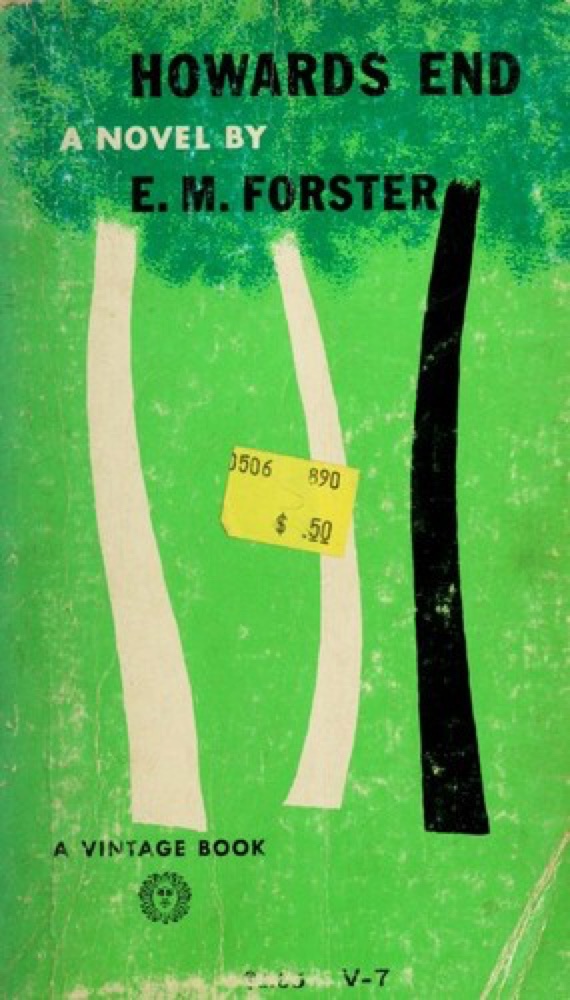 Howards End
 The Life of Charlotte Brontë
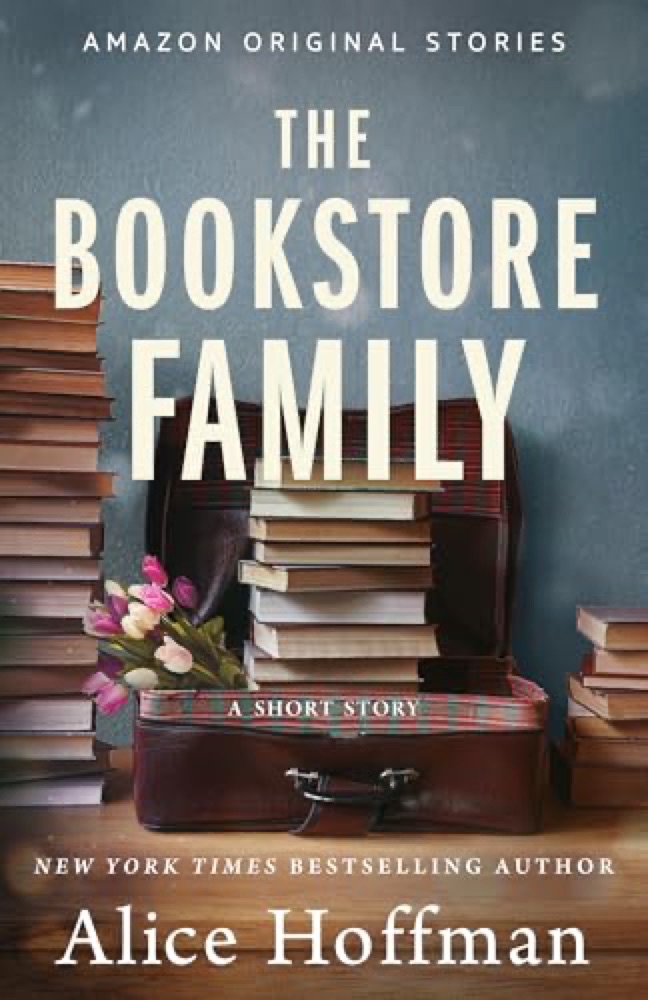 The Bookstore Family
 Inferno
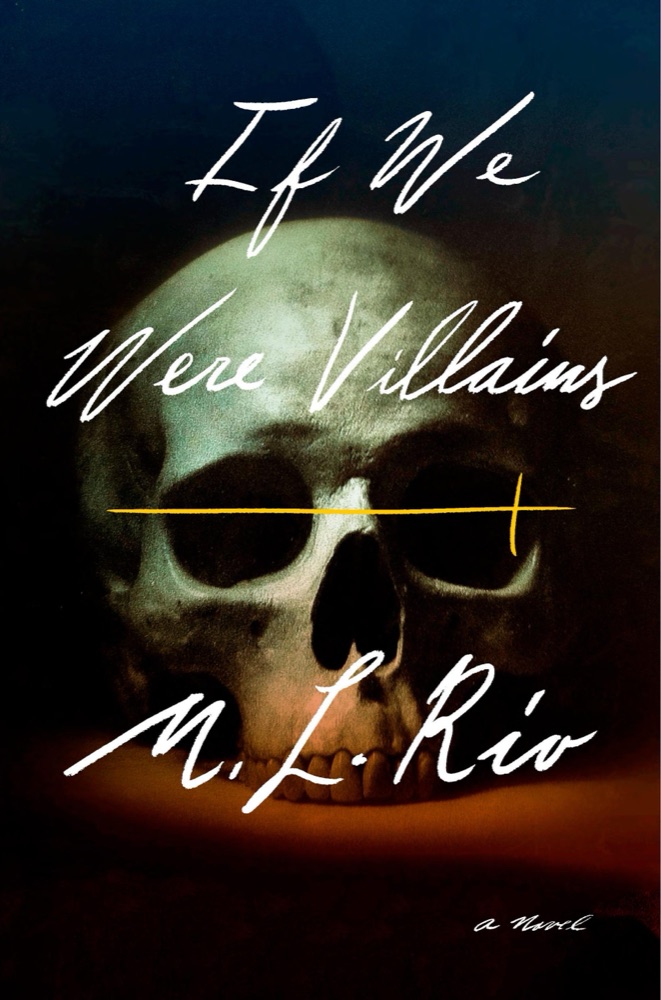 If We Were Villains
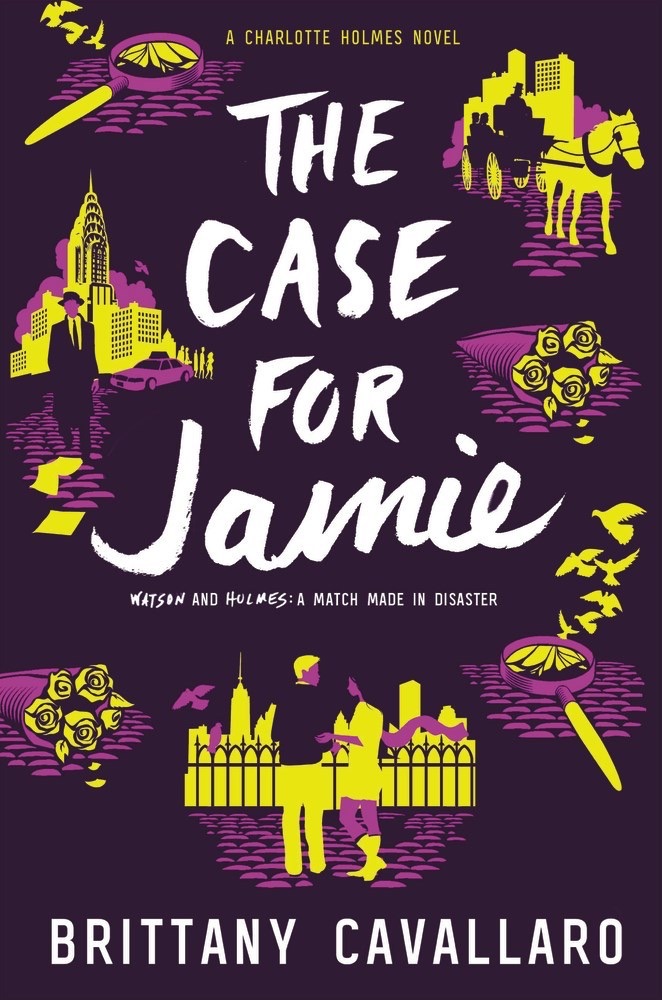 The Case for Jamie
 The Daughter of Time
 The English Patient
 New Grub Street
 In Sunlight and in Shadow
 The Story of the Lost Child
 Marble Hall Murders
 Lady Jayne Disappears
 Mr. Fox
 The Song of the Lark
 The Moonstone
 Pain, Parties, Work: Sylvia Plath in New York, Summer 1953
 In the Heart of the Heart of the Country and Other Stories
 The Great Mistake
 The Sentence
 Singin' and Swingin' and Gettin' Merry Like Christmas
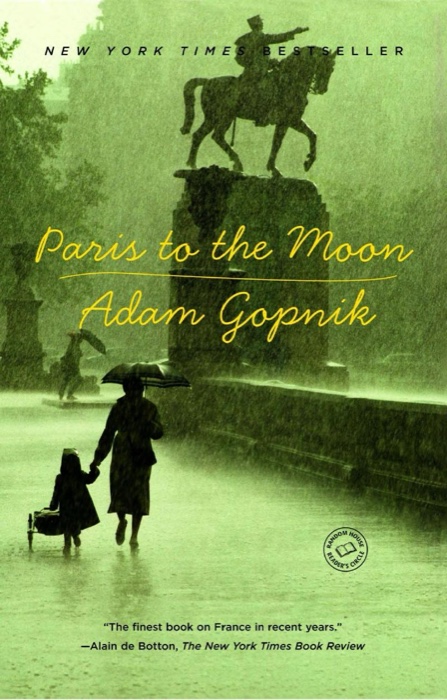 Paris to the Moon
 The Beautiful
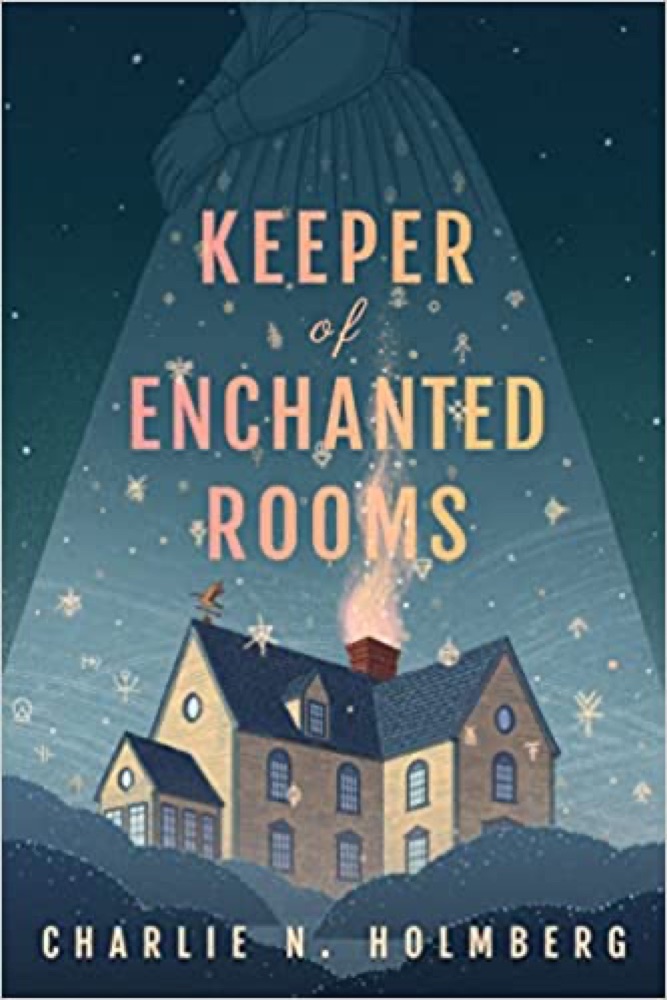 Keeper of Enchanted Rooms
 Mohawk
 The Secret, Book & Scone Society
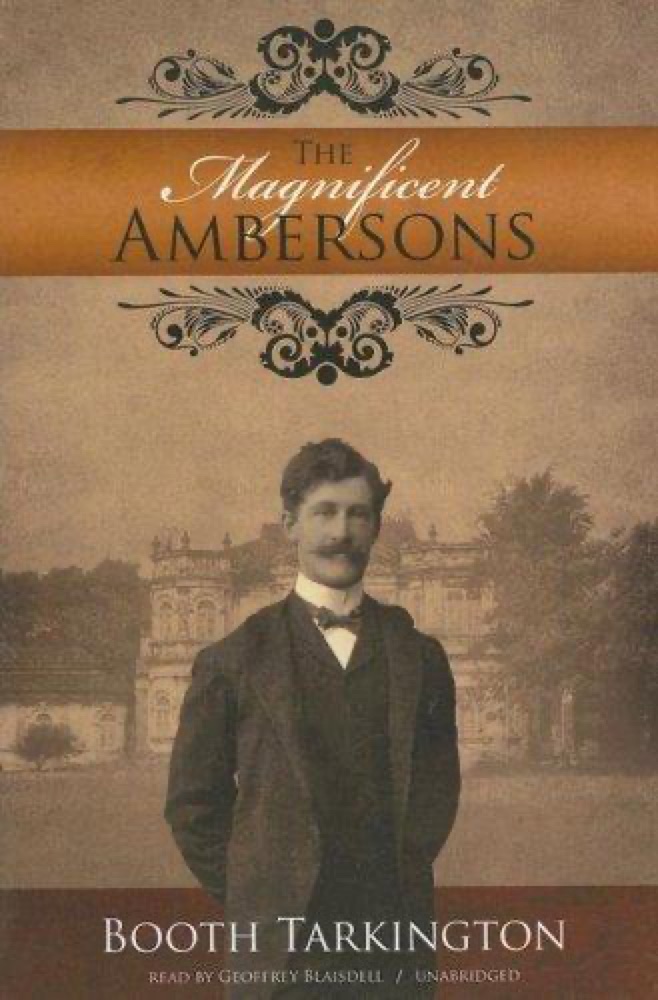 The Magnificent Ambersons
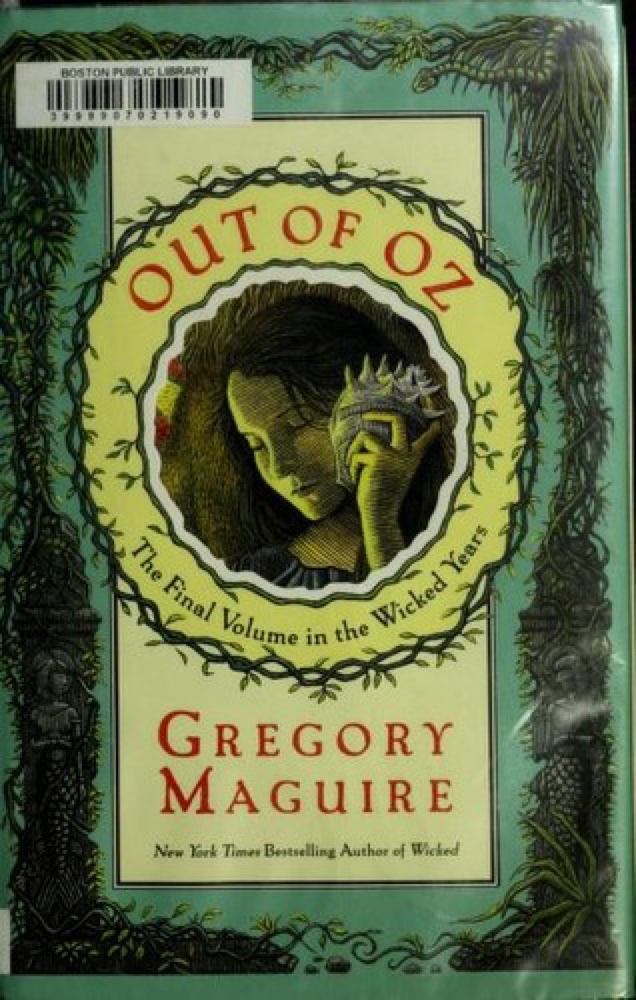 Out of Oz