

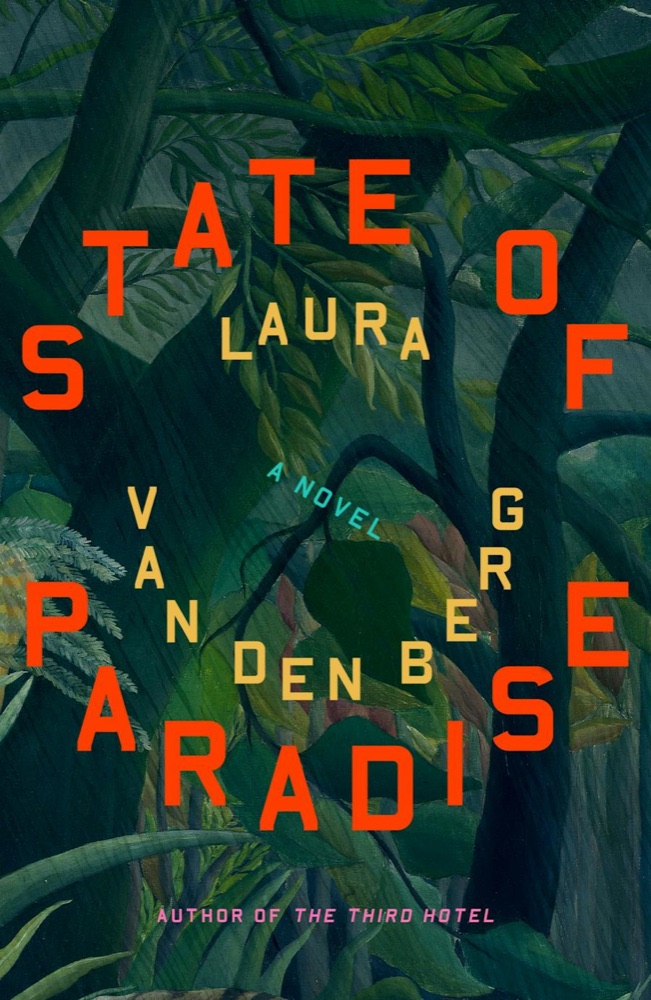
 State of Paradise
Quotes from the Book
The two impulses cannot be separated. The desire to have a life and the desire to disappear from it. The world is unlivable and yet we live in it every day.
9
She could go on into infinity, and yet she understood that knowing another person was not a stable condition. Knowing was kinetic, ineffable, and it had limits, but the precise location of those limits, the moment at which the knowing stopped and the not-knowing began, was invisible. You would know you had reached the border only after you had surpassed it.
4
She did not know how to grieve in the context of her life.
3
It was brutal, the mortality contract. It came for everyone and no one was prepared.
2
Death could make a person feel righteous in a way they had no right to be. Nothing in the world was less personal and nothing felt more like a poison arrow sent straight for your heart.
2
My point here is that the grieving are very dangerous, Richard said. They are like injured animals with fearsome claws, bloodied and pushed into a corner. Okay, said Clare. They are deranged, he continued. They shouldn't be let out of the house. Immediately after the funeral some sort of waiting period should be instituted, a period of confinement. It is a matter of public safety.
2
She might have said, I am not who you think I am. She might have said, I am experiencing a dislocation of reality.
2
Grief could take the form of violence too, could give a false sense of permission, erase the world around, and that was what frightened Clare most about violence, how transferable it was.
1
There were three sides to a marriage: public and private and who-fucking-knows, one lived and one performed and one a thundering mystery.
1
Behind every death lay a set of questions. To move on was to agree to not disturb these questions, to let them settle with the body under the earth. Yet some questions so thoroughly dismantled the terms of your own life, turning away was gravitationally impossible. So she would not be moving on. She would keep disturbing and disturbing. She imagined herself standing over a grave with a shovel and hacking away at the soil.
1
Something she and her husband had in common but rarely discussed was the absence of a desire for children, to fill their home with people besides themselves. It was a silent agreement, felt rather than spoken, and in her experience the soundest agreements were the ones that did not require the reassurances of language. Therefore this line of questioning was the inverse of what she usually fielded, since a childless married woman in her thirties was so often regarded, by men and women alike, as a puzzle or a pity. What's the story here? people would ask, inquests designed to make women like her suspect there was something malformed inside, blinding them to the hideous reality of their choice.
1
Easygoing"--that was the world people used, and in time she became suspicious of anyone who could be described in such terms. What was so easy about going?
1
What doesn't kill you makes you stronger, Clare said, with bitterness. What doesn't kill you leaves you alive, Richard countered. She spat water onto the floor. What doesn't kill you only leaves you feeling broken and insane.
1
Horror films had taught her that a person could will a thing into existence, but once it was outside their consciousness, the consciousness that had been busily inventing simultaneous possibilities, it became a force unto itself, ferocious and uncontrollable.
1
Do you still find meaning in sunrises?
The earliest betrayals stung the sharpest.
She felt like someone had carved her heart out of her chest and then turned her loose to stumble through a dark forest on a frigid night.
What exactly were the rights of the dying? Were they really so boundless?
Looking back, she supposed that had been one miracle of their marriage--even if a person was on the brink of swallowing fingernails and the other was thinking deeply about a problem they could not share, there was still someone to hold you as you wept through the night.
Sports, he would say, and she would go to sports. News, he would say a little while later, and she would go there. Sports, he would say, and she would go back. Where have you been? he would say, and she would tell him, Right here. No, where have you been? he would say. I have worked very hard at being nowhere and now I'm right here. Sports, he would say, and she was already there.
Once she emerged from the depths of a cavernous garage, a glazed vase tucked under her arm, and could not find her husband on the sidewalk or browsing the tables. It turned out he had gone to the corner store at the end of the block for a snack, and in the time before he returned, she was seized by the terrifying thought that she had dreamed their entire marriage.
Watch on YouTube
About Laura van den Berg
We have collected 70 quotes from 3 books by Laura van den Berg on BookQuoters.
More about the author →More by Laura van den Berg
State of Paradise
 I Hold a Wolf by the Ears: Stories
About the book
In Havana, Cuba, a widow tries to come to terms with her husband’s death―and the truth about their marriage―in Laura van den Berg’s surreal, mystifying story of psychological reflection and metaphysical mystery.
Shortly after Clare arrives in Havana, Cuba, to attend the annual Festival of New Latin American Cinema, she finds her husband, Richard, standing outside a museum. He’s wearing a white linen suit she’s never seen before, and he’s supposed to be dead. Grief-stricken and baffled, Clare tails Richard, a horror film scholar, through the newly tourist-filled streets of Havana, clocking his every move. As the distinction between reality and fantasy blurs, Clare finds grounding in memories of her childhood in Florida and of her marriage to Richard, revealing her role in his death and reappearance along the way.
Filled with subtle but striking meditations on grief, marriage, art,
Book details
- First published
- 2018
- Author
- Laura van den Berg
- Genre
- Fiction
- Goodreads rating
- 3.21 (5k ratings)
The buzz
- The New York TimesReview in The New York Timesprofessional review (via Book Marks)
- The Washington PostReview in The Washington Postprofessional review (via Book Marks)
- NPRReview in NPRprofessional review (via Book Marks)
- TimeReview in Timeprofessional review (via Book Marks)
- LA Review of BooksReview in LA Review of Booksprofessional review (via Book Marks)
- The Boston GlobeReview in The Boston Globeprofessional review (via Book Marks)
Keep reading
 Parade
 Last Night in Montreal
 10 Minutes 38 Seconds in This Strange World
 A Slow Fire Burning
 A Reliable Wife
 Home Fire
 A Dangerous Place
 A Rule Against Murder
 The Husband's Secret
 Crudo
Crudo
 Ammonite
 Lightbreakers
 What Is Not Yours Is Not Yours
 Biography of X
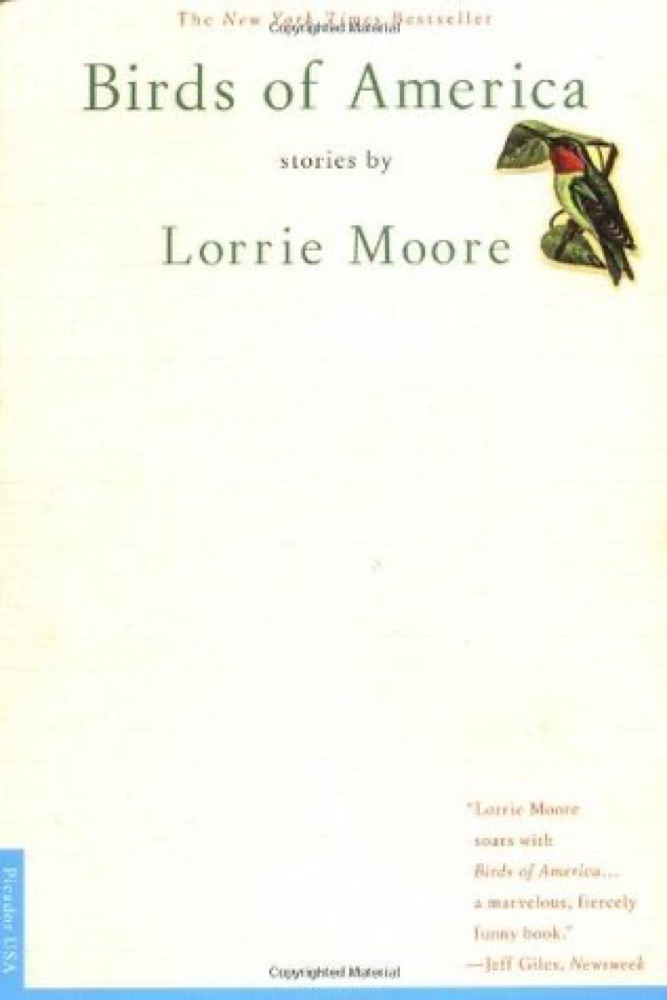 Birds of America
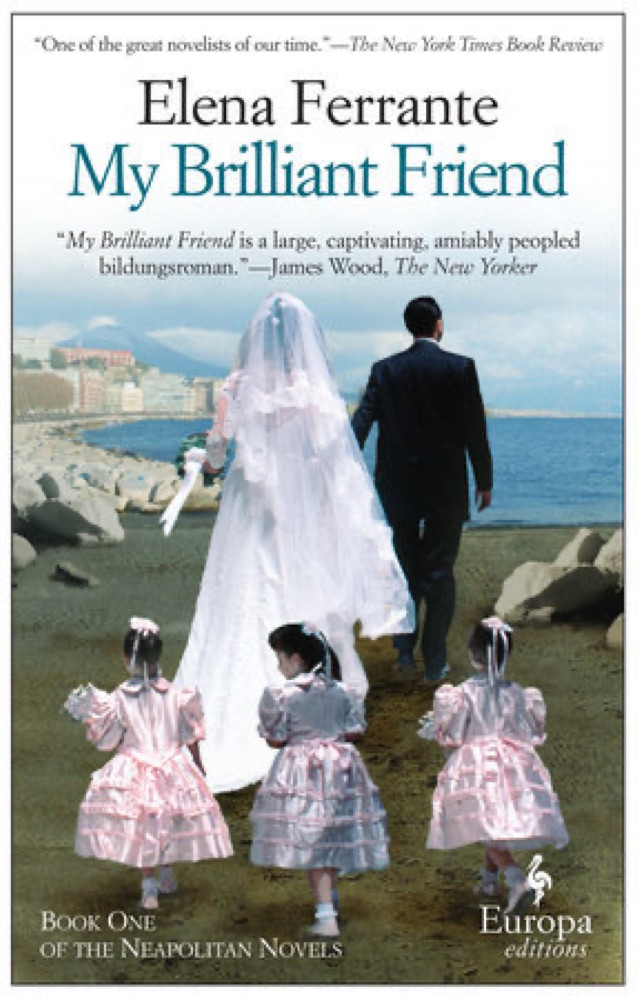 My Brilliant Friend
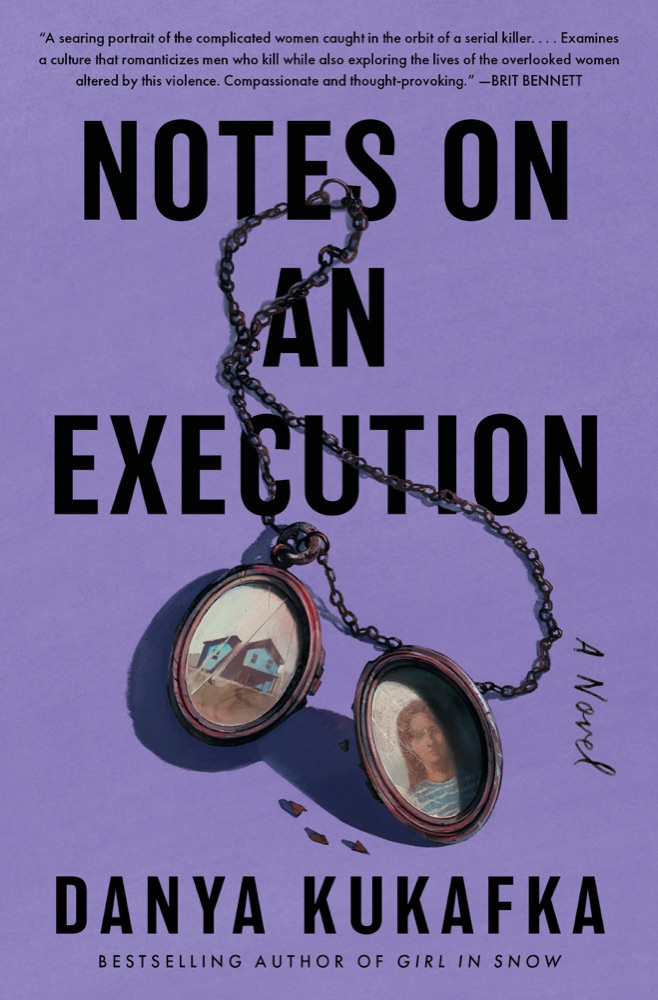 Notes on an Execution
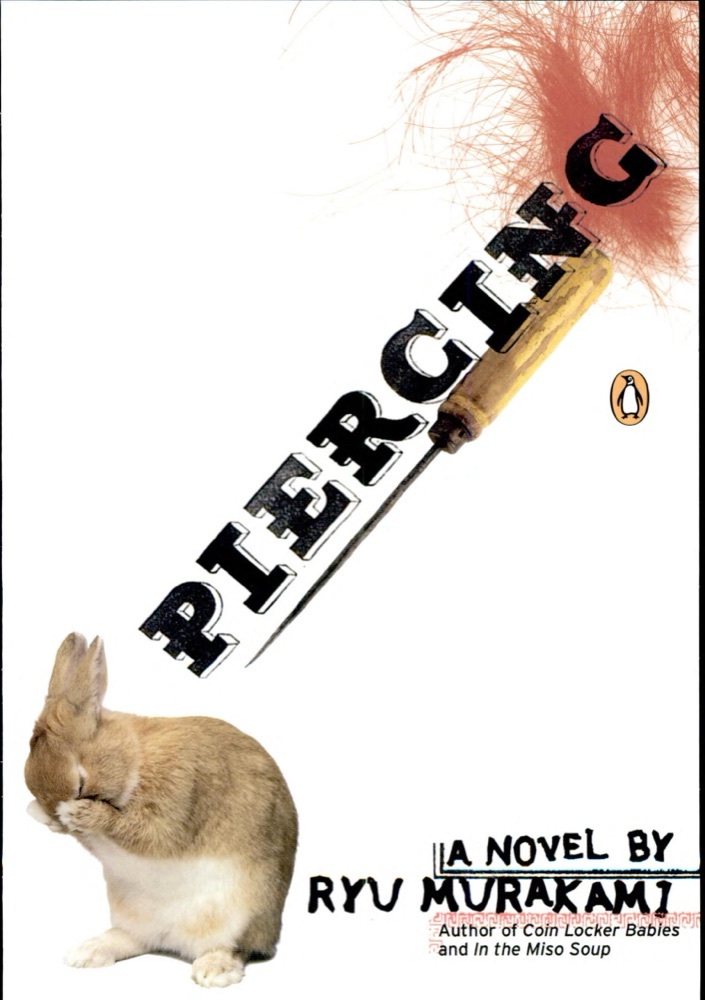 Piercing: A Novel
 Idaho
Idaho
 Little Heaven
 Case Histories
 The Brutal Telling
 Handling the Undead
 The Paying Guests
 The Ministry of Utmost Happiness
 Of Women and Salt
 The God of Small Things
 Warlight
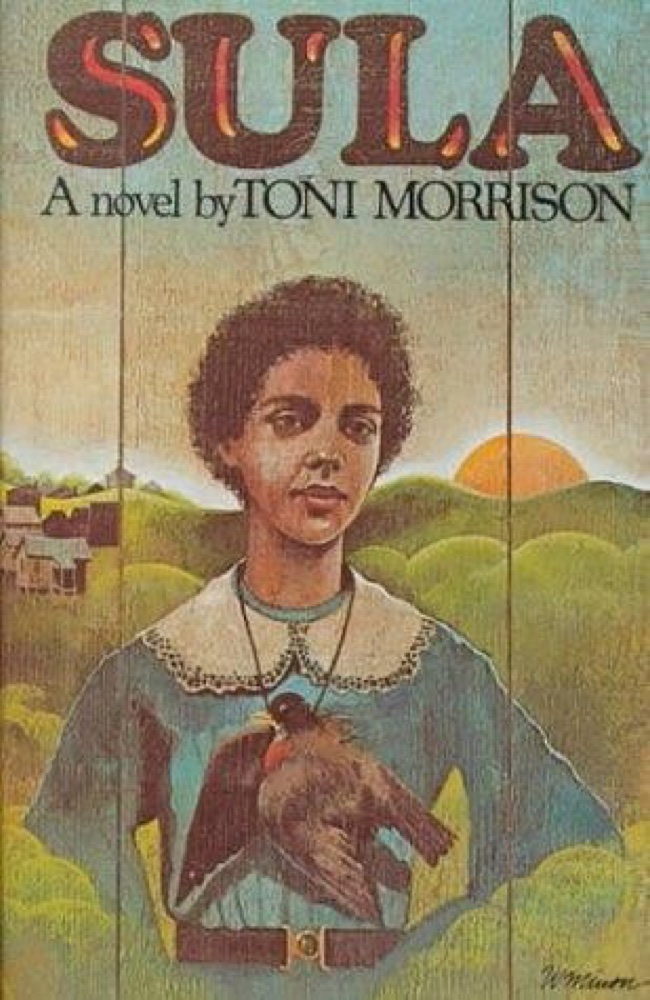 Sula
Sula
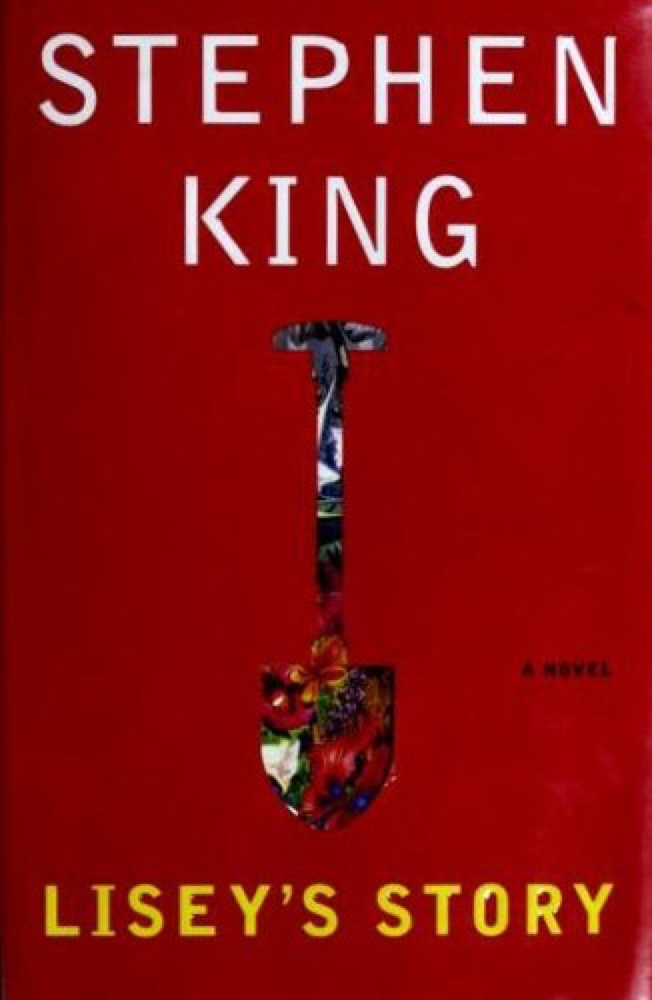 Lisey's Story
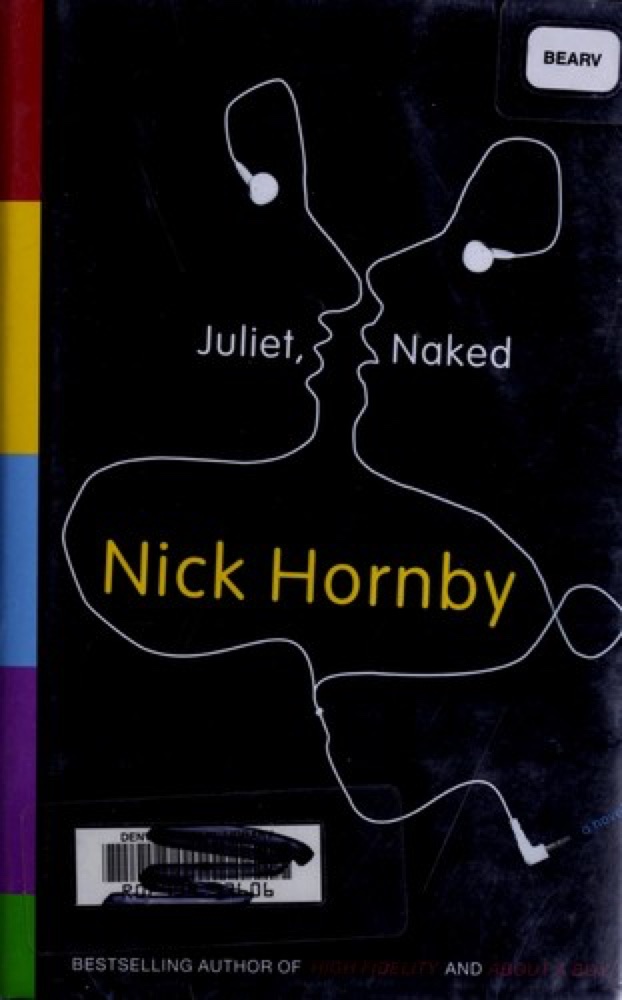 Juliet, Naked
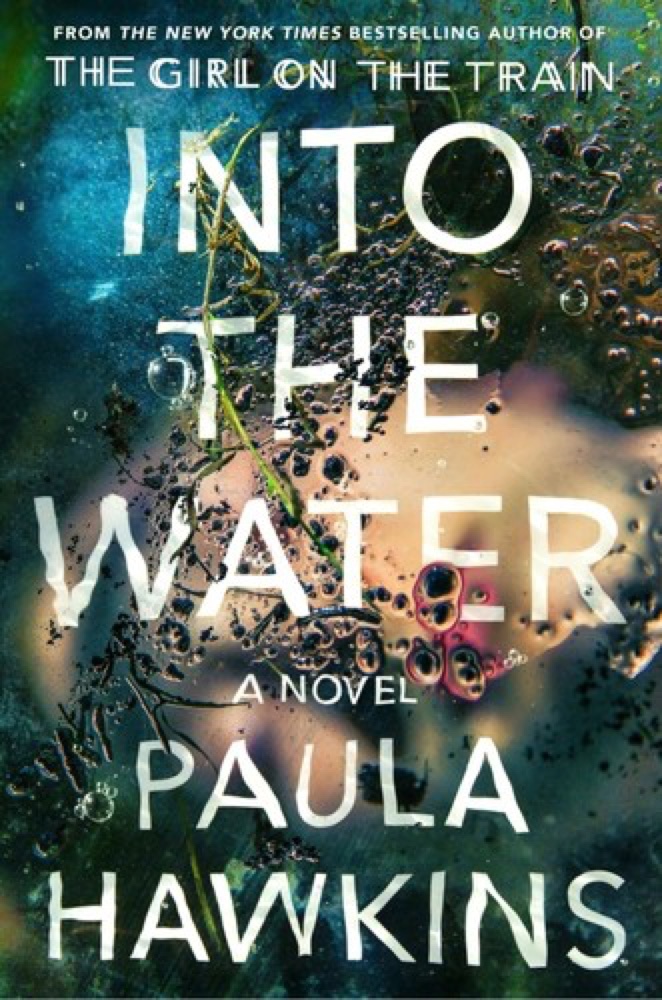 Into the Water
 The Children Act
 The Probable Future
 The Book of the Unnamed Midwife
 The Brief History of the Dead
 Unaccustomed Earth
 Now Is the Time to Open Your Heart
 Atonement
 Journey to Munich
 Held
Held
 Lost in Translation
 The Expats
 The Quick and the Dead
I Hold a Wolf by the Ears: Stories
The Quick and the Dead
I Hold a Wolf by the Ears: Stories
 Gerald's Game
 Red Comet: The Short Life and Blazing Art of Sylvia Plath
 The Years
 Ink Blood Sister Scribe
 Sign Here
 The Story of the Lost Child
 The Summer Children
 Mexican Gothic
 After Leaving Mr. Mackenzie
 Homecoming
 The Passage
 The Lowland
 Hamnet
 The Memory Keeper's Daughter
 The Atlas Paradox