

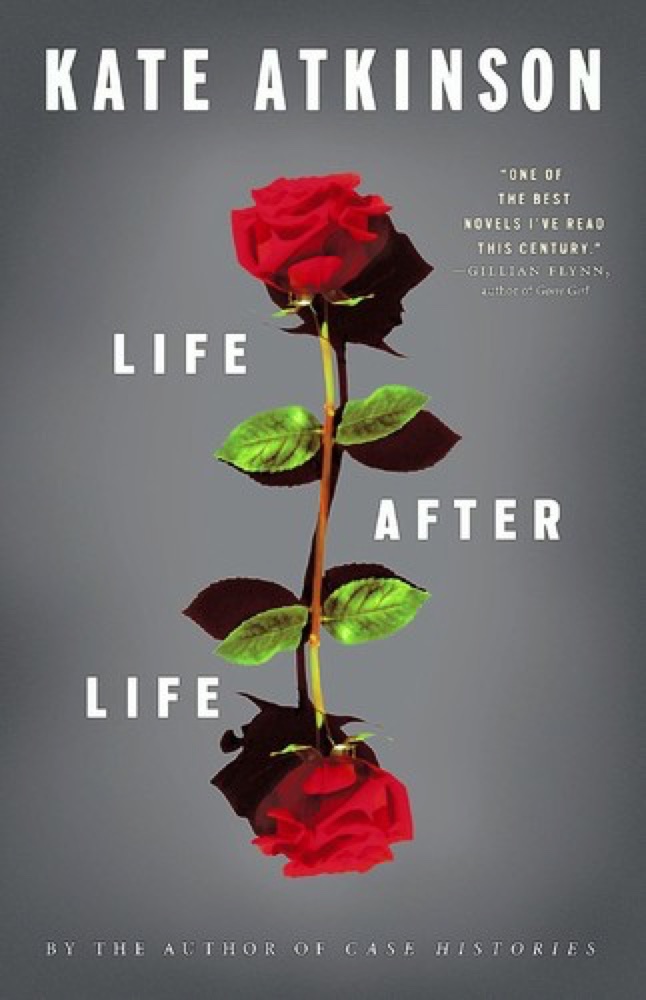
 Life After Life
Quotes from the Book
Do not equate nationalism with patriotism... Nationalism is the first step on the road to Fascism.
53
The future was coming nearer, one relentless goose step after the next. Juliet could still remember when Hitler had seemed like a harmless clown. No one was amused now. (“The clowns are the dangerous ones,” Perry said.)
16
Choice, it seemed, was one of the first casualties of war.
13
Why was it that the females of the species were always the ones left to tidy up, she wondered? I expect Jesus came out of the tomb...and said to his mother, "Can you tidy it up a bit back there?
11
[…] but her mother's death had revealed that there was no metaphor too ostentatious for grief. It was a terrible thing and demanded embellishment.
11
Human nature favors the tribal. Tribalism engenders violence. It was ever thus and so it will ever be.
10
The blame generally has to fall somewhere, Miss Armstrong. Women and the Jews tend to be first in line, unfortunately.
10
Juliet felt slighted yet relieved. It was curious how you could hold two quite opposing feelings at the same time, an unsettling emotional discord. She felt an odd pang at the sight of him. She had been fond of him. She had been his girl. Reader, I didn’t marry him, she thought.
9
People always said they wanted the truth, but really they were perfectly content with a facsimile.
8
...it had probably been a long enough life. Yet suddenly it all seemed like an illusion, a dream that had happened to someone else. What an odd thing existence was.
5
Perhaps sex was something you had to learn and then stick at until you were good at it, like hockey or the piano. But an initial lesson would be helpful.
4
Juliet and Hartley had long ago abandoned manners with each other. It was refreshing to behave without respect towards someone.
3
It was like dealing with Rasputin, not a middle-aged woman from Wolverhampton.
2
Our own homegrown evil, I’m sorry to say. And instead of rooting them out, the plan is to let them flourish—but within a walled garden from which they cannot escape and spread their evil seed.” A girl could die of old age following a metaphor like this, Juliet thought. “Very nicely put, sir,” she said.
2
Juliet sighed and wondered if one day she would think herself to death. Was that possible? And would it be painful?
2
The brooding landscape they were currently traversing, the lowering sky above their heads and the rugged terrain beneath their feet, were all conspiring to make her feel like an unfortunate Brontë sister, traipsing endlessly across the moors after unobtainable fulfillment. Perry himself was not entirely without Heathcliffian qualities—the absence of levity, the ruthless disregard for a girl’s comfort, the way he had of scrutinizing you as if you were a puzzle to be solved. Would he solve her? Perhaps she wasn’t complicated enough for him. (On the other hand, perhaps she was too complicated.)
2
He was the perfect gentleman and, unlike the salesmen in the Fitzrovia hotel, there were no attempts at fumbling—in fact they often performed an awkward little dance around their small office to avoid touching at all, as if Juliet were a desk or a chair, not a girl in her prime. It seemed that she had acquired all the drawbacks of being a mistress and none of the advantages—like sex. (She was becoming bolder with the word, if not the act.) For Perry, it seemed to be the other way round—he had all the advantages of having a mistress and none of the drawbacks. Like sex.
2
She would be happy -- but not excessively so....
1
She fingered the strand of pearls at her neck. Inside each pearl was a little piece of grit. That was the true self of the pearl wasn't it? The beauty of the pearl was just the poor oyster trying to protect itself. From the grit. From the truth.
1
Don’t seek out elaborate metaphors,” her English teacher had said of her school essays, but her mother’s death had revealed that there was no metaphor too ostentatious for grief. It was a terrible thing and demanded embellishment.
1
Her éducation sexuelle (it was easier to think of it as something French) was woefully riddled with lacunae.
1
The war had been a tide that had receded and now here it was lapping around her ankles again.
1
As the first clod of earth hit her mother’s coffin, Juliet could barely catch a breath. Her mother would suffocate beneath all that earth, she thought, but Juliet was suffocating too. An image came to her mind—the martyrs who were pressed to death by stones piled on top of them. That is me, she thought, I am crushed by loss. “Don’t seek out elaborate metaphors,” her English teacher had said of her school essays, but her mother’s death had revealed that there was no metaphor too ostentatious for grief. It was a terrible thing and demanded embellishment.
1
Giselle would rouse herself from her torpor occasionally (she moved like a particularly lazy cat) in order to despise something.
1
not so much an agent provocateur as an agent passif, if such a thing could be said to exist. (“Sometimes,” Perry said, “saying nothing can be your strongest weapon.”)
1
but her mother’s death had revealed that there was no metaphor too ostentatious for grief. It was a terrible thing and demanded embellishment.
1
She didn’t feel she had the fortitude for all those Tudors, they were so relentlessly busy – all that bedding and beheading.
1
It was the war, Juliet thought, remembering the photograph of the flamingo’s creased wife, it has made refugees of us all.
1
Watch on YouTube
About Kate Atkinson
We have collected 233 quotes from 10 books by Kate Atkinson on BookQuoters.
More about the author →More by Kate Atkinson
All books by Kate Atkinson →
About the book
In 1940, eighteen-year old Juliet Armstrong is reluctantly recruited into the world of espionage. Sent to an obscure department of MI5 tasked with monitoring the comings and goings of British Fascist sympathizers, she discovers the work to be by turns both tedious and terrifying. But after the war has ended, she presumes the events of those years have been relegated to the past forever.
Ten years later, now a radio producer at the BBC, Juliet is unexpectedly confronted by figures from her past. A different war is being fought now, on a different battleground, but Juliet finds herself once more under threat. A bill of reckoning is due, and she finally begins to realize that there is no action without consequence.
Book details
- First published
- 2018
- Author
- Kate Atkinson
- Genre
- Historical
- Goodreads rating
- 3.49 (61k ratings)
The buzz
- The New York TimesReview in The New York Timesprofessional review (via Book Marks)
- The New YorkerReview in The New Yorkerprofessional review (via Book Marks)
- The Washington PostReview in The Washington Postprofessional review (via Book Marks)
- The Wall Street JournalReview in The Wall Street Journalprofessional review (via Book Marks)
- The GuardianReview in The Guardianprofessional review (via Book Marks)
- NPRReview in NPRprofessional review (via Book Marks)
Keep reading
 Shrines of Gaiety
 Case Histories
 The Paying Guests
 The Children Act
 Gerald's Game
 After Leaving Mr. Mackenzie
 Juliet, Naked
 A Slow Fire Burning
 Tess of the D'Urbervilles
 What Is Not Yours Is Not Yours
 Birds of America
 Fool Me Twice
 When We Lost Our Heads
 The Robber Bride
 The Daughter of Doctor Moreau
 Down Cemetery Road
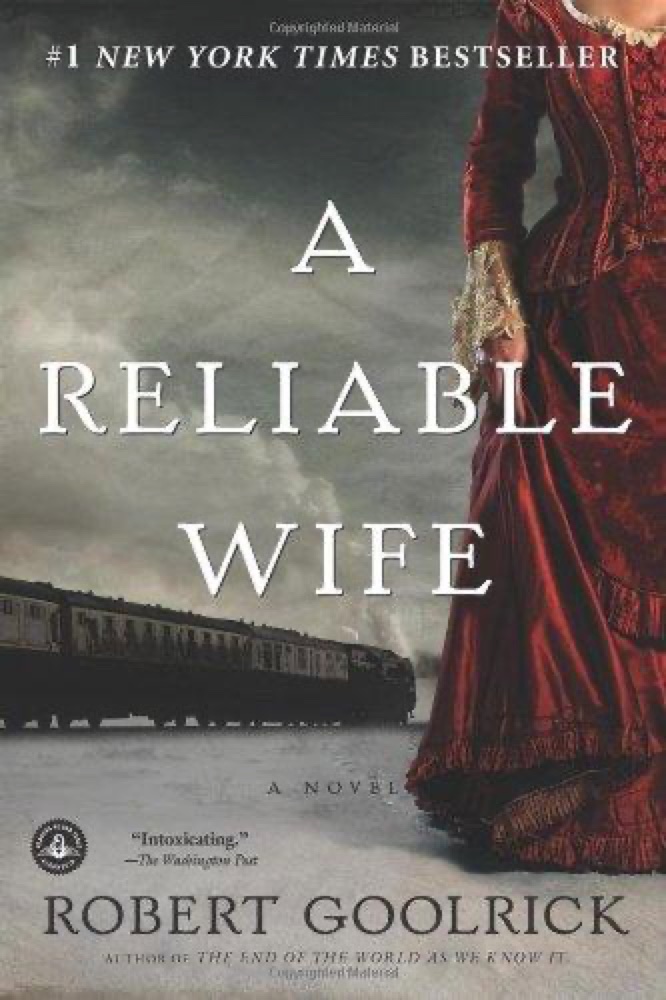 A Reliable Wife
 All Passion Spent
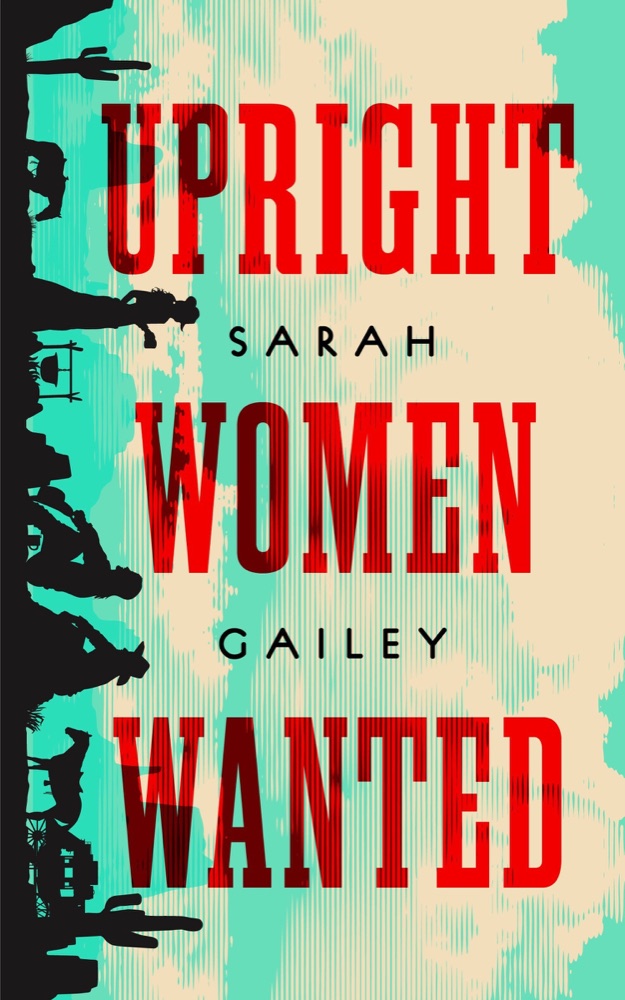 Upright Women Wanted
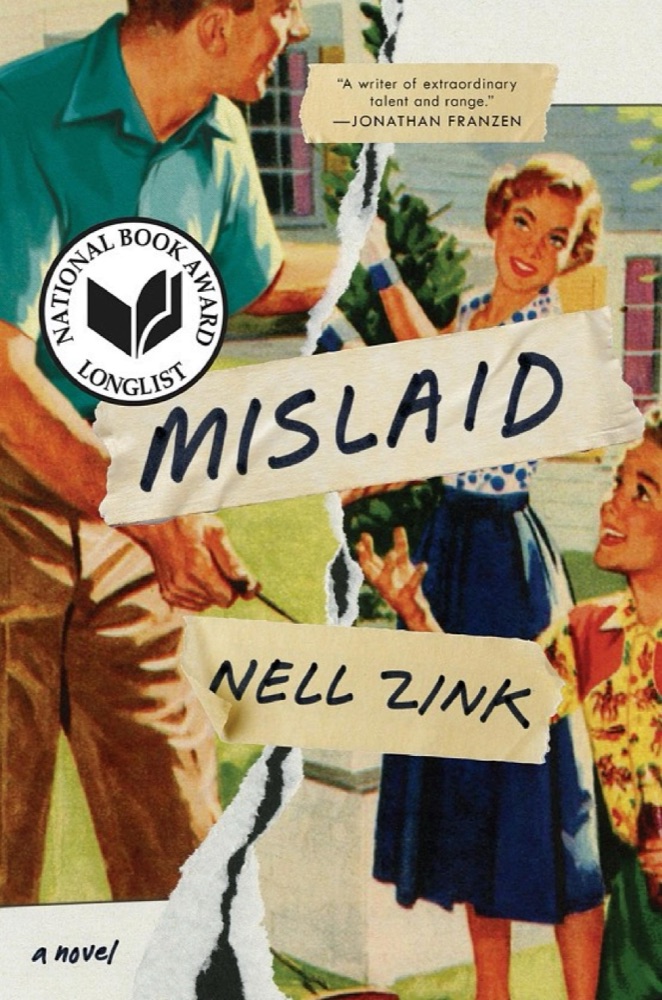 Mislaid
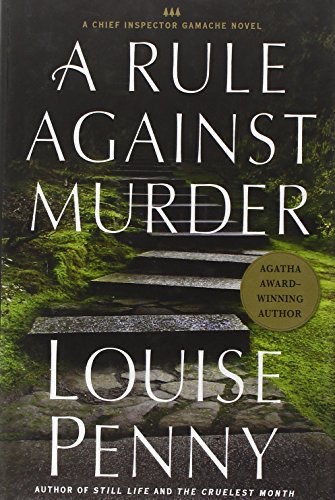 A Rule Against Murder
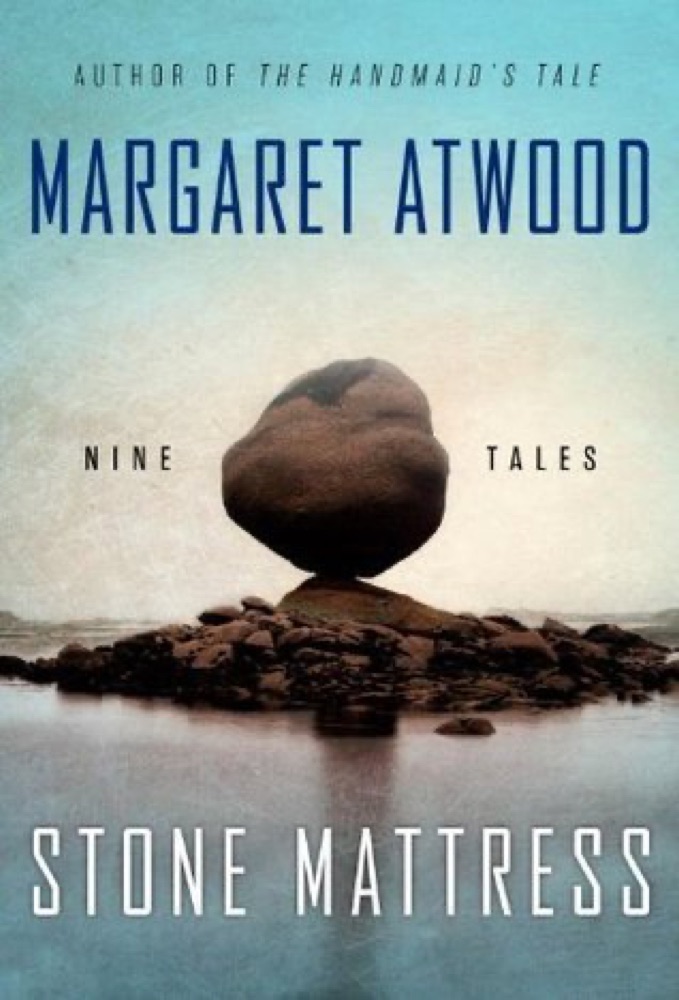 Stone Mattress: Nine Tales
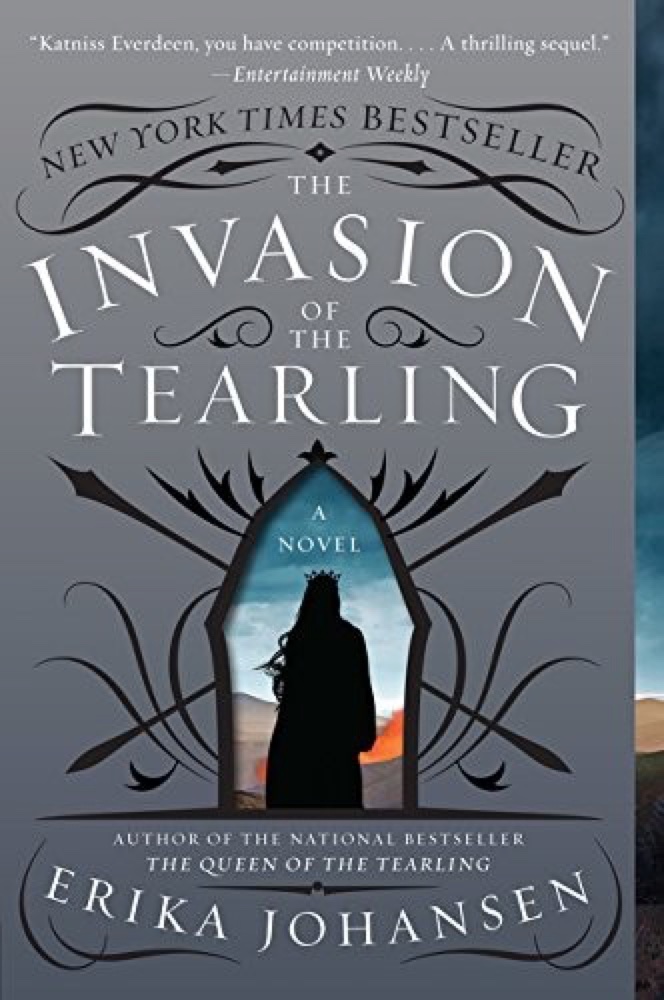 The Invasion of the Tearling
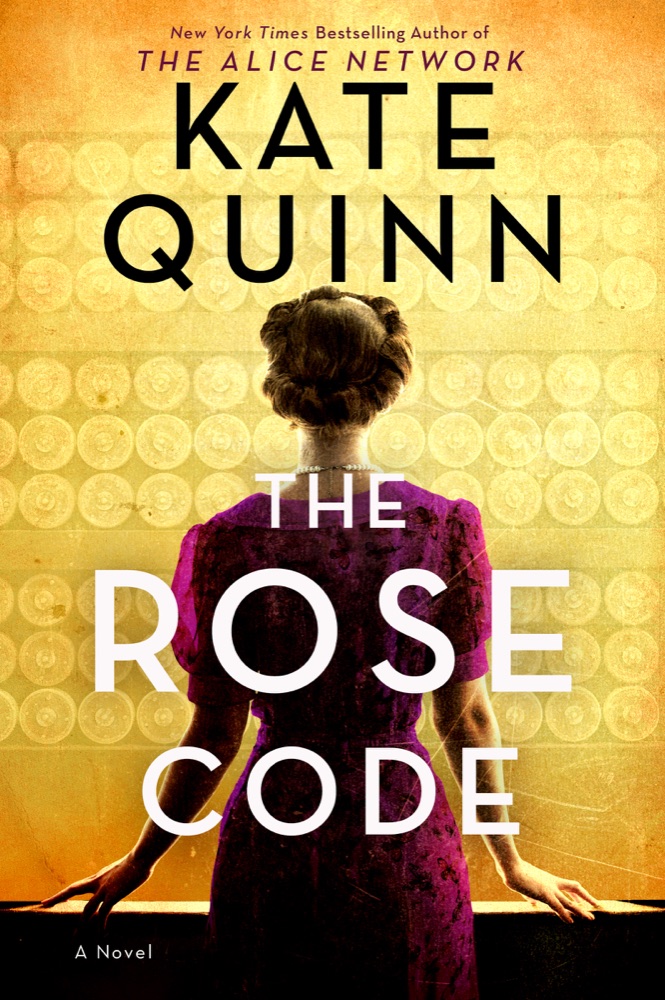 The Rose Code
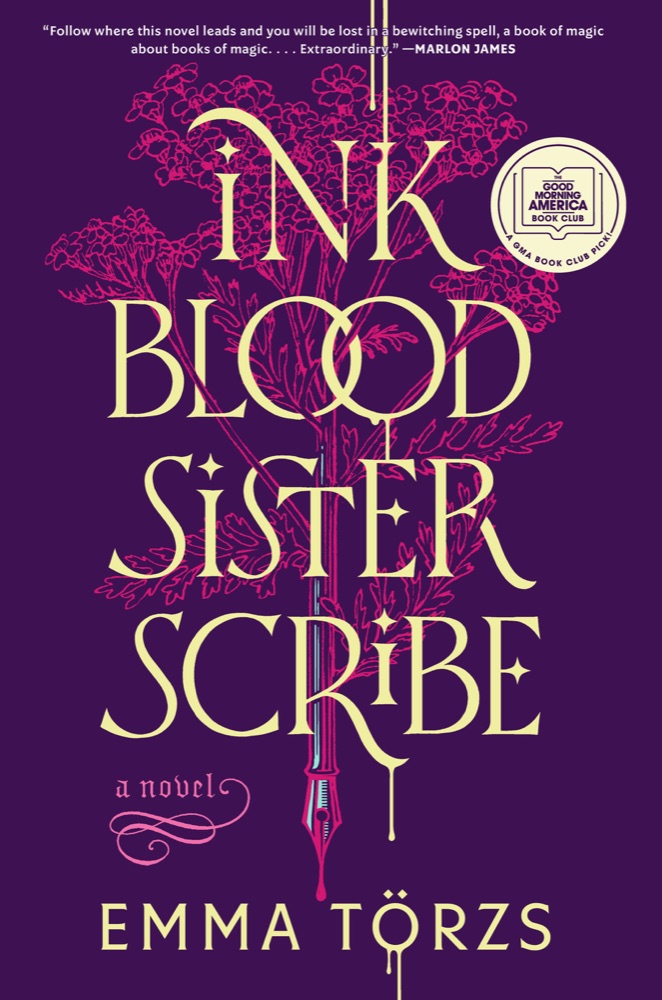 Ink Blood Sister Scribe
 Journey to Munich
 The Little Friend
 Too Much Happiness: Stories
 The Brutal Telling
 Silent Scream
 Career of Evil
 The Years
 An Unsuitable Job for a Woman
 The Body in the Library
 We Were the Mulvaneys
 The Cuckoo's Calling
 Juliet
 When Will There Be Good News?
 Olive Kitteridge
 Rilla of Ingleside
 Home Fire
 Belgravia
 The Third Hotel
 Conversion
 Mercury Pictures Presents
 Her Majesty's Royal Coven
 My Brilliant Friend
 The Vegetarian
 The Mirror Crack'd from Side to Side
 Palimpsest
 A Dangerous Place
 Reconstructing Amelia
 The Guest
 The Wings of the Dove
 The Wisteria Society of Lady Scoundrels
 The Strange Case of the Alchemist's Daughter
 The Scarlet Pimpernel
 The Christie Affair
 The Devil and the Dark Water
 The Fraud