
 Girl in Snow
Quotes from the Book
You don't need to have it all. You only need to figure out how much is enough.
57
Grief was a hole. A portal to nothing. Grief was a walk so long Hazel forgot her own legs. It was a shock of blinding sun. A burst of remembering: sandals on pavement, a sleepy back seat, nails painted on the bathroom floor. Greif was a loneliness that felt like a planet.
55
She had known from a young age that everyone had darkness inside-some just controlled it better than others. Very few people believed that they were bad, and this was the scariest part. Human nature could be so hideous, but it persisted in this ugliness by insisting it was good.
53
No one is all bad. No one is all good. We live as equals in the murky gray between.
38
I wonder about choices. How we resent them, and how we regret them—even as we watch them grow.
27
...and she thought how sad it was that a single bad thing could turn you into a story, a matter to be whispered about. Tragedy was undiscerning and totally unfair.
24
A thousand miles away, justice is being served—but justice, Saffy thinks, is supposed to feel like more. Justice is supposed to be an anchor, an answer. She wonders how a concept like justice made it into the human psyche, how she ever believed that something so abstract could be labeled, meted out. Justice does not feel like compensation. It does not even feel like satisfaction.
21
There is good and there is evil, and the contradiction lives in everyone. The good is simply the stuff worth remembering. The good is the point of it all.
19
Human nature could be so hideous, but it persisted in this ugliness by insisting it was good.
19
In most of your memories, your mother is gone. And before she is gone, always, she is leaving.
16
Sometimes you are certain this is all you are made of: a fleeting instant between action and inaction. Doing something, or not. Where is the difference, you wonder? Where is the choice. Where is the line, between stillness and motion?
15
Pity is destruction wearing a mask of sympathy.
15
Give yourself a moment every day, Harmony had suggested once in group therapy. A single moment in which you are absolved of all responsibility. How much responsibility could a person hold, Lavender wondered. How much, before the overflow?
12
I have this idea. This theory, I guess. There is no such thing as good or evil. Instead, we have memory and choice, and we all live at various points on the spectrum between. We are created by what has happened to us, combined with who we choose to be.
11
Lavender knew, then, that the world was a forgiving place. That every horror she had lived or caused could be balanced with such gutting kindness. It would be a tragedy, she thought—inhumane—if we were defined only by the things we left behind.
11
We are all bad, and we are all good, and no one should be condemned to one or the other. But if good can be tainted with the bad that comes after, then where do you place it? How do you count it? How much is it really worth?
9
This was how it always went, wasn't it? All those women who'd come before her, in caves and tents and covered wagons. It was a wonder how she'd never given much thought to the ancient, timeless fact. Motherhood was, by nature, a thing you did alone.
8
Tragedy had a texture. A knot, begging to be unraveled.
8
But Saffy knew about catastrophe. It was arbitrary. A thing descended from nowhere, pointed a bony finger, and smirked. As if to say: I choose you.
8
Felix Culpa, her mother had written. The happy fault. The horrible thing that leads to the good.
8
Sister love was like food, or air, or memory itself. It was molecular. The very stuff of her.
7
Saffy wondered about her own internal compass, the needle that kept her on this path, stopped her from wandering or regressing or giving up entirely. It scared her to realize there was no compass. There were only days and the choices she made within them
7
It was irresistible: the almost.
7
She glimpsed that same craving in Jenny Fisk—an ask, for suffering. It was the scariest thing about being a woman. It was hardwired, ageless, the part that knew you could have the good without the hurt, but it wouldn’t be nearly as exquisite.
6
It seemed, then, that mothering did not have to be so rigid. There was no arc to it, no frame through which it ended or began. Mothering could be as simple as this: a woman and her very own blood, breathing in tandem through the darkest heart of night. *
6
You are a fingerprint. When you open your eyes on the last day of your life, you see your own thumb. In the jaundiced prison light, the lines on the pad of your thumb look like a dried-out riverbed, like sand washed into twirling patterns by water, once there and now gone.
6
Just another bad man, his head hung morose as he pled with the jury. This job was getting to her. Not the bodies, or the missing children, or the rampant opioids. It was this. Men like Lawson, who believed their very existences afforded them lawlessness. Men who had been handed the world, trashed it, and still demanded more.
5
It is possible, looking at the ocean, to believe it never ends.
5
It would be a tragedy, she thought—inhumane—if we were defined only by the things we left behind.
4
You can do the vilest thing. It’s not so hard, to be bad. Evil isn’t something you can pinpoint or hold, cradle or banish. Evil hides, sly and invisible, in the corners of everything else.
4
Did you know?
- The novel won the 2023 Edgar Award for Best Novel from the Mystery Writers of America.
- It was named a New York Times Best Crime Novel of the year.
- The book deliberately subverts the true-crime genre by centering the women around a killer rather than the killer himself.
- Part of the story unfolds at the Polunsky Unit, the Texas prison that houses the state's male death row.
- Notes on an Execution is Kukafka's second novel, following her 2017 debut Girl in Snow.
About Danya Kukafka
Danya Kukafka is an American novelist and former book editor. Her debut novel, Girl in Snow (2017), was a national bestseller, and Notes on an Execution (2022) won the Edgar Award for Best Novel.
More about the author →More by Danya Kukafka
Girl in Snow
About the book
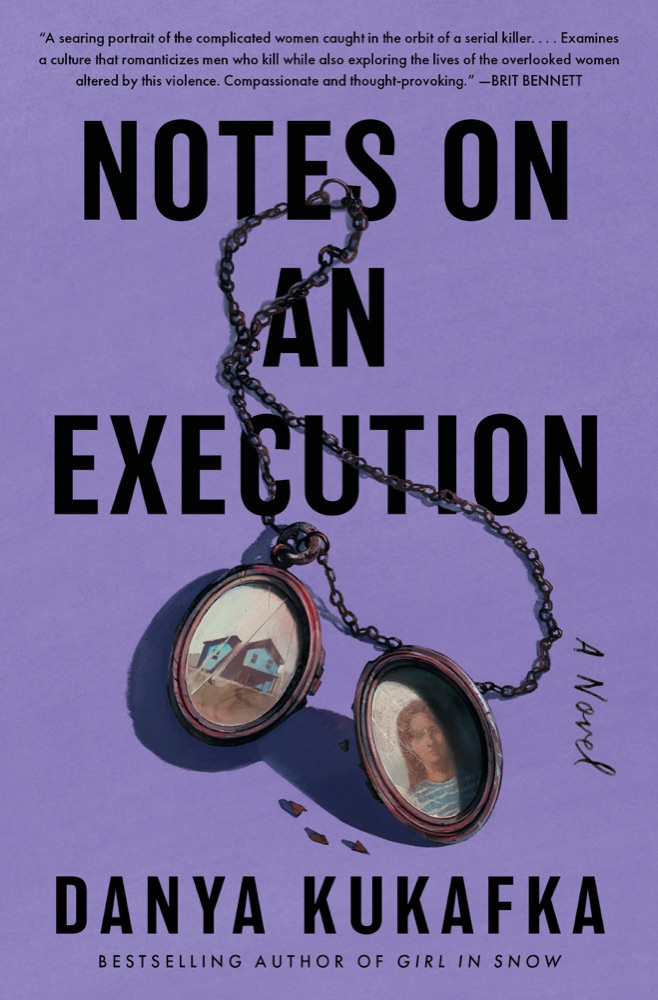
Notes on an Execution is a literary crime novel that opens on Ansel Packer, a man on death row in Texas, as he counts down the final twelve hours before his execution for the murders of several young women. Rather than dwelling on the killer's interiority alone, the book braids his story together with the lives of three women connected to him across more than four decades: his teenage mother Lavender, who fled an abusive marriage; Hazel, the twin sister of the woman Ansel married; and Saffy, a homicide detective who knew Ansel in childhood and helps pursue his case.
The novel is built as a deliberate counter to the true-crime genre's fascination with murderers. By centering the women whose lives are scarred by violence rather than the man who commits it, Kukafka explores how cycles of abuse, abandonment, and harm ripple across generations. Its themes include the seductions and limits of the true-crime obsession, the question of whether anyone is born evil, motherhood and inheritance, and the moral weight of capital punishment.
Published in January 2022, the book became a national bestseller and was named a New York Times Best Crime Novel of the year. It won the 2023 Edgar Award for Best Novel from the Mystery Writers of America, with critics praising its ambitious structure, its refusal to glamorize its killer, and the vividness of its female characters.
Key characters
- Ansel PackerA man on death row, convicted of murdering several young women
- LavenderAnsel's teenage mother, who fled an abusive marriage
- HazelTwin sister of Jenny, the woman Ansel marries
- Saffy SinghA homicide detective who knew Ansel in childhood and pursues his case
Book details
- First published
- 2022
- Length
- 320 pages
- Reading time
- 6 hours
- Author
- Danya Kukafka
- Genre
- Fiction
- Goodreads rating
- 4.03 (158k ratings)
Critical reception
- Won the 2023 Edgar Award for Best Novel from the Mystery Writers of America.
- Named a New York Times Best Crime Novel of the year and became a national bestseller.
- Critics praised its subversion of true-crime tropes and its richly drawn female characters.
If you liked this, read…
- 1My Sister, the Serial KillerAnother literary crime novel that examines a killer through the women in their orbit
- 2The Mars RoomA character-driven novel about incarceration and the lives shaped around violence
- 3We Need to Talk About KevinExplores the roots of violence and a mother's reckoning with a child who kills
Keep reading
 A Rule Against Murder
 Full Dark, No Stars
 The Story of the Lost Child
 Saint X
 10 Minutes 38 Seconds in This Strange World
 A Reliable Wife
 Atonement
 The Passage
 Warlight
 The Bookshop at Water's End
 Homecoming
 Muse of Nightmares
 Black River Orchard
 The Summer Children
 The God of Small Things
 The Ministry of Utmost Happiness
 The Bonesetter's Daughter
 Birds of America
 Held
Held
 Parade
 The Blind Assassin
 The Likeness
 The White Book
 Good Bones and Simple Murders
 Sign Here
 The Brutal Telling
 The Clockmaker's Daughter
 Now Is the Time to Open Your Heart
 Dust
Dust
 A Small Indiscretion
 All the Little Live Things
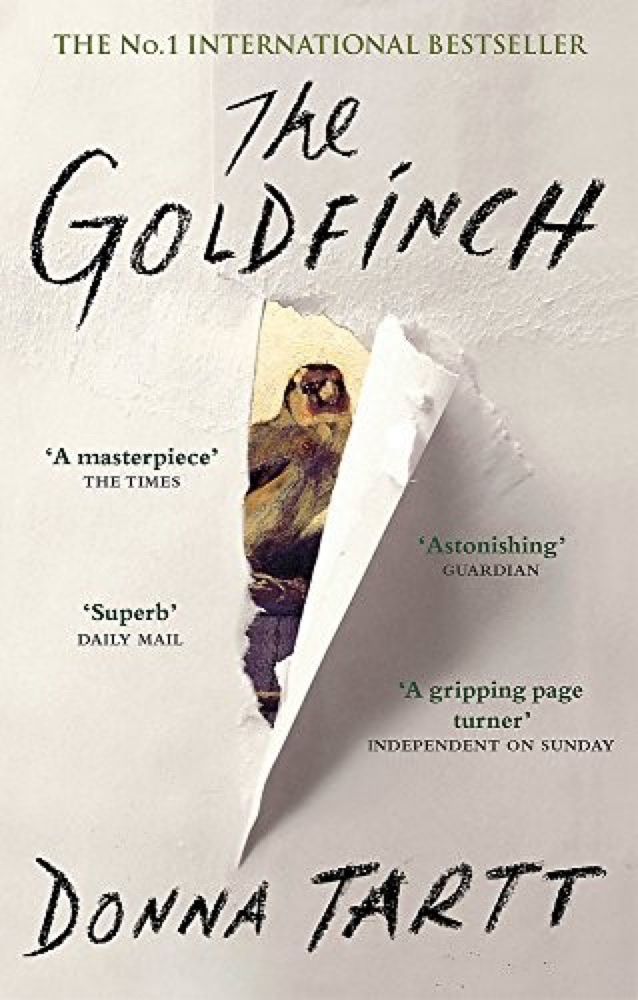 The Goldfinch
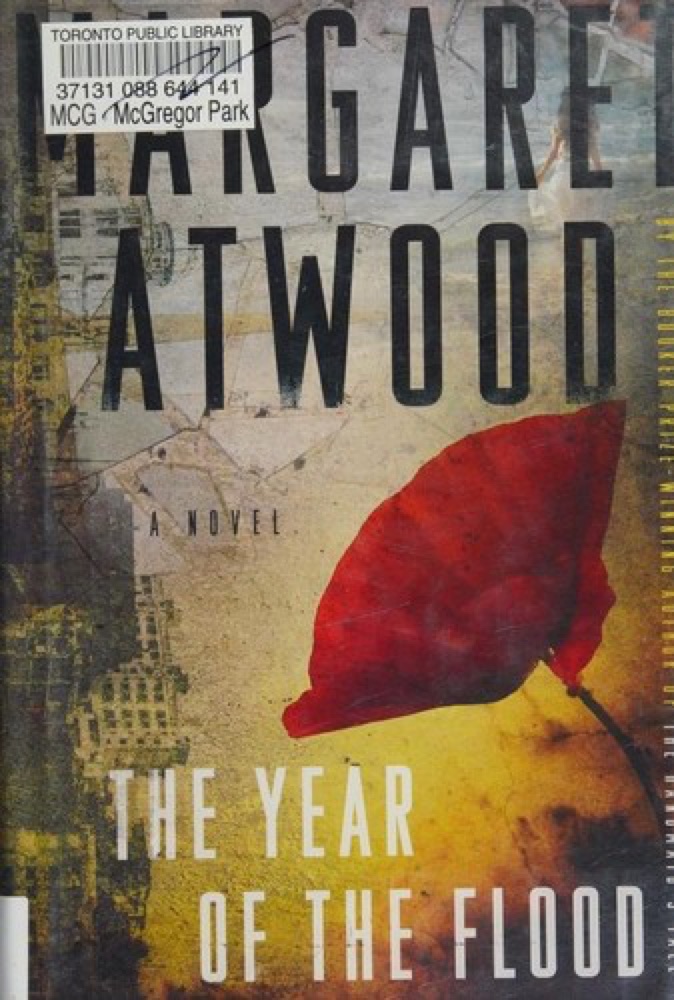 The Year of the Flood
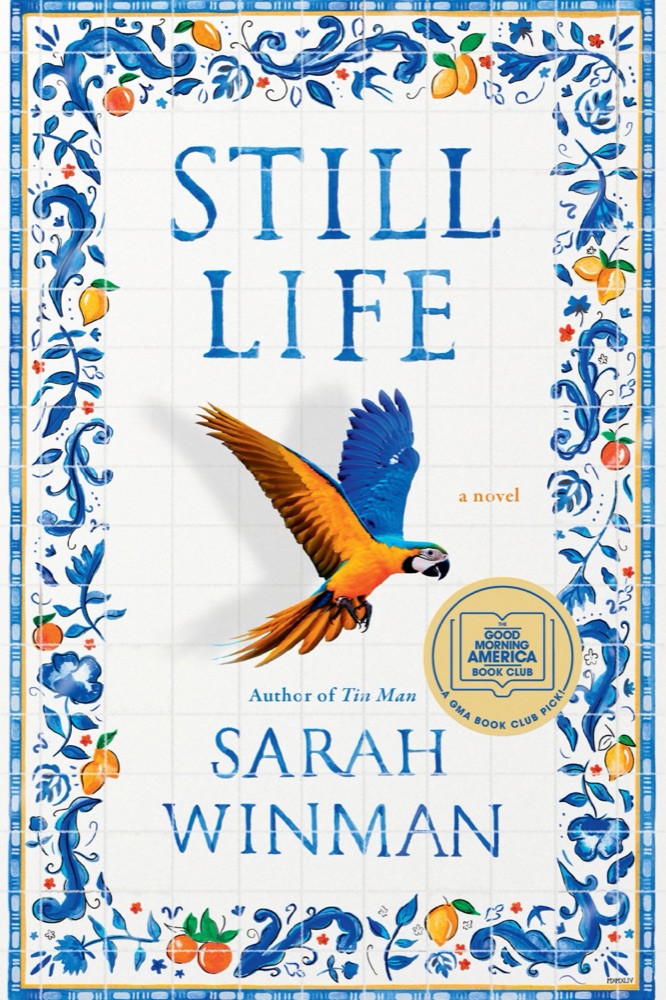 Still Life
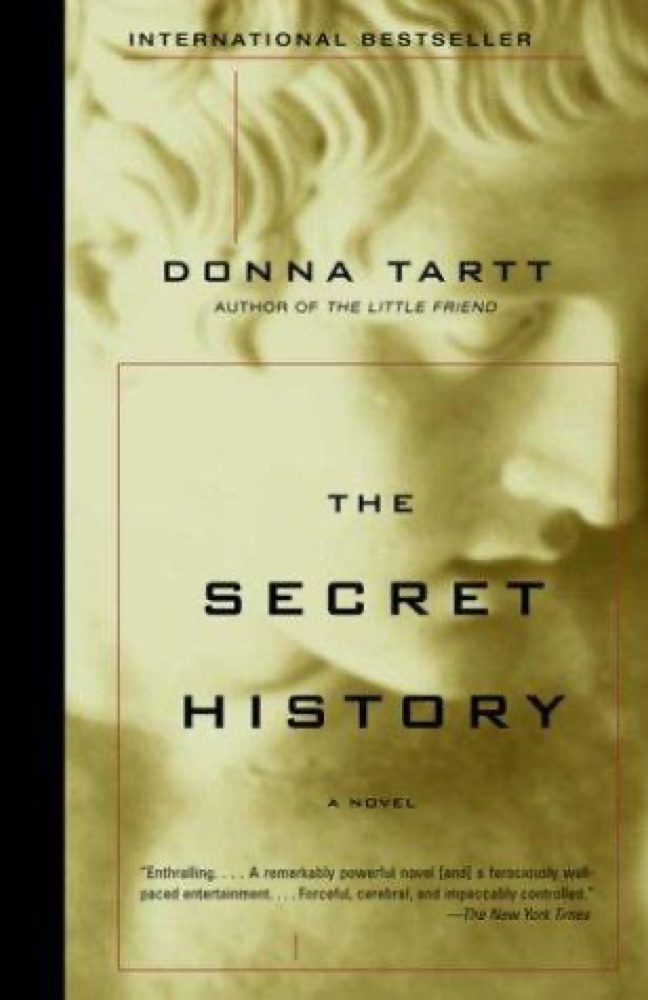 The Secret History
 Cursed Bread
 Lisey's Story
 Varina
 Shutter Island
 The Book Eaters
 Mystic River
 Every Heart a Doorway
 The Signature of All Things
 We Are All the Same in the Dark
 The New Hunger
 Summer Island
 The Storyteller
 Freshwater
 Journey to Munich
 The Emperor of Gladness
 Our Wives Under the Sea
 The Atlas Complex
 The Quick and the Dead
 Incantation
 The Trauma Cleaner: One Woman's Extraordinary Life in the Business of Death, Decay, and Disaster
 The Book of the Unnamed Midwife
 Tess of the Road
 Come Tumbling Down
 Good as Gone
 Idaho
Idaho