
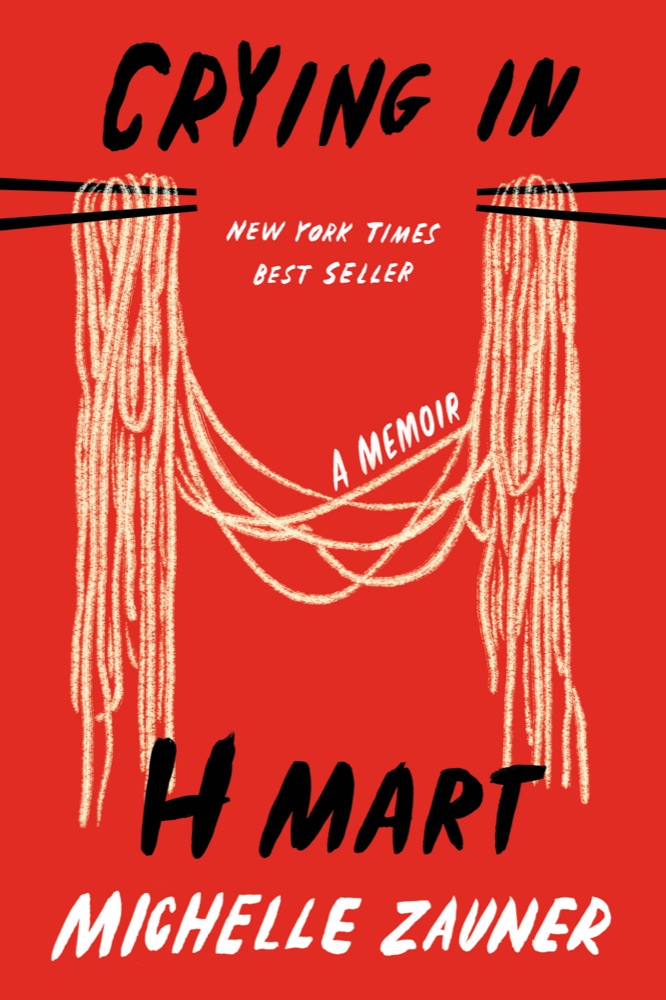
 Crying in H Mart
Quotes from the Book
There is an emptiness inside of me -- a void that will never be filled. No one in your life will ever love you as your mother does. There is no love as pure, unconditional and strong as a mother's love. And I will never be loved that way again.
128
When a daughter loses a mother, the intervals between grief responses lengthen over time, but her longing never disappears. It always hovers at the edge of her awareness, prepared to surface at any time, in any place, in the least expected ways.
94
I truly believe that the death of my mother has made me the way I am today. I am a survivor, mentally strong, determined, stronwilled, self-reliant, and independent. I also keep most of my pain, anger and feelings inside. I refuse to be vulnerable to anyone, especially my husband. The only people who see that more emotional or softer side are my children. That too because of my mother.
51
a mother's death also means the loss of the consistent, supportive family system that once supplied her with a secure home base, she then has to develop her self-confidence and self-esteem through alternate means. Without a mother or mother-figure to guide her, a daughter also has to piece together a female self-image of her own.
40
When a mother dies, a daughter grieves. And then her life moves on. She does, thankfully, feel happiness again. But the missing her, the wanting her, the wishing she were still here—I will not lie to you, although you probably already know. That part never ends.
34
There is an emptiness inside of me- a void that will never be filled. No one in your life will ever love you as your mother does. There is no love as pure, unconditional and strong as a mother's love. And I will never be loved that way again.
31
My grief fills rooms. It takes up space and it sucks out the air. It leaves no room for anyone else. Grief and I are left alone a lot. We smoke cigarettes and we cry. We stare out the window at the Chrysler Building twinkling in the distance, and we trudge through the cavernous rooms of the apartment like miners aimlessly searching for a way out . . . Grief is possessive and doesn’t let me go anywhere without it. I drag my grief out to restaurants and bars, where we sit together sullenly in the corner, watching everyone carry on around us. I take grief shopping with me, and we troll up and down the aisles of the supermarket, both of us too empty to buy much. Grief takes showers with me, our tears mingling with the soapy water, and grief sleeps next to me, its warm embrace like a sedative keeping me under for long, unnecessary hours. Grief is a force and I am swept up in it.
27
When one parent dies, the world is dramatically altered, absolutely, but you still have another one left. When that second parent dies, it’s the loss of all ties, and where does that leave you? You lose your history, your sense of connection to the past. You also lose the final buffer between you and death. Even if you’re an adult, it’s weird to be orphaned.
27
When a daughter loses a mother, she learns early that human relationships are temporary, that terminations are beyond her control, and her feelings of basic trust and security are shattered. The result? A sense of inner fragility and overriding vulnerability. She discovers she’s not immune to unfortunate events, and the fear of subsequent similar losses may become a defining characteristic of her personality.
26
I miss her when I can’t remember what works best on insect bites, and when nobody else cares how rude the receptionist at the doctor’s office was to me. Whether she actually would have flown in to act as baby nurse or mailed me cotton balls and calamine lotion if she were alive isn’t really the issue. It’s the fact that I can’t ask her for these things that makes me miss her all over again.
26
Someone did us all a grave injustice by implying that mourning has a distinct beginning, middle, and end.
21
When a mother dies, a daughter’s mourning never completely ends.
17
The degree to which a surviving parent copes is the most important indicator of the child's long-term adaptation. Kids whose surviving parents are unable to function effectively in the parenting role show more anxiety and depression, as well as sleep and health problems, than those whose parents have a strong support network and solid inner resources to rely on.
17
You’re driving in the car and you feel like your whole world has fallen apart. And people in the car beside you are laughing and carrying on. Their life is normal, and you think, ‘Goddamn it. What gives you the right to laugh?’ Because nothing has happened to them. You don’t understand how everything else can go on normally when your life will never be normal again. Ever.
16
Even though we knew she was going to die eventually, when it happened it was still a terrible, rude shock. I thought I was prepared, but when it happened I fell apart. That's when I realized I'd been hanging on to the hope, however slim, that as long as she was alive she might somehow get better.
12
When a mother dies too young, something inside her daughter always feels incomplete. There’s a missing piece she continues to look for, an emptiness she keeps trying to fill. The
10
Sometimes I wonder what losing my mother would have been like if I’d spent just a few more years with her, or if I’d known her for a few less.
9
If I had to pinpoint my mother’s location, I’d say she’s nowhere and everywhere at the same time. She’s a foggy memory I can’t quite bring into focus and a gentle spirit that infuses all my days. She hovers in the background of my life now, suspended, shapeless, like familiar air.
8
I do know that mother loss can be heartbreaking at any age. No matter how old we are, we yearn for a mother’s love throughout our lives, reaching for the security and comfort we believe only she can provide at times of illness, transition, or stress.
8
A person was present your entire life, and then one day she disappeared and never came back. It resisted belief.
7
When my mother died, a lot of people tried to comfort me by saying, ‘Well, you still have your father. You still have a brother and sister. You have a wonderful husband and beautiful children.’ And you know what? That’s all true. That’s all completely true. But I still don’t have my mother.
7
many of my achievements have been bittersweet to me because they are things my mother once hoped to accomplish but never got the time to do. I’ve visited a dozen foreign countries. I went to my brother’s wedding. I saw the first day of a new century.
7
Rachel Resnick's story of love lost and love sought cracks open the timeworn addiction narrative to release something raw, probing, brave, and redemptive. The courage it took to write this story is challenged only by the courage it must have taken to live it. I sit in awe of such unflinching honesty. LOVE JUNKIE is memoir at its very best.
7
Grief needs an outlet. Creativity offers one. Some psychiatrists see mourning and creativity as the perfect marriage, the thought processes of one neatly complementing the other. A child’s contradictory impulses to both acknowledge and deny a parent’s death represents precisely the type of rich ambiguity that inspires artistic expression.
6
it’s impossible to undo fifteen or twenty years of learned behavior with a mother in only a few months. If it takes nine months to bring a life into this world, what makes us think we can let go of someone in less?
6
I knew without doubt that my mother’s death had irrevocably altered who I was and who I would become. When a parent dies young, explains Maxine Harris, PhD, in The Loss That Is Forever, children have a personal encounter with death that influences the way they see the world for the rest of their lives. “Some events are so big and so powerful that they cannot help but change everything they touch,” she writes. How could all my thoughts and feelings, then, not be traced back to the event that had created such a jagged fault line through my history, dividing it into a permanent Before and After?
6
she loses not only her mother but also the encouragement and revalidation of the self she needs as well as the real sharing she would want to do with her mother at that time.” It
6
there’s no good way to lose a loved one—just, in the words of one twenty-six-year-old woman, “different kinds of hell.
5
Experiencing that intense emotion is what helps us, ultimately, accept that our mothers are gone.
4
Watch on YouTube
About Hope Edelman
We have collected 29 quotes from 1 book by Hope Edelman on BookQuoters.
More about the author →About the book
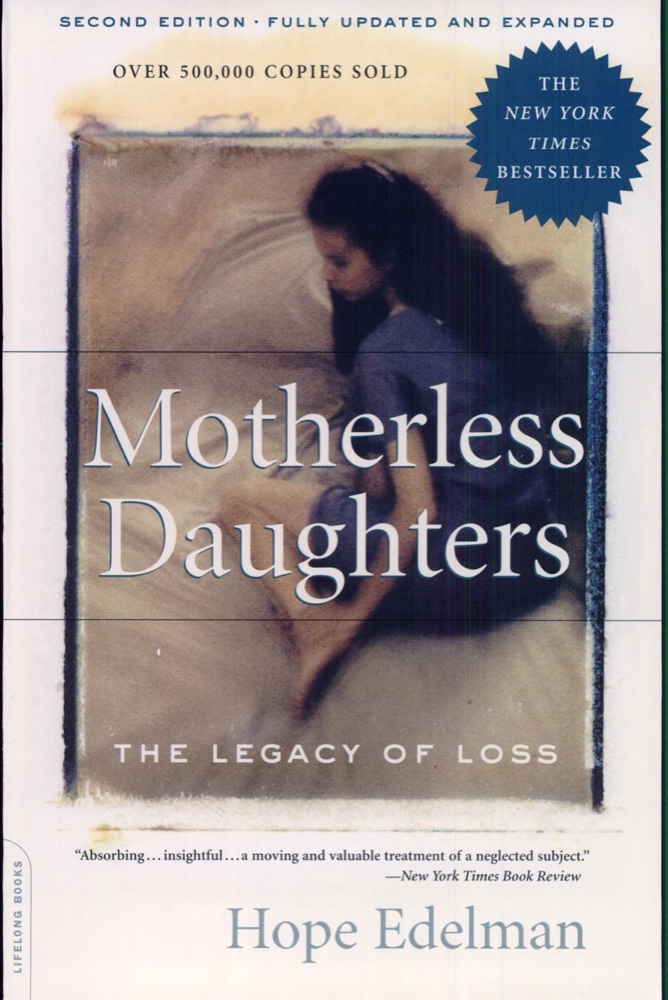
An instant bestseller in both hardcover and paperback, Hope Edelman's Motherless Daughters explores the myriad ways that losing a mother can affect almost every aspect and passage of a woman's life. First published a decade ago, it is still the book that motherless daughters of all ages look to for understanding and comfort and that they press into each other's hands. Building on interviews with hundreds of mother-loss survivors, this life-affirming book is now newly expanded to reflect the author's personal experience with the continued legacy of mother loss; now married and a mother of young children herself, Edelman better understands how the effects of mother loss change over time and in light of new relationships. A work of stunning courage and honesty, Motherless Daughters is a must read for the millions of women whose mothers have gone, but whose need for healing, mourning, and mo
Book details
- First published
- 1994
- Author
- Hope Edelman
- Genre
- Nonfiction
- Goodreads rating
- 4.30 (4k ratings)
Keep reading
Crying in H Mart
 Grief Is Love: Living with Loss
 A Living Remedy: A Memoir – A Daughter's Narrative of Adoption, Class Inequality, and Grief in America
 The Long Goodbye
 The Mother-in-Law
 What My Mother and I Don't Talk About: Fifteen Writers Break the Silence
 Mothers Who Can't Love: A Healing Guide for Daughters
 The House of My Mother: A Daughter's Quest for Freedom
 Glitter and Glue
 Notes on Grief
 Grief Is for People
 Women We Buried, Women We Burned: A Memoir
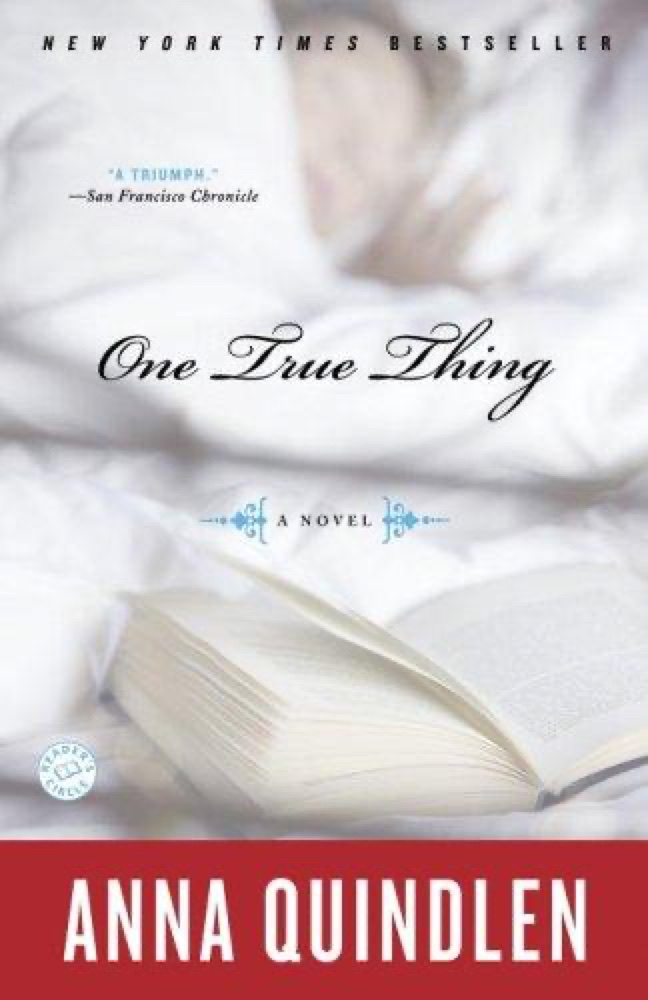 One True Thing
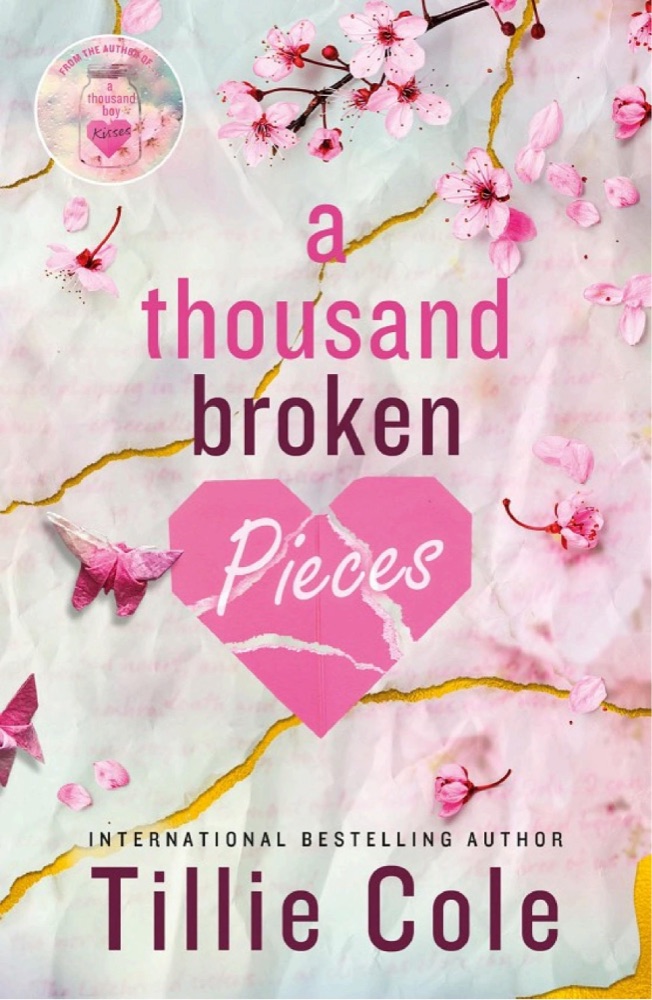 A Thousand Broken Pieces
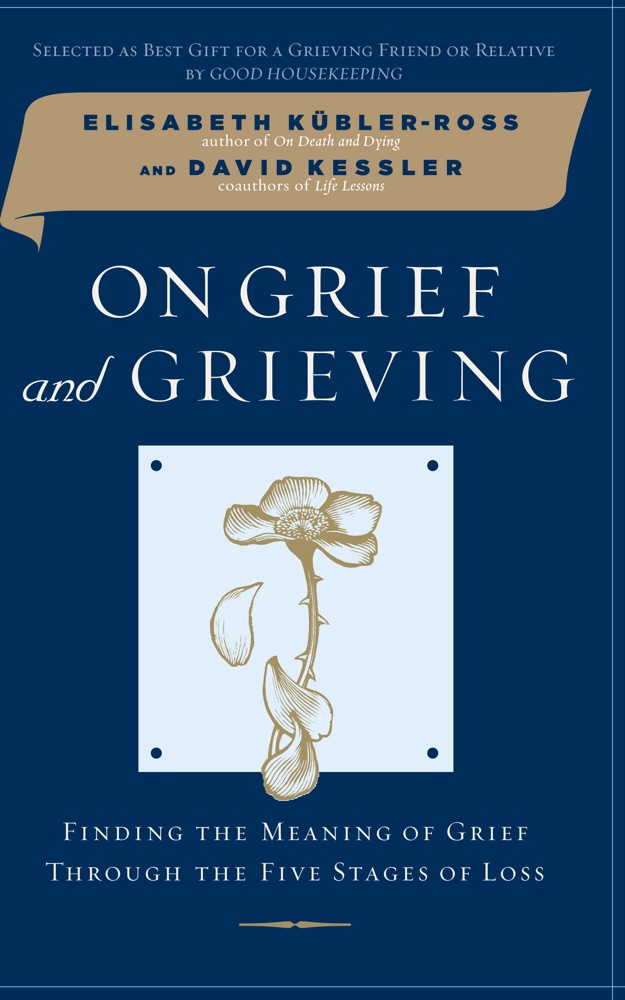 On Grief and Grieving: Finding the Meaning of Grief Through the Five Stages of Loss
 And Now I Spill the Family Secrets: An Illustrated Memoir
 My Father's Eyes, My Mother's Rage
 Things in Nature Merely Grow
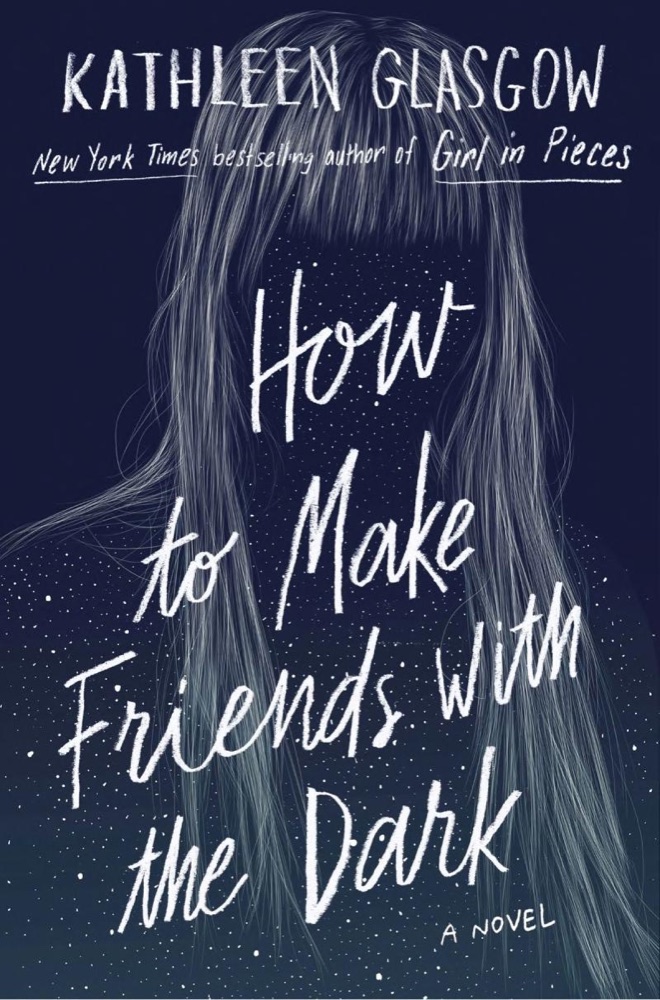 How to Make Friends with the Dark
 The Push
 Is Mother Dead
 The Bright Years
 From Here to the Great Unknown
 Grief Cottage
 The First Time She Drowned
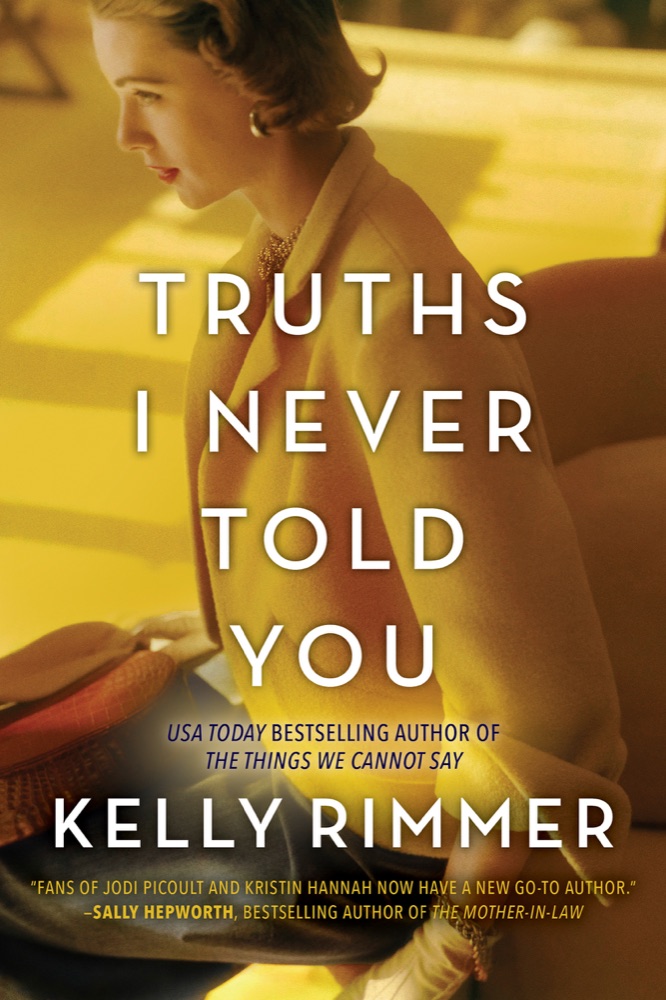 Truths I Never Told You
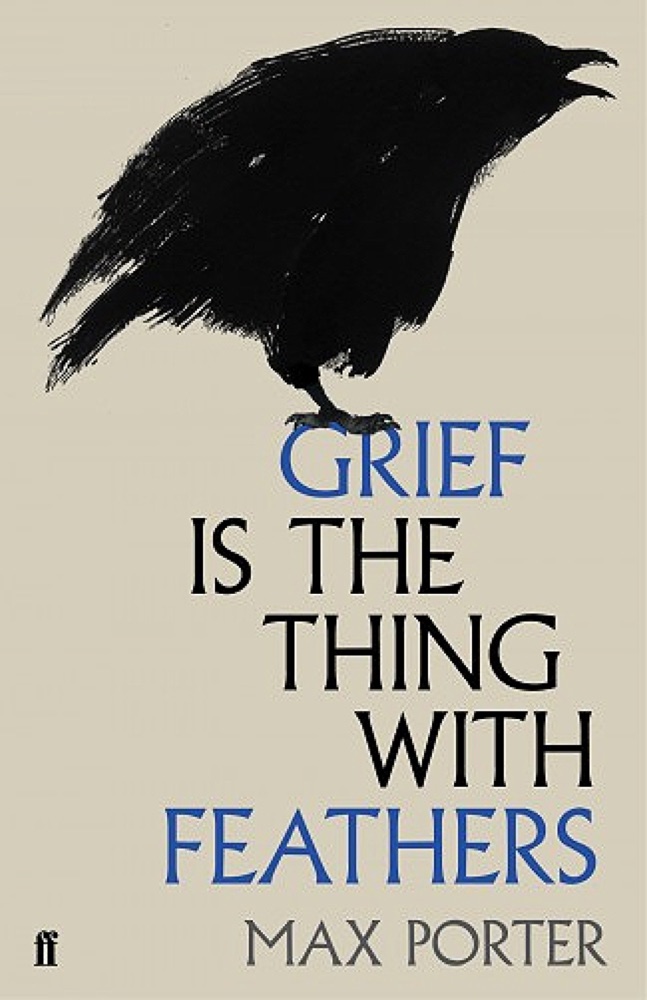 Grief Is the Thing with Feathers
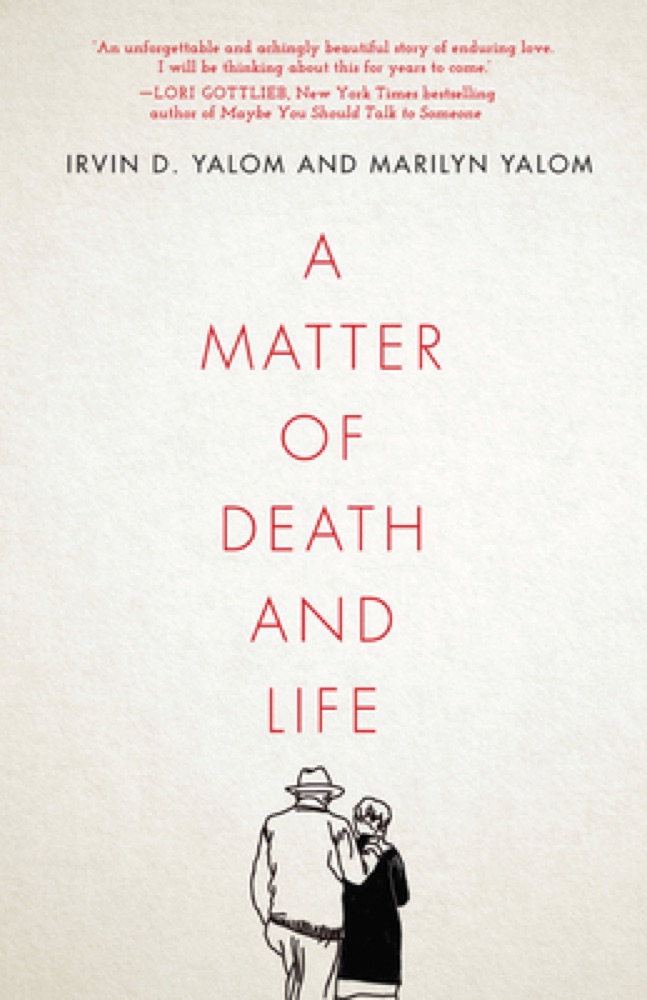 A Matter of Death and Life
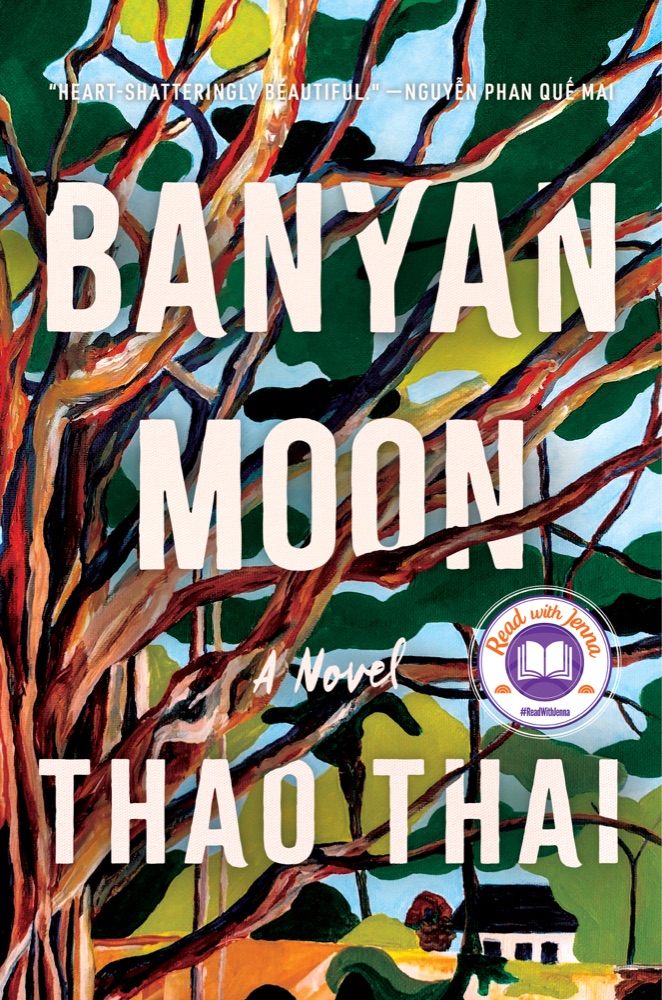 Banyan Moon
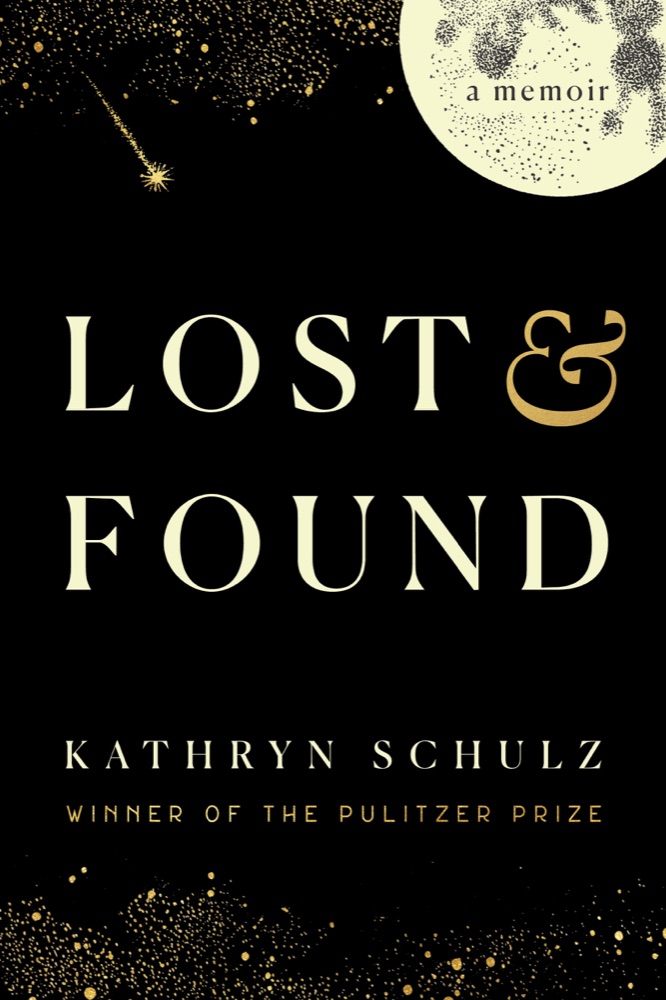 Lost & Found: A Memoir
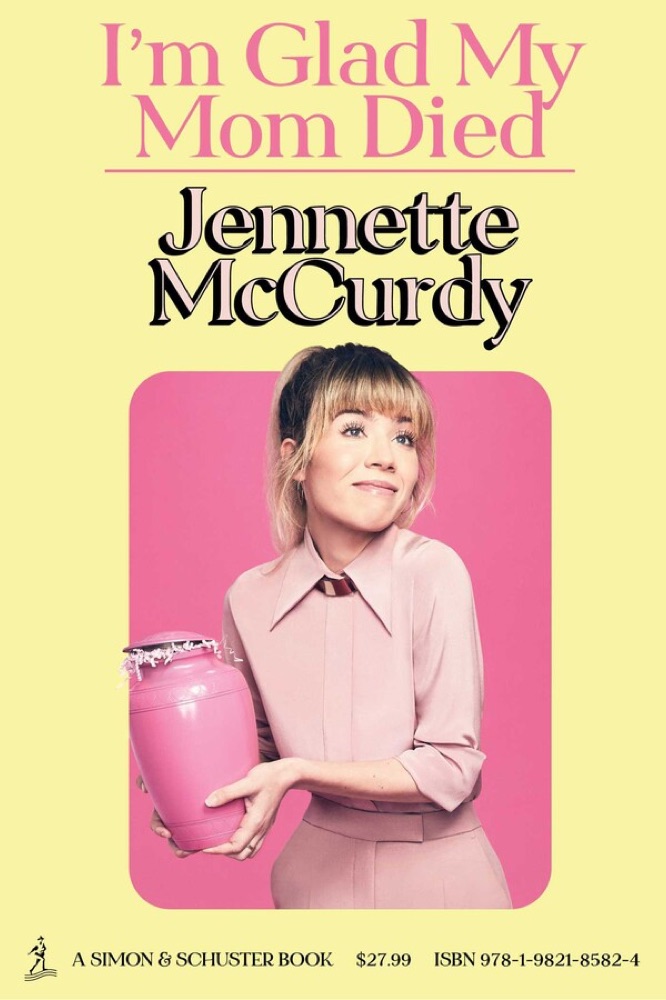 I'm Glad My Mom Died
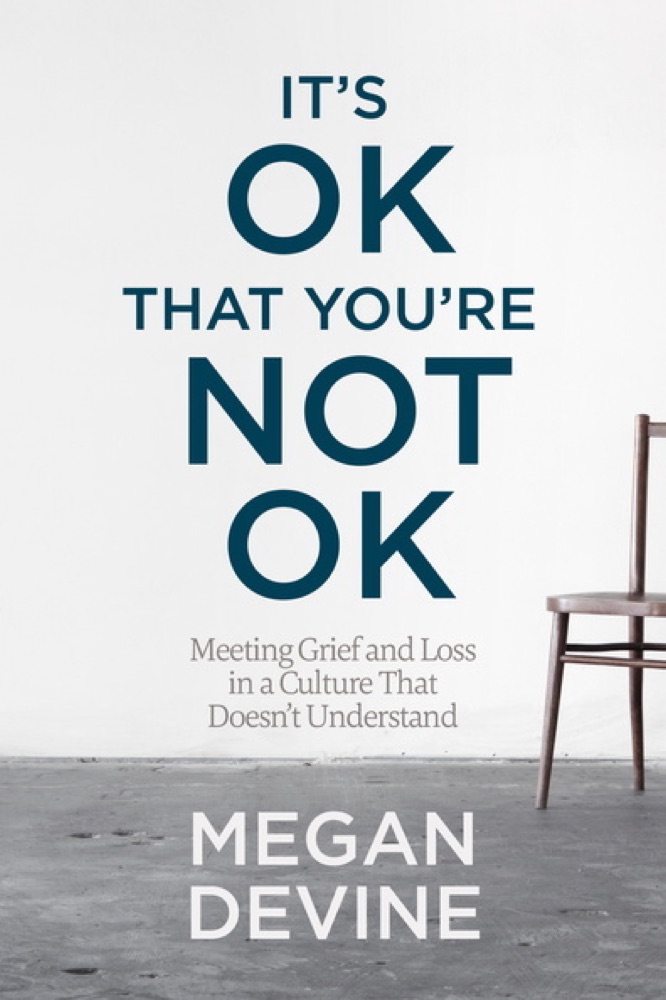 It's OK That You're Not OK
 Bad Cree
 Summer Island
 A Widow's Story
 A Very Easy Death
 Heartbeat
 The New Wilderness
 Late Migrations: A Natural History of Love and Loss
 My Mother's Secret
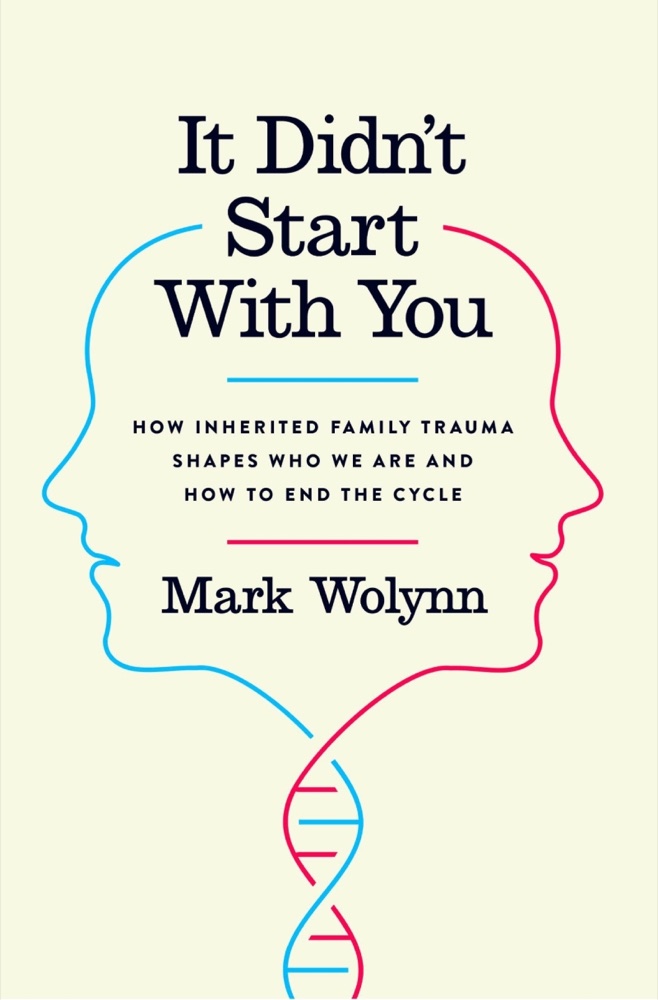 It Didn't Start with You: How Inherited Family Trauma Shapes Who We Are and How to End the Cycle
 Somebody's Daughter
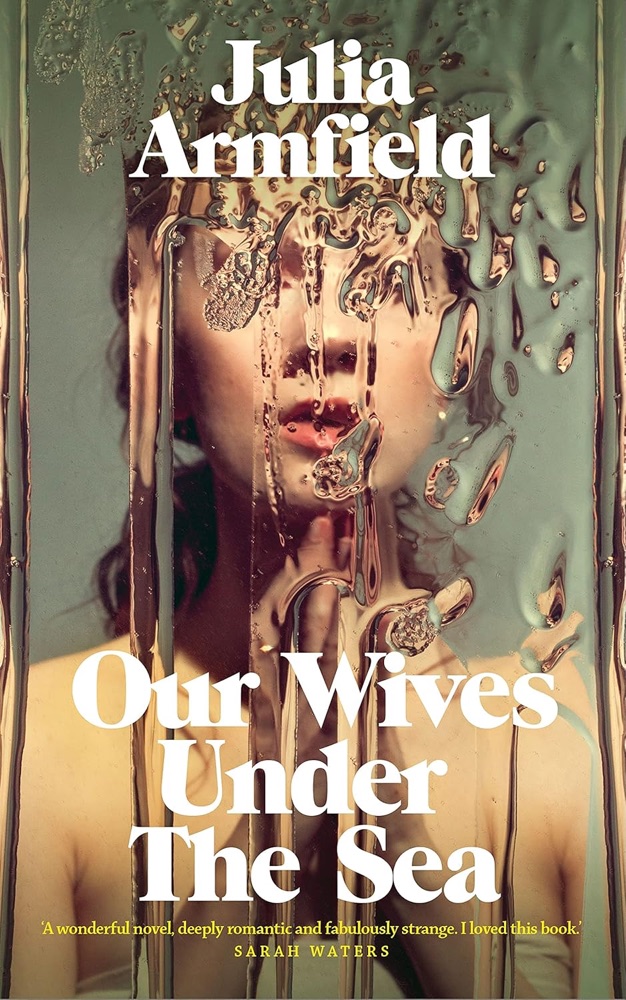 Our Wives Under the Sea
 The White Book
 Heartwood
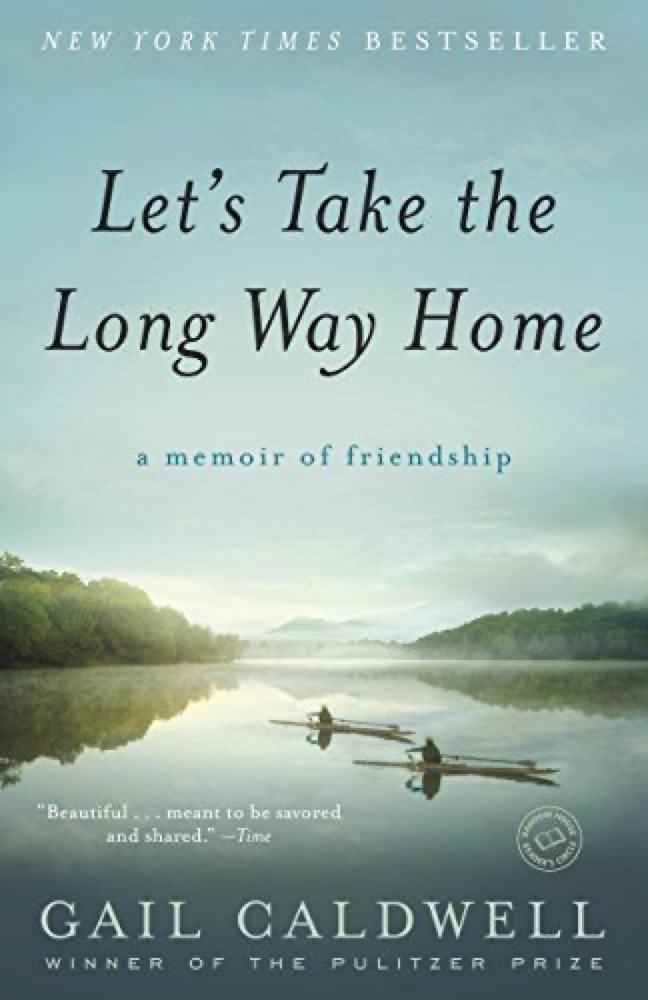 Let's Take the Long Way Home: A Memoir of Friendship
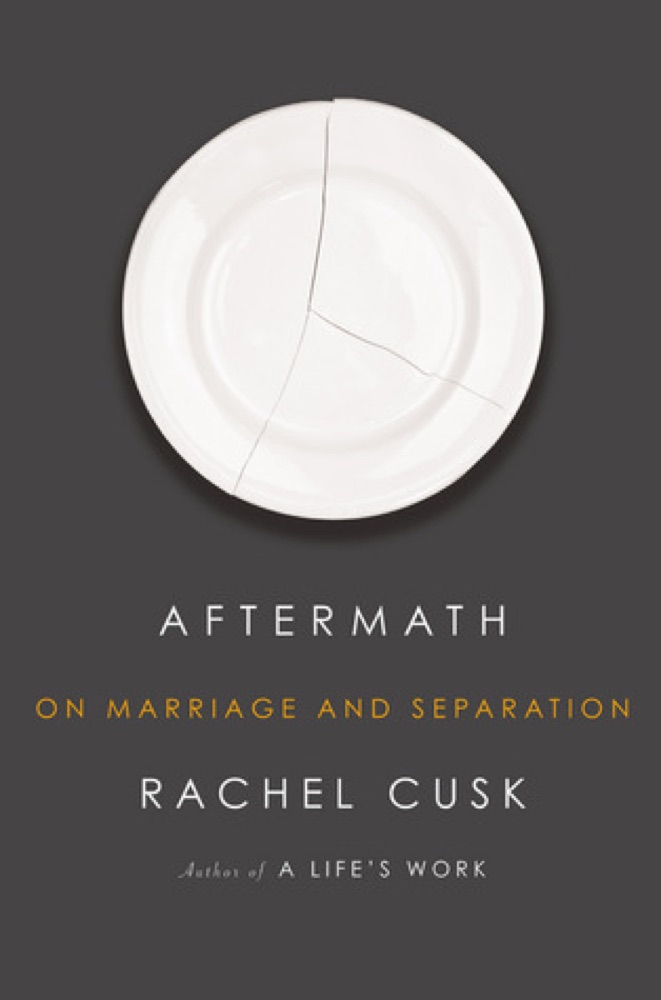 Aftermath: On Marriage and Separation
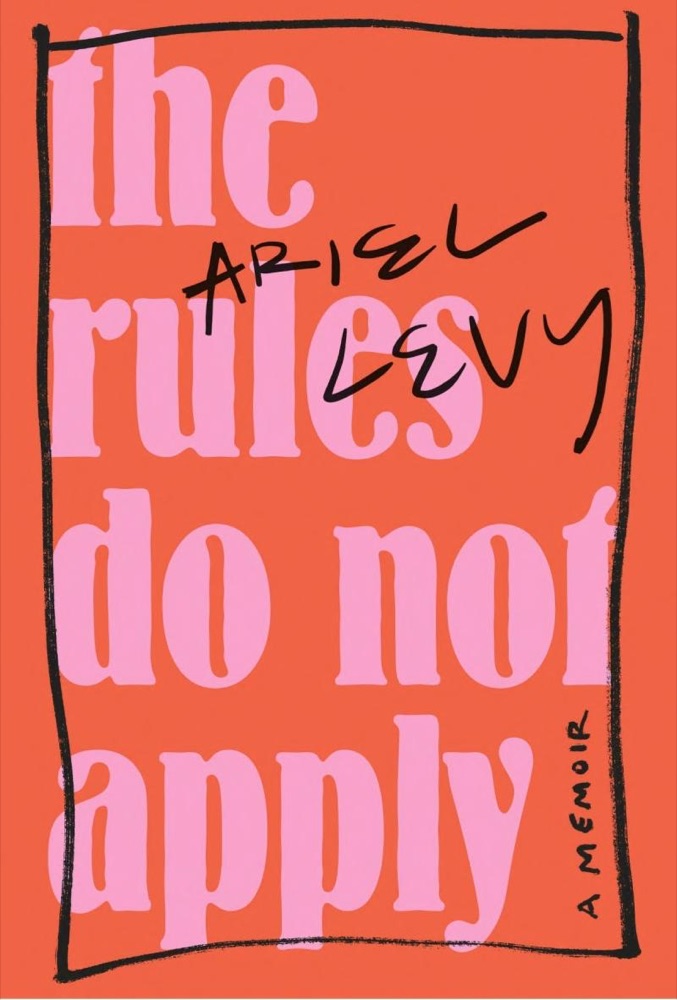 The Rules Do Not Apply
 How to Forget: A Daughter's Memoir
 Saint X
 Birdcage Walk
 Are You My Mother?: A Comic Drama
 Anthropology of an American Girl
 Stay with Me
 The Death of Vivek Oji
 Confessions of a Funeral Director: How the Business of Death Saved My Life
 You Could Make This Place Beautiful
 Sister
 Junie
Junie