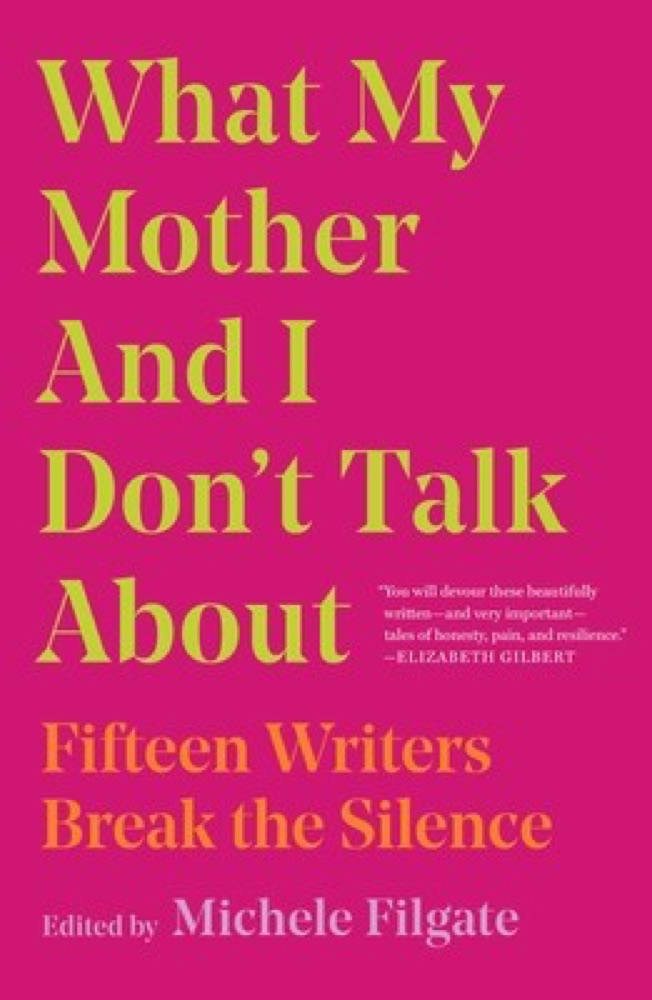
 What My Mother and I Don't Talk About: Fifteen Writers Break the Silence
Quotes from the Book
It felt like the world had divided into two different types of people, those who had felt pain and those who had yet to.
460
I remember these things clearly because that was how my mother loved you, not through white lies and constant verbal affirmation, but in subtle observations of what brought you joy, pocketed away to make you feel comforted and cared for without even realizing it.
315
Hers was tougher than tough love. It was brutal, industrial-strength. A sinewy love that never gave way to an inch of weakness. It was a love that saw what was best for you ten steps ahead, and didn't care if it hurt like hell in the meantime. When I got hurt, she felt it so deeply, it was as though it were her own affliction. She was guilty only of caring too much. I realize this now, only in retrospect. No one in this would would ever love me as much as my mother, and she would never let me forget it.
261
In fact, she was both my first and second words: Umma, then Mom. I called to her in two languages. Even then I must have known that no one would ever love me as much as she would.
228
Love was an action, an instinct, a response roused by unplanned moments and small gestures, an inconvenience in someone else’s favor.
227
For the rest of my life there would be a splinter in my being, stinging from the moment my mother died until it was buried with me.
187
I’ve just never met someone like you," as if I were a stranger from another town or an eccentric guest accompanying a mutual friend to a dinner party. It was a strange thought to hear from the mouth of the woman who had birthed and raised me, with whom I shared a home for eighteen years, someone who was half me. My mother had struggled to understand me just as I struggled to understand her. Thrown as we were on opposite sides of a fault line—generational, cultural, linguistic—we wandered lost without a reference point, each of us unintelligible to the other’s expectations, until these past few years when we had just begun to unlock the mystery, carve the psychic space to accommodate each other, appreciate the differences between us, linger in our refracted commonalities. Then, what would have been the most fruitful years of understanding were cut violently short, and I was left alone to decipher the secrets of inheritance without its key.
186
There was no one in the world that was ever as critical or could make me feel as hideous as my mother, but there was no one, not even Peter, who ever made me feel as beautiful.
172
Some of the earliest memories I can recall are of my mother instructing me to always “save ten percent of yourself.” What she meant was that, no matter how much you thought you loved someone, or thought they loved you, you never gave all of yourself. Save 10 percent, always, so there was something to fall back on. “Even from Daddy, I save,” she would add.
154
Food was how my mother expressed her love. No matter how critical or cruel she could seem—constantly pushing me to meet her intractable expectations—I could always feel her affection radiating from the lunches she packed and the meals she prepared for me just the way I liked them.
136
Now that she was gone, I began to study her like a stranger, rooting around her belongings in an attempt to rediscover her, trying to bring her back to life in any way that I could. In my grief I was desperate to construe the slightest thing as a sign.
128
To be a loving mother was to be known for a service, but to be a lovely mother was to possess a charm all your own.
125
Life is unfair, and sometimes it helps to irrationally blame someone for it.
119
I had spent my adolescence trying to blend in with my peers in suburban America, and had come of age feeling like my belonging was something to prove. Something that was always in the hands of other people to be given and never my own to take, to decide which side I was on, whom I was allowed to align with. I could never be of both worlds, only half in and half out, waiting to be ejected at will by someone with greater claim than me. Someone whole.
97
Every time I remember that my mother is dead, it feels like I’m colliding with a wall that won’t give. There’s no escape, just a hard surface that I keep ramming into over and over, a reminder of the immutable reality that I will never see her again.
96
How cyclical and bittersweet for a child to retrace the image of their mother. For a subject to turn back to document their archivist.
86
Maybe I was just terrified that I might be the closest thing she had to leaving a piece of herself behind.
85
When one person collapses, the other instinctively shoulders their weight.
60
The memories I stored, I could not let festered. Could not let trauma infiltrate and spread, to spoil and render them useless. They were moments to be tended. The culture we shared I was active, effervescent in my gut and in my genes, and I had to seize it, foster it so it did not die in me. So that I could pass it on someday. The lessons she imparted, the proof of her life lived on in me, and in every move and deed. I was what she left behind. If I could not be with my mother, I would be her.
58
Save your tears for when your mother dies.
51
That night, lying beside her, I remembered how when I was a child I would slip my cold feet between my mother’s thighs to warm them. How she’d shiver and whisper that she would always suffer to bring me comfort, that that was how you knew someone really loved you.
48
everything I might regret. She was my champion, she was my archive. She had taken the utmost care to preserve the evidence of my existence and growth, capturing me in images, saving all my documents and possessions. She had all knowledge of my being memorized.
41
Sometimes my grief feels as though I’ve been left alone in a room with no doors. Every time I remember that my mother is dead, it feels like I’m colliding with a wall that won’t give. There’s no escape, just a hard surface that I keep ramming into over and over, a reminder of the immutable reality that I will never see her again.
37
Cooking my mother's food had come to represent an absolute role reversal, a role I was meant to fill. Food was an unspoken language between us, had come to symbolize our return to each other, our bonding, our common ground.
37
I had thought fermentation was controlled death. Left alone, a head of cabbage molds and decomposes. It becomes rotten, inedible. But when brined and stored, the course of its decay is altered. Sugars are broken down to produce lactic acid, which protects it from spoiling. Carbon dioxide is released and the brine acidifies. It ages. Its color and texture transmute. Its flavor becomes tarter, more pungent. It exists in time and transforms. So it is not quite controlled death, because it enjoys a new life altogether. The memories I had stored, I could not let fester. Could not let trauma infiltrate and spread, to spoil and render them useless. They were moments to be tended. The culture we shared was active, effervescent in my gut and in my genes, and I had to seize it, foster it so it did not die in me. So that I could pass it on someday. The lessons she imparted, the proof of her life lived on in me, in my every move and deed. I was what she left behind. If I could not be with my mother, I would be her.
36
Sobbing near the dry goods, asking myself, Am I even Korean anymore if there’s no one left to call and ask which brand of seaweed we used to buy?
35
We don’t talk about it. There’s never so much as a knowing look. We sit here in silence, eating our lunch. But I know we are all here for the same reason. We’re all searching for a piece of home, or a piece of ourselves. We look for a taste of it in the food we order and the ingredients we buy. Then we separate. We bring the haul back to our dorm rooms or our suburban kitchens, and we re-create the dish that couldn’t be made without our journey. What we’re looking for isn’t available at a Trader Joe’s. H Mart is where your people gather under one odorous roof, full of faith that they’ll find something they can’t find anywhere else.
35
Unlike the second languages I attempted to learn in high school, there are Korean words I inherently understand without ever having learned their definition. There is no momentary translation that mediates the transition from one language to another. Parts of Korean just exist somewhere as part of my psyche--words imbued with their pure meaning, not their English substitutes.
35
I envied and feared my mother’s ability to keep matters private, as every secret I tried to hold close ate away at me. She possessed a rare talent for keeping secrets, even from us. She did not need anyone. She could surprise you with how little she needed you. All those years she instructed me to save 10 percent of myself like she did, I never knew it meant she had also been keeping a part of herself from me too.
31
Did you know?
- The memoir grew out of an essay of the same title that Michelle Zauner published in The New Yorker in August 2018.
- Zauner is the musician behind the indie pop project Japanese Breakfast.
- The book is set largely around H Mart, the Korean American supermarket chain, where Korean food connects Zauner to her late mother.
- It was named one of President Obama's favorite books of 2021.
- A feature film adaptation was announced with Orion Pictures, but as of early 2025 Zauner said the project was 'on pause' following the Hollywood strikes and the director stepping away.
About Michelle Zauner
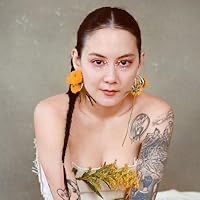
Michelle Zauner is a musician, songwriter, and writer best known as the creator of the indie pop project Japanese Breakfast, which has released albums including Psychopomp (2016) and Soft Sounds from Another Planet (2017). Crying in H Mart, expanded from her 2018 New Yorker essay, is her debut book.
More about the author →About the book
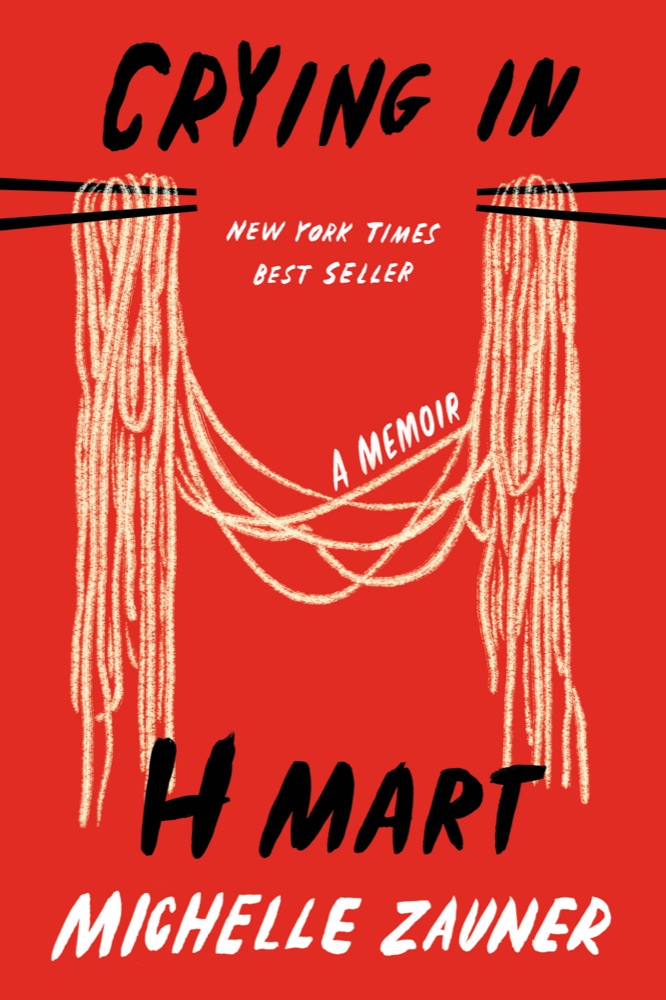
"Crying in H Mart" is a 2021 memoir by Michelle Zauner, the musician known for her indie pop project Japanese Breakfast. The book centers on the death of her mother, Chongmi, from pancreatic cancer in 2014, and on Zauner's grief, her Korean American identity, and the role Korean food plays in keeping her connection to her mother and heritage alive.
The memoir grew out of an essay of the same name that Zauner published in The New Yorker in August 2018. Expanding that piece into a full-length book, she weaves together family memory, her relationship with her mother, growing up Korean American in Oregon, and the meals and ingredients found at H Mart, the Korean American grocery chain. Food becomes the connective tissue of the narrative, tying loss, love, and selfhood together.
Published by Alfred A. Knopf, the book was a major critical and commercial success. It debuted high on the New York Times nonfiction bestseller list and remained there for many weeks, won the 2021 Goodreads Choice Award for Memoir & Autobiography, and was named one of the best books of the year by outlets including The New York Times, Time, and NPR. It was also named one of President Obama's favorite books of 2021.
Book details
- First published
- 2021
- Length
- 256 pages
- Reading time
- 4 hours
- Author
- Michelle Zauner
- Genre
- Biography
- Goodreads rating
- 4.22 (632k ratings)
- First line
- “Ever since my mom died, I cry in H Mart.”
Critical reception
- The book debuted at number 2 on the New York Times combined nonfiction bestseller list and spent many weeks on the list.
- NPR's Kristen Martin praised it as a rare, unsentimental reckoning with cancer and grief in a culture that frames illness as a battle to be won.
- Kirkus Reviews called it 'a tender, well-rendered, heart-wrenching account of the way food ties us to those who have passed.'
- It won the 2021 Goodreads Choice Award for Memoir & Autobiography and was named one of the year's best books by The New York Times, Time, and NPR.
If you liked this, read…
- 1H Is for Hawk by Helen MacdonaldAnother acclaimed memoir of grief after a parent's death, processed through an absorbing outside pursuit.
- 2The Year of Magical Thinking by Joan DidionA canonical memoir on losing a loved one and living through acute grief.
- 3Know My Name by Chanel MillerA bestselling memoir by a young woman exploring identity, family, and trauma with raw honesty.
Keep reading
What My Mother and I Don't Talk About: Fifteen Writers Break the Silence
 Somebody's Daughter
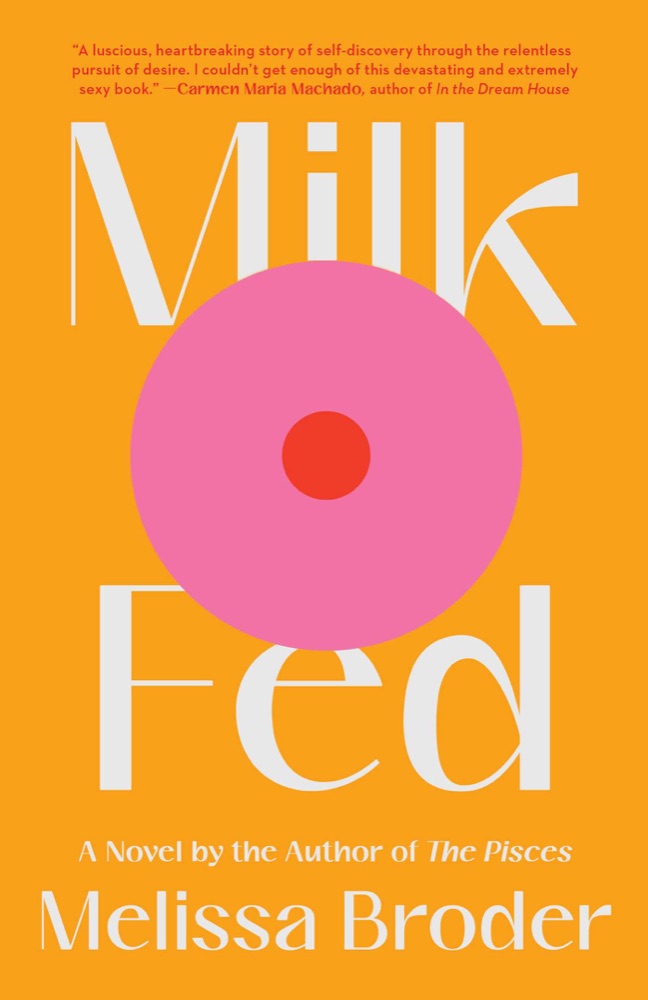 Milk Fed
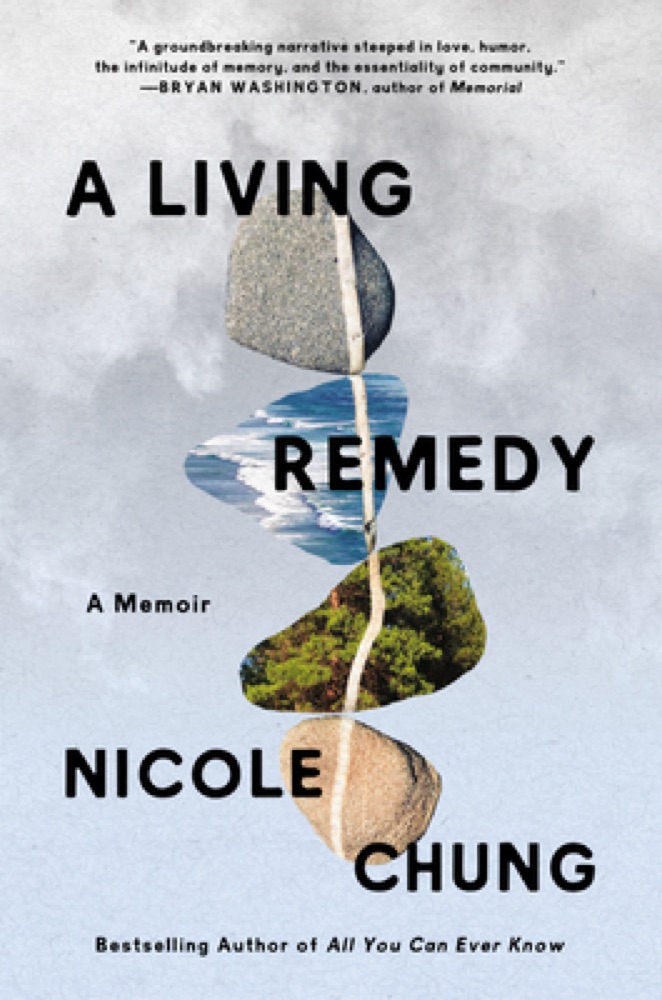 A Living Remedy: A Memoir – A Daughter's Narrative of Adoption, Class Inequality, and Grief in America
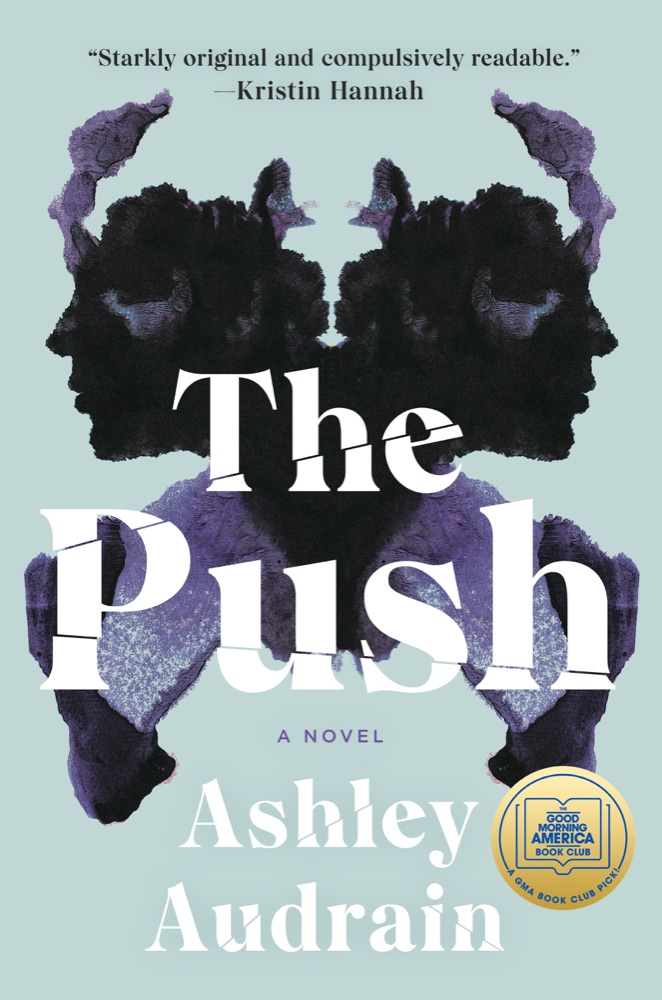 The Push
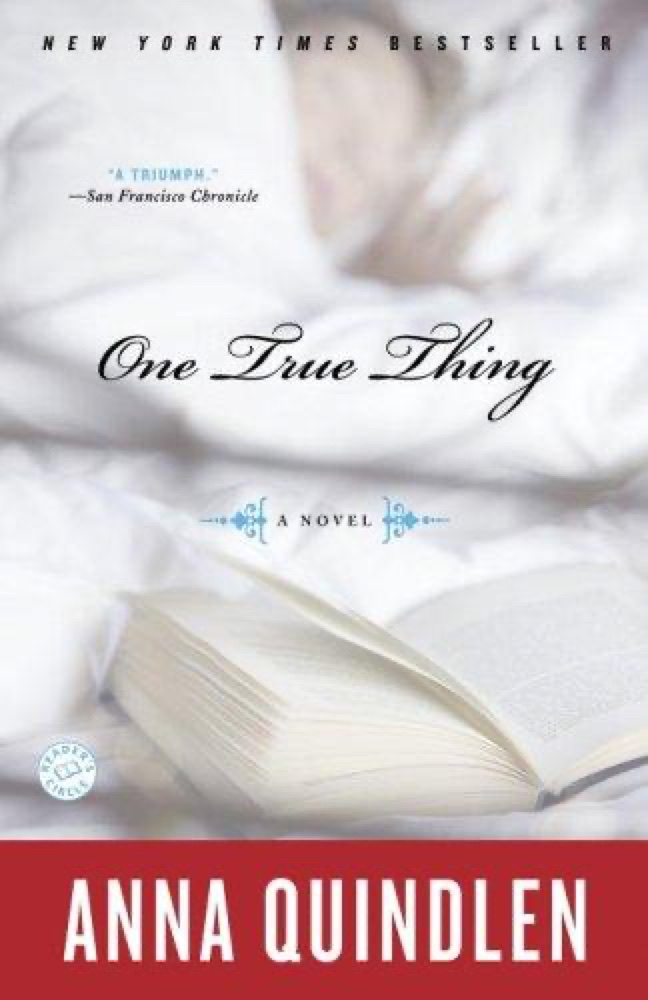 One True Thing
 Glitter and Glue
 Women We Buried, Women We Burned: A Memoir
 The House of My Mother: A Daughter's Quest for Freedom
 The Death of Vivek Oji
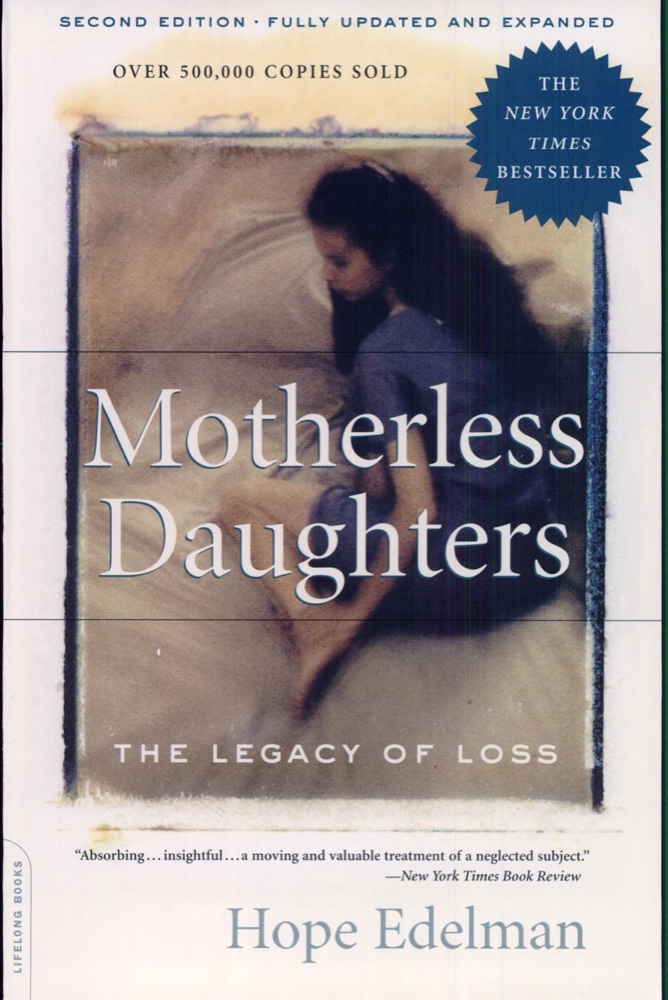 Motherless Daughters: The Legacy of Loss
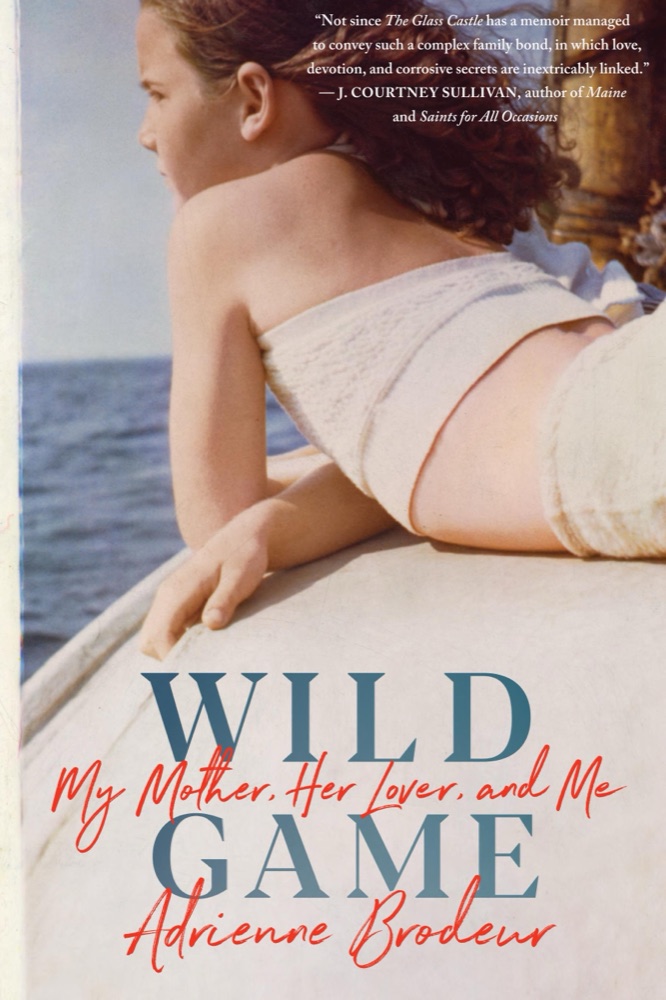 Wild Game: My Mother, Her Lover, and Me
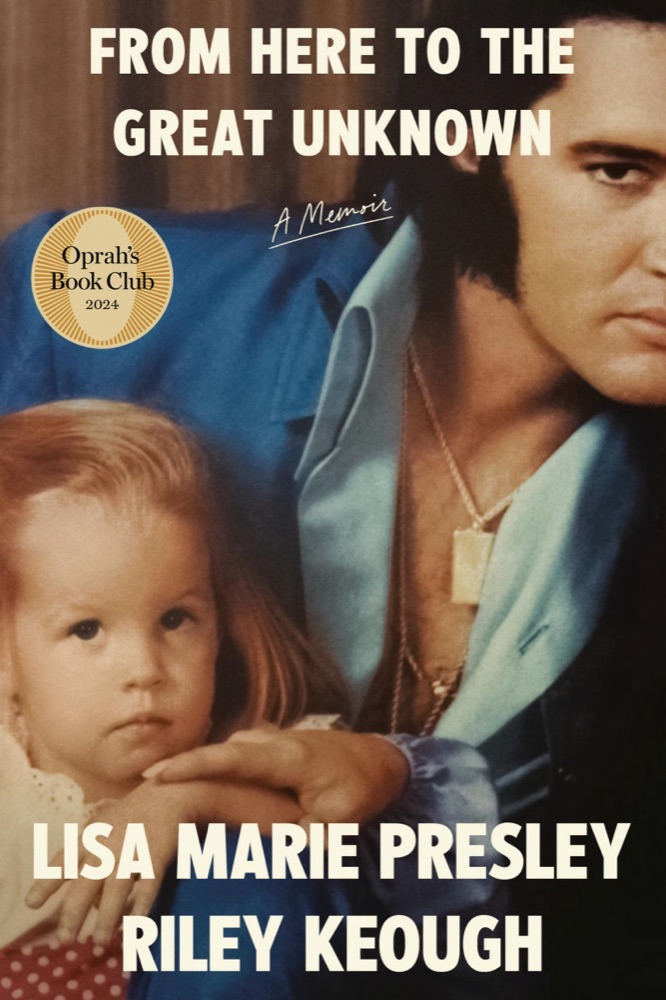 From Here to the Great Unknown
 Stay with Me
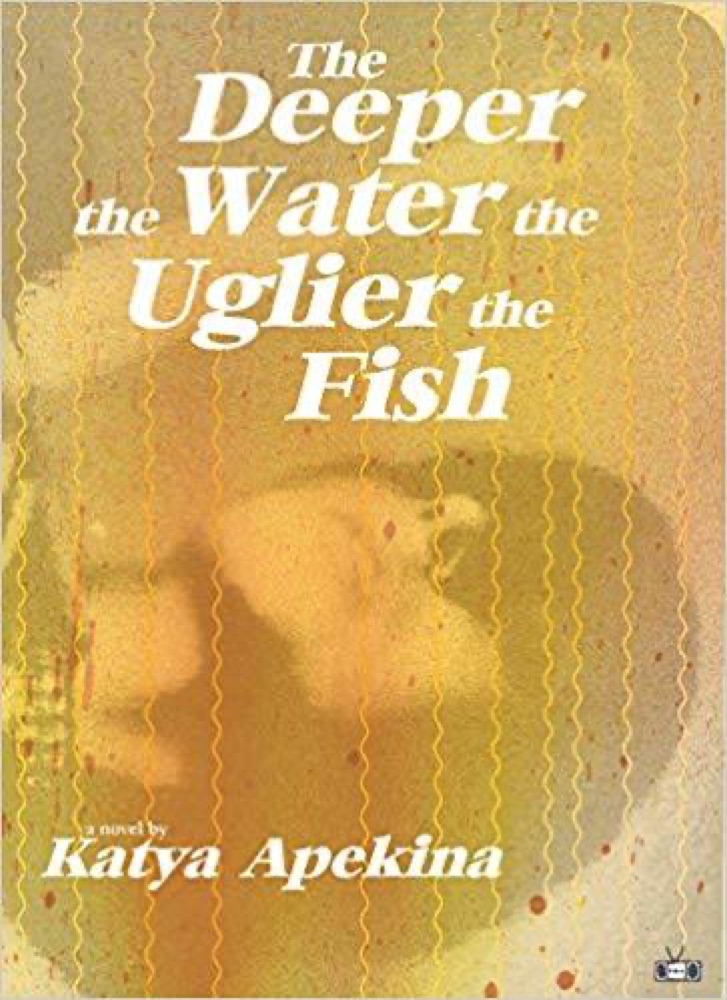 The Deeper the Water the Uglier the Fish
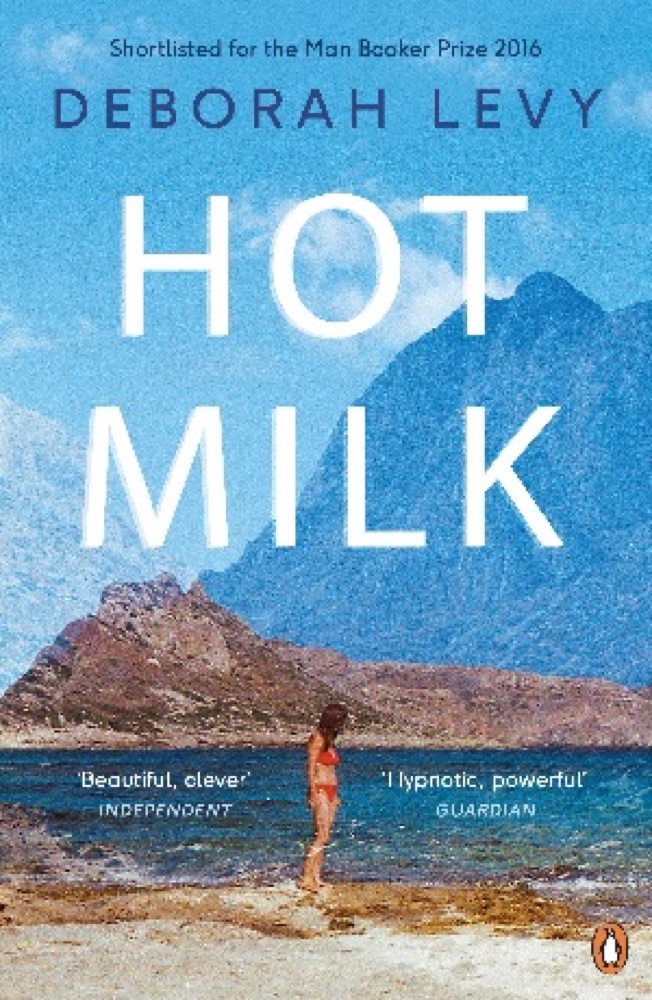 Hot Milk
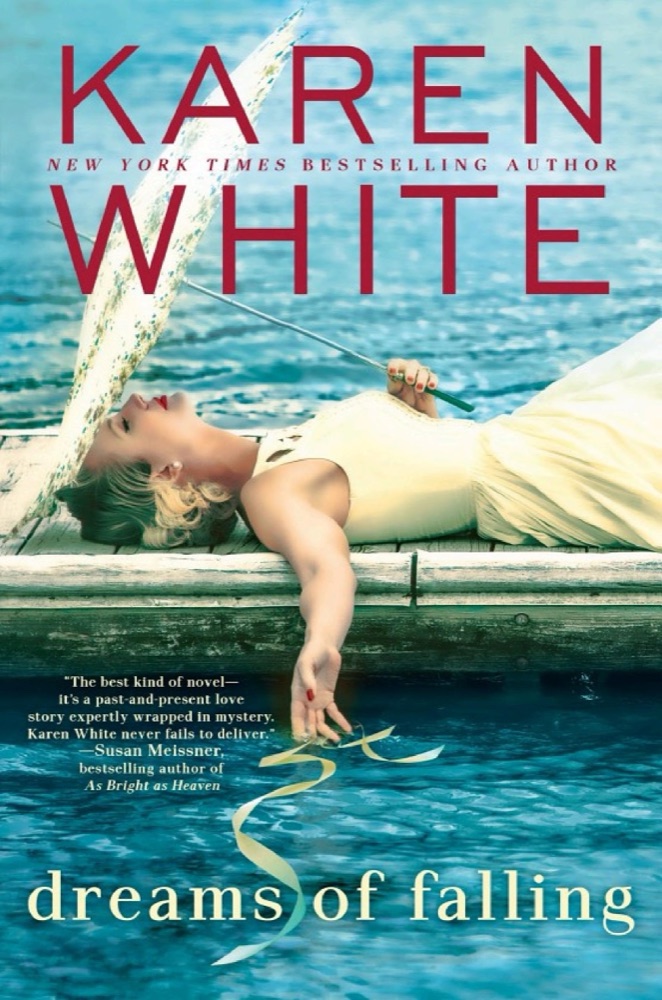 Dreams of Falling
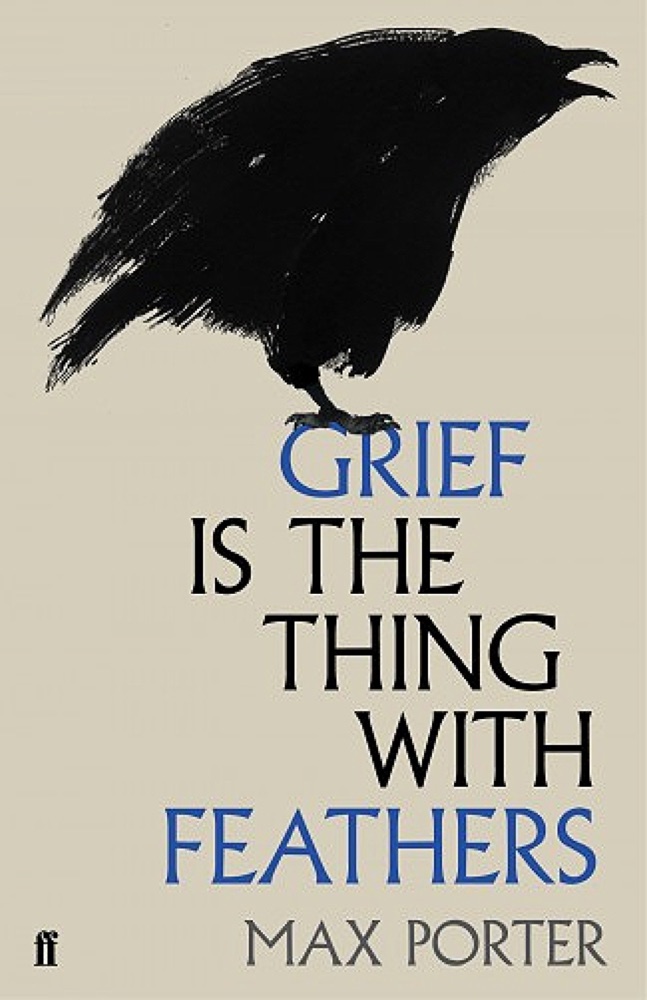 Grief Is the Thing with Feathers
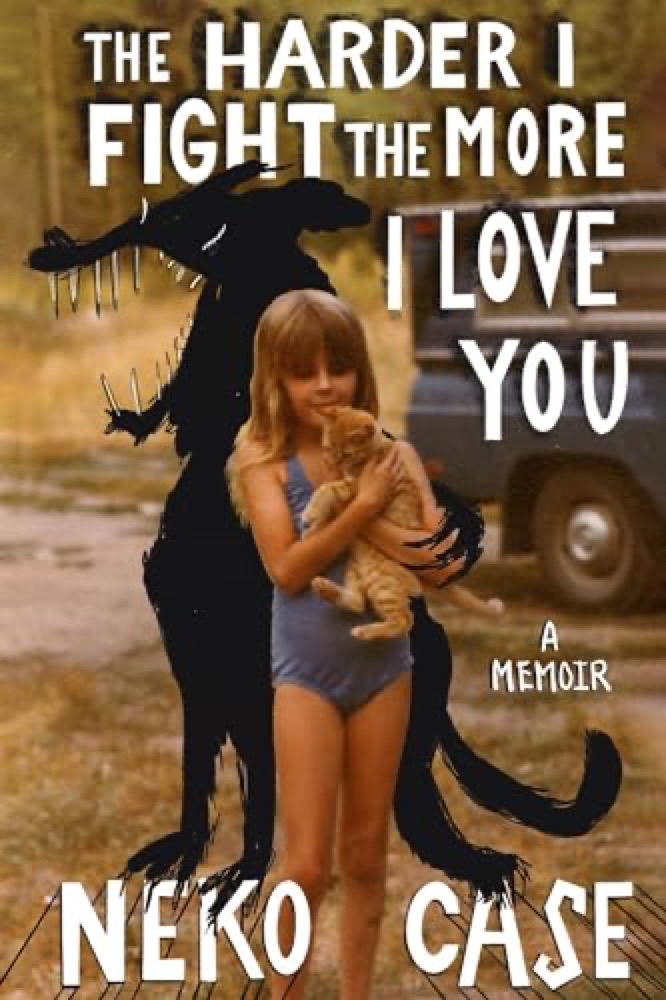 The Harder I Fight the More I Love You: A Memoir
 Love, Loss, and What We Ate: A Memoir
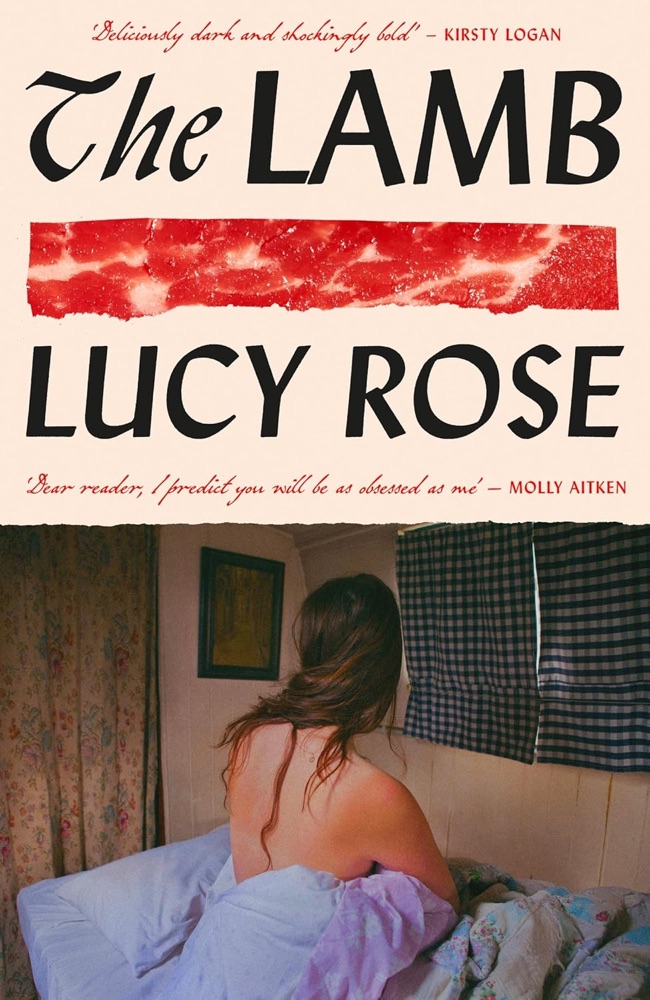 The Lamb
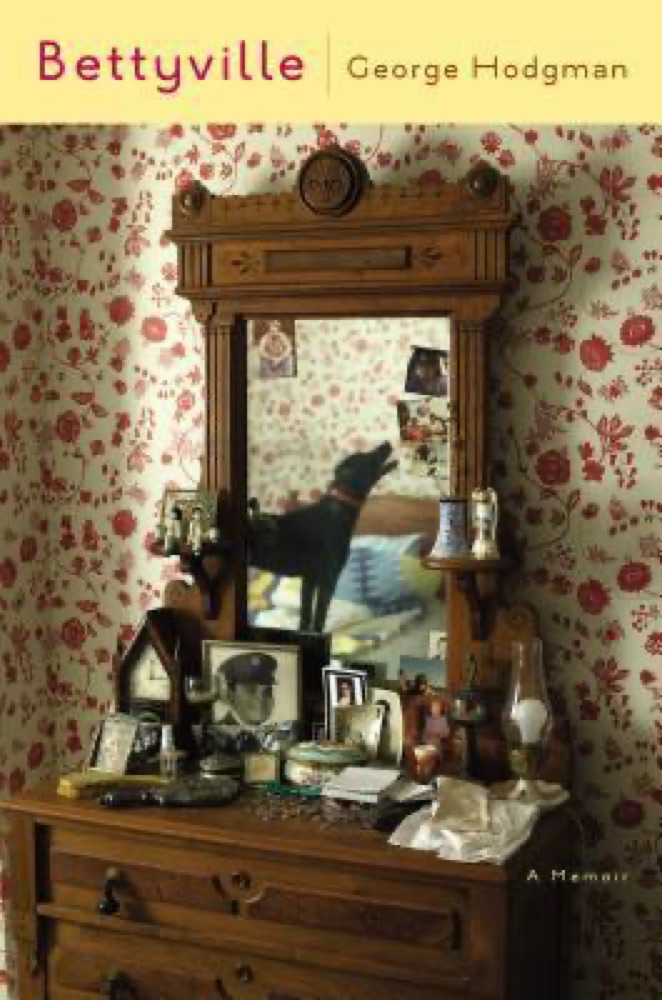 Bettyville: A Memoir
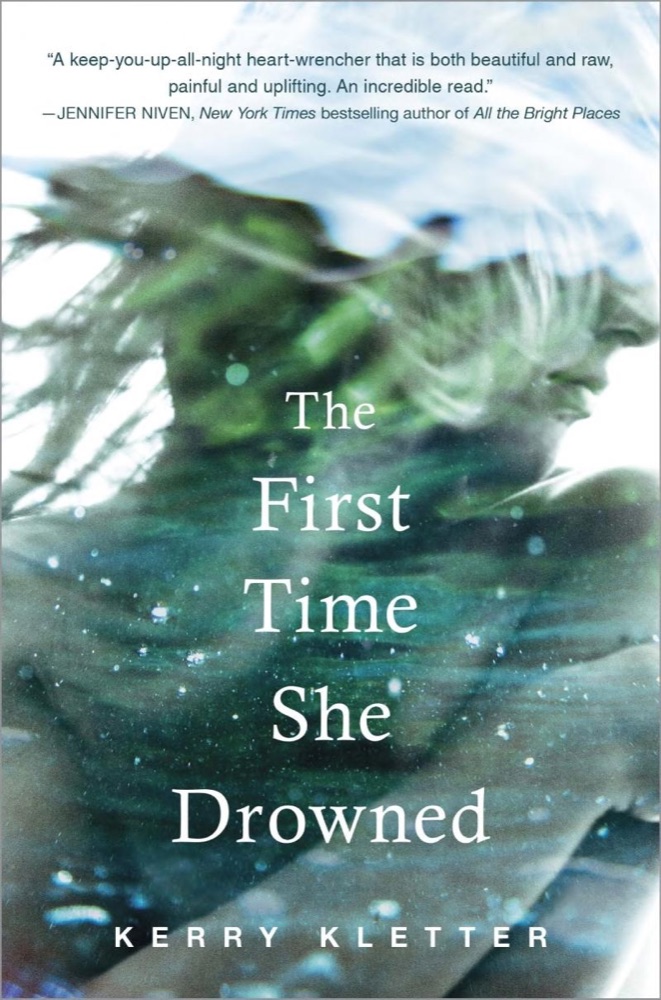 The First Time She Drowned
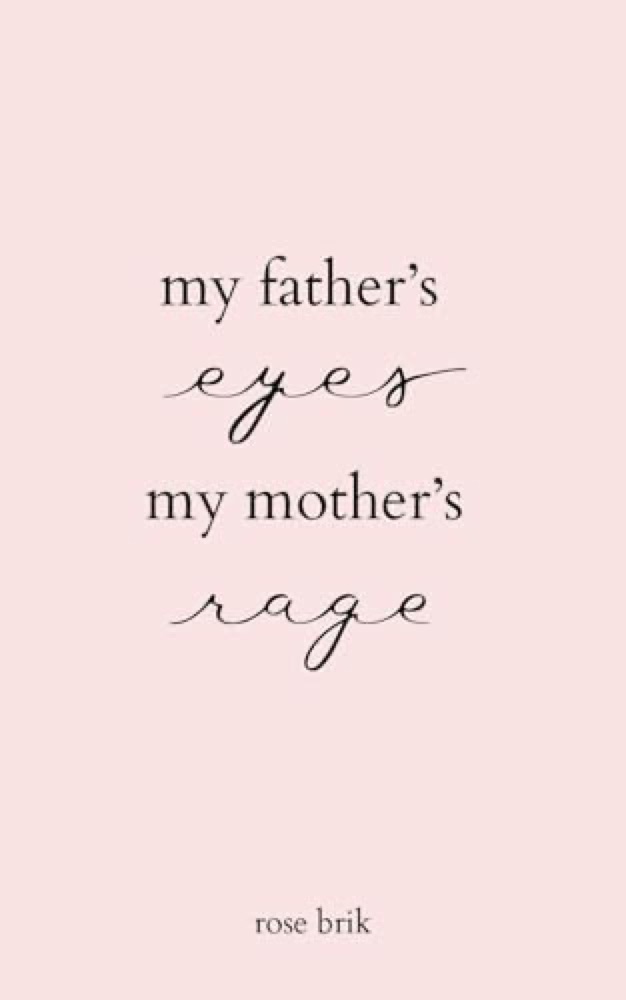 My Father's Eyes, My Mother's Rage
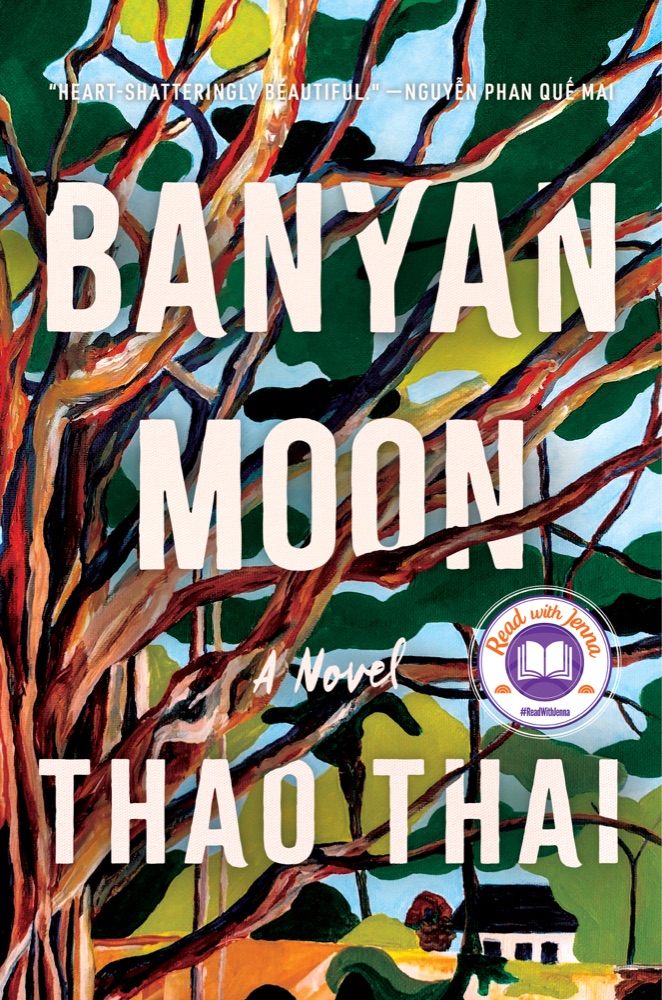 Banyan Moon
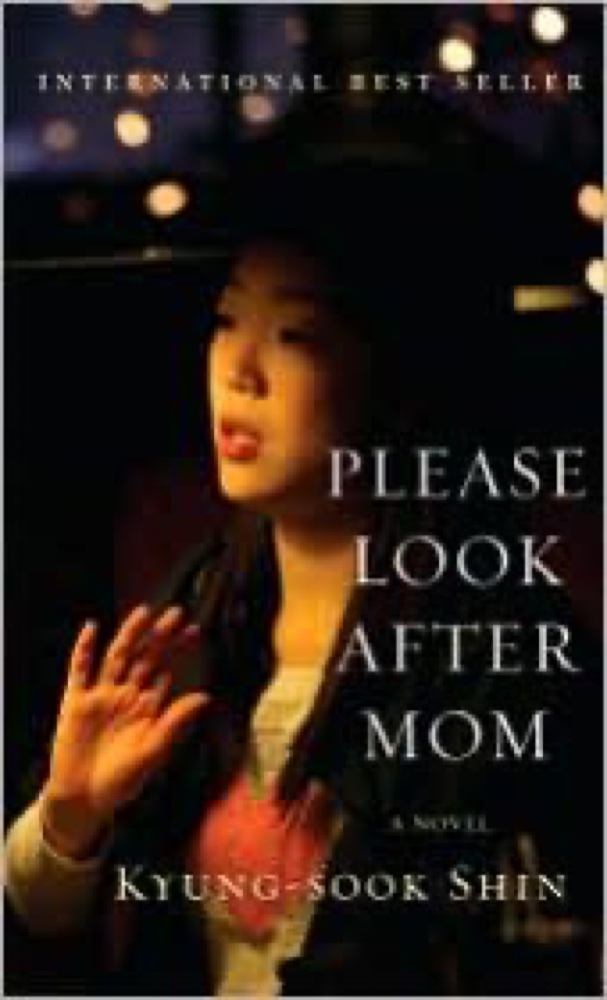 Please Look After Mom
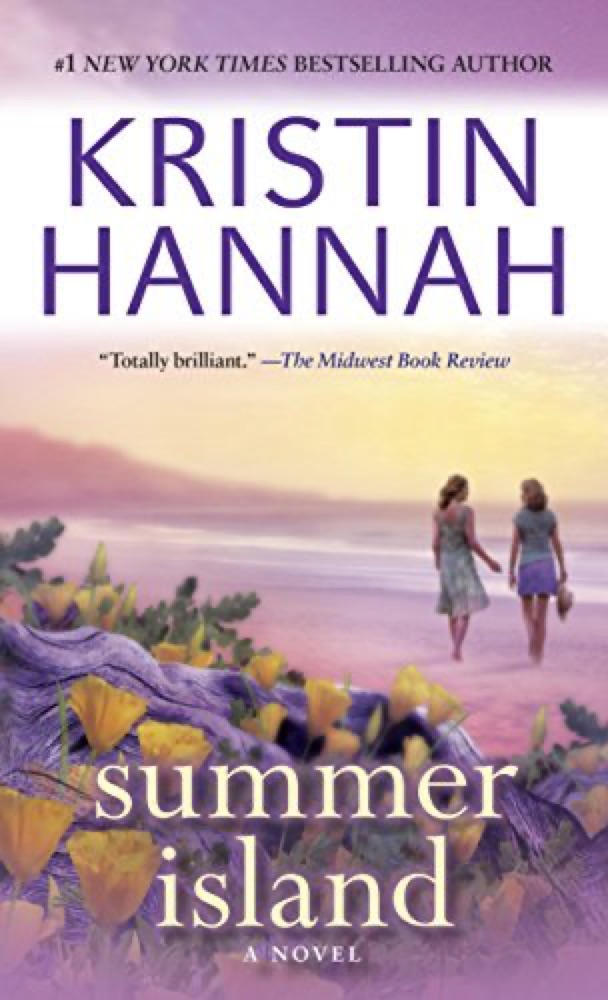 Summer Island
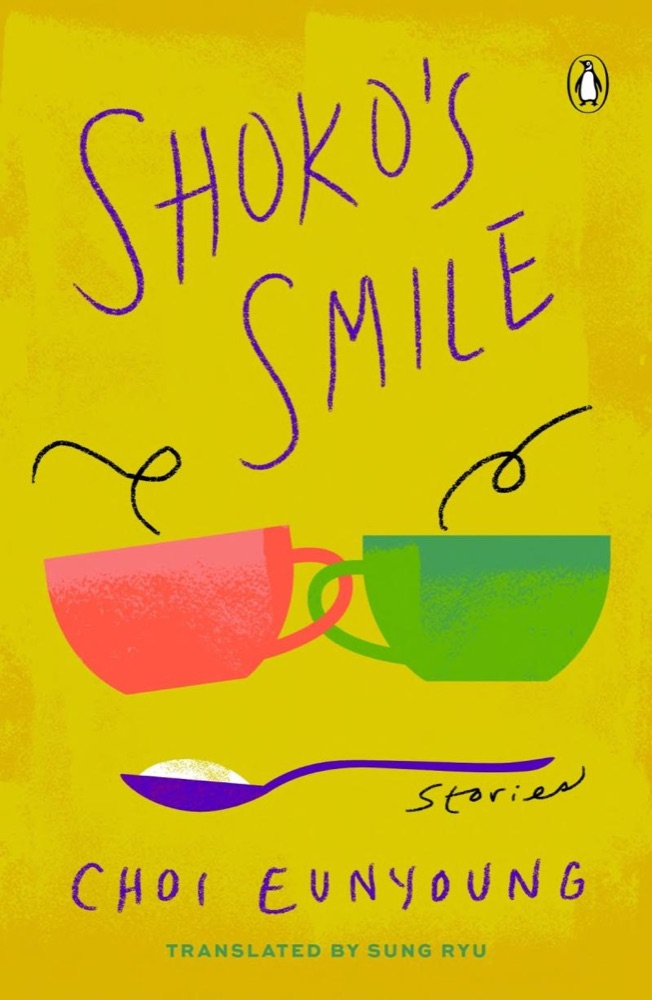 Shoko's Smile: Stories
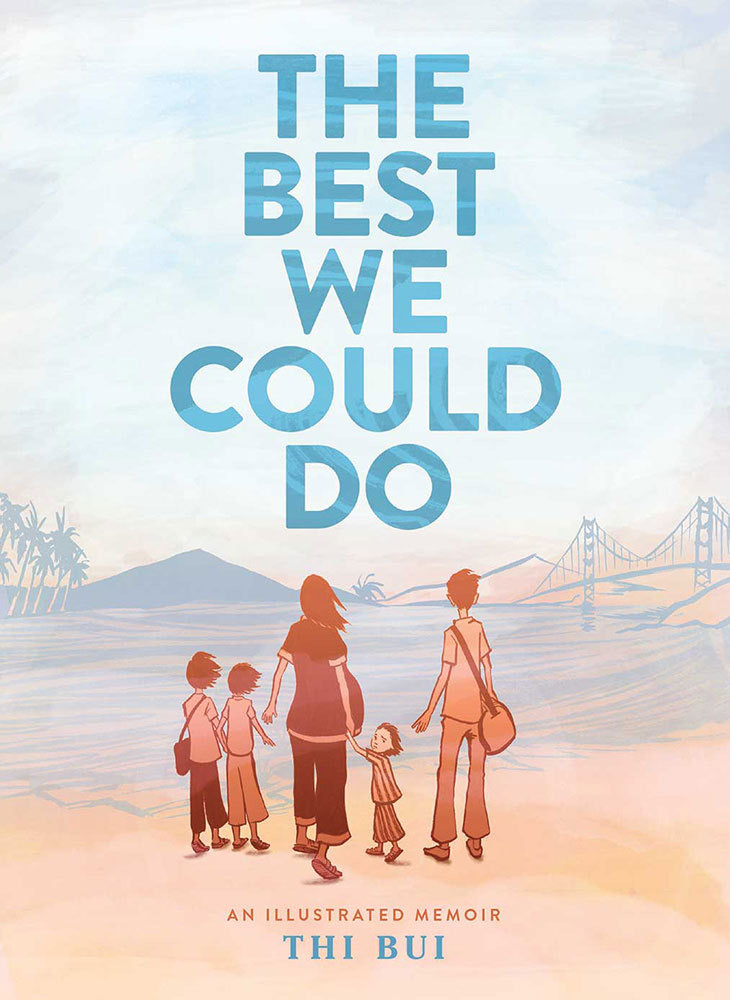 The Best We Could Do
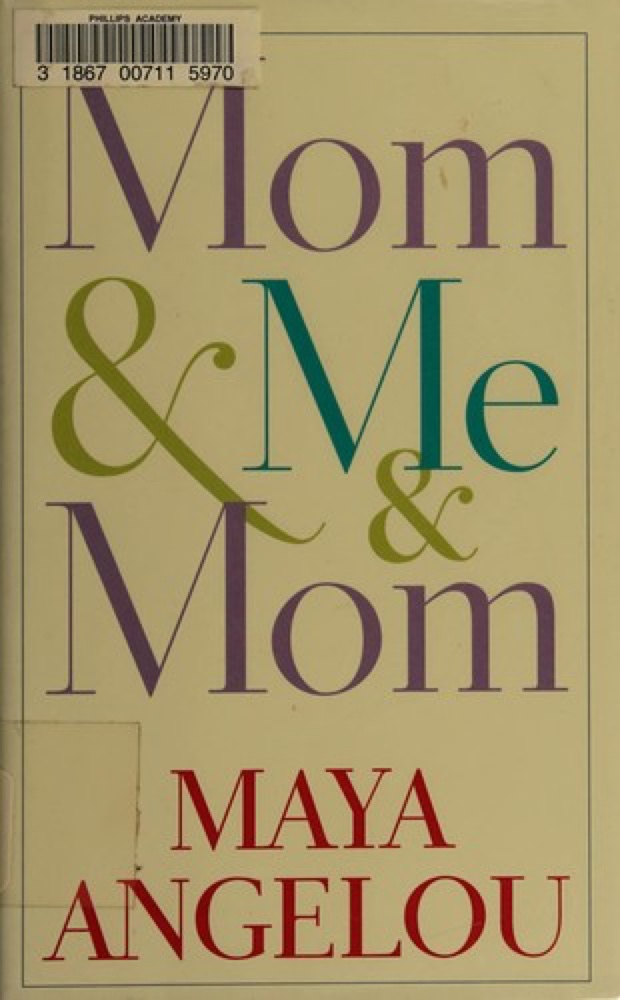 Mom & Me & Mom
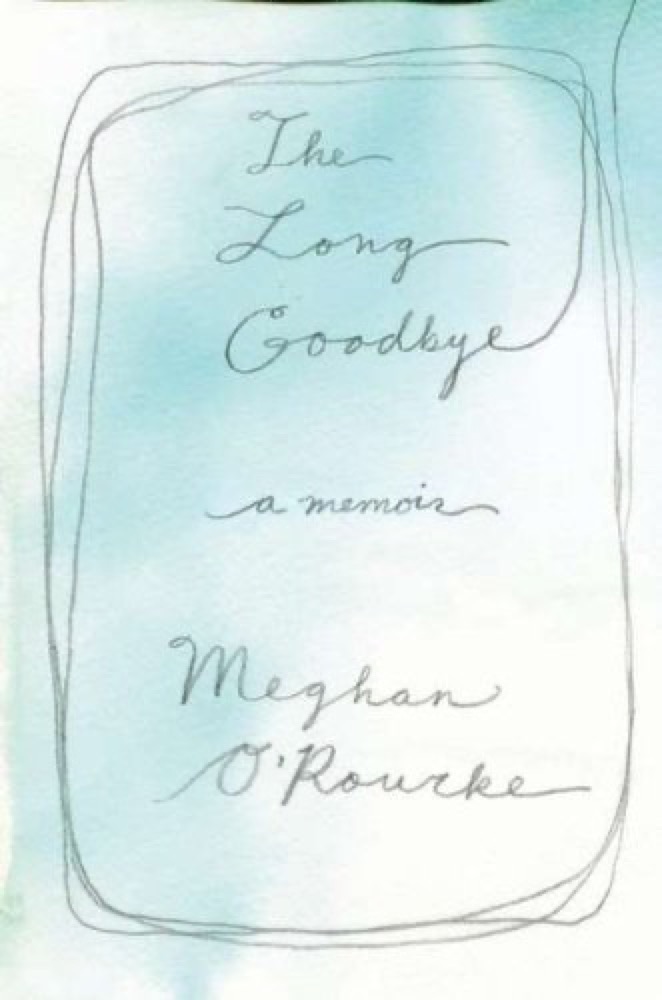 The Long Goodbye
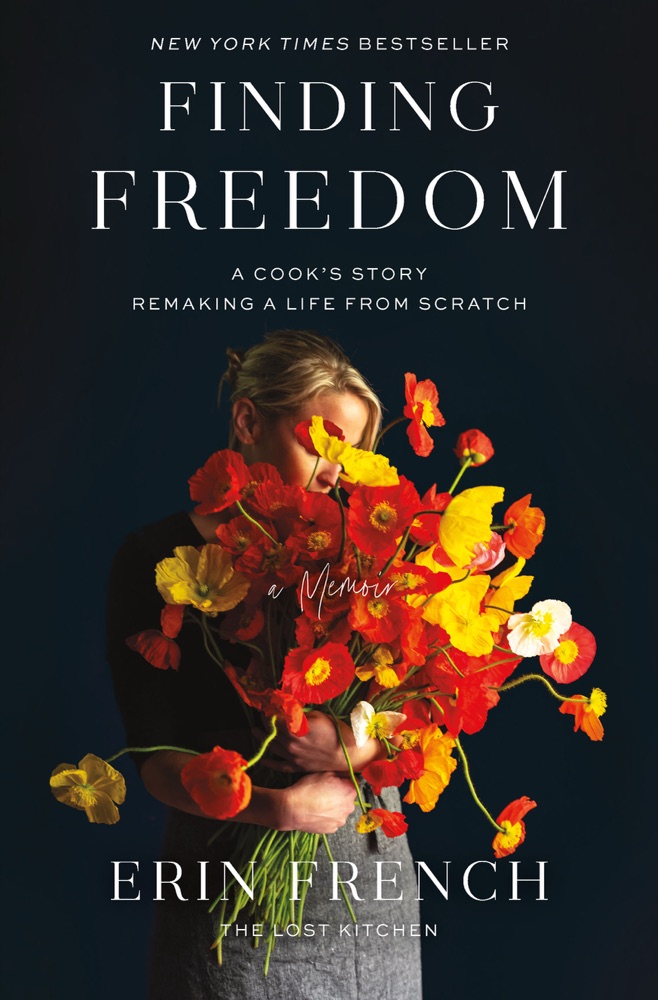 Finding Freedom: A Cook's Story; Remaking a Life from Scratch
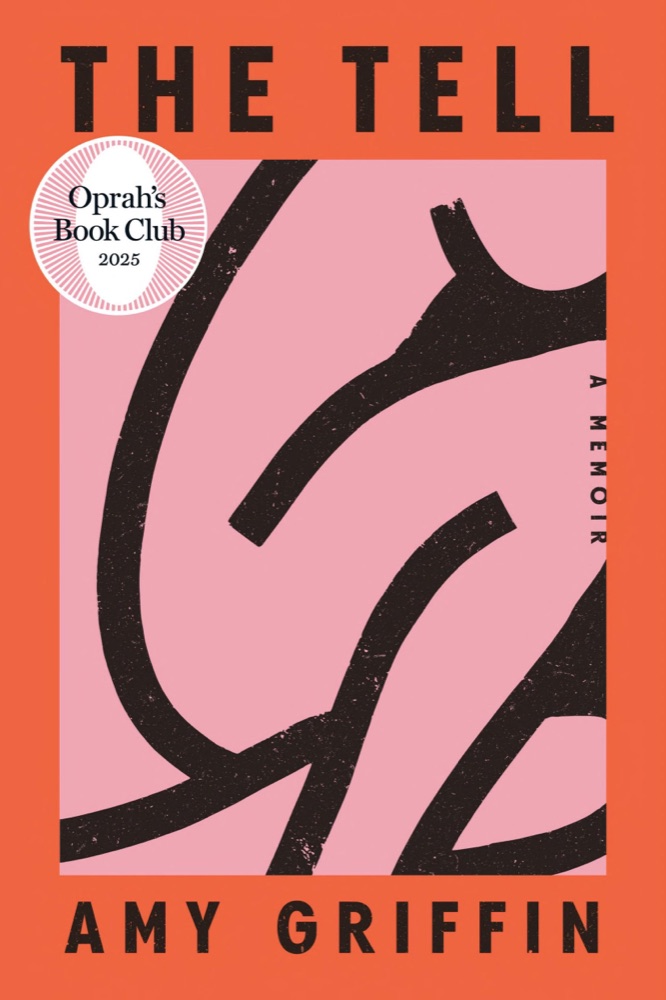 The Tell: A Memoir
 Cold Enough for Snow
 The Lost Daughter
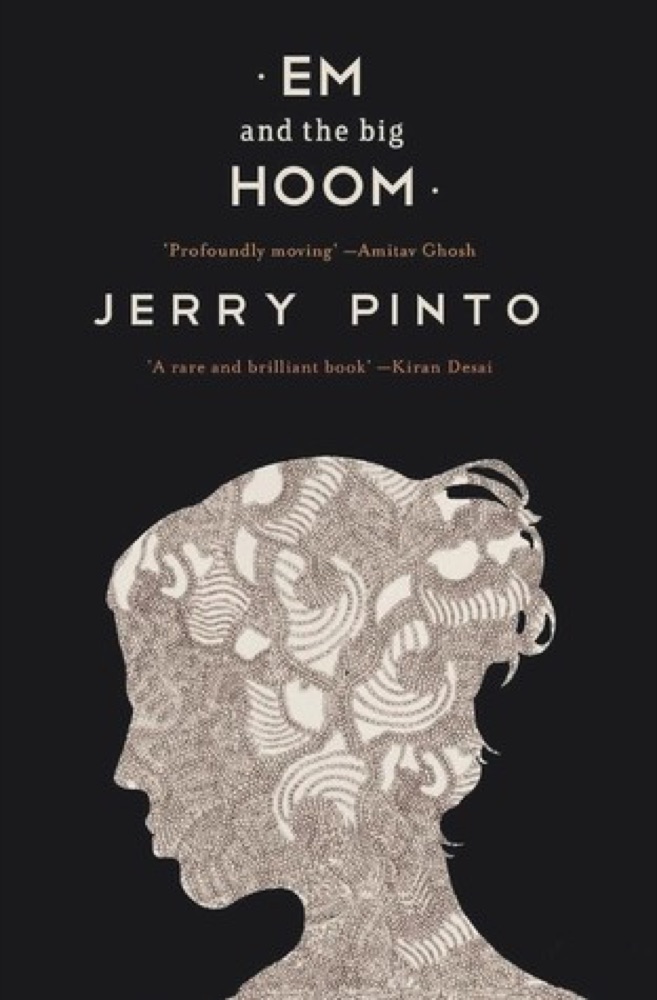 Em and The Big Hoom
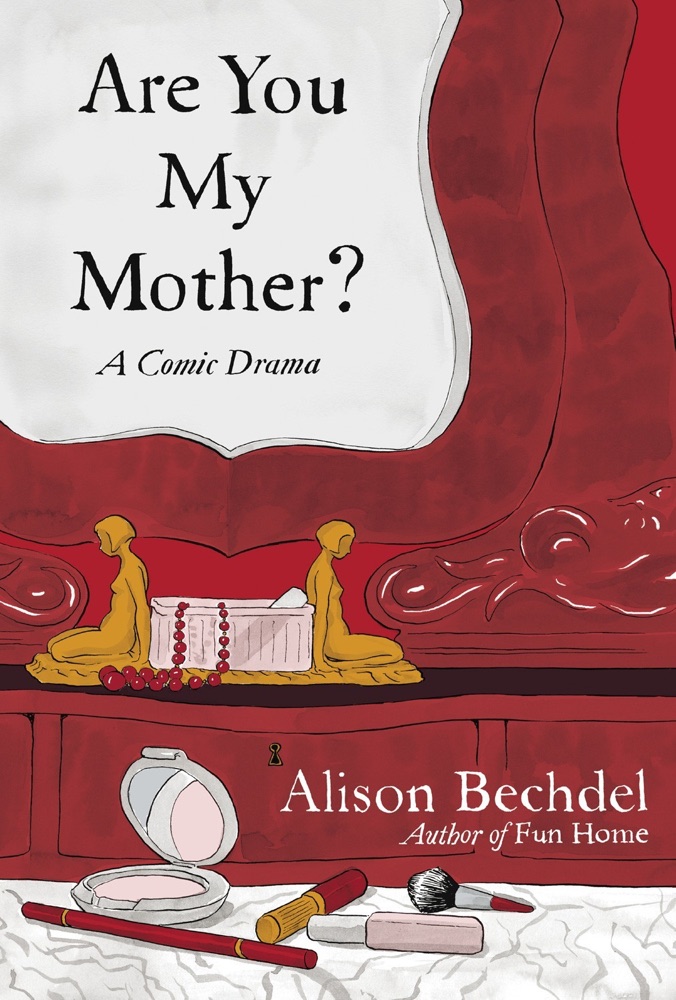 Are You My Mother?: A Comic Drama
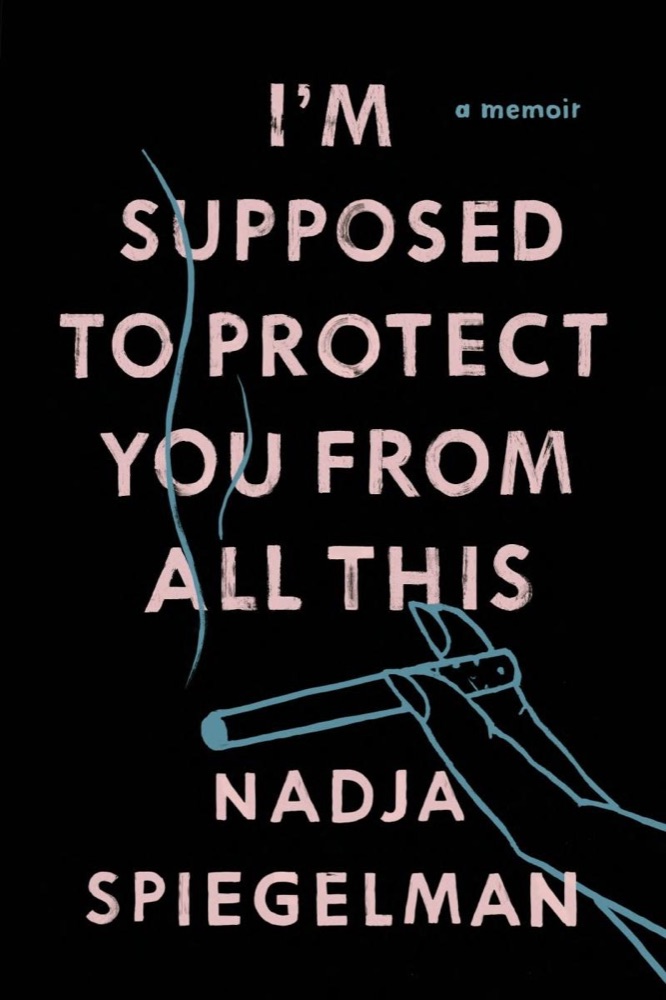 I'm Supposed to Protect You from All This
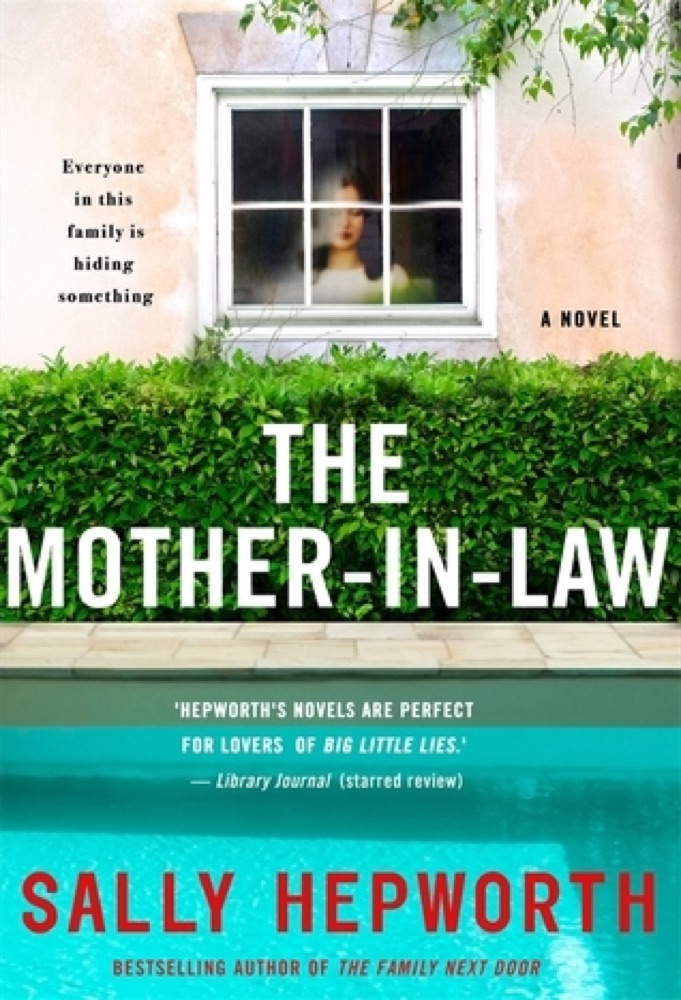 The Mother-in-Law
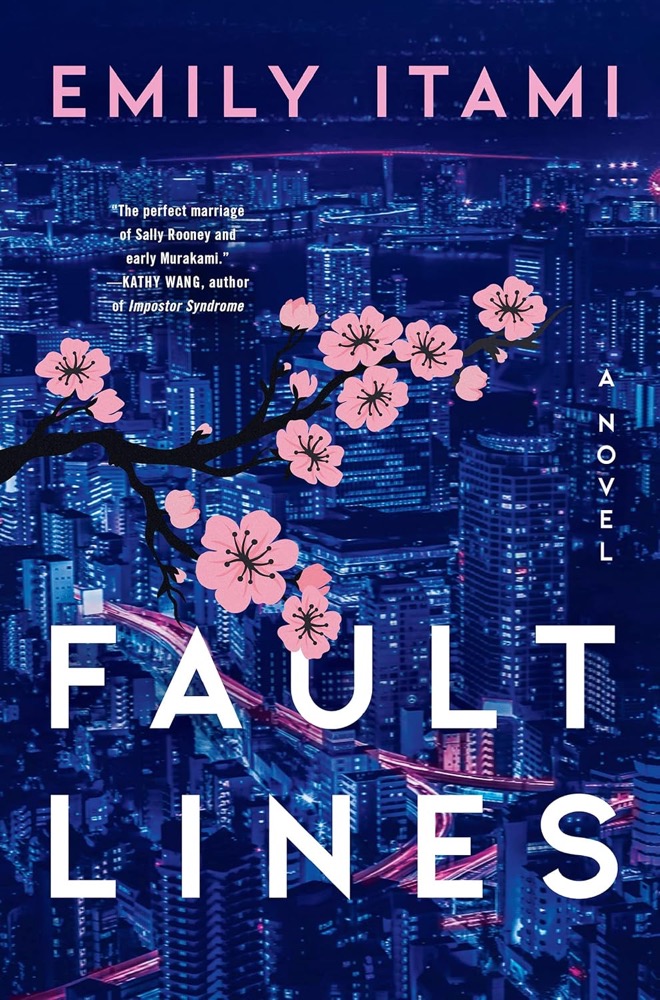 Fault Lines
 Sweetness
 When God Was a Rabbit
 Heart Berries
 I Keep My Exoskeletons to Myself
 Disgrace
 Mother Mary Comes to Me
 Bitterthorn
 The Bright Years
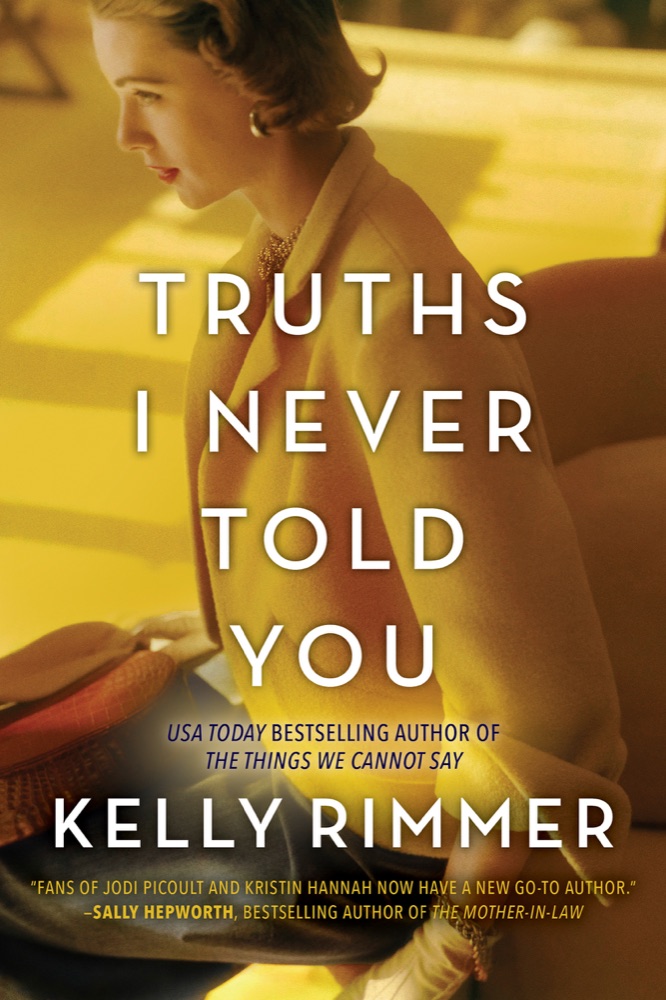 Truths I Never Told You
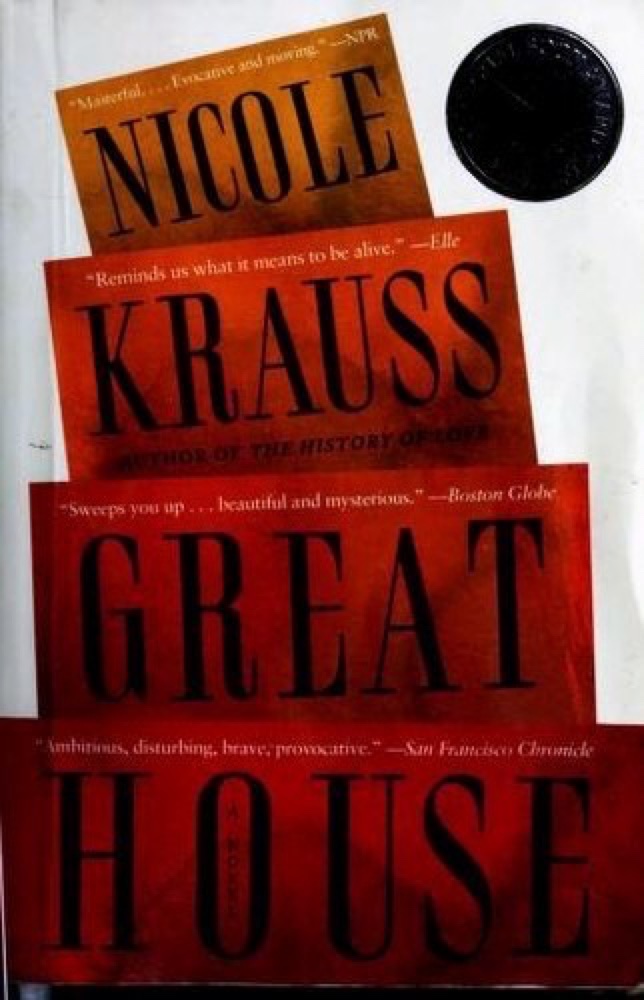 Great House
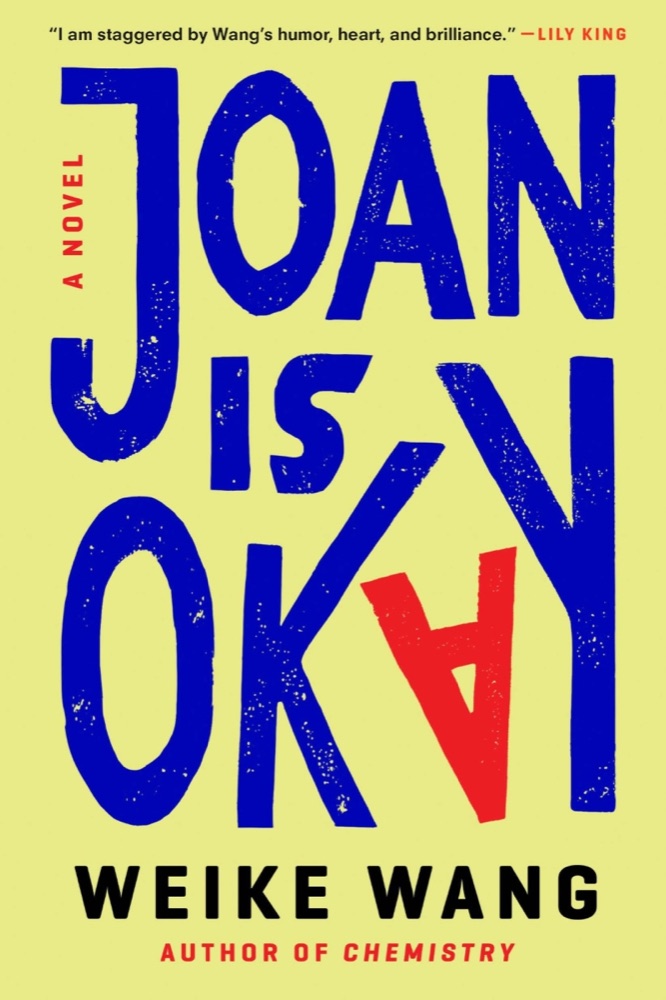 Joan Is Okay
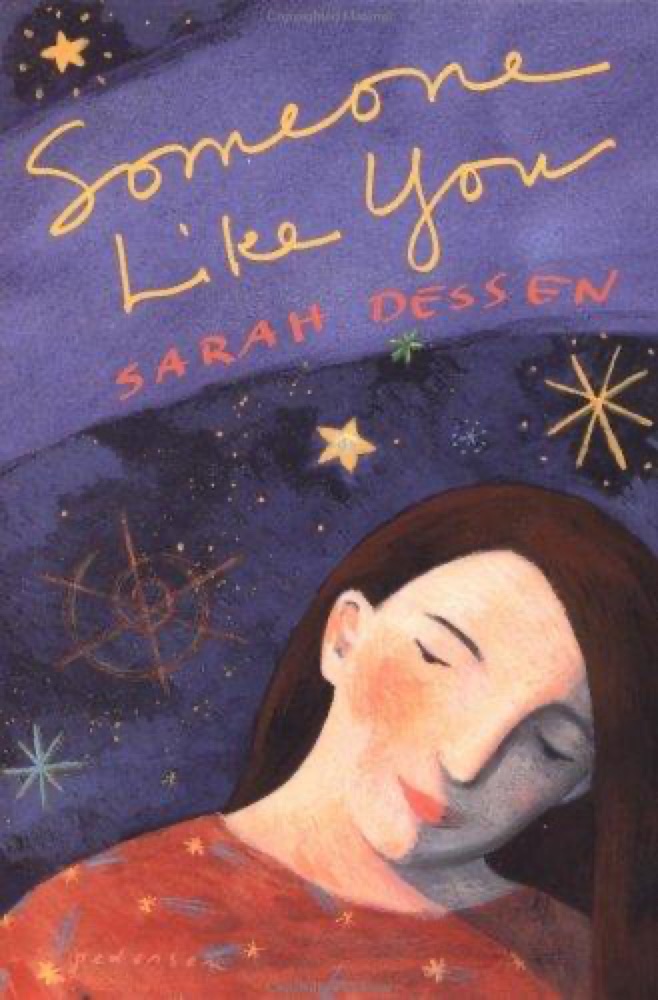 Someone Like You
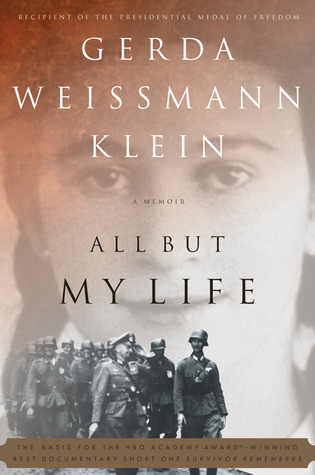 All But My Life: A Memoir
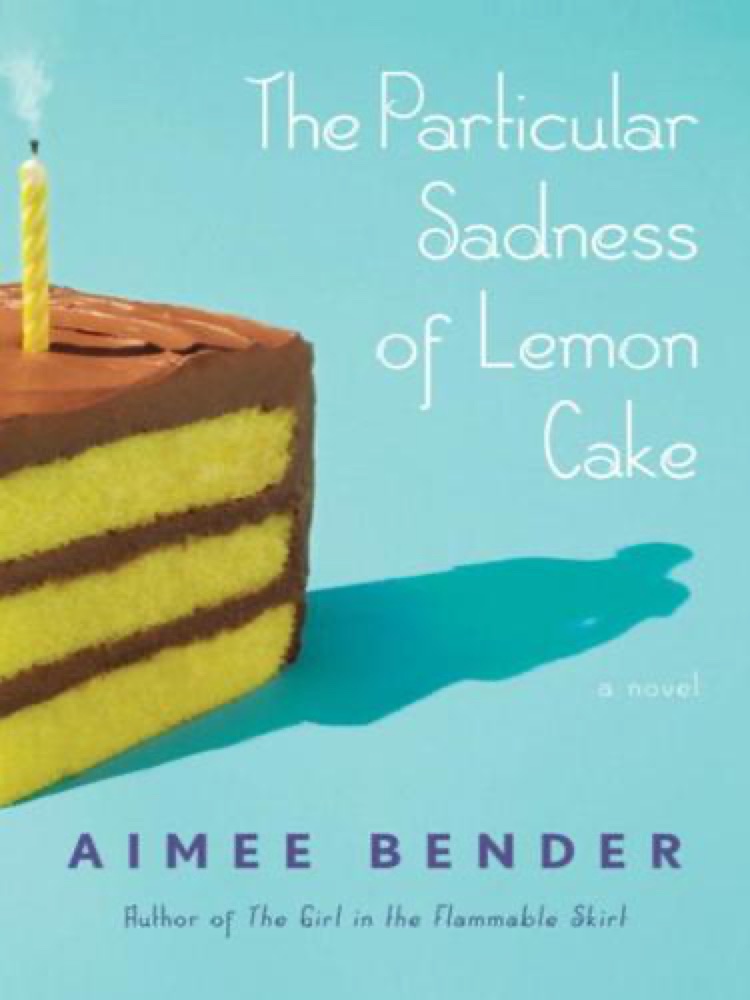 The Particular Sadness of Lemon Cake
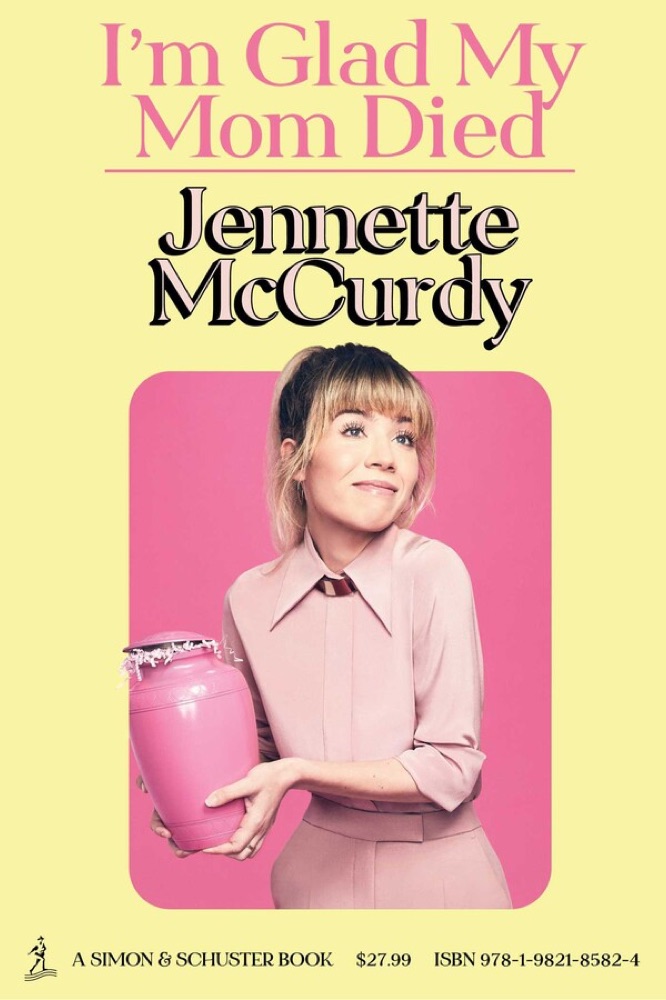 I'm Glad My Mom Died
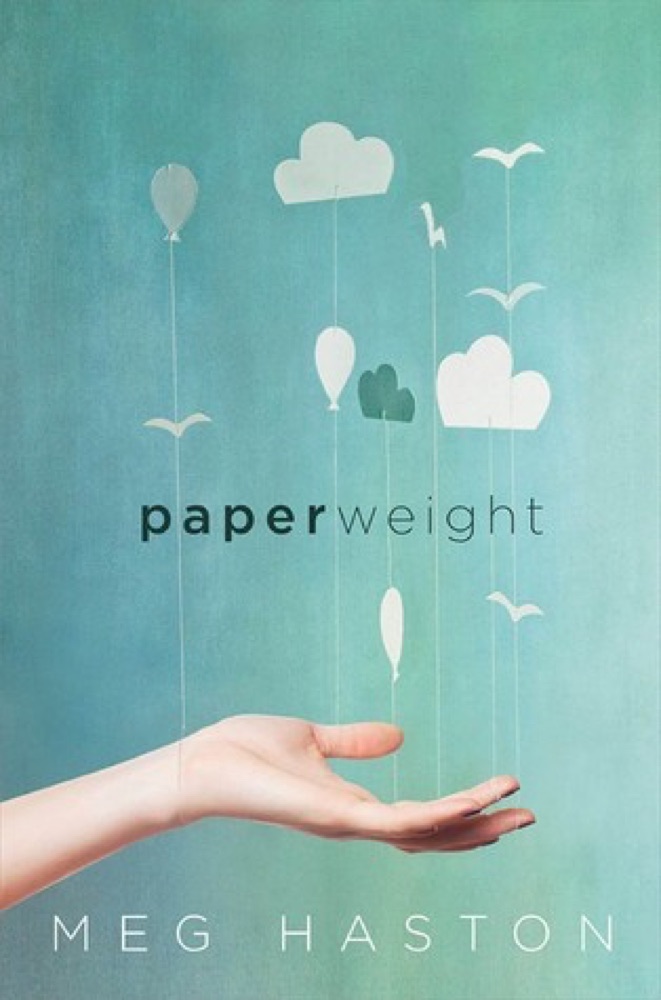 Paperweight
 Let's Take the Long Way Home: A Memoir of Friendship
 We Are Okay
 A Small Indiscretion
 How to Make Friends with the Dark