 The House of the Spirits
Quotes from the Book
Nature is woman's best friend,' she [Yasmina] often said. 'If you're having troubles, you just swim in the water, stretch out in a field, or look up at the stars. That's how a woman cures her fears'.
109
Once I asked Mina why she danced so smoothly while most of the other women made abrupt, jerky movements, and she said that many of the women confused liberation with agitation. 'Some ladies are angry with their lives,' she said 'and so even their dance becomes an expression of that.' Angry women are hostages of their anger. They cannot escape it and set themselves free, which is indeed a sad fate. The worst of prisons is a self-created one. (p.162)
21
But Aunt Habiba said not to worry, that everyone had wonderful things hidden inside. The only difference was that some managed to share those wonderful things, and others did not. Those who did not explore and share the precious gifts within went through life feeling miserable, sad, awkward with others, and angry too. You had to develop a talent, Aunt Habiba said, so that you could give something, share and shine. And you developed a talent by working very hard at becoming good at something. It could be anything - singing, dancing, cooking, embroidering, listening, looking, smiling, waiting, accepting, dreaming, rebelling, leaping. 'Anything you can do well can change your life', said Aunt Habiba.
21
Happiness, she would explain, was when a person felt good, light, creative, content, loving and loved, and free. An unhappy person felt as if there were barriers crushing her desires and the talents she had inside. A happy woman was one who could exercise all kinds of rights, from the right to move to the right to create, compete, and challenge, and at the same time could be loved for doing so. Part of happiness was to be loved by a man who enjoyed your strength and was proud of your talents. Happiness was also about the right to privacy, the right to retreat from the company of others and plunge into contemplative solitude. Or sit by yourself doing nothing for a whole day, and not give excuses or feel guilty about it either. Happiness was to be with loved ones, and yet still feel that you existed as a separate being, that ou were not just there to make them happy. Happiness was when there was a balance between what you gave and what you took.
19
Maturity is when you start feeling the motion of zaman (time) as if it is a sensuous caress. p.
17
Pessimism is the luxury of the powerful.
14
But when your situation is hopeless, all you can do is turn the world upside down, transform it according to your wishes, and create anew.
10
There are many ways to be beautiful. Fighting, swearing, and ignoring tradition could make a women irresistible.
9
Mothers should tell little girls and boys about the importance of dreams,' Aunt Habiba said. 'They give a sense direction. It is not enough to reject this courtyard--you need to have a vision of the meadows with which you want to replace it.' But how, I asked Aunt Habiba, could you distinguish among all the wishes, all the cravings which besieged you, and find the one on which you ought to focus, the important dream that gave you vision? She said that little children had to be patient, the key dream would emerge and bloom within, and then, from the intense pleasure it gave you, you would know that that it was the genuine little treasure which would give you direction and light. (p. 214)
9
To be happy a woman had to think hard, during long silent hours, about how to make each small step forward.
7
She would take him to faraway lands to observe foreign ways, so he could get closer to the strangeness within himself.
7
Les mots sont comme des oignons, me dit-elle, plus tu ôtes de pleures, plus tu trouve de significations. Et quand tu commences a découvrir plusieurs sens, le vrai et le faux ne veulent plus rien dire.
3
Si piensas demasiado en muros y normas, perderás la ocasión de ser feliz, querida niña —dijo—. El objetivo esencial de la vida de una mujer es la felicidad. Así que no dediques el tiempo a buscar muros para darte de cabeza contra ellos.
2
En cuanto uno sabía qué estaba prohibido, llevaba el harén en el interior. Lo tenía en la cabeza, «grabado bajo la frente y bajo la piel».
2
I asked Mina how would I know on which side I stood. Her answer was quick, short, and very clear - If you can't get out, you are on the powerless side.
1
Les femmes marocaines, revant de libération et de changement, étaient obligées d'aller chercher leur féministes à l'est, en Egypt et en Turquie, car il n'en existait as encore d'assez célèbres dans le pays pour nourrir leur aspirations. "Pas étonnant que le Maroc soit si arriéré, remarquait Chama de temps en temps. Coincés au sud par le silnce du Sahara,à l'ouest par les vagues vociférantes de lAtlantique, et au nord par l'invasion chrétienne, les Marocains se sont repliés sur la défensive, alors que toutes les autres nations musulmanes ont pris leur essor et se confrontent au monde moderne. Les femmes ont progressé partout, sauf dans ce pays si fier d'avoir résisté aux Ottomans? A force de se battre contre les étrangers, on s'est murées. [...]
1
Dromen kunnen je leven veranderen en uiteindelijk ook de wereld. Bevrijding begint met beelden die in je kleine hoofdje dansen, en die beelden kun je vertalen in woorden. En woorden kosten niets!
1
La tête rejetée en arrière, les yeux rivés au ciel carré, on a soudain envie de s'endormir.
Concentrarte en ese pequeño círculo de cielo que se ve desde el pozo. Siempre hay un trocito de cielo al que puedes alzar la vista. Así que no mires hacia abajo, mirar hacia arriba, hacia arriba. !Y allá vamos! !Alzando el vuelo
Watch on YouTube
About Fatema Mernissi
We have collected 19 quotes from 1 book by Fatema Mernissi on BookQuoters.
More about the author →About the book
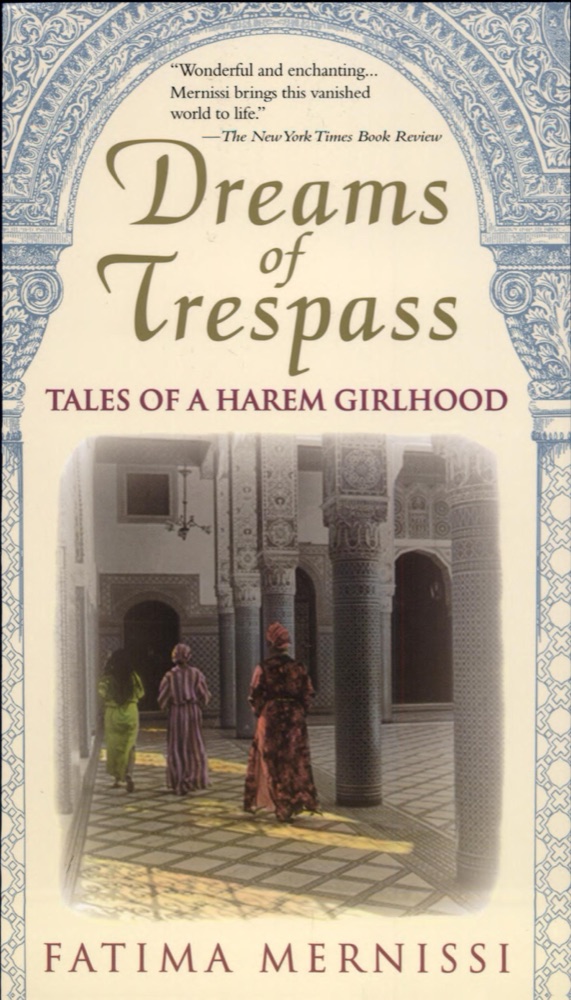
This "wonderful and enchanting" memoir tells the revelatory true story of one Muslim girl's life in her family's French Moroccan harem, set against the backdrop of World War II (The New York Times Book Review).
"I was born in a harem in 1940 in Fez, Morocco . . . "
So begins Fatima Mernissi in this illuminating narrative of a childhood behind the iron gates of a domestic harem. In Dreams of Trespass, Mernissi weaves her own memories with the dreams and memories of the women who surrounded her in the courtyard of her youth—women who, without access to the world outside, recreated it from sheer imagination.
A beautifully written account of a girl confronting the mysteries of time and place, gender and sex, Dreams of Trespass illuminates what it was like to be a modern Muslim woman in a place steeped in tradition.
Book details
- First published
- 1994
- Author
- Fatema Mernissi
- Genre
- Nonfiction
- Goodreads rating
- 3.92 (6k ratings)
Keep reading
The House of the Spirits
 The Blue Hour
 The Valley of Horses
 The Lion Women of Tehran
 Doctor Glas
 The Arabian Nights
 Princess Sultana's Daughters
 Nadja
Nadja
 A Spy in the House of Love
 Now Is the Time to Open Your Heart
 Women Who Run With the Wolves
 Like Water for Chocolate
 Mexican Gothic
 Winter Garden
 The Moor's Last Sigh
 Emma in the Night
 The Narrow Road Between Desires
 The Soul of a Woman
 The Home and the World
 In the Heart of the Country
 Paris Spleen
 The Memoirs of Cleopatra
 The Villa in Italy
 Beauty and Sadness
 A Room with a View
 A General Theory of Oblivion
 The Djinn Waits a Hundred Years
 Bluebeard's Egg
 The Devil in the Flesh
 A Woman's Story
 The Door
 The Way of the World
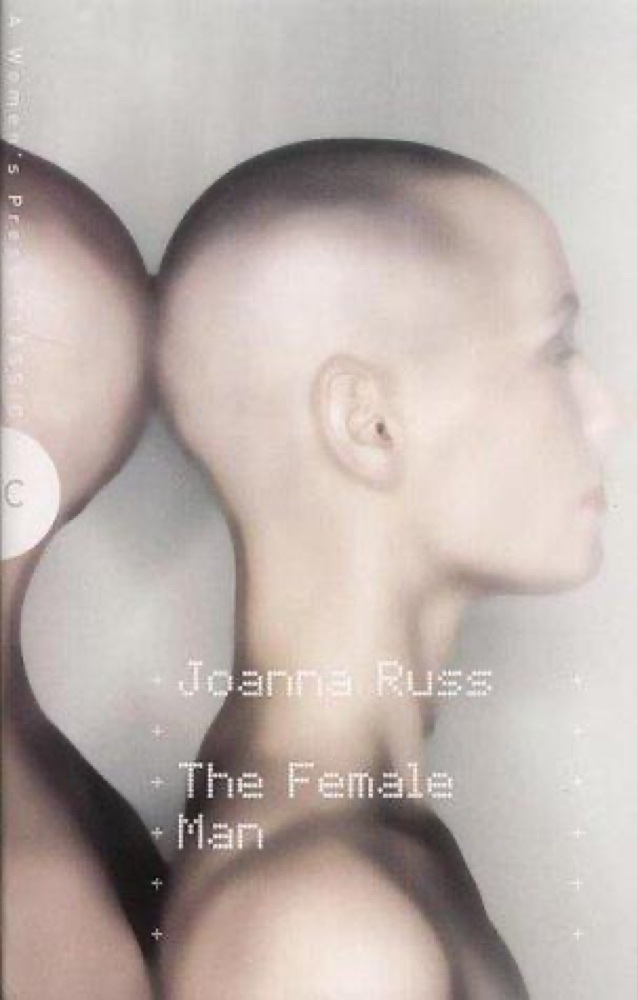 The Female Man
 Briefly, A Delicious Life
 Platform
 Mademoiselle de Maupin
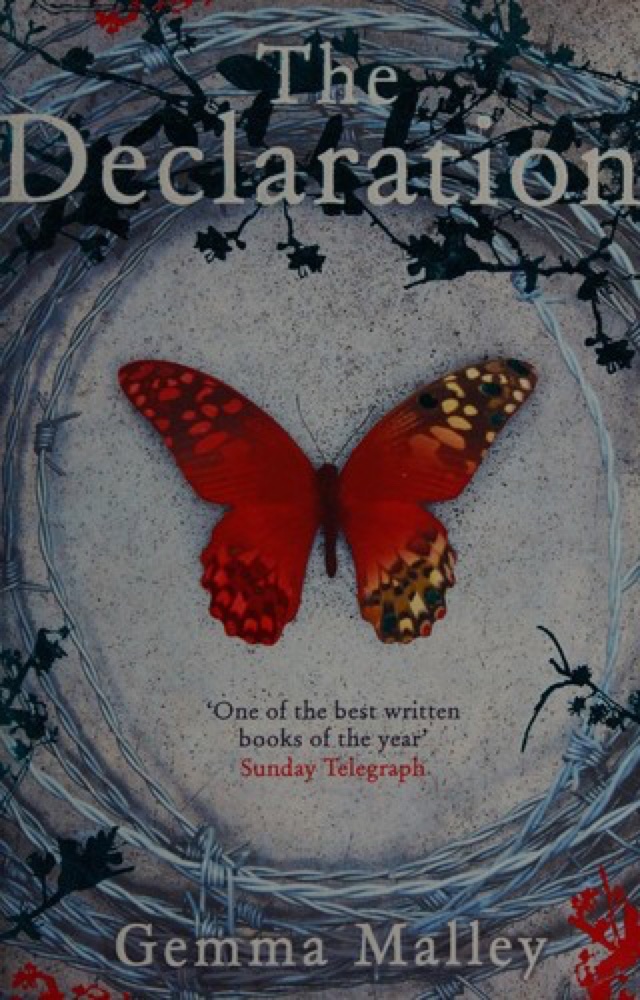 The Declaration
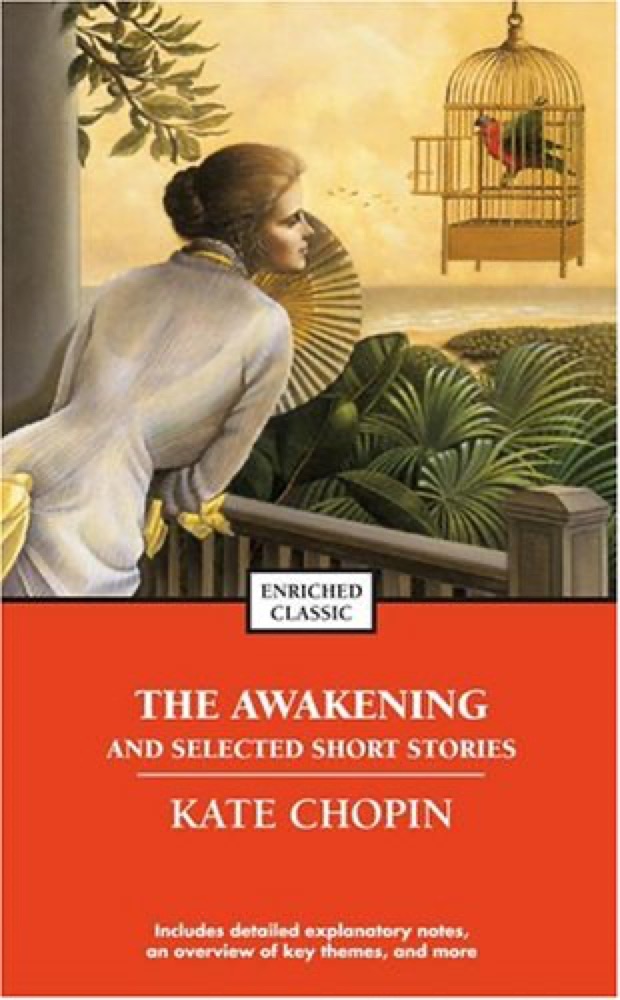 The Awakening and Selected Stories
 A Winter's Promise
 Tender Morsels
 Heart Lamp: Selected Stories
 The Valkyries
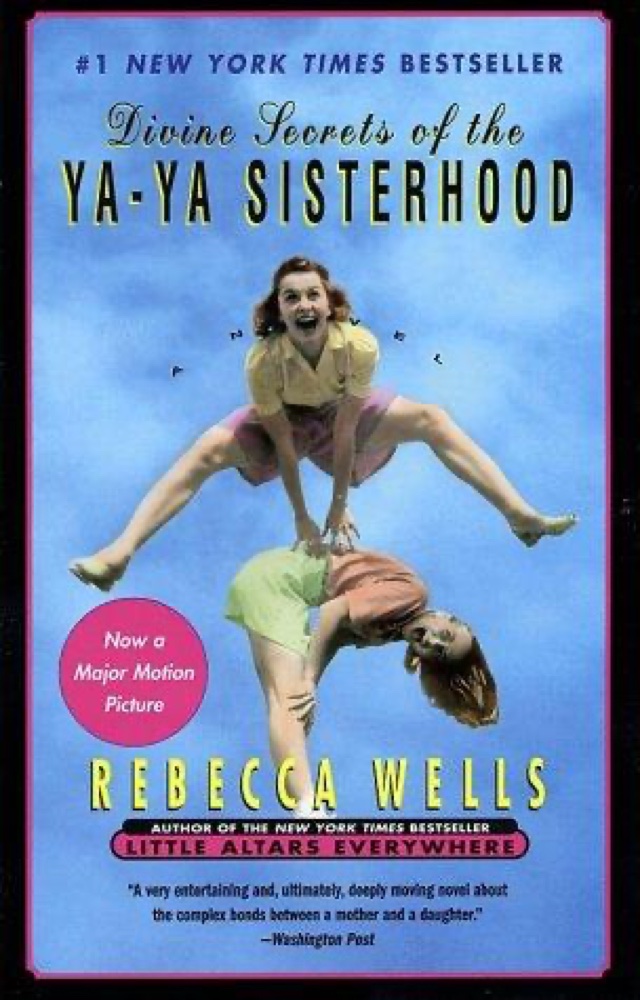 Divine Secrets of the Ya-Ya Sisterhood
 My Invented Country: A Nostalgic Journey Through Chile
 Identity
 Love
Love
 The Return of the Native
 Real Estate
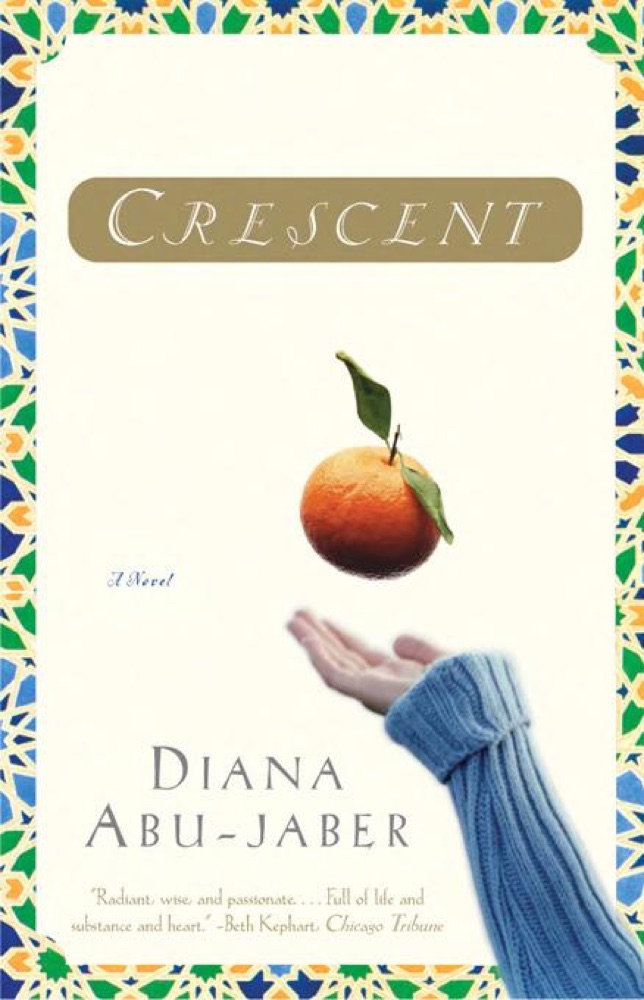 Crescent
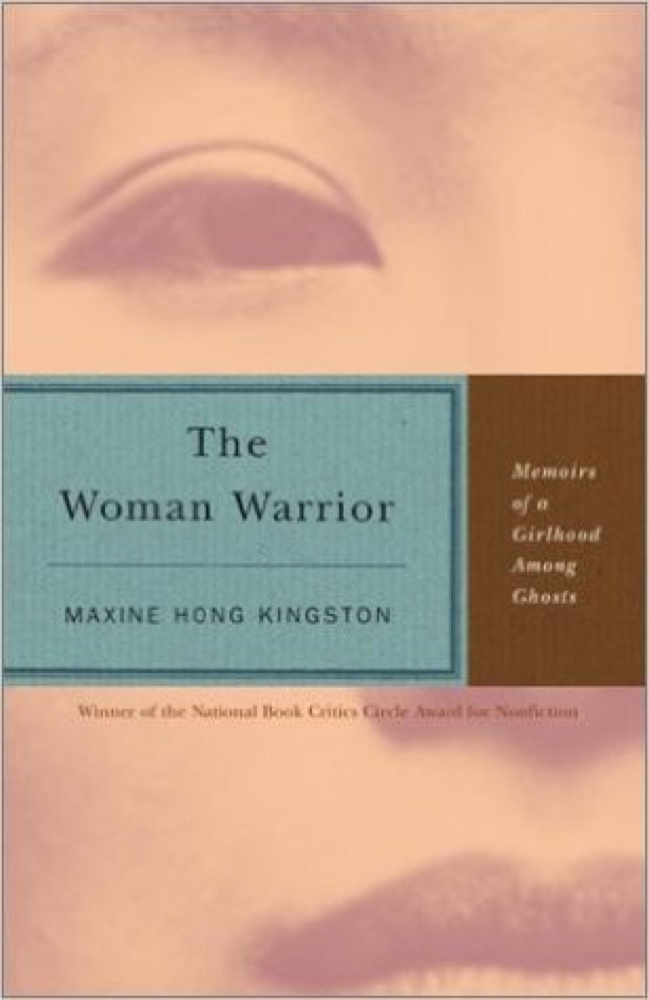 The Woman Warrior
 The Blue Castle
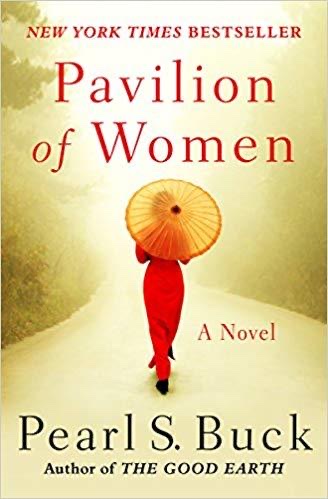 Pavilion of Women: A Novel of Life in the Women's Quarters
 Egg & Spoon
 Matrix
 Hateship, Friendship, Courtship, Loveship, Marriage: Stories
 The Familiar
 Babylonia
 The Day Before the Revolution
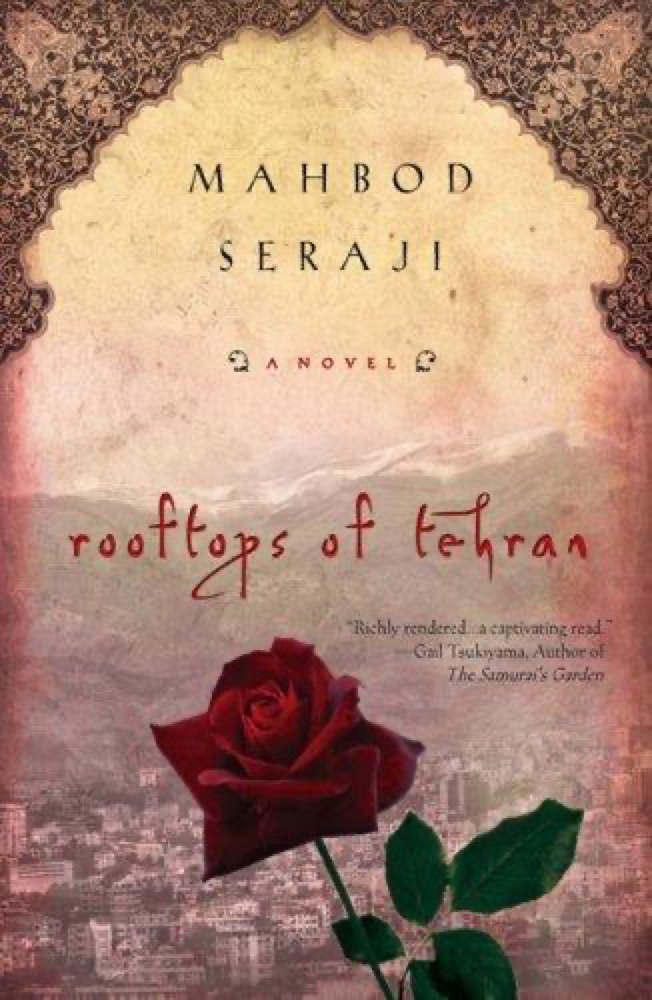 Rooftops of Tehran