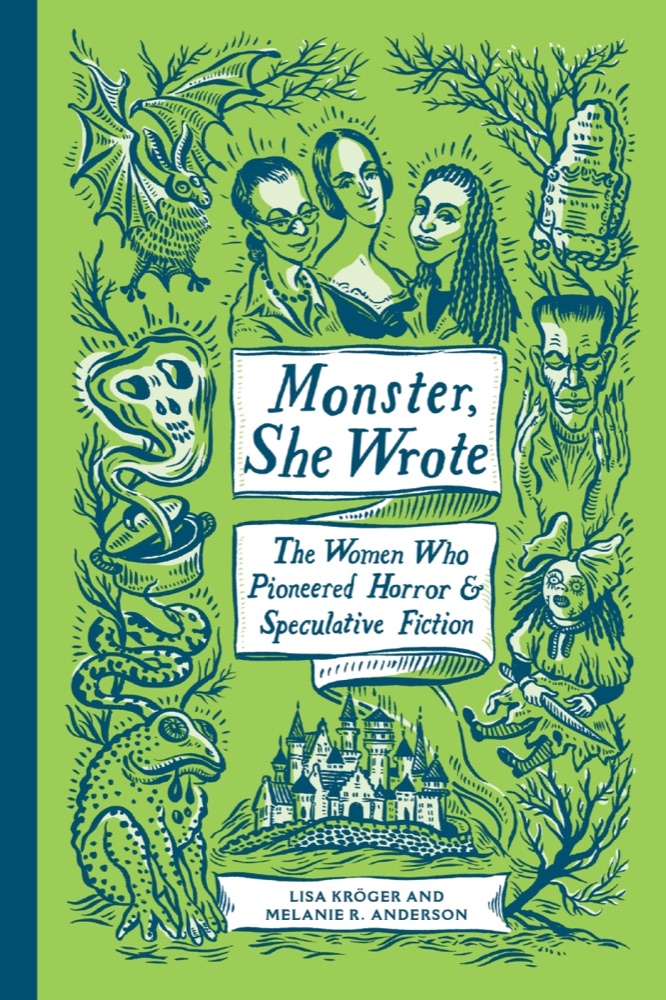

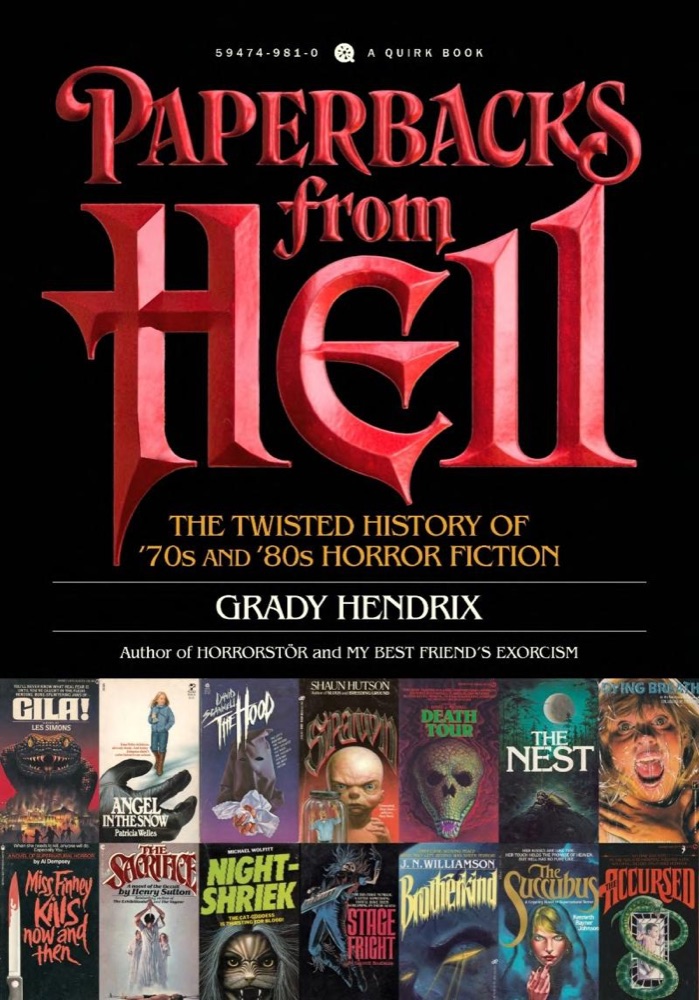
 Paperbacks from Hell: The Twisted History of '70s and '80s Horror Fiction
Quotes from the Book
Perhaps the weirdest tale is how we’ve managed to forget the women who created such amazing stories.
11
What do queer activism and vampires have in common? Turns out, a lot.
5
Haunted house fictions play upon the complex fears and concerns about domestic issues that women have long grappled with.
4
There seems to be an unspoken assumption that women aren't interested in horror and speculative fiction, despite ample evidence to the contrary.
3
Writers like Washington Irving, Charles Brockden Brown, and Nathaniel Hawthorne added uniquely American elements to their horror stories, informed by the early settlers' Puritan faith and fears of indigenous peoples: eerie woods, the devil, and witches. Even today, much of American horror fiction reckons to varying degrees with fears that are tied up in the nation's history, fears of supernatural evil, of the racial other, and of the frightful consequences of the violent past coming home to roost.
2
Why are women great at writing horror fiction? Maybe because horror is a transgressive genre. It pushes readers to uncomfortable places, where we aren't used to treading, and it forces us to confront what we naturally want to avoid.
1
Morrison read a news clipping about Margaret Garner while doing research for another book, and she decided to try to imagine what caused a woman to commit infanticide. What does it mean to be a mother to children who literally belong to another person?...What she created was a novel in the tradition of ghost stories, but in which the ghost represents more than just a person returning from the afterlife. The spirit also stands for the estimated sixty million people who died in the so-called land of the free during the time of enslavement.
1
Horror fiction shows us that sometimes the things that break us really can make us stronger.
Women experience horrors in everyday life; the eerie and the terrifying become tools for these writers to call attention to the dangers: frayed family relationships, domestic abuse, body image issues, mental health concerns, bigotry, oppression.
The apocalyptic novel (and the related postapocalyptic and dystopian novel) presents a story that emerges from contemporary social issues. It allows for discussion of difficult topics such as poverty, social inequality, and racial injustice
As this long history of the vampire story shows, these creatures may take various forms, but they’ll be with us for some time, lurking in the shadows of our stories for as long as we tell them.
One reason the vampire narrative is a perennial feature of horror, science fiction, and fantasy is that the concept is strong enough to evolve in all sorts of ways.
When fiction embraces the strange, the odd, the otherness, women can relate. Women know what it means not only to exist on the margins of society but also to revel in that existence. And so women flock to writing the weird because they can write the nastiest of it, the strangest of it, the most magical of it. Women can see what exists beyond the “normal” society—and we are glad they can.
women who write have always used uncanny and supernatural storytelling for sharing tales about their lives and for illustrating the deep traumas of life.
Helen Oyeyemi understands that fairy tales are essentially horror stories—cautionary tales that tell us about ourselves and our place in society.
The renewed interest in Gothic horror may be a response to modern fears, especially as technology advances at such a dizzying rate that it is difficult to predict what consequences these new innovations will have (hello, Black Mirror). Horror has always been cathartic; it allows a safe space for readers to experience fears and confront danger. Although the world is constantly changing (in sometimes frightening ways), in new Gothic fiction the ghosts that haunt us are familiar.
The new Gothic is exemplified by films such as Guillermo del Toro’s Crimson Peak and television series like Showtime’s Penny Dreadful and Netflix’s Alias Grace.
Ann Radcliffe wrote Gothic novels that caused a craze in the 1790s, and no author since then has whipped readers into such a frenzy with deliciously dramatic horror set in gloomy forests and crumbling mansions. Not until V. C. Andrews took the literary stage, that is.
Writing within the horror genre affords authors an opportunity to show the most violent and terrifying parts of real life, and Beloved is a master class in that technique. Morrison tells a ghost story that makes visible the gut-wrenching true horror of slavery, especially as experienced by African American women, and forces readers to reckon with an often-ignored part of U.S. history and its haunting effects.
Toni Morrison is awesome. But is she a horror writer? Is she part of the tradition of weird fiction? Our answer is yes, and our proof is her fifth novel, Beloved, published by Knopf in 1987.
Du Maurier often takes what would likely be clichés in the hands of lesser writers—haunted houses, environmental catastrophes—and cooks them down into terrifying morsels.
Unusually independent women. Dangerous obsessions. A flock of seagulls. Sexual intimacy with a male robot. Many women named Rebecca. Welcome to the mind of Daphne du Maurier.
In 1948, the New Yorker published a short story by a then-unknown writer. The tale, about an ordinary town with a sinister secret, so outraged readers that the magazine reported receiving more negative mail than ever before, including many subscription cancellations. That story was “The Lottery” by Shirley Jackson, which went on to become one of the most famous short stories in American literature.
The hauntings in these houses are bound to families and their attendant tensions. Secrets and broken relationships fuel the supernatural activity. The focus is on mothers and daughters for Macardle and Jackson and on marriage in du Maurier’s Rebecca. Intimate spaces within the larger homes also play important roles: nurseries in Macardle’s Cliff End and Jackson’s Hill House (and, later, Susan Hill’s Eel Marsh House in The Woman in Black); the second Mrs. de Winter’s bedroom, boudoir, and writing room in du Maurier’s Manderley.
Domestic spaces have long been the preferred setting for horror fiction. Nothing screams creepy like an old, isolated house in a desolate landscape, especially on a dark and stormy night. The haunted house is the epitome of the uncanny—the familiar and safe becoming strange and dangerous.
Eli Colter certainly sounds like a fitting name for someone who writes Western fiction. The moniker evokes the image of a cowboy, muscular, with sunburned cheeks and strong features peeking out from beneath a weather-worn Stetson. But Eli Colter is a woman, of course, the pen name of May Eliza Frost, born and raised in Portland, Oregon.
Throughout her more than one hundred short stories and nine novels, St. Clair used her speculative fiction to explore human potential, both our depths and our heights.
Fans of Dungeons and Dragons will recognize the science fiction of Margaret St. Clair even if they don’t recognize her name. Gary Gygax, one of the pioneering designers of the game, included her in Appendix N of the Dungeon Masters Guide (TSR, 1979), which is a list of his inspirations in creating his extensive world. Specifically, Gygax mentioned St. Clair’s novels The Shadow People (Dell, 1969) and Sign of the Labrys (Mineola, 1963).
Pulp writers such as Margaret St. Clair and C. L. Moore have clearly influenced science fiction, horror, and fantasy writing well into the twenty-first century. Ever played Dungeons and Dragons? Then you know St. Clair’s work.
Watch on YouTube
About Lisa Kröger
We have collected 29 quotes from 1 book by Lisa Kröger on BookQuoters.
More about the author →About the book
Meet the women writers who defied convention to craft some of literature’s strangest tales, from Frankenstein to The Haunting of Hill House and beyond.
Frankenstein was just the beginning: horror stories and other weird fiction wouldn’t exist without the women who created it. From Gothic ghost stories to psychological horror to science fiction, women have been primary architects of speculative literature of all sorts. And their own life stories are as intriguing as their fiction. Everyone knows about Mary Shelley, creator of Frankenstein, who was rumored to keep her late husband’s heart in her desk drawer. But have you heard of Margaret “Mad Madge” Cavendish, who wrote a science-fiction epic 150 years earlier (and liked to wear topless gowns to the theater)? If you know the astounding work of Shirley Jackson, whose novel The Haunting of Hill House was reinvented as a Netflix series, t
Book details
- First published
- 2019
- Author
- Lisa Kröger
- Genre
- Nonfiction
- Goodreads rating
- 4.05 (5k ratings)
Keep reading
Paperbacks from Hell: The Twisted History of '70s and '80s Horror Fiction
 Danse Macabre
 Songs of a Dead Dreamer
 Negotiating with the Dead: A Writer on Writing
 And Then I Woke Up
 Songs of a Dead Dreamer and Grimscribe
 Thrust
 The Madwoman Upstairs
 Women and Other Monsters: Building a New Mythology
 The Language of the Night: Essays on Writing, Science Fiction, and Fantasy
 Mystery and Manners: Occasional Prose
 In Other Worlds: SF and the Human Imagination
 The Archive of the Forgotten
 Mary's Monster: Love, Madness, and How Mary Shelley Created Frankenstein
 Stein on Writing
 Recollections of My Nonexistence: A Memoir
 Mr. Splitfoot
 Waking the Witch: Reflections on Women, Magic, and Power
 Story Genius: How to Use Brain Science to Go Beyond Outlining and Write a Riveting Novel
 The Art of Fiction: Notes on Craft for Young Writers
 Maeve Fly
 My Favorite Thing Is Monsters, Vol. 1
 The Ten Thousand Doors of January
 The Library of the Unwritten
 Pandora's Jar: Women in the Greek Myths
 The Blazing World
 A Room of One's Own
 The Faraway Nearby
 Sophie Quire and the Last Storyguard
 Smoke and Mirrors: Short Fiction and Illusions
 The Rabbit Back Literature Society
 The World of Lore: Wicked Mortals
 The Lady from the Black Lagoon: Hollywood Monsters and the Lost Legacy of Milicent Patrick
 Dæmon Voices
 Home Before Dark
 The Summer Without Men
 Dead Blondes and Bad Mothers
 The Thirteenth Tale
 Thistlefoot
 The Archive of Alternate Endings
 Aspects of the Novel
 Body Work: The Radical Power of Personal Narrative
 The Wave in the Mind: Talks and Essays on the Writer, the Reader and the Imagination
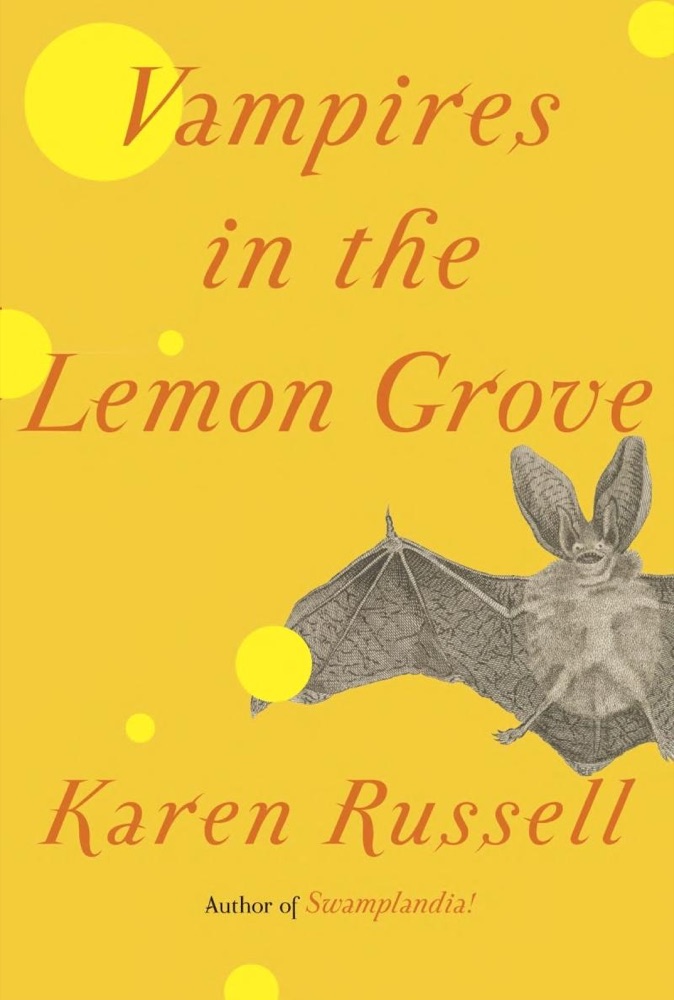 Vampires in the Lemon Grove
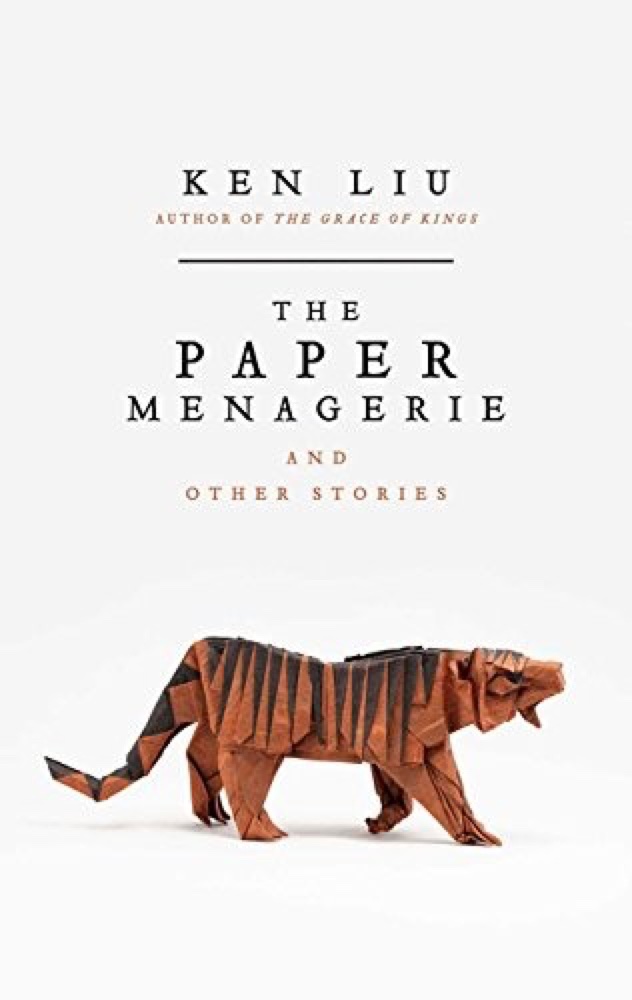 The Paper Menagerie and Other Stories
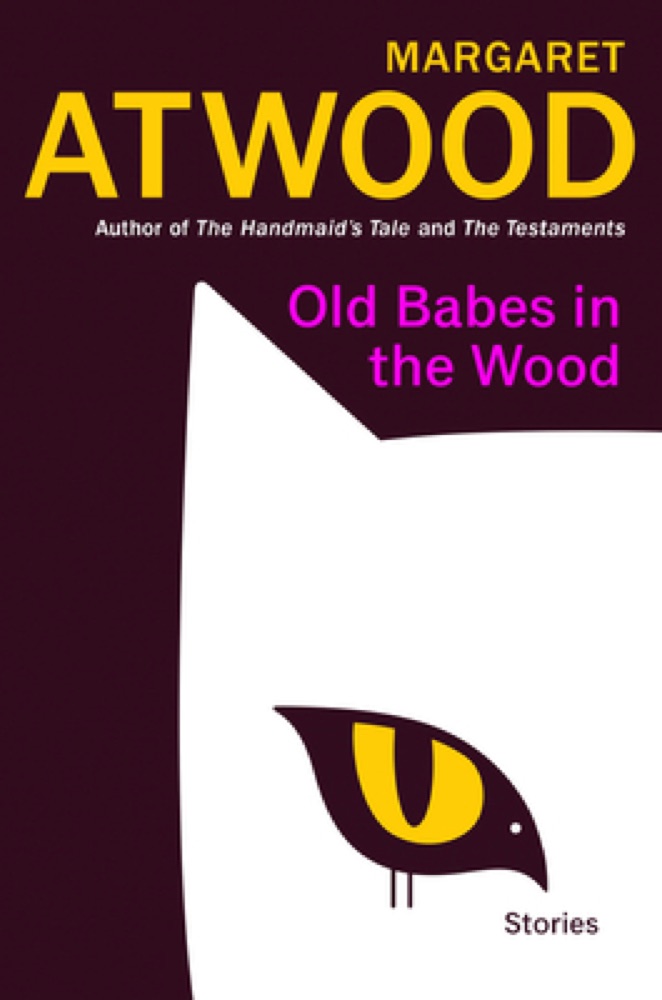 Old Babes in the Wood: Stories
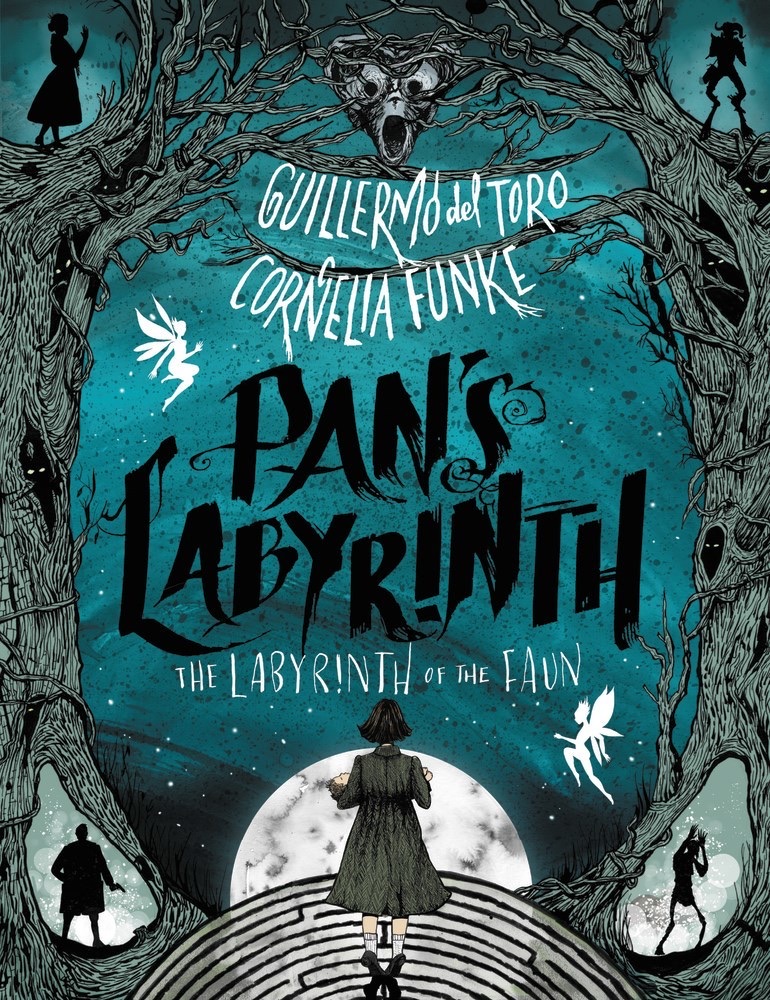 Pan's Labyrinth: The Labyrinth of the Faun
 The Lighthouse Witches
 In the Dream House
 Slasher Girls & Monster Boys
 Trigger Warning: Short Fictions and Disturbances
 Parade
 The Unlikely Escape of Uriah Heep
 Monsters: A Fan's Dilemma
 The Book That Wouldn’t Burn
 Keeper of Enchanted Rooms
 ’Salem’s Lot
 Shadowhunters and Downworlders: A Mortal Instruments Reader
 Reading Lolita in Tehran: A Memoir in Books
 Giving Up the Ghost