
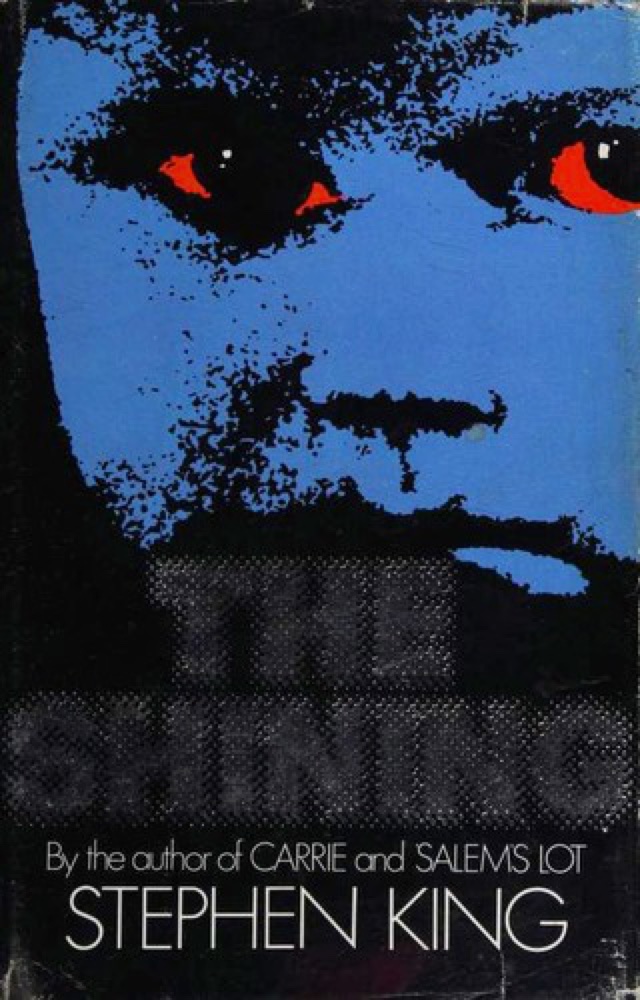
 The Shining
Quotes from the Book
But when fall comes, kicking summer out on its treacherous ass as it always does one day sometime after the midpoint of September, it stays awhile like an old friend that you have missed. It settles in the way an old friend will settle into your favorite chair and take out his pipe and light it and then fill the afternoon with stories of places he has been and things he has done since last he saw you.
704
God grant me to SERENITY to accept what I cannot change the TENACITY to change what I may and the GOOD LUCK not to fuck up too often
469
The basis of all human fears, he thought. A closed door, slightly ajar.
131
The town has a sense, not of history, but of time, and the telephone poles seem to know this. If you lay your hand against one, you can feel the vibration from the wires deep within the wood, as if souls had been imprisoned in there and were struggling to get out.
79
If a fear cannot be articulated, it can’t be conquered.
75
The town kept its secrets, and the Marsten House brooded over it like a ruined king.
74
Only library books speak with such wordless eloquence of the power good stories hold over us.
65
There is no group therapy or psychiatry or community social services for the child who must cope with the thing under the bed or in the cellar every night, the thing which leers and capers and threatens just beyond the point where vision will reach. The same lonely battle must be fought night after night and the only cure is the eventual ossification of the imaginary faculties, and this is called adulthood.
64
At three in the morning the blood runs slow and thick, and slumber is heavy. The soul either sleeps in blessed ignorance of such an hour or gazes about itself in utter despair. There is no middle ground.
59
The essential and defining characteristic of childhood is not the effortless merging of dream and reality, but only alienation. There are no words for childhood's dark turns and exhalations. A wise child recognizes it and submits to the necessary consequences. A child who counts the cost is a child no longer.
58
The sandwich he made was bologna and cheese, his favorite. All the sandwiches he made were his favorites; that was one of the advantages of being single.
58
Before drifting away entirely, he found himself reflecting---not for the first time---on the peculiarity of adults. Thet took laxatives, liquor, or sleeping pills to drive away their terrors so that sleep would come, and their terrors were so tame and domestic: the job, the money, what the teacher will think if I can't get Jennie nicer clothes, does my wife still love me, who are my friends. They were pallid compared to the fears every child lies cheek and jowl with in his dark bed, with no one to confess to in hope of perfect understanding but another child. There is no group therapy or psychiatry or community social services for the child who must cope with the thing under the bed or in the cellar every night, the thing which leers and capers and threatens just beyond the point where vision will reach. The same lonely battle must be fought night after night and the only cure is the eventual ossification of the imaginary faculties, and this is called adulthood.
52
Crying was like pissing everything out on the ground.
52
small towns have long memories and pass their horrors down ceremonially from generation to generation.
41
Storytelling is as natural as breathing; plotting is the literary version of artificial respiration.
39
If a man dethrones God in his heart, Satan must ascend to His position.
38
Ben smiled back, 'Mark Twain said a novel was a confession to everything by a man who had never done anything.
35
I think it's relatively easy for people to accept something like telepathy or precognition or teleplasm because their willingness to believe doesn't cost them anything. It doesn't keep them awake nights. But the idea that the evil that men do lives after them is unsettling.
32
The town knew about darkness. It knew about the darkness that comes on the land when rotation hides the land from the sun, and about the darkness of the human soul
28
And all around them, the bestiality of the night rises on tenebrous wings. The vampire’s time has come.
28
To his way of thinking, the only thing more natural than death was sex.
28
That above all else. They did not look out their windows. No matter what noises or dreadful possibilities, no matter how awful the unknown, there was an even worse thing: to look the Gorgon in the face.
27
There were fourteen steps exactly fourteen. But the top one was smaller, out of proportion, as if it had been added to avoid the evil number.
24
The town cares for devil’s work no more than it cares for God’s or man’s. It knew darkness. And darkness was enough.
22
Corey Bryant sank into a great forgetful river, and that river was time, and its waters were red.
22
Writing controlled fiction is called “plotting.” Buckling your seatbelt and letting the story take over, however…that is called “storytelling.” Storytelling is as natural as breathing; plotting is the literary version of artificial respiration.
19
It had that comfortably sprung, lived-in look that library books with a lively circulation always get; bent page corners, a dab of mustard on page 331, a whiff of some reader's spilled after-dinner whiskey on page 468. Only library books speak with such wordless eloquence of the power good stories hold over us, how good stories abide, unchanged and mutely wise, while we poor humans grow older and slower.
19
She had always consciously or unconsciously formed fear into a simple equation: fears = unknown.
19
Things were going very fast now. Too fast to suit him. Fantasy and reality had merged.
18
But when fall comes, kicking summer out on it's treacherous ass as it always does one day sometime after the midpoint of September, it stays awhile like an old friend that you have missed.
17
Did you know?
- It was Stephen King's second published novel, following Carrie (1974).
- The novel was published by Doubleday on October 17, 1975.
- The story is widely seen as King's contemporary New England reworking of Bram Stoker's Dracula.
- It was nominated for the World Fantasy Award in 1976.
- The 1979 television adaptation was directed by Tobe Hooper and starred David Soul.
About Stephen King
Stephen King is an American author of horror, supernatural fiction, suspense, and fantasy. 'Salem's Lot was his second published novel, following Carrie (1974), and helped cement his reputation as one of the most popular authors of modern horror.
More about the author →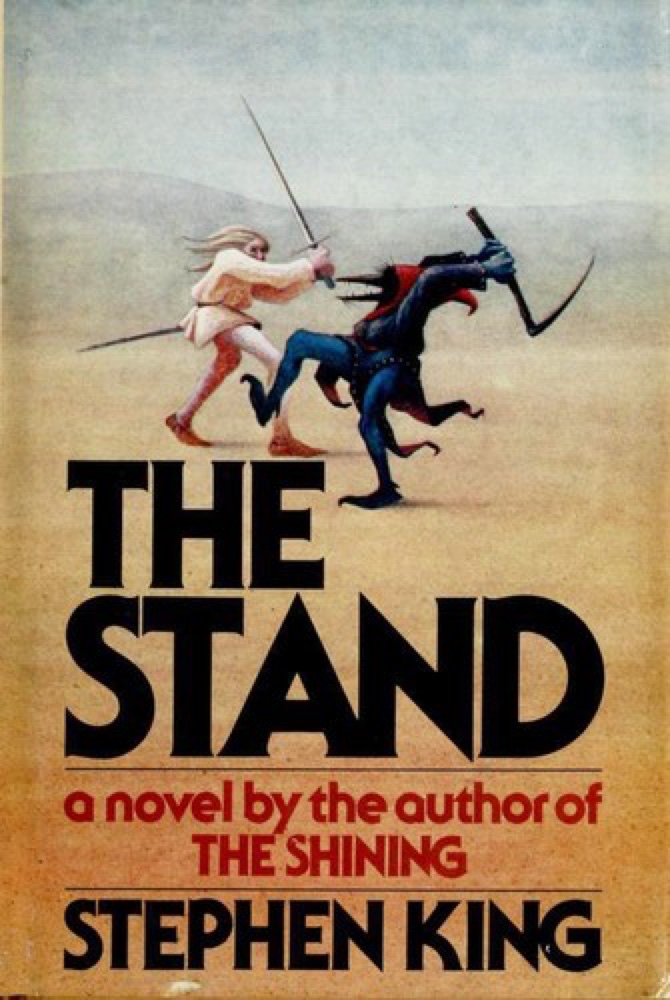
About the book
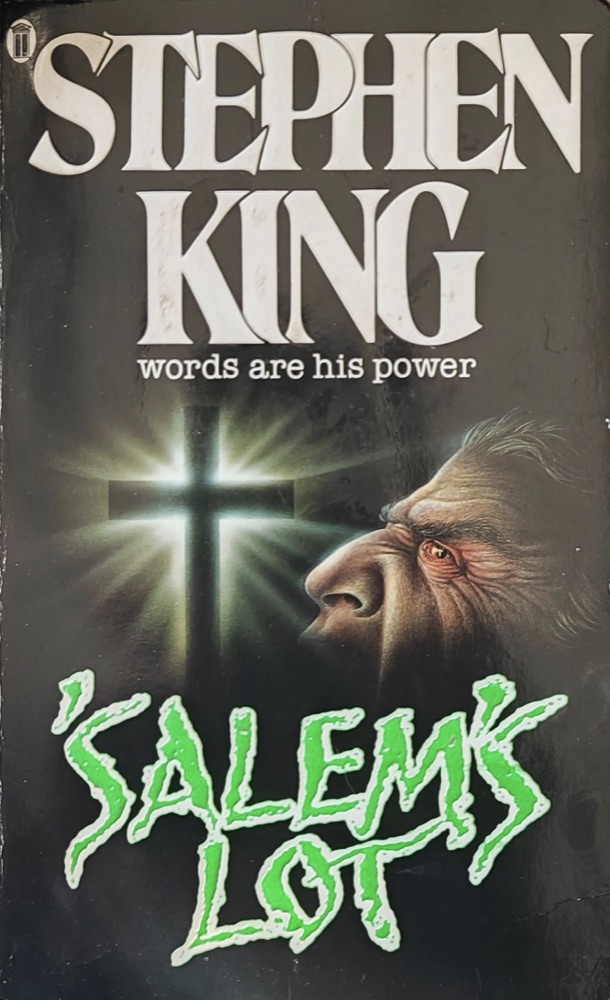
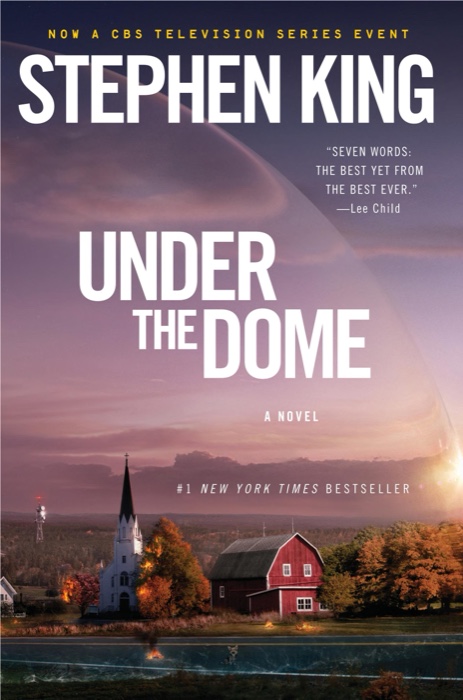
'Salem's Lot is a 1975 horror novel by Stephen King, his second published novel after Carrie. It follows writer Ben Mears, who returns to the small Maine town of Jerusalem's Lot (called 'Salem's Lot for short) hoping to confront his own past, only to discover that the townspeople are being turned into vampires after a mysterious antique dealer named Kurt Barlow takes up residence in the ominous Marsten House.
The novel blends classic vampire mythology with a portrait of small-town American decay, isolation, and moral rot. Often described as King's reimagining of Bram Stoker's Dracula transplanted to contemporary New England, it explores how evil can quietly consume an ordinary community, with the fictional town itself functioning as a central character.
As King's second novel, 'Salem's Lot helped establish him as a leading voice in horror fiction and remains one of his most acclaimed works. It was nominated for the World Fantasy Award in 1976 and has been adapted for the screen multiple times, including the 1979 CBS miniseries directed by Tobe Hooper.
Key characters
- Ben MearsA writer who returns to his childhood town of Jerusalem's Lot
- Kurt BarlowAn ancient, powerful vampire and the novel's primary antagonist
- Richard StrakerBarlow's human business partner and front man
- Susan NortonA young woman who becomes romantically involved with Ben
- Matt BurkeA high school teacher who helps fight the vampires
- Mark PetrieA resourceful young boy who joins the fight against Barlow
- Father Donald CallahanThe local Catholic priest drawn into the battle
Book details
- First published
- 1975
- Length
- 439 pages
- Reading time
- 8 hours
- Author
- Stephen King
- Genre
- Horror
- Goodreads rating
- 4.10 (676k ratings)
Critical reception
- Editor Jeffery Deaver credited King with bringing reality to genre novels.
- Author Neil Gaiman described the book as 'Dracula meets Peyton Place.'
- The novel was nominated for the 1976 World Fantasy Award and remains regarded as one of King's most acclaimed early works.
Movie & TV adaptations
- IMDb
- IMDb
- IMDb
If you liked this, read…
- 1Dracula by Bram StokerThe classic vampire novel that 'Salem's Lot is widely seen as reimagining.
- 2It by Stephen KingAnother King novel about evil rooted in a small American town.
- 3The Shining by Stephen KingKing's atmospheric horror centered on an isolated, malevolent setting.
Keep reading
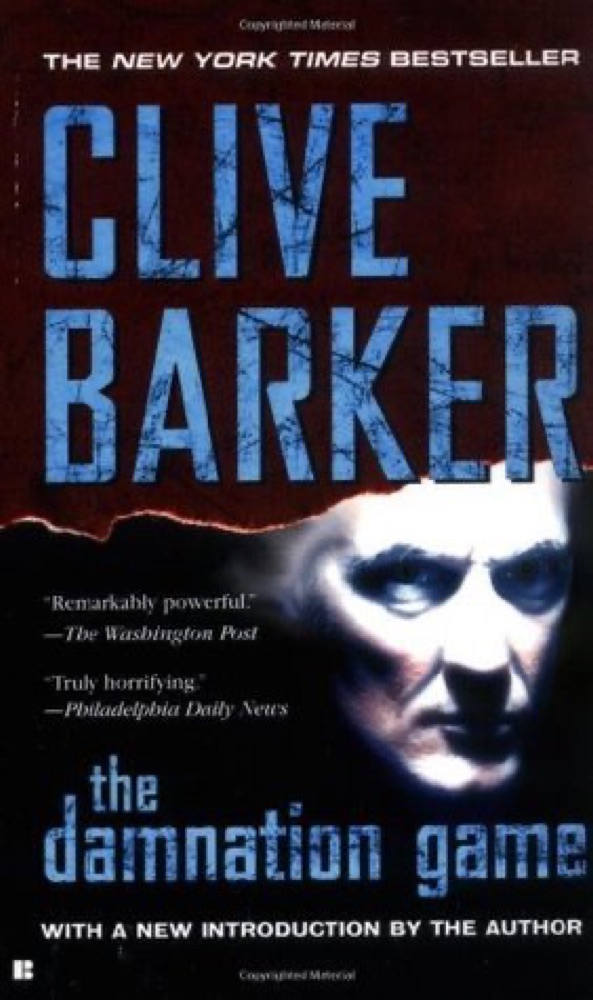 The Damnation Game
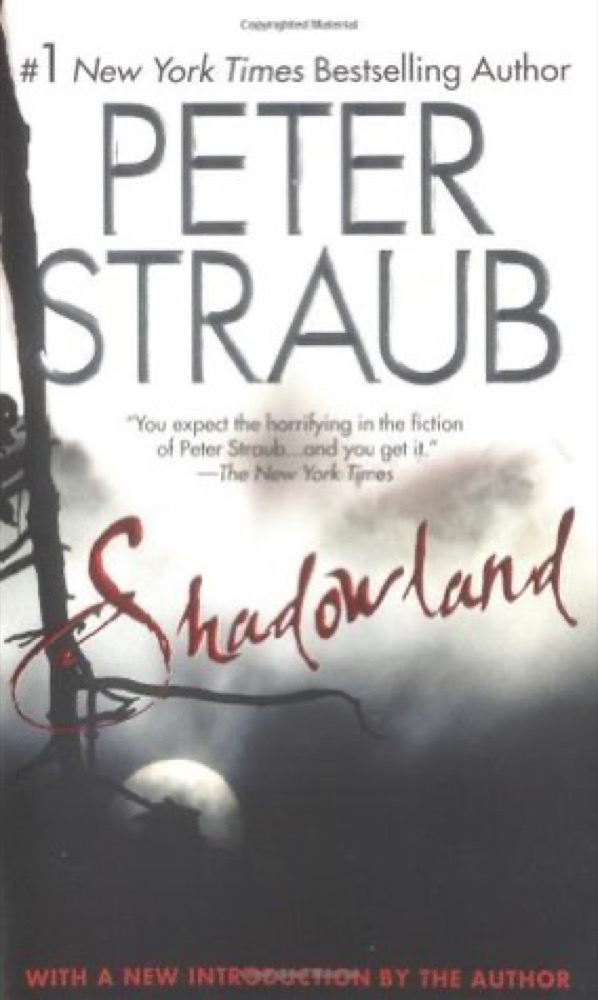 Shadowland
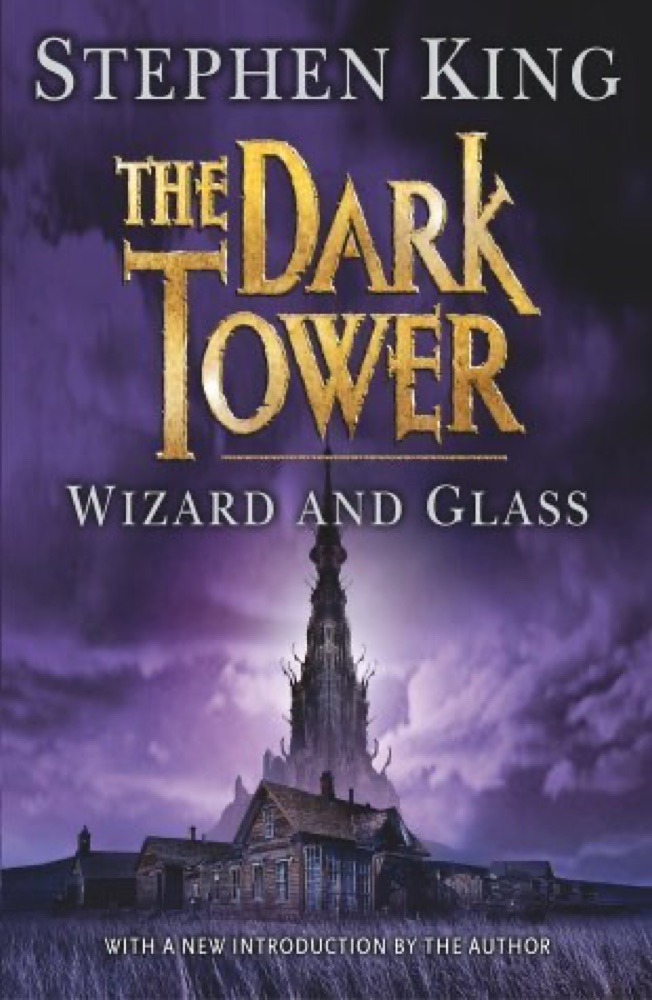 Wizard and Glass
 The Whisper Man
 Light in August
 Pet Sematary
 20th Century Ghosts
 Bag of Bones
 Velocity
 The Collected Stories
 The Ministry of Fear
 Shadow Country
 Something Wicked This Way Comes
 The Naked and the Dead
 The Wolf in Winter
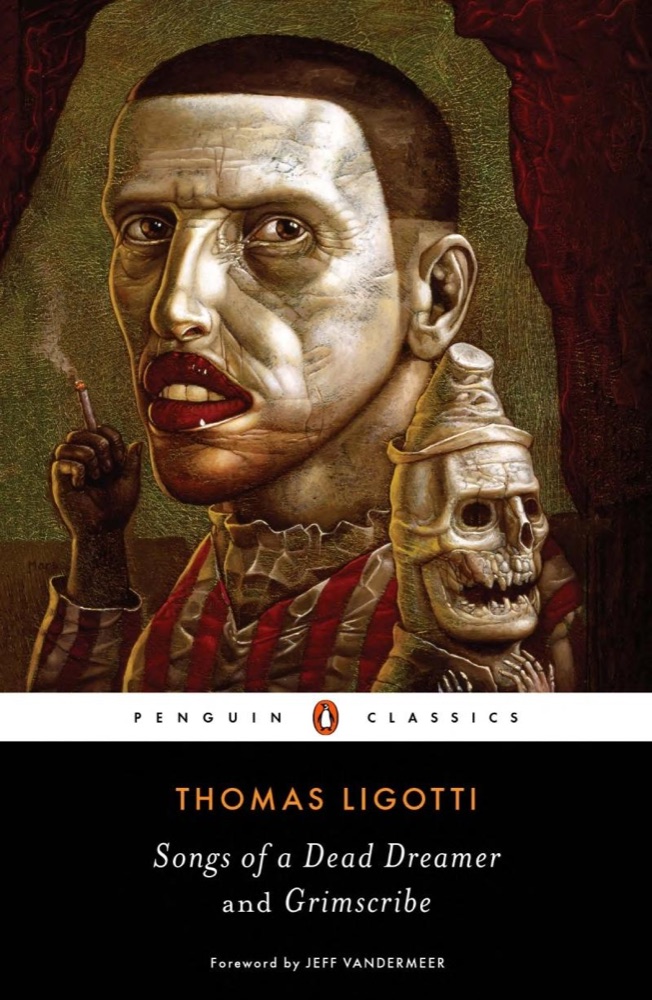 Songs of a Dead Dreamer and Grimscribe
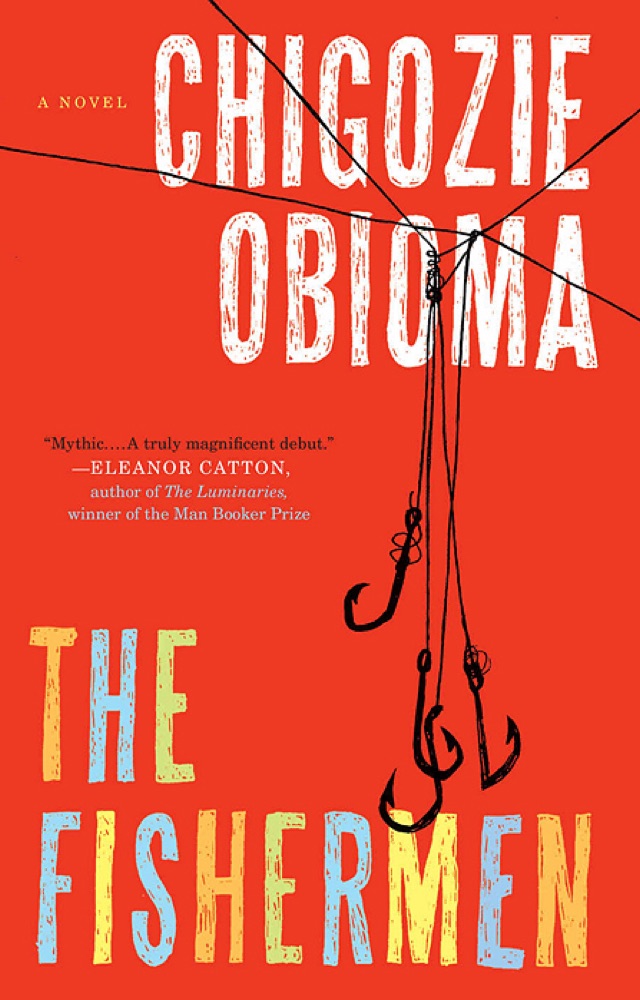 The Fishermen
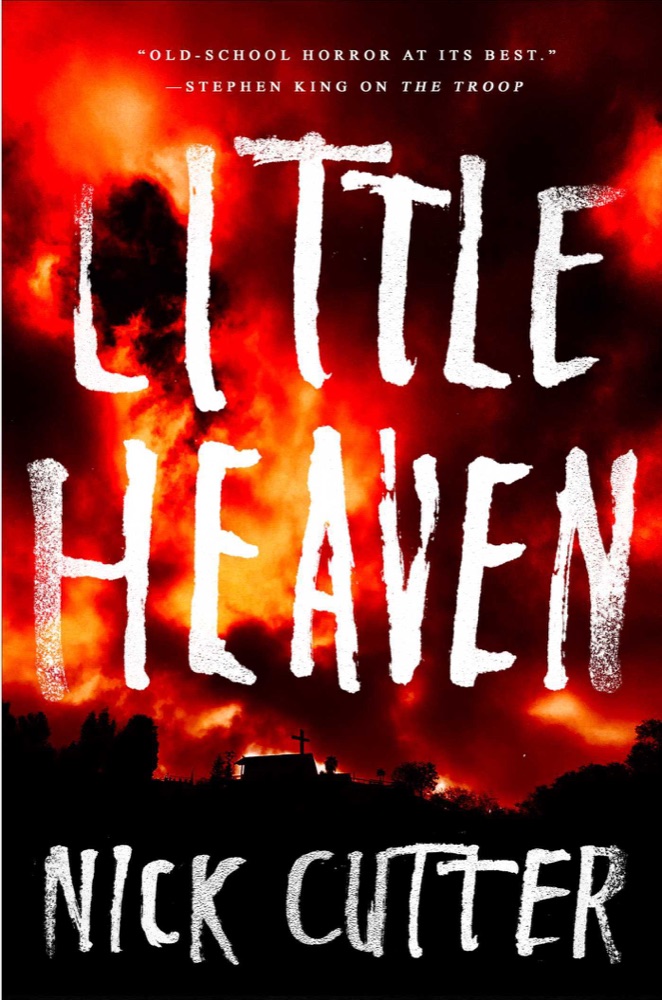 Little Heaven
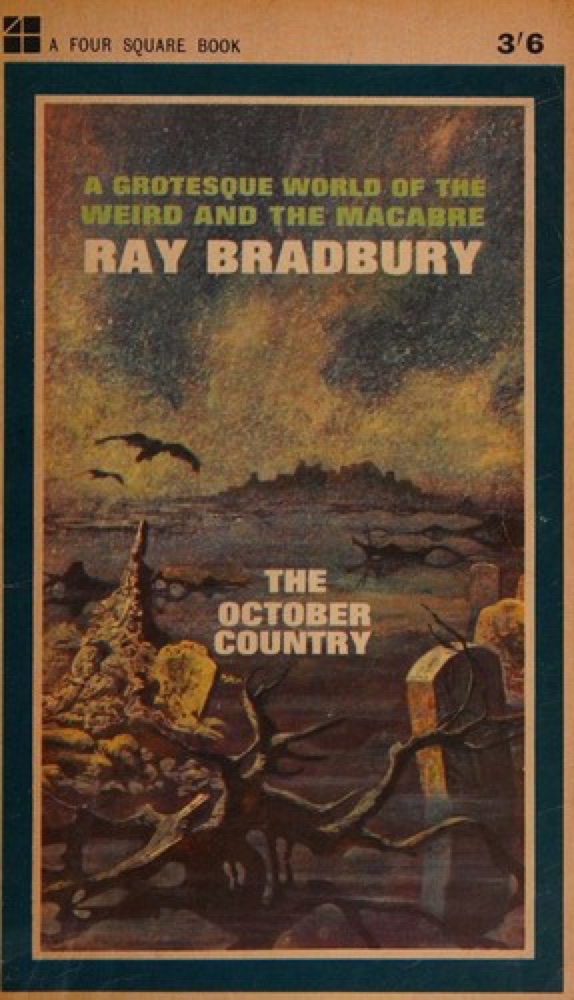 The October Country
 The Shipping News
 Lud-in-the-Mist
 The Scarlet Gospels
 Provinces of Night
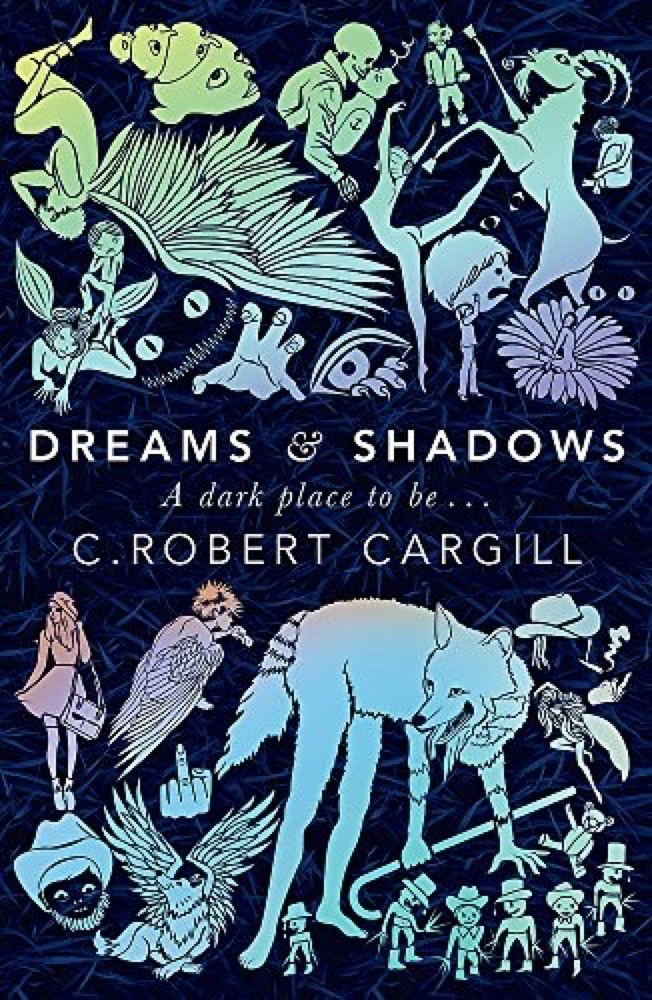 Dreams and Shadows
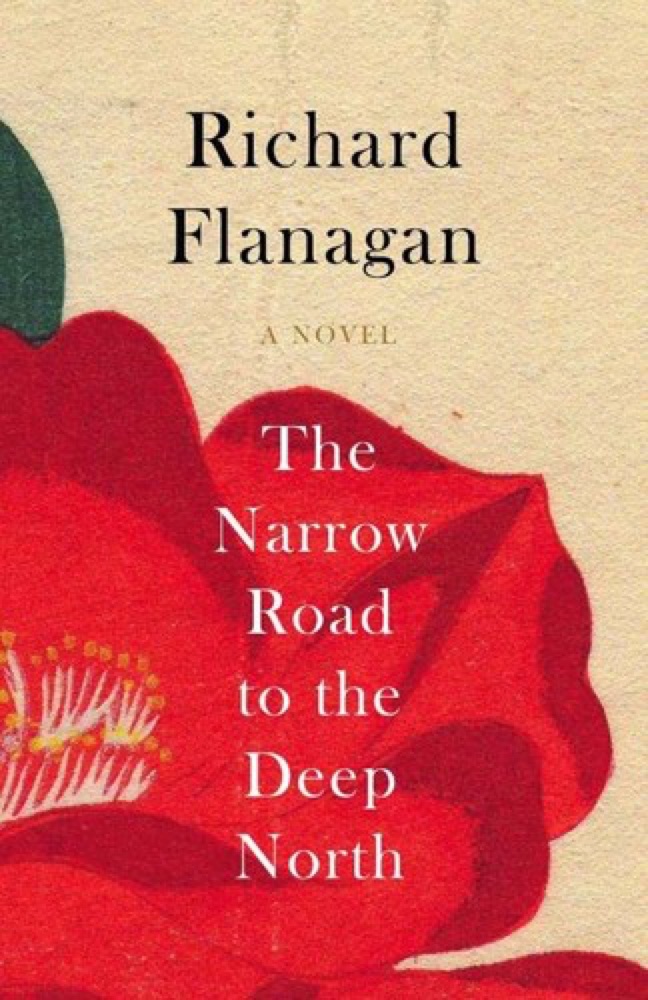 The Narrow Road to the Deep North
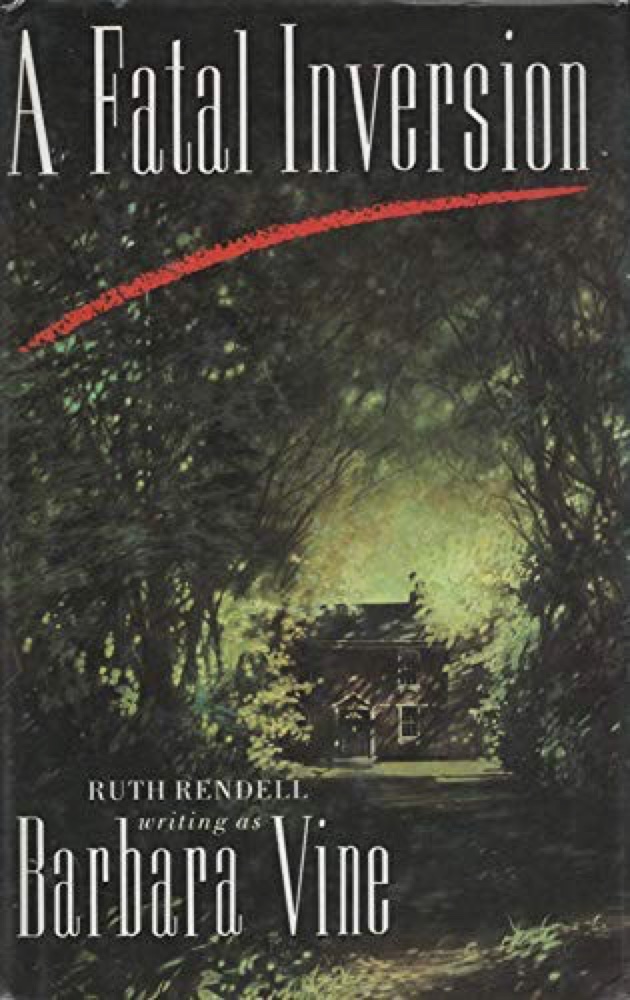 A Fatal Inversion
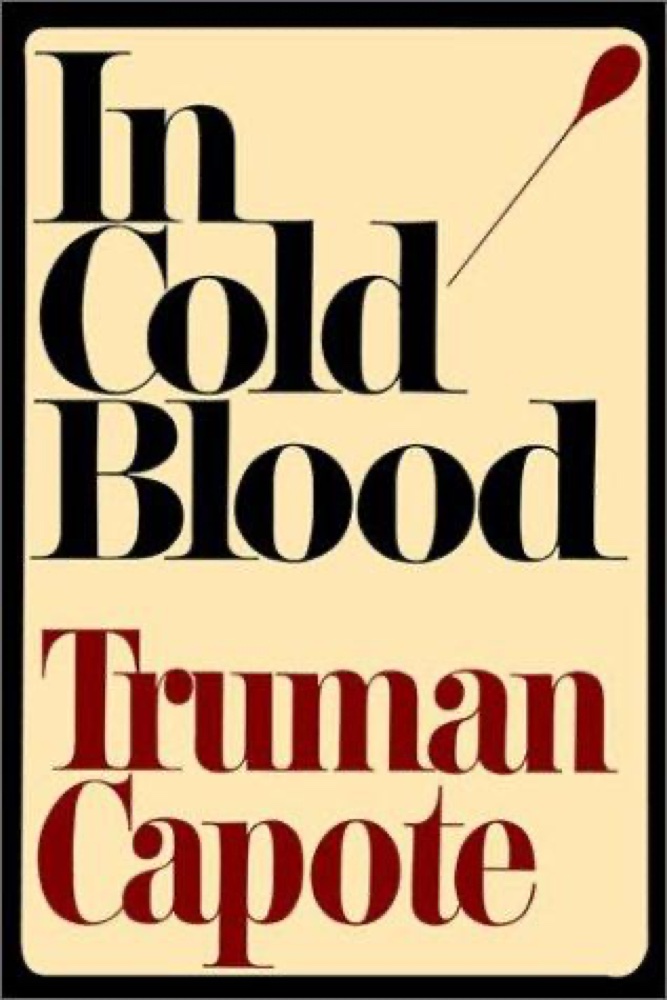 In Cold Blood
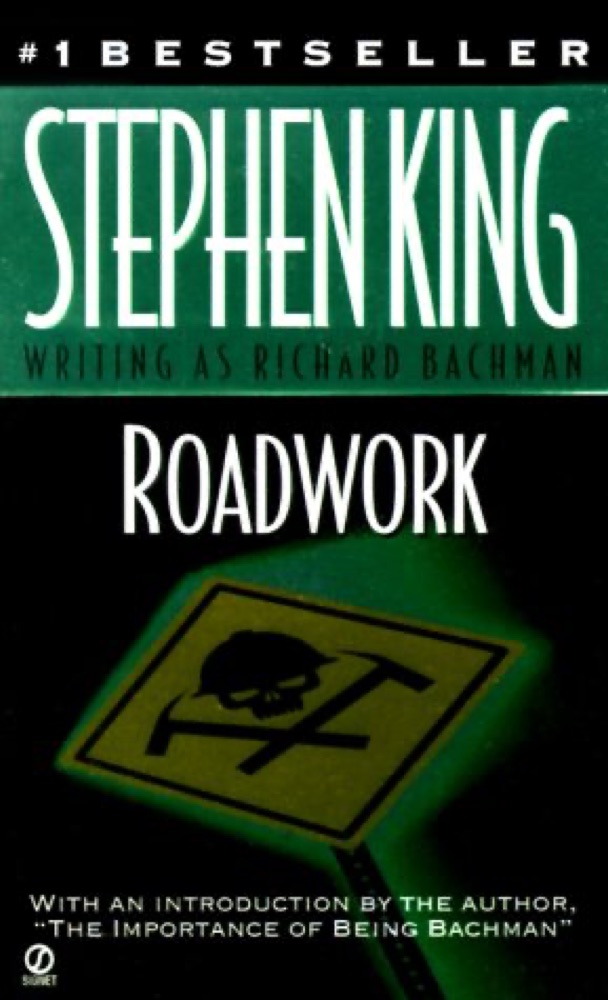 Roadwork
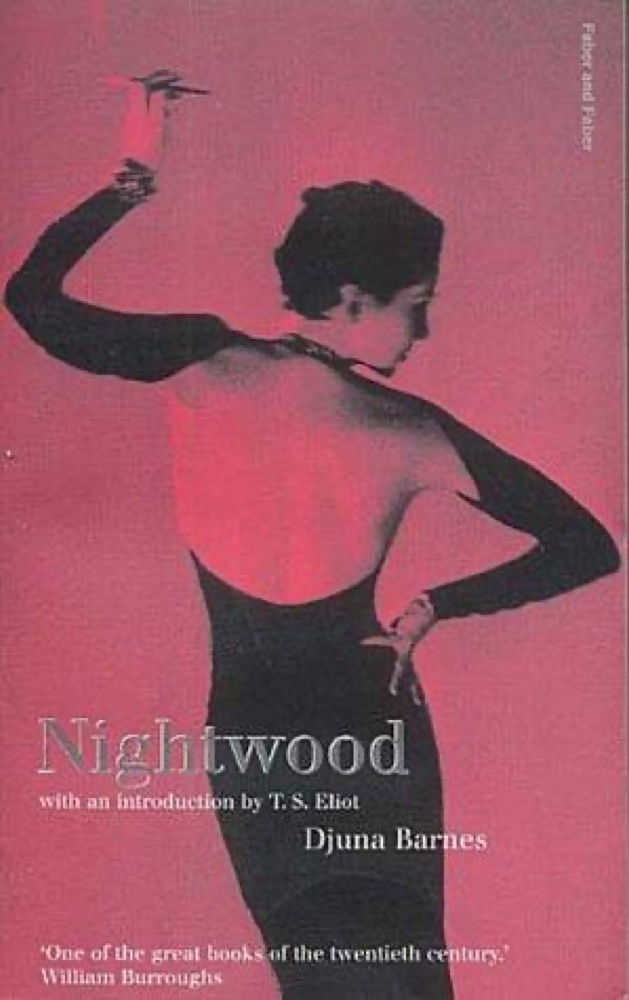 Nightwood
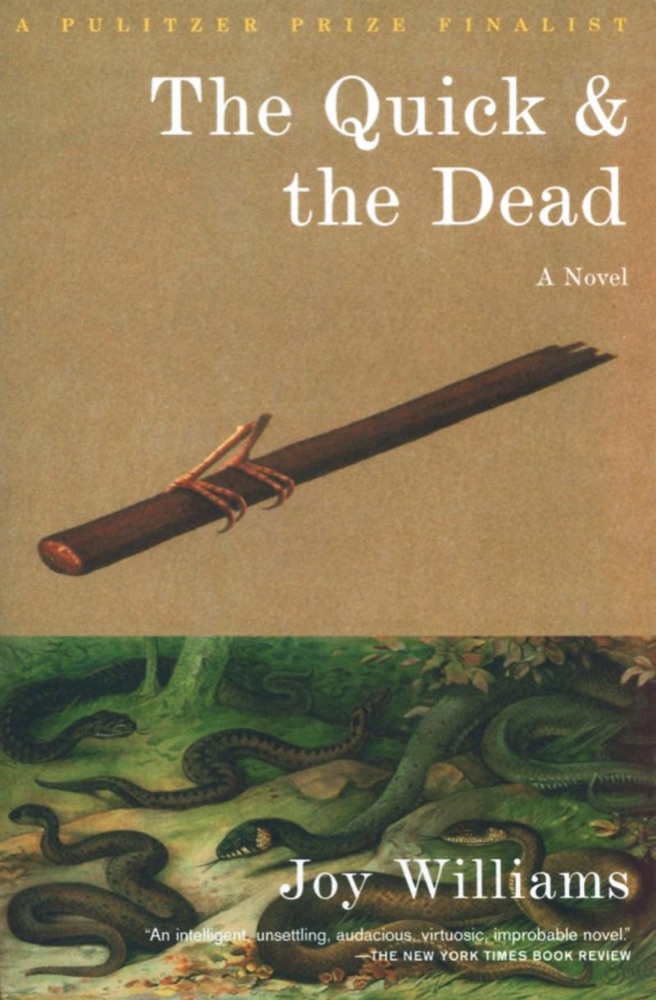 The Quick and the Dead
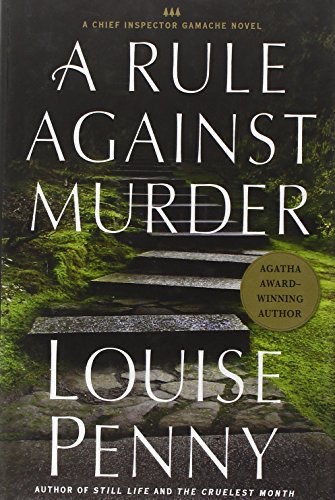 A Rule Against Murder
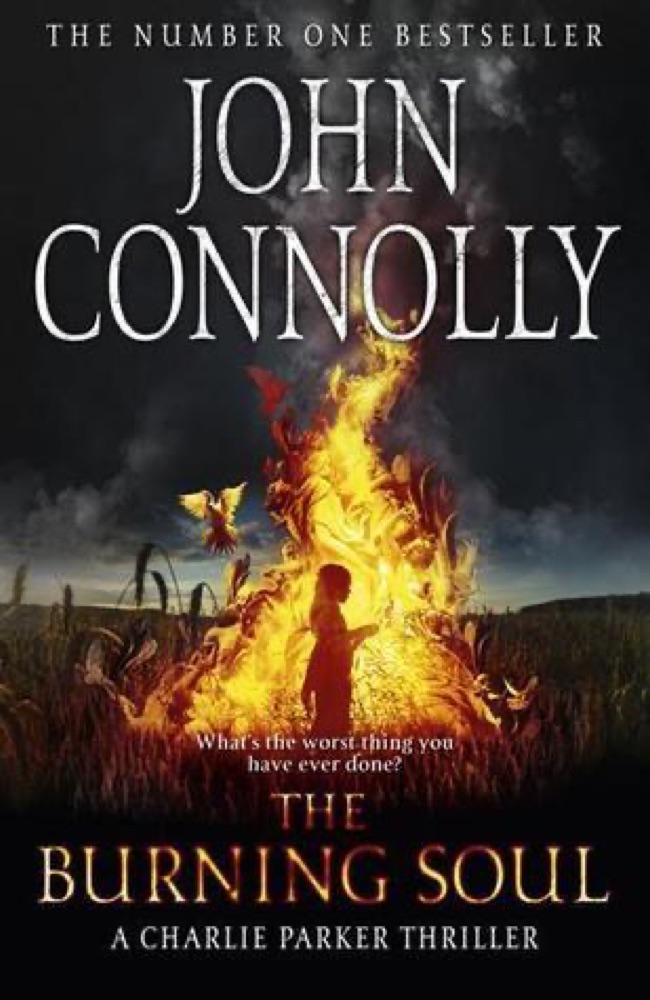 The Burning Soul
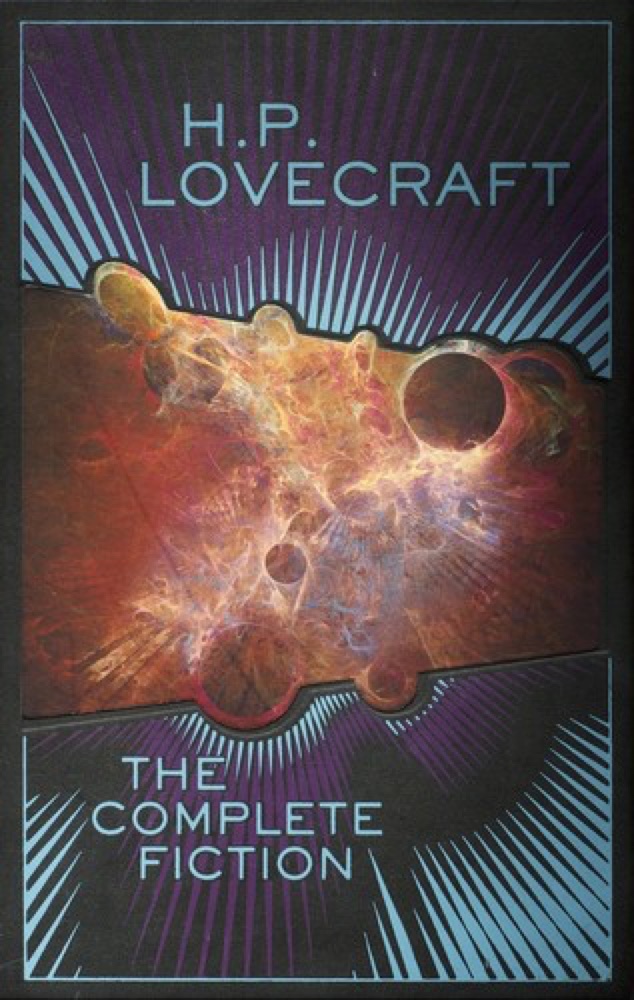 H.P. Lovecraft: The Complete Fiction
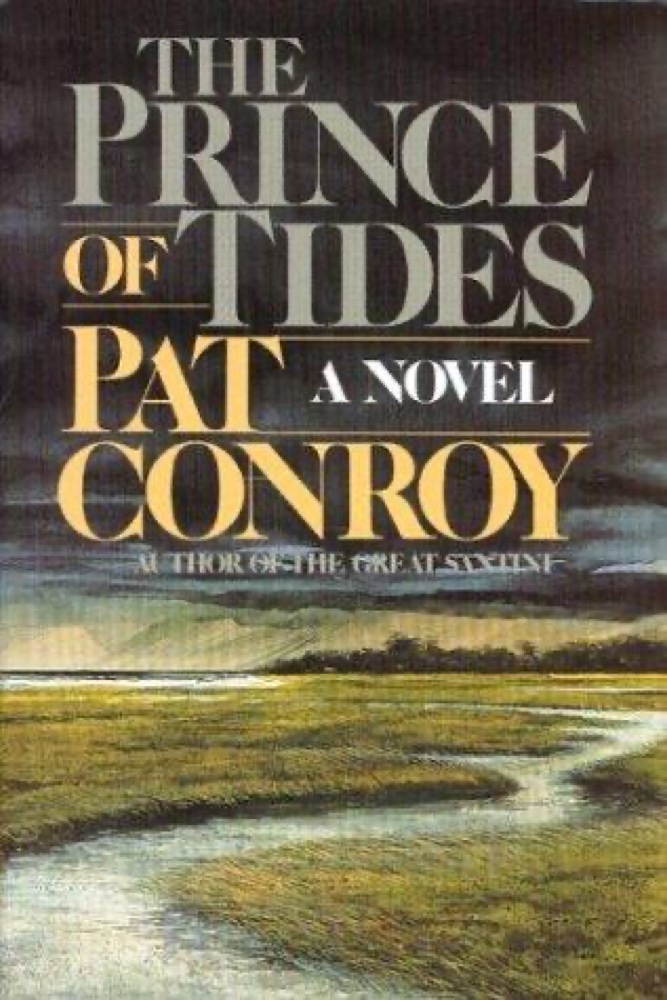 The Prince of Tides
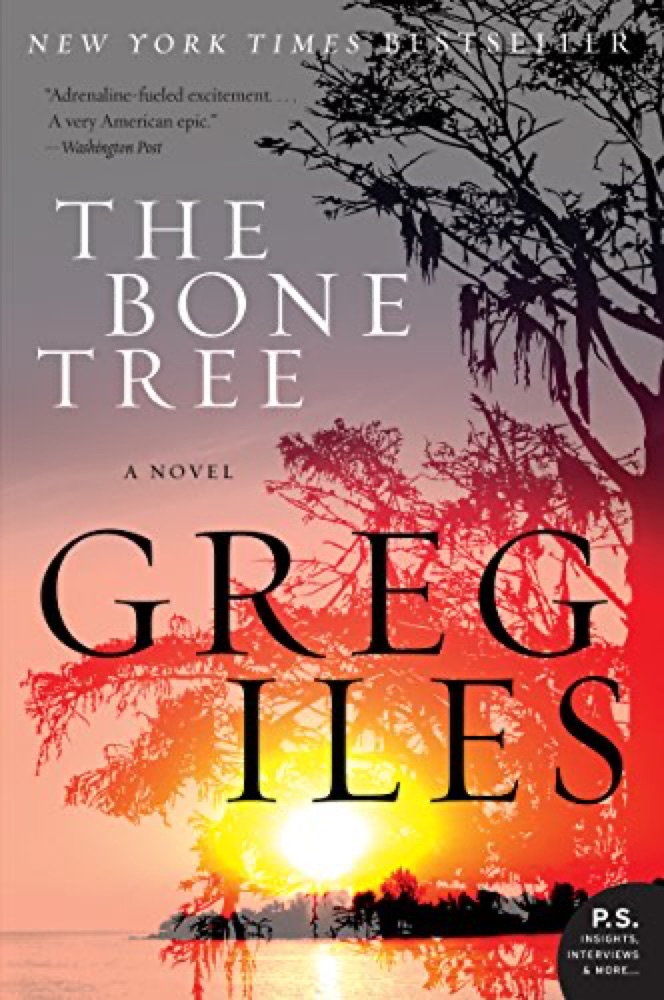 The Bone Tree
 That Hideous Strength
 The Quiet Game
 Absalom, Absalom!
 What the Night Knows
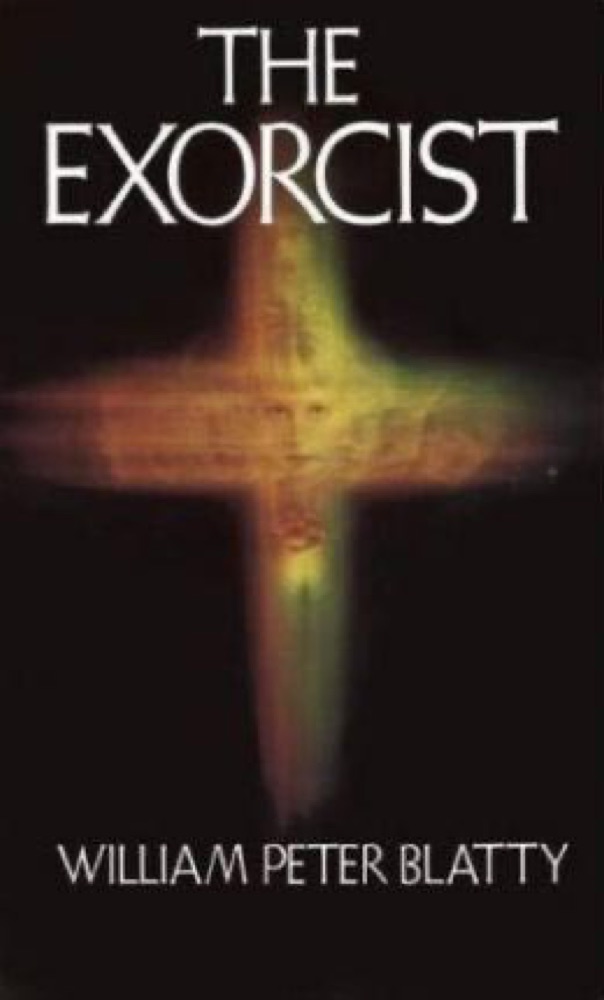 The Exorcist
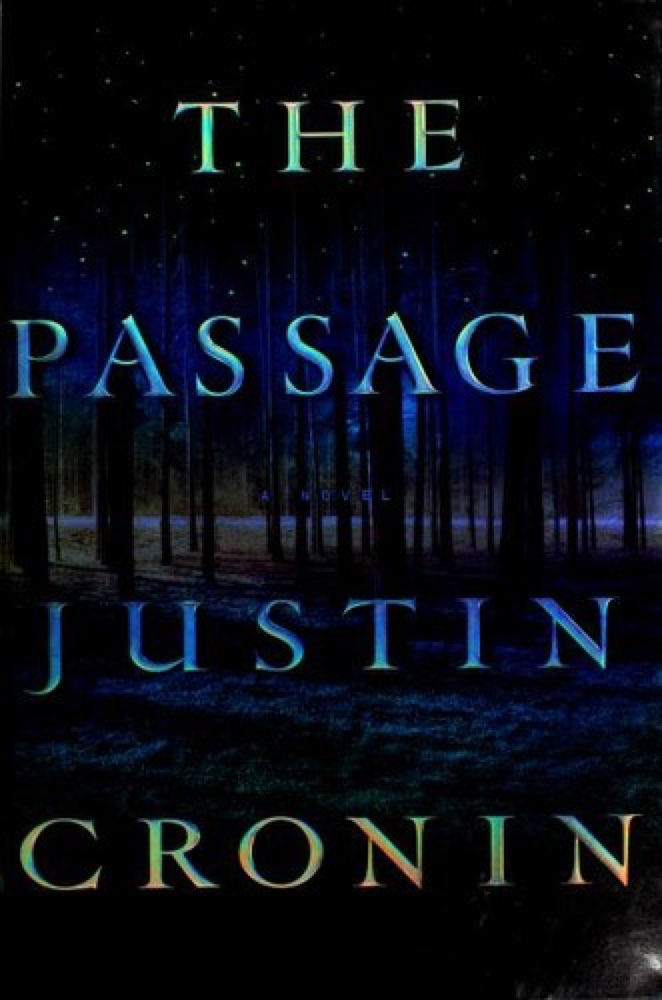 The Passage
 Bradbury Stories: 100 of His Most Celebrated Tales
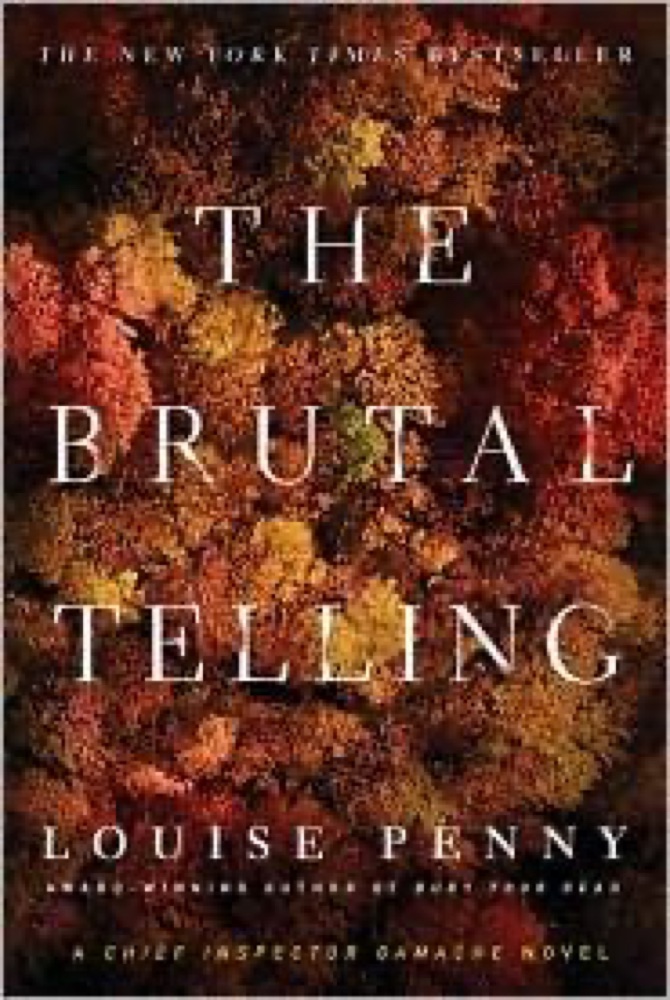 The Brutal Telling
 Rot & Ruin
 Heart of Darkness
 Songs of a Dead Dreamer
 The Secret History
 House Made of Dawn
 Sometimes a Great Notion
 I Am Legend and Other Stories
 The Last Werewolf
 A Time of Torment
 Last First Snow
 The Tunnel
 Authority
 We Are All the Same in the Dark
 The God of Small Things
 Death Watch
 Against the Day
 Libra
Libra