
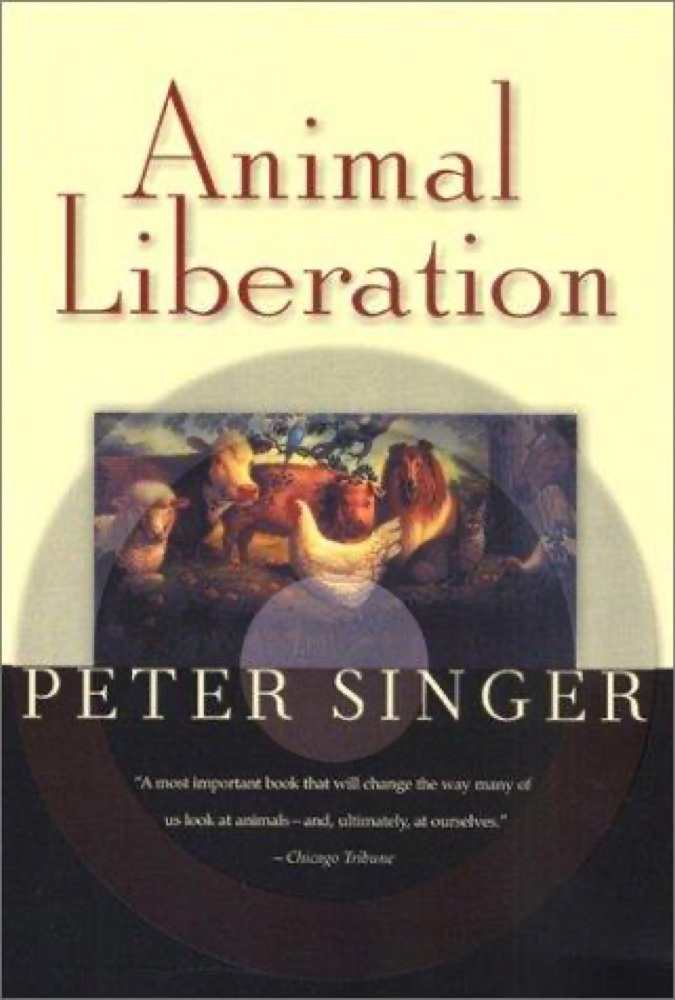
 Animal Liberation
Quotes from the Book
Marx saw that capitalism is a wasteful, irrational system, a system which controls us when we should be controlling it. That insight is still valid; but we can now see that the construction of a free and equal society is a more difficult task than Marx realized.
5
Egoism... is not eliminated by economic reorganization or by material abundance. When basic needs are satisfied, new 'needs' emerge. In our society, people want no simply clothes, but fashionable clothes; not shelter, but a house to display their wealth and taste.
4
Marx portrays religion as a response to the oppression and heartlessness of the world; but an inadequate response because instead of challenging the oppression itself, it merely numbs the pain.
2
The point of this, as Marx explains, is to show that according to classical economics the worker becomes a commodity, the production of which is subject to the ordinary laws of supply and demand. If the supply of workers exceeds the demand for labour, wages fall and some workers starve. Wages therefore tend to the lowest possible level compatible with keeping an adequate supply of workers alive.
2
While it is absurd to blame Marx for something he did not foresee and certainly would have condemned if he had foreseen it, the distanced between Marx's predicted communist society and the form taken by 'communism' in the twentieth century may in the end be traceable to Marx's misconception of the flexibility of human nature.
2
Whereas the property-owning middle class could win freedom for themselves on the basis of rights to property--thus excluding others from the freedom they gain--the property-less working class possess nothing but their title as human beings. Thus they can liberate themselves only by liberating all humanity.
2
Wages therefore tend to the lowest possible level compatible with keeping an adequate supply of workers alive.
1
A consequence of this alienation of humans from their own nature is that they are also alienated from each other. Productive activity becomes ‘activity under the domination, coercion and yoke of another man’. This other man becomes an alien, hostile being. Instead of humans relating to each other co-operatively, they relate competitively. Love and trust are replaced by bargaining and exchange. Human beings cease to recognize in each other their common human nature; they see others as instruments for furthering their own egoistic interests.
1
No society has succeeded in abolishing the distinction between ruler and ruled... to be a ruler gives one special status and, usually, special privileges. During the Communist era, important officials in the Soviet Union had access to special shops selling delicacies unavailable to ordinary citizens; before China allowed capitalist enterprises in its economy, travelling by car was a luxury limited to tourists and those high in the party hierarchy Throughout the 'communist' nations, the abolition of the old ruling class was followed by the rise of a new class of party bosses and well-placed bureaucrats, whose behaviour and life-style came more and more to resemble that of their much-denounced predecessors. In the end, nobody believed in the system any more. That, couple with its inability to match the productivity of the less bureaucratically controlled, more egoistically driven capitalist economies, led to its downfall.
1
If the supply of workers exceeds the demand for labour, wages fall and some workers starve. Wages therefore tend to the lowest possible level compatible with keeping an adequate supply of workers alive. Marx draws another important point from the classical economists. Those who employ the workers - the capitalists - build up their wealth through the labour of their workers. They become wealthy by keeping for themselves a certain amount of the value their workers produce. Capital is nothing else but accumulated labour. The worker's labour increases the employer's capital. This increased capital is used to build bigger factories and buy more machines. This increases the division of labour. This puts more self-employed workers out of business. They must then sell their labour on the market. This intensifies the competition among workers trying to get work, and lowers wages.
When rewritten in terms of the real world instead of the mysterious world of Mind, it made sense. ‘Mind’ was read as ‘human self-consciousness’. The goal of history became the liberation of humanity; but this could not be achieved until the religious illusion had been overcome.
This influence has not been limited to communist societies. Conservative, liberal, and democratic socialist governments have established social welfare systems to cut the ground from under revolutionary Marxist opposition movements. Other opponents of Marxism have reacted in less benign ways: Mussolini and Hitler were aided in their rise to power by conservative forces that saw them as the most promising way of combating the Marxist threat. Even in countries like the United States, where there was no real prospect of Marxists gaining power, the existence of a foreign Marxist enemy served to justify governments in restricting individual rights, increasing arms spending, and pursuing a bellicose foreign policy that led to the overthrow of popularly elected governments and the disastrous intervention in Vietnam.
In depicting the most general phases of the development of the proletariat, we traced the more or less veiled civil war, raging within existing society, up to the point where that war breaks out into open revolution, and where the violent overthrow of the bourgeoisie lays the foundation for the sway of the proletariat. (CM 254)
they took this as a law of nature, a self-evident necessary truth. On the contrary, says Marx, it bears the stamp of a society ‘in which the process of production has the mastery over man, instead of being controlled by him’.
Where those who hold the liberal conception of freedom would say we are free because we are not subject to deliberate interference by other humans, Marx says we are not free because we do not control our own society. Economic relations between human beings determine not only our wages and our prospects of finding work, but also our politics, our religion, and our ideas. These economic relations force us into a situation in which we compete with each other instead of co-operating for the good of all. These conditions nullify technical advances in the use of our resources.
Marx’s first point is one still made by critics of the modern consumer society: A house may be large or small; as long as the surrounding houses are equally small it satisfies all social demands for a dwelling. But let a palace arise beside the little house, and it shrinks from a little house to a hut… however high it may shoot up in the course of civilization, if the neighbouring palace grows to an equal or even greater extent, the occupant of the relatively small house will feel more and more uncomfortable, dissatisfied and cramped within its four walls. (WLC 259)
Communism… is the genuine resolution of the antagonism between man and nature and between man and man; it is the true resolution of the conflict between existence and essence, objectification and self-affirmation, freedom and necessity, individual and species. It is the riddle of history solved and knows itself as this solution.
Watch on YouTube
About Peter Singer
We have collected 103 quotes from 4 books by Peter Singer on BookQuoters.
More about the author →More by Peter Singer


About the book
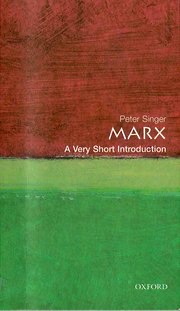
In Marx: A Very Short Introdution, Peter Singer identifies the central vision that unifies Marx's thought, enabling us to grasp Marx's views as a whole. He sees him as a philosopher primarily concerned with human freedom, rather than as an economist or a social scientist. In plain English, he explains alienation, historical materialism, the economic theory of Capital, and Marx's ideas of communism, and concludes with an assessment of Marx's legacy.
About the Series: Combining authority with wit, accessibility, and style, Very Short Introductions offer an introduction to some of life's most interesting topics. Written by experts for the newcomer, they demonstrate the finest contemporary thinking about the central problems and issues in hundreds of key topics, from philosophy to Freud, quantum theory to Islam.
Book details
- First published
- 1980
- Author
- Peter Singer
- Genre
- Philosophy
- Goodreads rating
- 3.71 (3k ratings)
Keep reading
 Why Marx Was Right
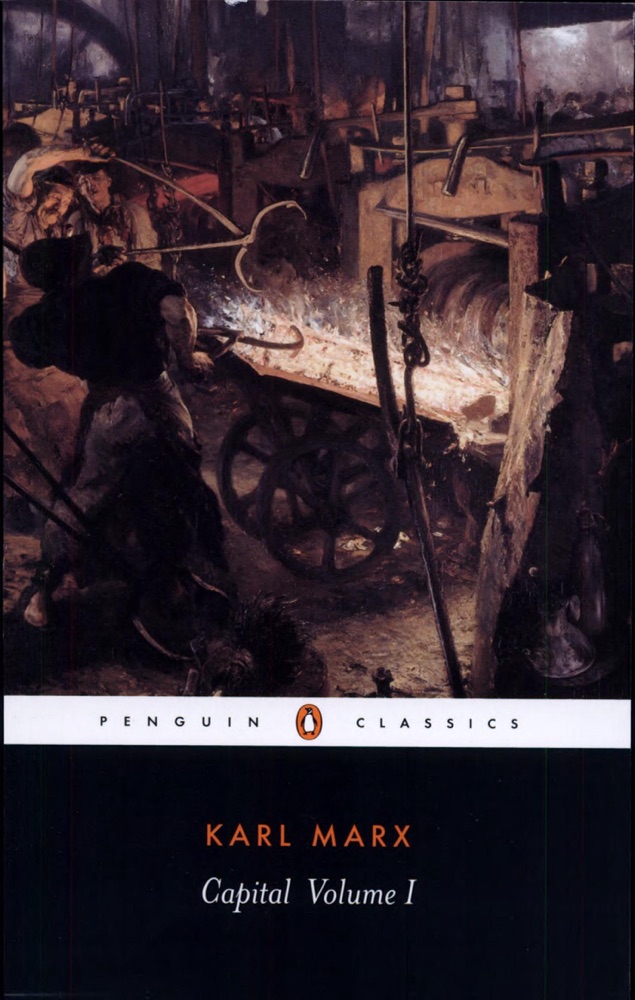 Capital
 Capitalism, Socialism and Democracy
 Economic & Philosophic Manuscripts of 1844
 The Communist Manifesto
 The Revolution Betrayed
 Socialism: Utopian and Scientific
 Blackshirts and Reds: Rational Fascism and the Overthrow of Communism
 The Great Transformation: The Political and Economic Origins of Our Time
 Capitalism: The Unknown Ideal
 Chomsky On Anarchism
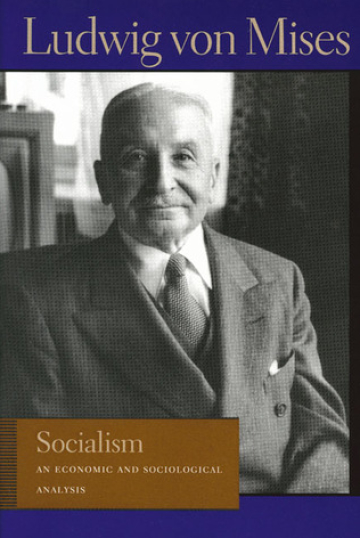 Socialism: An Economic and Sociological Analysis
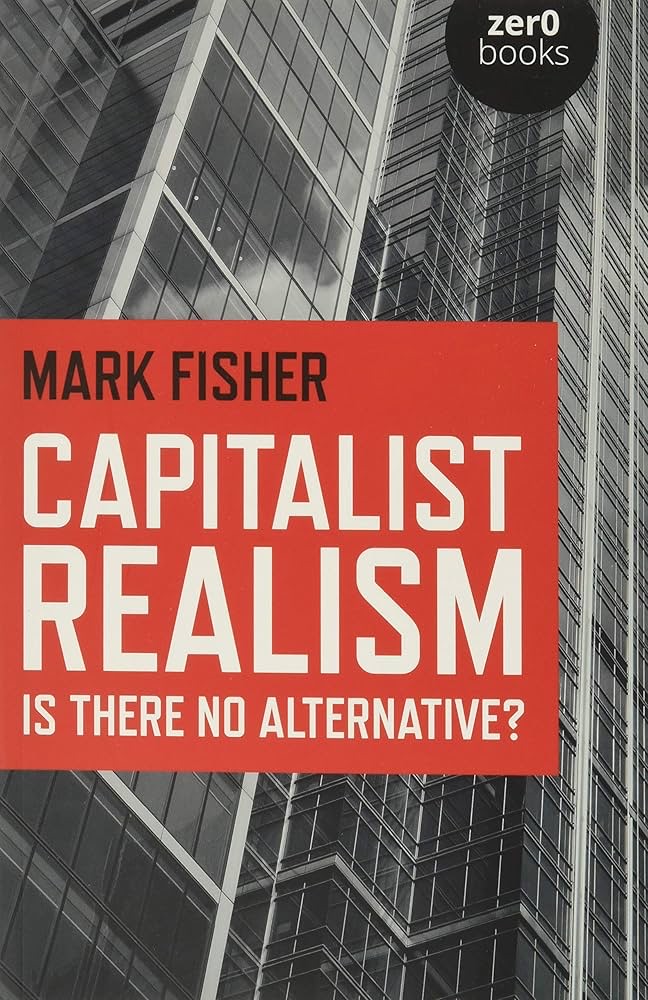 Capitalist Realism: Is There No Alternative?
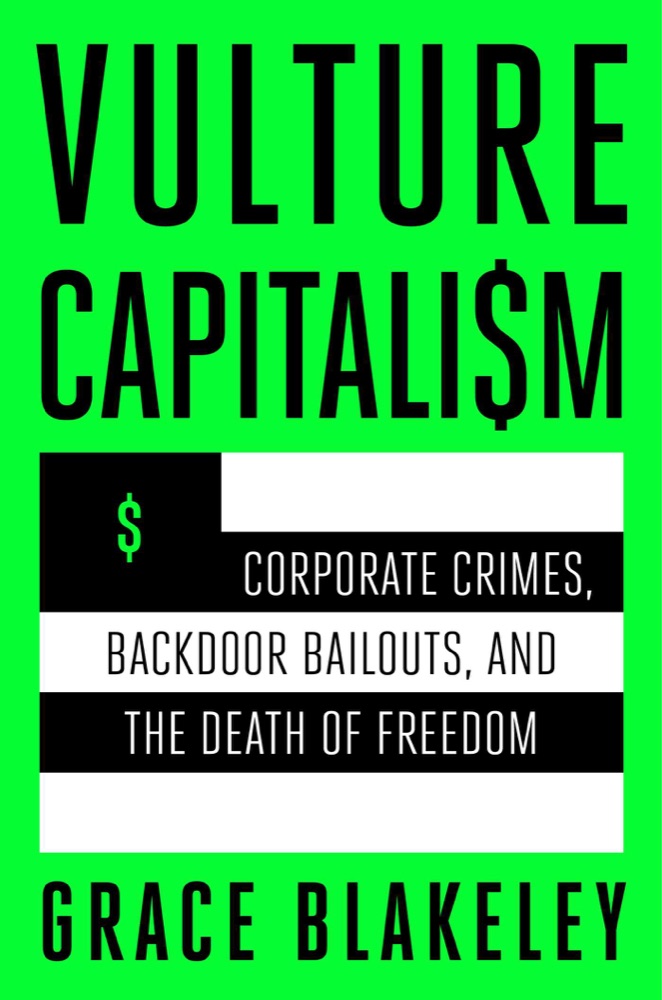 Vulture Capitalism: Corporate Crimes, Backdoor Bailouts, and the Death of Freedom
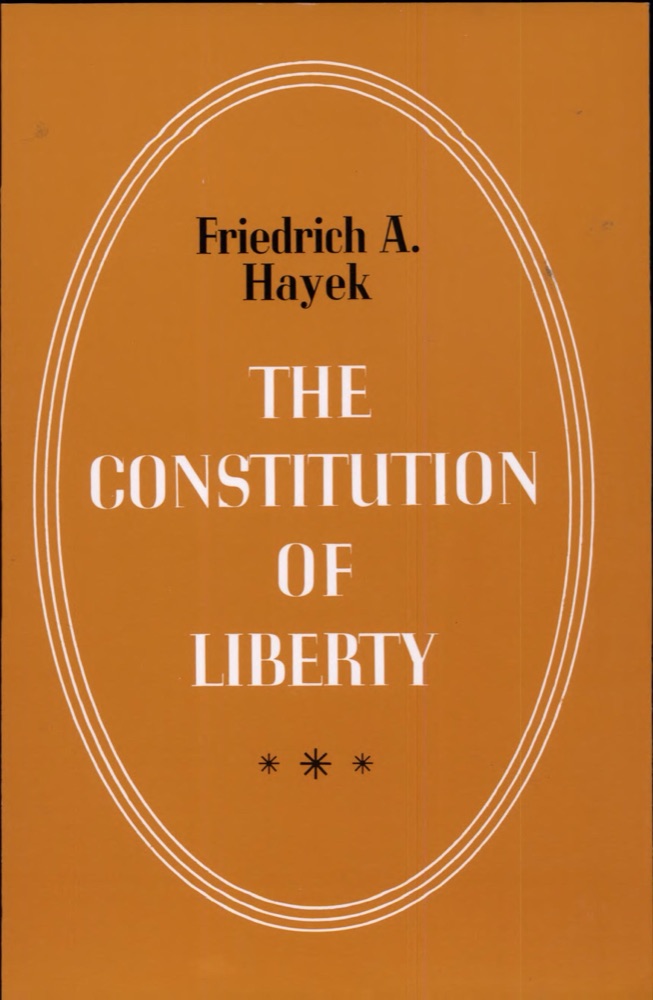 The Constitution of Liberty
 Marx for Beginners
 The End of History and the Last Man
 Socialism Is Dead! Long Live Socialism!: The Marx Code—Socialism with a Human Face: A New World Order
 The Road to Serfdom
 Four Futures: Life After Capitalism
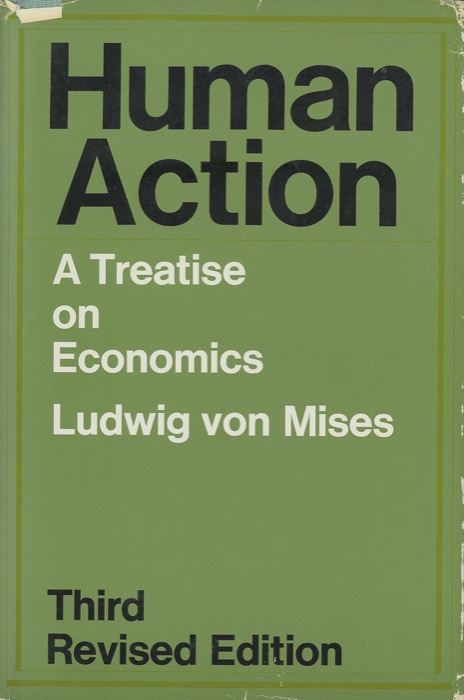 Human Action: A Treatise on Economics
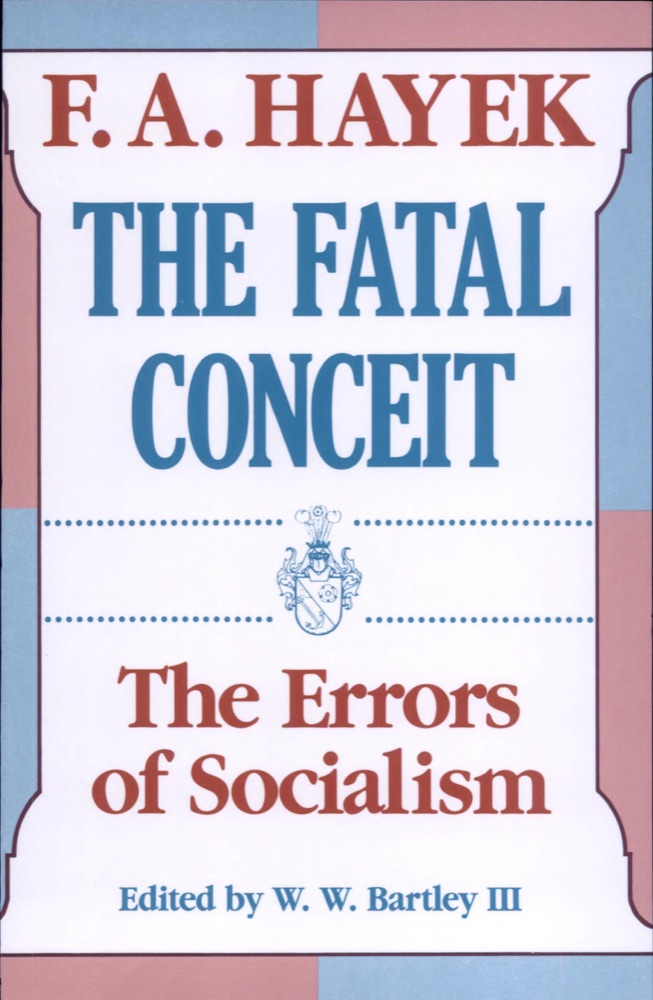 The Fatal Conceit: The Errors of Socialism
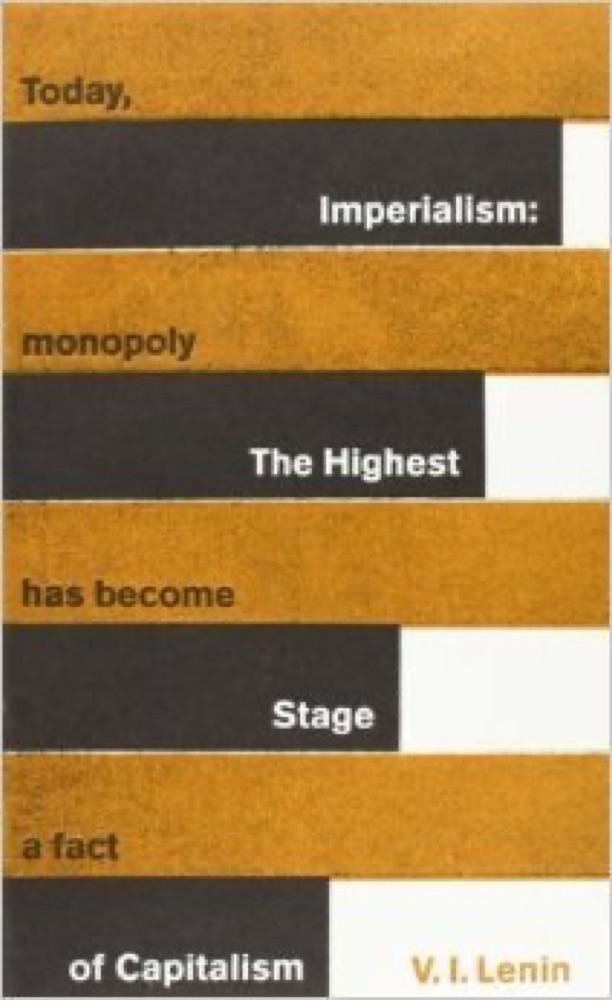 Imperialism: The Highest Stage of Capitalism
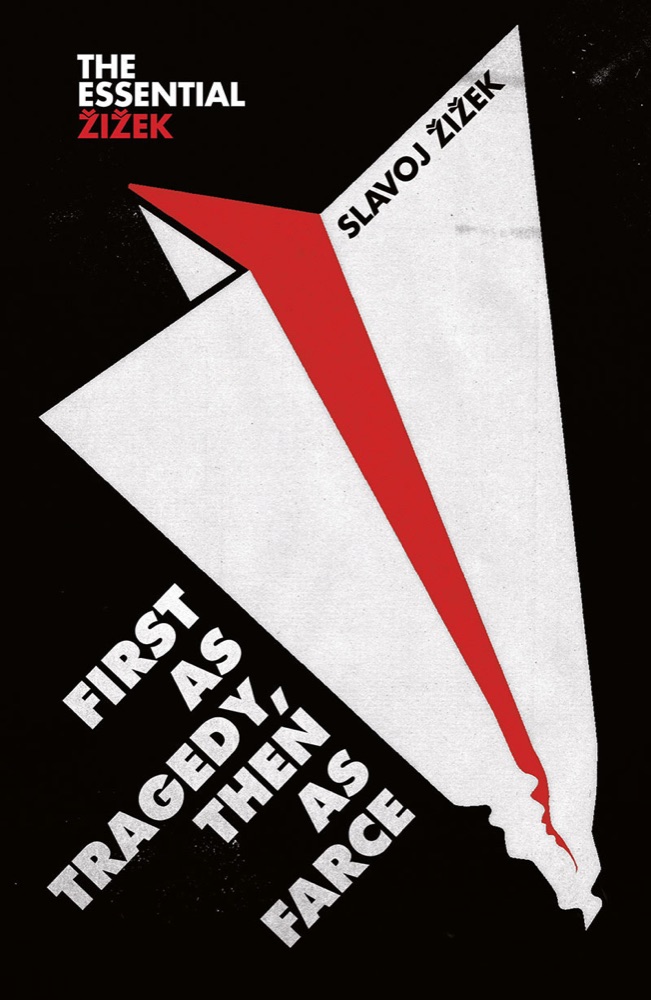 First As Tragedy, Then As Farce
 One-Dimensional Man: Studies in the Ideology of Advanced Industrial Society
 The Soul of Man Under Socialism
 Talking to My Daughter About the Economy: or, How Capitalism Works—and How It Fails
 History of the Russian Revolution
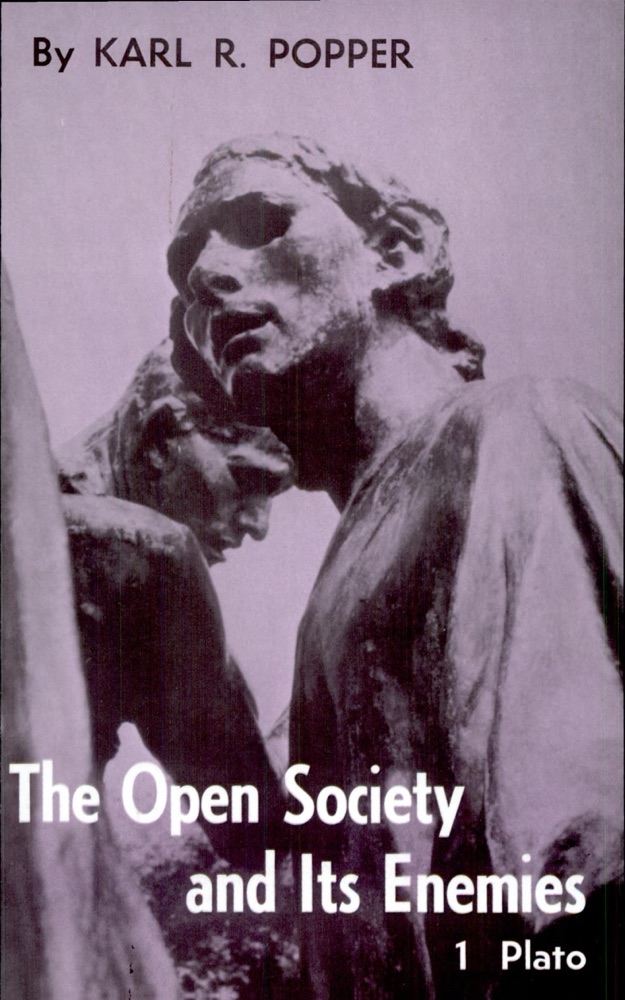 The Open Society and Its Enemies - Volume One: The Spell of Plato
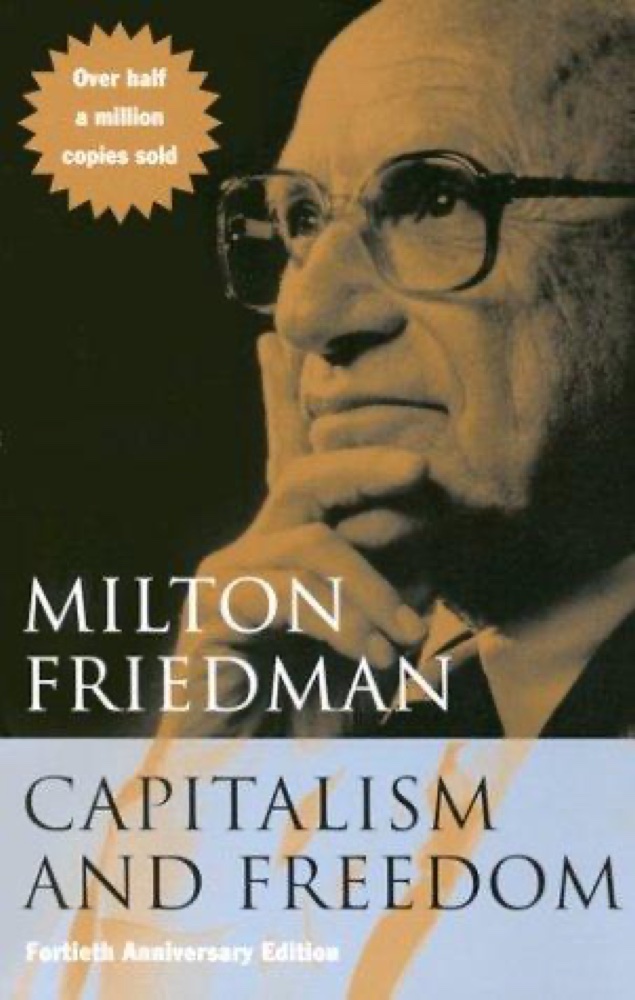 Capitalism and Freedom
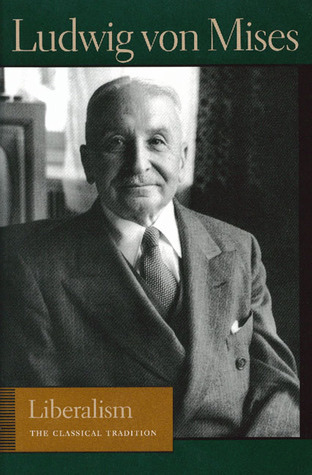 Liberalism: The Classical Tradition
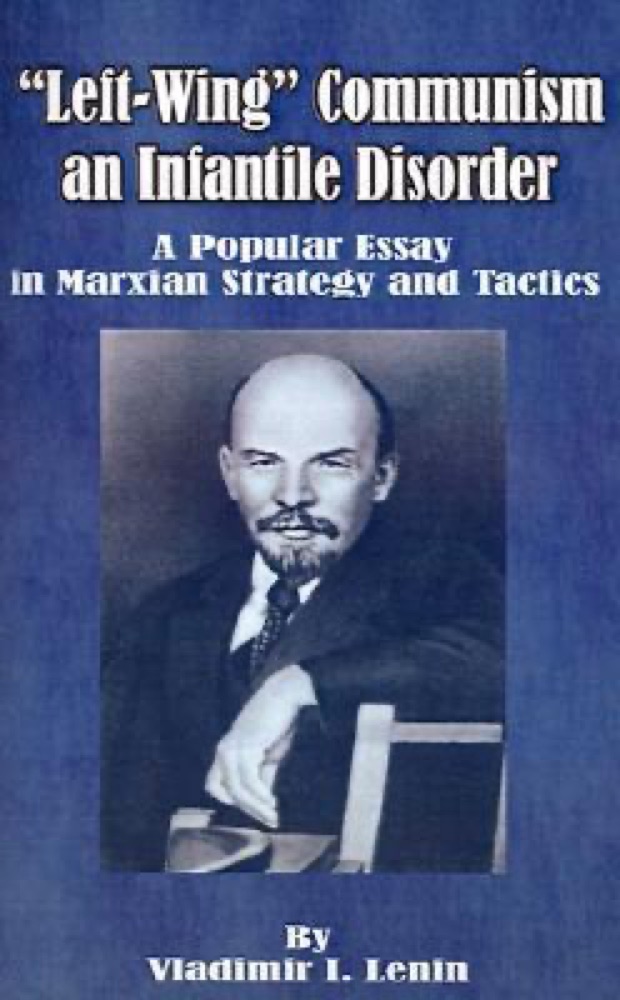 Left-Wing Communism, an Infantile Disorder: A Popular Essay in Marxian Strategy and Tactics
 The Iron Heel
 Brave New World Revisited
 The Evolution of Everything: How New Ideas Emerge
 The Accursed Share: An Essay on General Economy, Volume I: Consumption
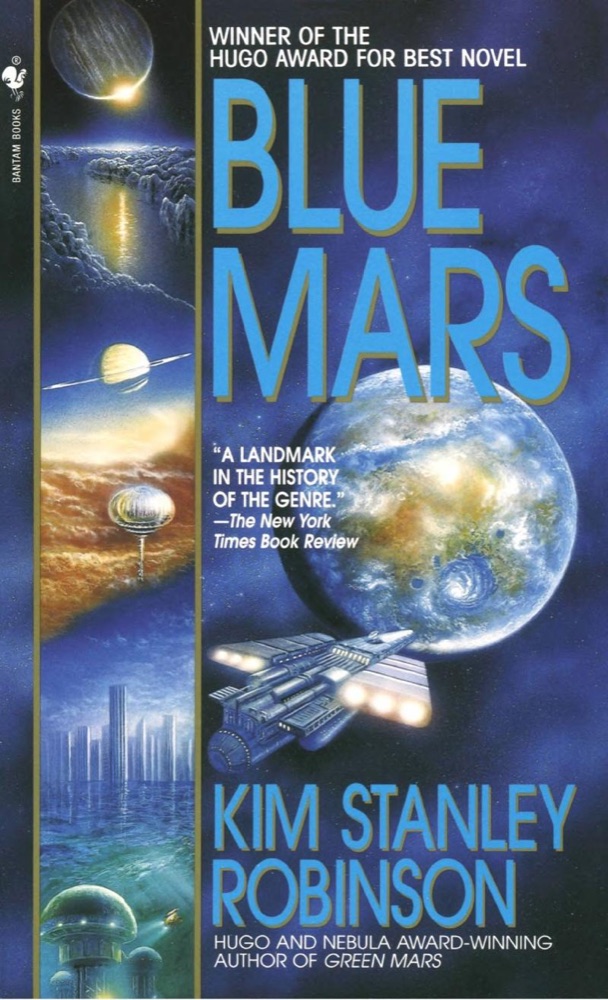 Blue Mars
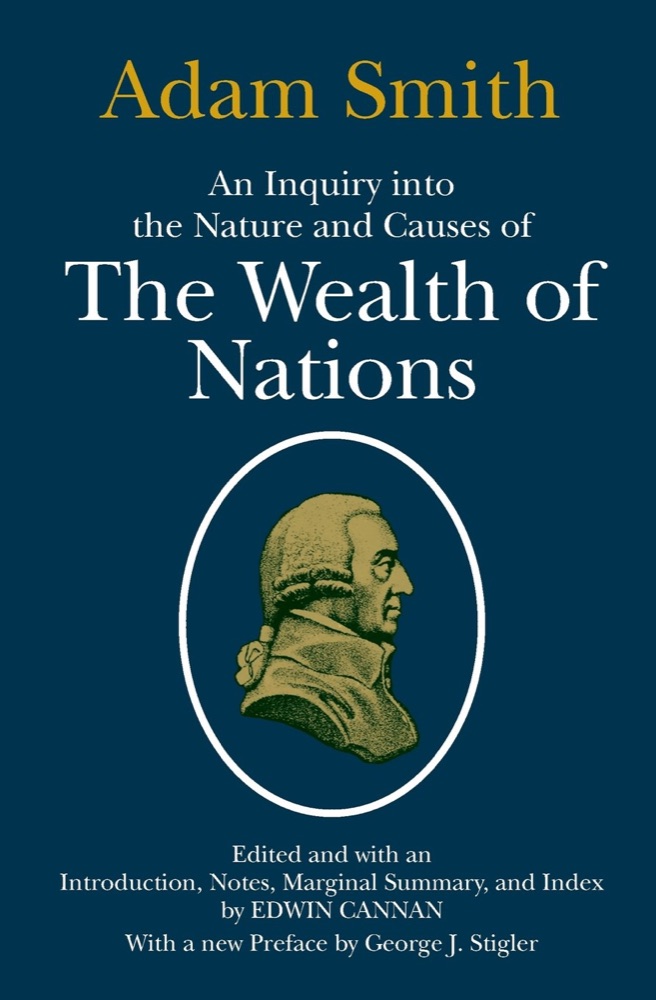 An Inquiry into the Nature and Causes of the Wealth of Nations
 What Kind of Creatures Are We?
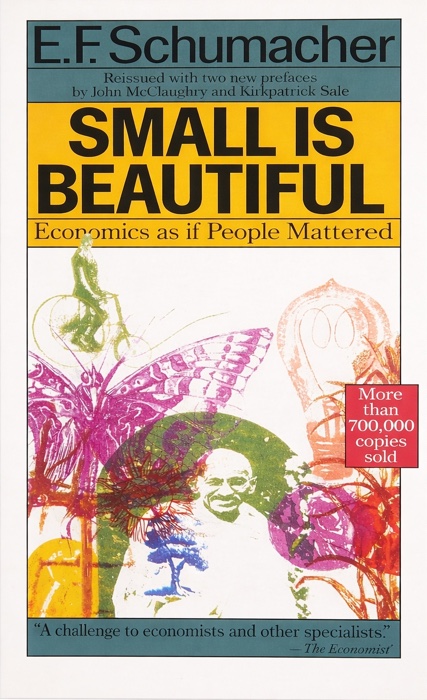 Small Is Beautiful: Economics as if People Mattered
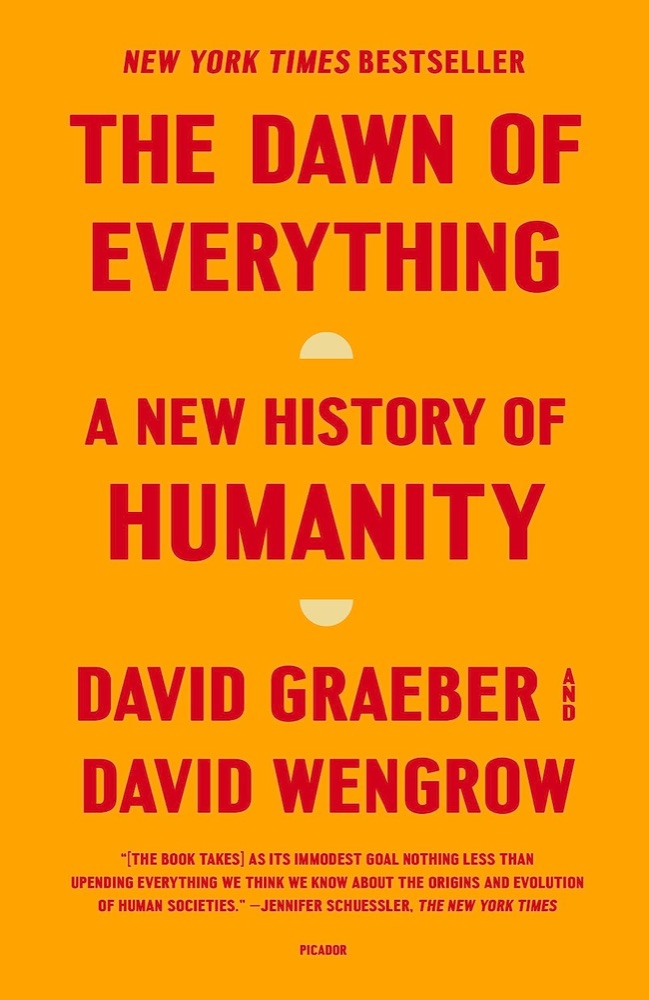 The Dawn of Everything: A New History of Humanity
 The Machiavellians: Defenders of Freedom
 Quotations from Chairman Mao Tsetung
 The Utopia of Rules: On Technology, Stupidity, and the Secret Joys of Bureaucracy
 The Origins of Totalitarianism
 Ameritopia: The Unmaking of America
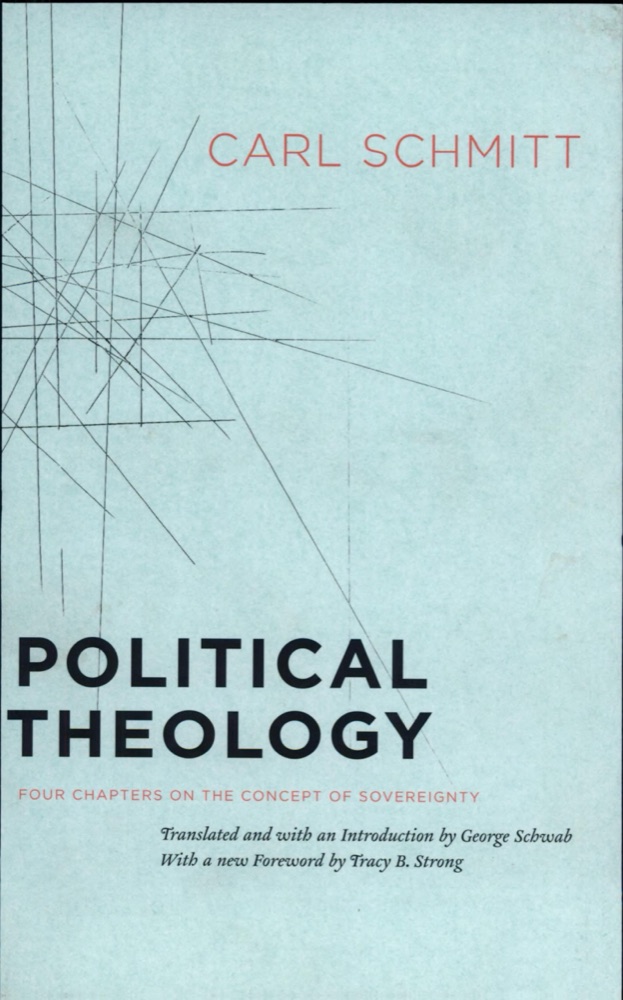 Political Theology: Four Chapters on the Concept of Sovereignty
 Ill Fares the Land
 The Coming Insurrection
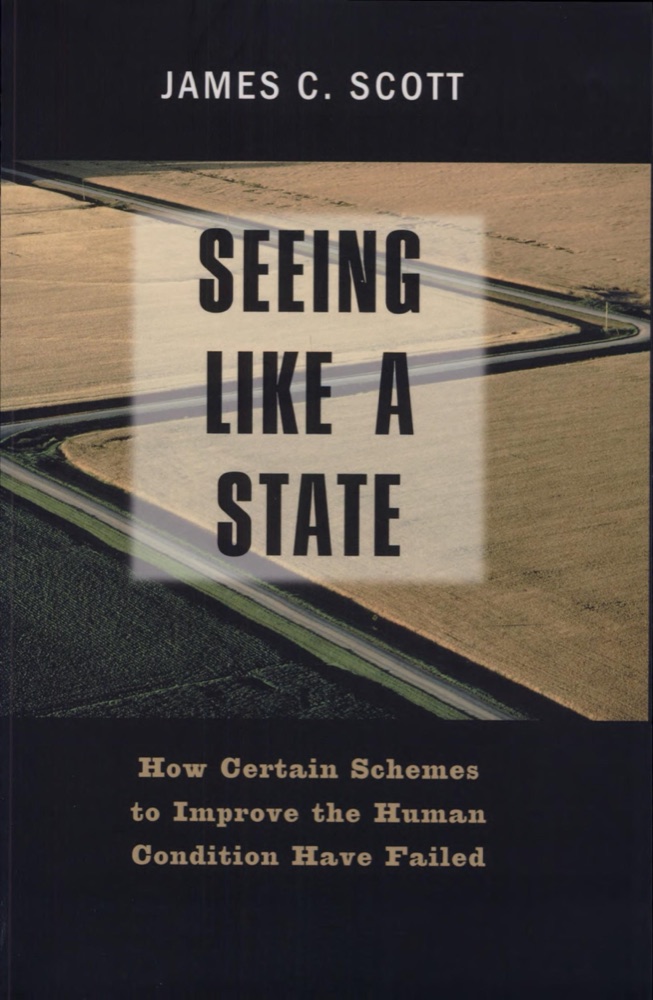 Seeing Like a State: How Certain Schemes to Improve the Human Condition Have Failed
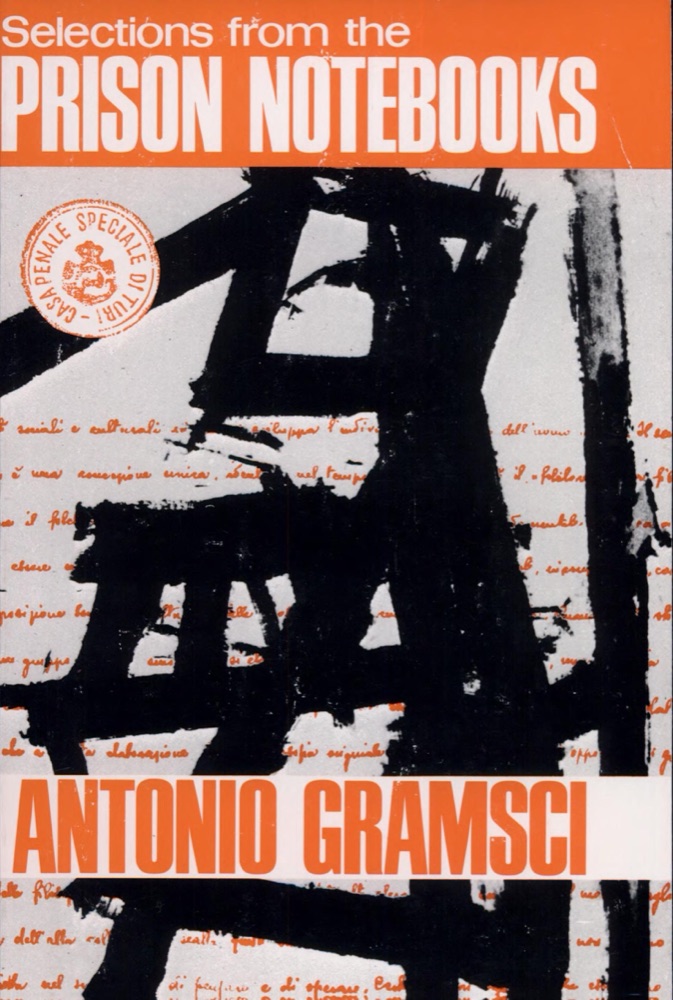 Selections from the Prison Notebooks
 In Praise of Idleness and Other Essays
 The Sane Society
 The Right to Be Lazy
 Economics in One Lesson
 Death of the Liberal Class
 Anarchy, State, and Utopia
 The Wizard and the Prophet: Two Remarkable Scientists and Their Dueling Visions to Shape Tomorrow's World
 Power Systems: Conversations on Global Democratic Uprisings and the New Challenges to U.S. Empire
 The Old Regime and the French Revolution