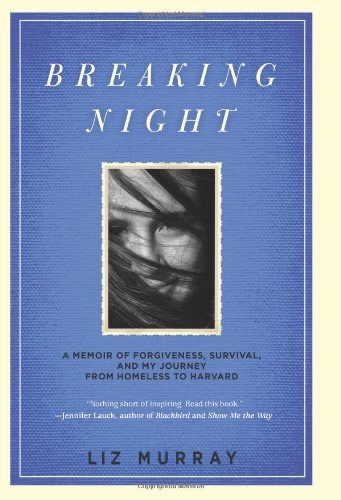
 Breaking Night: A Memoir of Forgiveness, Survival, and My Journey from Homeless to Harvard
Quotes from the Book
I love you, I whispered to myself. I’m here for you. Reassurance of self-love was all I had.
20
Every single parent teetering on poverty does this. We work, we love, we do. And the stress of it all, the exhaustion, leaves us hollowed. Scraped out. Ghosts of our former selves. That’s how I felt for those few days after the accident, like I wasn’t fully connected to the ground when I walked. I knew that at any moment, a breeze could come and blow me away.
19
Our space was a home because we loved each other in it.
18
When people think of food stamps they don't envision someone like me, someone plain faced and white, someone like the girl they'd known in highschool, someone who'd been quiet but nice, someone like a neighbor, someone like them. Maybe that made them too nervous about their own situation. Maybe they saw in me the chance of their own fragile circumstances, that with one lost job, one divorce, they'd be in the same place as me.
17
I felt like sitting down meant I wasn't doing enough--like the sort of lazy welfare recipient I was assumed to be. Time lounging to read a book felt overly indulgent; almost as though such leisure was reserved for another class. I had to work constantly. I had to prove my worth for receiving government benefits.
17
None of that worked. What my mind needed to know was that someone was there to make it all better. That summer, through gritted teeth, I’d decided that person was me, not a man or a family, and it would only ever be me. I had to stop hoping for someone to come along and love me. I had to do it myself, ducking my head and barreling through anything life brought.
15
We were expected to live off minimum wage, to work several jobs at varying hours, to afford basic needs while fighting for safe places to leave our children. Somehow nobody saw the work; they saw only the results of living a life that constantly crushed you with its impossibility. It seemed like no matter how much I tried to prove otherwise, “poor” was always associated with dirty.
15
Despite being wealthy and having the two story houses of our American dreams, the marbled sink bathrooms, the offices with bay windows looking out at the water, their lives still lacked something. I became fascinated by the things hidden in dark corners and the self help books for hope. Maybe they just had longer hallways and bigger closets to hide the things that scared them.
12
Being poor, living in poverty, seemed a lot like probation - the crime being a lack of means to survive.
12
Due to my self-employment, I had to report my income every few months. Earning $50 extra could make my co-pay at day care go up by the same amount. Sometimes it meant losing my childcare grant altogether. There was no incentive or opportunity to save money. The system kept me locked down, scraping the bottom of the barrel, without a plan to climb out of it.
11
The months of poverty, instability, and insecurity created a panic response that would take years to undo.
11
We work, we love, we do. And the stress of it all, the exhaustion, leaves us hollowed. Scraped out. Ghosts of our former selves.
11
When you want something, all the universe conspires in helping you to achieve it.
10
Like I had been in the wrong for leaving a man who threatened me. I knew there were countless women out there in the same situation as I had been.
10
Single parenting isn’t just being the only one to take care of your kid. It’s not about being able to “tap out” for a break or tag team bath- and bedtime; those were the least of the difficulties I faced. I had a crushing amount of responsibility. I took out the trash. I brought in the groceries I had gone to the store to select and buy. I cooked. I cleaned. I changed out the toilet paper. I made the bed. I dusted. I checked the oil in the car. I drove Mia to the doctor, to her dad's house. I drove her to ballet class if I could find one that offered scholarships and then drove her back home again. I watched every twirl, every jump, and every trip down the slide. It was me who pushed her on the swing, put her to sleep at night, kissed her when she fell. When I sat down, I worried. With the stress gnawing at my stomach, worrying. I worried that my paycheck might not cover bills that month. I worried about Christmas, still four months away. I worried that Mia's cough might become a sinus infection that would keep her out of day care... . I worried that I would have to reschedule work or miss it altogether.
10
When a person is too deep in systemic poverty, there is no upward trajectory. Life is struggle and nothing else. But for me, many of my decisions came from an assumption that things would, eventually, start to improve.
10
After years of living in the absence of friendliness, after the toxicity with my family, losing my friends, the unstable housing and black mold, my invisibility as a maid, I was starved for kindness. I was hungry for people to notice me, to start conversations with me, to accept me. I was hungry in a way I’d never been in my entire life.
9
I could be as reckless as I wanted with my heart, but not with hers.
9
It seemed like certain members of society looked for opportunities to judge and scold poor people for what they felt we didn’t deserve.
8
We spend so much time scrambling from one thing to the next, getting through it, getting to the end, and starting over again, that I would not forget to fully breathe in the miniscule moments of beauty and peace.
7
I had to stop hoping for someone to come along and love me. I had to do it myself, ducking my head and barreling through anything life brought.
6
Being poor, living in poverty, seemed a lot like probation—the crime being a lack of means to survive.
6
As a poor person, I was not accustomed to looking past the month, week, or sometimes hour. I compartmentalized my life the same way I cleaned every room of every house—left to right, top to bottom. Whether on paper or in my mind, the problems I had to deal with first—the car repair, the court date, the empty cupboards—went at the top, on the left. The next pressing issue went next to it, on the right. I’d focus on one problem at a time, working left to right, top to bottom. That shortsightedness kept me from getting overwhelmed, but it also kept me from dreaming.
5
There wasn't any fanfare in quitting my job. Most of my clients would know I'd left and been replaced by a new person. Maybe they would vacuum or position the throw pillows differently. Maybe the clients would come home to find the shampoo bottles arranged in a new way, but most of them probably wouldn't notice the change at all. When I thought about a new maid taking over my job, I wondered again what it would be like to know a stranger had been in your house, wiping every surface, emptying the garbage of your bloody pads. Would you not feel exposed in some way? After a couple of years, my clients trusted our invisible relationship. Now there would be another invisible human being magically making lines in the carpet.
5
I’d sunk to a new low, but I wouldn’t let it sink me.
5
Time lounging to read a book felt overly indulgent; almost as though such leisure was reserved for another class. I had to work constantly. I had to prove my worth for receiving government benefits.
5
Instead I had brief moments of familiarity on a highway, memories ingrained in me so deeply they could almost pass as a belonging.
5
I wanted to tell her that undocumented people couldn’t receive food benefits or tax refunds, even though they paid taxes. They couldn’t receive any government benefits at all. Those were available only for people who were born here or who had obtained the documents to stay. So those children, whose parents had risked so much to give them a good life, were citizens who deserved every bit as much government help as my daughter did.
5
Maybe the stress of keeping up a two-story house, a bad marriage, and maintaining the illusion of grandeur overwhelmed their systems in similar ways to how poverty did mine.
5
I found myself wondering what it would be like to have enough money to be able to hire someone to clean my house. I’d never been in that position before, and I honestly doubted I ever would be. If I ever had to, I thought, I’d give them a big tip and probably offer them food or leave them good-smelling candles, too. I’d treat them like a guest, not a ghost. An equal.
4
Watch on YouTube
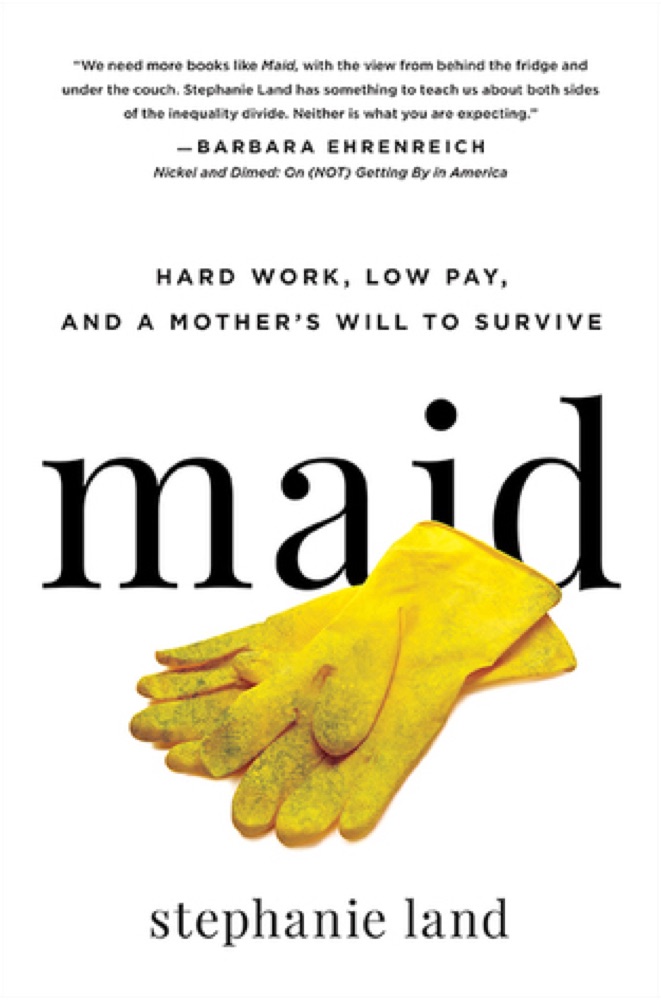
About Stephanie Land
We have collected 30 quotes from 1 book by Stephanie Land on BookQuoters.
More about the author →About the book
At 28, Stephanie Land’s plans of breaking free from the roots of her hometown in the Pacific Northwest to chase her dreams of attending a university and becoming a writer, were cut short when a summer fling turned into an unexpected pregnancy. She turned to housekeeping to make ends meet, and with a tenacious grip on her dream to provide her daughter the very best life possible, Stephanie worked days and took classes online to earn a college degree, and began to write relentlessly.
Maid explores the underbelly of upper-middle class America and the reality of what it’s like to be in service to them. “I’d become a nameless ghost,” Stephanie writes about her relationship with her clients, many of whom do not know her from any other cleaner, but who she learns plenty about. As she begins to discover more about her clients’ lives-their sadness and love, too-she begins to find hope in her
Book details
- First published
- 2019
- Author
- Stephanie Land
- Genre
- Nonfiction
- Goodreads rating
- 3.86 (115k ratings)
The buzz
- The New York TimesReview in The New York Timesprofessional review (via Book Marks)
- The Washington PostReview in The Washington Postprofessional review (via Book Marks)
- Kirkus ReviewsReview in Kirkus Reviewsprofessional review (via Book Marks)
- Publishers WeeklyReview in Publishers Weeklyprofessional review (via Book Marks)
- The Boston GlobeReview in The Boston Globeprofessional review (via Book Marks)
- BooklistReview in Booklistprofessional review (via Book Marks)
Keep reading
Breaking Night: A Memoir of Forgiveness, Survival, and My Journey from Homeless to Harvard
 No One Tells You This
 All Fours
 Earthlings
 Great House
 One's Company
 Somebody's Daughter
 Joan Is Okay
 A Long Way Home
 Inside Out
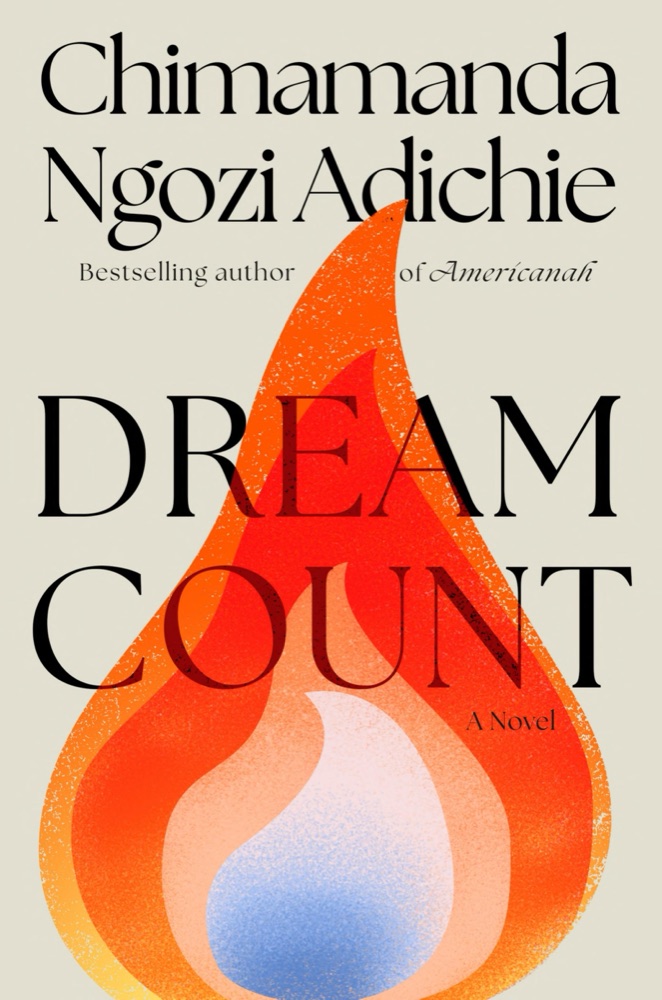 Dream Count
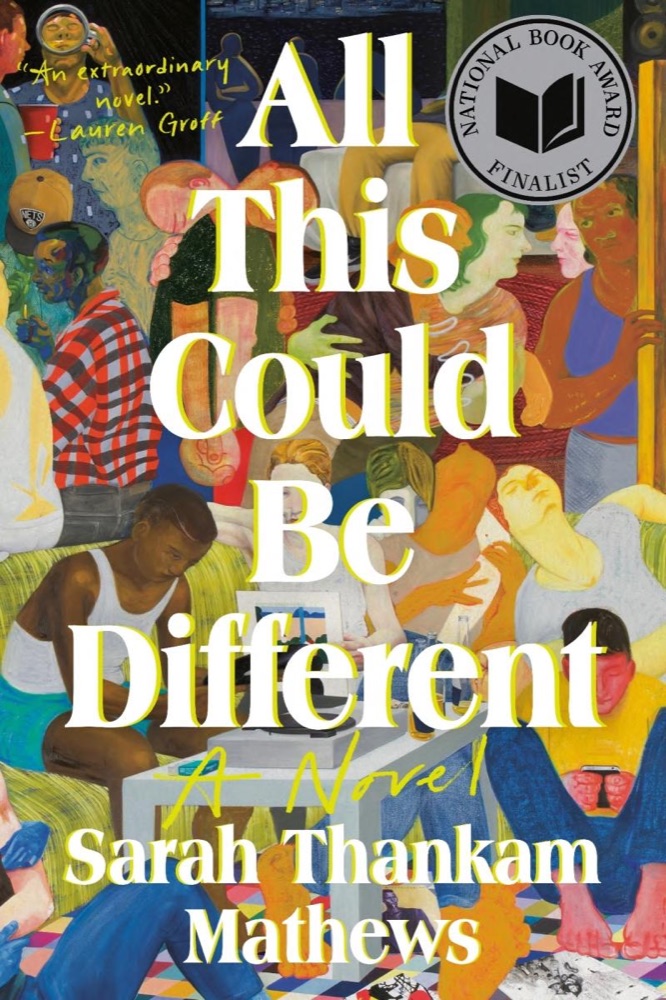 All This Could Be Different
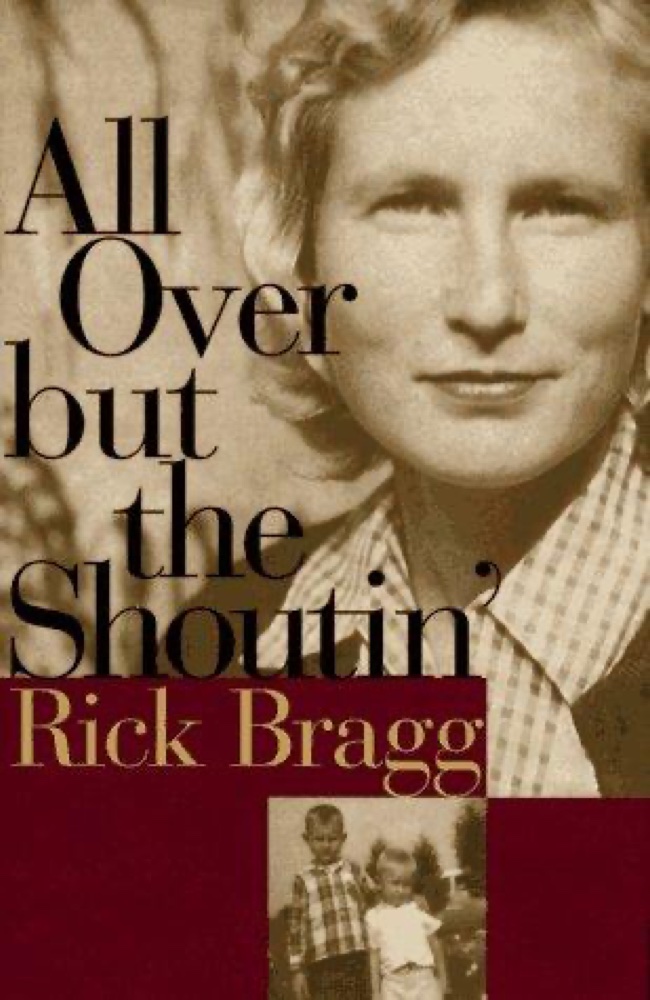 All Over But the Shoutin'
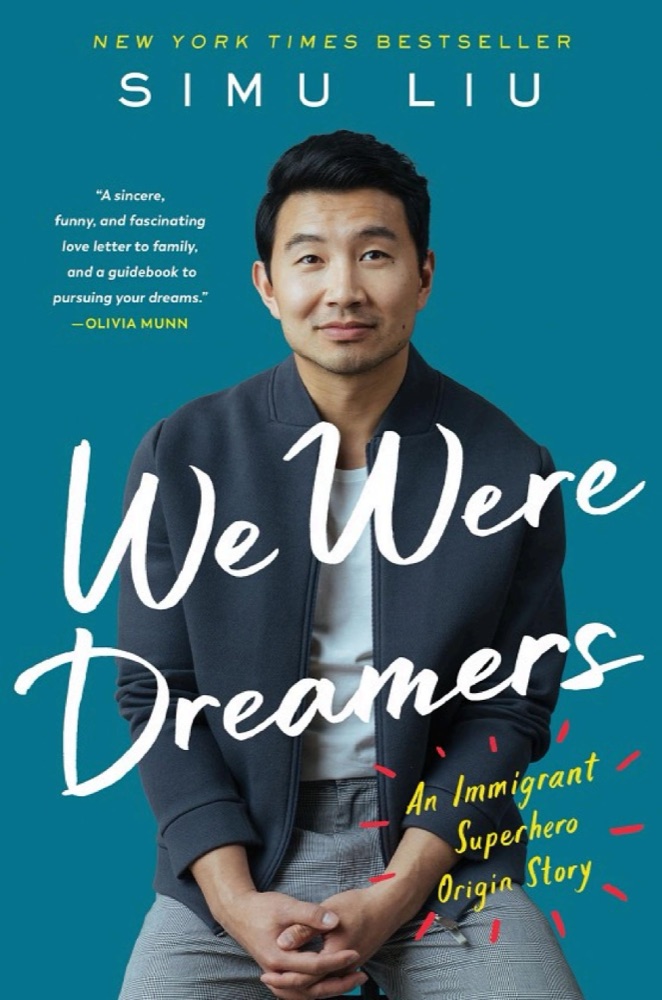 We Were Dreamers: An Immigrant Superhero Origin Story
 Severance
 Idol, Burning
 Eileen
 Women We Buried, Women We Burned: A Memoir
 Love, Loss, and What We Ate: A Memoir
 Lock Every Door
 Men We Reaped
 A Thousand Acres
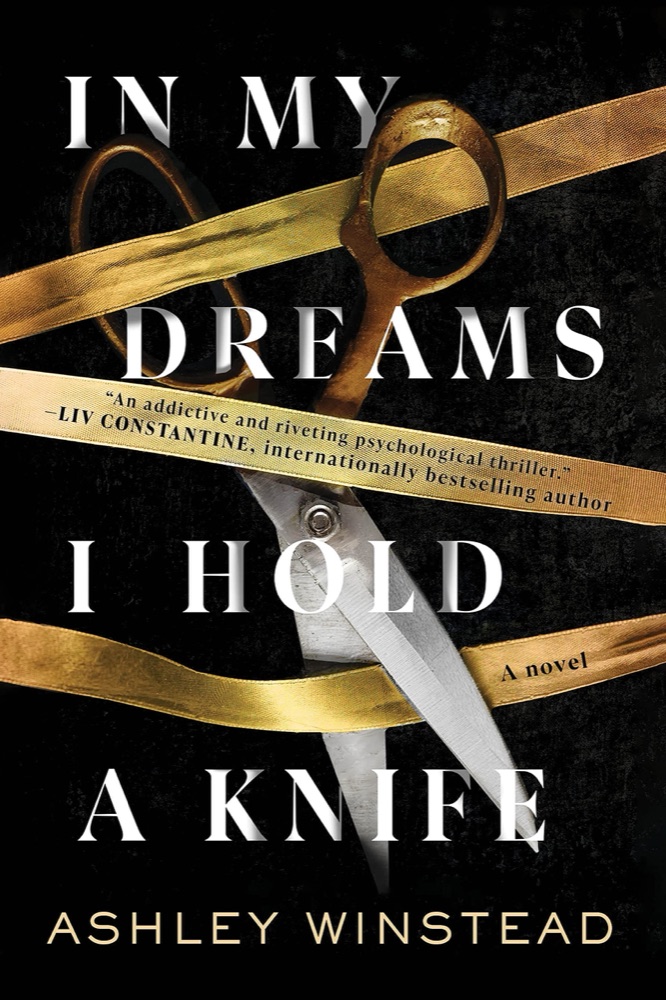 In My Dreams I Hold a Knife
 The Likeness
 Heart Berries
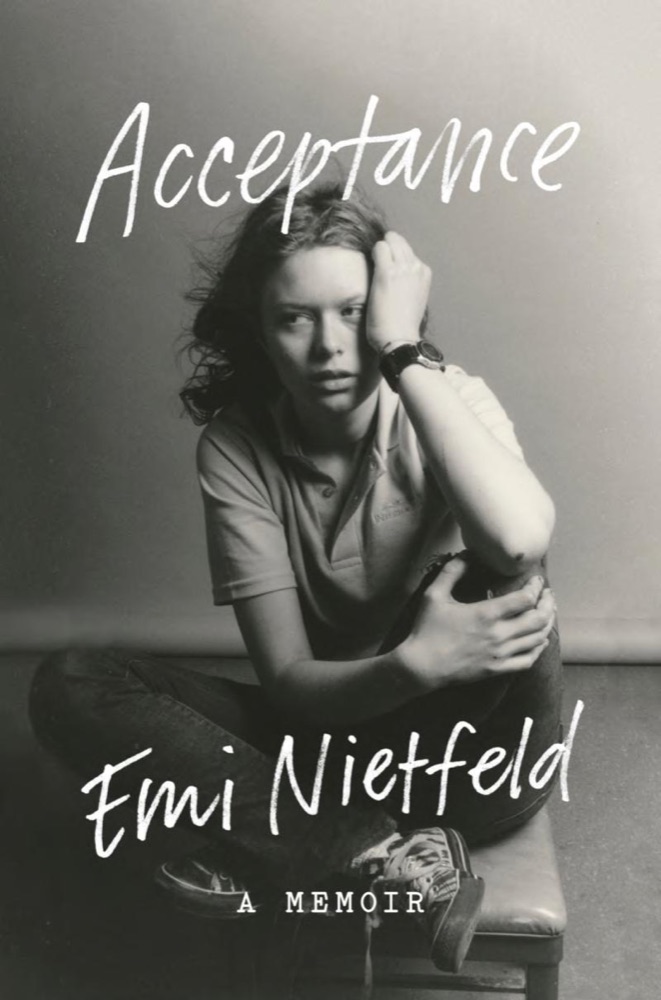 Acceptance: A Memoir
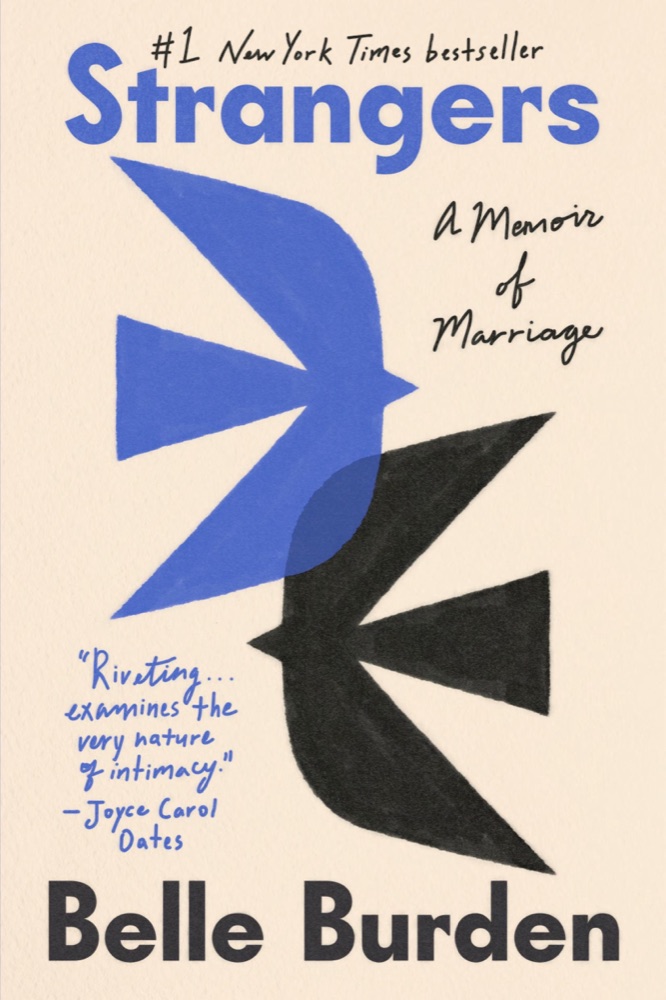 Strangers: A Memoir of Marriage
 Dreams of Falling
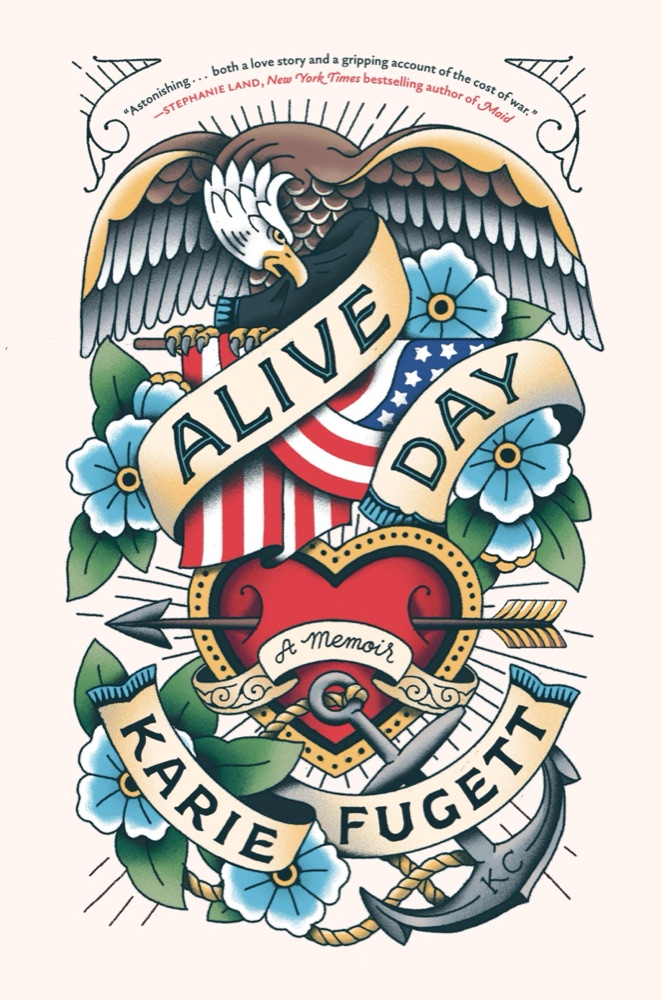 Alive Day: A Memoir
 All But My Life: A Memoir
 Open Book
 Get Me Out of Here: My Recovery from Borderline Personality Disorder
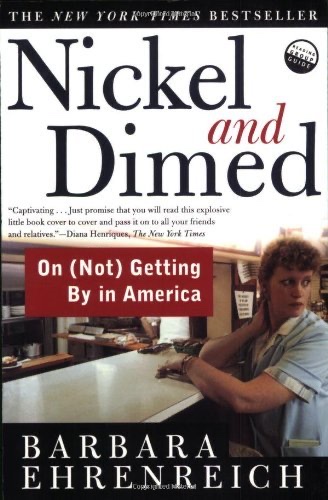 Nickel and Dimed: On (Not) Getting by in America
 Bastard Out of Carolina
 Indelicacy
 Diary of a Void
 Acts of Desperation
 Finding Freedom: A Cook's Story; Remaking a Life from Scratch
 The Tell: A Memoir
 The Crane Wife: A Memoir in Essays
 The Folded Clock: A Diary
 A Living Remedy: A Memoir – A Daughter's Narrative of Adoption, Class Inequality, and Grief in America
 Good Morning, Destroyer of Men's Souls: A Memoir of Women, Addiction, and Love
 The Story of a New Name
 A House in the Sky
 Escape
 Without Reservations: The Travels of an Independent Woman
 How We Fight For Our Lives
 Long Bright River
 The Rachel Incident
 The Book of the Most Precious Substance
 The First Time She Drowned
 Em and The Big Hoom
 It Was Me All Along
 The Discomfort Zone: A Personal History
 All the Lovers in the Night
 Family Life
 A Home at the End of the World
 American Wife
 The Bedwetter: Stories of Courage, Redemption, and Pee