 Homesick for Another World
Quotes from the Book
Here is how I spend my days now. I live in a beautiful place. I sleep in a beautiful bed. I eat beautiful food. I go for walks through beautiful places. I care for people deeply. At night my bed is full of love, because I alone am in it. I cry easily, from pain and pleasure, and I don’t apologize for that. In the mornings I step outside and I’m thankful for another day. It took me many years to arrive at such a life.
310
People truly engaged in life have messy houses.
185
I couldn't be bothered to deal with fixing things. I preferred to wallow in the problem, dream of better days.
116
Idealism without consequences is the pathetic dream of every spoiled brat, I suppose.
96
You can see wealth in people no matter what they're wearing. It's in the cut of their chins, a certain gloss to the skin, a drag and pause to their responsiveness. When poor people hear a loud noise, they whip their heads around. Wealthy people finish their sentences, then just glance back.
83
Furthermore, as is typical for any isolated, intelligent young person, I thought I was the only one with any consciousness, any awareness of how odd it was to be alive, to be a creature on this strange planet Earth.
77
A grown woman is like a coyote--she can get by on very little. Men are more like house cats. Leave them alone for too long and they'll die of sadness
67
Anyway, I don't trust those people who poke around sad people's minds and tell them how interesting it all is up there. It's not interesting.
64
The idea that my brains could be untangled, straightened out, and thus refashioned into a state of peace and sanity was a comforting fantasy.
44
I looked so boring, lifeless, immune and unaffected, but in truth I was always furious, seething, my thoughts racing, my mind like a killer’s. It was easy to hide behind the dull face I wore, moping around. I really thought I had everybody fooled. And I didn’t really read books about flowers or home economics. I liked books about awful things—murder, illness, death.
43
I hoped they saw right through my death mask to my sad and fiery soul, though I doubt they saw me at all.
37
I didn’t like dogs. Not because they scared me—they didn’t—but because their deaths were so much harder to take than people’s.
36
It’s easy to tell the dirtiest minds—look for the cleanest fingernails.
34
I'd never learned how to relate to people, much less how to speak up for myself. I preferred to sit and rage quietly.
30
Those people with perfect houses are simply obsessed with death. A house that is so well maintained, furnished with good-looking furniture of high quality, decorated tastefully, everything in its place, becomes a living tomb. People truly engaged in life have messy houses.
30
Some families are so sick, so twisted, the only way out is for someone to die.
30
Thus, I lived in perpetual fantasy. And like all intelligent young women, I hid my shameful perversions under a facade of prudishness. Of course I did. It's easy to tell the dirtiest minds-look for the cleanest fingernails.
28
People died all the time. Why couldn't I?
24
I deplored silence. I deplored stillness. I hated almost everything. I was very unhappy and angry all the time. I tried to control myself, and that only made me more awkward, unhappier, and angrier. I was like Joan of Arc, or Hamlet, but born into the wrong life—the life of a nobody, a waif, invisible. There's no better way to say it: I was not myself back then. I was someone else. I was Eileen.
23
There is nobody watching you when you’re alone. You decide for yourself what’s right and wrong. There are no prizes for good little girls. If you want something, fight for it. Don’t be a fool.
21
I didn’t believe in heaven, but I did believe in hell.
21
That is what I imagined life to be—one long sentence of waiting out the clock.
20
I've lived with many alcoholic men over the years, and each has taught me that it is useless to worry, fruitless to ask why, suicide to try to help them. They are who they are for better and worse.
18
There’s nothing I detest more than men with happy childhoods.
17
It's the map of my childhood, my sadness, my Eden, my hell and home.
15
All I had to offer were my skills as a doormat, a blank wall, someone desperate enough to do anything—just short of murder, let's say—simply to get someone to like me, let alone love me.
15
I was nervous. It had been a long time since I’d gone any place I wanted to be.
15
You can always tell something when a woman is overdressed---either she's an outsider, or she's insane.
14
I can imagine myself saying at the time that life itself was like a book borrowed from the library—something that did not belong to me and was due to expire. How silly.
14
It also concerned me that my demise would have no great impact, that I could blow my head off and people would say, “That’s all right. Let’s get something to eat.” That
14
Did you know?
- It was Ottessa Moshfegh's debut novel.
- It was shortlisted for the 2016 Man Booker Prize.
- It won the PEN/Hemingway Award for a debut novel.
- It was adapted into a 2023 film directed by William Oldroyd, starring Thomasin McKenzie and Anne Hathaway.
- The story is set in 1964 in a fictional Massachusetts town the narrator calls X-ville.
About Ottessa Moshfegh
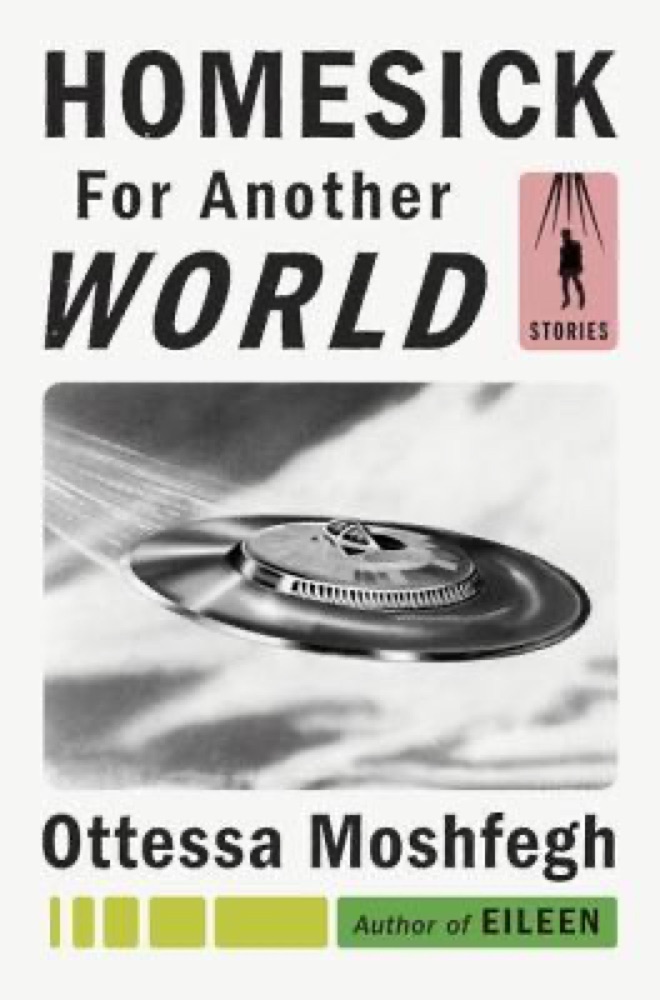
Ottessa Moshfegh is an American novelist and short-story writer born in 1981 in Boston, known for her darkly comic, unsettling fiction. "Eileen" was her debut novel; she is also the author of "My Year of Rest and Relaxation" and the story collection "Homesick for Another World."
More about the author →
About the book
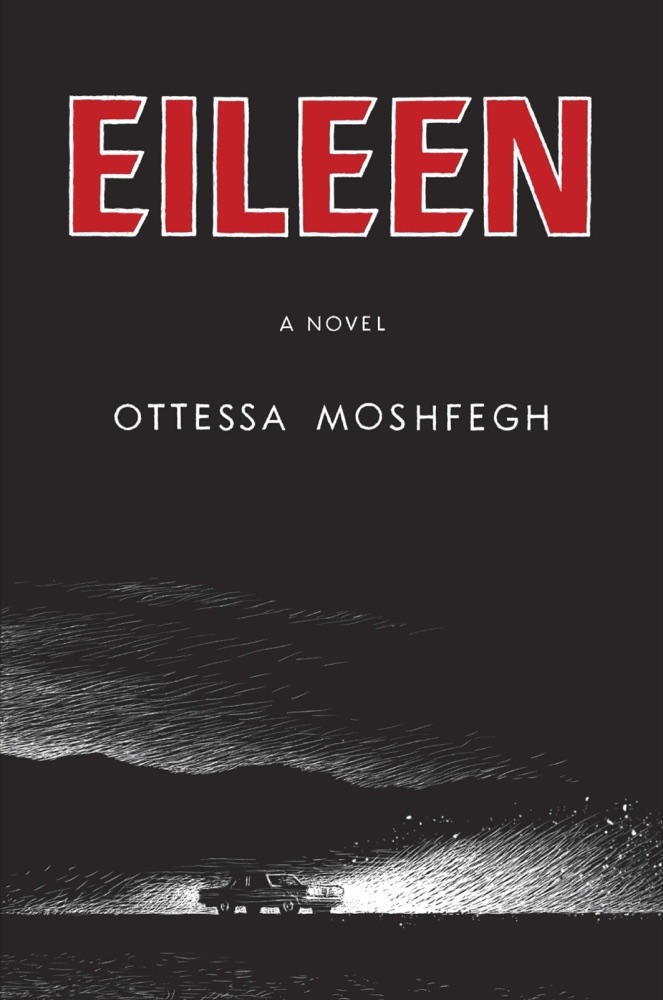
"Eileen" is the debut novel of Ottessa Moshfegh, narrated in retrospect by its title character, a self-loathing 24-year-old woman recounting the final, fateful week of her life in a small Massachusetts town she calls X-ville in the winter of 1964. Eileen Dunlop works as a secretary at a juvenile correctional facility and lives in squalor with her abusive, alcoholic former-cop father. Her bleak, repressed existence is upended when a glamorous, confident new staff member named Rebecca Saint John arrives, and Eileen becomes infatuated with her, drawn toward an act that will allow her finally to escape.
Moshfegh uses the novel to probe self-disgust, the female body, shame, repression, and the longing for transformation. The narrator's frank, often grotesque attention to physicality and her own ugliness gives the book its unsettling power, while the noir-tinged plot builds toward a crime that becomes Eileen's means of liberation. It is at once a character study and a slow-burning thriller about a woman who reinvents herself by walking away from everything she was.
The novel was widely praised on publication in 2015 and established Moshfegh as a major literary voice. It was shortlisted for the 2016 Man Booker Prize and the 2015 National Book Critics Circle Award for Fiction, and won the PEN/Hemingway Award for a debut novel. Critics admired its dark voice and psychological precision, and the book was adapted into a 2023 feature film.
Key characters
- Eileen DunlopThe 24-year-old narrator, a self-loathing secretary at a juvenile prison who longs to escape her life
- Rebecca Saint JohnThe glamorous, newly arrived director of education at the prison who fascinates Eileen
- Charlie DunlopEileen's abusive, paranoid, alcoholic father and a former policeman
- Lee PolkA teenage boy incarcerated at the facility whose family history becomes central to the plot
- Mrs. PolkLee Polk's mother, confronted by Eileen and Rebecca over her son's case
Book details
- First published
- 2015
- Length
- 272 pages
- Reading time
- 5 hours
- Author
- Ottessa Moshfegh
- Genre
- Fiction
- Goodreads rating
- 3.56 (135k ratings)
- First line
- “I looked like a girl you'd expect to see on a city bus, reading some clothbound book from the library about plants or geography, perhaps wearing a net over my light brown hair.”
Critical reception
- Shortlisted for the 2016 Man Booker Prize and the 2015 National Book Critics Circle Award for Fiction.
- Won the PEN/Hemingway Award for a debut novel.
- Critics praised its dark, distinctive narrative voice and psychological intensity, marking Moshfegh as a notable new literary writer.
Movie & TV adaptations
- IMDb
If you liked this, read…
- 1My Year of Rest and RelaxationMoshfegh's later novel with another alienated, self-destructive female narrator
- 2The Talented Mr. RipleyA literary suspense story driven by an unsettling, obsessive narrator and reinvention
Keep reading
 The Asylum for Wayward Victorian Girls
 Dark Places
 Rainbow Black
 Ham on Rye
 One's Company
 Tales of Ordinary Madness
 The Black Prince
 Real World
Homesick for Another World
Real World
Homesick for Another World
 Darkly Dreaming Dexter
 Running with Scissors
 The Spirit Bares Its Teeth
 Stranded
 The Girl in 6E
 Scar Tissue
 The Story of a New Name
 Naked
Naked
 The Likeness
 Terminal Boredom: Stories
 Severance
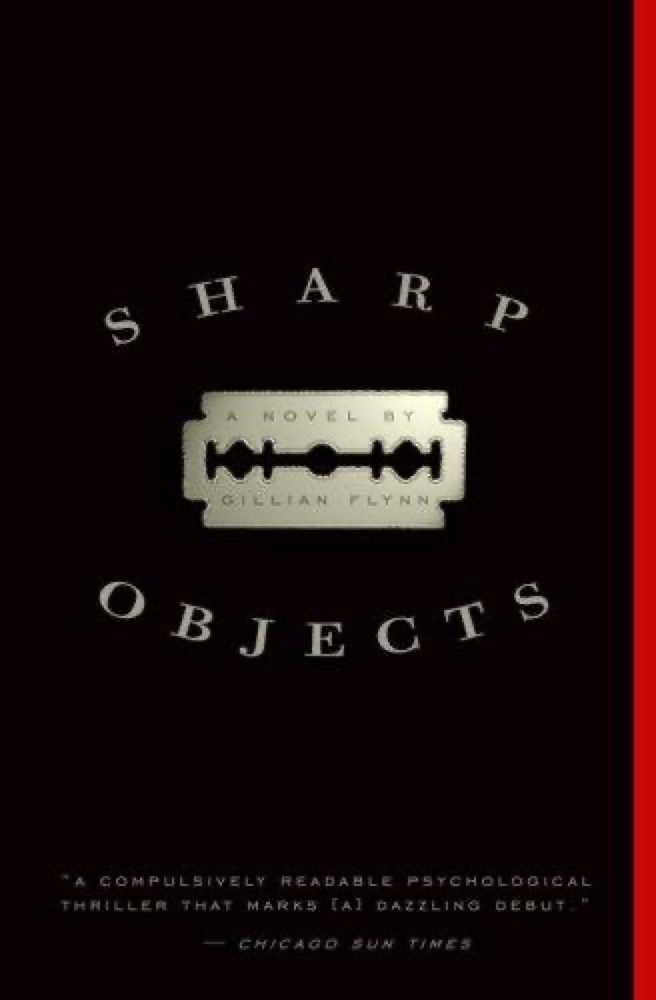 Sharp Objects
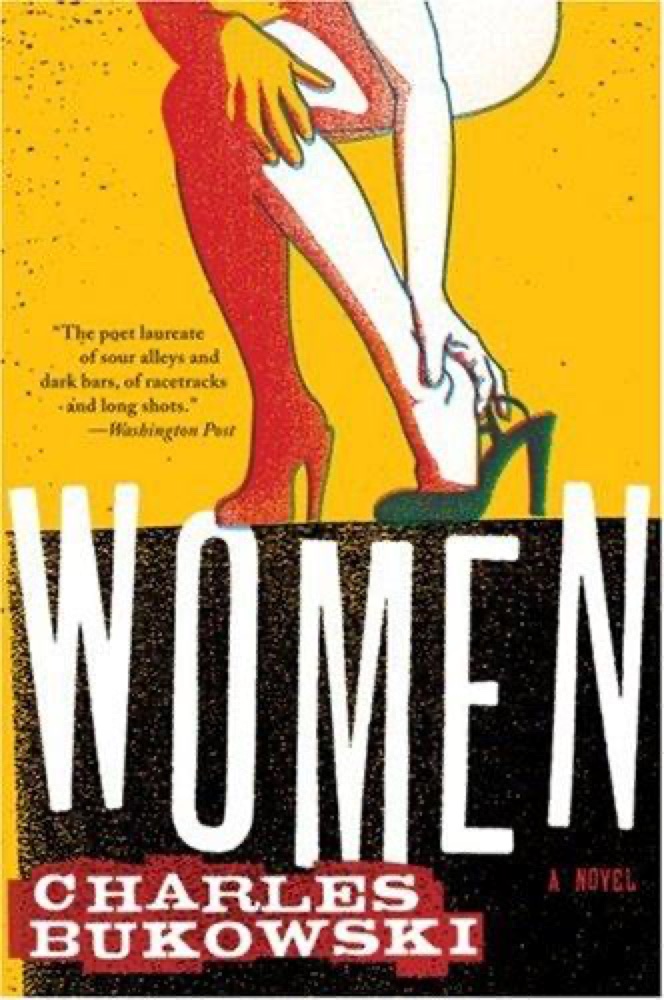 Women
Women
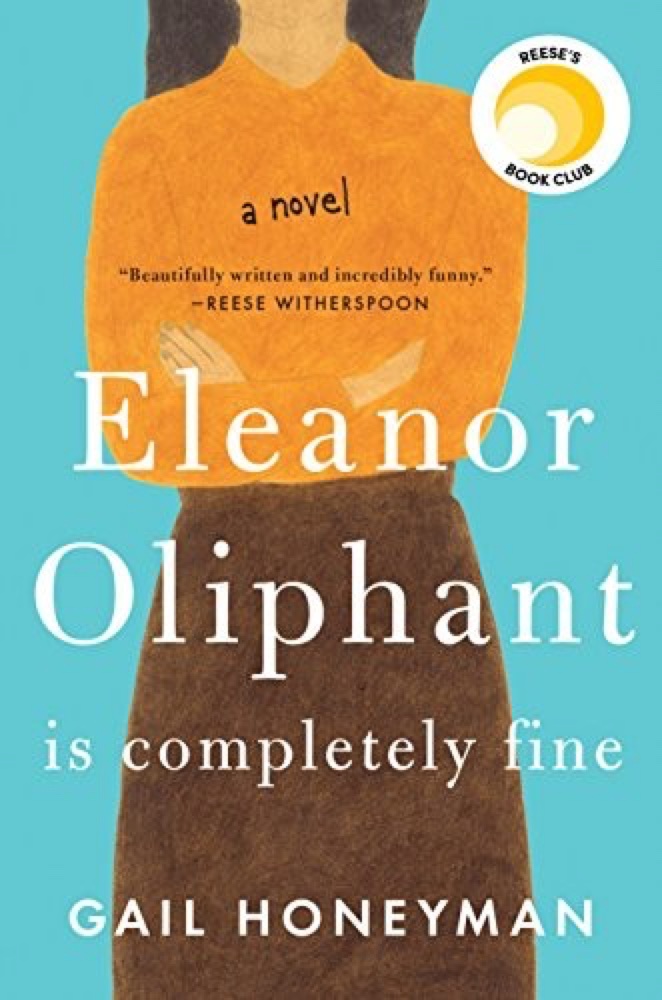 Eleanor Oliphant Is Completely Fine
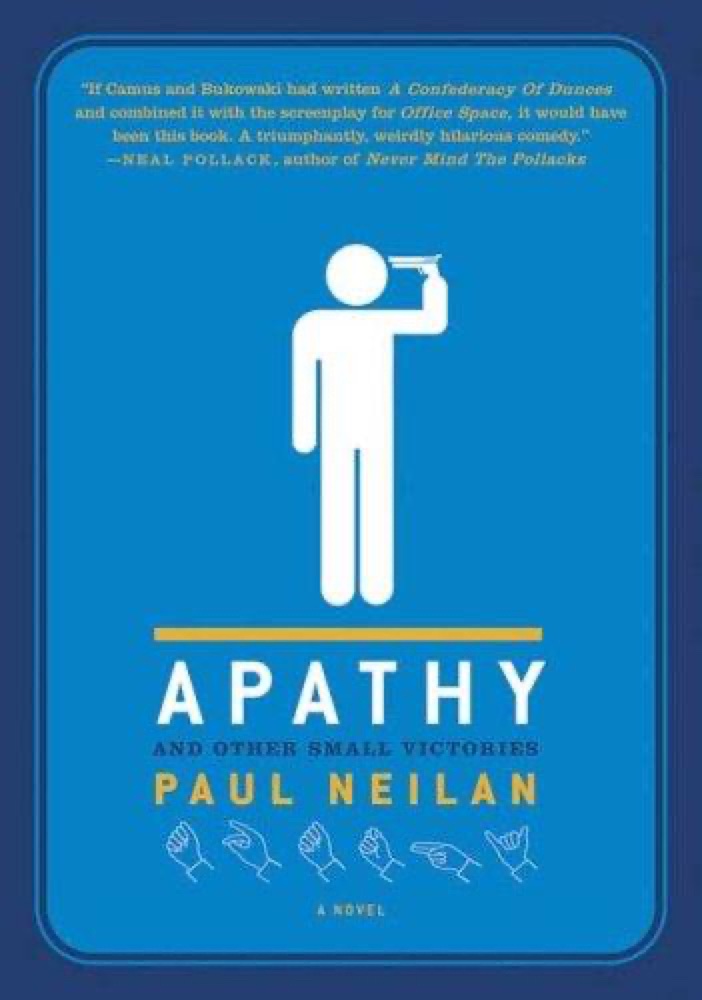 Apathy and Other Small Victories
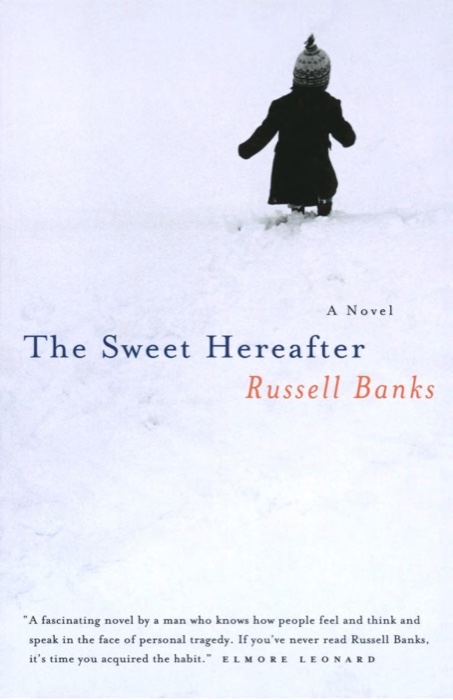 The Sweet Hereafter
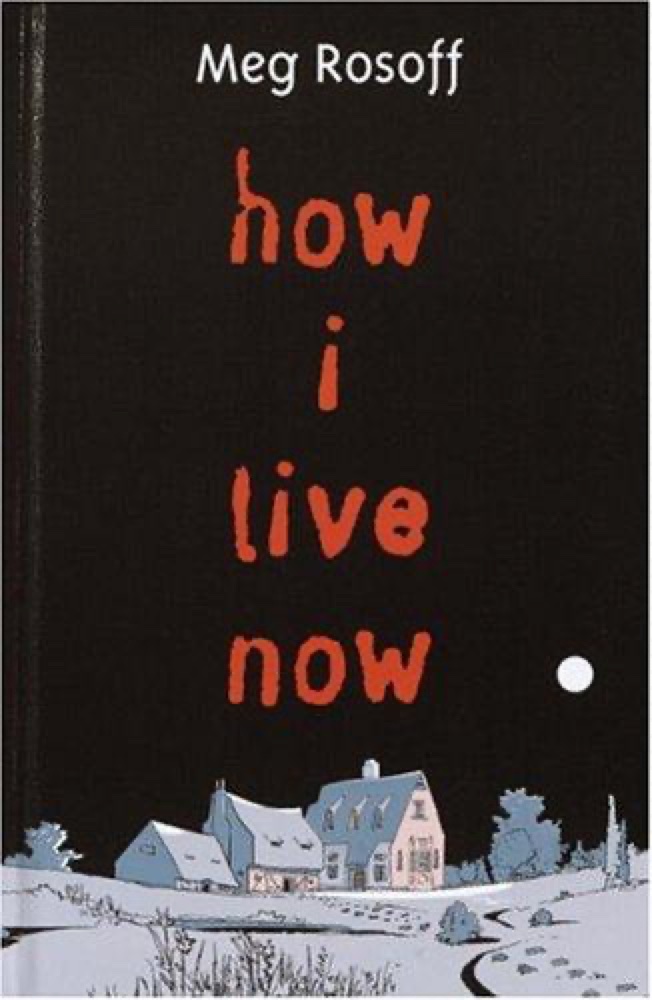 How I Live Now
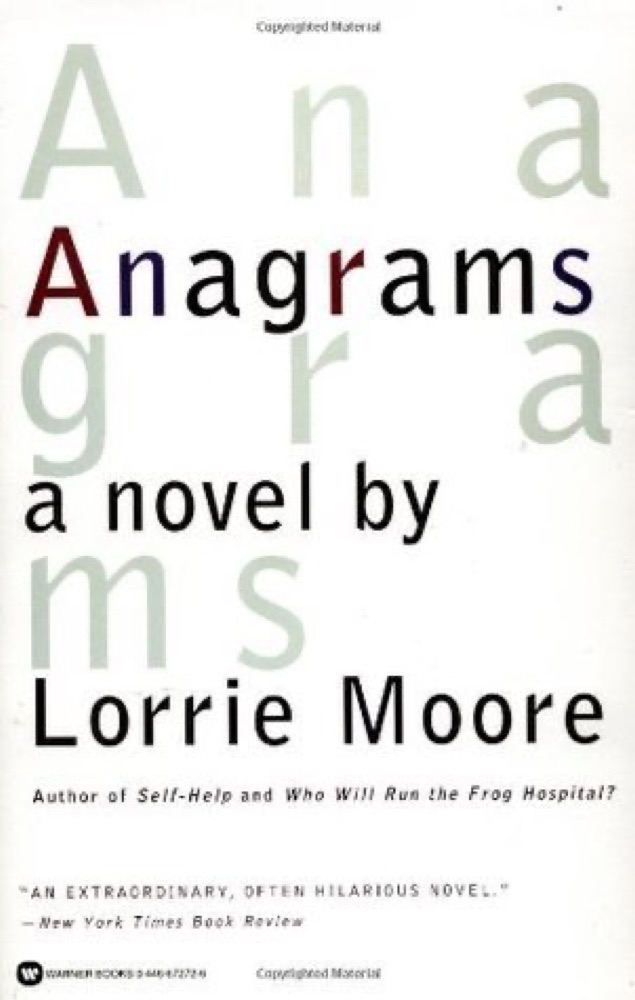 Anagrams
 The Heroin Diaries: A Year In The Life Of A Shattered Rock Star
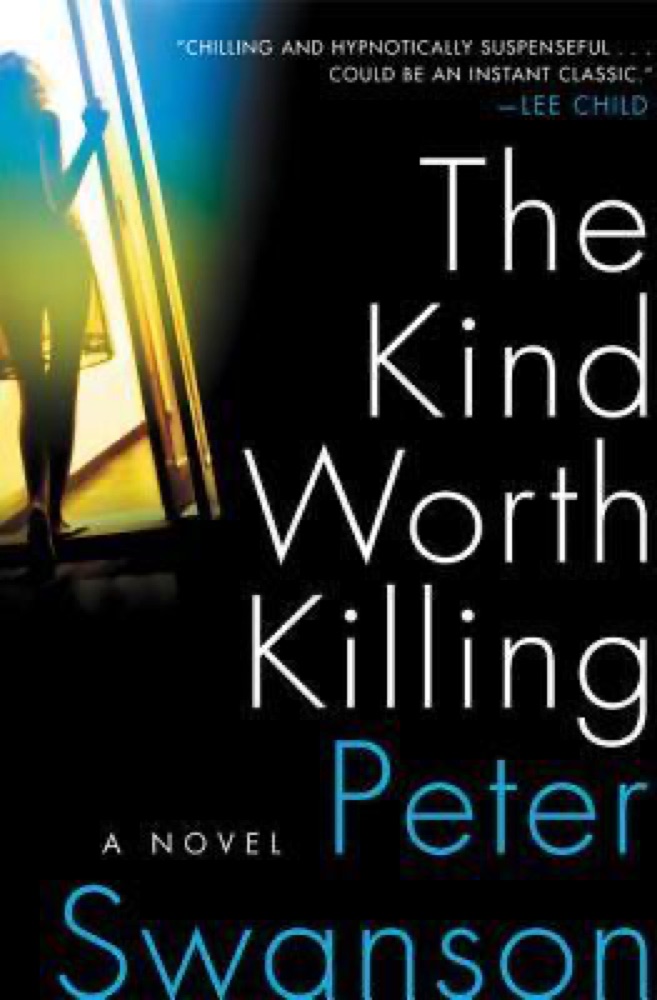 The Kind Worth Killing
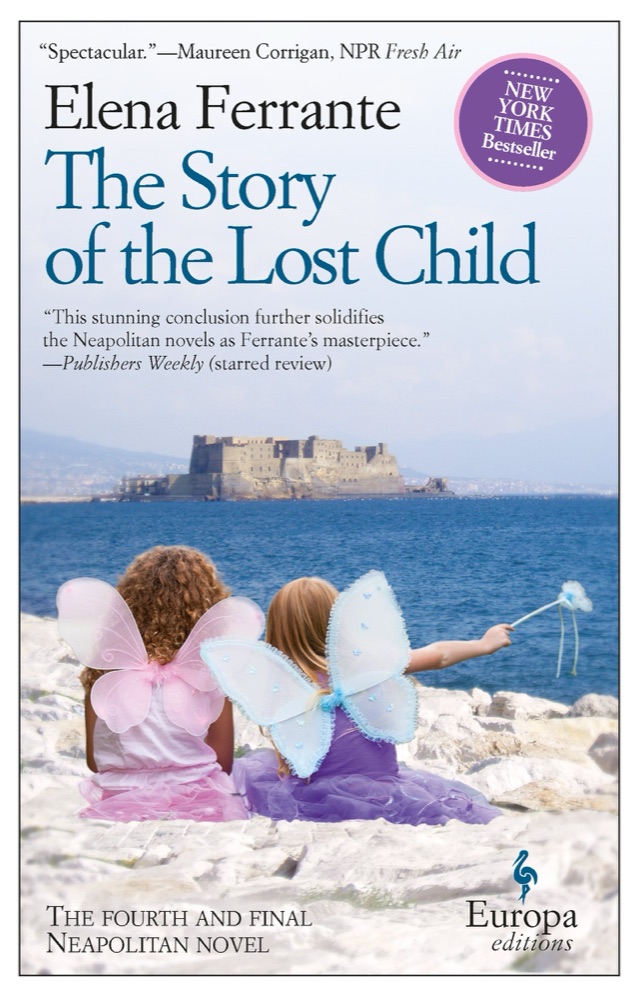 The Story of the Lost Child
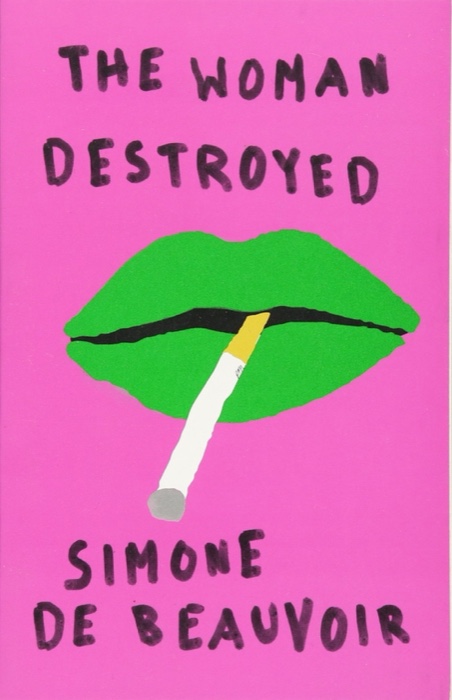 The Woman Destroyed
 Schoolgirl
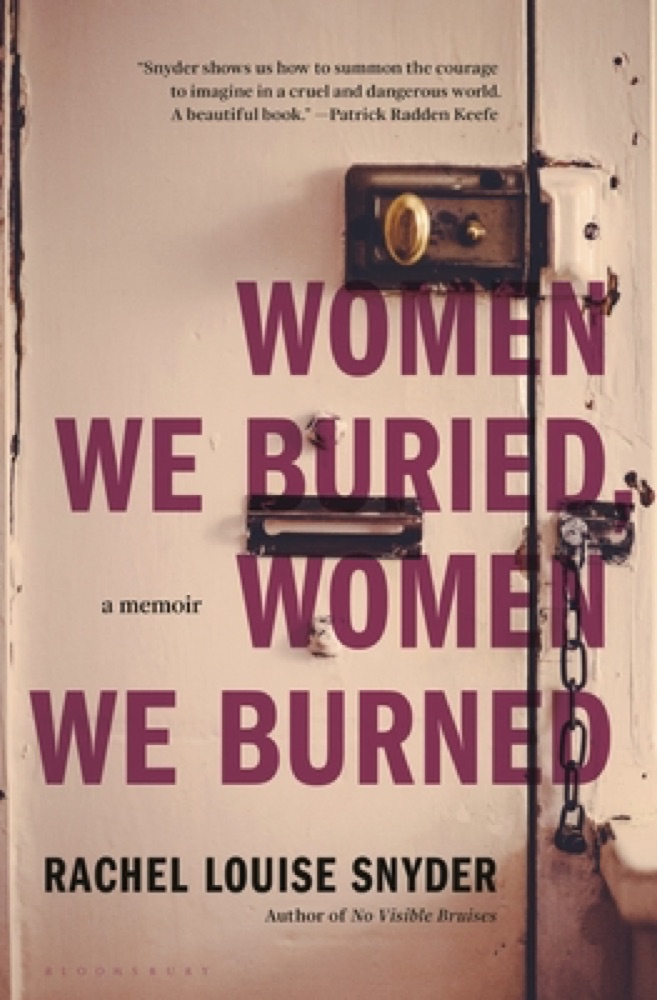 Women We Buried, Women We Burned: A Memoir
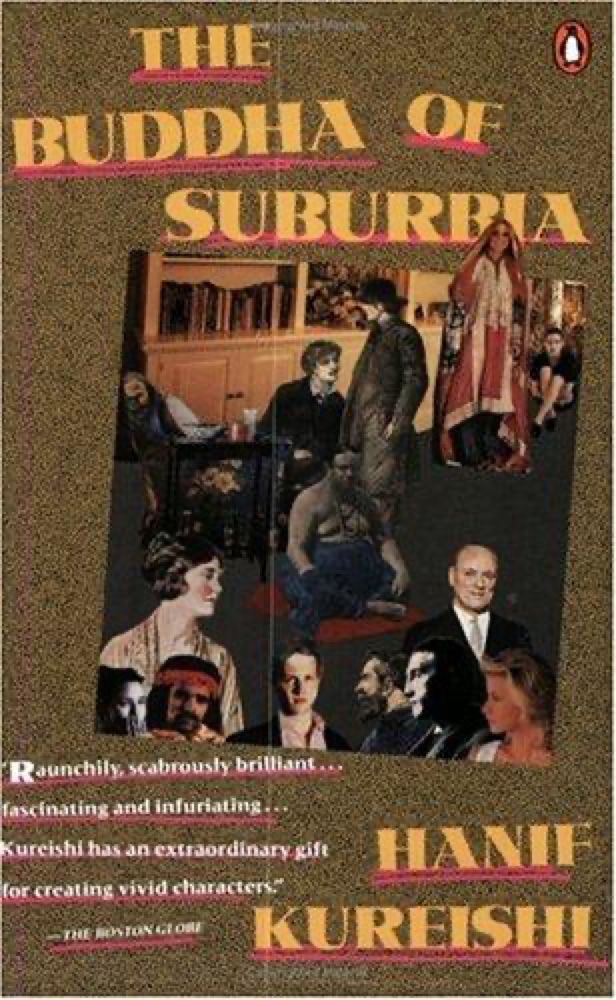 The Buddha of Suburbia
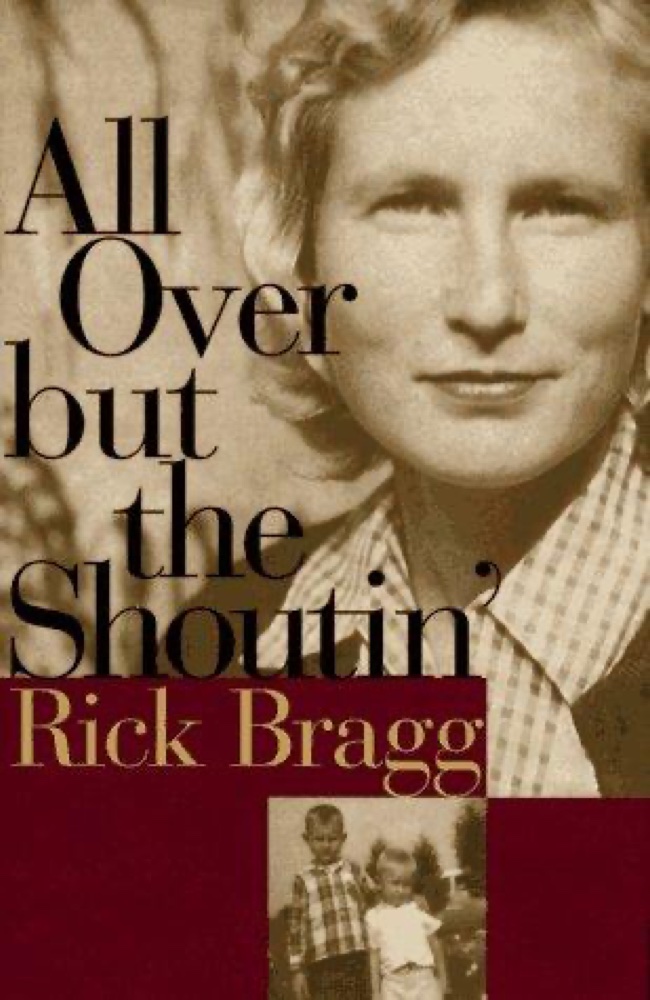 All Over But the Shoutin'
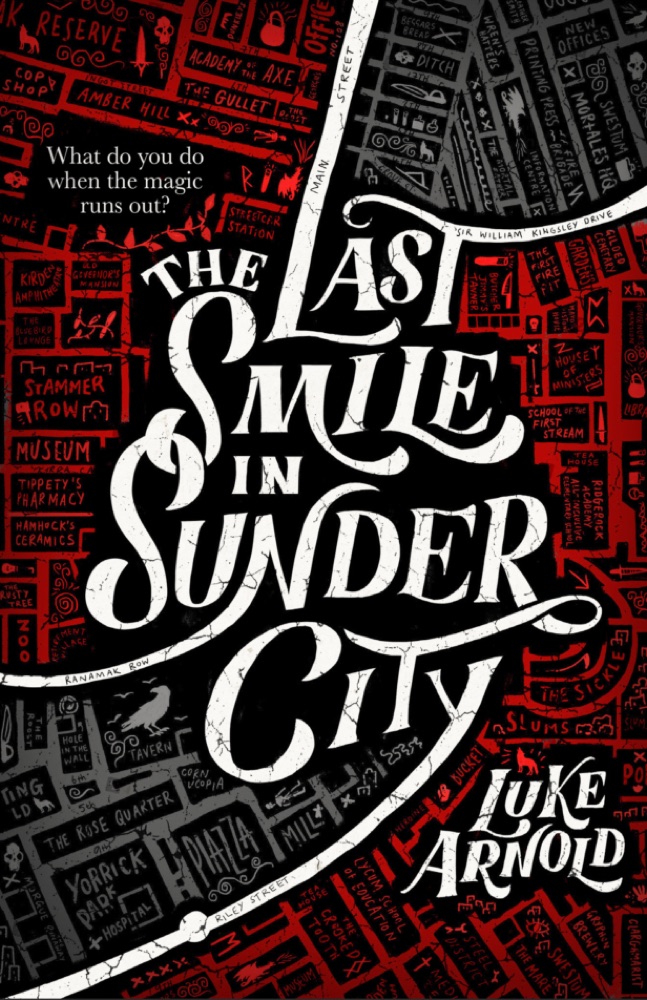 The Last Smile in Sunder City
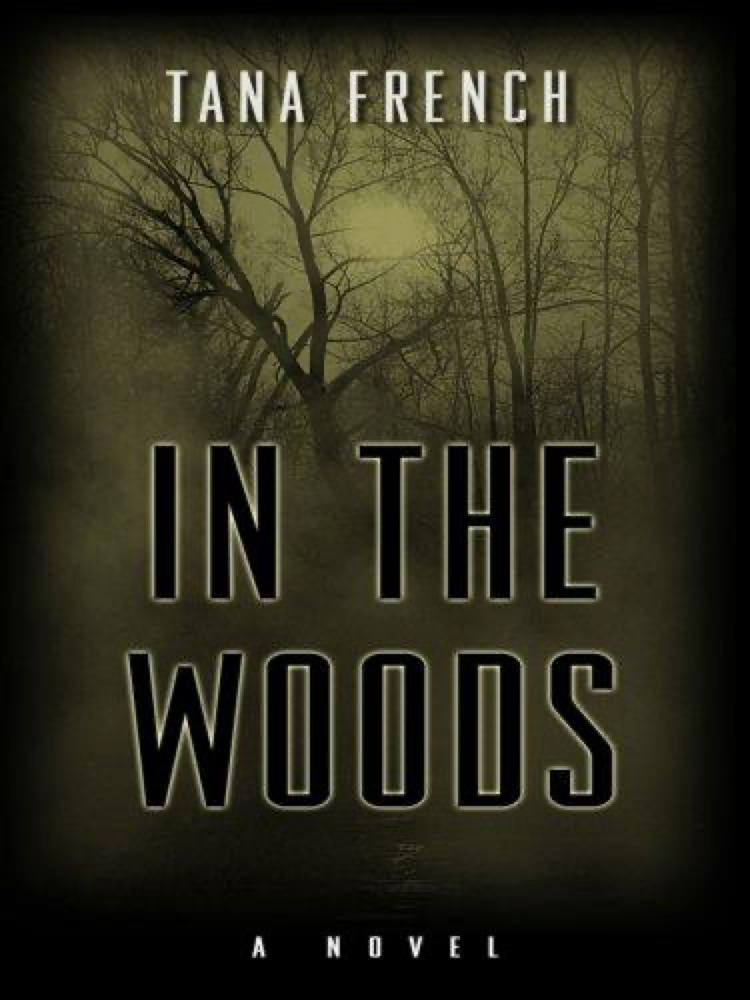 In the Woods
 Wolf in White Van
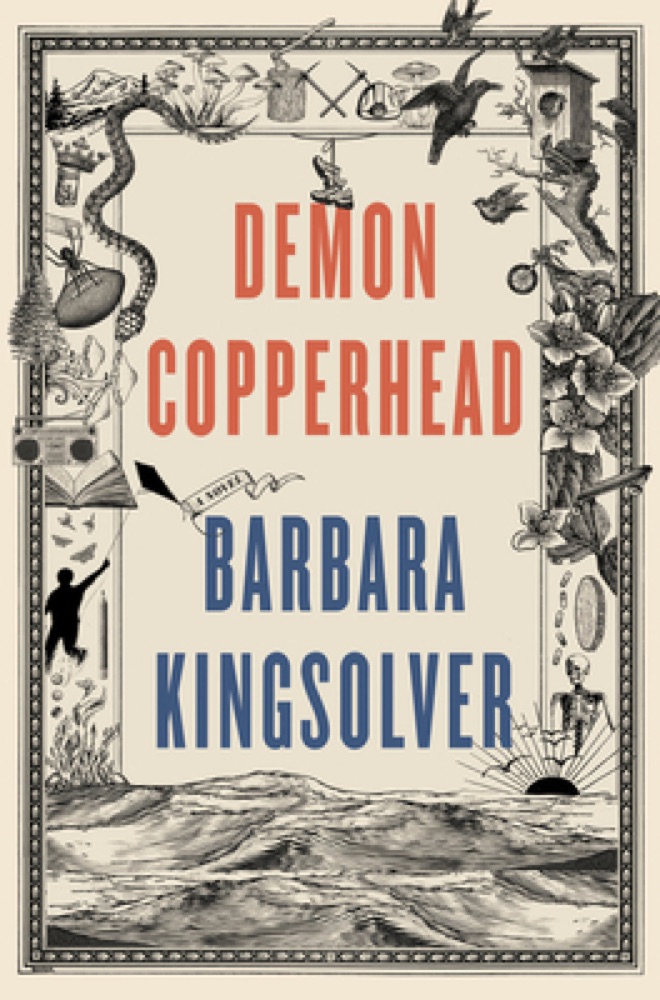 Demon Copperhead
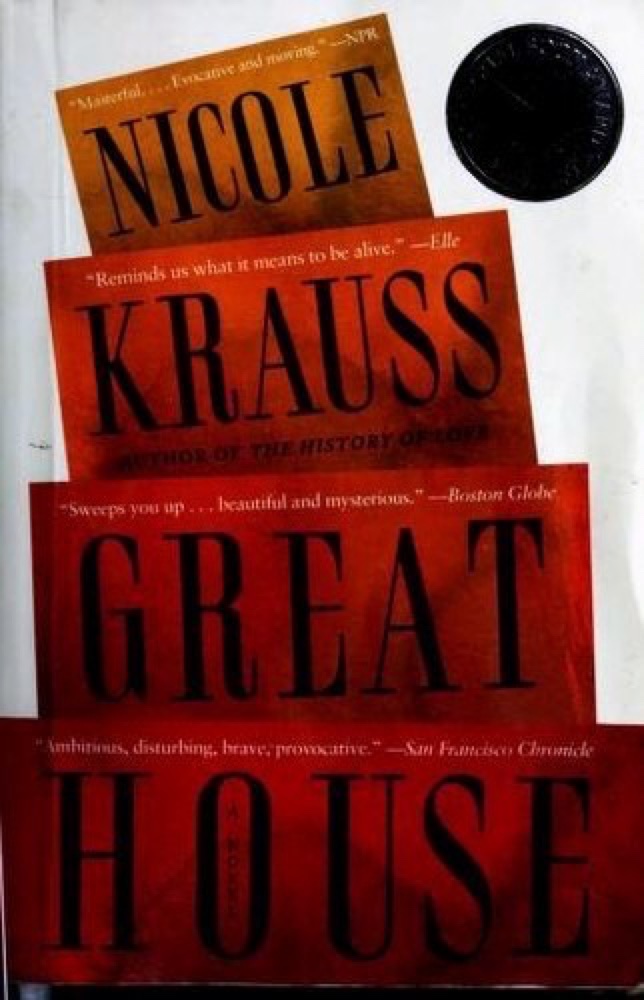 Great House
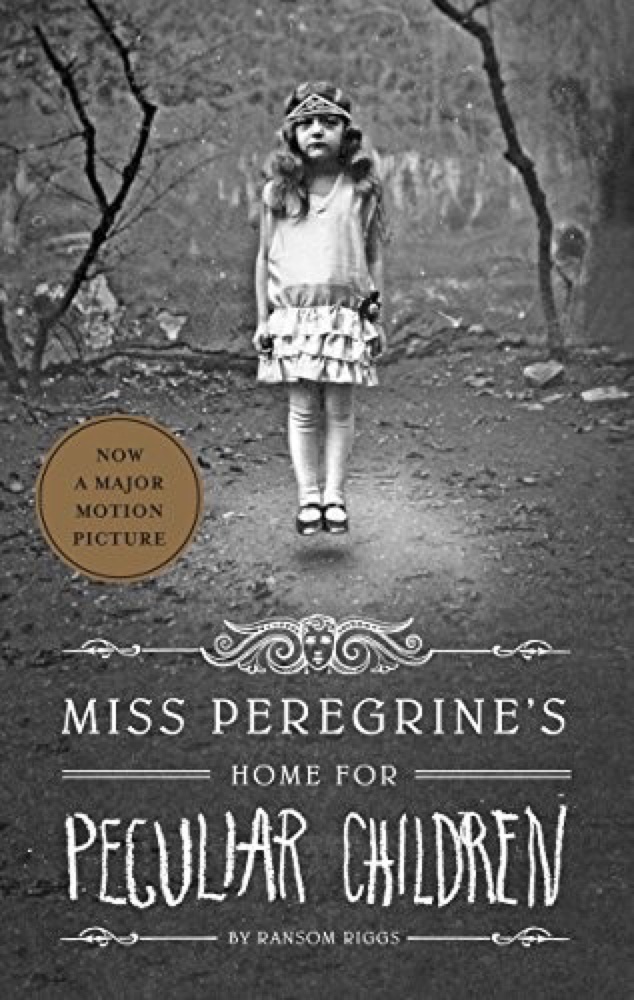 Miss Peregrine’s Home for Peculiar Children
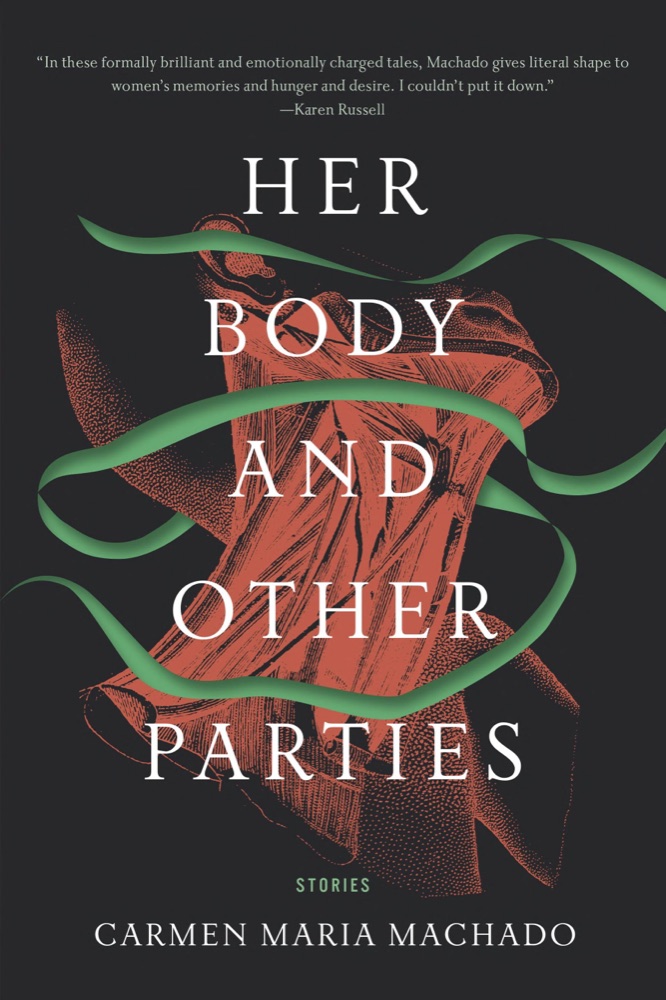 Her Body and Other Parties
 Giovanni's Room
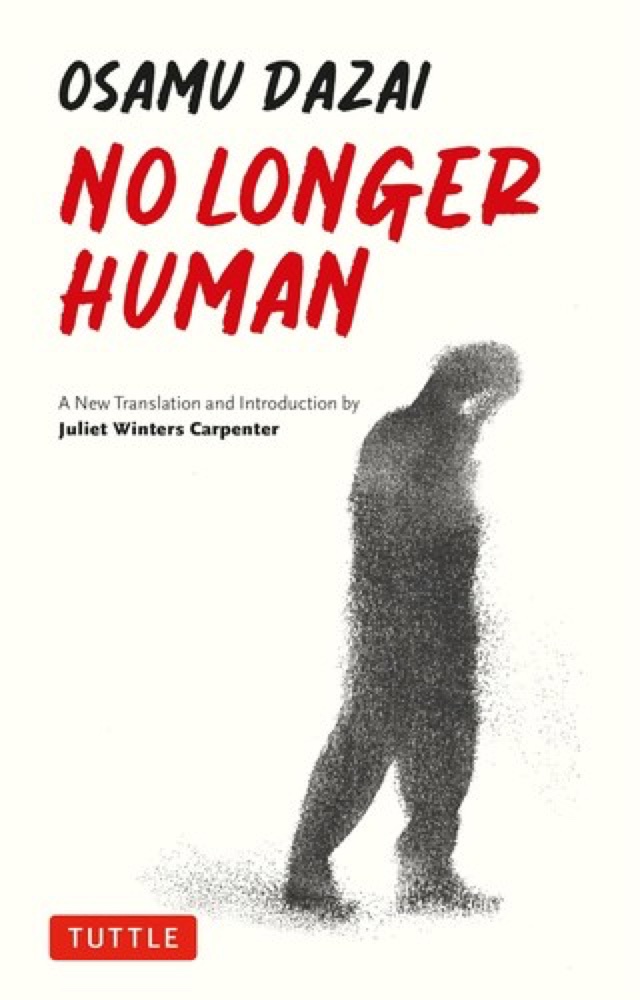 No Longer Human
 Underdog
 Bastard Out of Carolina
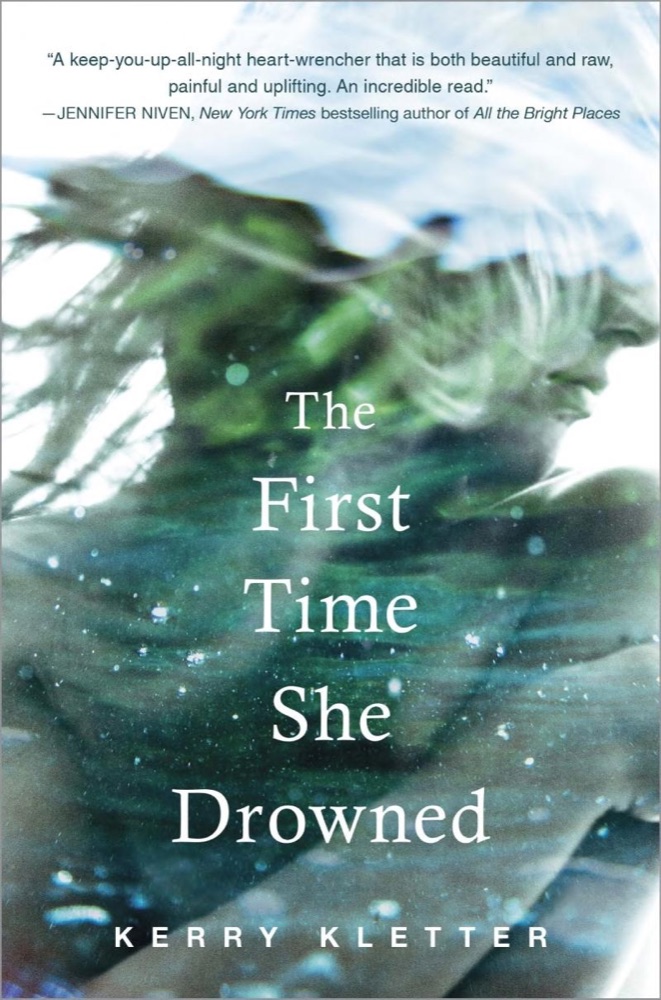 The First Time She Drowned
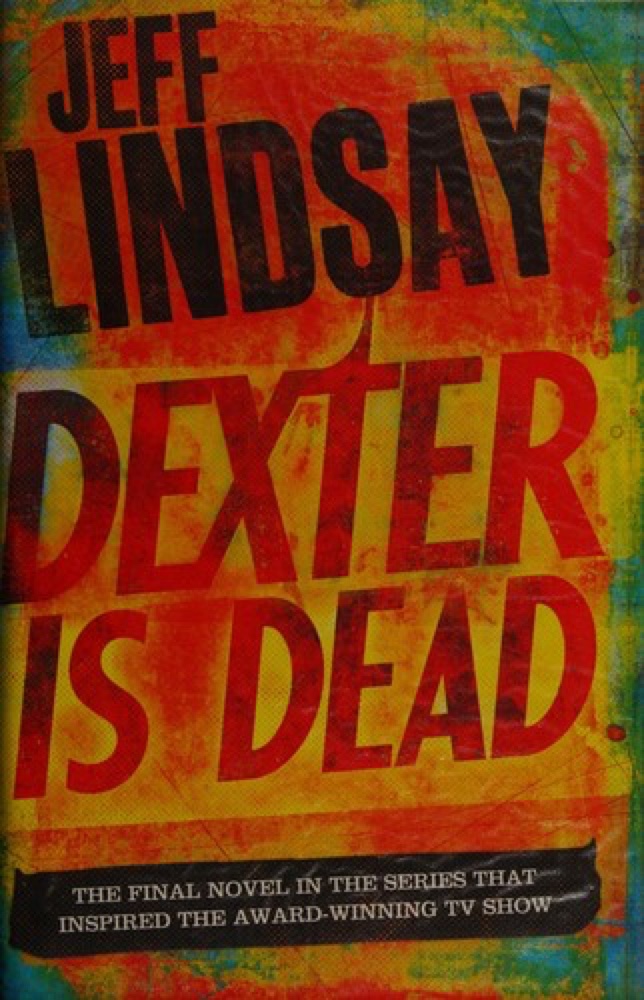 Dexter Is Dead
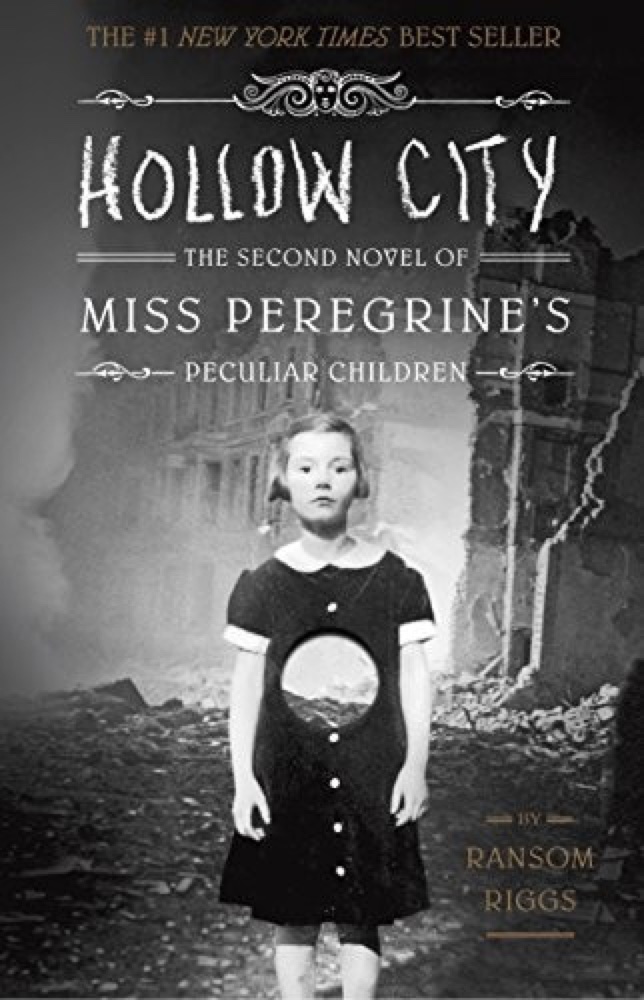 Hollow City
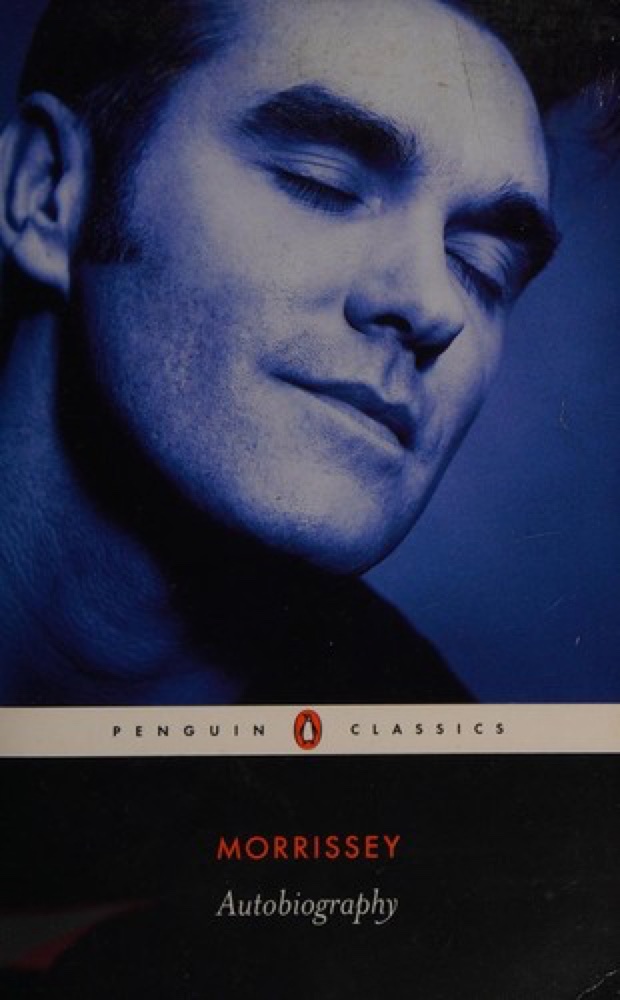 Autobiography
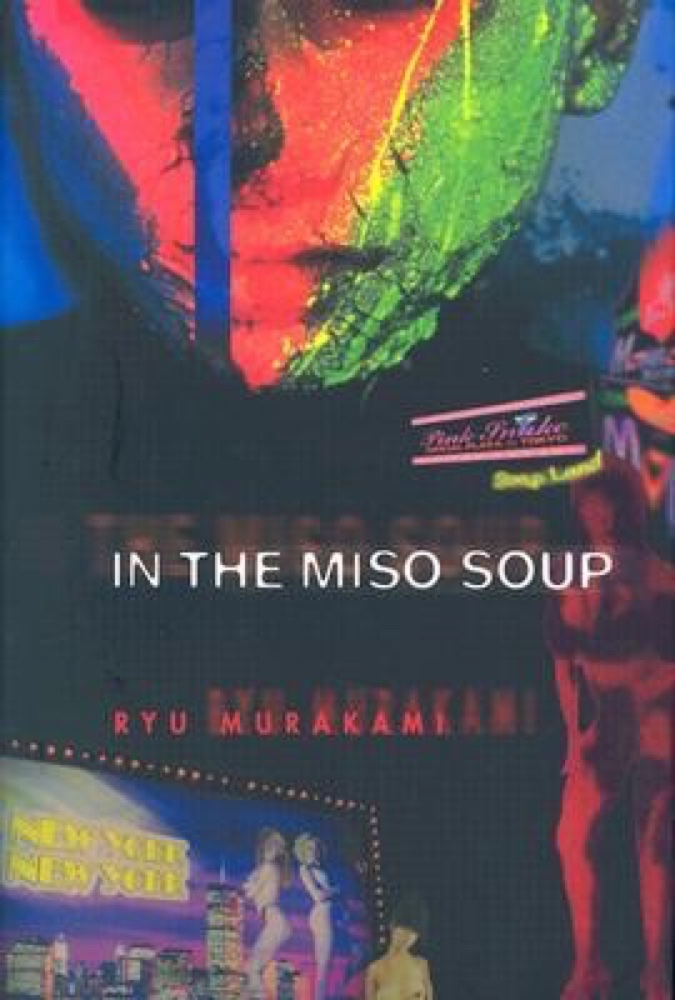 In the Miso Soup
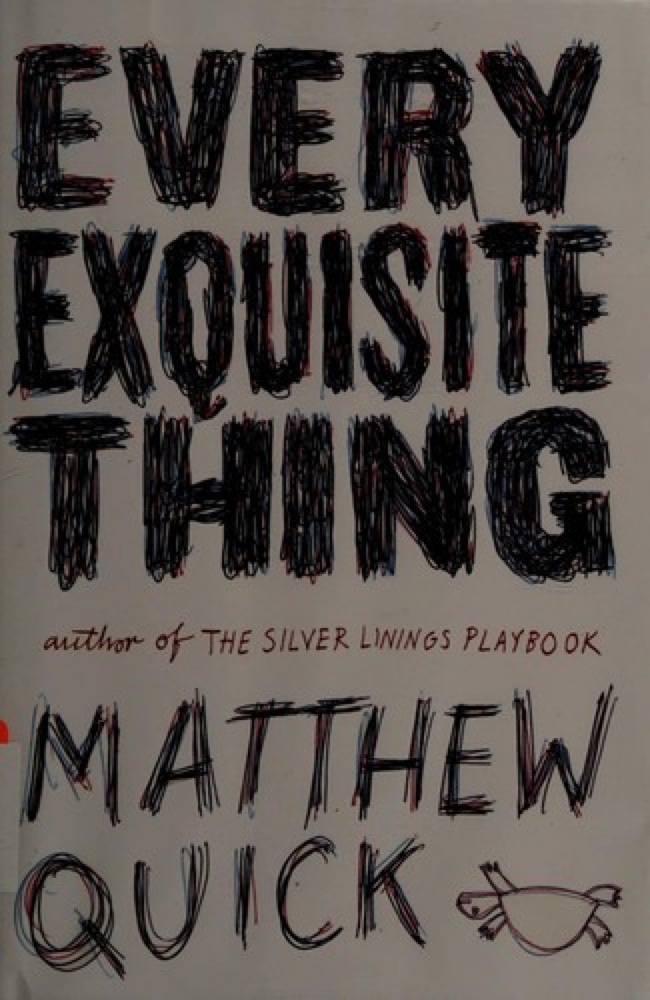 Every Exquisite Thing
 The Devil Tree
 The Long Hard Road Out of Hell
 Zazen
Zazen
 Odd Hours
 A Line Made By Walking
 The Folded Clock: A Diary
 Heart Berries
 Dexter in the Dark