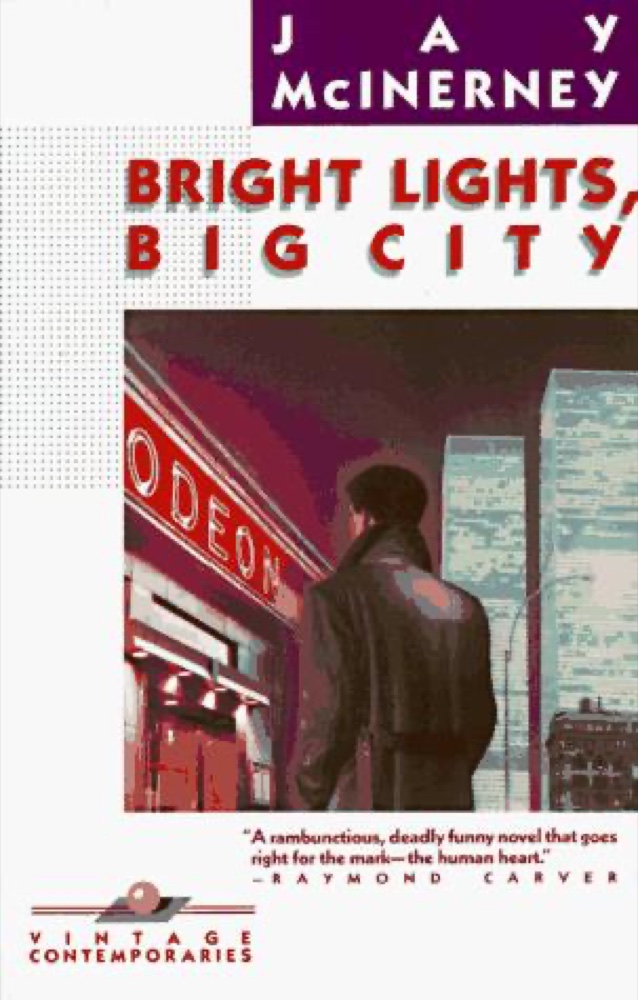
 Bright Lights, Big City
Quotes from the Book
To live in a city is to live the life that it was built for, to adapt to its schedule and rhythms, to move within the transit layout made for you during the morning and evening rush, winding through the crowds of fellow commuters. To live in a city is to consume its offerings. To eat at its restaurants. To drink at its bars. To shop at its stores. To pay its sales taxes. To give a dollar to its homeless. To live in a city is to take part in and to propagate its impossible systems. To wake up. To go to work in the morning. It is also to take pleasure in those systems because, otherwise, who could repeat the same routines, year in, year out?
146
The past is a black hole, cut into the present day like a wound, and if you come too close, you can get sucked in. You have to keep moving.
97
A second chance doesn't mean you're in the clear. In many ways, it is the more difficult thing. Because a second chance means that you have to try harder. You must rise to the challenge without the blind optimism of ignorance.
94
The first place you live alone, away from your family, he said, is the first place you become a person, the first place you become yourself.
88
Memories beget memories. Shen fever being a disease of remembering, the fevered are trapped indefinitely in their memories. But what is the difference between the fevered and us? Because I remember too, I remember perfectly. My memories replay, unprompted, on repeat. And our days, like theirs, continue in an infinite loop.
70
What I didn’t say was: I know you too well. You live your life idealistically. You think it’s possible to opt out of the system. No regular income, no health insurance. You quit jobs on a dime. You think this is freedom but I still see the bare, painstakingly cheap way you live, the scrimping and saving, and that is not freedom either. You move in circumscribed circles. You move peripherally, on the margins of everything, pirating movies and eating dollar slices. I used to admire this about you, how fervently you clung to your beliefs—I called it integrity—but five years of watching you live this way has changed me. In this world, money is freedom. Opting out is not a real choice.
59
Leisure, the problem with the modern condition was the dearth of leisure. And finally, it took a force of nature to interrupt our routines. We just wanted to hit the reset button. We just wanted to feel flush with time to do things of no quantifiable value, our hopeful side pursuits like writing or drawing or something, something other than what we did for money.
54
It was the anonymity. He wanted to be unknown, unpossessed by others' knowledge of him. That was freedom.
43
I have always lived in the myth of New York more than in its reality.
41
Upon seeing Utah for the first time, Tarkovsky remarked that now he knew Americans were vulgar because they filmed westerns in a place that should only serve as backdrop to films about God.
32
Let us return, then, as we do in times of grief, for the sake of pleasure but mostly for the need for relief, to art.
30
It is too depressing, too soul-crushingly sad, to reminisce. The past is a black hole, cut into the present day like a wound, and if you come too close, you can get sucked in. You have to keep moving.
28
The End begins before you are ever aware of it. It passes as ordinary.
26
When other people are happy, I don't have to worry about them. There is room for my happiness.
24
There is mystery to how faith takes root and flourishes, how need transforms into belief.
22
All the lights were off, and I just lay there, trying to pass the hours before I had to get up and go to work, which was impossible when the night was so loud. My neighbor’s electric air conditioner, the bass pumping from other people’s cars. They were all converging together to say one thing: You are alone. You are alone. You are alone. You are truly and really alone.
22
You’re not doing too well. You barely eat. You don’t sleep enough. You don’t do things to keep your mind active. You don’t read. She says, Only in America do you have the luxury of being depressed. She says, Change your clothes. Brush your teeth. Wash your face. Moisturize. Exercise. Get yourself together. She says, Now is not the time to give up. It’s only going to get harder. You need to figure this out. And sometimes I say things back. Figure what out? I ask, but she doesn’t answer. Figure what out? I repeat, and the sound of my own voice jars me awake. I have been talking in my sleep.
21
New York is possibly the only place in which most people have already lived, in some sense, in the public imagination, before they ever arrive.
19
Jonathan had become increasingly disillusioned with living in New York. Something along the lines of: the city, New York fucking City, tedious and boring, its charms as illusory as its facade of authenticity. Its lines were too long. Everything was a status symbol and everything cost too much. There were so many on-trend consumers, standing in lines for blocks to experience a fad dessert, gimmicky art exhibits, a new retail concept store. We were all making such uninspired lifestyle choices. We, including me.
17
To despise someone is intimate by default.
16
The city was so big. It lulled you into thinking that there were so many options, but most of the options had to do with buying things: dinner entrées, cocktails, the cover charge to a nightclub. Then there was the shopping, big chain stores open late, up and down the streets, throbbing with bass-heavy music and lighting. In the Garment District, diminished to a limited span of blocks after apparel manufacture moved overseas, wholesale shops sold fabrics and trinkets imported from China, India, Pakistan. In Jonathan’s apartment, we used to
16
Just because you're adequately good at something doesn't mean that's what you should do.
15
A day off meant we could do things we’d always meant to do. Like go to the Botanical Garden, the Frick Collection, or something. Read some fiction. Leisure, the problem with the modern condition was the dearth of leisure. And finally, it took a force of nature to interrupt our routines. We just wanted to hit the reset button. We just wanted to feel flush with time to do things of no quantifiable value, our hopeful side pursuits like writing or drawing or something, something other than what we did for money. Like learn to be a better photographer. And even if we didn’t get around to it on that day, our free day, maybe it was enough just to feel the possibility that we could if we wanted to, which is another way of saying that we wanted to feel young, though many of us were that if nothing else.
14
A part of me wanted to remonstrate with her, to list out all her infractions in a final accounting, but the last days are for relief, not for truth.
13
I was like everyone else. We all hoped the storm would knock things over, fuck things up enough but not too much. We hoped the damage was bad enough to cancel work the next morning but not so bad that we couldn’t go to brunch instead.
10
I didn’t want the same things that they wanted, and they should know this. They should know my difference, they should sense my unfathomable fucking depths.
10
I wanted to tell them that they had made a mistake. I wasn’t like them. I didn’t want the same things that they wanted, and they should know this. They should know my difference, they should sense my unfathomable fucking depths.
9
I was enjoying myself, but it was an insulated enjoyment. I was alone inside of it.
9
We Googled is there a god, clicked I’m Feeling Lucky, and were directed to a suicide hotline site.
8
Did you know?
- The novel won the 2018 Kirkus Prize for Fiction.
- The fictional pandemic in the book is called Shen Fever, caused by a fungal infection.
- Victims of Shen Fever lose consciousness and mindlessly repeat routine actions until they die.
- The protagonist, Candace Chen, works coordinating the production of Bibles for a Manhattan publisher called Spectra.
- It was Ling Ma's debut novel.
- The novel gained renewed attention for its resonance with real-world pandemic experiences.
About Ling Ma
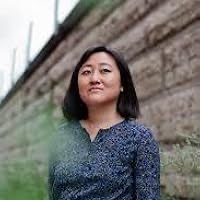
Ling Ma is a Chinese American writer who was born in Sanming, China, and raised in the United States. Severance, her debut novel, won the 2018 Kirkus Prize for Fiction, and she later published the story collection Bliss Montage.
More about the author →About the book
Severance is the 2018 debut novel by Ling Ma, a satirical work of apocalyptic fiction that follows Candace Chen, a young Chinese American woman working a dull job coordinating Bible production at a New York publishing company. As a fungal pandemic called Shen Fever spreads across the globe, reducing its victims to mindless repetition of their daily routines, Candace keeps showing up to her empty office long after the city has emptied out. The narrative braids together her post-collapse survival among a small band of fellow holdouts with flashbacks to her earlier life as an immigrant and her drifting twenties in New York.
Beneath its end-of-the-world premise, the novel is preoccupied with the deadening rhythms of modern work, consumerism, and the way habit can hollow out a life. The fever that turns people into automatons doomed to repeat familiar motions reads as a pointed metaphor for office routine and capitalist monotony, while Candace's story also reckons with immigration, family, memory, and the rootlessness of early adulthood.
Severance was widely praised as a sharp and original debut, earning the 2018 Kirkus Prize for Fiction and being named a New York Times Notable Book. Critics admired its fusion of pandemic horror with workplace and coming-of-age satire, and the novel found renewed attention for its eerie resonance with later real-world events.
Key characters
- Candace ChenProtagonist and narrator, a Chinese American Bible product coordinator in New York
- JonathanCandace's boyfriend, disillusioned with city life and consumerism
- Bob ReamerAuthoritarian leader of the post-apocalypse band of survivors
- RuifangCandace's mother
- ZhigangCandace's father
Critical reception
- Won the 2018 Kirkus Prize for Fiction.
- Named a New York Times Notable Book.
- NPR's Michael Schaub called it a fresh take on both office politics and what the apocalypse might bring.
- The Chicago Tribune described it as a gripping bildungsroman in the midst of an apocalypse.
Keep reading
Bright Lights, Big City
 Open City
 A Home at the End of the World
 All This Could Be Different
 Dream Count
 The Likeness
 One's Company
 A Fraction of the Whole
 Hollow City
 Revolutionary Road
 The Emperor of Gladness
 White Tears
 The Beginning of Everything
 The Handmaid's Tale
 Lock Every Door
 Engleby
 Close to the Knives: A Memoir of Disintegration
 My Government Means to Kill Me
 The Glass Hotel
 The City in the Middle of the Night
 Middlesex
 The Colossus of New York
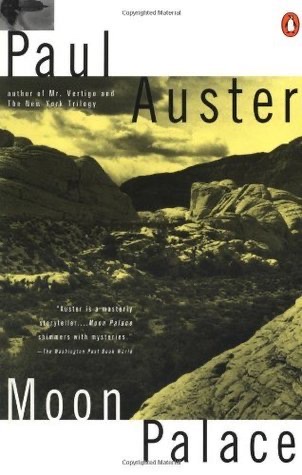 Moon Palace
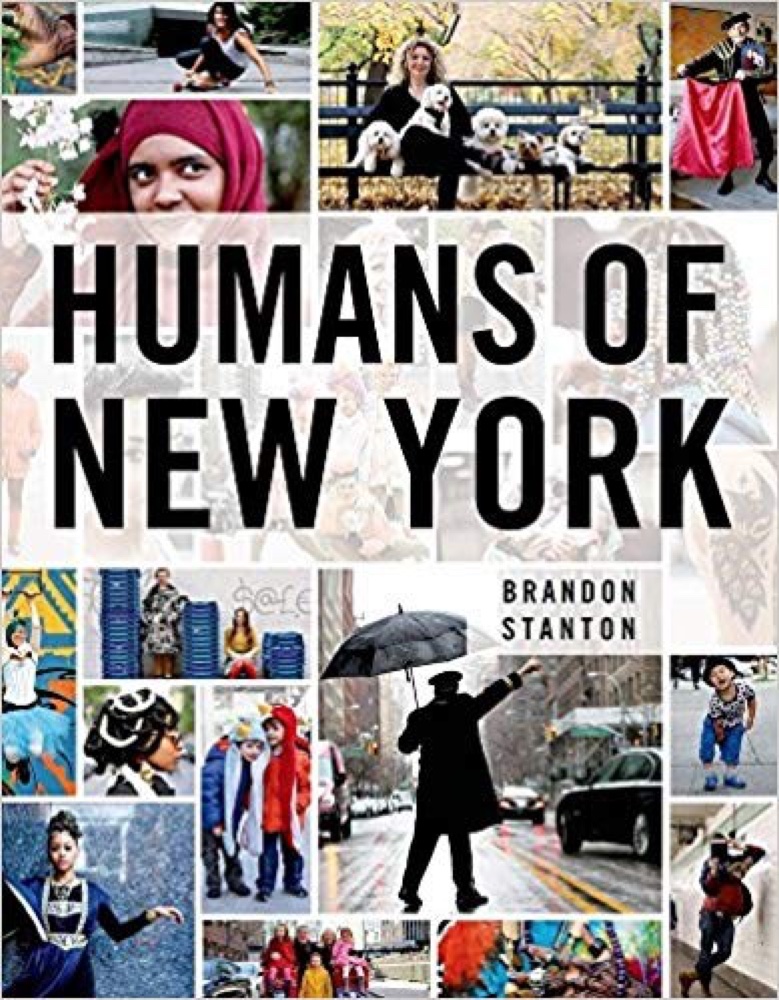 Humans of New York
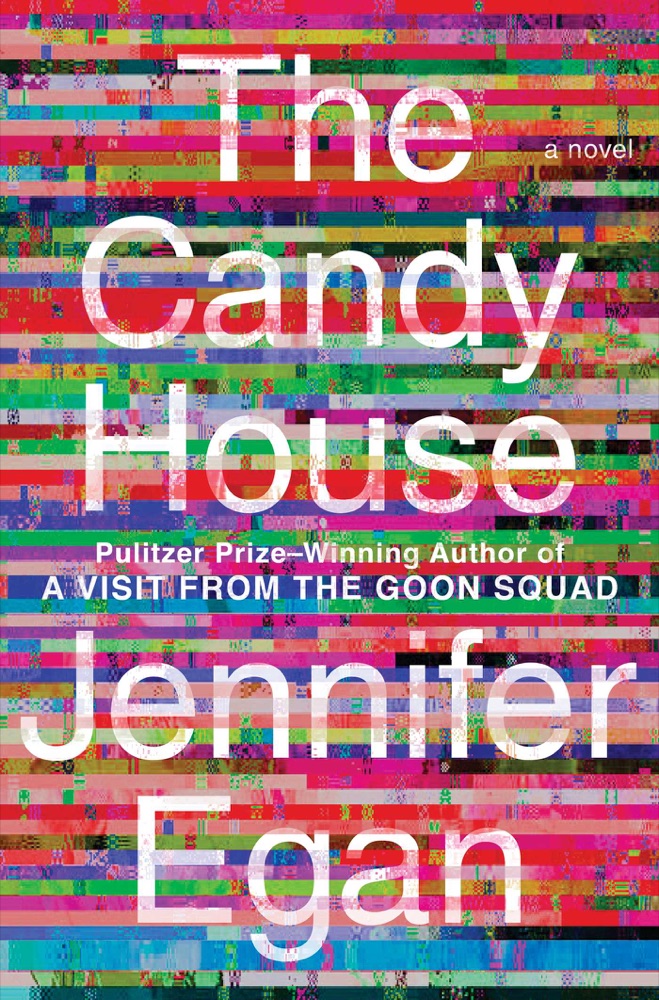 The Candy House
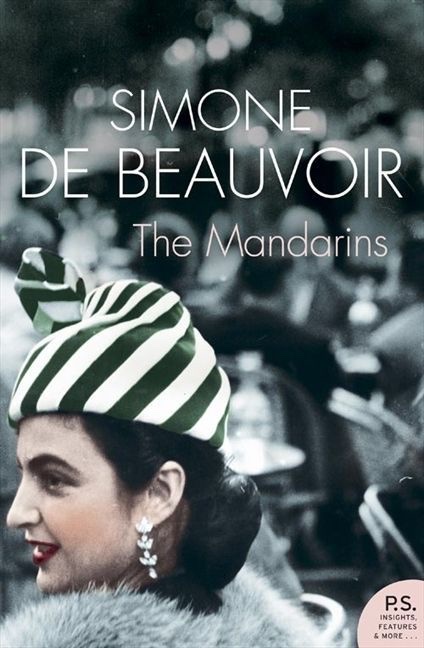 The Mandarins
 The Story of the Lost Child
 Station Eleven
 Swimming in the Dark
 Lunar Park
 The Story of a New Name
 The Wind-Up Bird Chronicle
 Canada
 The Saturday Night Ghost Club
 All Over But the Shoutin'
 Orient
 The Hour I First Believed
 Ripe
Ripe
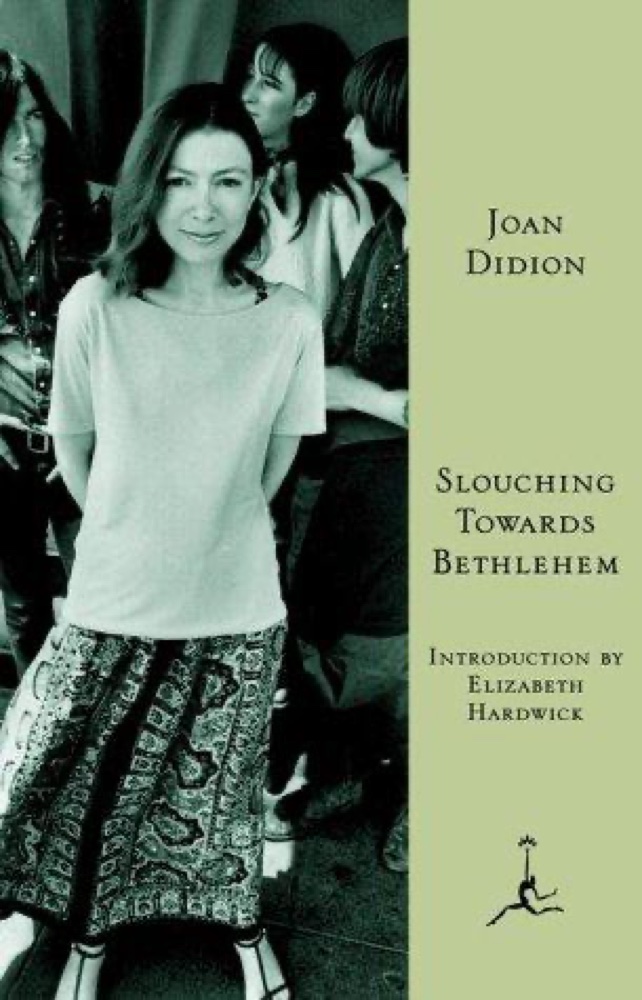 Slouching Towards Bethlehem
 A House in the Sky
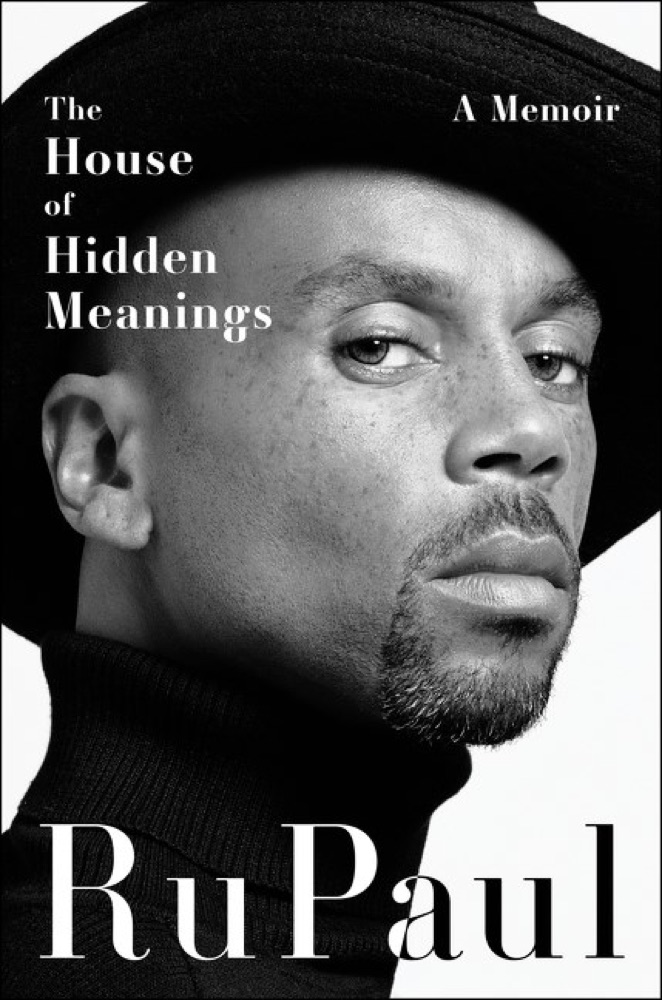 The House of Hidden Meanings
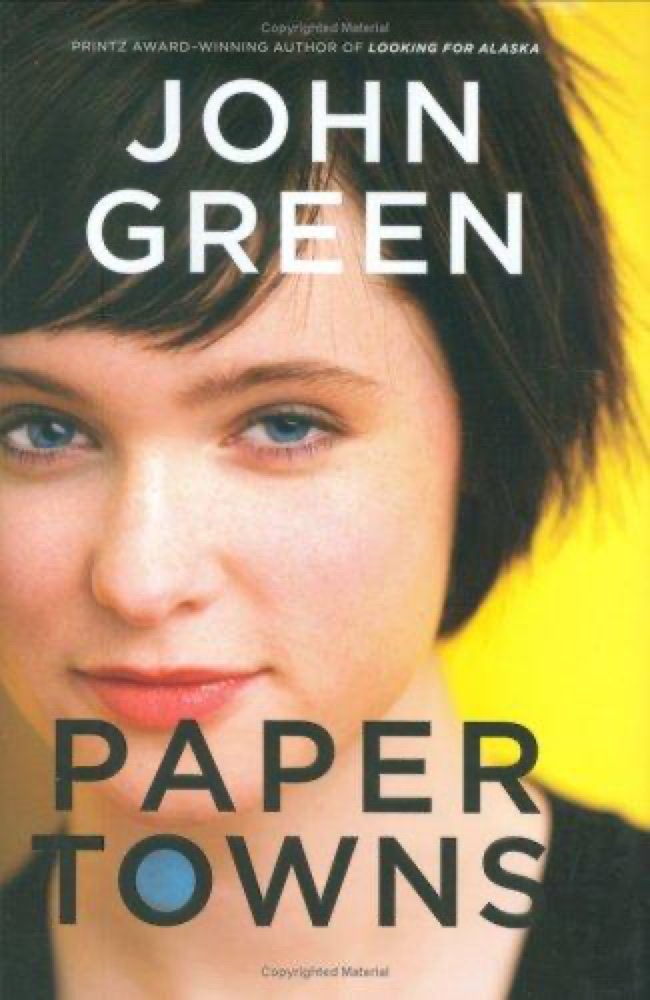 Paper Towns
 Wolf in White Van
 Hard-Boiled Wonderland and the End of the World
 Purity
 Great House
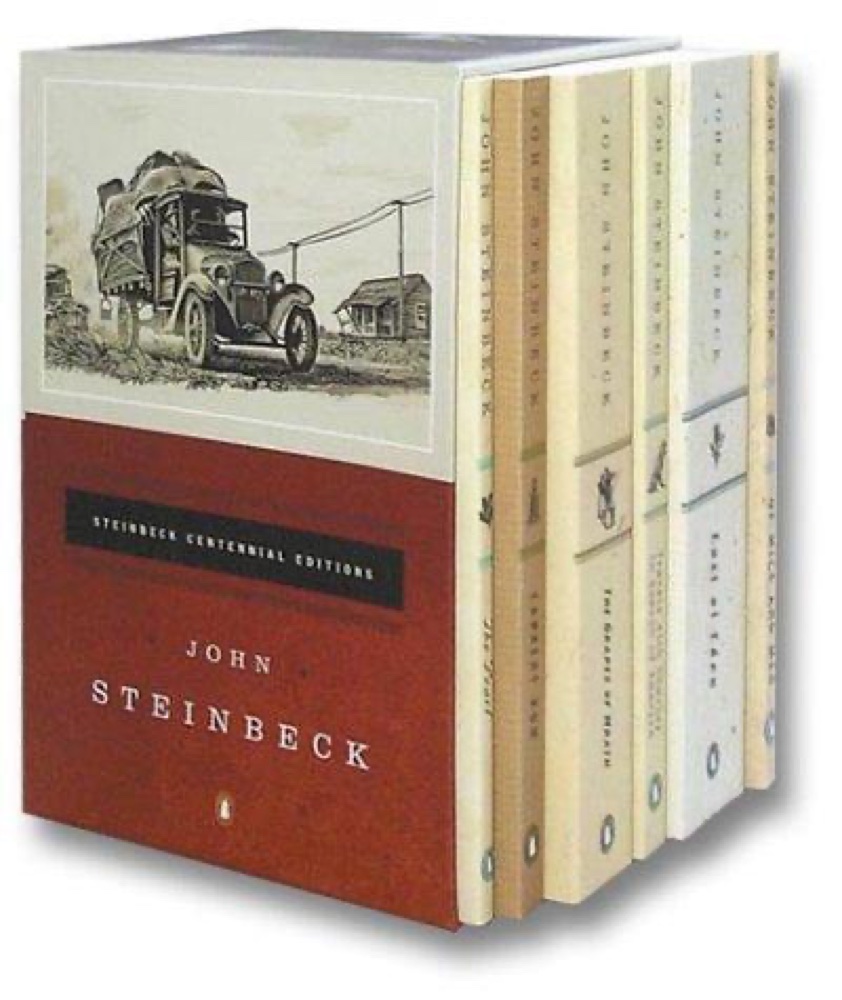 Travels with Charley: In Search of America
 Ilustrado
 A Long Way Down
 Pulp: Charles Bukowski's Final Hardboiled Noir Comedy – Lady Death, Aliens, and the Absurd
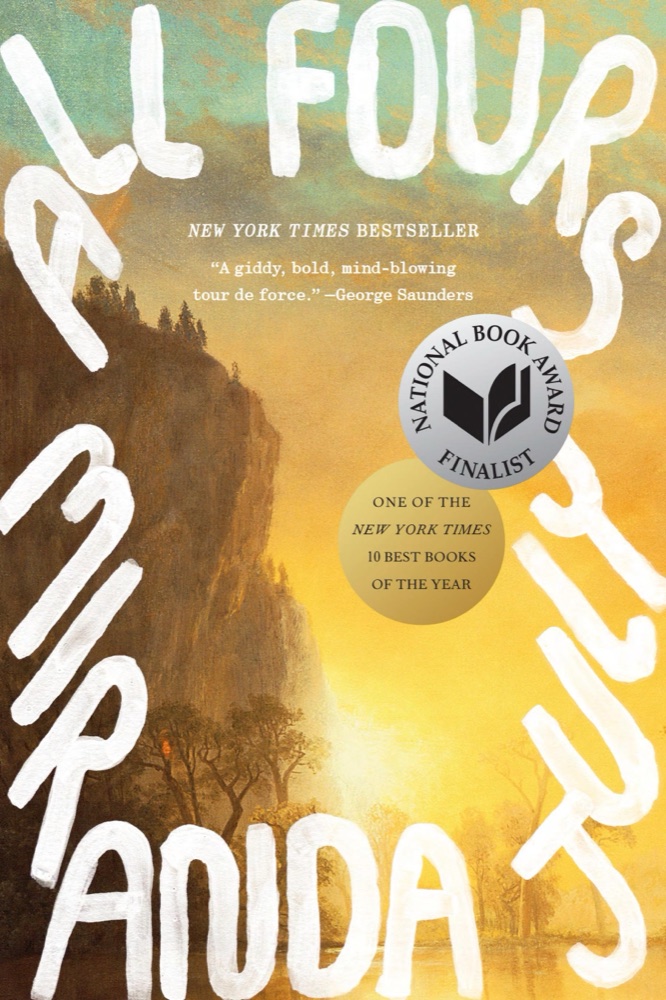 All Fours
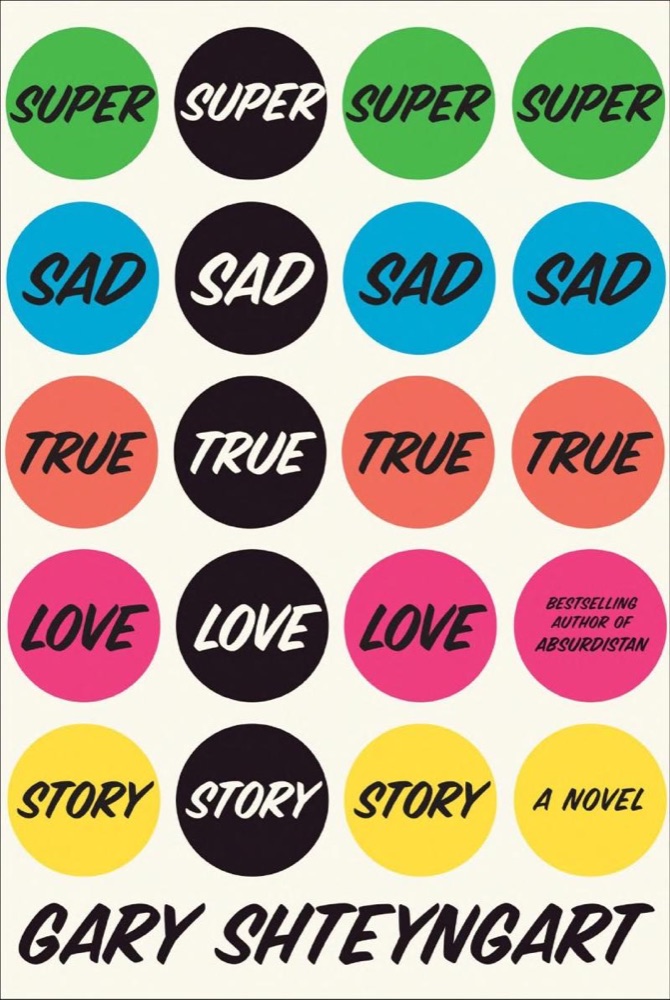 Super Sad True Love Story
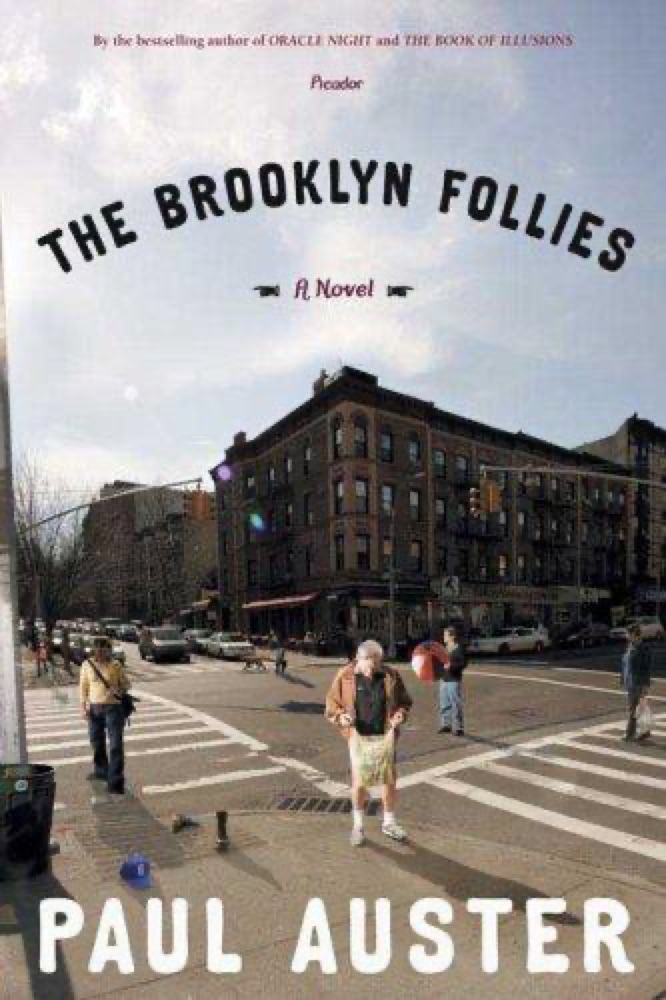 The Brooklyn Follies
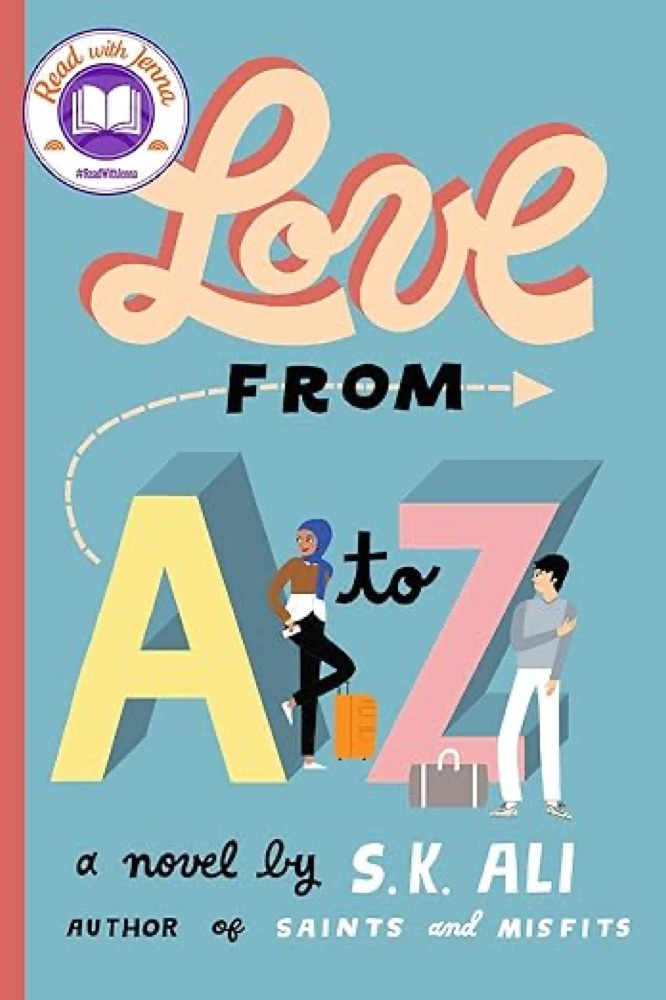 Love from A to Z
 And the Mountains Echoed
 Little Failure: A Memoir
 Stay Awake
 Blackfish City
 The Ground Beneath Her Feet