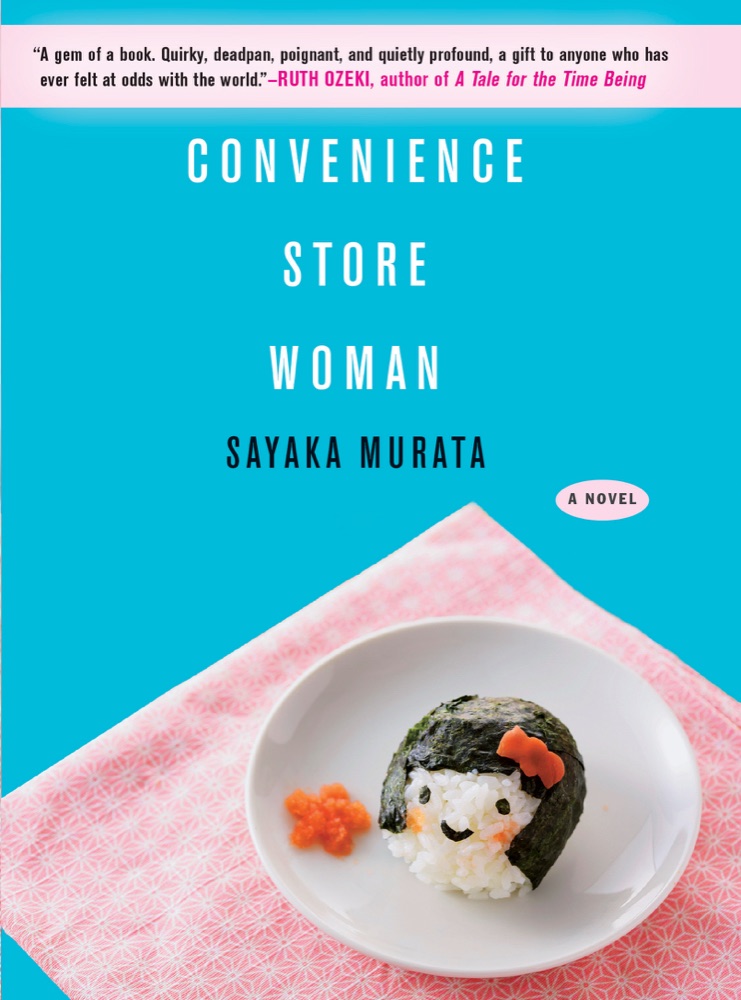
 Convenience Store Woman
Quotes from the Book
What I'm really scared of is believing the words society makes me speak are my own.
123
How long do we have to just survive? When will we be able to live rather than just focus on surviving?
93
People can easily pass judgment on others when they’re protected by their own normality.
88
It's really hard to put into words things that are just a little bit not okay.
82
Society was a system for falling in love. People who couldn't fall in love had to fake it. What came first: the system or love?
41
I was a tool for the town's good, in two senses. Firstly, I had to study hard to become a work tool. Secondly, I had to be a good girl, so I could become a reproductive organ for the town.
33
The sooner I was brainwashed the better. That way I would no longer suffer.
26
The grown-ups, who did what society wanted of them, were shaken by those of us who did not.
24
My town is a factory for the production of human babies. People live in nests packed closely together. It's just like the silkworm room in Granny's house. The nests are lined up neatly in rows, and each contains a breeding pair of male and female humans and their babies. The breeding pairs raise their young inside their nests. The Baby Factory produces humans connected by flesh and blood. Eventually we children will also leave the factory and be shipped out. Once shipped out, male and female humans are trained how to take food back to their own nests. They become society's tools, receive money from other humans, and purchase food. Eventually these young humans also form breeding pairs, coop themselves up in new nests, and manufacture more babies.
23
The person who had given birth to me said I was a dead loss, so I decided it really must be true.
22
I had never been given any affirmation at home, so I was hungry for praise. When I was complimented, even on a whim by a hysterical teacher, my chest grew hot, and for some reason I felt like crying.
18
Everyone believed in the Factory. Everyone was brainwashed by the Factory and did as they were told. They all used their reproductive organs for the Factory and did their jobs for the sake of the Factory. My husband and I were people they’d failed to brainwash, and anyone who remained unbrainwashed had to keep up an act in order to avoid being eliminated by the Factory.
18
When will we be able to live rather than just focusing on surviving?
18
Love is a drug made in the brain to enable humans to mate. It’s simply an anesthetic. In other words, it’s an illusion made to prettify the painful mating act, to reduce the suffering and disgust of the sexual act. We might be able to use this anesthetic if we’re ever in pain. But for now I don’t think it’s necessary.
16
Deep down everyone hates work and sex, you know. They're just hypnotized into thinking that they're great.
15
Normality was contagious, and exposure to the infection was necessary to keep up with it.
12
It took all my effort just to remain at my zero level without becoming a minus.
11
It’s hard to put into words that things are just a little bit not OK.
11
Magical powers. I have to summon my magical powers. The power of darkness, the power of wind—any magical power will do, but I need something. I have to use my magical powers on my whole body before my heart feels anything.
10
Family" is hard work I thought.
10
I've been given my freedom, but I'm not any good at being free.
8
Firstly, I had to study hard to become a work tool. Secondly, I had to be a good girl, so that I could become a reproductive organ for the town. I would probably be a failure on both counts, I thought.
8
Even as an adult, my sister entrusted the keys of her life to other people. Didnt that scare her? How could she be so cheerful?
8
Deep in the mountains of Akishina where Granny and Grandpa live, fragments of night linger even at midday.
8
My womb was a factory component and would couple with someone's testes, which were also a factory component, in order to produce babies. [...] If we couldn't find his spaceship, society would make me form a breeding pair with someone else. I hoped we would find the spaceship before that happened.
7
Children’s lives never belong to them. The grown-ups own us. If your mom abandons you, you won’t be able to eat, and you can’t go anywhere without help from a grown-up. It’s the same for all children.” He reached out a hand to cut a flower from the bed. “That’s why we have to try hard to survive until we’ve grown up ourselves.
6
It’s handy having a dumpster in the house. In this house, that’s my role. When Dad and Mom and Kise get so fed up they can’t bear it any longer, they dump everything onto me.
6
Sometimes I thought being a Popinpobopian was effectively a mental illness that I had needed in order to protect myself, and the only way I would ever recover was by becoming a slave of the Factory.
6
From the tone of her voice, it was clear that my sister was not speaking for herself but on behalf of society. I envied her ability to do that.
6
Did you know?
- The novel was originally published in Japan in 2018 under the title "Chikyu Seijin" by Shinchosha.
- The English translation by Ginny Tapley Takemori was published by Grove Press in October 2020.
- It was Murata's follow-up to her internationally bestselling, Akutagawa Prize-winning novel "Convenience Store Woman."
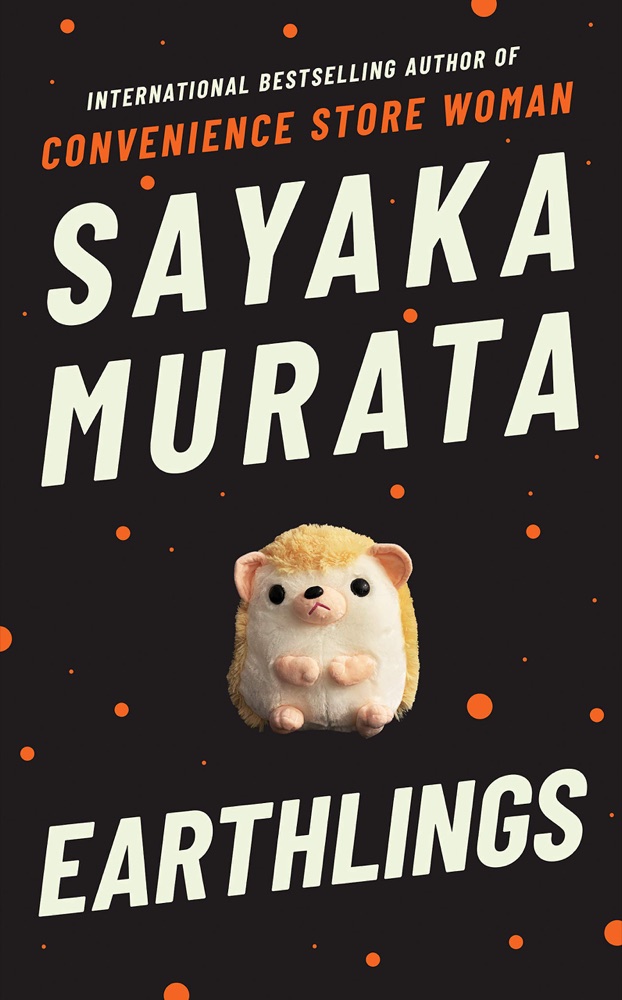
- The story features a toy hedgehog named Piyyut who claims to be from the planet Popinpobopia.
- The book was a bestseller in Japan and was named a Most Anticipated Book by numerous outlets including The Guardian, Time, and USA Today.
About Sayaka Murata
Sayaka Murata is a Japanese writer born in 1979 whose novel "Convenience Store Woman" won the 2016 Akutagawa Prize, Japan's most prestigious literary award. She worked part-time in a convenience store for many years while writing, and her fiction is known for its deadpan examination of social conformity and outsiders.
More about the author →More by Sayaka Murata
Convenience Store Woman
 Life Ceremony
About the book
"Earthlings" follows Natsuki, a neglected and abused girl who copes with a hostile childhood by believing she is an alien sent to Earth, aided by a toy hedgehog named Piyyut who claims to come from the planet Popinpobopia. She forms an intense bond with her cousin Yuu, who shares her conviction that they do not belong among ordinary humans. Years later, as a withdrawn adult in a marriage of convenience, Natsuki returns to her grandparents' mountain house with her husband and Yuu, where the three retreat from society and pursue their own rules for living.
At its core the novel attacks conformity, examining the pressure to marry, reproduce, and serve what Natsuki bitterly calls the "baby factory" of society. Murata writes alienation, abuse, and survival in flat, deadpan prose, using the framing of extraterrestrial identity to expose the violence and arbitrariness of social norms. The book pushes far past her earlier work into transgressive territory, building toward a deliberately shocking conclusion involving taboo and brutality.
Originally published in Japan in 2018 as "Chikyu Seijin" and released in English in 2020 in Ginny Tapley Takemori's translation, the novel followed the international success of "Convenience Store Woman." It was a bestseller in Japan and was named a Best Book of the Year by outlets including The New York Times, Time, and Literary Hub, with critics praising its dark humor and unsettling vision even as many noted how disturbing its final pages are.
Key characters
- NatsukiNeglected girl, later a withdrawn adult, who believes she is an alien
- YuuNatsuki's cousin, who shares her conviction that they are not earthlings
- PiyyutNatsuki's toy hedgehog, said to come from the planet Popinpobopia
- TomoyaNatsuki's husband in a sexless marriage of convenience
Book details
- First published
- 2018
- Length
- 247 pages
- Reading time
- 4 hours
- Author
- Sayaka Murata
- Genre
- Horror
- Goodreads rating
- 3.60 (108k ratings)
Critical reception
- Named a Best Book of the Year by The New York Times, Time, and Literary Hub.
- A bestseller in Japan, where reviewers praised Murata's oddball heroine and deadpan wit.
- Widely reviewed in English-language outlets, with critics noting both its dark humor and its disturbing, transgressive content.
Keep reading
 Joan Is Okay
 The Bean Trees
 The Spirit Bares Its Teeth
Convenience Store Woman
The Spirit Bares Its Teeth
Convenience Store Woman
 Idol, Burning
 Every Exquisite Thing
 Real World
 Breasts and Eggs
 The Apocalypse of Elena Mendoza
 Rainbow Black
 The Girl Who Smiled Beads: A Story of War and What Comes After
 Women We Buried, Women We Burned: A Memoir
 Sweet Bean Paste
 All Fours
 No Longer Human
 Nervous Conditions
 The House of Hidden Meanings
 Heart Berries
 Middlesex
 We Were Dreamers: An Immigrant Superhero Origin Story
 Dream Count
 Mad Honey
 The Likeness
 In the Miso Soup
 The First Bad Man
 Home
Home
 The Long Hard Road Out of Hell
 Ninth House
 The Grace Year
 The Long Way to a Small, Angry Planet
 Nice Try, Jane Sinner
 Somebody's Daughter
 Chlorine
 The Art of Starving
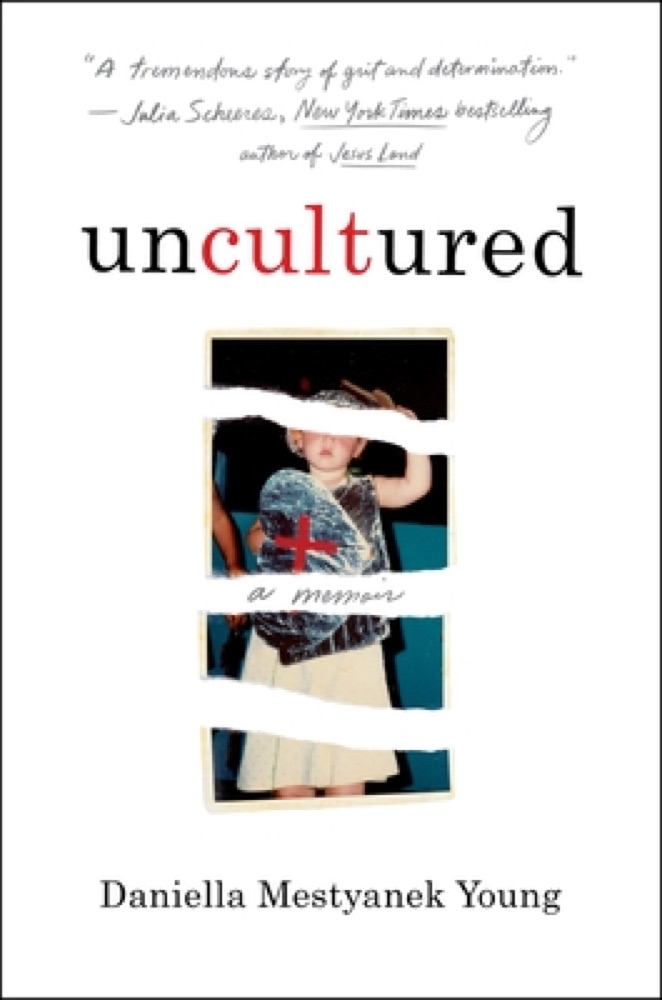 Uncultured: A Memoir
 The Nobleman's Guide to Scandal and Shipwrecks
 In The Blood
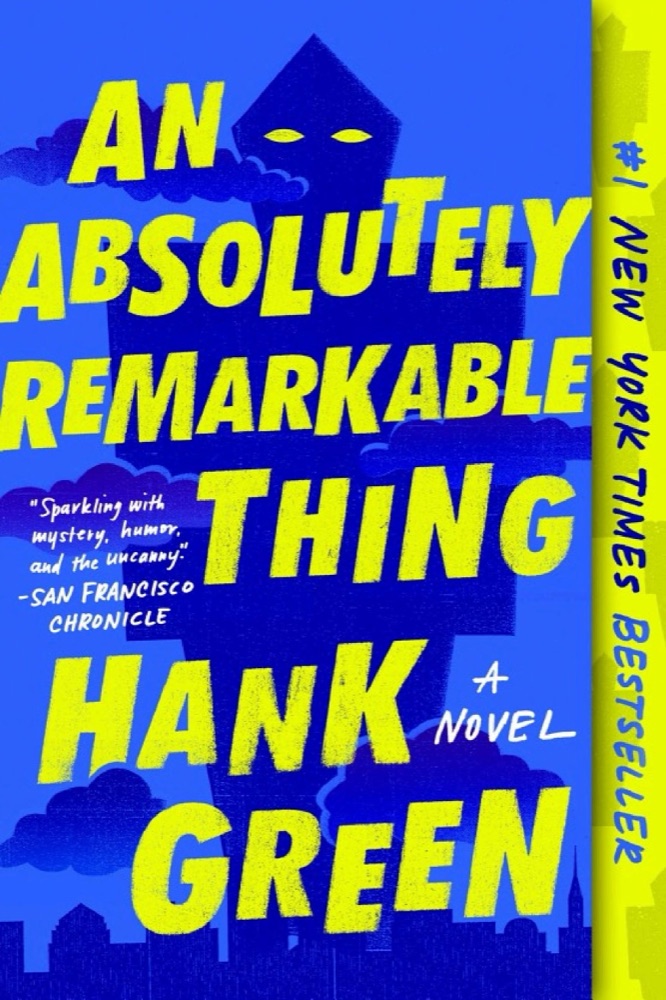 An Absolutely Remarkable Thing
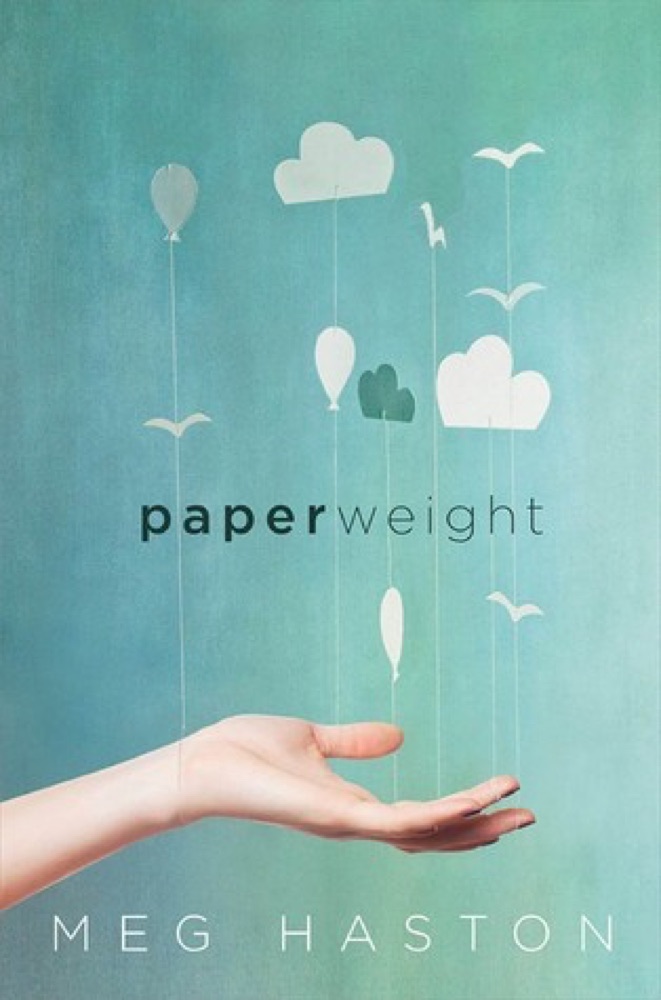 Paperweight
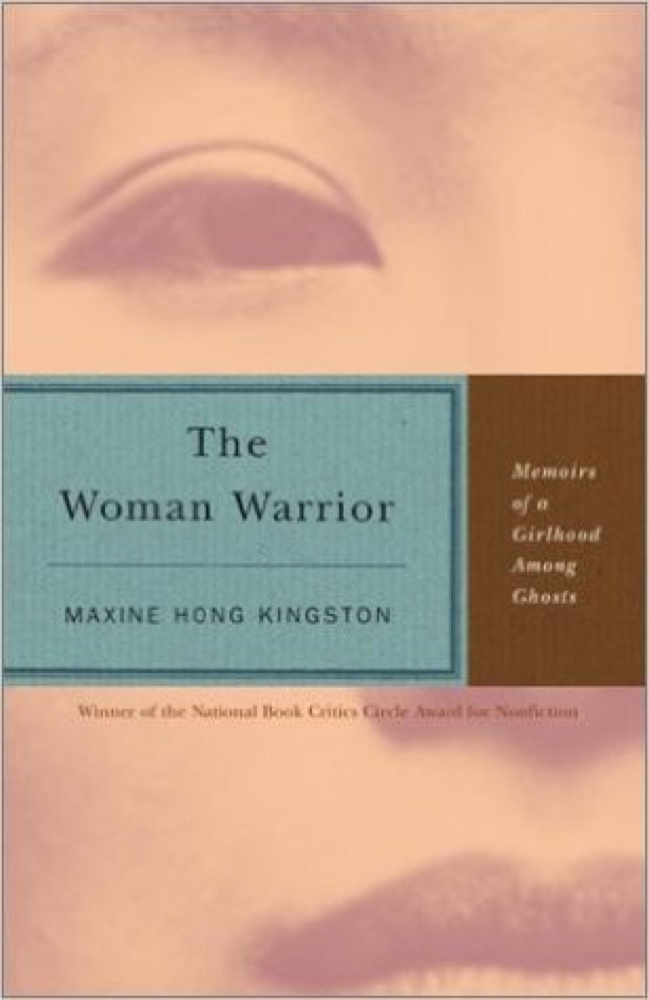 The Woman Warrior
 A Stolen Life
 All the Birds in the Sky
 Maid: Hard Work, Low Pay, and a Mother's Will to Survive
 Almond
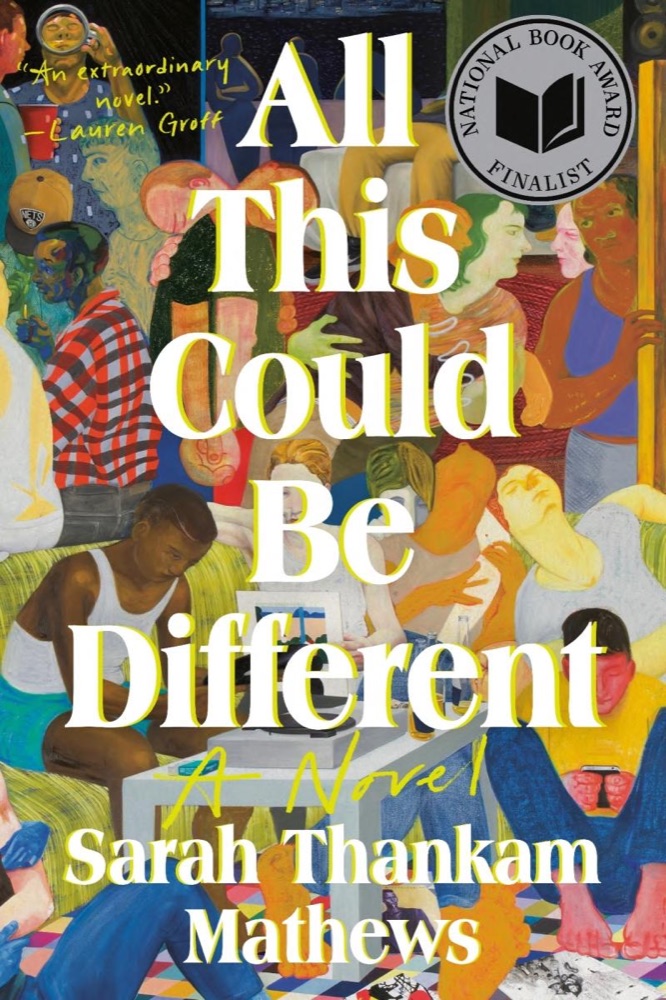 All This Could Be Different
 They Call Her Dirty Sally
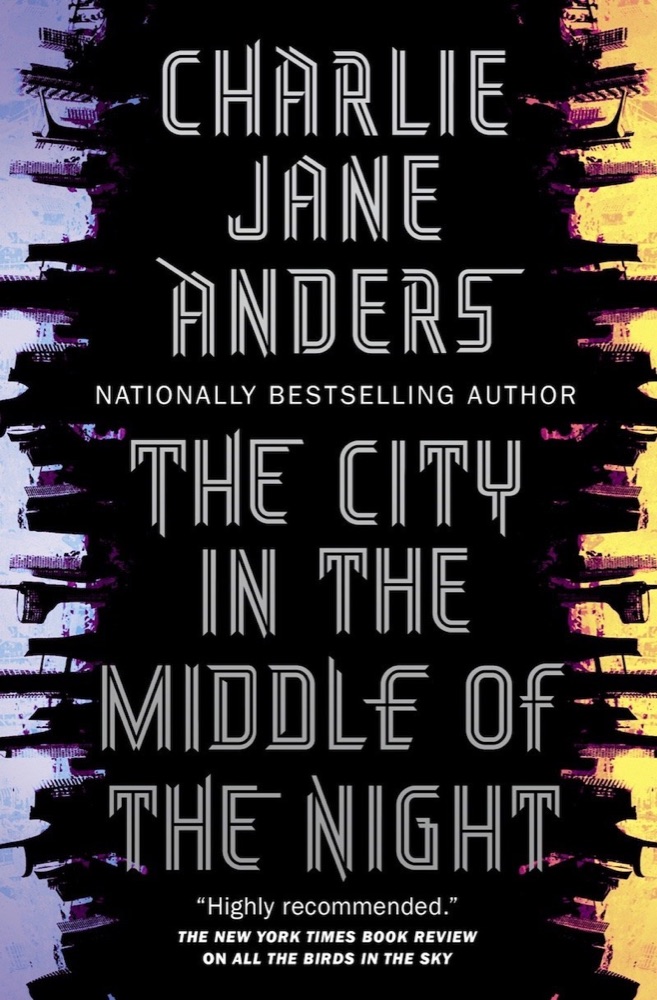 The City in the Middle of the Night
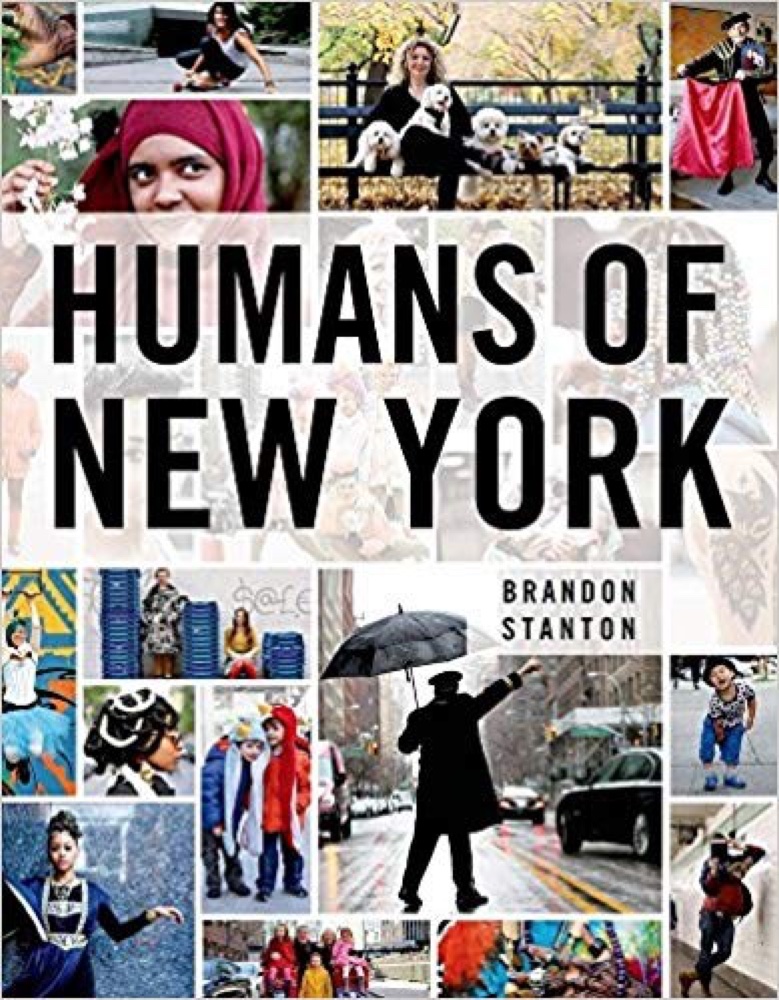 Humans of New York
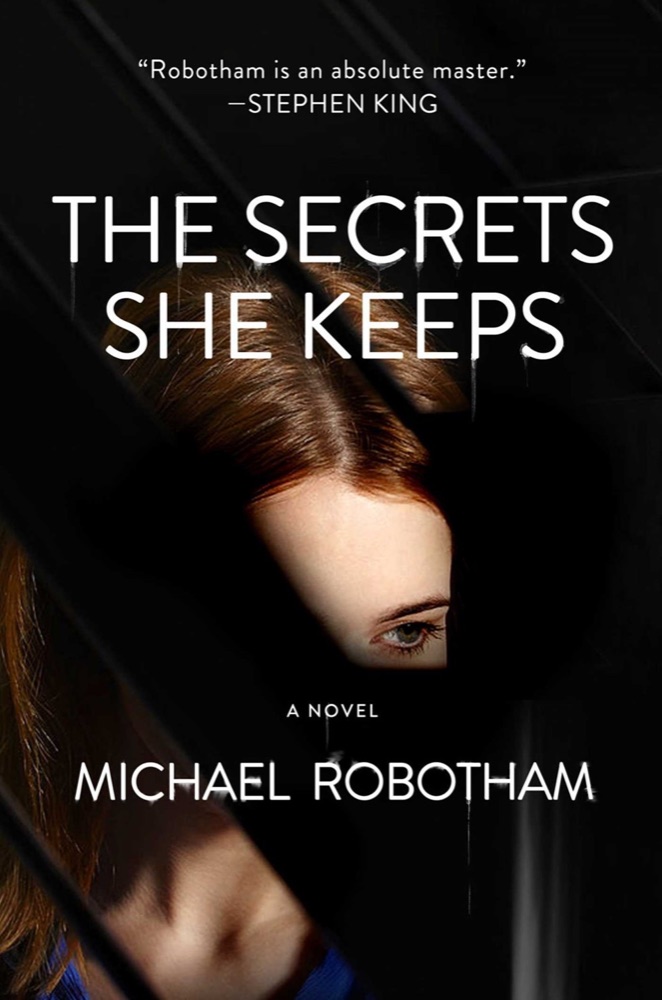 The Secrets She Keeps
 Yesteryear
 Delicacy
 The Tell: A Memoir
 Belong to Me
 Some Assembly Required: A Journal of My Son's First Son
 Shanghai Girls
 Demon Copperhead
 The Handmaid's Tale
 Terminal Boredom: Stories
 Notes of a Crocodile
 Worm
Worm