
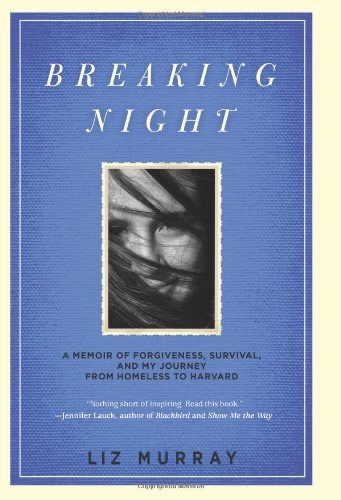
 Breaking Night: A Memoir of Forgiveness, Survival, and My Journey from Homeless to Harvard
Quotes from the Book
my past would be the price of my future, but only after it devastated me.
3
Adults viewed suicidal ideation as a pathology. But for me it was logic. Weighing the bad against the good, projecting forward to decide if life was worth sticking around for.
2
I recognized the emphasis on “grit” as a final throwing up of hands. Kids too young to speak would be held responsible for their own problems. It didn’t matter how they were wronged, or how preventable the harm; their job was to contain the damage, making the blast zone smaller by absorbing all the impact. When flagrant affronts drew the ire of society—like migrant children separated from their families and detained in tent cities, oil fields, and a converted Walmart—I found myself numb. Maybe it’s for the better, I thought. Maybe the adversity will make them stronger. The doctrine of “anything bad can be alchemized into something good” had been so drilled into me that it seemed to apply even in this extreme situation. I was horrified by the logic I’d internalized. The whole song and dance of resilience chipped away at my humanity. It required a profound lack of empathy. It erased any pain, no matter how great, as long as it resulted in productivity.
2
Everyone who dealt with disadvantaged kids, from therapists to college admissions officers, treated us as if we could overcome any abuse or neglect with sheer force of will.
1
Instead of making a life that would redeem the past—an impossible feat—I sought out a life that I could live with.
1
The whole song and dance of resilience chipped away at my humanity. It required a profound lack of empathy. It erased any pain, no matter how great, as long as it resulted in productivity.
1
There were so few acceptable ways to need help.
1
It seemed clear no one cared about my experience when I just said it. But if I could write well enough, I could trick a reader into caring.
1
Any exclusive system is a system of exclusion.
I took for granted that, no matter what happened in my life, I could escape into my ambitions; they would transport me to a future where the way I grew up couldn’t matter less.
had spent my young adulthood desperate for redemption, striving to make everything that happened “for the best.” It would only be a good story, I believed, if it had the happiest ending. I had to take tragedy and twist it into triumph. Otherwise, I would be pathetic, if not forever broken. But the man’s email revealed a third option: I was allowed to be affected. I was allowed to be changed.
For the first time, I saw that punishment was not the best, or only, way to compel change. The cheap way was to kick people out or exclude them in the first place and make them feel like they weren’t good enough. The hard way was to ensure their success.
That was the ploy of art: to trick people into listening to me when they’d otherwise disregard my perspective in favor of more convenient narratives.
My interrogators asked me about everything I left out, forcing me to account for all of my imperfections. It seemed deeply unjust that I could omit the ways I’d fucked up when others could not—I assumed the other applicants were completely forthcoming with their tribulations and mistakes. Otherwise, wouldn’t their parents tell on them? The idea of adults shielding kids from their mistakes seemed bizarre. On the contrary, I figured everyone else’s parents were busy airing grievances with their children, too.
For both of my parents, emotions created their own reality. It was up to me, as their child, to assimilate their points of view, even when they contradicted what I considered facts.
Watch on YouTube
About Emi Nietfeld
We have collected 15 quotes from 1 book by Emi Nietfeld on BookQuoters.
More about the author →About the book
A luminous, generation-defining memoir of foster care and homelessness, Harvard and Big Tech, examining society's fixation on resilience--and its cost
As a homeless teenager writing college essays in her '92 Toyota Corolla, Emi Nietfeld was convinced that an elite school was the only path away from her dysfunctional childhood. But upward mobility required crafting the perfect resilience narrative, proving that she was an "overcomer," made stronger by all that she had endured.
The truth was far murkier. Emi's mom was a charming hoarder who had her put on antipsychotics, but believed in her daughter's brilliance--unlike the Minnesotan foster family who banned her "pornographic" art history flash cards (of Michelangelo's David). Emi's other parent's departure from her life was tied up in a gender transition that few in the mid-2000s understood. Her own past was filled with facts that
Book details
- First published
- 2022
- Author
- Emi Nietfeld
- Genre
- Biography
- Goodreads rating
- 4.19 (4k ratings)
The buzz
- The New York TimesReview in The New York Timesprofessional review (via Book Marks)
- NPRReview in NPRprofessional review (via Book Marks)
- Kirkus ReviewsReview in Kirkus Reviewsprofessional review (via Book Marks)
- Publishers WeeklyReview in Publishers Weeklyprofessional review (via Book Marks)
- BooklistReview in Booklistprofessional review (via Book Marks)
- SouthernreviewofbooksReview in Southernreviewofbooksprofessional review (via Book Marks)
Keep reading
Breaking Night: A Memoir of Forgiveness, Survival, and My Journey from Homeless to Harvard
 Get Me Out of Here: My Recovery from Borderline Personality Disorder
 We Were Dreamers: An Immigrant Superhero Origin Story
 Lucky
Lucky
 Somebody's Daughter
 Transit
 No One Tells You This
 Educated
 The Tell: A Memoir
 One's Company
 Women We Buried, Women We Burned: A Memoir
 All But My Life: A Memoir
 Fire Shut Up in My Bones: A Memoir
 How We Fight For Our Lives
 My Beloved World
 Inside Out
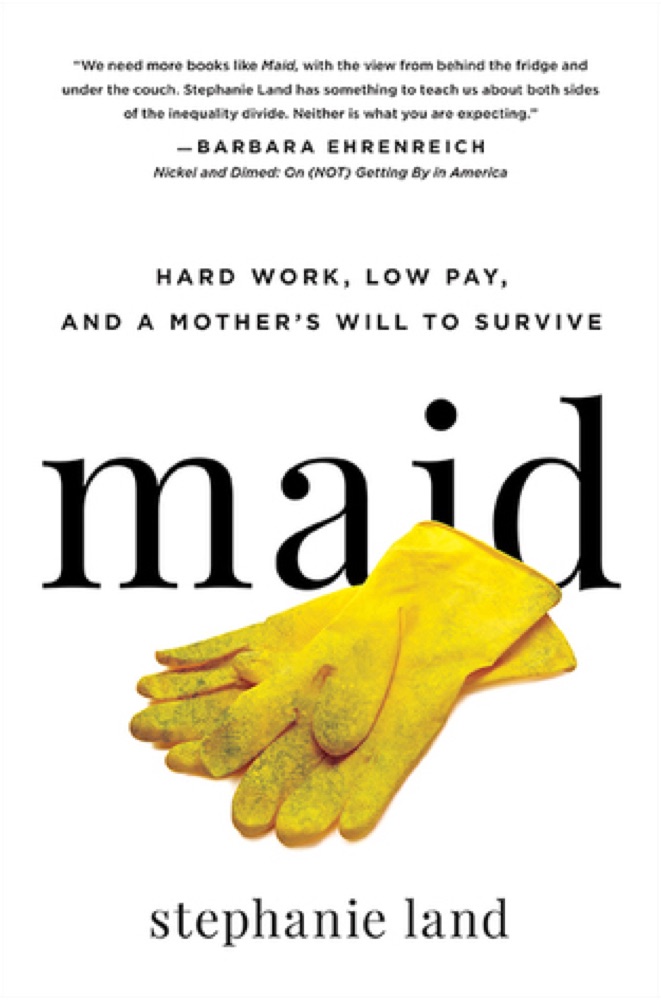 Maid: Hard Work, Low Pay, and a Mother's Will to Survive
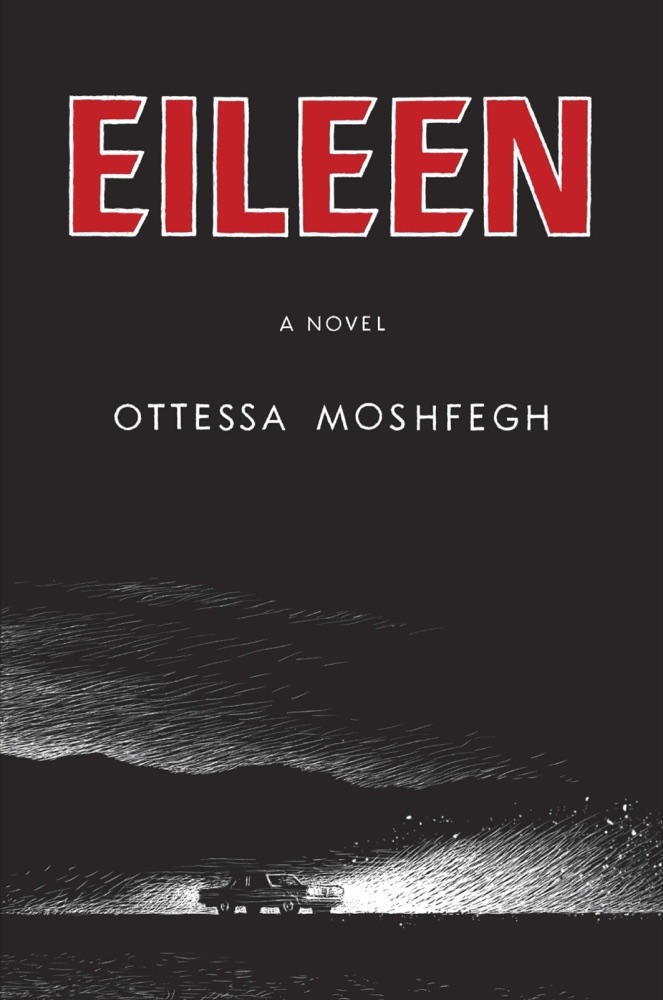 Eileen
 The Story of a New Name
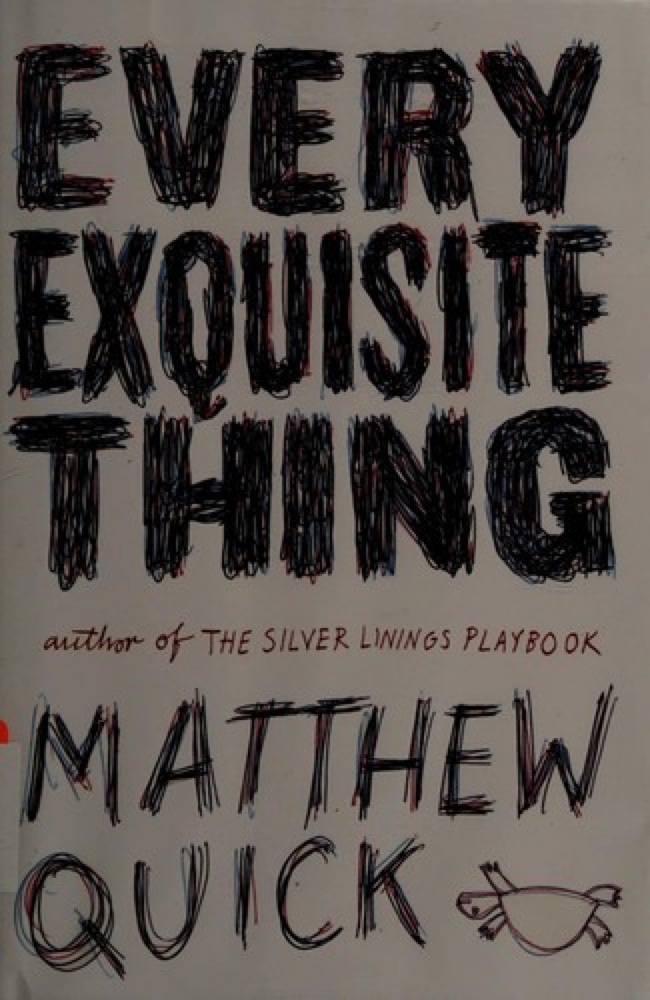 Every Exquisite Thing
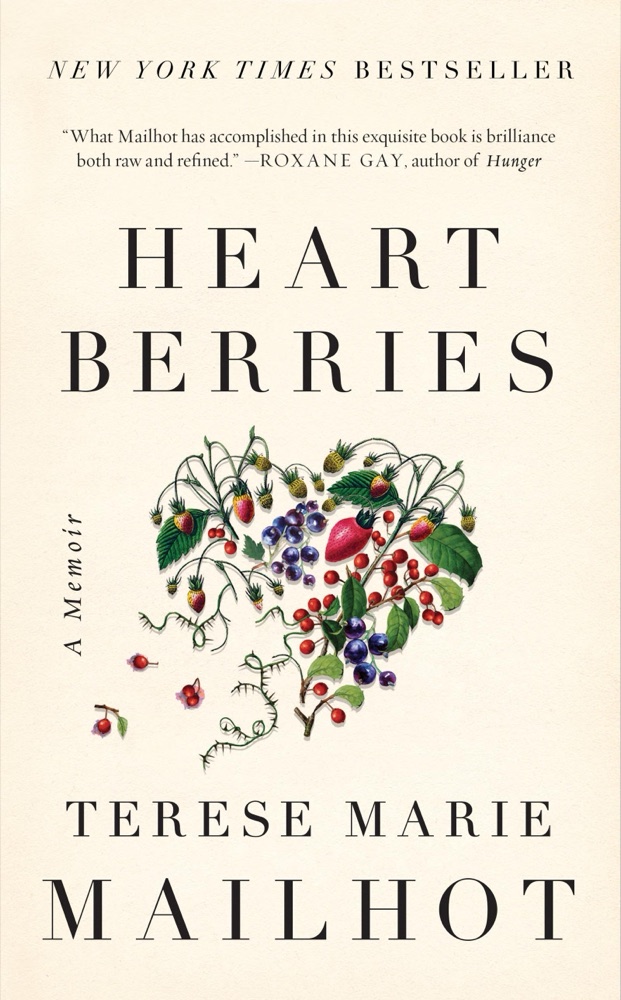 Heart Berries
 The Story of the Lost Child
 Just Ignore Him
 The Office of Historical Corrections
 All Fours
 Dreams of Falling
 They Called Us Exceptional: And Other Lies That Raised Us
 Autobiography of a Face
 Dyscalculia: A Love Story of Epic Miscalculation
 Heavy
Heavy
 I Have Some Questions for You
 Mother Mary Comes to Me
 The Girl Who Smiled Beads: A Story of War and What Comes After
 Scenes from My Life: A Memoir
 The Sweet Hereafter
 Uncultured: A Memoir
 Wild: From Lost to Found on the Pacific Crest Trail
 Very Good Lives: The Fringe Benefits of Failure and the Importance of Imagination
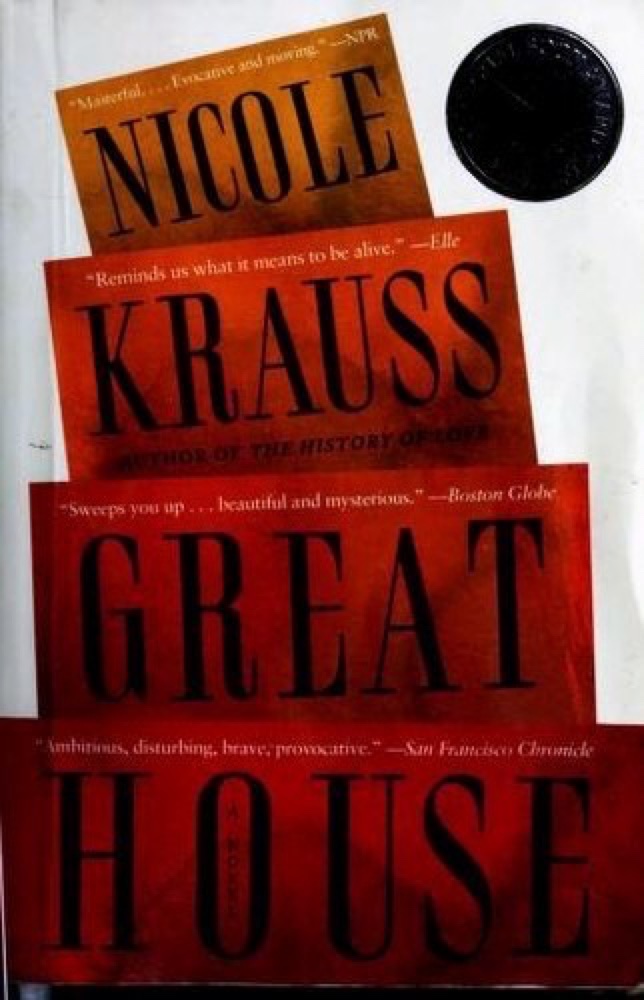 Great House
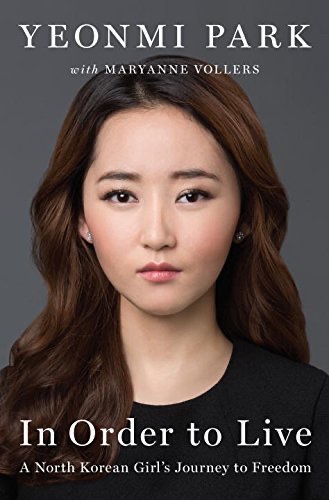 In Order to Live: A North Korean Girl's Journey to Freedom
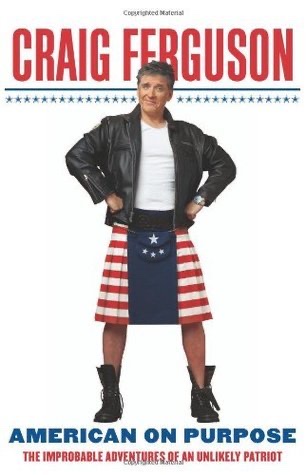 American on Purpose: The Improbable Adventures of an Unlikely Patriot
 Revolutionary Road
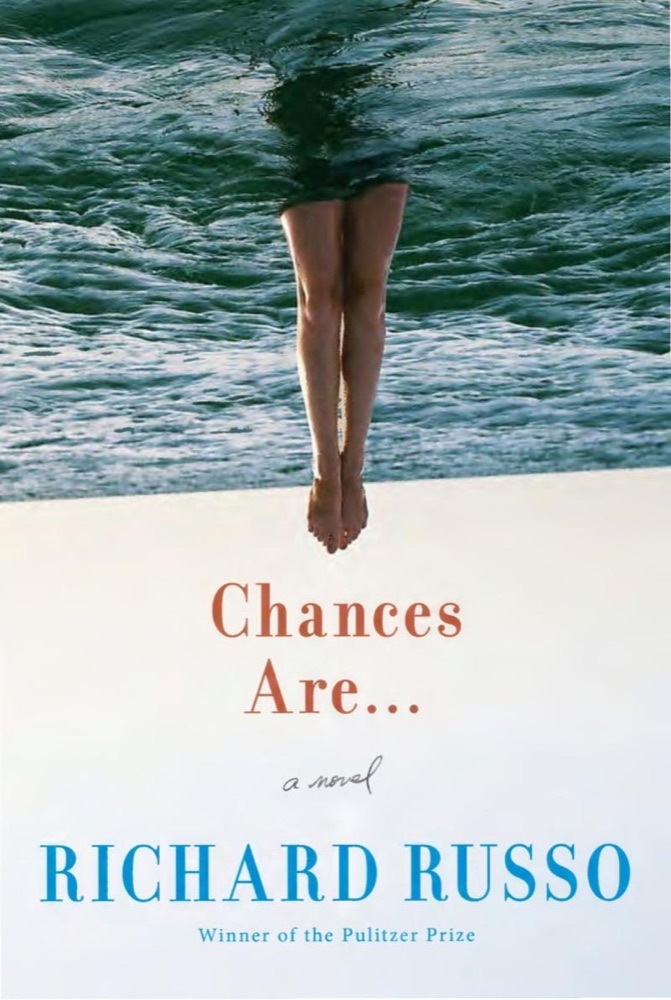 Chances Are...
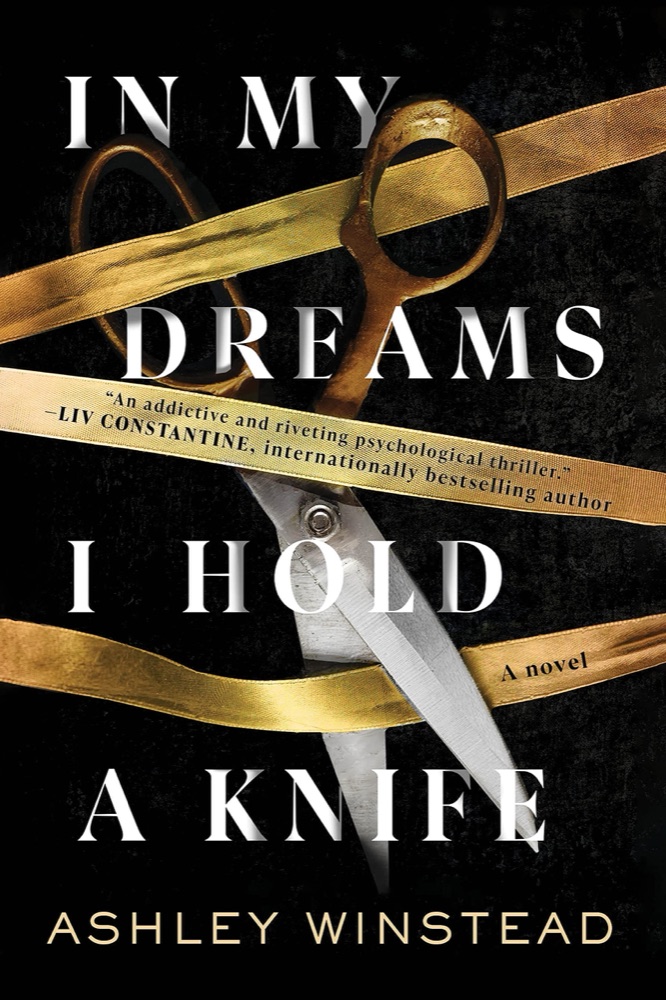 In My Dreams I Hold a Knife
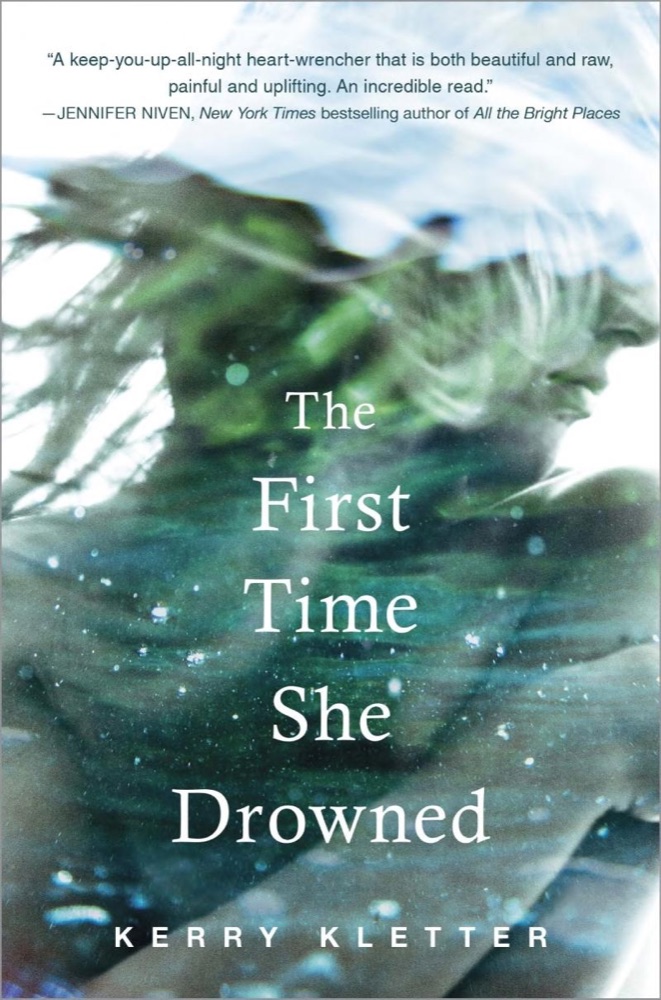 The First Time She Drowned
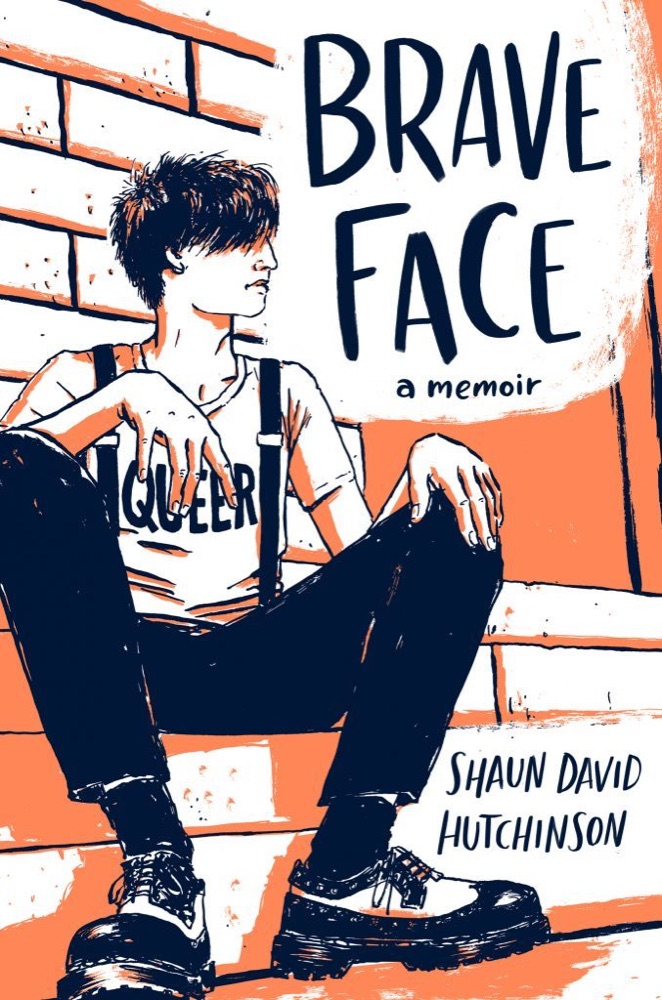 Brave Face
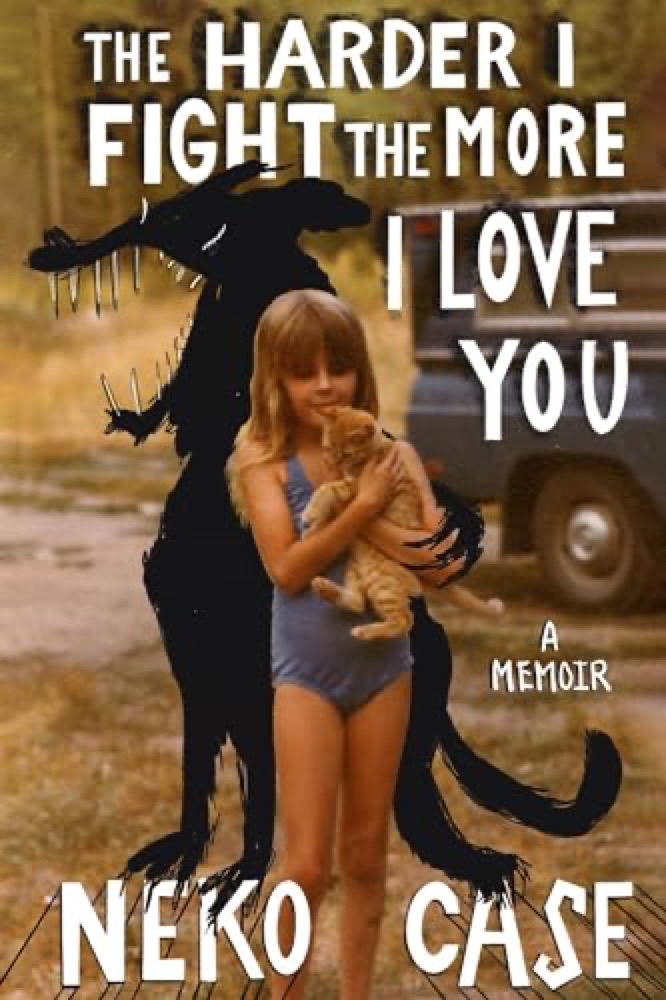 The Harder I Fight the More I Love You: A Memoir
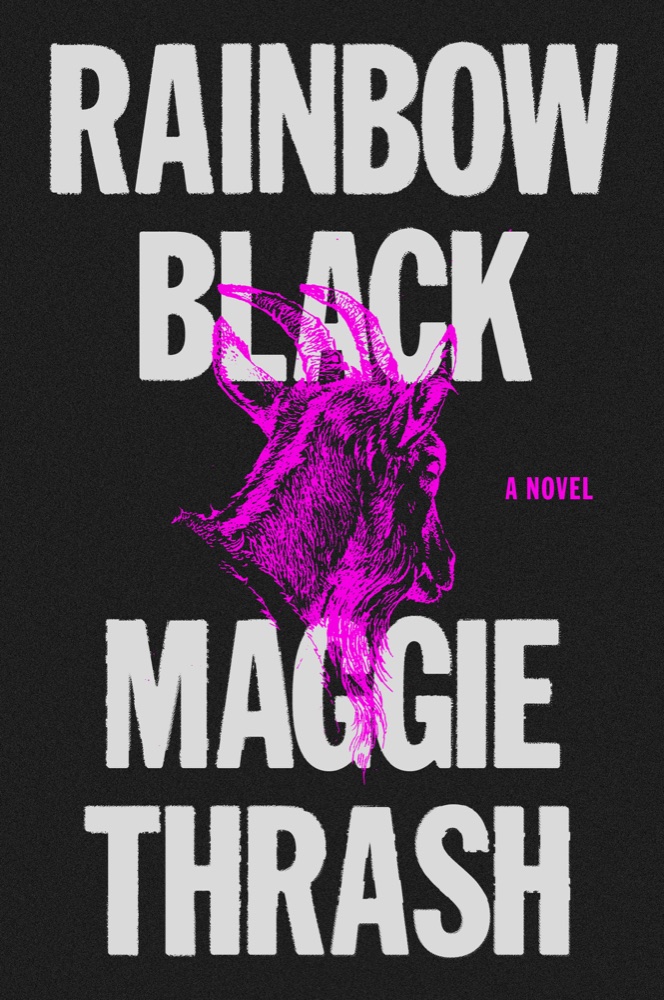 Rainbow Black
 Joan Is Okay
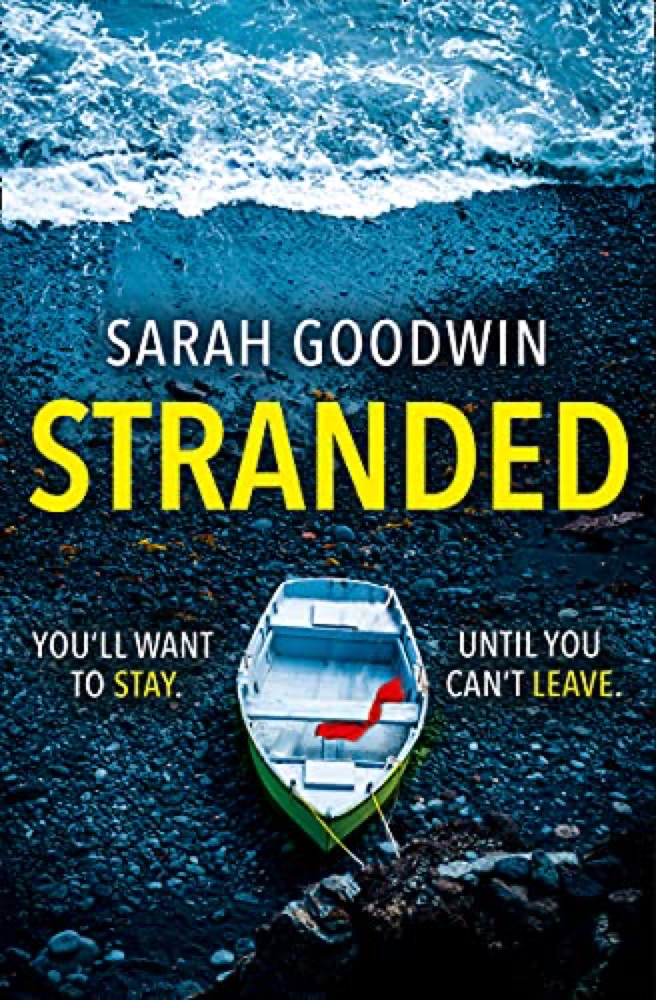 Stranded
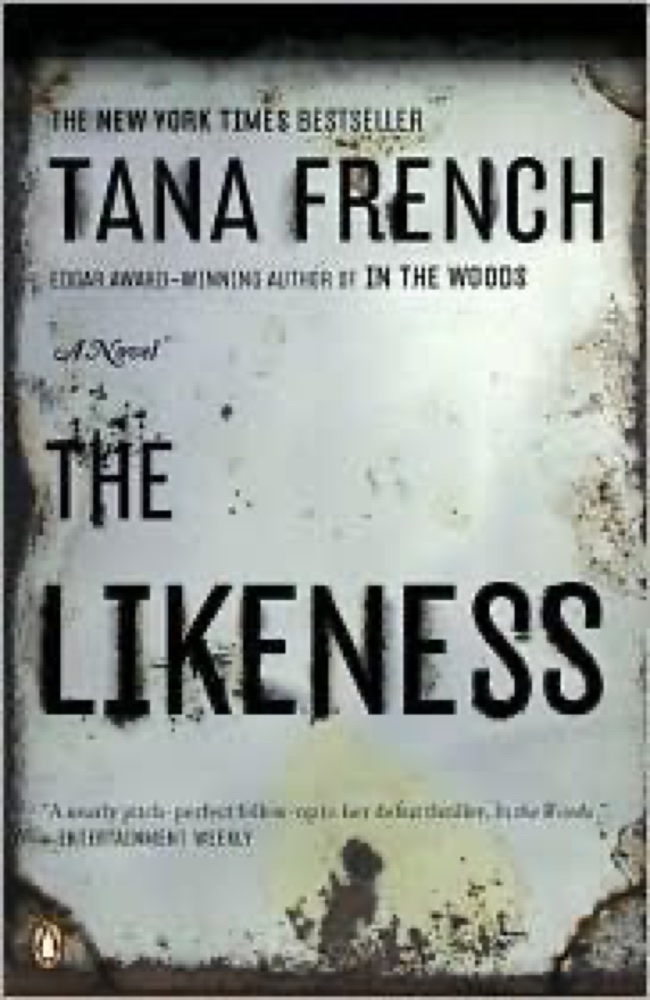 The Likeness
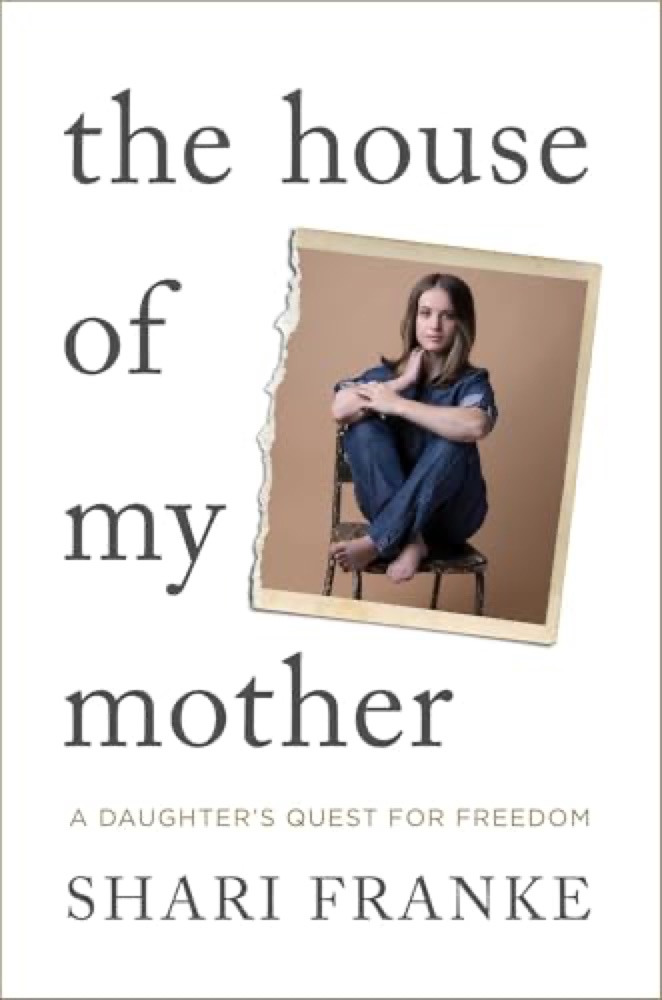 The House of My Mother: A Daughter's Quest for Freedom
 Girl in the Woods: A Memoir
 Conversations with Friends
 Managing Expectations: A Memoir in Essays – A Poignant Collection of Personal Stories on Acting, Failure, and Motherhood's Joy
 Outline
 We Have Always Been Here: A Queer Muslim Memoir
 Testament of Youth
 Truth & Beauty
 The Yearbook