
 The Resurrection of the Son of God
Quotes from the Book
The point [of the gospels] is not whether Jesus is God, but what God is doing in and through Jesus. What is this embodied God up to?
9
When 'biblical' theologies ignore the gospels, something is clearly very wrong." (on atonement theories)
8
New creation itself has begun, they are saying, and will be completed. Jesus is ruling over that new creation and making it happen through the witness of his church. “The ruler of this world” has been overthrown; the powers of the world have been led behind Jesus’s triumphal procession as a beaten, bedraggled rabble. And that is how God is becoming king on earth as in heaven. That is the truth the gospels are eager to tell us, the
4
The gospels were all about God becoming king, but the creeds are focused on Jesus being God.
4
Jesus himself is the new Temple at the heart of the new creation, against that day when the whole earth shall be filled with the glory of God as the waters cover the sea. And so this Temple, like the wilderness tabernacle, is a temple on the move, as Jesus's people go out, in the energy of the Spirit, to be the dwelling of God in each place, to anticipate that eventual promise by their common and cross-shaped life and work.
4
But the failure of Christianity is a modern myth, and we shouldn’t be ashamed of telling the proper story of church history, which of course has plenty of muddle and wickedness, but also far more than we normally imagine of love and creativity and beauty and justice and healing and education and hope. To
3
Our questions have been wrongly put, because they haven’t been about the kingdom. They haven’t been about God’s sovereign, saving rule coming on earth as in heaven. Instead, our questions have been about a “salvation” that rescues people from the world, instead of for the world. “Going to heaven” has been the object (ever since the Middle Ages at least, in the Western church); “sin” is what stops us from getting there; so the cross must deal with sin, so that we can leave this world and go to the much better one in the sky, or in “eternity,” or wherever. But this is simply untrue to the story the gospels are telling—which, again, explains why we’ve all misread these wonderful texts. Whatever the cross achieves must be articulated, if we are to take the four gospels seriously, within the context of the kingdom-bringing victory.
3
The gospels offer us not so much a different kind of human, but a different kind of God: a God who, having made humans in his own image, will most naturally express himself in and as that image-bearing creature; a God who, having made Israel to share and bear the pain and horror of the world, will most naturally express himself in and as that pain-bearing, horror-facing creature. This is perhaps the most difficult thing for us to keep in mind, though the gospels are inviting us to do so on every page.
3
The story Matthew, Mark, Luke, and John tell is the story of how God became king—in and through Jesus both in his public career and in his death.
2
And of course the reason the Enlightenment has taught us to trash our own history, to say that Christianity is part of the problem, is that it has had a rival eschatology to promote. It couldn’t allow Christianity to claim that world history turned its great corner when Jesus of Nazareth died and rose again, because it wanted to claim that world history turned its great corner in Europe in the eighteenth century. “All that went before,” it says, “is superstition and mumbo-jumbo. We have now seen the great light, and our modern science, technology, philosophy, and politics have ushered in the new order of the ages.” That
2
In fact, what we call “politics” and what we call “religion” (and for that matter what we call “culture,” “philosophy,” “theology,” and lots of other things besides) were not experienced or thought of in the first century as separable entities. This was just as true, actually, for the Greeks and the Romans as it was for the Jews.
2
To speak of Jesus’s divinity without speaking of his kingdom coming on earth as in heaven is to take a large step toward the detached spirituality—almost a form of Gnosticism—that the first two centuries of the church firmly rejected. Only recently did the awful realization dawn on me that a certain stance was not only possible, but actually occurring: people were affirming the divinity of Jesus—which I also fully and gladly affirm—and then using it as a shelter behind which to hide from the radical story the gospels were telling about what this embodied God was actually up to.
2
To this day, whenever people take it upon themselves to explore the divinity of Jesus, there is at the very least a tendency for the theme of God’s kingdom, coming on earth as in heaven, to be quietly lost from view. It is as though a young man spent all his time proving that he really was his father’s son and left no time or energy for working with his father in the family business—which would, actually, be one of the better ways of demonstrating the family likeness. The gospels don’t make that mistake. It is by his inaugurating of God’s kingdom, in his public career and on the cross, that Jesus reveals the father’s glory.
2
It is possible, it seems, to affirm everything the creed says—especially Jesus’s “divine” status and his bodily resurrection—but to know nothing of what the gospel writers were trying to say. Something is seriously wrong here.
2
The question of “canon and creed,” which underlies quite a bit of this book, has become quite urgent and controversial and needs to be addressed from the point of view of those of us who are actually working with the biblical canon itself rather than using the word “canon” as shorthand for the systematic theology they already possess.
2
Ah, we think, God’s kingdom is simply the sum total of all the souls who respond in faith to God’s love. It isn’t a real kingdom in space, time, and matter. It’s a spiritual reality, “not of this world.” John, though, will not collude with this Platonic shrinkage.
1
The point about truth, and about Jesus and his followers bearing witness to it, is that truth is what happens when humans use words to reflect God's wise ordering of the world and so shine light into its dark corners, bringing judgment and mercy where it is badly needed. Empires can't cope with this. They make their own 'truth,' creating 'facts on the ground' in the depressingly normal way of violence and injustice.
1
Part of John’s meaning of the cross, then, is that it is not only what happens, purely pragmatically, when God’s kingdom challenges Caesar’s kingdom. It is also what has to happen if God’s kingdom, which makes its way (as Jesus insists) by nonviolence rather than by violence, is to win the day.
1
When the soldiers dress Jesus up in a purple robe, they do so in order to mock him, but John tells us of it in order to declare that Jesus is indeed the one in purple, the one before whom the nations will bow. Pilate circles around the possibility that Jesus is in some sense “king of the Jews,” but without realizing that, according to the Jews’ own ancient traditions, their king is to be king of the whole world. John knows that he is telling a story of someone dying the death of a criminal. He is determined that his readers will “hear” the story also as the death of the rightful king. Jesus’s kingdom will not come by violence (18:36). It will come through his own death. When he is lifted up from the earth, he will draw all people to himself (12:32).
1
a great deal about what Jesus did between the time of his birth and the time of his death. In particular, they tell us about what we might call his kingdom-inaugurating work: the deeds and words that declared that God’s kingdom was coming then and there, in some sense or other, on earth as in heaven. They tell us a great deal about that; but the great creeds don’t.
1
How much easier to produce moral musings than present the fresh challenge of the kingdom!
1
And that is how God is becoming king on earth as in heaven.
something that has already happened, but at the same time something that still has to happen in the future.
THIS BRINGS US NICELY to the third speaker in our sound system. Like the second one, this third one has often been turned up far too loud. This has meant both that the music it is quite properly trying to play has itself been distorted and that the music coming from the other speakers (apart from the equally distorted second one) has been overwhelmed. In much modern biblical scholarship, in fact, this one has often drowned out all the others.
The second speaker contributing to what we hear the gospels saying is the one that enables us to hear the story of Jesus as the story of Israel’s God coming back to his people as he had always promised.
This is the first of the speakers in our sound system that we must turn up to its proper volume.
That’s part of the complex task the gospel writers are accomplishing: describing something as both the fulfillment of the vocation of Israel and divine judgment on the mess and the muddle that Israel’s story had become. Matthew, then, is telling his story in such a way as to say: “This is it! This is what we’ve been waiting for—even though we would never have thought it would be like this!
the life of Jesus recapitulates key elements in the earlier story of Israel.
No history, no biography, ever tells you everything. All history selects and arranges, not to falsify but to highlight what is significant. And when, in Greco-Roman biography, the death of the central figure is particularly important, it is given special treatment. Think of Socrates or Julius Caesar. The four gospels, then, are not merely “passion narratives with extended introductions,” as one of Bultmann’s predecessors had suggested. They are not merely reflections of the faith of the later church projected onto a screen that the earliest evangelists themselves knew to be fictional. They present themselves as biographies, biographies of Jesus. But they are biographies with a difference. One can imagine how this might work. Someone might write a biography of Abraham Lincoln that was at the same time designed to show the way in which the old America of the original revolution was passing away, never to return. Similarly, someone might write a biography of Winston Churchill that was at the same time designed to show the way in which the old British ruling class was having its final hurrah before the winds of change swept through the United Kingdom. You can read Michael Foot’s biography of the great Labor politician Aneurin Bevan not simply as a window through which to view the great man, but as the description of a key moment in a much larger story that Foot was anxious to tell, a moment when British society began to embrace a socialist vision that would (Foot hoped) bring new hope to millions of poor working people. A biography can be a biography and still be a vehicle for telling a much bigger story.
Watch on YouTube
About N.T. Wright
We have collected 212 quotes from 9 books by N.T. Wright on BookQuoters.
More about the author →More by N.T. Wright
The Resurrection of the Son of God
 Simply Christian
 Surprised by Hope: A Study of Christian Hope and Resurrection
 Evil and the Justice of God
About the book
New Testament scholar N.T. Wright reveals how we have been misreading the Gospels for centuries, powerfully restoring the lost central story of the that the coronation of God through the acts of Jesus was the climax of human history. Wright fills the gaps that centuries of misdirection have opened up in our collective spiritual story, tracing a narrative from Eden, to Jesus, to today. Wright’s powerful re-reading of the Gospels helps us re-align the focus of our spiritual beliefs, which have for too long been focused on the afterlife. Instead, the forgotten story of the Gospels reveals why we should understand that our real charge is to sustain and cooperating with God's kingdom here and now. Echoing the triumphs of Simply Christian and The Meaning of Jesus , Wright’s How God Became King is required reading for any Christian searching to understand their mission in the world today.
Book details
- First published
- 2012
- Author
- N.T. Wright
- Genre
- Nonfiction
- Goodreads rating
- 4.26 (3k ratings)
Keep reading
 Jesus of Nazareth: The Infancy Narratives
 The Challenge of Jesus: Rediscovering Who Jesus Was & Is
 How Jesus Became God: The Exaltation of a Jewish Preacher from Galilee
Simply Christian
Surprised by Hope: A Study of Christian Hope and Resurrection
How Jesus Became God: The Exaltation of a Jewish Preacher from Galilee
Simply Christian
Surprised by Hope: A Study of Christian Hope and Resurrection
 Jesus for President: Politics for Ordinary Radicals
 Velvet Elvis: Repainting the Christian Faith
 King's Cross: The Story of the World in the Life of Jesus
 The Politics of Jesus
 The Case for Christ
 Sinners in the Hands of a Loving God: The Scandalous Truth of the Very Good News
 Zealot: The Life and Times of Jesus of Nazareth
 The Bible Tells Me So: Why Defending Scripture Has Made Us Unable to Read It
 Inspired: Slaying Giants, Walking on Water, and Loving the Bible Again
 The Divine Conspiracy: Rediscovering Our Hidden Life in God
 No God but One: Allah or Jesus?: A Former Muslim Investigates the Evidence for Islam and Christianity
 Godless: How an Evangelical Preacher Became One of America's Leading Atheists
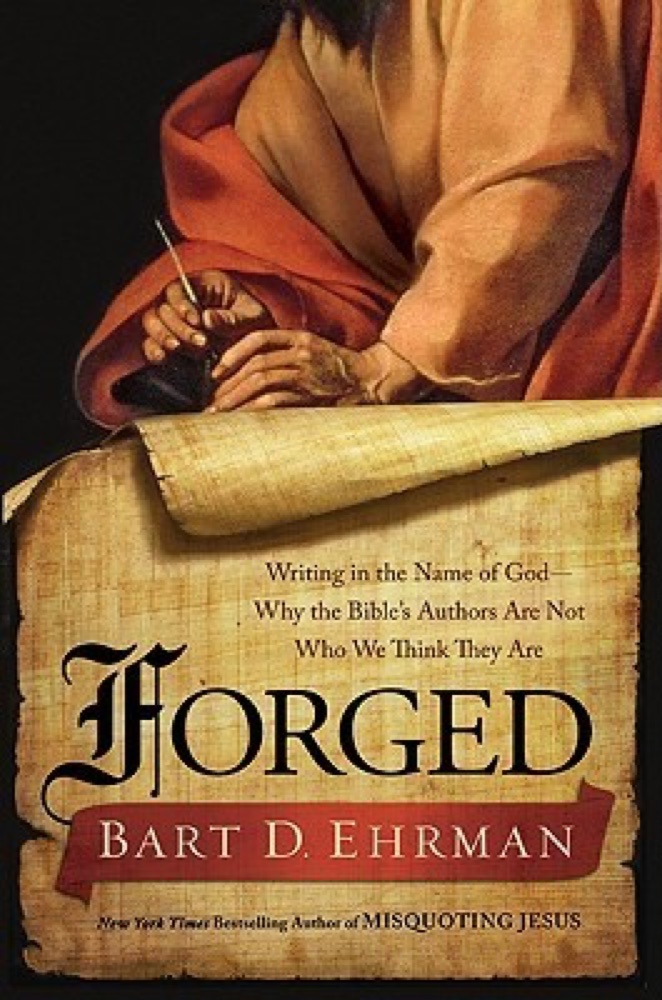 Forged: Writing in the Name of God—Why the Bible's Authors Are Not Who We Think They Are
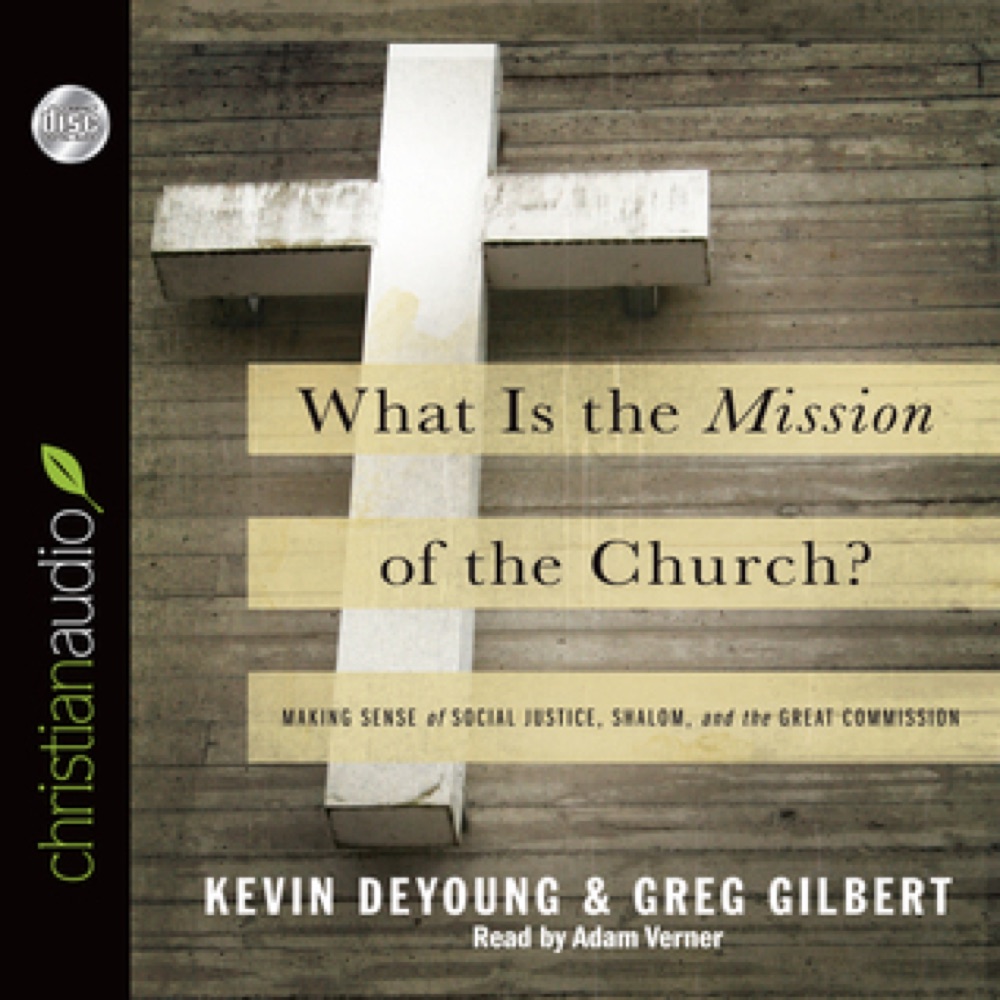 What is the Mission of the Church?: Making sense of social justice, Shalom and the Great Commission
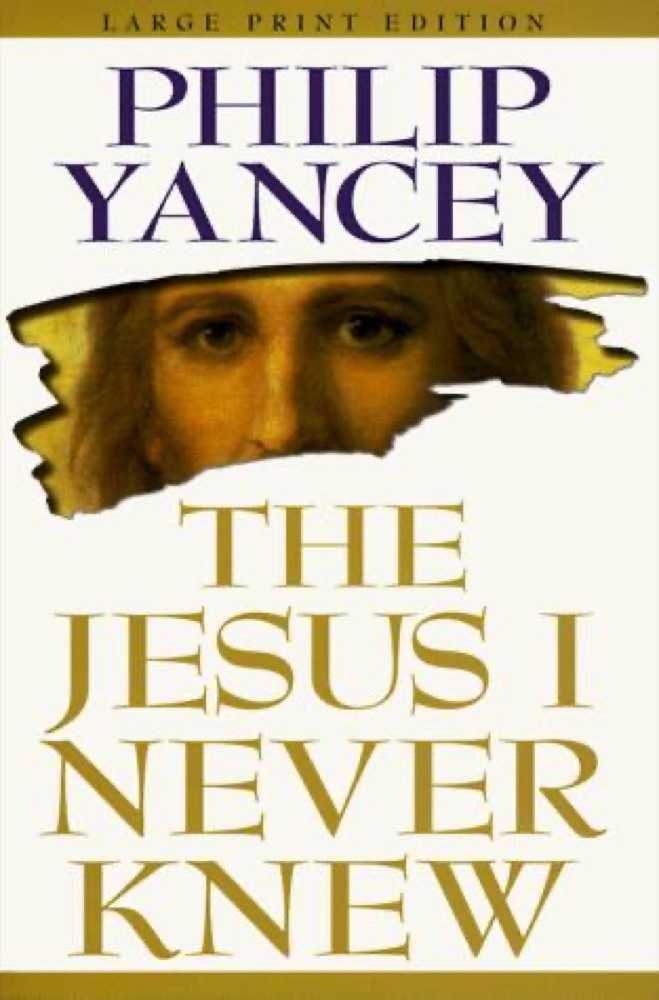 The Jesus I Never Knew
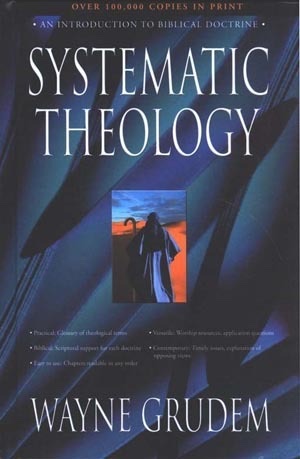 Systematic Theology: An Introduction to Biblical Doctrine
 Encounters with Jesus: Unexpected Answers to Life's Biggest Questions
 The Explicit Gospel
 Speaking of Jesus: The Art of Not-Evangelism
 The Hope of Glory: Reflections on the Last Words of Jesus from the Cross
 The Prodigal God: Recovering the Heart of the Christian Faith
 Life of Christ
 Studies in the Sermon on the Mount
 The Gospel in a Pluralist Society
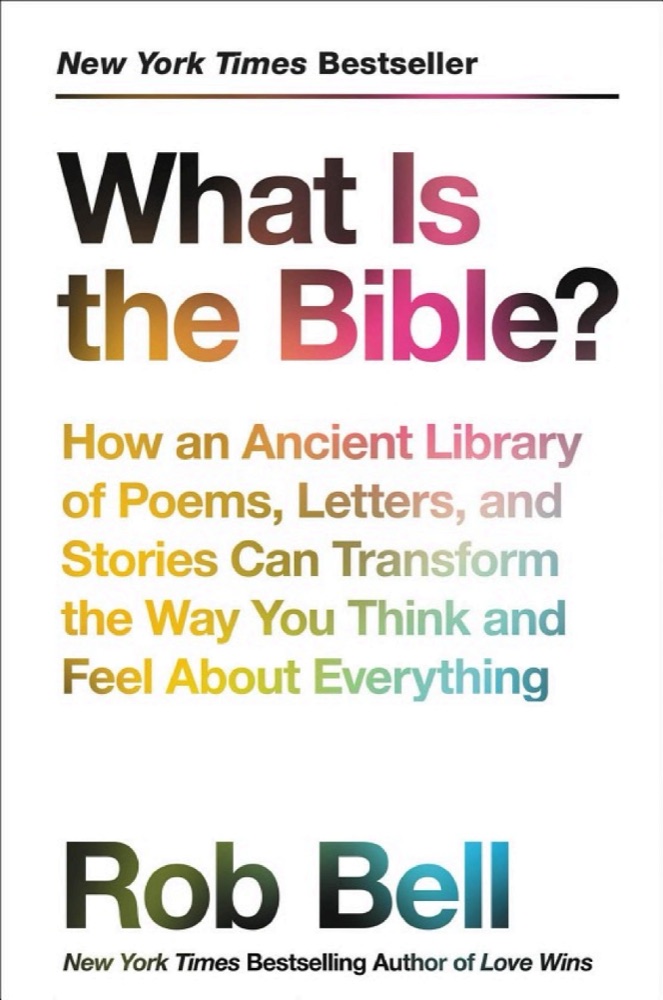 What Is the Bible?: How an Ancient Library of Poems, Letters, and Stories Can Transform the Way You Think and Feel About Everything
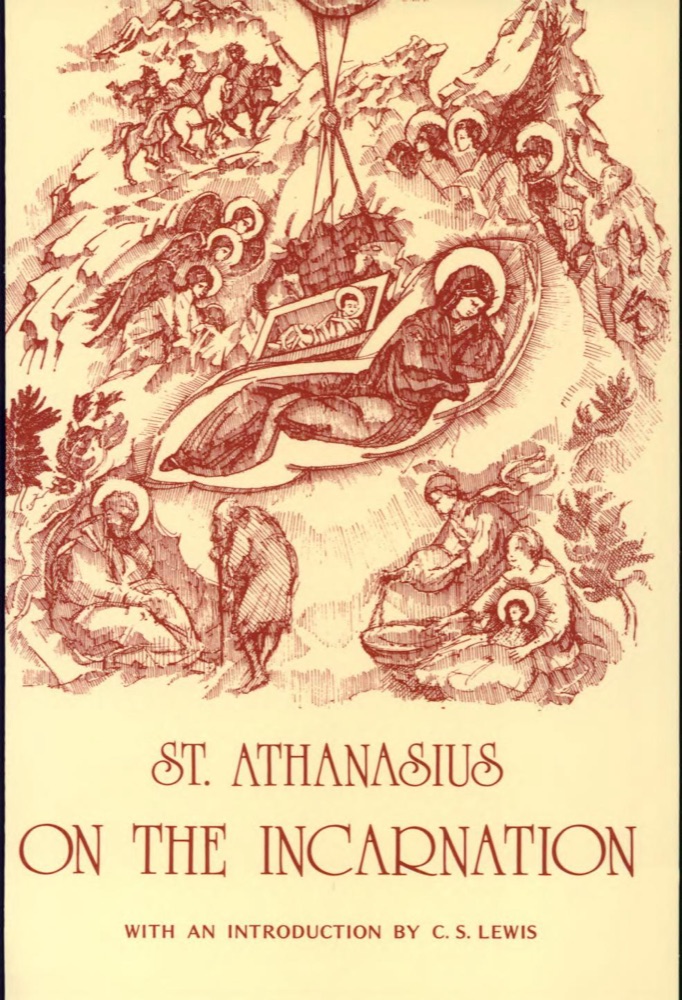 On the Incarnation
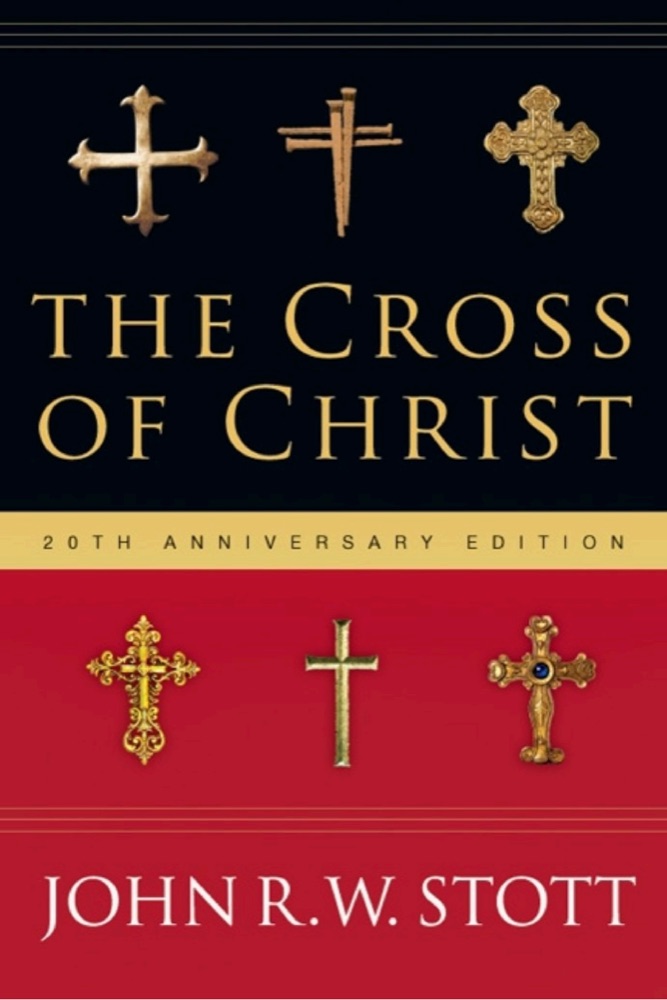 The Cross of Christ
 Jesus Among Other Gods: The Absolute Claims of the Christian Message
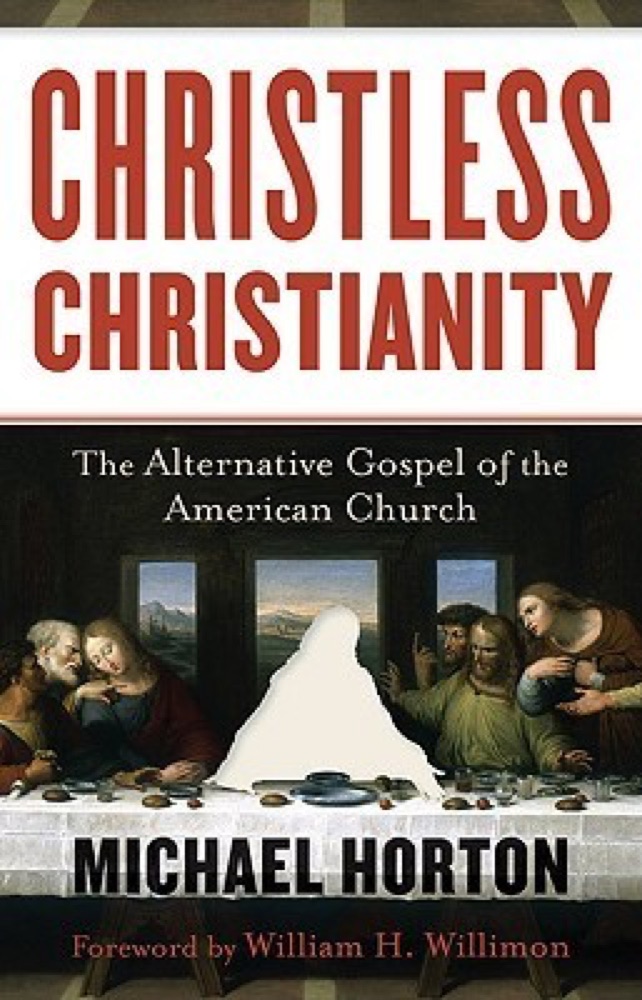 Christless Christianity: The Alternative Gospel of the American Church
 Seeking Allah, Finding Jesus: A Devout Muslim Encounters Christianity
 The Prophetic Imagination
 The History of the Church: From Christ to Constantine
 What We Talk about When We Talk about God
 Radical: Taking Back Your Faith from the American Dream
 The Great Omission: Reclaiming Jesus's Essential Teachings on Discipleship
 Total Truth: Liberating Christianity from its Cultural Captivity
 The Bible Jesus Read
 The Messiah Matrix
 The Passion of Jesus Christ
 Sitting at the Feet of Rabbi Jesus: How the Jewishness of Jesus Can Transform Your Faith
 The Crucible of Doubt: Reflections On the Quest for Faith
 Ethics
 Epic: The Story God Is Telling And The Role That Is Yours To Play
 Evangelism & the Sovereignty of God
 Jesus the Christ
 Resident Aliens: Life in the Christian Colony
 The Holiness of God
 Amazing Grace: A Vocabulary of Faith
 A Generous Orthodoxy
 Beautiful Outlaw: Experiencing the Playful, Disruptive, Extravagant Personality of Jesus
 A History of God: The 4,000-Year Quest of Judaism, Christianity, and Islam
 The Case for Faith: A Journalist Investigates the Toughest Objections to Christianity
 The Immortality Key: Uncovering the Secret History of the Religion with No Name