 Jesus of Nazareth: The Infancy Narratives
Quotes from the Book
The world's greatest champion of woman and womanhood is Jesus the Christ.
Our Lord's descent from the holy heights of the Mount of Transfiguration was more than a physical return from greater to lesser altitudes; it was a passing from sunshine into shadow, from the effulgent glory of heaven to the mists of worldly passions and human unbelief; it was the beginning of His rapid descent into the valley of humiliation.
Here they [the Jaredites] became a flourishing nation; but, giving way in time to internal dissensions, they divided into factions, which warred with one another until the people were totally destroyed (p. 15).
Christ proclaimed: "I am the good shepherd." He then further showed, and with eloquent exactness, the difference between a shepherd and a hireling herder. The one has personal interest in and love for his flock, and knows each sheep by name, the other knows them only as a flock, the value of which is gaged by number; to the hireling they are only as so many or so much. While the shepherd is ready to fight in defense of his own, and if necessary even imperil his life for his sheep, the hireling flees when the wolf approaches, leaving the way open for the ravening beast to scatter, rend, and kill.
probation. Jesus Christ was and is Jehovah, the God of Adam and of Noah, the God of Abraham, Isaac, and Jacob, the God of Israel, the God at whose instance the prophets of the ages have spoken, the God of all nations, and He who shall yet reign on earth as King of kings and Lord of lords.
The Church of Jesus Christ of Latter-day Saints affirms her possession of divine authority for the use of the sacred name, Jesus Christ, as the essential part of her distinctive designation. In view of this exalted claim, it is pertinent to inquire as to what special or particular message the Church has to give to the world concerning the Redeemer and Savior of the race, and as to what she has to say in justification of her solemn affirmation, or in vindication of her exclusive name and title. As we proceed with our study, we shall find that among the specific teachings of the Church respecting...
The secret of the Lord is with them that fear him; and he will show them his covenant.'—Psalms 25:14.
The solemn testimonies of millions dead and of millions living unite in proclaiming Him as divine, the Son of the Living God, the Redeemer and Savior of the human race, the Eternal Judge of the souls of men, the Chosen and Anointed of the Father—in short, the Christ.
It is well to know that prayer is not compounded of words, words that may fail to express what one desires to say, words that so often cloak inconsistencies, words that may have no deeper source than the physical organs of speech, words that may be spoken to impress mortal ears. The dumb may pray, and that too with the eloquence that prevails in heaven. Prayer is made up of heart throbs and the righteous yearnings of the soul, of supplication based on the realization of need, of contrition and pure desire.
We claim scriptural authority for the assertion that Jesus Christ was and is God the Creator, the God who revealed Himself to Adam, Enoch, and all the antediluvial patriarchs and prophets down to Noah; the God of Abraham, Isaac and Jacob; the God of Israel as a united people, and the God of Ephraim and Judah after the disruption of the Hebrew nation; the God who made Himself known to the prophets from Moses to Malachi; the God of the Old Testament record; and the God of the Nephites. We affirm that Jesus Christ was and is Jehovah, the Eternal One.
Fear not, Mary: for thou hast found favour with God. And, behold, thou shalt conceive in thy womb, and bring forth a son, and shalt call his name JESUS. He shall be great, and shall be called the Son of the Highest: and the Lord God shall give unto him the throne of his father David: and he shall reign over the house of Jacob for ever; and of his kingdom there shall be no end."[201] Even yet she comprehended but in part the import of this momentous visitation. Not in the spirit of doubt such as had prompted Zacharias to ask for a sign, but through an earnest desire for information and explanation, Mary, conscious of her unmarried status and sure of her virgin condition, asked: "How shall this be, seeing I know not a man?" The answer to her natural and simple inquiry was the announcement of a miracle such as the world had never known—not a miracle in the sense of a happening contrary to nature's law, nevertheless a miracle through the operation of higher law, such as the human mind ordinarily fails to comprehend or regard as possible. Mary was informed that she would conceive and in time bring forth a Son, of whom no mortal man would be the father—"And the angel answered and said unto her, The Holy Ghost shall come upon thee, and the power of the Highest shall overshadow thee: therefore also that holy thing which shall be born of thee shall be called the Son of God."[202]
His message delivered, Gabriel departed, leaving the chosen Virgin of Nazareth to ponder over her wondrous experience. Mary's promised Son was to be "The Only Begotten" of the Father in the flesh; so it had been both positively and abundantly predicted. True, the event was unprecedented; true also it has never been paralleled; but that the virgin birth would be unique was as truly essential to the fulfilment of prophecy as that it should occur at all. That Child to be born of Mary was begotten of Elohim, the Eternal Father, not in violation of natural law but in accordance with a higher manifestation thereof; and, the offspring from that association of supreme sanctity, celestial Sireship, and pure though mortal maternity, was of right to be called the "Son of the Highest." In His nature would be combined the powers of Godhood with the capacity and possibilities of mortality; and this through the ordinary operation of the fundamental law of heredity, declared of God, demonstrated by science, and admitted by philosophy, that living beings shall propagate—after their kind. The Child Jesus was to inherit the physical, mental, and spiritual traits, tendencies, and powers that characterized His parents—one immortal and glorified—God, the other human—woman.
indeed but little is said of Him by secular historians of His time. Few and short as are the allusions to Him made by non-scriptural writers in the period immediately following that of His ministry, enough is found to corroborate the sacred record as to the actuality and period of Christ's earthly existence.
Watch on YouTube
About James E. Talmage
We have collected 13 quotes from 1 book by James E. Talmage on BookQuoters.
More about the author →Book details
- Author
- James E. Talmage
- Genre
- Classics
- Goodreads rating
- 4.62 (24k ratings) →
Keep reading
Jesus of Nazareth: The Infancy Narratives
 The History of the Church: From Christ to Constantine
 The Book of Mormon: Another Testament of Jesus Christ
 Systematic Theology: An Introduction to Biblical Doctrine
 On the Incarnation
 The Seven Sayings of the Saviour on the Cross
 The Challenge of Jesus: Rediscovering Who Jesus Was & Is
 The Attributes of God
 Life of Christ
 The Book of Mormon: Another Testament of Jesus Christ
 The Orthodox Study Bible
 Zealot: The Life and Times of Jesus of Nazareth
 The Jesus I Never Knew
 HCSB: Holman Christian Standard Bible
 No God but One: Allah or Jesus?: A Former Muslim Investigates the Evidence for Islam and Christianity
 The Messiah Matrix
 How God Became King: The Forgotten Story of the Gospels
 The Holy Bible: King James Version
 Sinners in the Hands of a Loving God: The Scandalous Truth of the Very Good News
 The Bruised Reed
 Jesus Among Other Gods: The Absolute Claims of the Christian Message
 The Attributes of God: A Journey Into the Father's Heart
 Encounters with Jesus: Unexpected Answers to Life's Biggest Questions
 The Holiness of God
 The Reed of God
 All of Grace
 King's Cross: The Story of the World in the Life of Jesus
 The Politics of Jesus
 Studies in the Sermon on the Mount
 To Live Is Christ: Joining Paul's Journey of Faith
 Beautiful Outlaw: Experiencing the Playful, Disruptive, Extravagant Personality of Jesus
 The Cross of Christ
 The Infinite Atonement
 Morning and Evening, Based on the English Standard Version
 Apollyon
 True Devotion to Mary
 The Divine Conspiracy: Rediscovering Our Hidden Life in God
 Book of Mormon, Doctrine and Covenants, Pearl of Great Price
 The Passion of Jesus Christ
 Godless: How an Evangelical Preacher Became One of America's Leading Atheists
 Gentle and Lowly: The Heart of Christ for Sinners and Sufferers
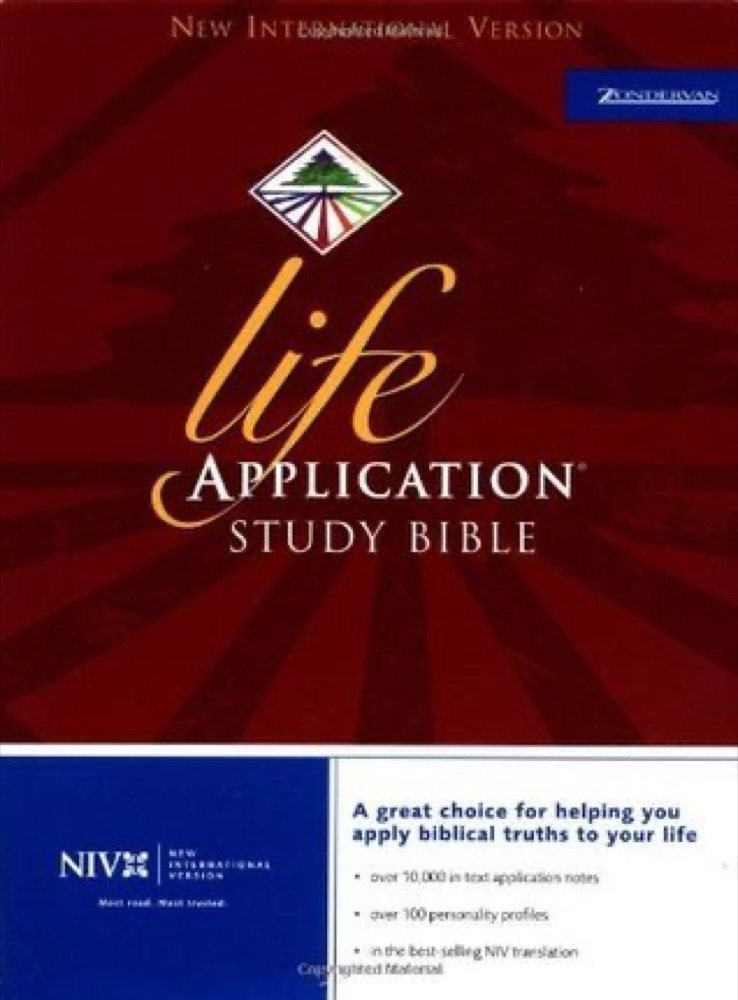 Life Application Study Bible: NIV
 He Chose the Nails: What God Did to Win Your Heart
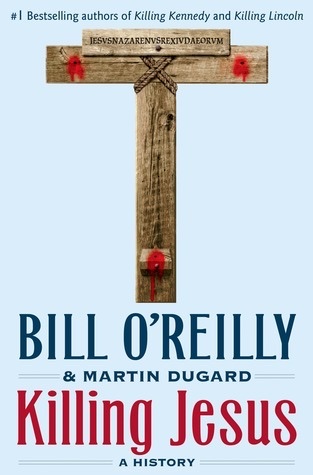 Killing Jesus: A History
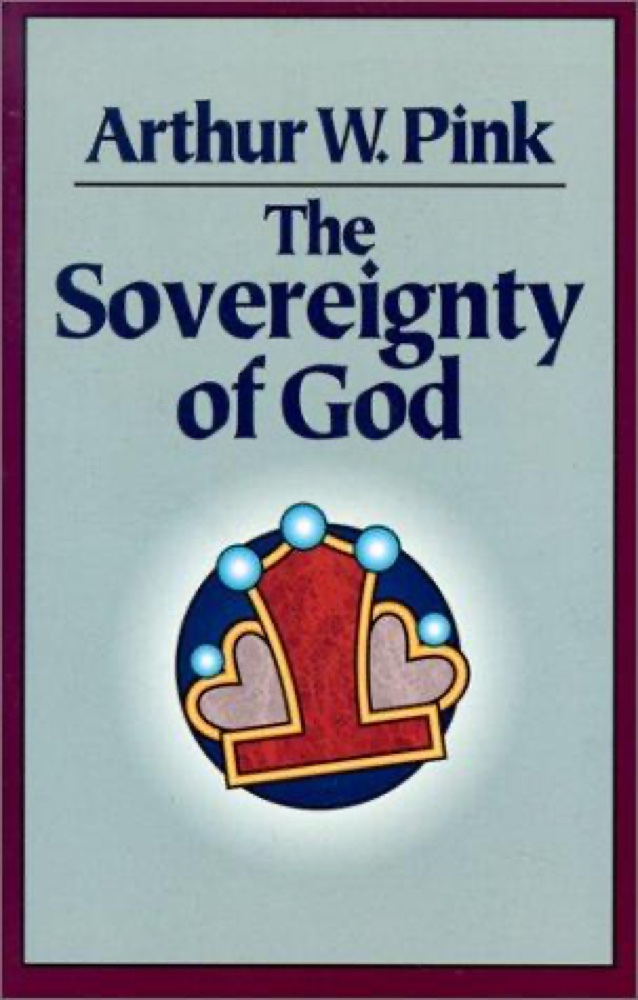 The Sovereignty of God
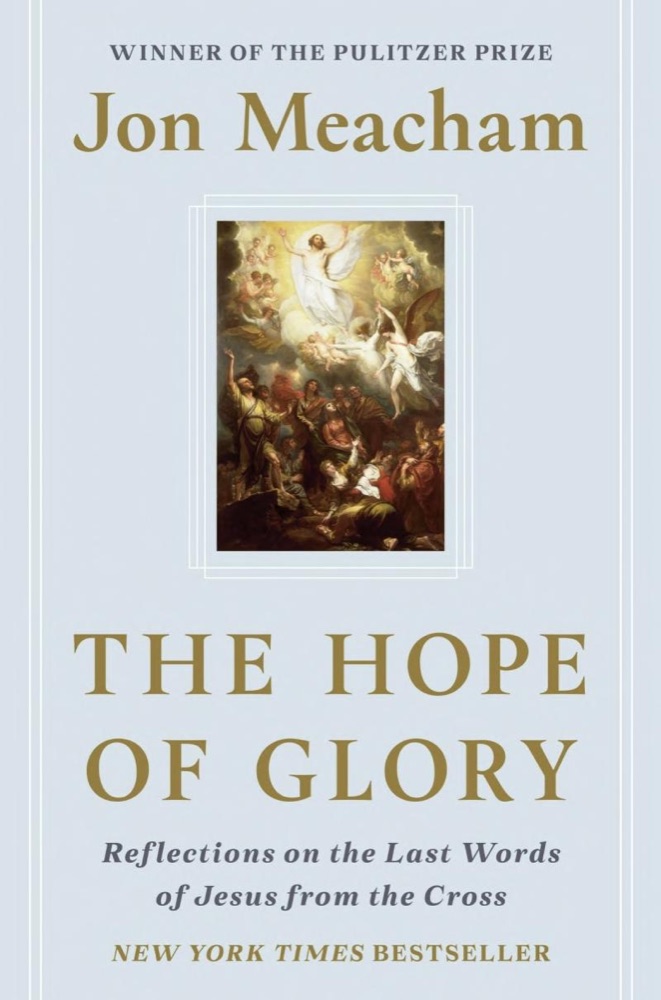 The Hope of Glory: Reflections on the Last Words of Jesus from the Cross
 The Normal Christian Life
 The Pursuit of God: The Human Thirst for the Divine
 How Jesus Became God: The Exaltation of a Jewish Preacher from Galilee
 Lord of the World
 Seeking Allah, Finding Jesus: A Devout Muslim Encounters Christianity
 The Case for Christ
 Simply Christian
 3:16: The Numbers of Hope
 Hope for the Troubled Heart: Finding God in the Midst of Pain
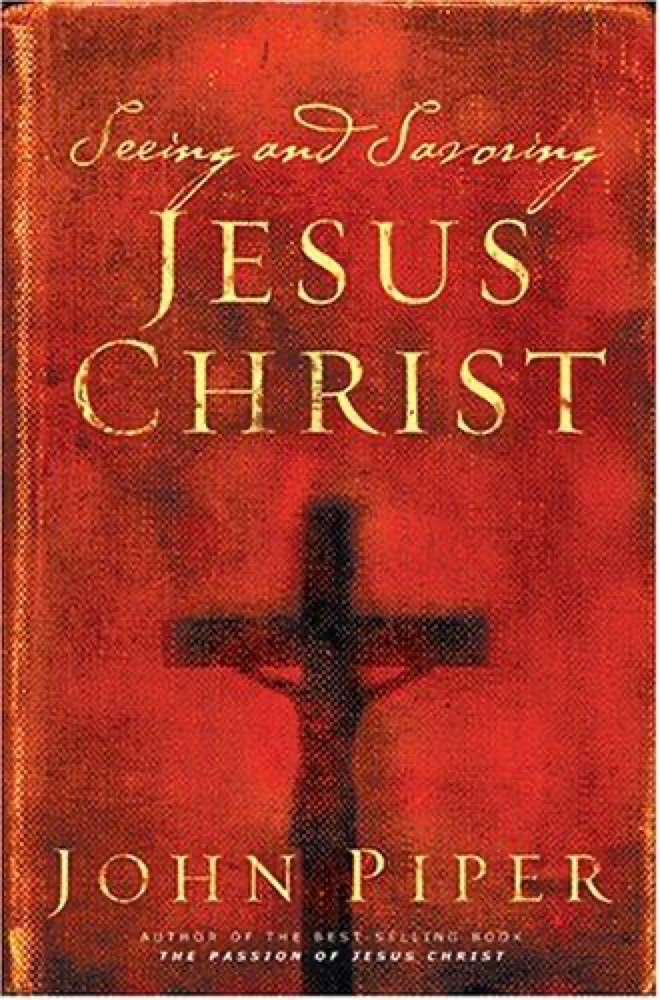 Seeing and Savoring Jesus Christ
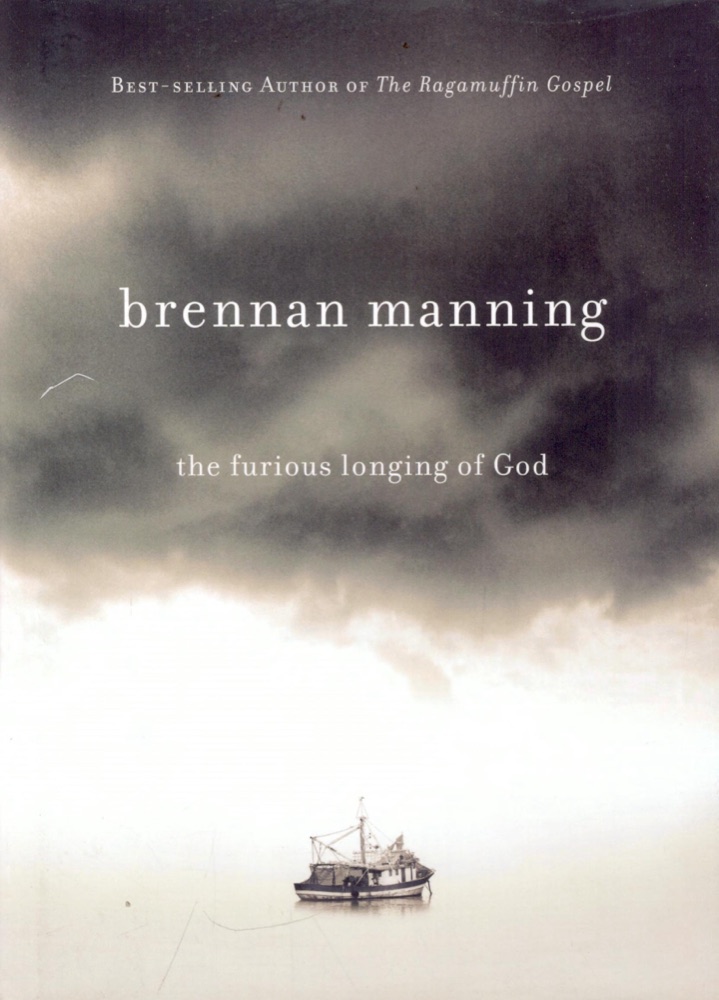 The Furious Longing of God
 A History of God: The 4,000-Year Quest of Judaism, Christianity, and Islam
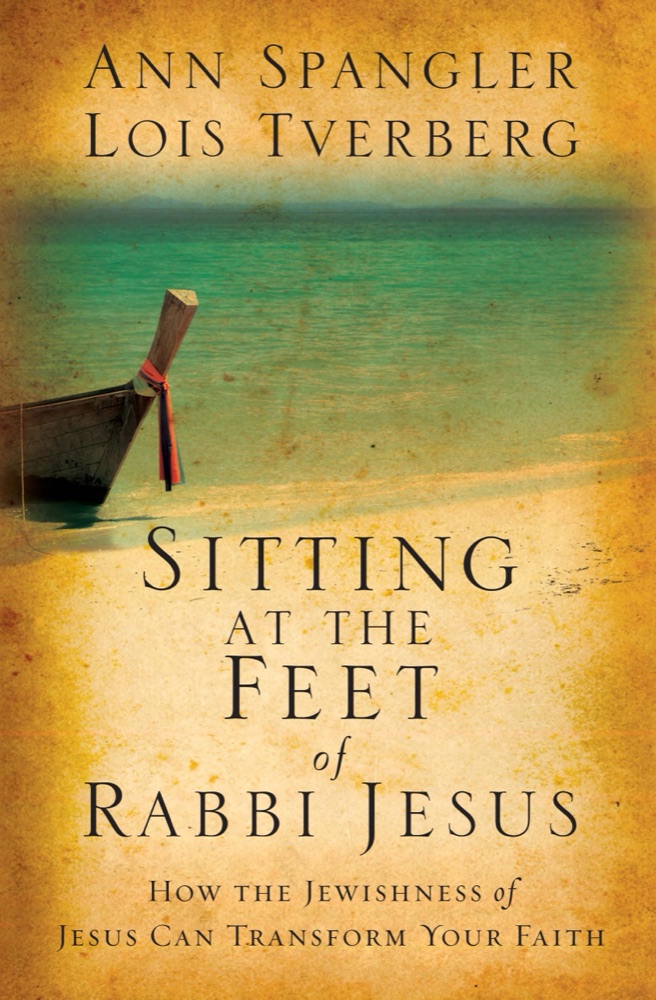 Sitting at the Feet of Rabbi Jesus: How the Jewishness of Jesus Can Transform Your Faith