 The Prodigal God: Recovering the Heart of the Christian Faith
Quotes from the Book
There's a place for doctrine and dogma, and science and history and apologetics, but, these things are not Jesus - they are humanly manufactured attempts to make people think that having the right ideas is the same thing as loving and following Jesus.
6
The gospel is not a debate or a list of things to believe. The gospel is a person. Jesus Christ is the gospel. He is the truth. He is the point. He embodies all of the salvation/redemption/forgiveness/freedom stuff Himself, and because He is a personality, He does not require doctrinal mastery to connect with an individual. In
3
When we preach Christianity, we have to own it. When we preach Jesus, we don’t have to own anything. Jesus owns us. We don’t have to defend Him. We don’t even have to explain Him. All we have to do is point with our fingers, like the blind man in the book of John, and say, “There is Jesus. All I know is that He touched me, and where I was once blind, now I see.
3
The Western church is attempting to legislate morality in order to maintain a society that is pure, safe, and peaceful. Which, in and of itself, is not a bad desire. But when injured, we change. Under fire from a hostile and misunderstanding world, we grow defensive, begin challenging and targeting different opposition groups, demolishing the characters and teachings of individuals through media outlets, pamphlets, and even sermons. It becomes very difficult to “love the sinner, hate the sin” when we hole up in a defensive posture. I think it’s a huge mistake to turn morality into a politically, legally enforced code, because doing so creates more division and defensive posturing.
2
My faults don’t keep Jesus from me, but they can keep me from Him.
2
But if Jesus is lifted up, He draws people to Himself. It isn’t our job to lose sleep trying to decide if so-and-so is “in” or “out.” If we were to look at Jesus, in the totality of His love and determination, we would realize we are not required to make ourselves His followers by force of reason. We would realize He came to us in our poverty of mind and heart. It is our job to follow Jesus, like Paul and E. Stanley Jones, refusing to know anything else but the crucified and resurrected Jesus.
2
First, we try to “download” the right definitions, doctrines, and beliefs into the brains of people who don’t know the apostle Peter from Homer Simpson. By doing that, we communicate that having the right thoughts is the means of salvation. We’re telling them that it’s the stuff that happens between their ears that matters. When we focus on ideology, we’re not touching thirsty hearts. Thirsty people don’t want to memorize theology any more than they want to learn a new language.
2
The gospel is not an idea. It is not a belief. It is not a favorite verse. The gospel does not live in your church, it cannot be written down in a simple message, and it is not the sinner’s prayer. The gospel is not a what. It is not a how. The gospel is a Who. The gospel is literally the good news of Jesus. Jesus is the gospel.
2
There are only people like you and me. People with full brains and empty hearts. People who need Jesus, not a massive array of doctrine, polemics, and theology lessons. People who need a relationship. People who need to belong before they can believe.
2
Understanding the doctrine of forgiveness does not deliver us from sin. Jesus does.
2
Miller concludes: “To a culture that believes they ‘go to heaven’ based on whether or not they are morally pure, or that they understand some theological ideas, or that they are very spiritual, Jesus is completely unnecessary. At best, He is an afterthought, a technicality by which we become morally pure, or a subject of which we know, or a founding father of our woo-woo spirituality.
2
Idolizing somebody only for his death is a cheap fake compared to trying to live up to his life and words.
1
I proved that is was more important to me to win an argument than to be like Jesus - compassionate and loving.
1
Jesus’ way is a way of great personal cost and even greater personal pleasure. It is an economy of joy and pain existing in a life lived according to the values and priorities of Jesus. Self is no longer the most important commodity. Living in the wisdom and compassion of the true Way, the life of the Nazarene, is in itself a death of sorts. It is a daily ritual of surrender to the here and now of self-interest. In order to live like this, we must model ourselves after the Christ, pursuing relationships, compassion, and even reckless self-endangerment as a sacrifice to this person, this Way. Jesus’ way embraces this cost as a means of living in the pleasure of the kingdom of heaven. It is what pastor and writer/translator Eugene Peterson refers to as the “pilgrimage” of obedience to Jesus.1 It is a journey, it is a trail, it is a way. It is the only Way.
1
The kingdom of Jesus has somehow become a religion of the mind rather than a spiritual response of the heart. We focus on psychological compliance rather than spiritual dependence upon the teachings of Jesus and the guidance of the Comforter, the Holy Spirit.
1
To a culture that believes they ‘go to heaven’ based on whether or not they are morally pure, or that they understand some theological ideas, or that they are very spiritual, Jesus is completely unnecessary. At
1
Relax. Enjoy your friends. Enjoy their company along with the company of Jesus. Point Him out, freely, without fear or intimidation. You’re not responsible to sell Him to them. You’re simply saying what you’ve seen. You’re not the judge. You’re the witness. We’ll go further and further into this way of thinking until you’re free to speak of Jesus often and always. And you’ll see—people will listen. Not because we’re so good, but because He is compelling!
1
Jesus didn’t come to build a kingdom. He brought one with Him. He is the kingdom. He is the entry point to it. Look at the tense of Jesus’ message: By saying “the kingdom of heaven is at hand” (Matt. 3:2 NKJV), He was saying that the kingdom of heaven is available now.
1
We would realize He came to us in our poverty of mind and heart. It is our job to follow Jesus, like Paul and E. Stanley Jones, refusing to know anything else but the crucified and resurrected Jesus.
1
I call this salvation insecurity. My friend Phil calls it control-freak Christianity. We want to measure, define, scrutinize, and secure our place on the “inside.” And then, with that template in place, we go out into all the world to make other people nervous about whether or not they’re in the circle.
1
As you go, you’ll notice a pattern of attraction. Instead of a theologically manufactured, doctrinally approved boundary, there is only the space between the person and Jesus. The differential is the arrow, which designates the intention of the heart. As Jesus Himself pointed out, this arrow is often guided by bare need.
1
As I look over the history of Christendom, I notice our minds are where our hearts should be. The kingdom of Jesus has somehow become a religion of the mind rather than a spiritual response of the heart. We focus on psychological compliance rather than spiritual dependence upon the teachings of Jesus and the guidance of the Comforter, the Holy Spirit.
1
nice and talk about Jesus all the time. It’s not rocket science.
1
Jesus’ way believed in people, in unity, in community. Jesus believed in the power of uniting people in spite, or perhaps because, of their differences.
Jesus taught us to love our enemies, and He taught us not to judge.
Watch on YouTube
About Carl Medearis
About the book
Some of us fear moments when we need to defend our theology. Some of us seek them out. But we are seldom ready the way Jesus seemed to be ready. So how do we draw others to God in the midst of these ordinary conversations the way Jesus did? In Speaking of Jesus, Carl Medearis draws on his experience of international reconciliation between Muslims and Christians to remind us of the heart of the matter: Jesus. Here he gives us tools, stories, and the foundation we need to move beyond “us” and “them” and simply talk about the One who changes it all. As Carl writes, “While others are explaining and defending various isms and ologies we’re simply pointing people to our friend. The one who uncovers and disarms. Who leads people right to himself. The beginning and the end of the story. A good story indeed.”
Book details
- First published
- 2011
- Author
- Carl Medearis
- Genre
- Nonfiction
- Goodreads rating
- 4.26 (2k ratings)
Keep reading
The Prodigal God: Recovering the Heart of the Christian Faith
 The Reason for God: Belief in an Age of Skepticism
 Radical: Taking Back Your Faith from the American Dream
 Jesus > Religion: Why He Is So Much Better Than Trying Harder, Doing More, and Being Good Enough
 Encounters with Jesus: Unexpected Answers to Life's Biggest Questions
 Not a Fan: Becoming a Completely Committed Follower of Jesus
 The Explicit Gospel
 Practicing the Way: Be with Jesus, Become Like Him, Do As He Did
 Christless Christianity: The Alternative Gospel of the American Church
 Jesus Among Other Gods: The Absolute Claims of the Christian Message
 Velvet Elvis: Repainting the Christian Faith
 Jesus Is: Find a New Way to Be Human
 The Divine Conspiracy: Rediscovering Our Hidden Life in God
 The Great Omission: Reclaiming Jesus's Essential Teachings on Discipleship
 The Jesus I Never Knew
 Jesus for President: Politics for Ordinary Radicals
 Gentle and Lowly: The Heart of Christ for Sinners and Sufferers
 The Cost of Discipleship
 Shameless: A Case for Not Feeling Bad About Feeling Good
 Simply Christian
 Studies in the Sermon on the Mount
 The Ragamuffin Gospel
 Seeking Allah, Finding Jesus: A Devout Muslim Encounters Christianity
 The Challenge of Jesus: Rediscovering Who Jesus Was & Is
 Beautiful Outlaw: Experiencing the Playful, Disruptive, Extravagant Personality of Jesus
 Jesus Over Everything: Uncomplicating the Daily Struggle to Put Jesus First
 The Cross of Christ
 Love Wins Low Price CD: Love Wins Low Price CD
 Life Together: The Classic Exploration of Christian Community
 Amazing Grace: A Vocabulary of Faith
 All In: You Are One Decision Away From a Totally Different Life
 Separation of Church and Hate: A Sane Person's Guide to Taking Back the Bible from Fundamentalists, Fascists, and Flock-Fleecing Frauds
 A Long Obedience in the Same Direction: Discipleship in an Instant Society
 Sinners in the Hands of a Loving God: The Scandalous Truth of the Very Good News
 Jesus of Nazareth: The Infancy Narratives
 unChristian: What a New Generation Really Thinks about Christianity... and Why It Matters
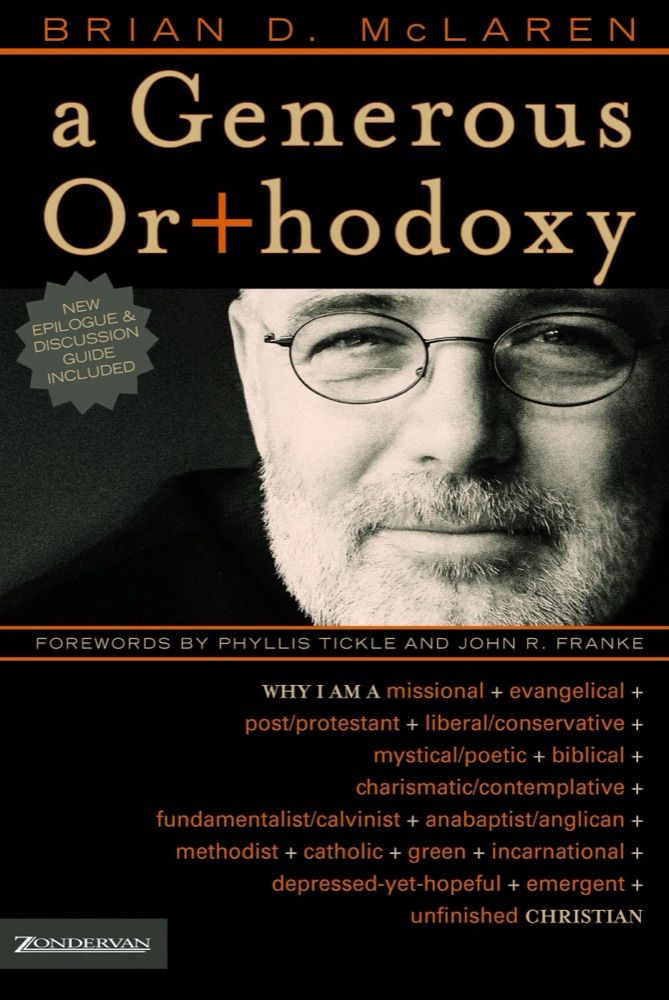 A Generous Orthodoxy
 Searching for God Knows What
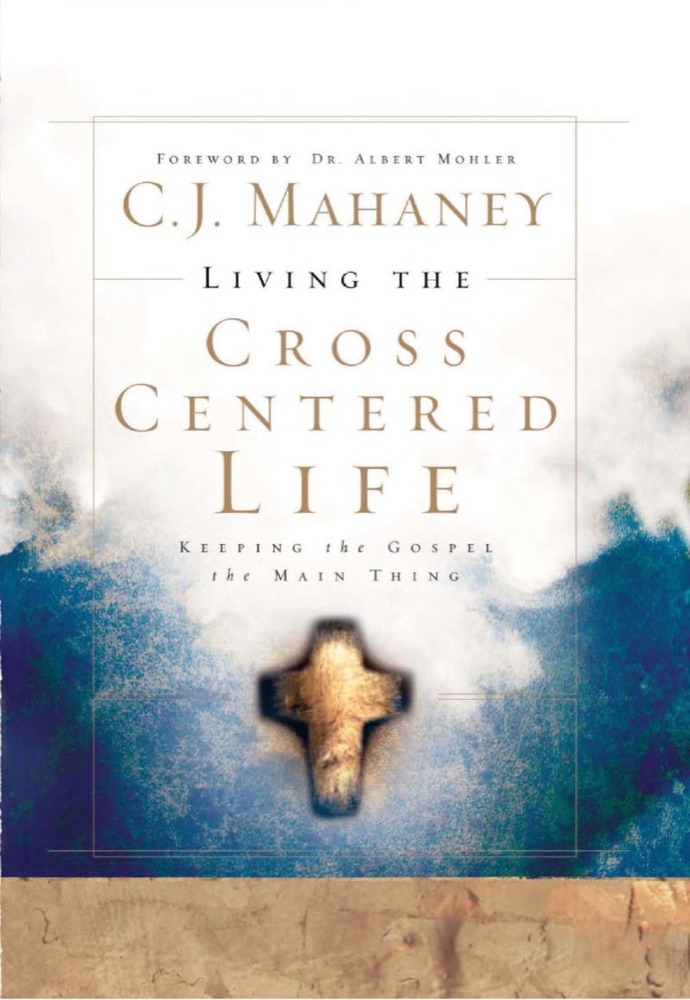 Living the Cross Centered Life: Keeping the Gospel the Main Thing
 40 Days of Decrease: A Different Kind of Hunger. A Different Kind of Fast.
 All of Grace
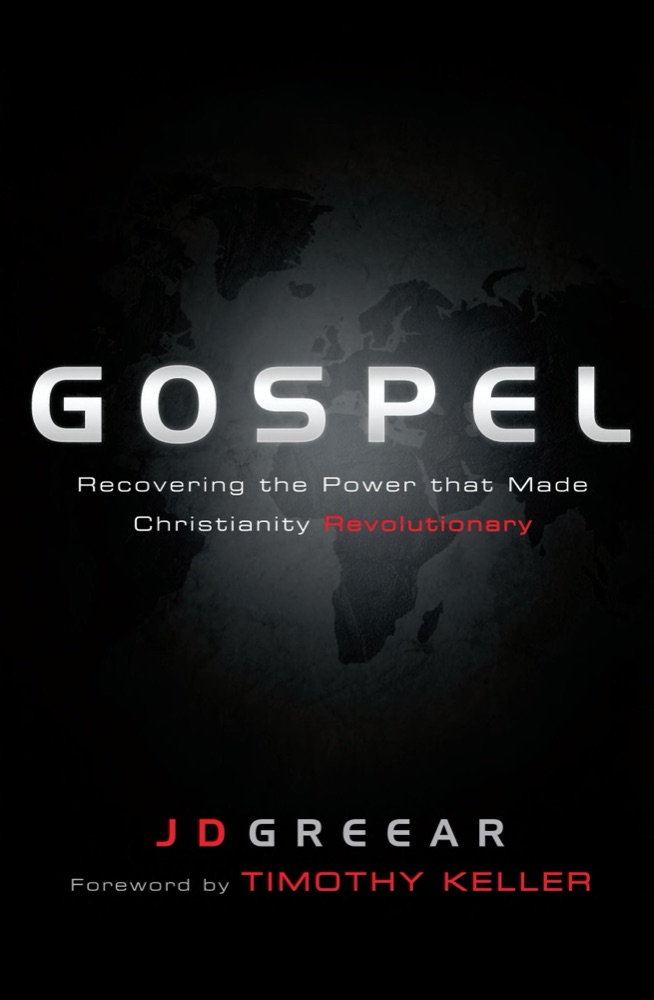 Gospel: Recovering the Power that Made Christianity Revolutionary
 The Holiness of God
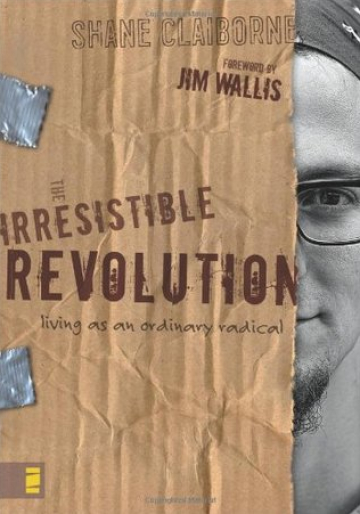 The Irresistible Revolution: Living as an Ordinary Radical
 The Politics of Jesus
 Inspired: Slaying Giants, Walking on Water, and Loving the Bible Again
 The Normal Christian Life
 Pastrix: The Cranky, Beautiful Faith of a Sinner & Saint
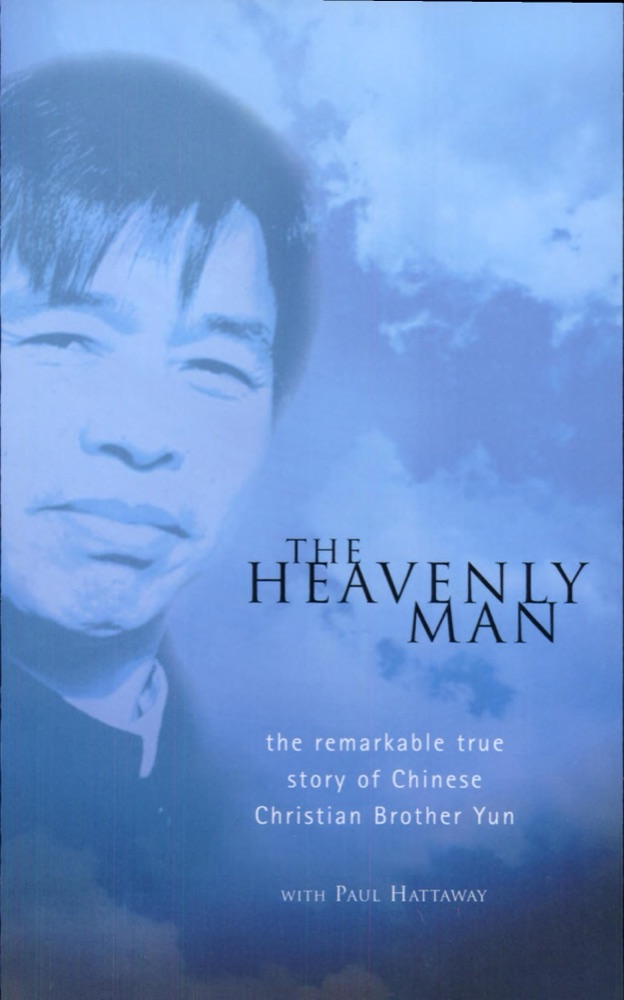 The Heavenly Man: The Remarkable True Story of Chinese Christian Brother Yun
 How People Change
 What's So Amazing About Grace?
 The Secret Thoughts of an Unlikely Convert: An English Professor's Journey Into Christian Faith
 The Sermon on the Mount: The Key to Success in Life
 Sitting at the Feet of Rabbi Jesus: How the Jewishness of Jesus Can Transform Your Faith
 To Live Is Christ: Joining Paul's Journey of Faith
 No God but One: Allah or Jesus?: A Former Muslim Investigates the Evidence for Islam and Christianity
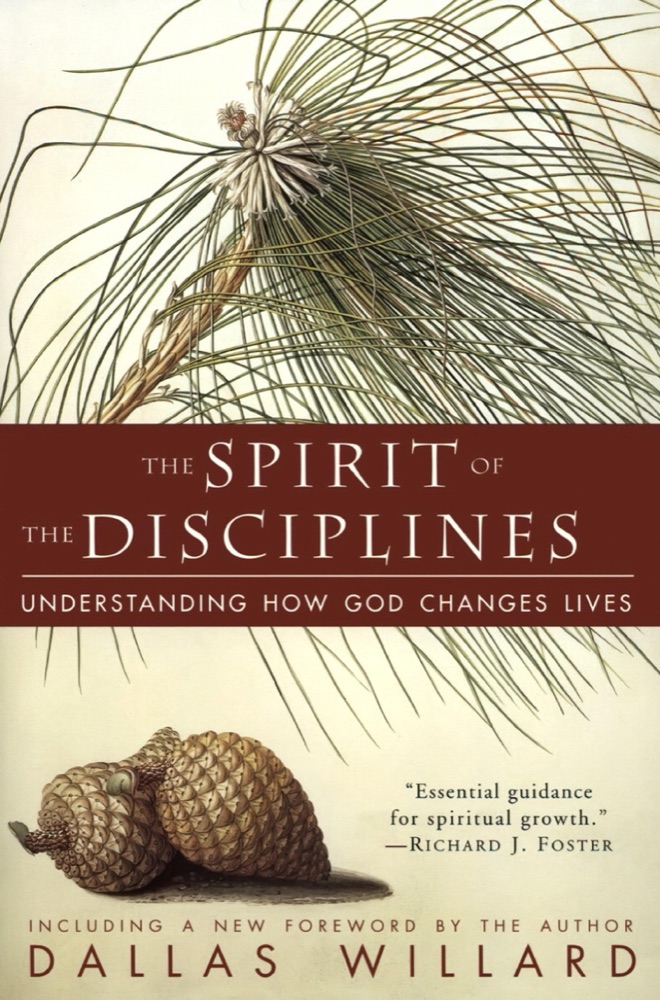 The Spirit of the Disciplines: Understanding How God Changes Lives
 Surprised by Hope: A Study of Christian Hope and Resurrection