
 Amazing Grace: A Vocabulary of Faith
Quotes from the Book
I’m sure I am wrong about many things, although I’m not sure exactly which things I’m wrong about. I’m even sure I’m wrong about what I think I’m right about in at least some cases.
31
We must never underestimate our power to be wrong when talking about God, when thinking about God, when imagining God, whether in prose or in poetry. A generous orthodoxy, in contrast to the tense, narrow, or controlling orthodoxies of so much of Christian history, doesn't take itself too seriously. It is humble. It doesn't claim too much. It admits it walks with a limp.
30
the more one respects Jesus, the more one must be brokenhearted, embarrassed, furious, or some combination thereof when one considers what we Christians have done with Jesus. That’s certainly true when it comes to calling Jesus Lord, something we Christians do a lot, often without the foggiest idea of what we mean. Has he become (I shudder to ask this) less our Lord and more our Mascot?
9
The Church has little idea how unorthodox it is at any given moment. If a church can't yet be perfectly orthodox, it can, with the Holy Spirit's help and by the grace of God, be perpetually reformable.
7
Accumulating orthodoxy makes it harder year-by-year to be a Christian than it was in Jesus' day.
7
Too often we put the gospel of Jesus through the strainer of consumerist-capitalism and retain only the thin broth that this modern-day Caesar lets pass through.
3
Oddly, I’ve never heard of a church or denomination that asked people to affirm a doctrinal statement like this: The purpose of Scripture is to equip God’s people for good works. Shouldn’t a simple statement like this be far more important than statements with words foreign to the Bible’s vocabulary about itself (inerrant, authoritative, literal, revelatory, objective, absolute, propositional, etc.)?
2
But there is a more catholic understanding of the term apostolic: it means missional. The apostles were those called together to learn (as disciples) so they could be sent out on a mission (which is what both the Greek root for apostle and the Latin root for mission mean). From this vantage point, disciples are apostles-in-training; Christian discipleship (or spiritual formation ) is training for apostleship, training for mission. From this understanding we place less emphasis on whose lineage, rites, doctrines, structures, and terminology are right and more emphasis on whose actions, service, outreach, kindness, and effectiveness are good.
2
If, for you, orthodox means finally “getting it right” or “getting it straight,” mine is a pretty disappointing, curvy orthodoxy. But if, for you, orthodoxy isn’t a list of correct doctrines, but rather the doxa in orthodoxy, which means “thinking” or “opinion,” then the lifelong pursuit of expanding thinking and deepening, broadening opinions about God sounds like a delight, a joy.
Because I follow Jesus, then, I am bound to Jews, Muslims, Buddhists, Hindus, agnostics, atheists, New Agers, everyone (even religious broadcasters, I was just reminded by a still, small voice). Not only am I bound to them in love, but I am also actually called to, in some real sense (please don’t minimize this before you qualify it), become one of them, to enter their world and be with them in it.
I have a confession to make.121 Almost every time I tune in to religious radio or TV, I want to change my religion. I
The surface causes of environmental carelessness among conservative Christians are legion, including subcontracting the evangelical mind out to right-wing politicians and greedy business interests. Too often we put the gospel of Jesus through the strainer of consumerist-capitalism and retain only the thin broth that this modern-day Caesar lets pass through. We often display a reactionary tendency to be against whatever “liberals” are for. These non-green shoots are resourced by deeper theological roots of environmental disinterest. Fortunately, other root systems are spreading beneath the surface, and signs of an environmental spring are breaking through the formerly barren soil.
A generous orthodoxy is like that. It acknowledges that we’re all a mess. It sees in our worst failures the possibility of our deepest repentance and God’s opening for our most profound healing. It remembers Jesus’ parable that wherever God sows good seed, “an enemy” will sow weed seeds. It realizes that you can’t pull up the bad without uprooting the good too, and so it refrains from judging. It just rejoices wherever good seed grows.
Community has become a buzzword in the church in recent years. Overbusy individuals hope they can cram it into their overstuffed schedules like their membership to a health and fitness club (which they never have time to use). Churches hope they can conjure it with candles, programs, or training videos. Anabaptists know that community is far more costly than that: one cannot add it to anything, rather one must begin with it in order to enter it, practice it, and preserve it. They realize that community involves proximity, and that proximity involves land, and that our ties to one another can never be separated from our ties to the land, the watershed, the local economy in which we live. They have an instinct about the deep ties between community and sexuality, community and freedom, community and economics. I suspect that Anabaptists know more than they know that they know in this regard, and I hope we all can learn from them before they forget.
The wise preacher of Ecclesiastes might say, “There is a time for everything—a time to be laid-back and a time to be outraged; a time to be tolerant and a time to stand up and say, ‘I’m not going to take this anymore.’” The challenge for all fighters, of course, is to be sure they find out what is now truly worth fighting against, and then to be sure they have something that is truly worth fighting for.
We must, therefore, never underestimate our power to be wrong when talking about God, when thinking about God, when imagining God—whether in prose or in poetry. Romano
there is no way to peace, but rather peace itself is the way to life in God’s kingdom. (This
The new dimensions of the message are examples of the Spirit of truth doing what Jesus promised he would do: continuing
Watch on YouTube
About Brian D. McLaren
We have collected 18 quotes from 1 book by Brian D. McLaren on BookQuoters.
More about the author →About the book
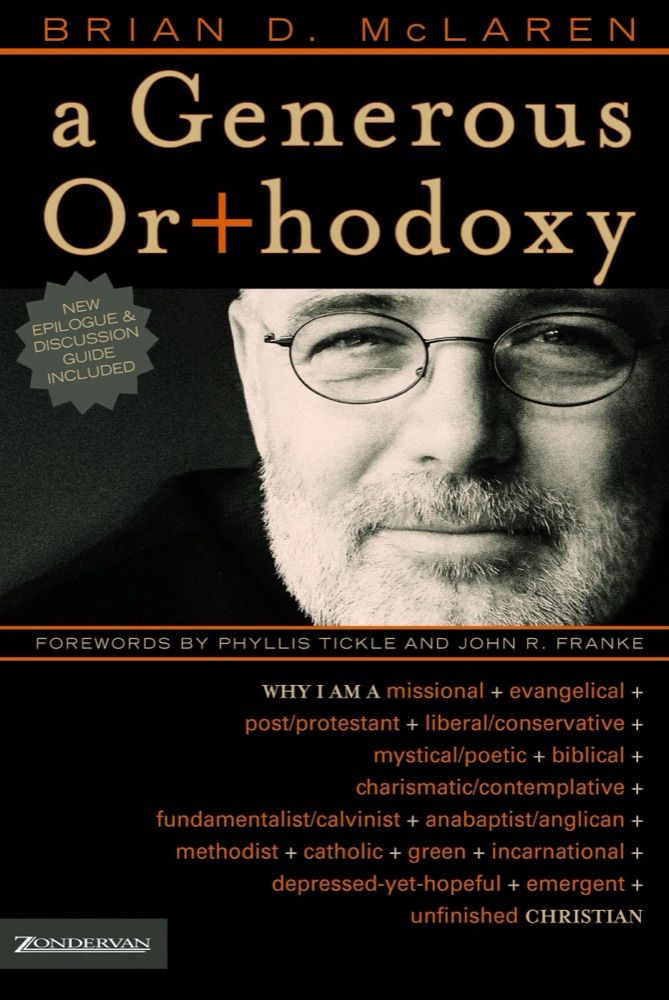
Why I am a missional, evangelical, post/protestant, liberal/conservative, mystical/poetic, biblical, charismatic/contemplative, fundamentalist/Calvinist, Anabaptist/Anglican, Methodist, catholic, green, incarnational, depressed- yet hopeful, emergent, unfinished Christian. A confession and manifesto from a senior leader in the emerging church movement. A Generous Orthodoxycalls for a radical, Christ-centered orthodoxy of faith and practice in a missional, generous spirit. Brian McLaren argues for a post-liberal, post-conservative, post-protestant convergence, which will stimulate lively interest and global conversation among thoughtful Christians from all traditions. In a sweeping exploration of belief, author Brian McLaren takes us across the landscape of faith, envisioning an orthodoxy that aims for Jesus, is driven by love, and is defined by missional intent. A Generous Orthodoxy redi
Book details
- First published
- 2004
- Author
- Brian D. McLaren
- Genre
- Nonfiction
- Goodreads rating
- 3.70 (6k ratings)
Keep reading
Amazing Grace: A Vocabulary of Faith
 The Reason for God: Belief in an Age of Skepticism
 Shameless: A Case for Not Feeling Bad About Feeling Good
 The Explicit Gospel
 Simply Christian
 Christless Christianity: The Alternative Gospel of the American Church
 Out of Sorts: Making Peace with an Evolving Faith
 Pastrix: The Cranky, Beautiful Faith of a Sinner & Saint
 Velvet Elvis: Repainting the Christian Faith
 The Prodigal God: Recovering the Heart of the Christian Faith
 Studies in the Sermon on the Mount
 Resident Aliens: Life in the Christian Colony
 Jesus for President: Politics for Ordinary Radicals
 The Benedict Option: A Strategy for Christians in a Post-Christian Nation
 The Irresistible Revolution: Living as an Ordinary Radical
 The Great Omission: Reclaiming Jesus's Essential Teachings on Discipleship
 Searching for Sunday: Loving, Leaving, and Finding the Church
 Leaving Church: A Memoir of Faith
 The Crucible of Doubt: Reflections On the Quest for Faith
 Holy Envy: Finding God in the Faith of Others
 The Ragamuffin Gospel
 Radical: Taking Back Your Faith from the American Dream
 unChristian: What a New Generation Really Thinks about Christianity... and Why It Matters
 The Divine Conspiracy: Rediscovering Our Hidden Life in God
 What We Talk about When We Talk about God
 Speaking of Jesus: The Art of Not-Evangelism
 Total Truth: Liberating Christianity from its Cultural Captivity
 A Long Obedience in the Same Direction: Discipleship in an Instant Society
 Life Together: The Classic Exploration of Christian Community
 The Normal Christian Life
 Jesus Among Other Gods: The Absolute Claims of the Christian Message
 Love Wins Low Price CD: Love Wins Low Price CD
 The Secret Thoughts of an Unlikely Convert: An English Professor's Journey Into Christian Faith
 Girl Meets God
 Practicing the Way: Be with Jesus, Become Like Him, Do As He Did
 The Gospel in a Pluralist Society
 7: An Experimental Mutiny Against Excess
 The Holiness of God
 Surprised by Hope: A Study of Christian Hope and Resurrection
 Jesus > Religion: Why He Is So Much Better Than Trying Harder, Doing More, and Being Good Enough
 How People Change
 The Spirit of the Disciplines: Understanding How God Changes Lives
 The Furious Longing of God
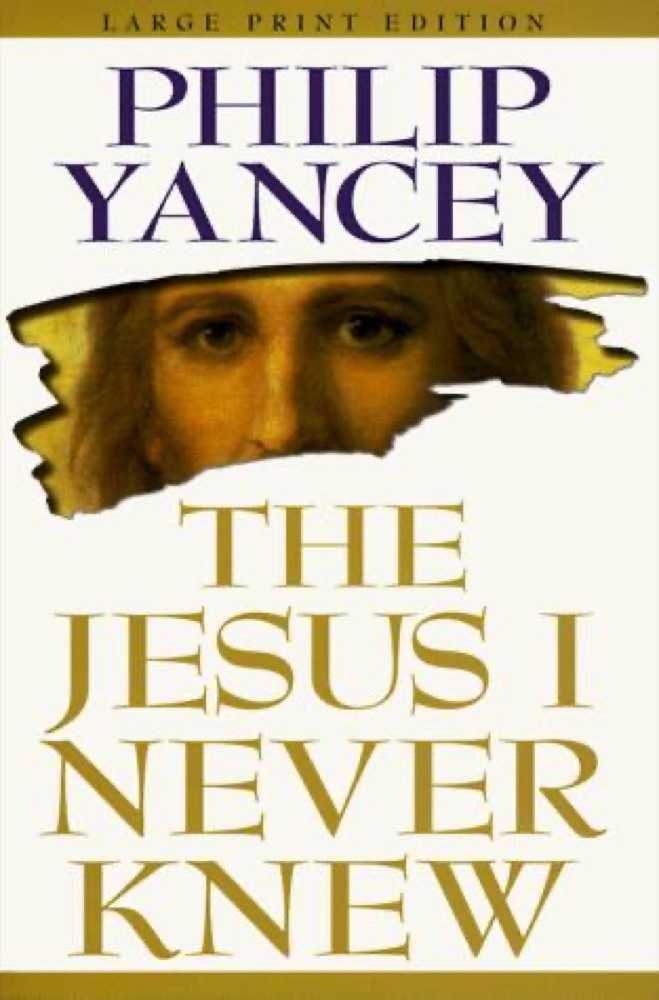 The Jesus I Never Knew
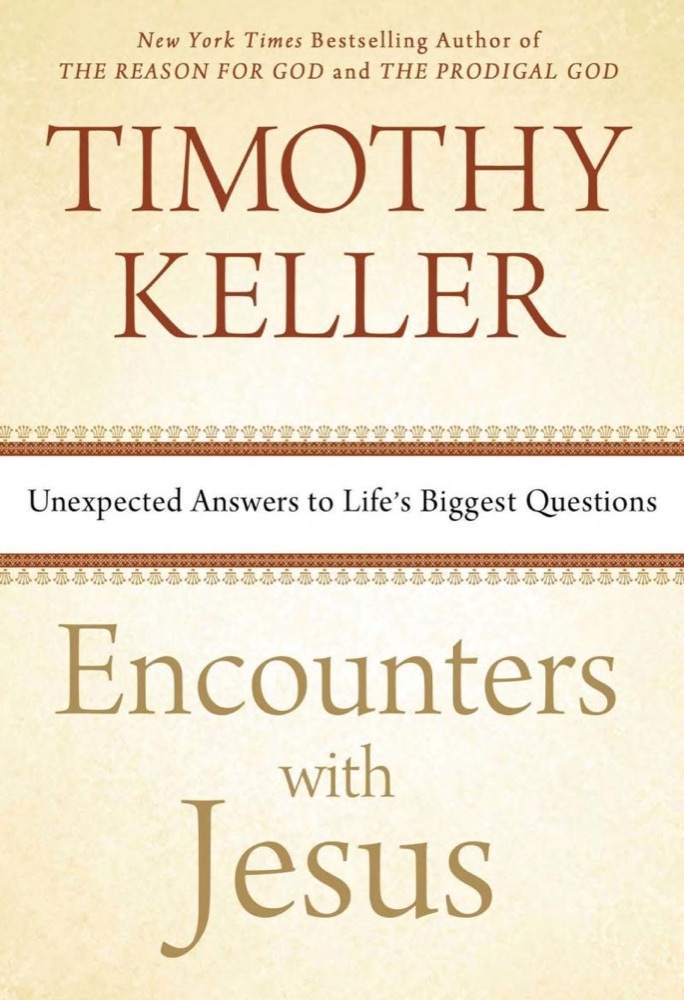 Encounters with Jesus: Unexpected Answers to Life's Biggest Questions
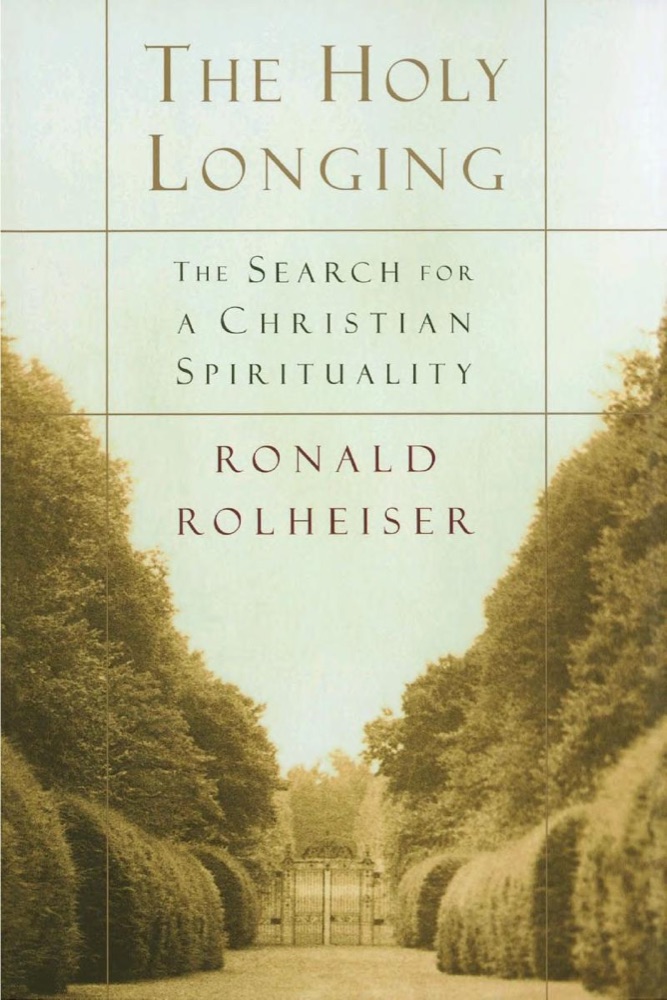 The Holy Longing: The Search for a Christian Spirituality
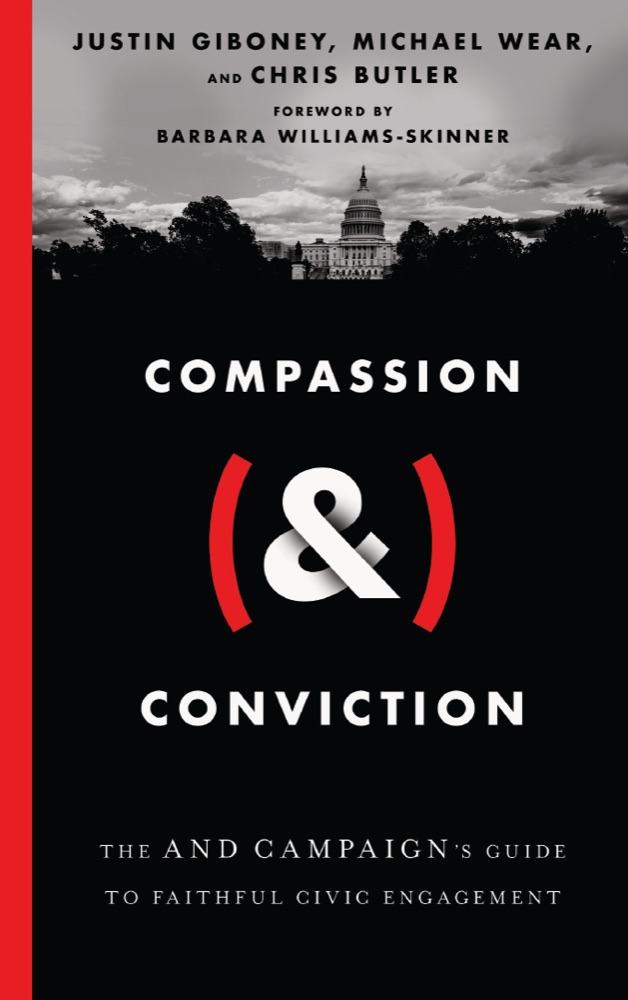 Compassion (&) Conviction: The AND Campaign's Guide to Faithful Civic Engagement
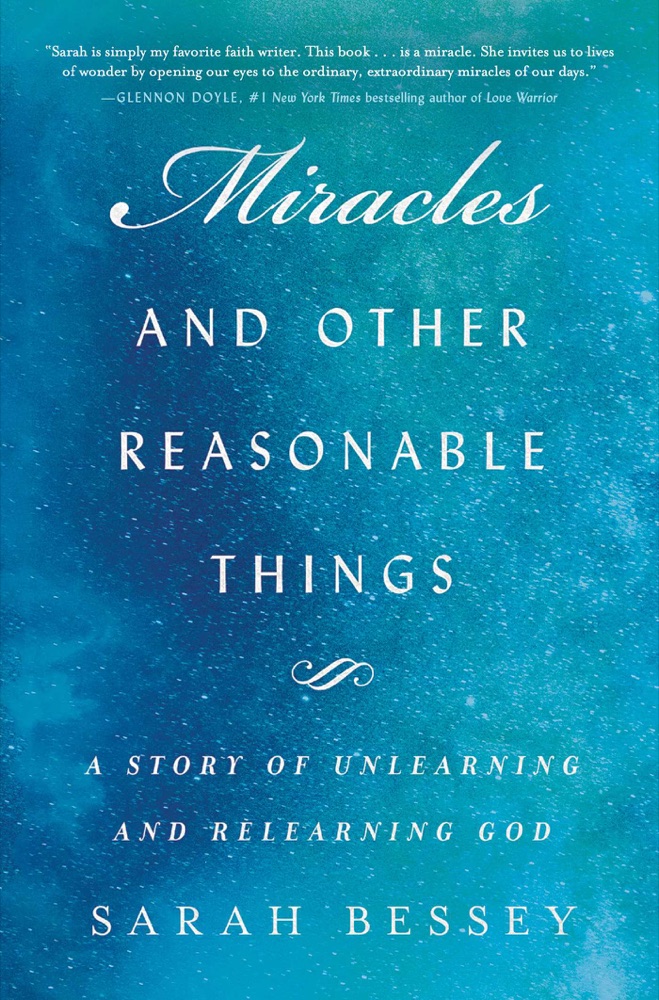 Miracles and Other Reasonable Things: A Story of Unlearning and Relearning God
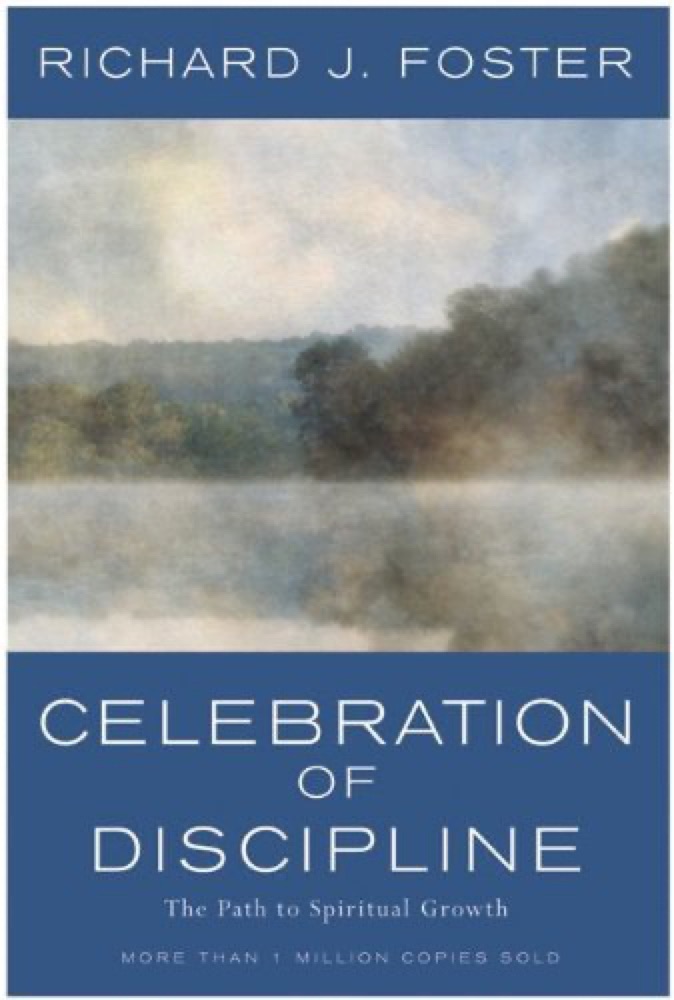 Celebration of Discipline: The Path to Spiritual Growth
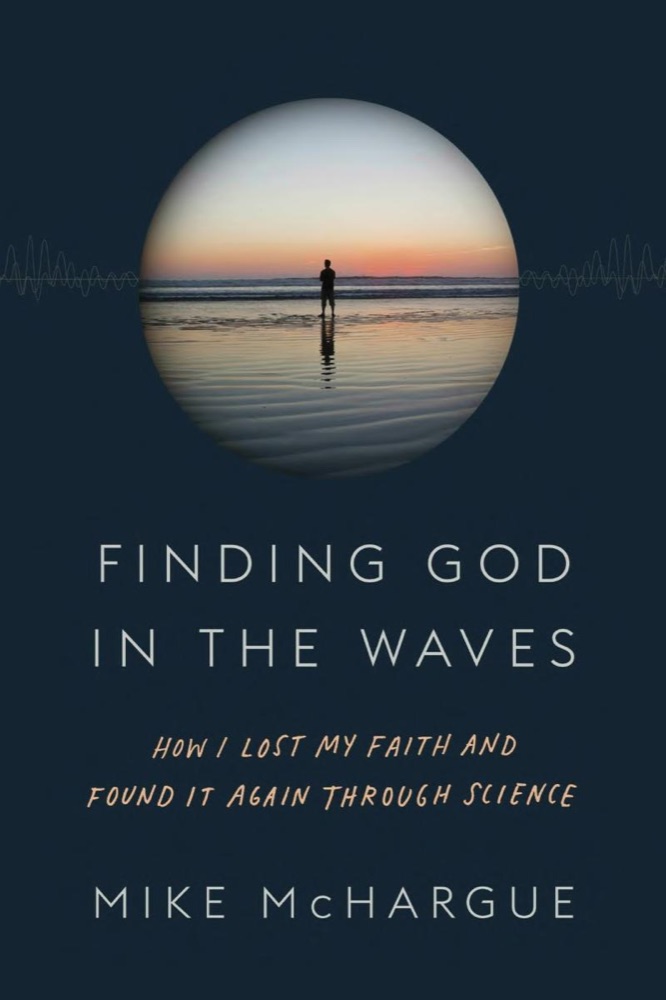 Finding God in the Waves: How I Lost My Faith and Found It Again Through Science
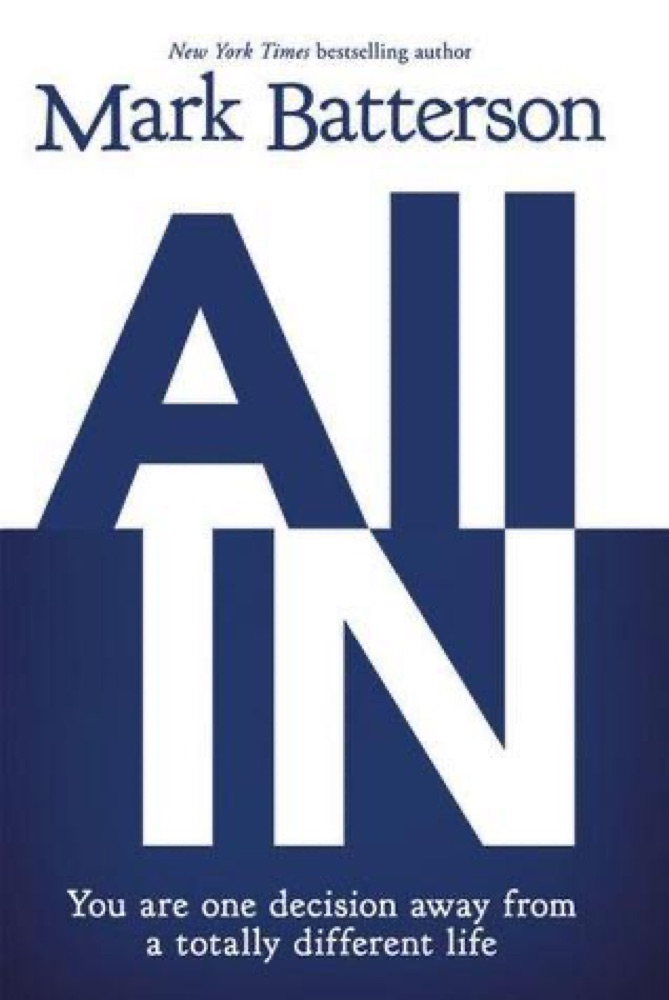 All In: You Are One Decision Away From a Totally Different Life
 The Life You've Always Wanted: Spiritual Disciplines for Ordinary People
 Discipline: The Glad Surrender
 The Cost of Discipleship
 Searching for God Knows What
 Jesus Feminist: An Invitation to Revisit the Bible's View of Women
 Blessed Are the Misfits: Great News for Believers who are Introverts, Spiritual Strugglers, or Just Feel Like They're Missing Something
 Rediscover Catholicism
 Systematic Theology: An Introduction to Biblical Doctrine