
 Polysecure: Attachment, Trauma and Consensual Nonmonogamy
Quotes from the Book
Most people are only as needy as their unmet needs.
101
Instead of thinking how you can change yourself in order to please your partner, as so many relationship books advise, think: Can this person provide what I need in order to be happy?
90
The trick is not to get hooked on the highs and lows and mistake an activated attachment system for passion or love. Don't let emotional unavailability turn you on.
77
If you're still in a relationship, remember that just because you can get along with anyone doesn't mean you have to. If you're unhappy after having tried every way to make things work, chances are that you should move on. It's in your best interest to end a dysfunctional relationship rather than get stuck forever with the wrong person just because you're secure.
65
Feeling close and complete with someone else -- the emotional equivalent of finding a home
61
Anxious people may take a very long time to get over a bad attachment, and they don't get to decide how long it will take. Only when every single cell in their body is completely convinced that there is no chance that their partner will change or that they will ever reunite will they be able to deactivate and let go.
56
Attachment principles teach us that most people are only as needy as their unmet needs. When their emotional needs are met, and the earlier the better, they usually turn their attention outward. This is sometimes referred to in attachment literature as the “dependency paradox”: The more effectively dependent people are on one another, the more independent and daring they become.
54
If you're anxious, when you start to feel something is bothering you in a relationship, you tend to quickly get flooded with negative emotions and think in extremes. Unlike your secure counterpart, you don't expect your partner to respond positively but anticipate the opposite. You perceive the relationship as something fragile and unstable that can collapse at any moment. These thoughts and assumptions make it hard for you to express your needs effectively.
46
It's important to remember that even with effective communication, some problems won't be solved immediately. What's vital is your partner's response--whether he or she is concerned about your well-being, has your best interests in mind, and is willing to work on things.
44
True love, in the evolutionary sense, means peace of mind. “Still waters run deep” is a good way of characterizing it.
35
Oxytocin, a hormone and neuropeptide ... plays a major role in attachment processes and serves several purposes: It causes women to go into labor, strengthens attachment, and ... [increases] trust and cooperation. We get a boost of oxytocin in our brain during orgasm and even when we cuddle -- which is why it's been tagged the "cuddle hormone." How is oxytocin related to conflict reduction? Sometimes we spend less quality time with our partner -- especially when other demands on us are pressing. However, neuroscience findings suggest that we should change our priorities. By forgoing closeness with our partners, we are also missing our oxytocin boost -- making us less agreeable to the world around us and more vulnerable to conflict.
35
Basically, secure people feel comfortable with intimacy and are usually warm and loving; anxious people crave intimacy, are often preoccupied with their relationships, and tend to worry about their partner’s ability to love them back; avoidant people equate intimacy with a loss of independence and constantly try to minimize closeness.
35
when our partners are thoroughly dependable and make us feel safe, and especially if they know how to reassure us during the hard times, we can turn our attention to all the other aspects of life that make our existence meaningful.
28
It is very important that you be compassionate with yourself. The worse you feel about yourself, the more you'll want to go back to the false safety of the bad relationship you were in. Your attachment system gets activated more when you feel bad about yourself
27
our culture encourages you [with an anxious attachment style] to believe that many of your needs are illegitimate. But whether they are legitimate or not for someone else is beside the point. They are essential for your happiness, and that is what's important.
25
If you have an anxious attachment style, you tend to get attached very quickly, even just on the basis of physical attraction. One night of sex or even just a passionate kiss and, boom, you already can't get that person out of your mind. As you know, once your attachment system is activated, you begin to crave the other person's closeness and will do anything in your power to make it work even before you really get to know him/her and decide whether you like that person or not!
23
When your partner feels s/he has a secure base to fall back on (and doesn't feel the need to work hard to get close), and when you don't feel the need to distance yourself, you'll both be better able to look outward and do your own thing.
21
Usually, if you address things that are bothering you from the get-go and receive a positive response, our whole demeaner will change. Worries and fears surface more when you are not communicating your concerns and are letting things build up.
20
if you're with someone secure, they nurture you into a more secure stance.
17
There are many charming, intelligent people out there who can make you happy, but there are also many who are not right for you. The only way to make sure that you meet potential soul mates is to go out with a lot of people. It's a simple law of probability -- the more you meet, the greater the chances you'll find the one who is a good match for you.
17
Remember, an activated attachment system is not passionate love. Next time you date someone and find yourself feeling anxious, insecure, and obsessive—only to feel elated every once in a while—tell yourself this is most likely an activated attachment system and not love! True love, in the evolutionary sense, means peace of mind.
15
Getting attached means that our brain becomes wired to seek the support of our partner by ensuring their psychological and physical proximity. If our partner fails to reassure us, we are programmed to continue our attempts
15
Studies have found that the same areas in the brain that light up in imaging scans when we break a leg are activated when we split up with our mate. As part of a reaction to a breakup, our brain experiences the departure of an attachment figure in a similar way to that in which it registers physical pain.
15
...mismatched attachment styles can lead to a great deal of unhappiness in marriage, even for people who love each other greatly. If you are in such a relationship, don't feel guilty for feeling incomplete or unsatisfied. After all, your most basic needs often go unmet, and love alone isn't enough to make the relationship work.
14
...being happy and fulfilled is probably one of the most attractive traits you can offer a partner.
14
You now live in suspense, anticipating that next small remark or gesture that will reassure you. After living like this for a while, you start to do something interesting. You start to equate the anxiety, the preoccupation, the obsession, and those ever-so-short bursts of joy with love. What you’re really doing is equating an activated attachment system with passion.
13
With every clash, the anxious person loses more ground: During bitter fights between anxious and avoidant partners, when there are no secure checks and balances in place, people with anxious attachment style tend to get overwhelmed by negative emotions. When they feel hurt, they talk, think, and act in an extreme manner, even to the point of threatening to leave (protest behavior). However, once they calm down, they become flooded with positive memories and are then overcome with regret. They reach out to their partner in an attempt to reconcile. But they are often met with a hostile response, because avoidants react differently to a fight. They
12
people with a secure attachment style are more likely than others to forgive their partner for wrongdoing. ...secure people just naturally dwell less on the negative and can turn off upsetting emotions without becoming defensively distant.
12
After all, our brain assigns our partner the task of being our secure base, the person we use as an emotional anchor and a safe haven, the one we turn to in time of need. We are programmed to seek their emotional availability.
11
A general word of advice: It’s always more effective to assume the best in conflict situations. In fact, expecting the worst—which is typical of people with insecure attachment styles—often acts as a self-fulfilling prophecy. If you assume your partner will act hurtfully or reject you, you automatically respond defensively—thus starting a vicious cycle of negativity.
10
Watch on YouTube
About Amir Levine
We have collected 30 quotes from 1 book by Amir Levine on BookQuoters.
More about the author →About the book
Is there a science to love?
In this groundbreaking book, psychiatrist and neuroscientist Amir Levine and psychologist Rachel S. F. Heller reveal how an understanding of attachment theory-the most advanced relationship science in existence today-can help us find and sustain love. Attachment theory forms the basis for many bestselling books on the parent/child relationship, but there has yet to be an accessible guide to what this fascinating science has to tell us about adult romantic relationships-until now.
Attachment theory owes its inception to British psychologist and psychoanalyst John Bowlby, who in the 1950s examined the tremendous impact that our early relationships with our parents or caregivers has on the people we become. Also central to attachment theory is the discovery that our need to be in a close relationship with one or more individuals is embedded in our genes.
Book details
- First published
- 2010
- Author
- Amir Levine
- Genre
- Nonfiction
- Goodreads rating
- 4.13 (130k ratings)
The buzz
- Scientific AmericanLove and the Brain: How Attached Are We to Attachment Styles?2023Levine on the science behind Attached and misconceptions about attachment styles
- SlateSecure: the new book that corrects everything we got wrong about attachment styles2026Feature on how Attached went mainstream and got distorted by influencer culture
- WNYC / The Brian Lehrer ShowBigger Than Self-Help: 'Attached' by Amir Levine and Rachel Heller2021Author interview on the book's enduring popularity and TikTok-era resurgence
Keep reading
Polysecure: Attachment, Trauma and Consensual Nonmonogamy
 More Than Two: A Practical Guide to Ethical Polyamory
 If the Buddha Dated: A Handbook for Finding Love on a Spiritual Path
 The Ethical Slut: A Guide to Infinite Sexual Possibilities
 The Truth: An Uncomfortable Book About Relationships
 Us: Getting Past You and Me to Build a More Loving Relationship
 8 Rules of Love: How to Find It, Keep It, and Let It Go
 Dear Dolly
 Clarity & Connection
 Conversations on Love
 The Relationship Cure: A 5 Step Guide to Strengthening Your Marriage, Family, and Friendships
 Platonic: How the Science of Attachment Can Help You Make—and Keep—Friends
 Fierce Love: Creating a Love that Lasts―One Conversation at a Time
 Single On Purpose: Redefine Everything. Find Yourself First.
 All About Love: New Visions
 The 5 Love Languages: The Secret to Love that Lasts
 Passionate Marriage: Keeping Love and Intimacy Alive in Committed Relationships
 Mating in Captivity: Reconciling the Erotic and the Domestic
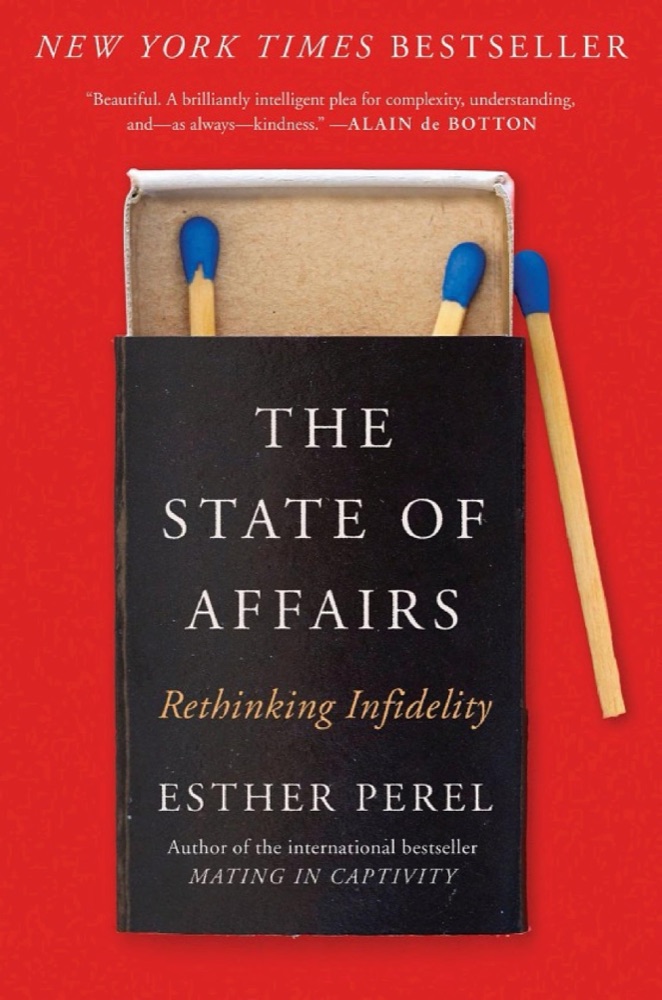 The State of Affairs: Rethinking Infidelity
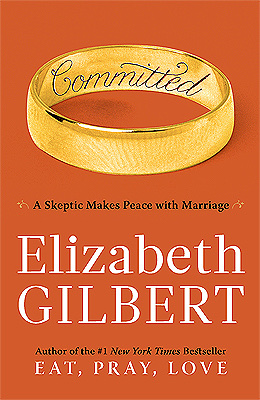 Committed: A Skeptic Makes Peace with Marriage
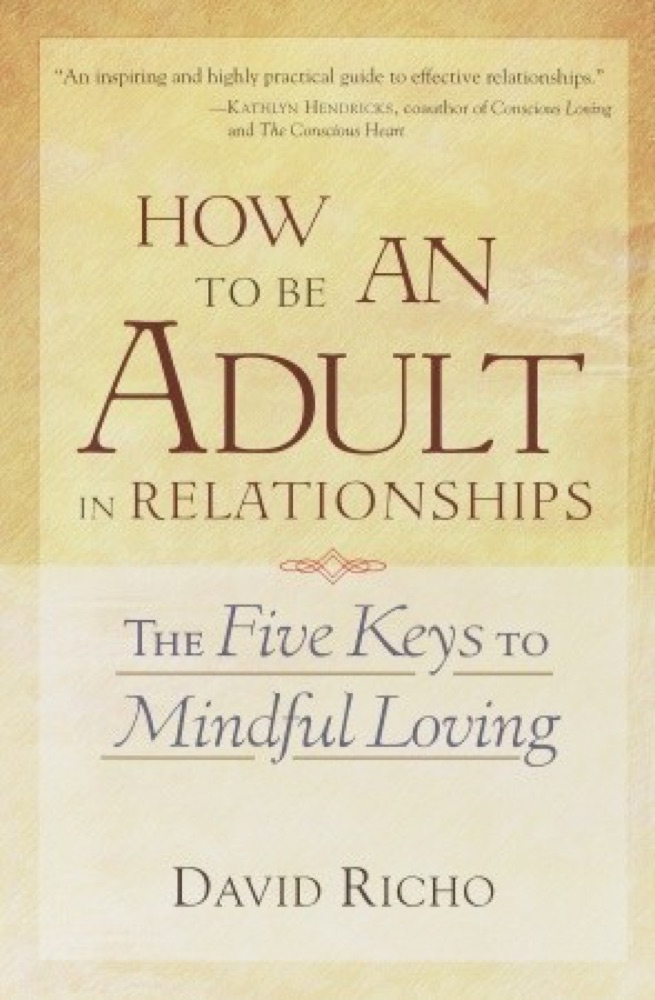 How to Be an Adult in Relationships: The Five Keys to Mindful Loving
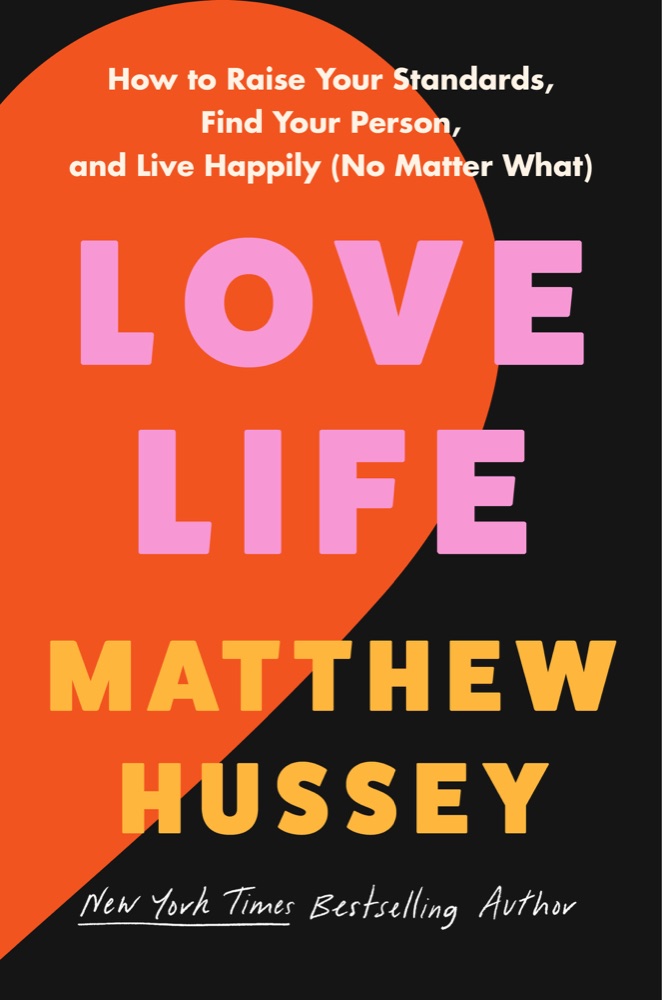 Love Life: How to Raise Your Standards, Find Your Person, and Live Happily
 Buy Yourself the Damn Flowers: The Self-Love Guide to Growing, Healing and Learning to Put Yourself First
 A General Theory of Love
 Good Morning, Monster: A Therapist Shares Five Heroic Stories of Emotional Recovery
 The Course of Love
 It Begins with You: The 9 Hard Truths About Love That Will Change Your Life
 Codependent No More: How to Stop Controlling Others and Start Caring for Yourself
 The Secret Life of Prince Charming
 Social Intelligence: The New Science of Human Relationships
 Marry Him: The Case for Settling for Mr. Good Enough
 Reflections of a Man
 Drama Free: A Guide to Managing Unhealthy Family Relationships
 Maybe You Should Talk to Someone: A Therapist, Her Therapist, and Our Lives Revealed
 It's Called a Breakup Because It's Broken: The Smart Girl's Break-Up Buddy
 Changes That Heal: How to Understand the Past to Ensure a Healthier Future
 Men Are from Mars, Women Are from Venus
 101 Essays That Will Change The Way You Think
 Unfuck Your Brain: Using Science to Get Over Anxiety, Depression, Anger, Freak-Outs, and Triggers
 Before Us
 Love, Freedom, and Aloneness: The Koan of Relationships
 Atlas of the Heart: Mapping Meaningful Connection and the Language of Human Experience
 Stay
Stay
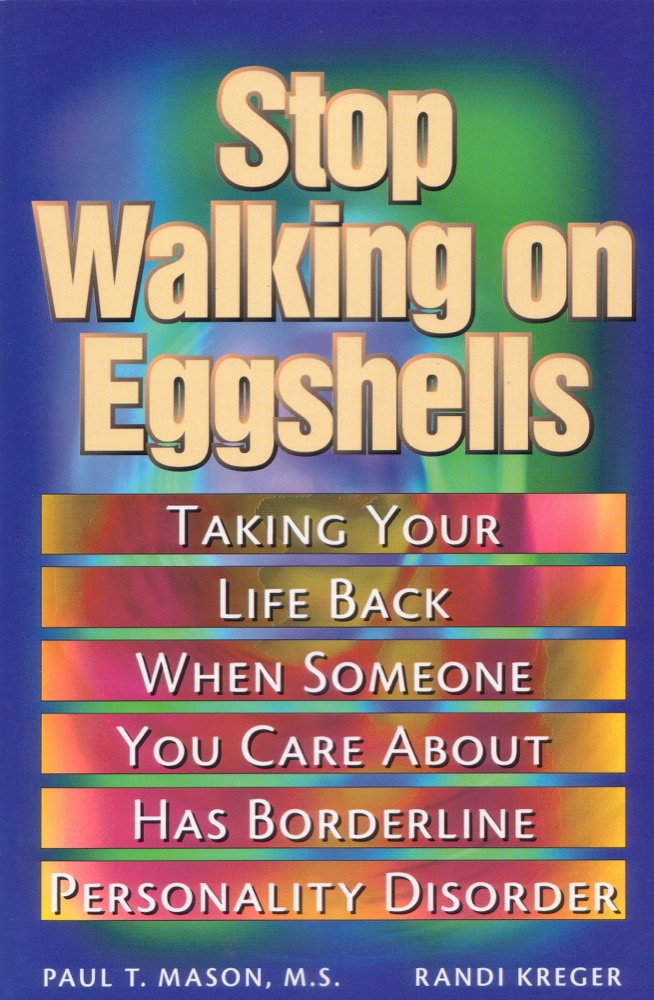 Stop Walking on Eggshells: Taking Your Life Back When Someone You Care about Has Borderline Personality Disorder
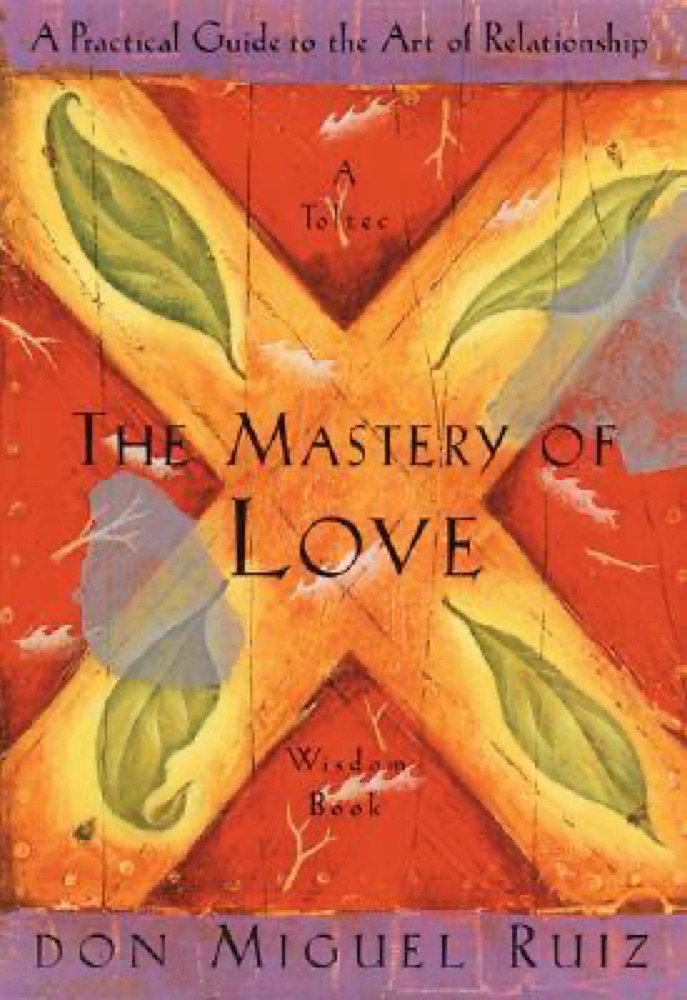 The Mastery of Love: A Practical Guide to the Art of Relationship: A Toltec Wisdom Book
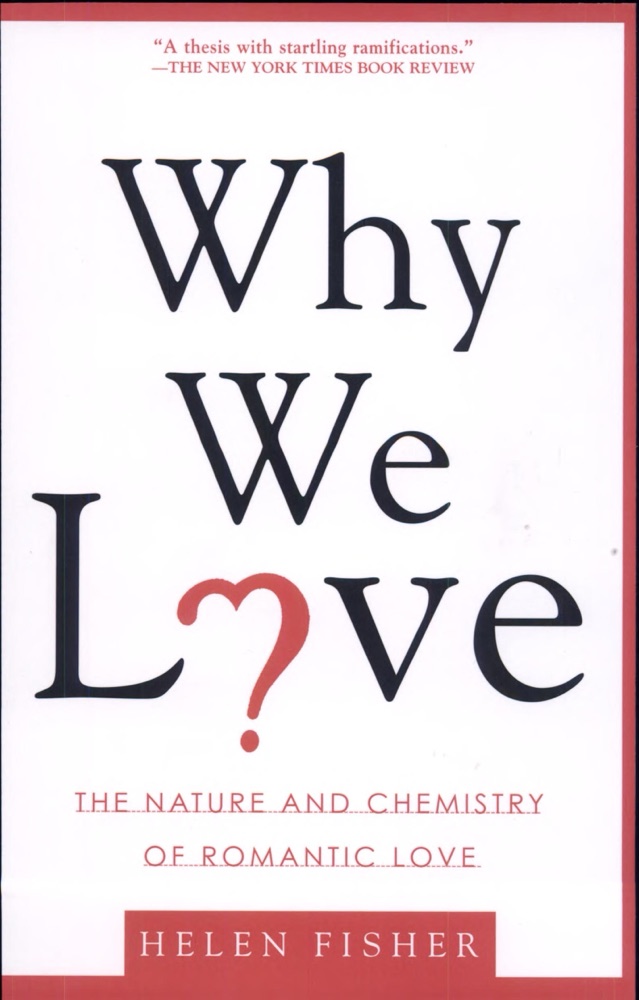 Why We Love: The Nature and Chemistry of Romantic Love
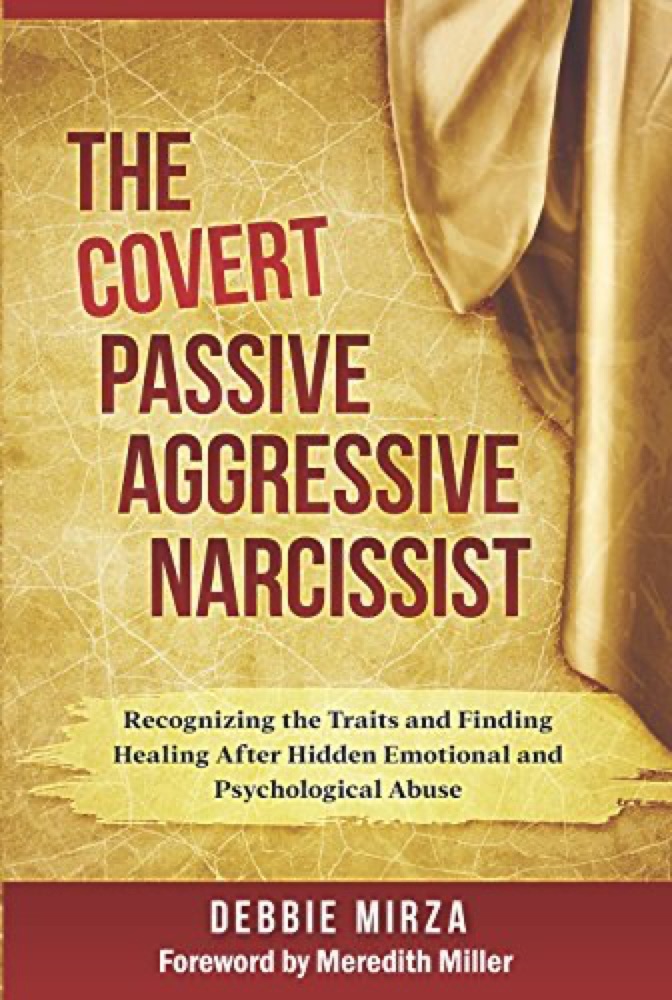 The Covert Passive Aggressive Narcissist: Recognizing the Traits and Finding Healing After Hidden Emotional and Psychological Abuse
 So Sad Today: Personal Essays
 Adult Children of Emotionally Immature Parents: How to Heal from Distant, Rejecting, or Self-Involved Parents
 On Love
 Letting Go: The Pathway To Surrender
 How to Love
 Another Day
 The Mountain Is You: Transforming Self-Sabotage Into Self-Mastery
 Why Men Marry Bitches: A Woman's Guide to Winning Her Man's Heart
 Love for Imperfect Things: How to Accept Yourself in a World Striving for Perfection
 Heartbreak: A Personal and Scientific Journey
 Untangle Your Emotions: Naming What You Feel and Knowing What to Do About It
 A Return to Love: Reflections on the Principles of "A Course in Miracles"