
 The Secret Life of Bees
Quotes from the Book
To remain silent in the face of evil is itself a form of evil.
If you must err, do so on the side of audacity.
My body might be a slave, but not my mind. For you, it's the other way round.
There's no pain on earth that doesn't crave a benevolent witness.
you got to figure out which end of the needle you’re gon be, the one that’s fastened to the thread or the end that pierces the cloth.
We 're all yearning for a wedge of sky, aren 't we? I suspect God plants these yearnings in us so we'll at least try and change the course of things. We must try, that's all" - Lucretia Mott in The Invention of Wings ― Sue Monk Kidd
I’d chosen the regret I could live with best, that’s all.
The sorry truth is you can walk your feet to blisters, walk till kingdom-com, and you never will outpace your grief.
I saw then what I hadn't seen before, that I was very good at despising slavery in the abstract, in the removed and anonymous masses, but in the concrete, intimate flesh of the girl beside me, I'd lost the ability to be repulsed by it. I'd grown comfortable with the particulars of evil. There's a frightful muteness that dwells at the center of all unspeakable things, and I had found my way into it.
When mauma saw my raw eyes, she said, “Ain’t nobody can write down in a book what you worth.
For a moment I felt the quiet hungering thing that comes inside when you return to the place of your origins, and then the ache of mis-belonging.
If you don't know where your're going, you should know where you came from.
She said it again, "I'm tired." She wanted me to tell her it was all right, to get her spirit and go on, but I couldn't say it. I told her, "Course you're tired. You worked hard your whole life. That's all you did was work." "Don't you remember me for that. Don't you remember I'm a slave and work hard. When you think of me, you say, she never belong to those people. She never belong to nobody but herself." She closed her eyes. "You remember that." "I will, mauma.
God fills us with all sorts of yearnings that go against the grain of the world—but the fact those yearnings often come to nothing, well, I doubt that’s God’s doing.” She cut her eyes at me and smiled. “I think we know that’s men’s doing.
How could I choose someone who would force me to give up my own small reach for meaning? I chose myself, and without consolation.
In writing The Invention of Wings, I was inspired by the words of Professor Julius Lester, which I kept propped on my desk: “History is not just facts and events. History is also a pain in the heart and we repeat history until we are able to make another’s pain in the heart our own.
There's a frightful muteness that dwells at the center of all unspeakable things, and I had found my way into it.
I'd been wandering about in the enchantments of romance, afflicted with the worst female curse on earth, the need to mold myself to expectations.
I didn't know how to be in the world without her.
Let not your heart be troubled. Neither let it be afraid.
I’d chosen the regret I could live with best, that’s all. I’d chosen the life I belonged to.
There was a time in Africa the people could fly. Mauma told me this one night when I was ten years old. She said, “Handful, your granny-mauma saw it for herself. She say they flew over trees and clouds. She say they flew like blackbirds. When we came here, we left that magic behind.
Their laughter would ring out abruptly, a sound Mother welcomed. “Our slaves are happy,” she would boast. It never occurred to her their gaiety wasn’t contentment, but survival.
As he left, I peered at Sarah Mapps and her mother, the way they grabbed hands and squeezed in relief, and then at Nina, at the small exultation on her face. She was braver than I, she always had been. I cared too much for the opinions of others, she cared not a whit. I was cautious, she was brash. I was a thinker, she was a doer. I kindled fires, she spread them. And right then and ever after, I saw how cunning the Fates had been. Nina was one wing, I was the other.
It has come as a great revelation to me,” I wrote her, “that abolition is different from the desire for racial equality. Color prejudice is at the bottom of everything. If it’s not fixed, the plight of the Negro will continue long after abolition.
How can you ask us to go back to our parlors?” I said, rising to my feet. “To turn our backs on ourselves and on our own sex? We don’t wish the movement to split, of course we don’t—it saddens me to think of it—but we can do little for the slave as long as we’re under the feet of men. Do what you have to do, censure us, withdraw your support, we’ll press on anyway. Now, sirs, kindly take your feet off our necks.
I longed for it in that excruciating way one has of romanticizing the life she didn’t choose.
People say love gets fouled by a difference big as ours. I didn’t know for sure whether Miss Sarah’s feelings came from love or guilt. I didn’t know whether mine came from love or a need to be safe. She loved me and pitied me. And I loved her and used her. It never was a simple thing. That day, our hearts were pure as they ever would get.
Everything she knew came from living on the scarce side of mercy.
All things pass in the end, even the worst melancholy. I opened my dresser and pulled out the lava box that held my button. My eyes glazed at the sight of it, and this time I felt my spirit rise up to meet my will. I would not give up. I would err on the side of audacity. That was what I'd always done.
Did you know?
- The novel was selected for Oprah Winfrey's Oprah's Book Club 2.0.
- It reached number one on the New York Times bestseller list.
- The character of Sarah Grimke is based on the real abolitionist and women's-rights advocate Sarah Moore Grimke.
- The story is narrated in alternating voices by the enslaved Handful and the slaveholder's daughter Sarah.
- Handful's mother Charlotte becomes connected to Denmark Vesey, the real free Black man who planned a slave uprising in Charleston.
About Sue Monk Kidd
Sue Monk Kidd is an American writer best known for her bestselling debut novel The Secret Life of Bees. She began her career writing memoir and spiritual nonfiction before turning to fiction, and her books frequently center on the inner lives of women in the American South.
More about the author →More by Sue Monk Kidd
The Secret Life of Bees
 The Mermaid Chair
 When the Heart Waits: Spiritual Direction for Life's Sacred Questions
About the book
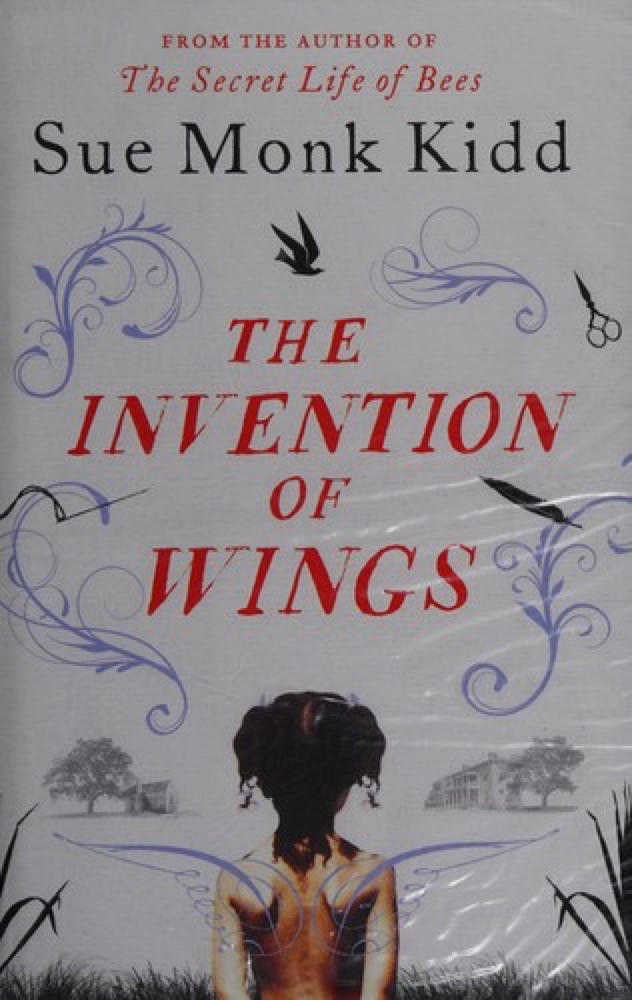
The Invention of Wings is a historical novel by Sue Monk Kidd, the author of The Secret Life of Bees. Set in early nineteenth-century Charleston, it opens on Sarah Grimke's eleventh birthday, when she is given ownership of ten-year-old Hetty "Handful" Grimke to serve as her personal maid. Over the next thirty-five years the narrative follows both women in alternating voices as each strives for a life of her own, their destinies entwined by a bond marked by guilt, defiance, estrangement, and an uneasy affection.
The book was inspired by the real historical figure of Sarah Grimke, who, with her sister Angelina, became an early abolitionist and women's-rights advocate. Around the documented record Kidd invents the interior lives of her characters, including Handful and her resourceful mother Charlotte, whose search for something better draws her toward Denmark Vesey and his planned insurrection. Through these intertwined journeys the novel explores slavery, sisterhood, identity, and the longing for freedom and a voice in the world.
Published by Viking in 2014, The Invention of Wings was chosen as an Oprah's Book Club 2.0 selection and became a number one New York Times bestseller. Praised for its textured storytelling and its unflinching look at a devastating chapter of American history, the book cemented Kidd's reputation for fiction that centers women's struggles for liberation and expression.
Key characters
- Sarah GrimkeDaughter of a slaveholding Charleston family who grows into an abolitionist and women's-rights advocate
- Hetty "Handful" GrimkeEnslaved girl given to Sarah as a maid who yearns for freedom
- CharlotteHandful's cunning, defiant mother, a seamstress in the Grimke household
- Angelina "Nina" GrimkeSarah's younger sister and eventual fellow reformer
- Denmark VeseyFree Black man who plans a slave insurrection in Charleston
Book details
- First published
- 2014
- Length
- 384 pages
- Reading time
- 7 hours
- Author
- Sue Monk Kidd
- Genre
- Fiction
- Goodreads rating
- 4.26 (337k ratings) →
- First line
- “There was a time in Africa the people could fly.”
If you liked this, read…
- 1The Secret Life of BeesSue Monk Kidd's earlier novel about women, race, and the American South
- 2The Underground RailroadAnother acclaimed novel confronting American slavery through an individual's quest for freedom
- 3The Book of NegroesHistorical fiction tracing an enslaved woman's long struggle toward liberty
Keep reading
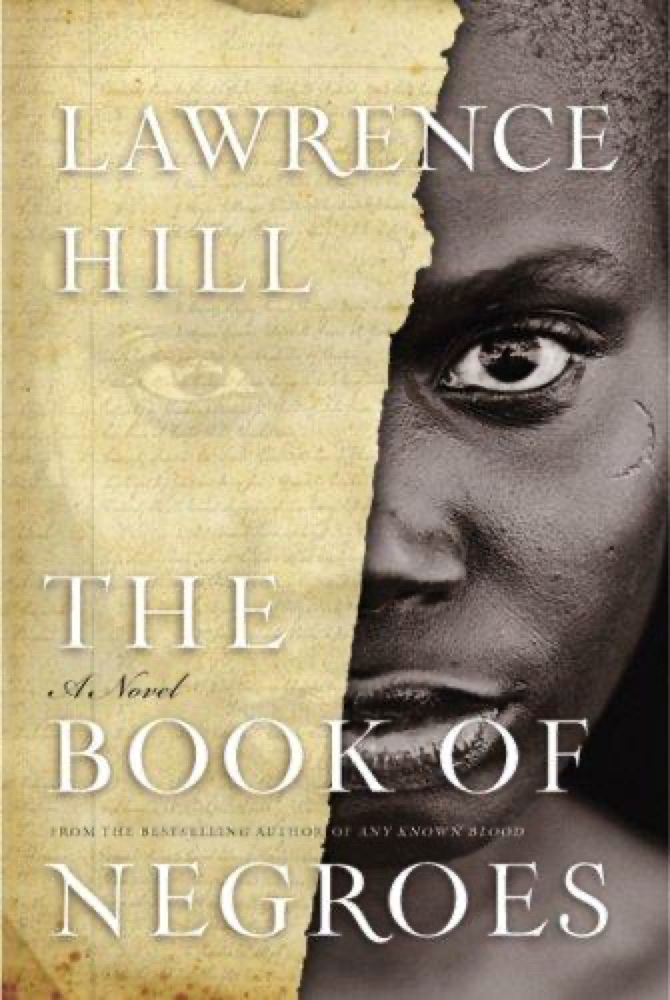 The Book of Negroes
 A Mercy
 The Witching Hour
 Atonement
 Great Expectations
The Mermaid Chair
Great Expectations
The Mermaid Chair
 The Marriage of Opposites
 Kindred
 Incantation
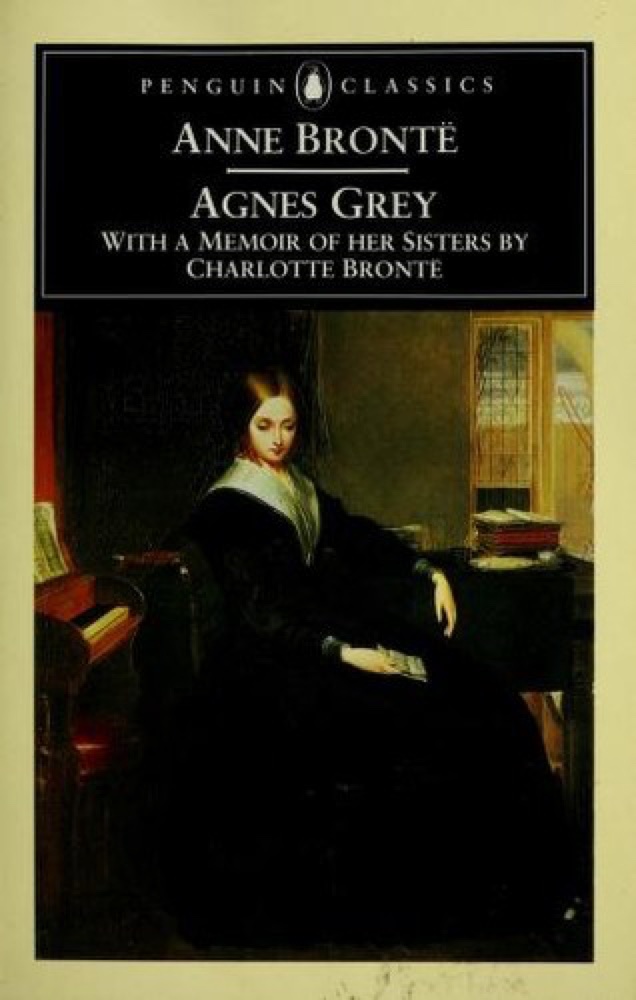 Agnes Grey
 The Bookshop at Water's End
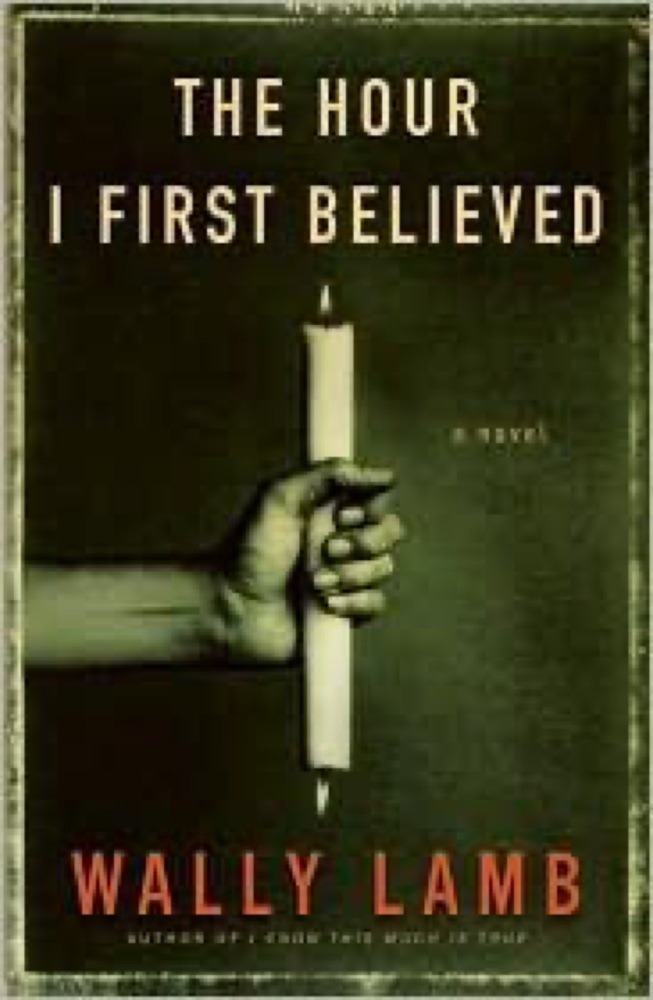 The Hour I First Believed
 Heart Berries
 Library of Souls
 The Story of a New Name
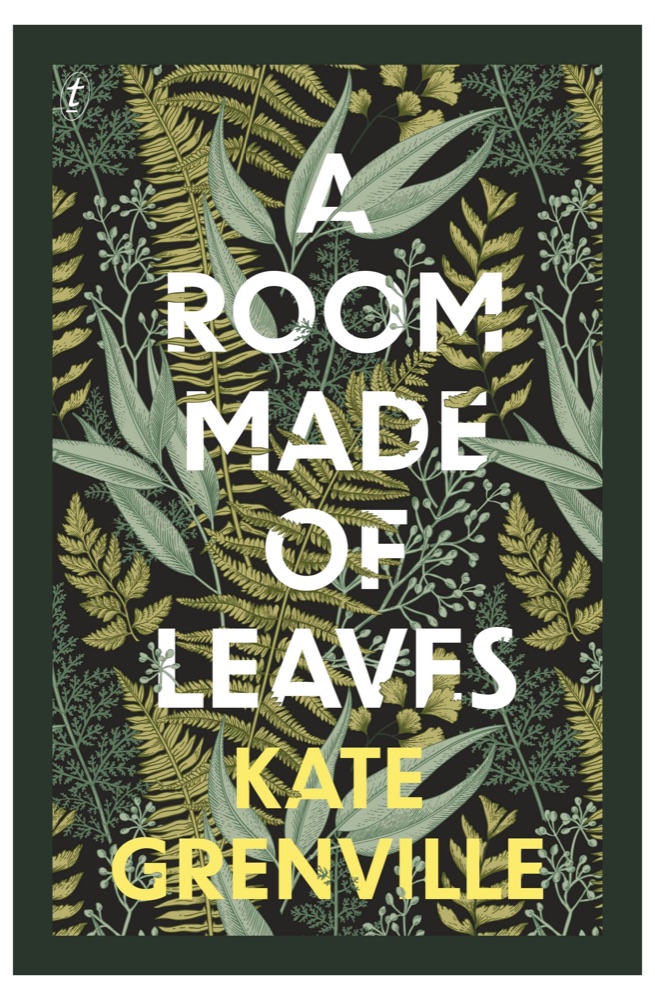 A Room Made of Leaves
 Hot Milk
 Year of Wonders
 And the Mountains Echoed
 Fire Shut Up in My Bones: A Memoir
 The Aviator's Wife
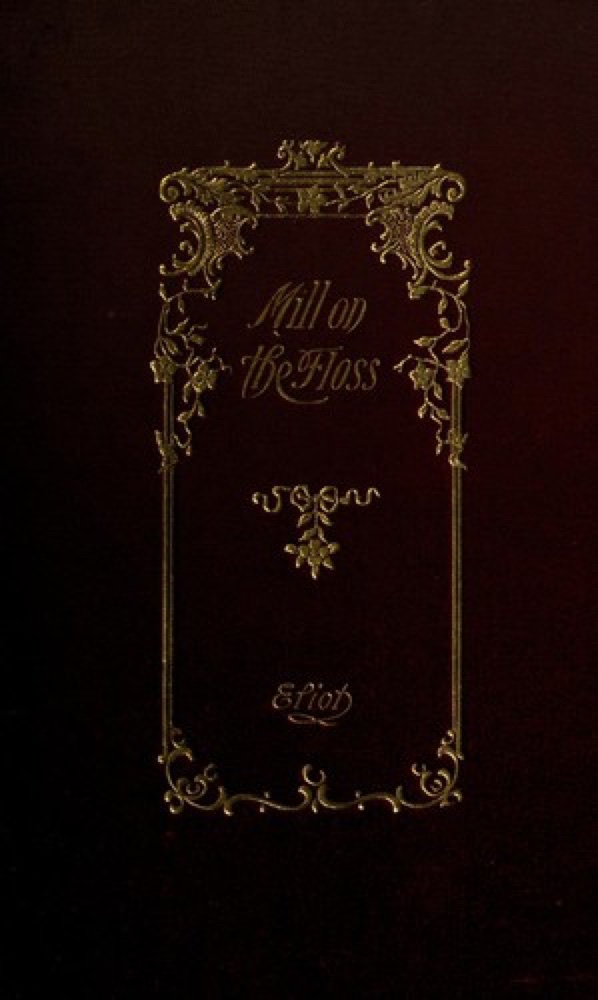 The Mill on the Floss
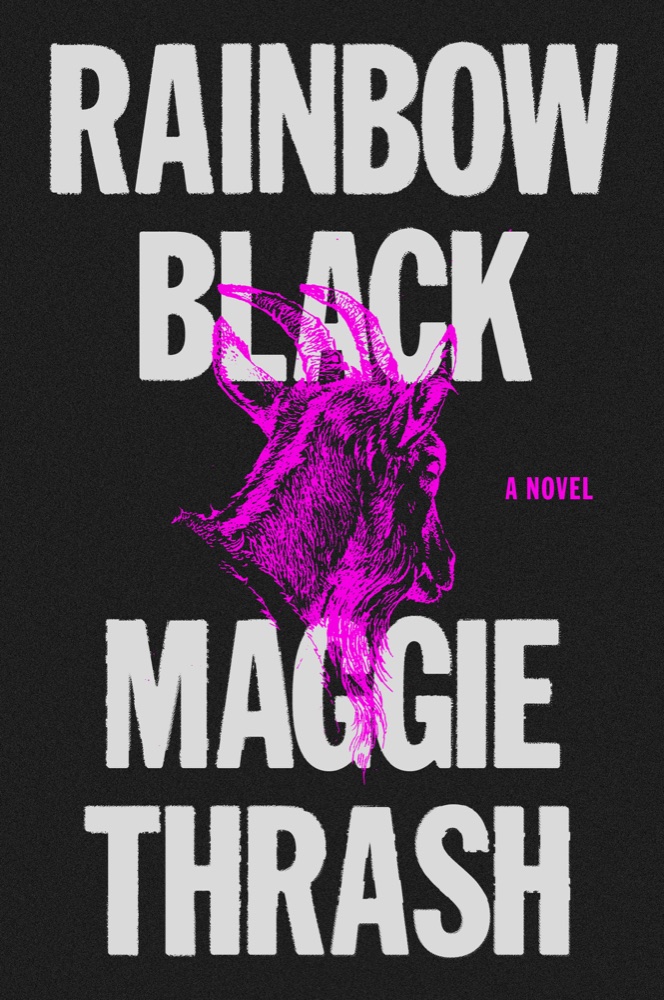 Rainbow Black
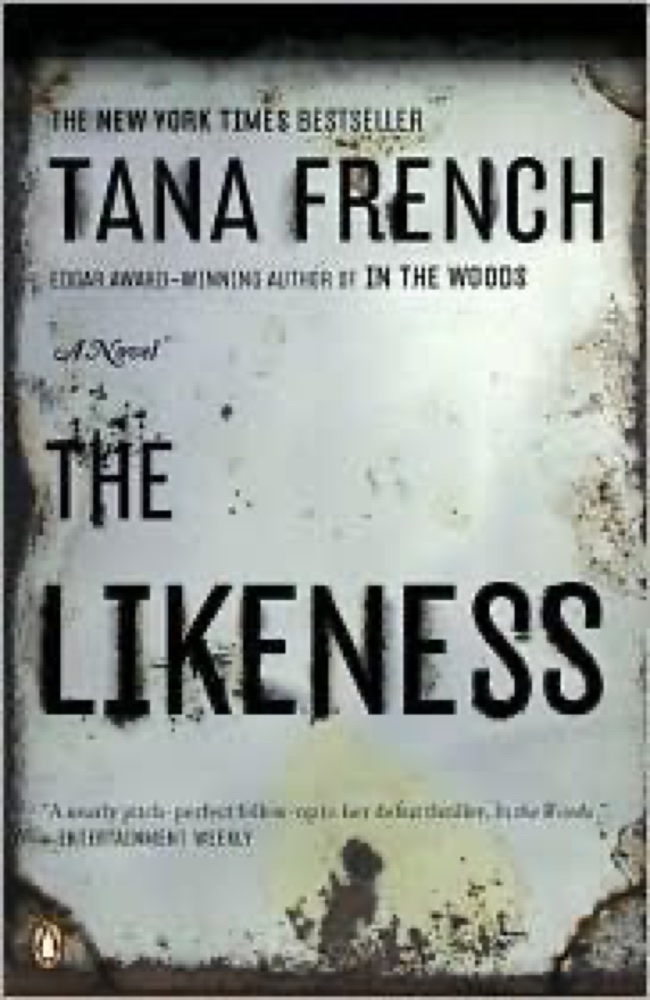 The Likeness
 The Heretic's Daughter
 Fingersmith
 Rebecca
 The Witch With No Name
 Burial Rites
 The Bonesetter's Daughter
 The Hacienda
 White Oleander
 Her Body and Other Parties
 Villette
 The Well of Loneliness
 Defiant
 Mother Mary Comes to Me
 The Void
 Every Heart a Doorway
 After the Flood
 Somebody's Daughter
 Harvesting the Heart
 The Handmaid's Tale
 Incidents in the Life of a Slave Girl
 Wayfarer
 Out of Oz
 Lucky
Lucky
 Home
Home
 Freshwater
 Wide Sargasso Sea
 Daughter of No Worlds
 Kissing the Witch: Old Tales in New Skins
 Sign Here
 Hester
 Bastard Out of Carolina
 Washington Black
 James
James
 The Blue Castle
 Devotion
 The Pox Party