
 Sea Prayer
Quotes from the Book
I suspect the truth is that we are waiting, all of us, against insurmountable odds, for something extraordinary to happen to us.
It's a funny thing... but people mostly have it backward. They think they live by what they want. But really, what guides them is what they're afraid of. What they don't want.
They say, Find a purpose in your life and live it. But, sometimes, it is only after you have lived that you recognize your life had a purpose, and likely one you never had in mind.
I now know that some people feel unhappiness the way others love: privately, intensely, and without recourse.
I learned that the world didn't see the inside of you, that it didn't care a whit about the hopes and dreams, and sorrows, that lay masked by skin and bone. It was as simple, as absurd, and as cruel as that.
Out beyond ideas of wrongdoing and right doing, there is a field. I’ll meet you there.
J’aurais dû être plus gentille—I should have been more kind. That is something a person will never regret. You will never say to yourself when you are old, Ah, I wish I was not good to that person. You will never think that.
All good things in life are fragile and easily lost
A story is like a moving train: no matter where you hop onboard, you are bound to reach your destination sooner or later.
When you have lived as long as I have, the div replied, you find that cruelty and benevolence are but shades of the same color.
You say you felt a presence, but I only sensed an absence. A vague pain without a source. I was like a patient who cannot tell the doctor where it hurts, only that it does.
The rope that pulls you from the flood can become a noose around your neck.
It was the kind of love that, sooner or later, cornered you into a choice: either you tore free or you stayed and withstood its rigor even as it squeezed you into something smaller than yourself.
They tell me I must wade into waters, where I will soon drown. Before I march in, I leave this on the shore for you. I pray you find it, sister, so you will know what was in my heart as I went under.
For courage, there must be something at stake. I come here with nothing to lose.
Kabul is... a thousand tragedies per square mile.
But it is important to know this, to know your roots. To know where you started as a person. If not, your own life seems unreal to you. Like a puzzle. Vous comprenez? Like you have missed the beginning of a story and now you are in the middle of it, trying to understand.
The finger cut, to save the hand.
He said that if culture is a house, then language was the key to the front door; to all the rooms inside. Without it, he said, you ended up wayward, without a proper home or a legitimate identity.
Nothing good came free. Even love. You paid for all things. And if you were poor, suffering was your currency.
Human behavior is messy and unpredictable and unconcerned with convenient symmetries.
I found a sad little fairy Beneath the shade of a paper tree. I know a sad little fairy Who was blown away by the wind one night.
I have lived a long time, and one thing I have come to see is that one is well served by a degree of both humility and charity when judging the inner workings of another person's heart
She is furious with herself for her own stupidity. Opening herself up like this, voluntarily, to a lifetime of worry and anguish. It was madness. Sheer lunacy. A spectacularly foolish and baseless faith, against enormous odds, that a world you do not control will not take from you the one thing you cannot bear to lose. Faith that the world will not destroy you.
I've read that if an avalanche buries you and you're lying there underneath all that snow, you can't tell which way is up or down. You want to dig yourself out but pick the wrong way, and you dig yourself to your own demise.
At last, she makes her choice. She turns around, drops her head, and walks toward a horizon she cannot see. After that, she does not look back anymore. She knows that if she does, she will weaken.
I have a theory about marriage, Monsieur Boustouler. And it's that nearly always you will know within two weeks if it's going to work. It's astonishing how many people remain shackled for years, decades even, in a protracted and mutual state of self-delusion and false hope when in fact they had their answer in those first two weeks.
i want to give up my bearings, slip out of who i am, shed everything, the way a snake discards old skin.
The cities, the roads, the countryside, the people I meet - they all begin to blur. I tell myself I am searching for something. But more and more, it feels like I am wandering, waiting for something to happen to me, something that will change everything, something that my whole life has been leading up to.
Did you know?
- The novel opens with a fable about a farmer named Baba Ayub who must surrender a child to a creature called the div.
- The story is told across nine chapters through many different narrators and points of view.
- Its settings span Kabul, Paris, San Francisco and the Greek island of Tinos.
- It is Hosseini's third novel, following The Kite Runner and A Thousand Splendid Suns.
- The central separation is between siblings Abdullah and his younger sister Pari.
About Khaled Hosseini
Khaled Hosseini is an Afghan-American novelist and former physician, born in Kabul in 1965, who emigrated to the United States as a refugee. He is best known for his debut The Kite Runner (2003) and A Thousand Splendid Suns (2007), and serves as a UNHCR goodwill ambassador.
More about the author →More by Khaled Hosseini
About the book
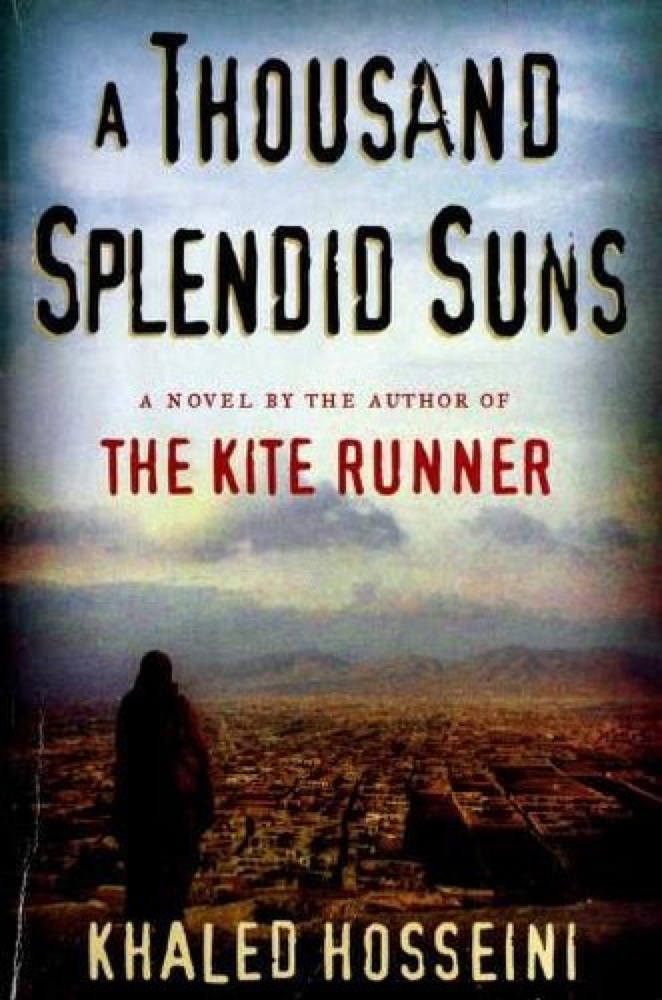
"And the Mountains Echoed" is Khaled Hosseini's third novel, opening in the Afghan village of Shadbagh in 1952, where an impoverished father, Saboor, makes the wrenching decision to give his three-year-old daughter Pari to a wealthy childless couple in Kabul. The parting tears her from her devoted ten-year-old brother Abdullah, and the fracture at the heart of the book ripples outward across sixty years and several continents.
Told in nine chapters through shifting narrators and moving between Kabul, Paris, San Francisco and the Greek island of Tinos, the novel traces how a single choice resonates through generations. It braids together the lives of parents and children, siblings, servants and caretakers, letting each perspective illuminate the same events from a new angle.
At its core the book explores familial love, sacrifice, memory and the long shadow cast by difficult choices, framed by the opening fable of the farmer Baba Ayub and the div. Hosseini's characteristic compassion and attention to the bonds that shape us made it a major bestseller; it won the 2013 Goodreads Choice Award for Fiction and spent months on the New York Times bestseller list.
Key characters
- AbdullahDevoted older brother who raises and adores his sister Pari
- PariYoung girl given away to a wealthy family, separating her from Abdullah
- SaboorImpoverished father who makes the decision to give Pari away
- ParwanaStepmother haunted by guilt over her disabled twin sister Masooma
- NabiParwana's brother who arranges the adoption and becomes a longtime servant
- Nila WahdatiPari's adoptive mother, a French-Afghan woman who relocates to Paris
Book details
- First published
- 2013
- Length
- 402 pages
- Reading time
- 8 hours
- Author
- Khaled Hosseini
- Genre
- Contemporary
- Goodreads rating
- 4.08 (413k ratings) →
- First line
- “So, then. You want a story and I will tell you one.”
If you liked this, read…
- 1The Kite RunnerHosseini's own Afghanistan-set novel of guilt, family and redemption
- 2A Thousand Splendid SunsHosseini's story of Afghan women bound by love and hardship
- 3The NamesakeJhumpa Lahiri's multigenerational tale of family, identity and displacement
Keep reading
 The Hour I First Believed
 Fool's Fate
 Canada
 The Valley of Amazement
 After the Quake
 The Likeness
 Requiem
 The Yellow Birds
 Little Bee
 The Ground Beneath Her Feet
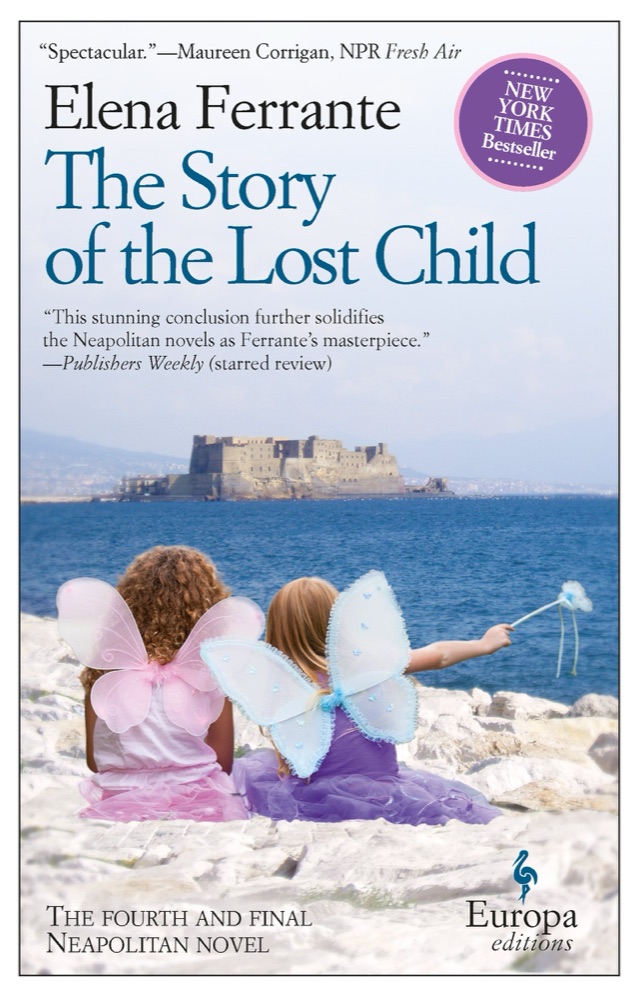 The Story of the Lost Child
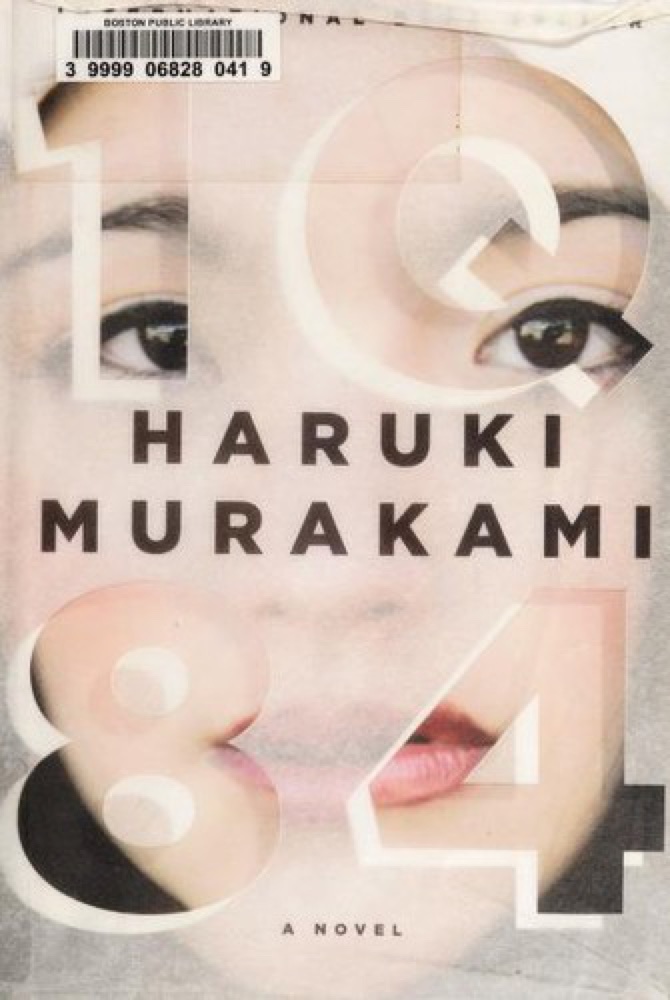 1Q84
1Q84
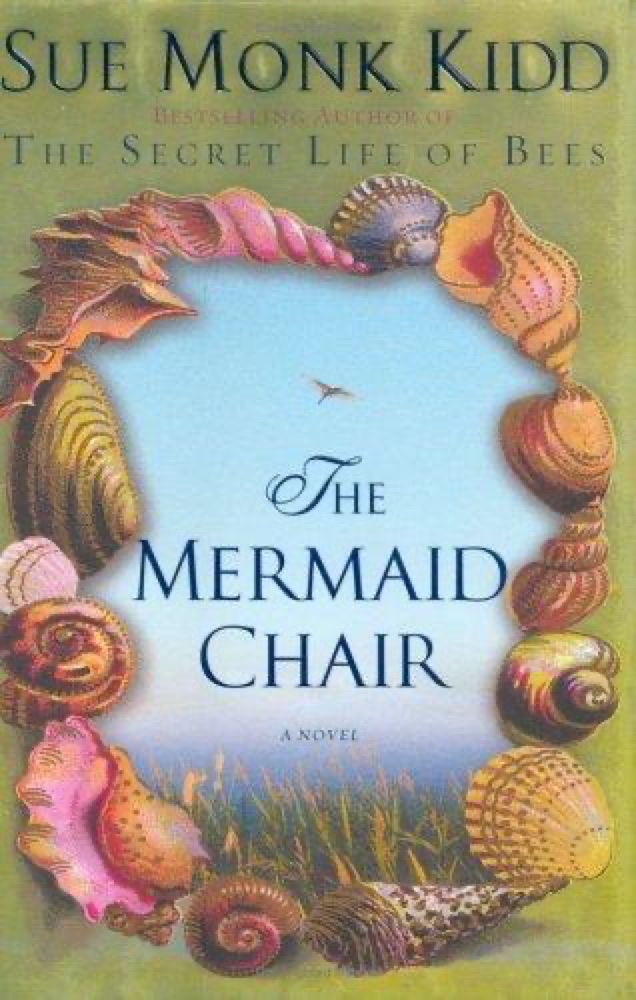 The Mermaid Chair
 The Walk
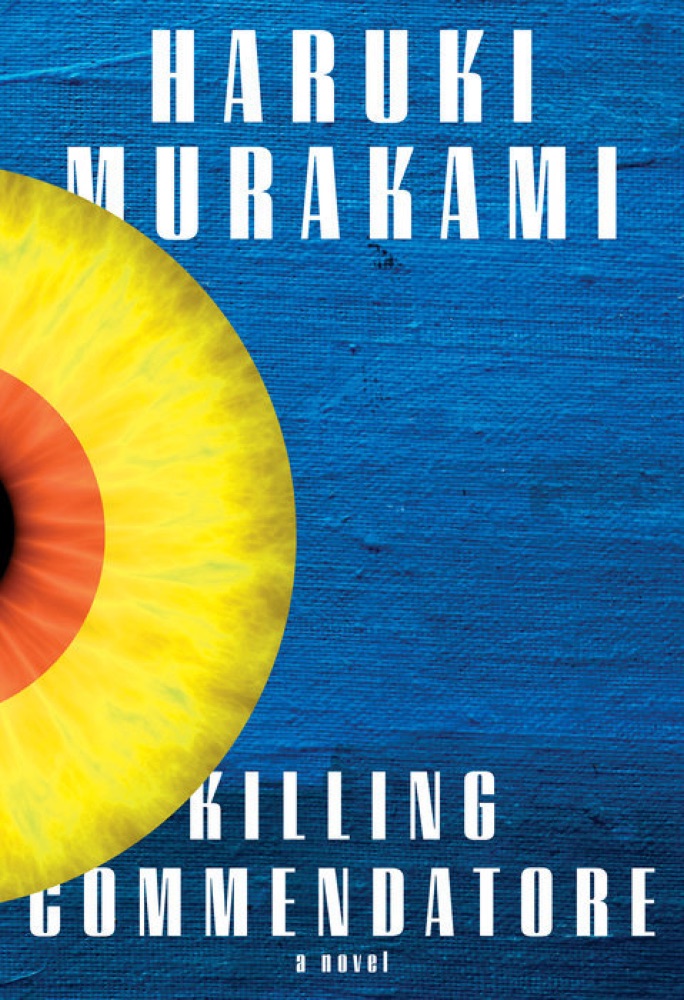 Killing Commendatore
 Wolf in White Van
 The Testaments
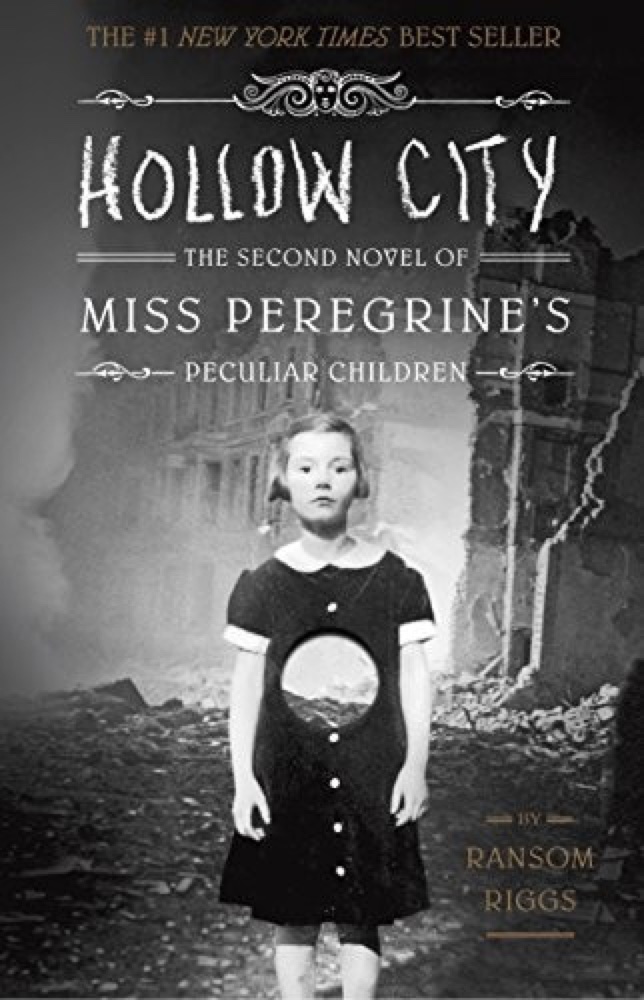 Hollow City
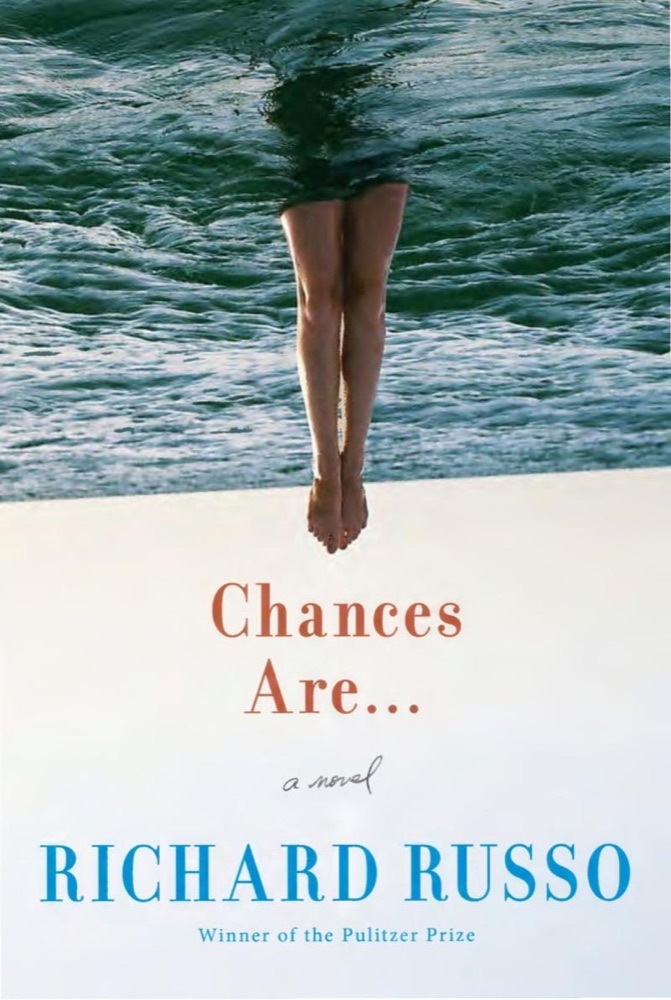 Chances Are...
 The Sweet Far Thing
 Embers
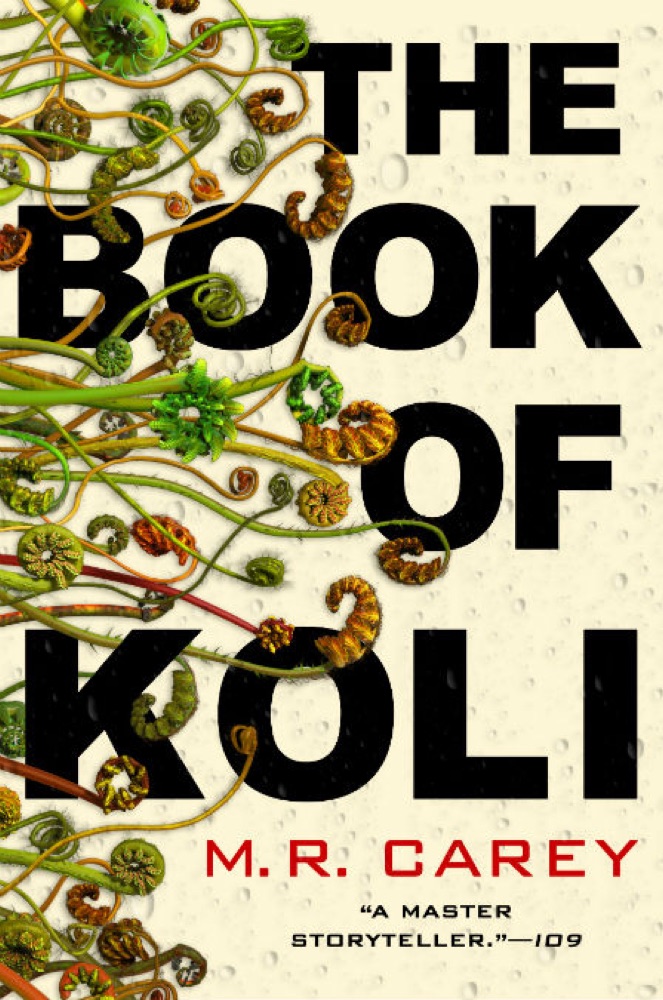 The Book of Koli
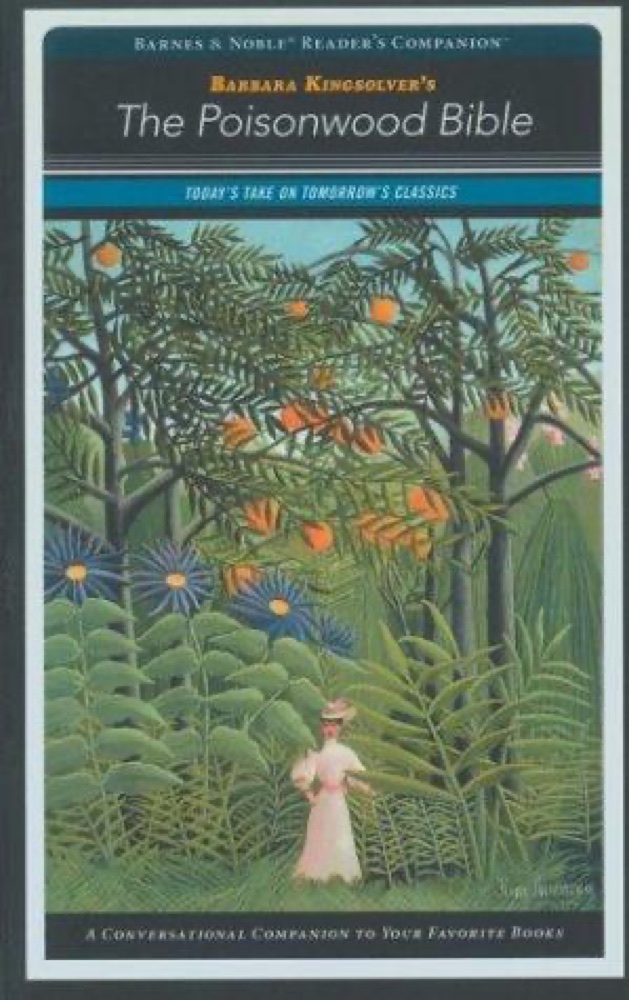 The Poisonwood Bible
 S.
S.
 Oranges Are Not the Only Fruit
 Cold Mountain
 Crossed
 My Friends
 A Great and Terrible Beauty
 Immortal
 Traveling Mercies: Some Thoughts on Faith
 Dream Work
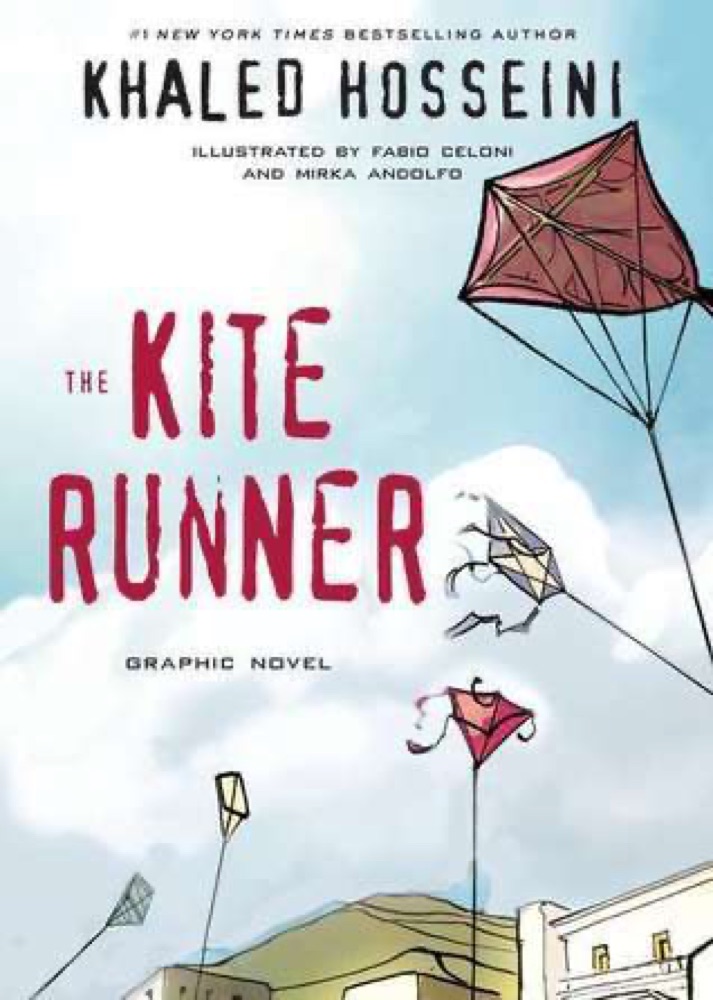 The Kite Runner
 A Stolen Life
 A Sudden Light
 The Story of a New Name
 Dream Count
 Out of Oz
 This Is Happiness
 The Lies About Truth
 The Year of the Flood
 Memoirs of a Geisha
 Snow
Snow
 Rot & Ruin
 The Handmaid's Tale
 Golden Fool
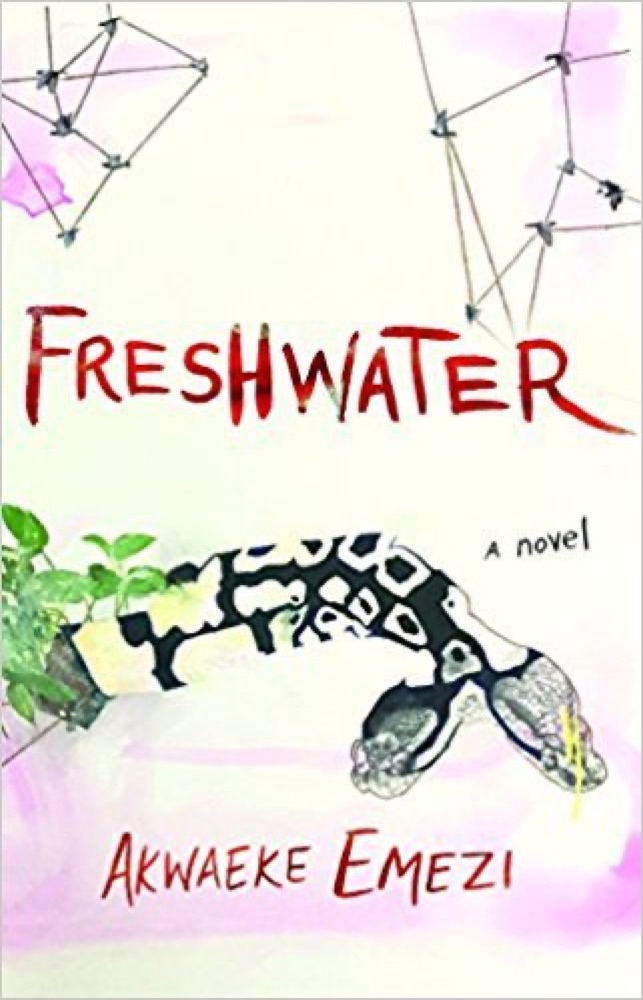 Freshwater
 The Black Obelisk
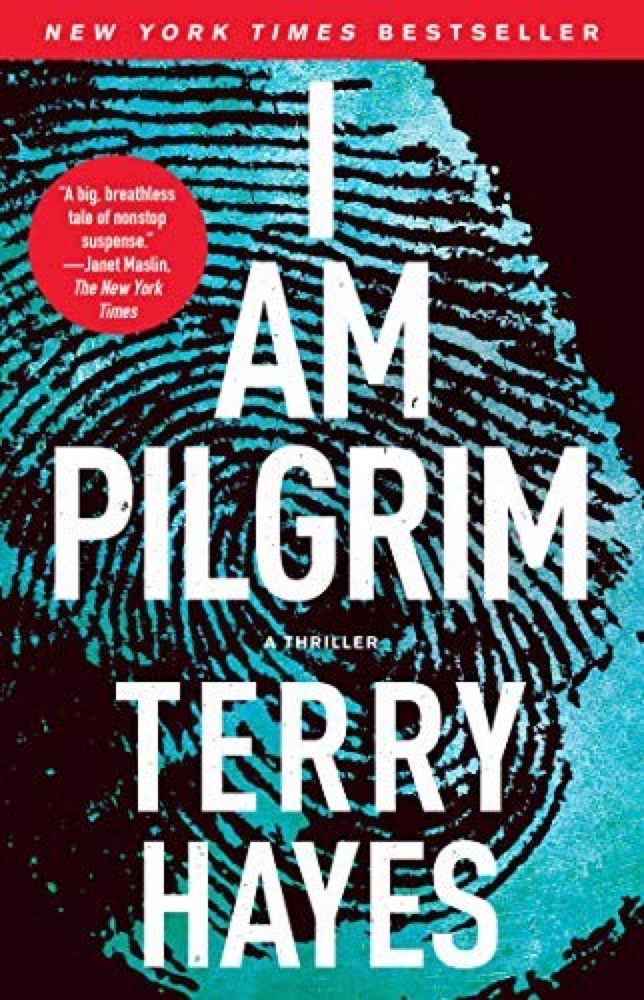 I Am Pilgrim
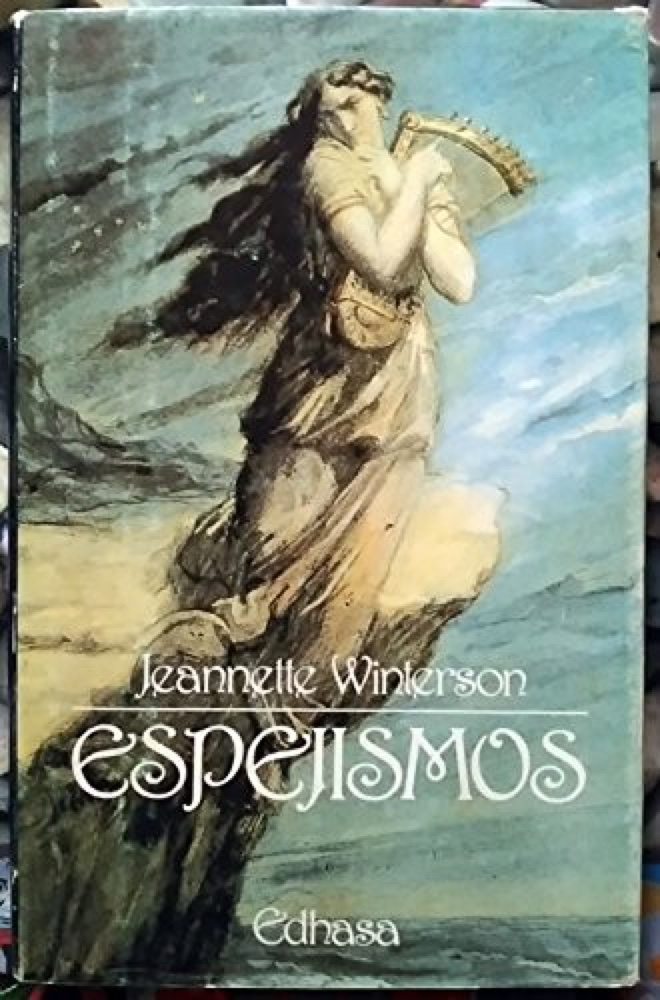 Sexing the Cherry
 The Shadow Land
 Q & A
Q & A
 A Mercy
 The Butterfly Garden
 The Lake
 Just After Sunset
 Lila
Lila
 A Long Way Gone
 The Dead-Tossed Waves
 A Tale of Two Cities