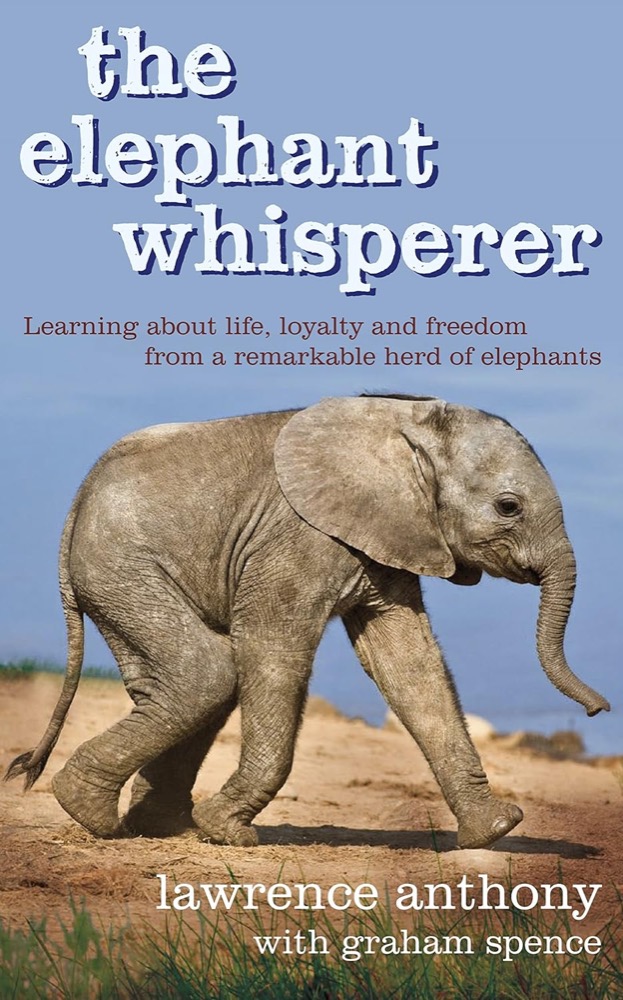
 Elephant Whisperer
Quotes from the Book
Only when we pause to wonder do we go beyond the limits of our little lives. —Rod McKuen
4
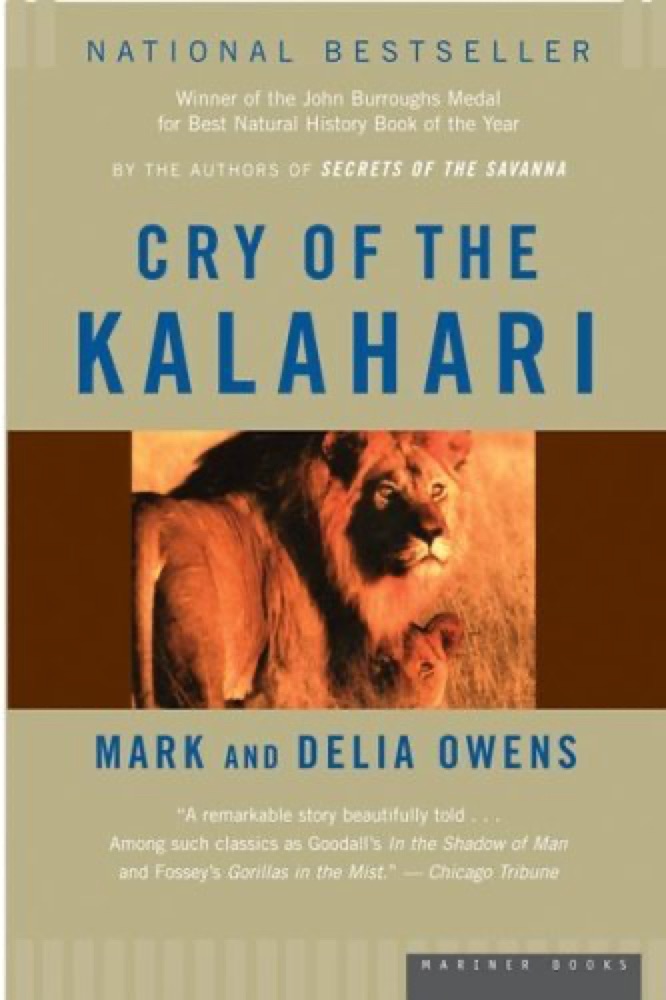
The entire Blue Pride, nine in all, surrounded us, nearly all of them asleep. We were quite literally in bed with a pride of wild Kalahari lions.
3
Failure was an option we simply could not afford. We had invested all our savings -our dreams and our pride- in this venture. There was no reason to turn around; there was nothing to go back to.
3
For a scavenger, patience is the key to the pantry.
1
The valley was bright with sunshine when we opened our eyes the next morning. But it was not the same malevolent sun that had scorched the Kalahari for months. Soft, mellow rays caressed the backs of several hundred springbok, nibbling grass bases succulent with glittering droplets. The storm was only a smudge on the distant horizon. From camp we could see Captain and Mate and a pair of bat-eared foxes drinking from puddles on the spongy desert floor.
1
At last it was raining. Water was streaming through gaps in the window frames and trickling into our laps. “Smell it! Smell it! God, how wonderful! How beautiful!” we shouted over and over.
1
The people of the village were hungry. We avoided the eyes of the begging children, embarrassed that we had nothing we could give them, yet knowing we were wealthy by comparison.
1
I've about had it with flying," he grumbled, switching off the plane's systems, "It's ninety-nine percent boring and one percent sheer terror.
1
Aaoouu—a soft groan startled me. I slowly lifted my head and peered over my feet. My breath caught. It was a very big lioness—more than 300 pounds—but from ground level she looked even larger. She was moving toward us from about five yards away, her head swinging from side to side and the black tuft on her tail twitching deliberately. I clenched a tuft of grass, held on tight, and froze. The lioness came closer, her broad paws lifting and falling in perfect rhythm, jewels of moisture clinging to her coarse whiskers, her deep-amber eyes looking straight at me. I wanted to wake up Delia, but I was afraid to move.
Any information about how many of them live in a group, whether or not they defend a communal territory, and why they associate together is important for the conservation of hyenas. But there is another reason to investigate their social life: Man is also a social carnivore, and by understanding the evolution and nature of societies of other predators, we can better understand our own sense of territoriality, our need for identity as part of a group, and our aggressive tendencies as competitors.
Because brown hyenas and jackals are keen competitors, they always check on each other when meeting and often discover that the other has food. These inexperienced youngsters were apparently hoping Star would lead them to an easy meal.
After the fire passed us it marched on across the dune tops into the Kalahari, lighting the night sky like a spectacular sunset. Behind it, the cool pink glow of burned-out trees and logs remained, until the fire’s crimson was lost in the blush of dawn.
As we stood watching the ominous cloud, a strong wind, gusting to thirty miles per hour, struck us full in the face, tugging at our clothes and bringing tears to our eyes. Only miles of dry grass stood between us and the fire.
Especially after our Makgadikgadi experiences, we were very aware that the two absolute essentials for survival in the Kalahari were water and the truck.
Because it often receives somewhat more than ten inches of rainfall, the Central Kalahari is not a true desert. It has none of the naked, shifting sand dunes that typify the Sahara and other great deserts of the world. In some years the rains may exceed twenty—once even forty— inches, awakening a magic green paradise.
That second night we camped next to a small tree not more than six feet high, the only one for miles around. We had been irresistibly drawn to it and had actually driven quite a way off course to get to it. Though we slept inside the truck, the tree gave us a vague sense of security. Our early primate ancestors would probably have been similarly pleased to find even this mere seedling on a nearly treeless plain, after they left the safety of the forests to venture onto the vast savannas millions of years ago.
Most game reserves in Botswana are large tracts of totally undeveloped wilderness. There are no paved roads, fast-food stands, water fountains, campgrounds, restrooms, or any of the other “improvements” found in parks and reserves in more developed countries.
A visiting scientist tell of Africa’s disappearing wilderness: More than two-thirds of its wildlife had already been eliminated, pushed out of its habitats by large ranches and urban sprawl. In the southern regions, thousands of predators were being trapped, shot, snared, and poisoned to protect domestic stock. In some African nations, conservation policies and practices were virtually nonexistent.
Because of the heat and the lack of water and materials for shelter, much of the Central Kalahari has remained unexplored and unsettled. From our camp there was no village around the corner or down the road. There was no road. We had to haul our water a hundred miles through the bushveld, and without a cabin, electricity, a radio, a television, a hospital, a grocery store, or any sign of other humans and their artifacts for months at a time, we were totally cut off from the outside world.
Watch on YouTube
About Mark Owens
About the book
Rahvusvahelise menuki „Kus laulavad langustid“ autori Delia Owensi ja tema toonase abikaasa Mark Owensi haarav mälestusteraamat, mis kirjeldab nende elu Kalahari kõrbes sealse eluslooduse uurimisel.Seitse aastat elasid nad Aafrikas läbiuurimata piirkonnas ilma teede, inimeste ja ainsagi veeallikata. Sellel ääretul tühermaal kohtasid nad loomi, kes polnud kunagi inimest näinud. Lõvid magasid nende kõrval, leopardid, kaelkirjakud ja pruun-vööthüäänid olid laagri alalised külalised. Kalahari kõrb pole aga mingi Eedeni aed ning Owensid sattusid alatasa ohtu – küll kimbutasid neid põuad, tulekahjud ja tormid ning isegi loomad, keda nad armastasid.„Kalahari karje“ on võitnud John Burroughsi medali aasta parima loodusteemalise raamatu eest.
Book details
- First published
- 1984
- Author
- Mark Owens
- Genre
- Nonfiction
- Goodreads rating
- 4.32 (9k ratings)
Keep reading
Elephant Whisperer
 Don't Let's Go to the Dogs Tonight
 Whatever You Do, Don't Run: True Tales Of A Botswana Safari Guide
 Zoo
Zoo
 Last Chance to See
 South: The Story of Shackleton's Last Expedition 1914-1917
 Out of Africa
 Mother of God: An Extraordinary Journey into the Uncharted Tributaries of the Western Amazon
 The Adventures of China Iron
 Elephant Whisperer
 Fifteen Dogs
 In a Sunburned Country
 The Boy Who Harnessed the Wind: Creating Currents of Electricity and Hope
 Desert Solitaire
 The Last Ranger
 The Monkey Wrench Gang
 Voyage of the Beagle
 Savage Run
 Jaguars Ripped My Flesh
 Tears of the Giraffe
 King Solomon's Mines
 In Patagonia
 Travels with Myself and Another
 The Shadow of the Sun
 A Walk in the Woods
 Jungle
 Barkskins
 The River at Night
 Wild Ones: A Sometimes Dismaying, Weirdly Reassuring Story About Looking at People Looking at Animals in America
 The Salt Path
 Vanishing Treasures: A Bestiary of Extraordinary Endangered Creatures
 The Famished Road
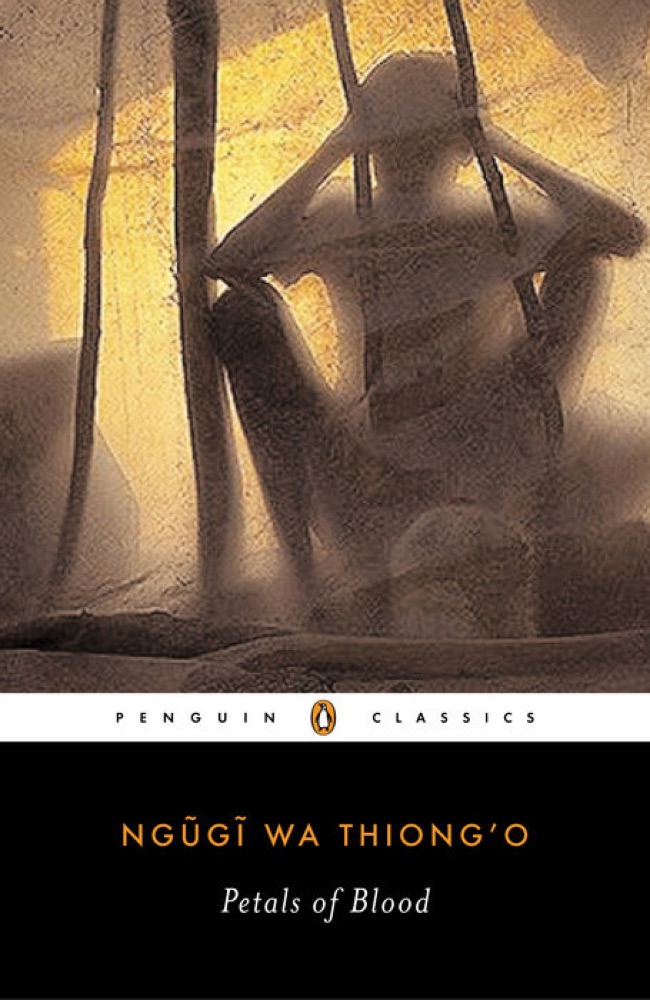 Petals of Blood
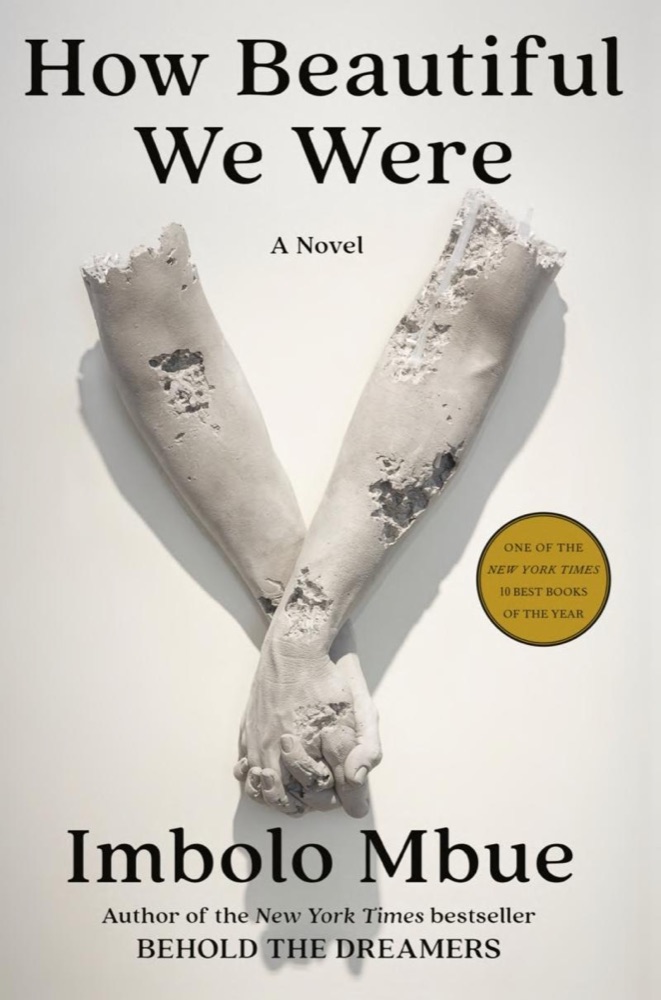 How Beautiful We Were
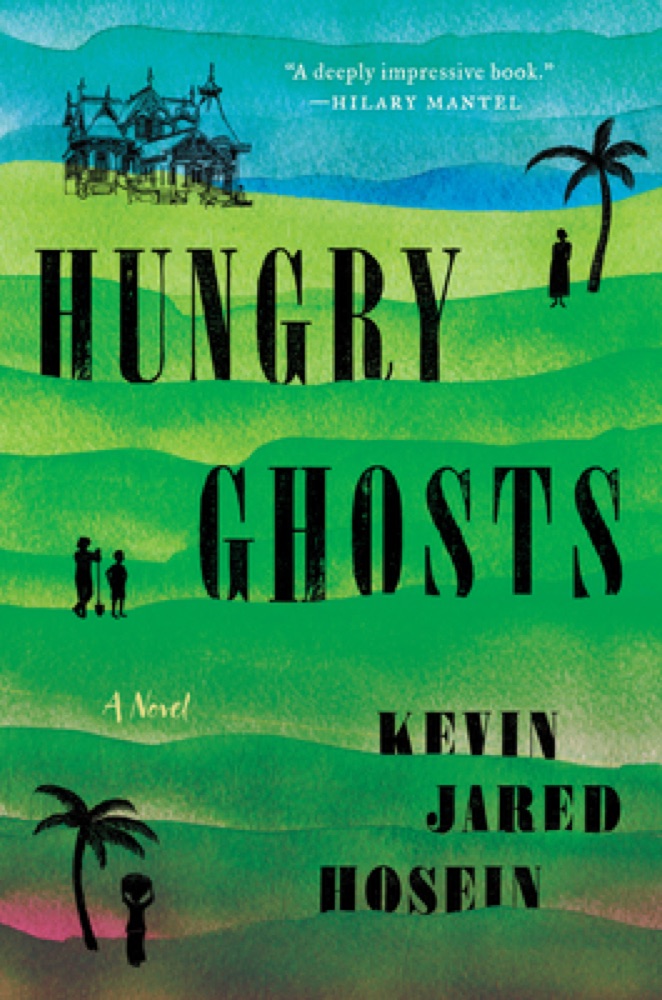 Hungry Ghosts
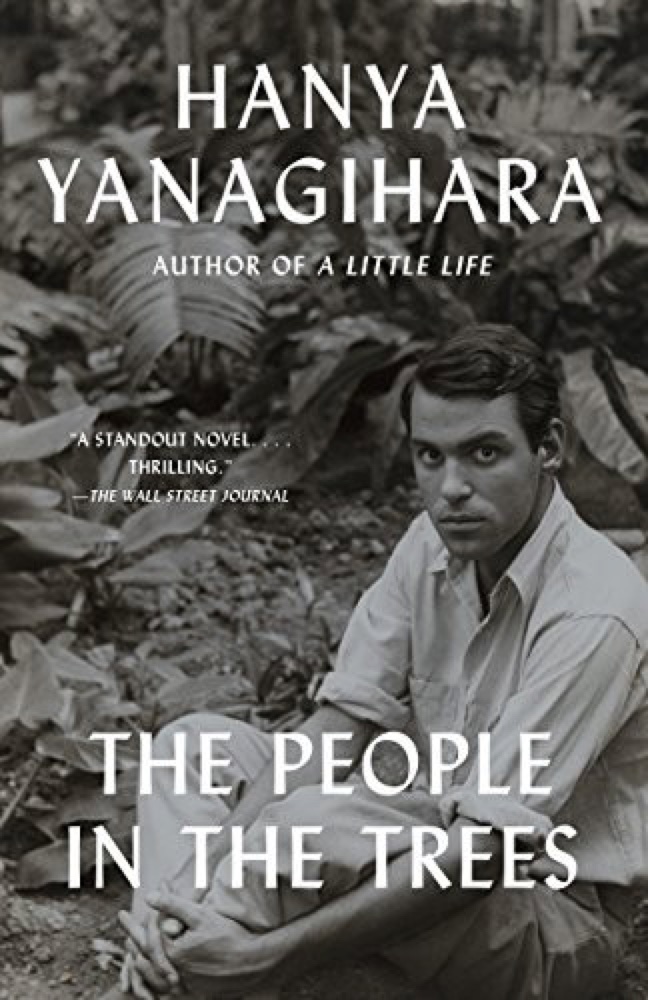 The People in the Trees
 The Night Watchman
 Steve & Me
 Arctic Dreams
 Roughing It
 The Extinction of Irena Rey
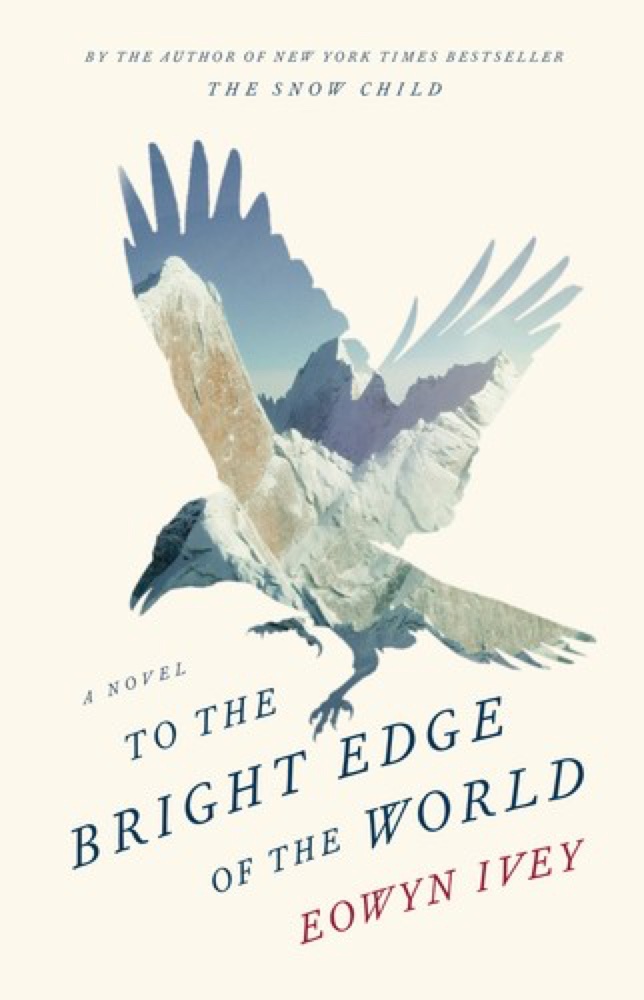 To The Bright Edge of the World
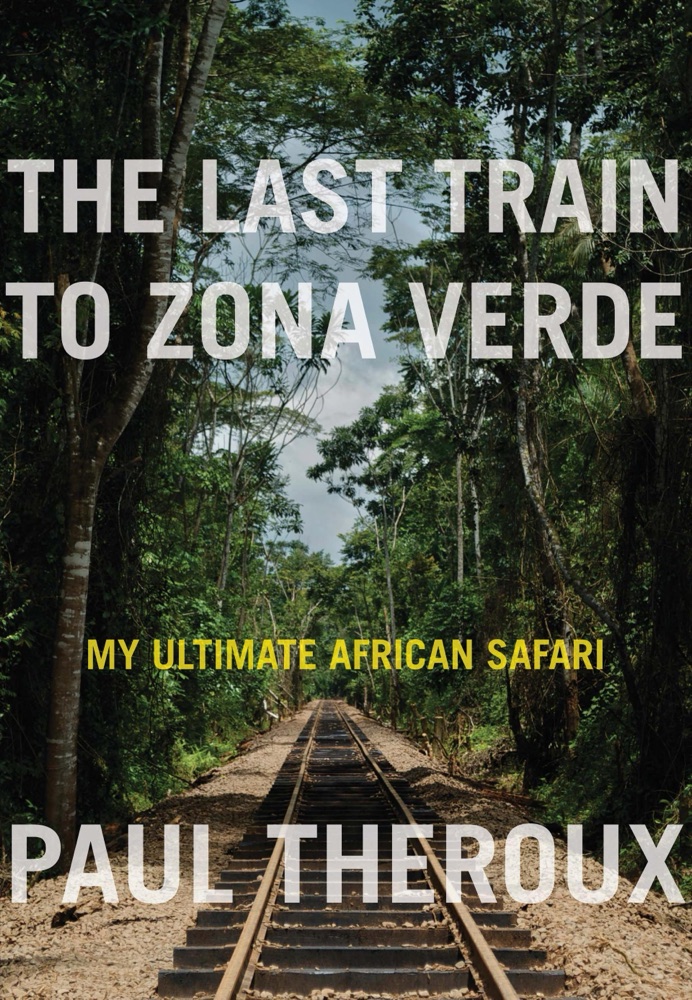 The Last Train to Zona Verde: My Ultimate African Safari
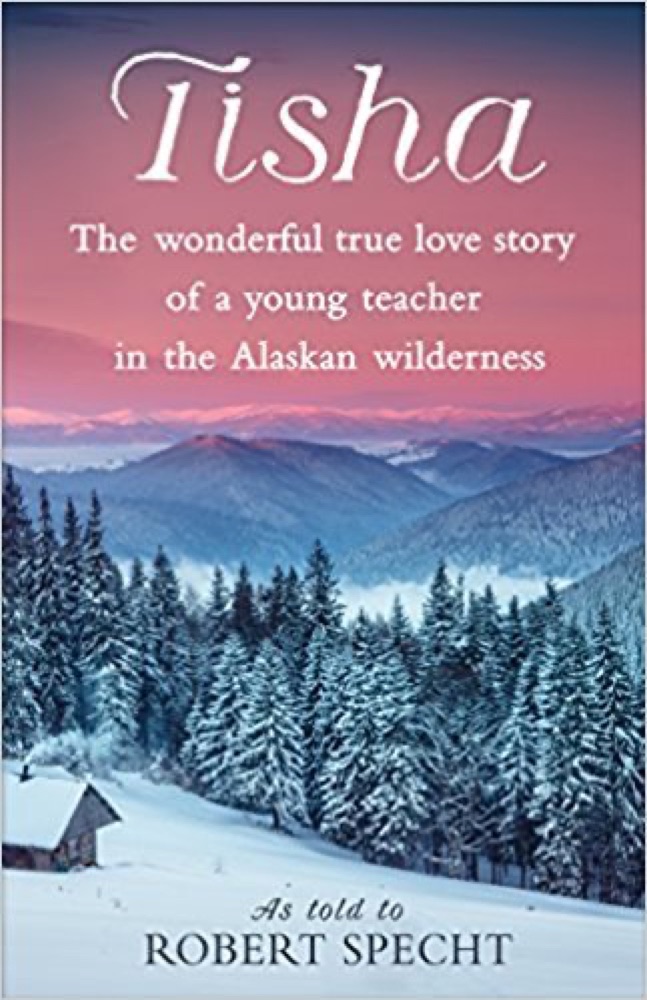 Tisha: The Story of a Young Teacher in the Alaskan Wilderness
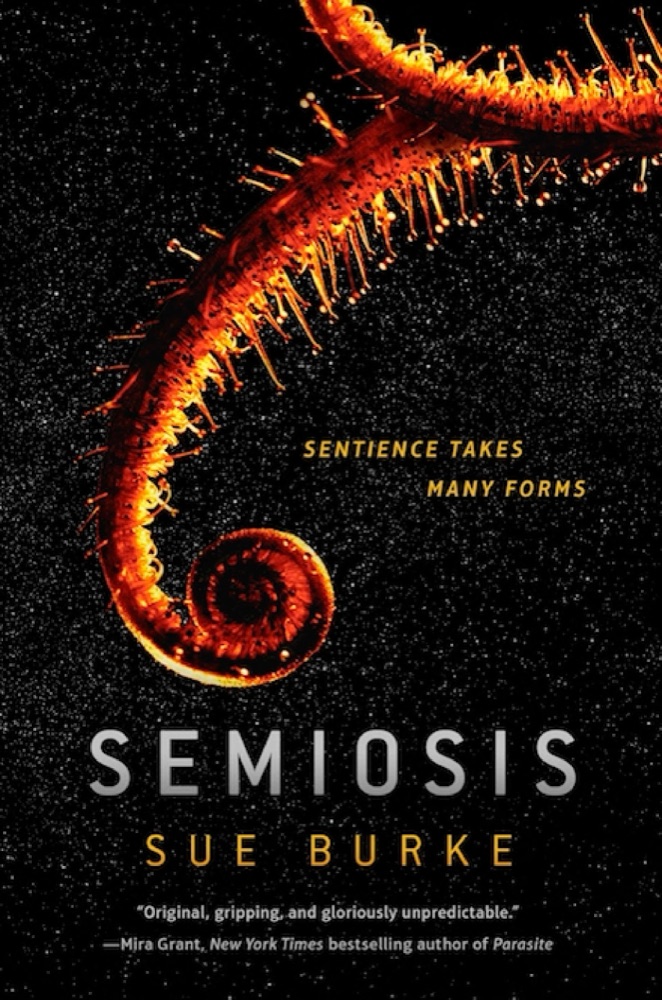 Semiosis
 Green Hills of Africa
 West with the Night
 One for the Blackbird, One for the Crow
 The Last Englishman
 The Sex Lives of Cannibals: Adrift in the Equatorial Pacific
 The Snow Leopard
 The Bedlam Stacks
 Feral: Rewilding the Land, the Sea and Human Life
 A Lonely Broadcast: Book One
 A Children's Bible
 The Jungle Book
 The Evolution of Calpurnia Tate
 Devolution: A Firsthand Account of the Rainier Sasquatch Massacre
 The Woods