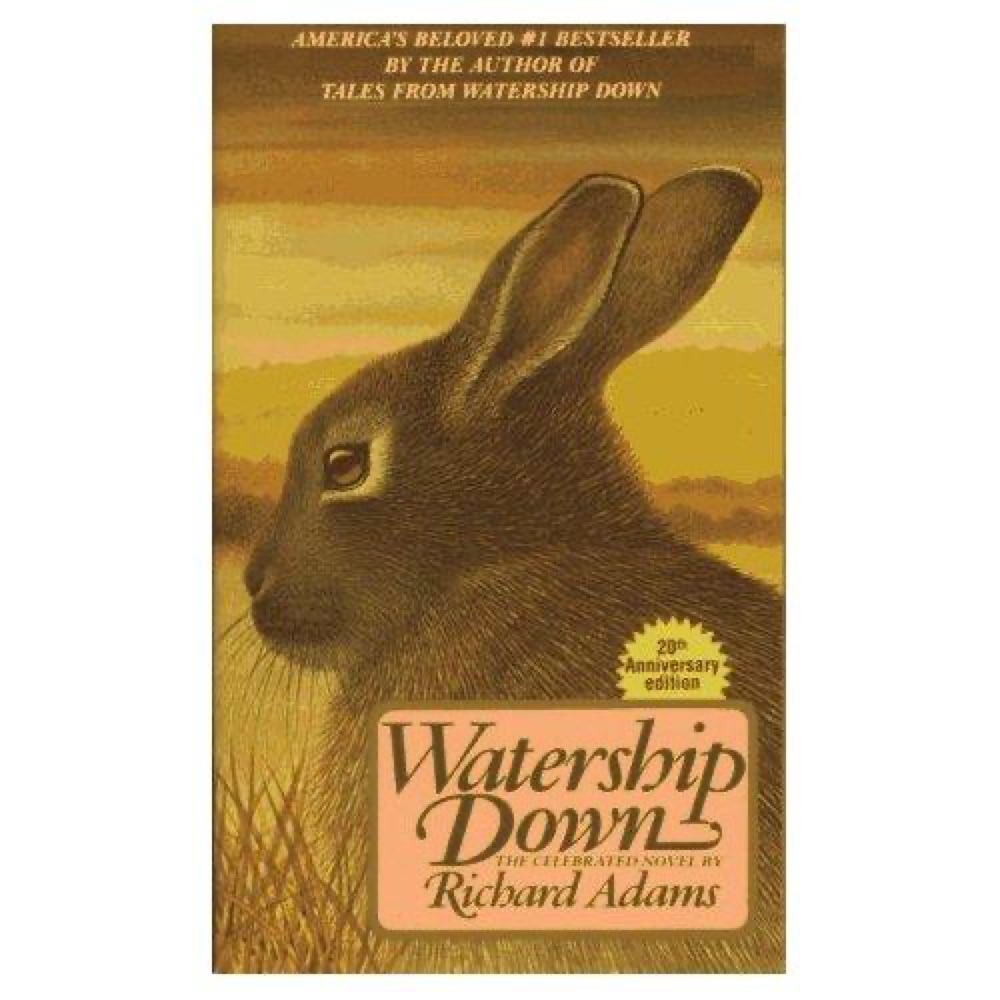

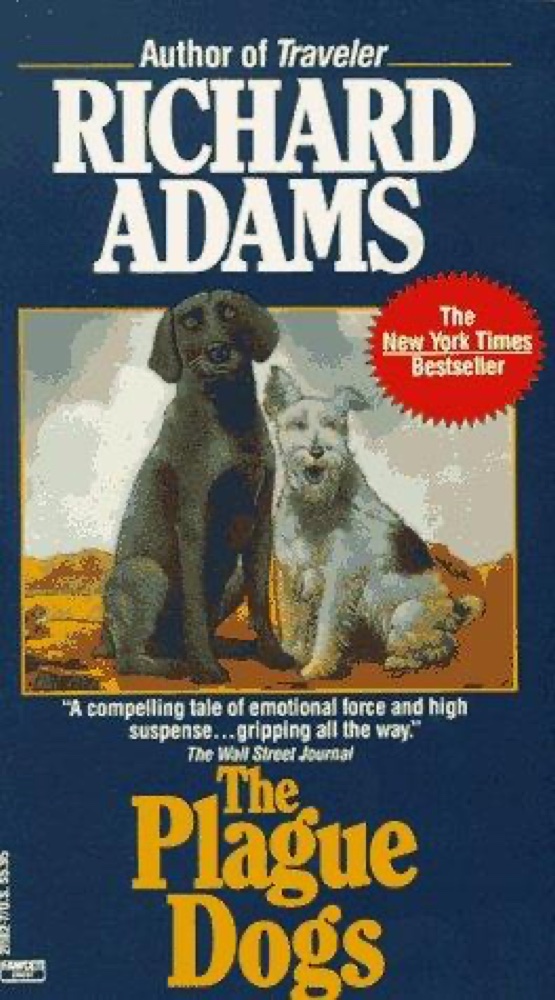
 The Plague Dogs
Quotes from the Book
Animals don't behave like men,' he said. 'If they have to fight, they fight; and if they have to kill they kill. But they don't sit down and set their wits to work to devise ways of spoiling other creatures' lives and hurting them. They have dignity and animality.
All the world will be your enemy, Prince with a Thousand Enemies, and whenever they catch you, they will kill you. But first they must catch you, digger, listener, runner, prince with the swift warning. Be cunning and full of tricks and your people shall never be destroyed.
Many human beings say that they enjoy the winter, but what they really enjoy is feeling proof against it.
You know how you let yourself think that everything will be all right if you can only get to a certain place or do a certain thing. But when you get there you find it's not that simple.
He fought because he actually felt safer fighting than running.
My Chief Rabbit has told me to stay and defend this run, and until he says otherwise, I shall stay here. --Bigwig
The full moon, well risen in a cloudless eastern sky, covered the high solitude with its light. We are not conscious of daylight as that which displaces darkness. Daylight, even when the sun is clear of clouds, seems to us simply the natural condition of the earth and air. When we think of the downs, we think of the downs in daylight, as with think of a rabbit with its fur on. Stubbs may have envisaged the skeleton inside the horse, but most of us do not: and we do not usually envisage the downs without daylight, even though the light is not a part of the down itself as the hide is part of the horse itself. We take daylight for granted. But moonlight is another matter. It is inconstant. The full moon wanes and returns again. Clouds may obscure it to an extent to which they cannot obscure daylight. Water is necessary to us, but a waterfall is not. Where it is to be found it is something extra, a beautiful ornament. We need daylight and to that extent it us utilitarian, but moonlight we do not need. When it comes, it serves no necessity. It transforms. It falls upon the banks and the grass, separating one long blade from another; turning a drift of brown, frosted leaves from a single heap to innumerable flashing fragments; or glimmering lengthways along wet twigs as though light itself were ductile. Its long beams pour, white and sharp, between the trunks of trees, their clarity fading as they recede into the powdery, misty distance of beech woods at night. In moonlight, two acres of coarse bent grass, undulant and ankle deep, tumbled and rough as a horse's mane, appear like a bay of waves, all shadowy troughs and hollows. The growth is so thick and matted that event the wind does not move it, but it is the moonlight that seems to confer stillness upon it. We do not take moonlight for granted. It is like snow, or like the dew on a July morning. It does not reveal but changes what it covers. And its low intensity---so much lower than that of daylight---makes us conscious that it is something added to the down, to give it, for only a little time, a singular and marvelous quality that we should admire while we can, for soon it will be gone again.
There's terrible evil in the world." It comes from men," said Holly. "All other elil do what they have to do and Frith moves them as he moves us. They live on the earth and they need food. Men will never rest till they've spoiled the earth and destroyed the animals.
A thing can be true and still be desperate folly, Hazel.
There is nothing that cuts you down to size like coming to some strange and marvelous place where no one even stops to notice that you stare about you.
Lots of little Bigwigs, Hazel! Think of that, and tremble!
We all have to meet our match sometime or other.
The rabbits mingled naturally. They did not talk for talking's sake, in the artificial manner that human beings - and sometimes even their dogs and cats - do. But this did not mean that they were not communicating; merely that they were not communicating by talking.
Black Rabbit: Hazel... Hazel... you know me, don't you? Hazel: I don't know. [the apparition reveals himself to be the Black Rabbit, and Hazel gasps] Hazel: Yes, my lord. I know you. Black Rabbit: I've come to ask if you'd like to join my Owsla. We shall be glad to have you, and I know you'd like it. You've been feeling tired, haven't you? If you're ready, we might go along now. [Hazel looks at all the younger rabbits of Watership Down] Black Rabbit: You needn't worry about them. They'll be all right, and thousands like them. If you come along now, I'll show you what I mean.
At that moment, in the sunset on Watership Down, there was offered to General Woundwort the opportunity to show whether he was really the leader of vision and genius which he believed himself to be, or whether he was no more than a tyrant with the courage and cunning of a pirate. For one beat of his pulse the lame rabbit's idea shone clearly before him. He grasped it and realized what it meant. The next, he had pushed it away from him.
Men will never rest till they've spoiled the earth and destroyed the animals.
Rabbits live close to death and when death comes closer than usual, thinking about survival leaves little room for anything else.
They want to be natural, the anti-social little beasts. They just don't realize that everyone's good depends on everyone's cooperation.
That wasn't why they destroyed the warren. It was just because we were in their way. They killed us to suit themselves.
Human beings say, "It never rains but it pours." This is not very apt, for it frequently does rain without pouring. The rabbits' proverb is better expressed. They say, "One cloud feels lonely": and indeed it is true that the sky will soon be overcast.
I am sorry for you with all my heart. But you cannot blame us, for you came to kill us if you could.
Be cunning, and full of tricks, and your people will never be destroyed.
When Marco Polo came at last to Cathay, seven hundred years ago, did he not feel--and did his heart not falter as he realized--that this great and splendid capital of an empire had had its being all the years of his life and far longer, and that he had been ignorant of it? That it was in need of nothing from him, from Venice, from Europe? That it was full of wonders beyond his understanding? That his arrival was a matter of no importance whatever? We know that he felt these things, and so has many a traveler in foreign parts who did not know what he was going to find. There is nothing that cuts you down to size like coming to some strange and marvelous place where no one even stops to notice that you stare about you.
Before such people can act together, a kind of telepathic feeling has to flow through them and ripen to the point when they all know that they are ready to begin. Anyone who has seen the martins and swallows in September, assembling on the telephone wires, twittering, making short flights singly and in groups over the open, stubbly fields, returning to form longer and even longer lines above the yellowing verges of the lanes-the hundreds of individual birds merging and blending, in a mounting excitement, into swarms, and these swarms coming loosely and untidily together to create a great, unorganized flock, thick at the centre and ragged at the edges, which breaks and re-forms continually like clouds or waves-until that moment when the greater part (but not all) of them know that the time has come: they are off, and have begun once more that great southward flight which many will not survive; anyone seeing this has seen at the work the current that flows (among creatures who think of themselves primarily as part of a group and only secondarily, if at all, as individuals) to fuse them together and impel them into action without conscious thought or will: has seen at work the angel which drove the First Crusade into Antioch and drives the lemmings into the sea.
Rabbits (says Mr. Lockley) are like human beings in many ways. One of these is certainly their staunch ability to withstand disaster and to let the stream of their life carry them along, past reaches of terror and loss. They have a certain quality which it would not be accurate to describe as callousness or indifference. It is, rather, a blessedly circumscribed imagination and an intuitive feeling that Life is Now. A foraging wild creature, intent above all upon survival, is as strong as the grass.
Did you know?
- The novel began as bedtime stories Richard Adams told his daughters during car journeys.
- It was rejected by seven publishers before Rex Collings agreed to publish it.
- Adams invented a language for the rabbits called Lapine.
- The rabbits share a body of folklore centered on the trickster-hero El-ahrairah.
- It won both the Carnegie Medal and the Guardian Children's Fiction Prize in 1972.
About Richard Adams
Richard Adams (1920-2016) was an English novelist and former civil servant who published his debut novel Watership Down at the age of 52. He went on to write further novels including Shardik and The Plague Dogs.
More about the author →More by Richard Adams
The Plague Dogs
 Shardik
About the book
Watership Down is Richard Adams's 1972 novel following a small band of rabbits who flee their doomed home warren of Sandleford after the visionary rabbit Fiver senses an approaching catastrophe. Led by his brother Hazel, the group sets out across the English countryside in search of a safe new home, braving predators, human threats, and hostile warrens along the way to reach the hill of Watership Down.
Though its protagonists are rabbits, the book is an epic quest that draws deliberate parallels to classical works such as Homer's Odyssey and Virgil's Aeneid. Its themes range across exile and survival, heroism and loyalty, leadership and political responsibility, and the contrast between tyranny and freedom, embodied most starkly in the militaristic rival warren of Efrafa and its ruthless leader, General Woundwort. Adams gave the rabbits their own invented language, Lapine, and their own folklore centered on the trickster hero El-ahrairah.
Rejected by seven publishers before Rex Collings accepted it, Watership Down grew out of bedtime stories Adams told his daughters on car journeys. It won both the Carnegie Medal and the Guardian Children's Fiction Prize in 1972, became a major international bestseller, and has endured as a classic read by children and adults alike, spawning a celebrated 1978 animated film and later television adaptations.
Key characters
- HazelThe band's brave and resourceful leader
- FiverHazel's small younger brother, a visionary seer
- BigwigThe largest and strongest rabbit, a former Owsla officer
- BlackberryA clever, inventive problem-solver
- General WoundwortThe tyrannical leader of the rival Efrafa warren
Book details
- First published
- 1972
- Length
- 413 pages
- Reading time
- 9 hours
- Author
- Richard Adams
- Genre
- Classics
- Goodreads rating
- 4.10 (512k ratings) →
- First line
- “The primroses were over.”
Series & reading order
- 1 Watership Down
- 2 Tales from Watership Down
Movie & TV adaptations
- IMDb
- IMDb
- IMDb
If you liked this, read…
- 1The Plague DogsAnother Richard Adams animal-survival novel with a perilous journey
- 2RedwallEpic animal adventure with warfare, heroism, and its own mythology
- 3The Wind in the WillowsClassic English countryside tale told through animal characters
Keep reading
 The Golden Compass
 Toll the Hounds
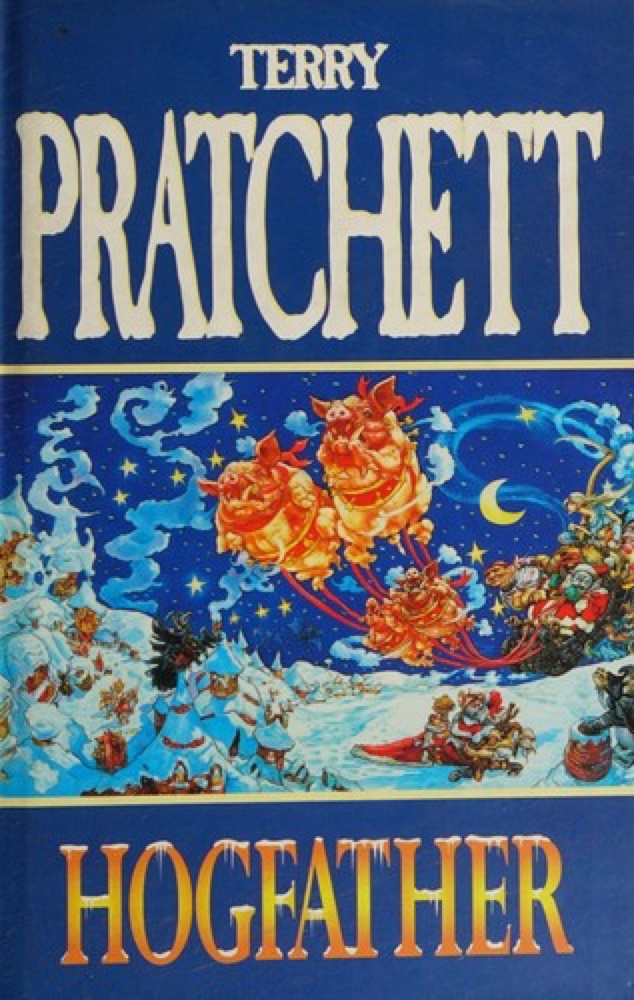 Hogfather
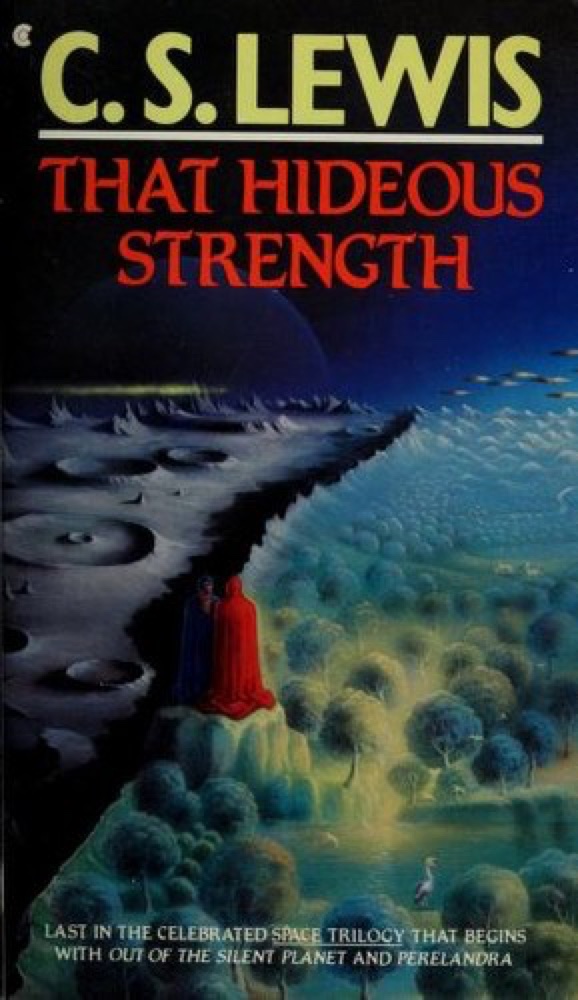 That Hideous Strength
 Harry Potter and the Goblet of Fire
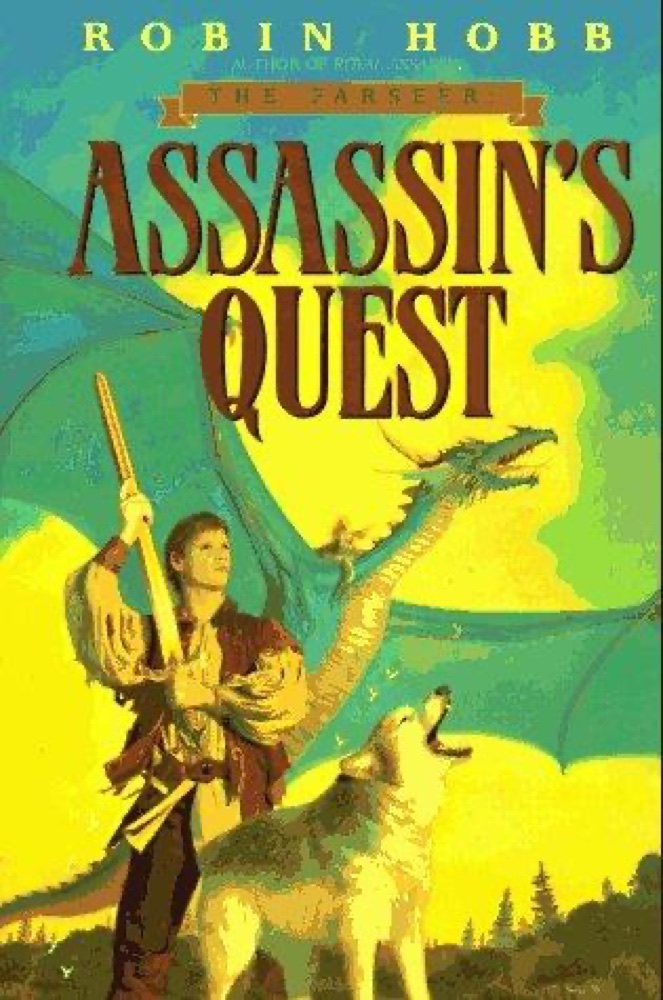 Assassin's Quest
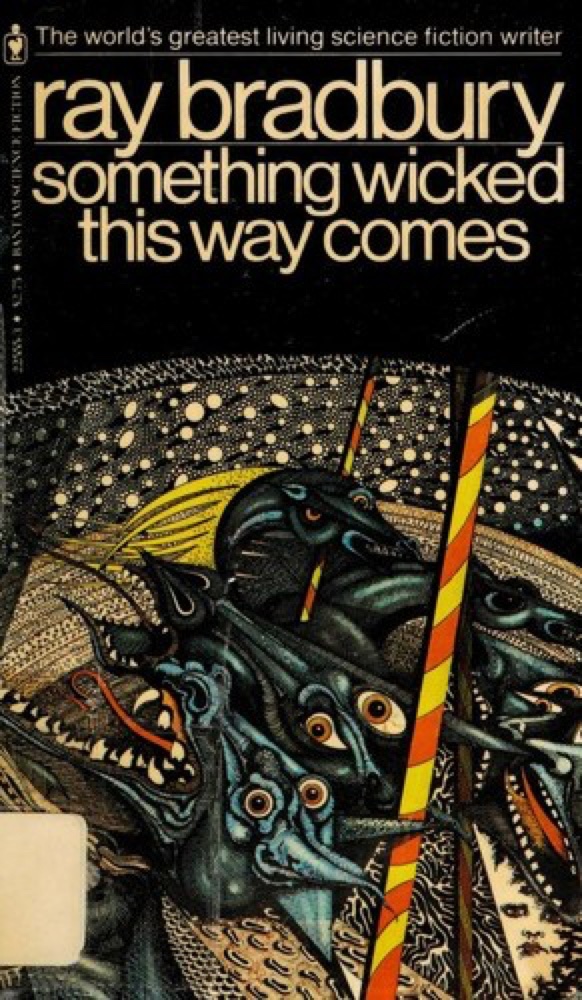 Something Wicked This Way Comes
 Pocket Apocalypse
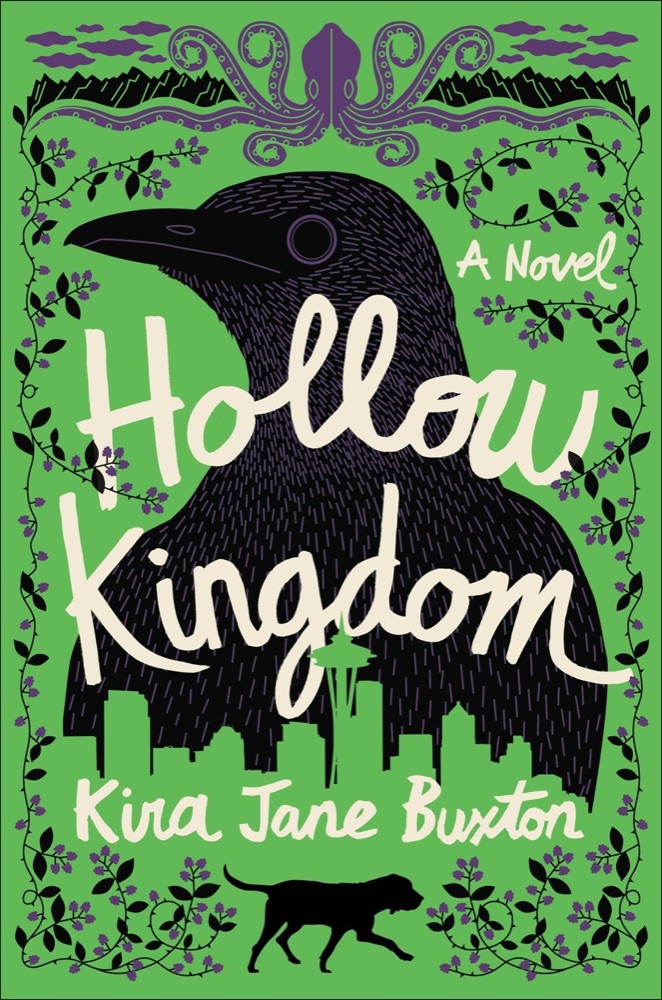 Hollow Kingdom
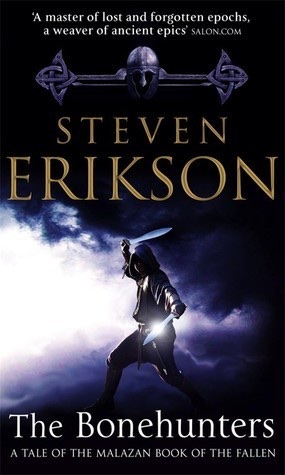 The Bonehunters
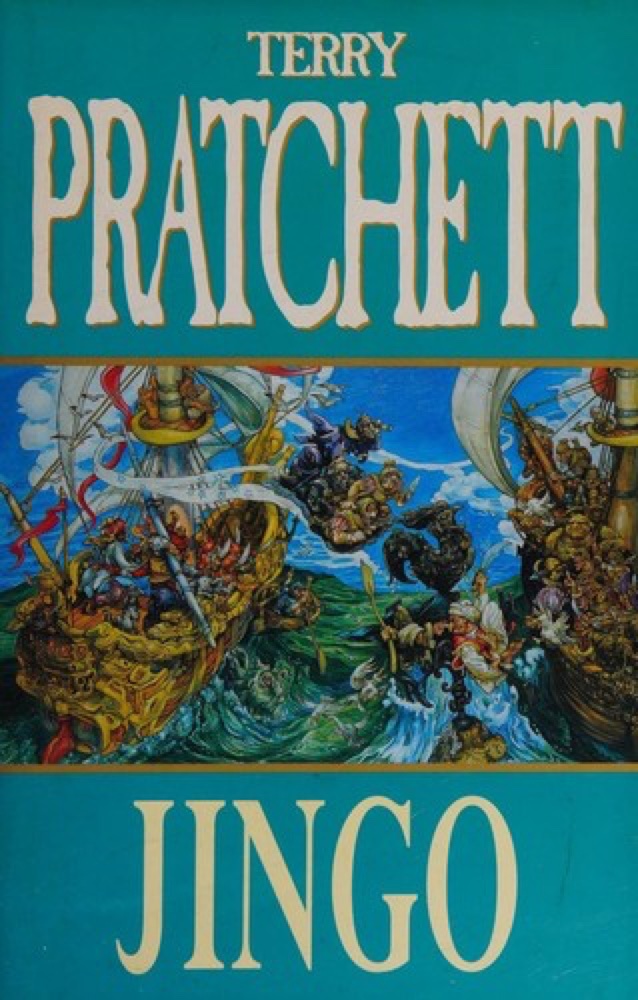 Jingo
Jingo
 Hunted
 The Long Way to a Small, Angry Planet
 Shouldn't You Be in School?
 Unseen Academicals
 The Great Hunt
 Memories of Ice
 Sword & Citadel
 The Girl Who Raced Fairyland All the Way Home
 Aesop's Fables
 Devolution: A Firsthand Account of the Rainier Sasquatch Massacre
 Sometimes a Great Notion
 Black Leopard, Red Wolf
 The Midwich Cuckoos
 The Man in the High Castle
 Freddy and Fredericka
 The Magus
 American Gods
 The Aeronaut's Windlass
 Sweep in Peace
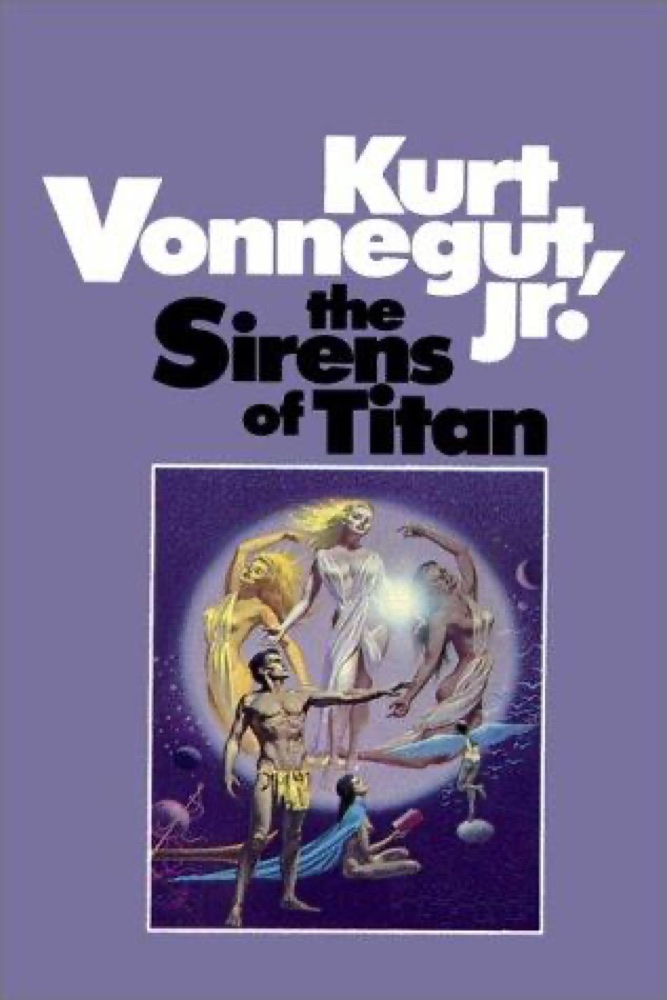 The Sirens of Titan
 Hard-Boiled Wonderland and the End of the World
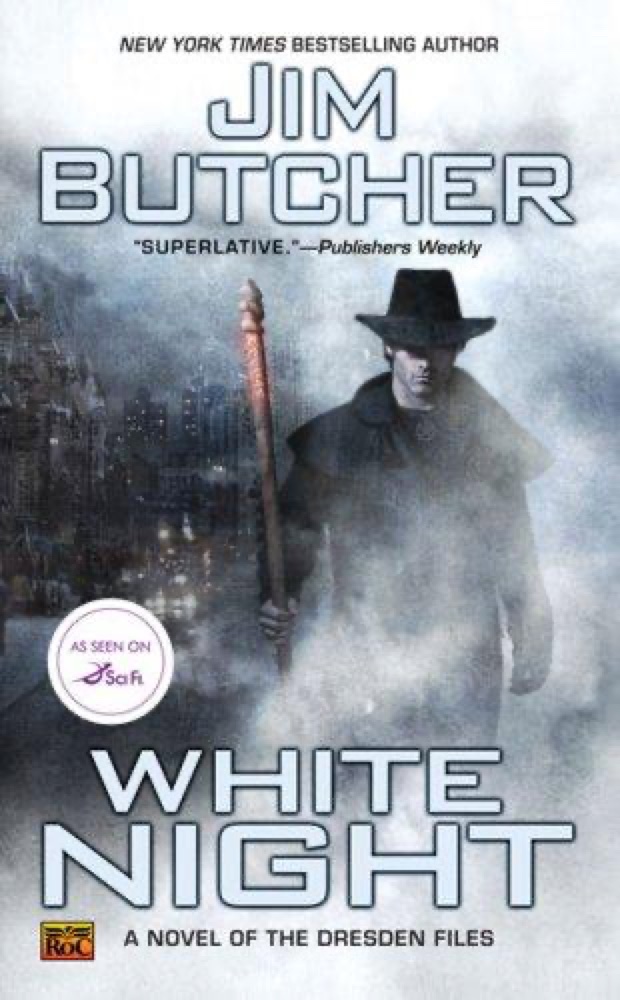 White Night
 Turtle Diary
 The Gone-Away World
 Towers of Midnight
 Lord of the Flies
 Odd Hours
 The Wars
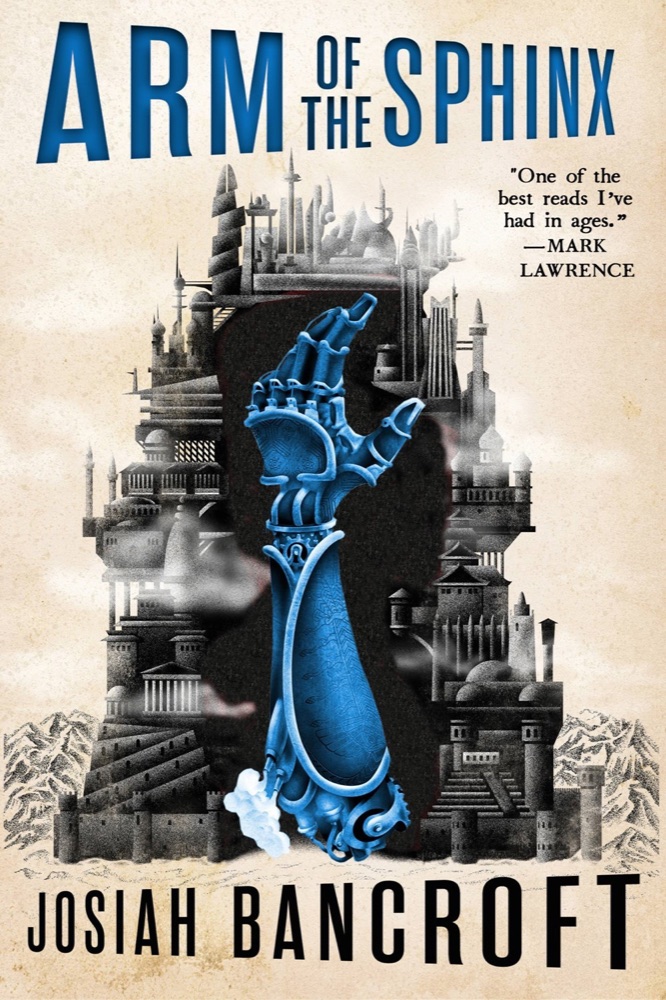 Arm of the Sphinx
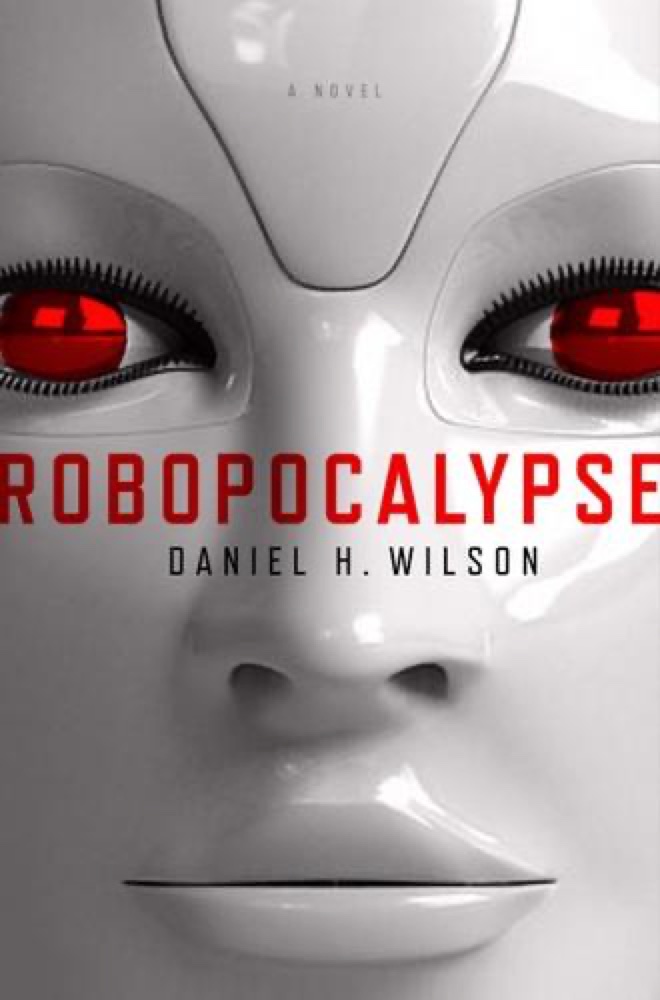 Robopocalypse
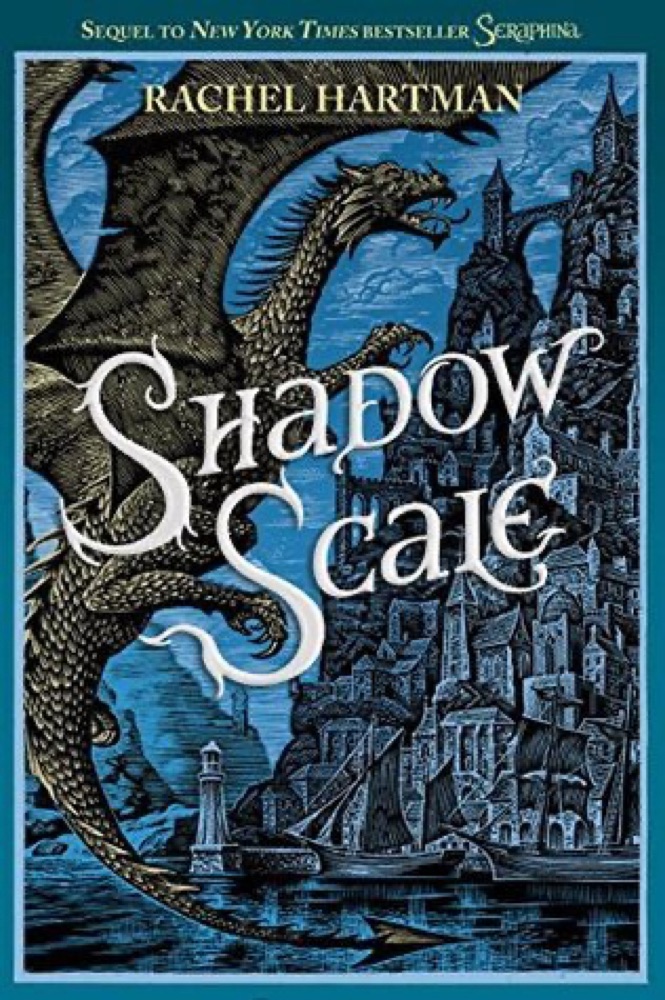 Shadow Scale
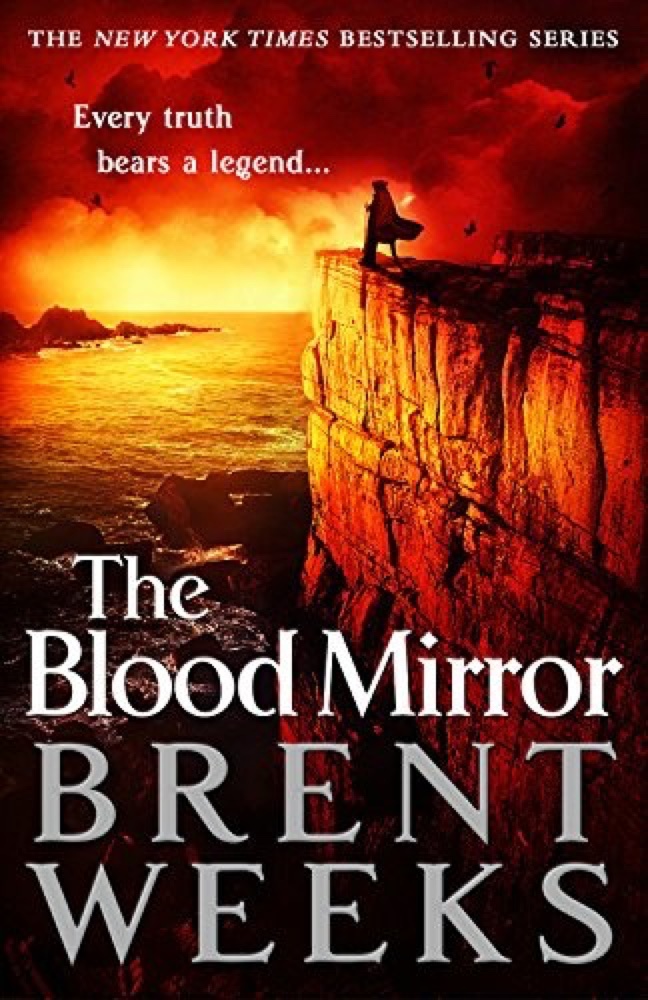 The Blood Mirror
 The Hydrogen Sonata
 Wanderers
 Gravity's Rainbow
 The Broken Eye
 Moby-Dick
 Kingdom of Fear: Loathsome Secrets of a Star-Crossed Child in the Final Days of the American Century
 The Last Watch
 The Hearing Trumpet
 Xenocide
 Orb Sceptre Throne
 Lord of Chaos
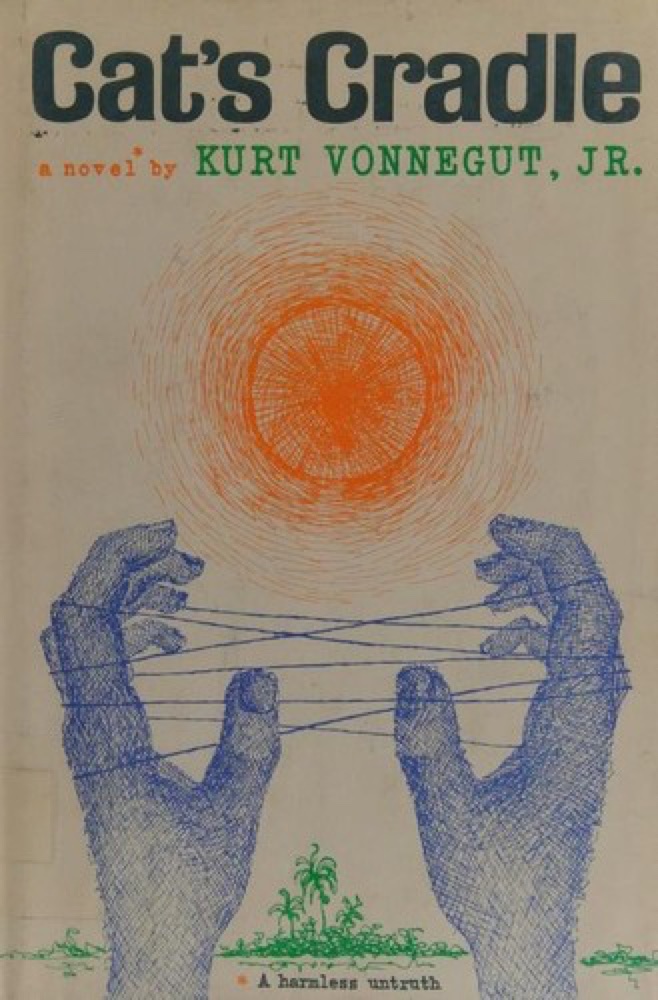 Cat's Cradle
 Oryx and Crake
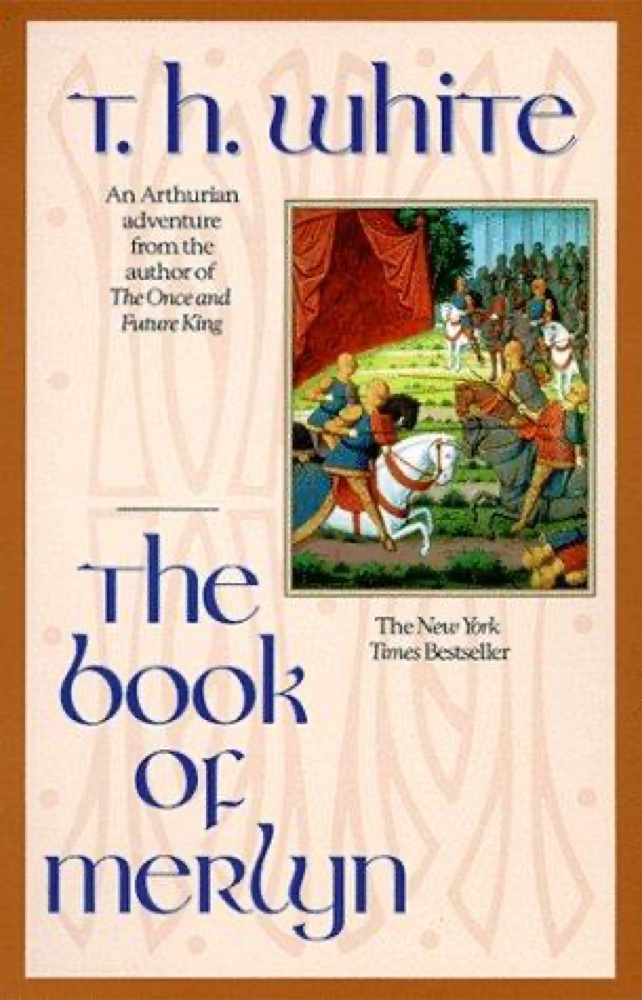 The Book of Merlyn
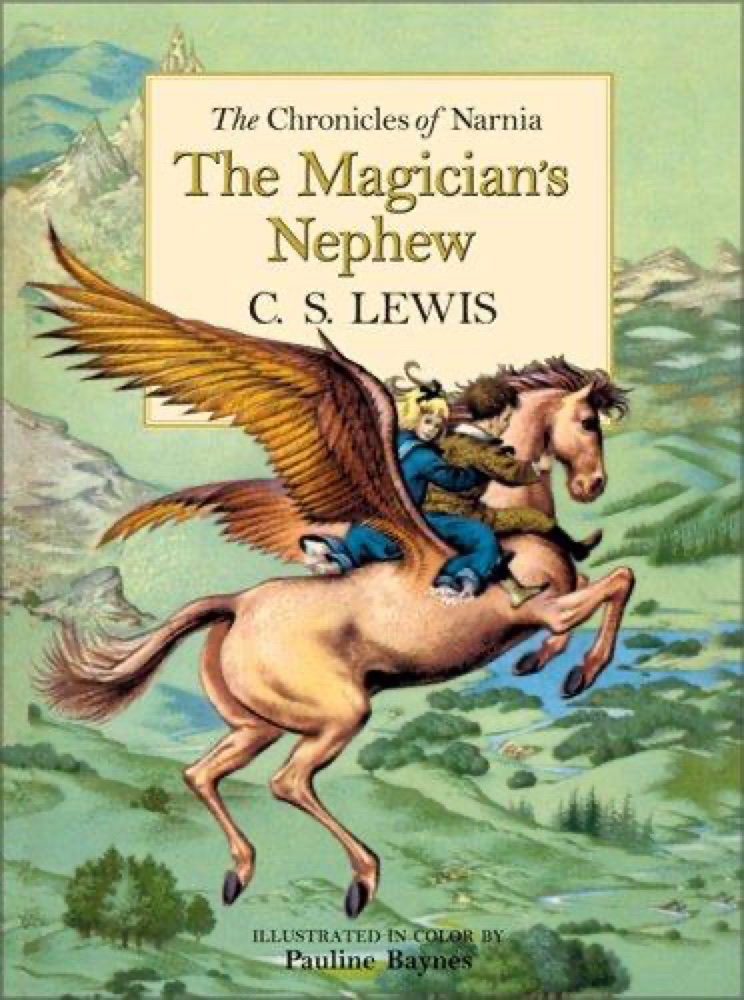 The Magician's Nephew
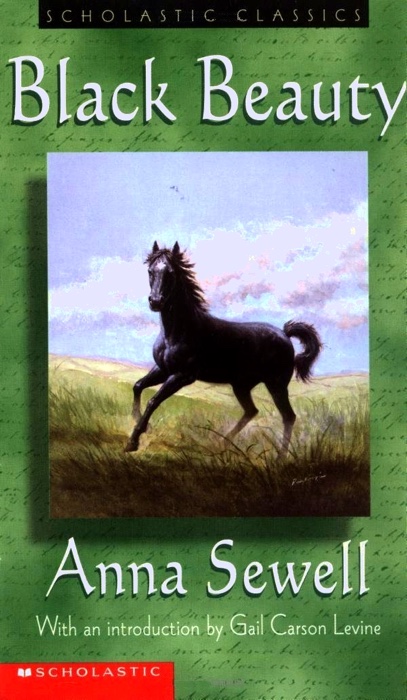 Black Beauty
 The Fall of Babel