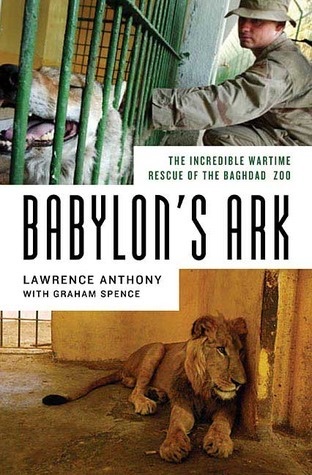
 Babylon's Ark: The Incredible Wartime Rescue of the Baghdad Zoo
Quotes from the Book
The only good cage is an empty cage.
But perhaps the most important lesson I learned is that there are no walls between humans and the elephants except those that we put up ourselves, and that until we allow not only elephants, but all living creatures their place in the sun, we can never be whole ourselves.
They taught me that all life forms are important to each other in our common quest for happiness and survival. That there is more to life than just yourself, your own family, or your own kind.
There is nothing more energizing than inhaling the tang of wilderness, loamy after rain, pungent with the richness of earth shuddering with life, or taking in the brisk dry cleanness of winter.
The wrong way to go about this is to say: Well, researchers have ‘proved’ that animals only understand fifty words or something similarly absurd. Or that communication with other species is an illusion. Communication is not the preserve of humans; it is the one thing that is truly universal.
But perhaps the most important lesson I learned is that there are no walls between humans and the elephants except those we put up ourselves, and that until we allow not only elephants, but all living creatures their place in the sun, we can never be whole ourselves.
tangled and eternal as Appalachian feuds – are internecine
In our noisy cities we tend to forget the things our ancestors knew on a gut level: that the wilderness is alive, that its whispers are there for all to hear - and to respond to.
This is not just primitive rural superstition; [juju] is practiced by all kinds of people, from illiterate herd boys to multi-dregreed university professors. If you don't understand the power of this belief, you will never truly grasp the rich albeit often incomprehensible spirituality of Africa.
Years later I was in the Sudan on a conservation project when I heard an incredible story on good authority that sounded similar to my own. During the twenty-year war between northern and southern Sudan elephants were being slaughtered both for ivory and meat and so large numbers migrated to Kenya for safety. Within days of the final ceasefire being signed, the elephants left their adopted residence en masse and trekked the hundreds of miles back home to Sudan. How they knew that their home range was now safe is just another indication of the incredible abilities of these amazing creatures.
Watch on YouTube
About Lawrence Anthony
We have collected 45 quotes from 3 books by Lawrence Anthony on BookQuoters.
More about the author →More by Lawrence Anthony
Babylon's Ark: The Incredible Wartime Rescue of the Baghdad Zoo
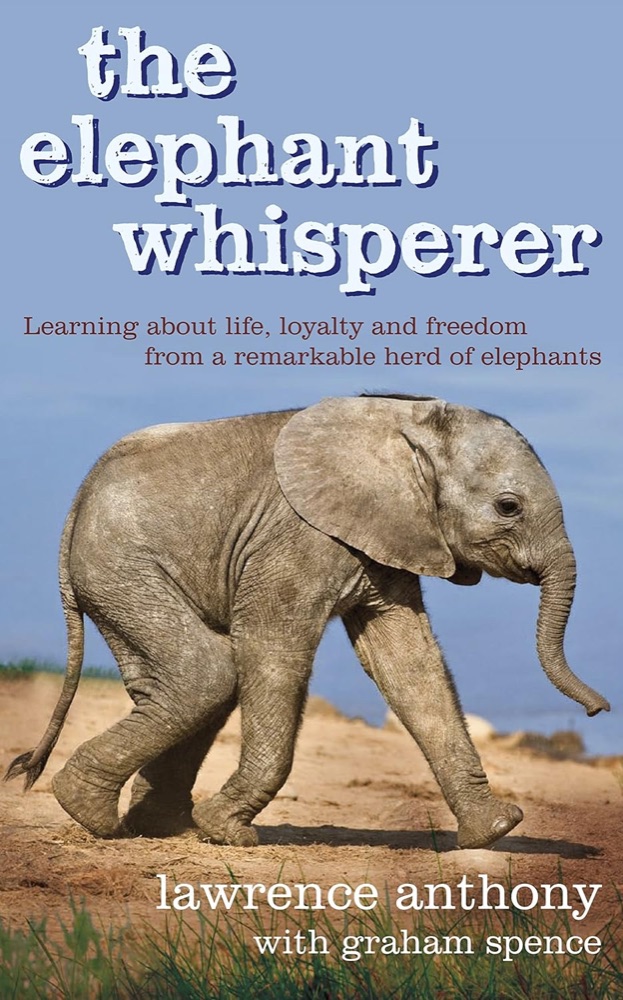
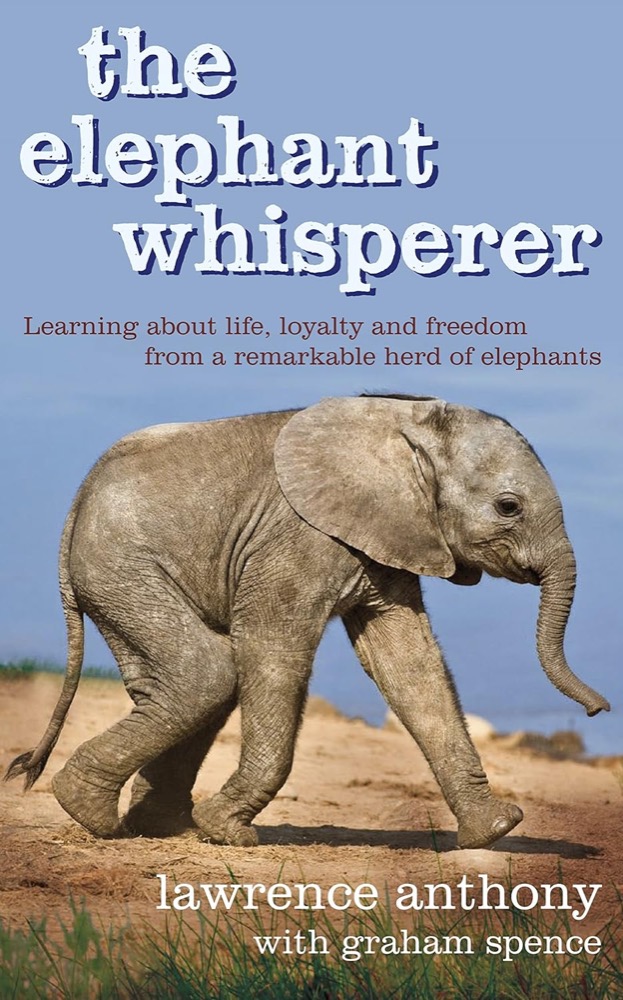 Elephant Whisperer
About the book
When South African conservationist Lawrence Anthony was asked to accept a herd of 'rogue' elephants on his Thula Thula game reserve in Zululand, his common sense told him to refuse. But he was the herd's last chance of survival — dangerous and unpredictable, they would be killed if Lawrence wouldn't take them in.
As Lawrence risked his life to create a bond with the troubled elephants and persuade them to stay on his reserve, he came to realize what a special family they were, from the wise matriarch Nana, who guided the herd, to her warrior sister Frankie, always ready to see off any threat, and their children who fought so hard to survive.
With unforgettable characters and exotic wildlife, this is an enthralling book that will appeal to animal lovers and adventurous souls everywhere.
Book details
- First published
- 2009
- Author
- Lawrence Anthony
- Genre
- Nonfiction
- Goodreads rating
- 4.50 (34k ratings) →
Keep reading
Elephant Whisperer
 Devolution: A Firsthand Account of the Rainier Sasquatch Massacre
 The Zookeeper's Wife
 Vanishing Treasures: A Bestiary of Extraordinary Endangered Creatures
 Wild Ones: A Sometimes Dismaying, Weirdly Reassuring Story About Looking at People Looking at Animals in America
 Cry of the Kalahari
 The Tusks of Extinction
 Shadows of Forgotten Ancestors
 Beyond Words: What Animals Think and Feel
 The Fifth Science
 Migrations
 Mother of God: An Extraordinary Journey into the Uncharted Tributaries of the Western Amazon
 Leaving Before the Rains Come
 Martin Marten
 West with Giraffes
 How Beautiful We Were
 Hollow Kingdom
 Split Tooth
 How to Be a Good Creature: A Memoir in Thirteen Animals
 Out of Africa
 Ishmael: An Adventure of the Mind and Spirit
 Vesper Flights
 Feral: Rewilding the Land, the Sea and Human Life
 Arctic Dreams
 Why We Run: A Natural History
 The Seed Keeper
 Semiosis
 Desert Solitaire
 Last Chance to See
 The Sea Keeper's Daughters
 Deep Creek: Finding Hope in the High Country
 A Sand County Almanac and Sketches Here and There
 Small Wonder
 The Night Watchman
 The One and Only Ivan
 Fifteen Dogs
 On the Steel Breeze
 Drive Your Plow Over the Bones of the Dead
 The Sport of Kings
 Watership Down
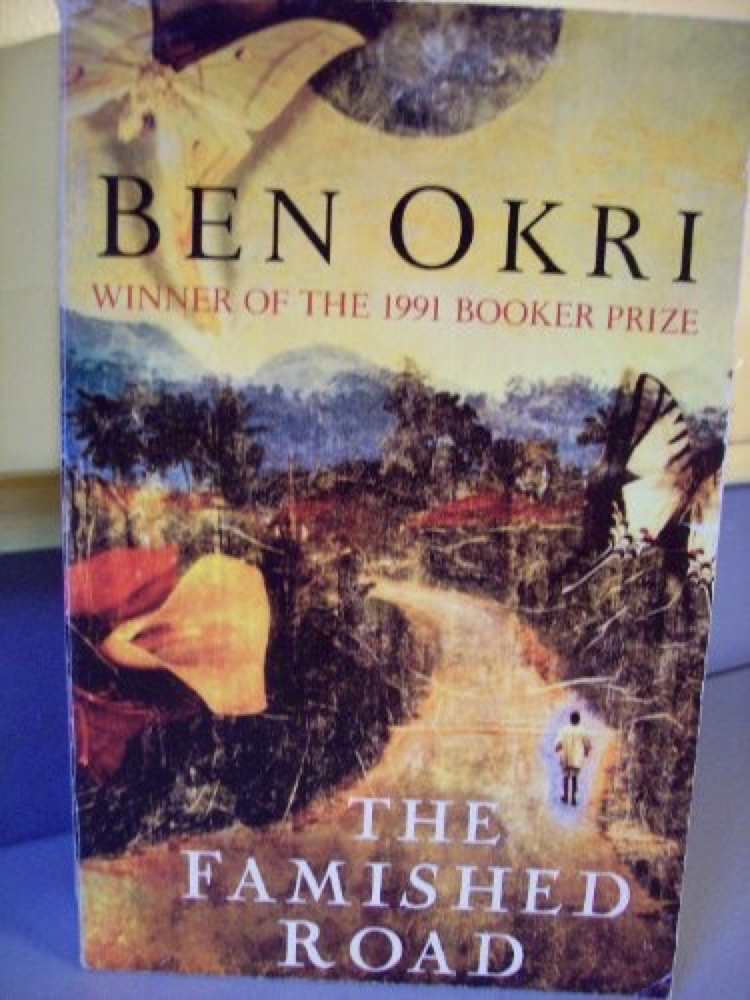 The Famished Road
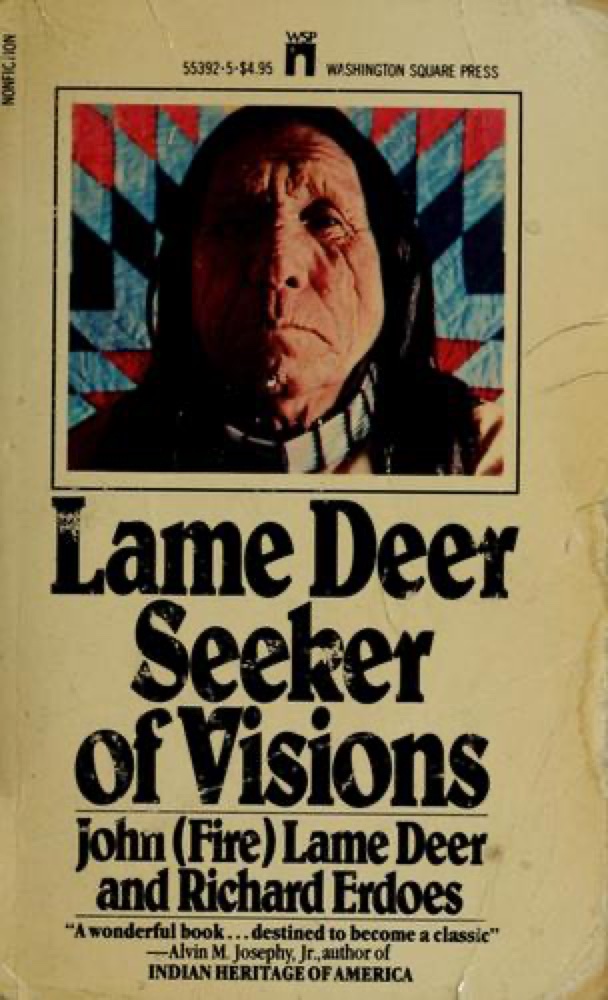 Lame Deer, Seeker of Visions
 Teaching a Stone to Talk: Expeditions and Encounters
 West with the Night
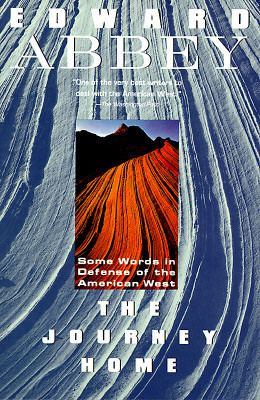 The Journey Home: Some Words in Defense of the American West
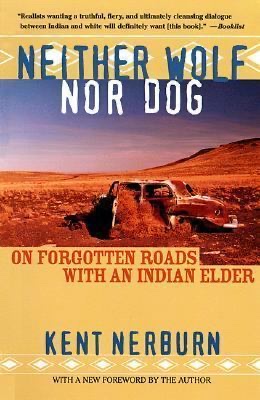 Neither Wolf Nor Dog: On Forgotten Roads with an Indian Elder
 The World-Ending Fire: The Essential Wendell Berry
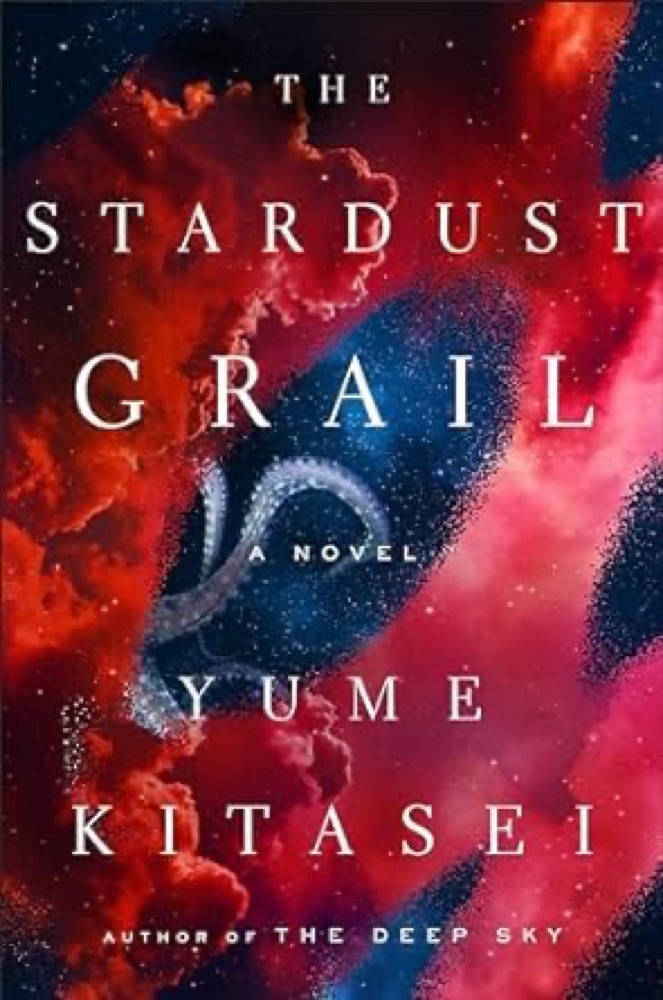 The Stardust Grail
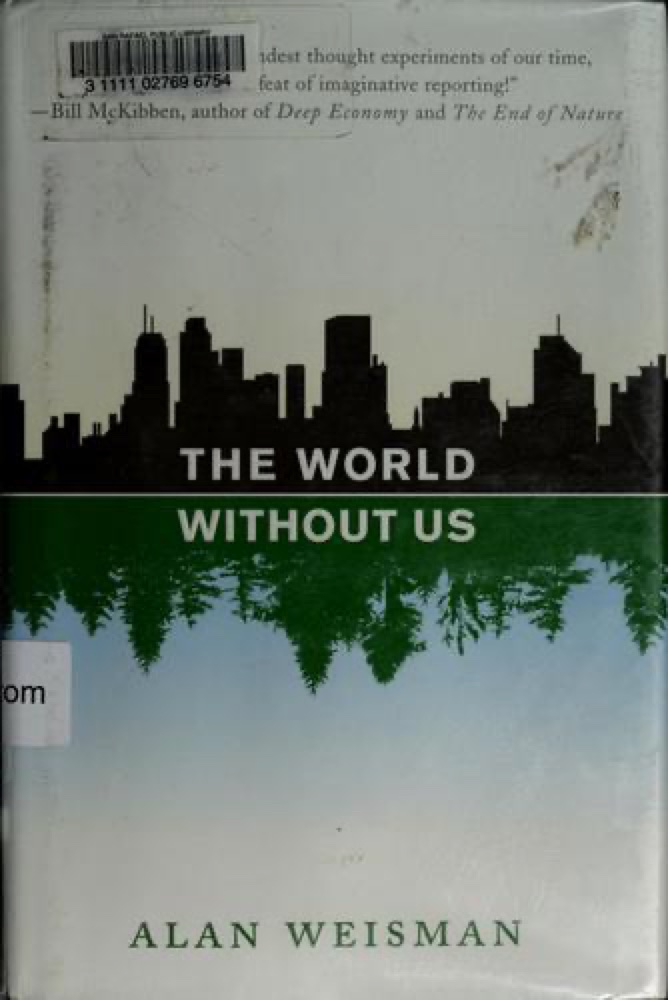 The World Without Us
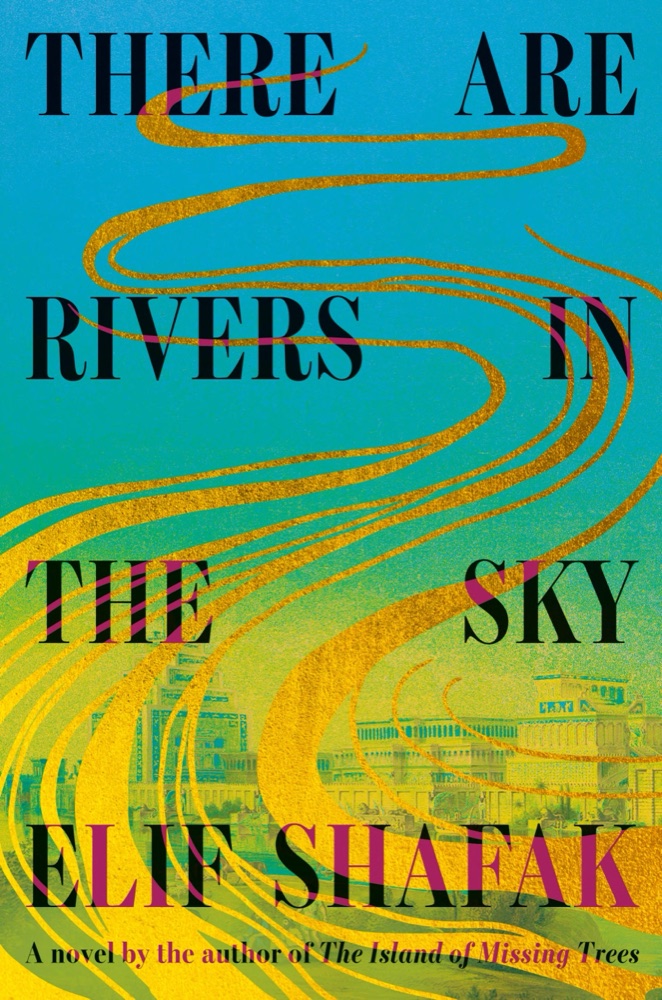 There Are Rivers in the Sky
 Briefing for a Descent Into Hell
 Slow Gods
 Sky Full of Elephants
 Speaking Bones
 The Jungle Book
 Jaguars Ripped My Flesh
 The Girl Who Smiled Beads: A Story of War and What Comes After
 Holy Cow
 Don't Let's Go to the Dogs Tonight
 Strange Beasts of China