 The Call of the Wild
Quotes from the Book
The Wild still lingered in him and the wolf in him merely slept.
He was a silent fury who no torment could tame.
Fear urged him to go back, but growth drove him on.
White Fang knew the law well: to oppress the weak and obey the strong.
This expression of abandon and surrender, of absolute trust, he reserved for the master alone.
His conclusion was that things were not always what they appeared to be. The cub's fear of the unknown was an inherited distrust, and it had now been strengthened by experience. Thenceforth, in the nature of things, he would possess an abiding distrust of appearances.
But it did not all happen in a day, this giving over of himself, body and soul, to the man-animals. He could not immediately forego his wild heritage and his memories of the Wild. There were days when he crept to the edge of the forest and stood and listened to something calling him far and away.
The aim of life was meat. Life itself was meat. Life lived on life. There were the eaters and the eaten. The law was: EAT OR BE EATEN. He did not formulate the law in clear, set terms and moralize about it. He did not even think the law; he merely lived the law without thinking about it at all.
He had come to know quite thoroughly the world in which he lived. His outlook was bleak and materialistic. The world as he saw it was a fierce and brutal world, a world without warmth, a world in which caresses and affection and the bright sweetness of spirit did not exist.
But nobody else ever romped with White Fang. He did not permit it. He stood on his dignity, and when they attempted it, his warning snarl and bristling mane were anything but playful. That he allowed the master these liberties was no reason that he should be a common dog, loving here and loving there, everybody's property for a romp and good time. He loved with single heart and refused to cheapen himself or his love.
The hand descended. Nearer and nearer it came. It touched the ends of his upstanding hair. He shrank down under it. It followed down after him, pressing more closely against him. Shrinking, almost shivering. He still managed to hold himself together. It was a torment, this hand that touched him and violated his instinct. He could not forget in a day all the evil that had been wrought him at the hands of men.
Of her own experience she had no memory of the thing happening; but in her instinct, which was the experience of all mothers of wolves, there lurked a memory of fathers that had eaten their new-born and helpless progeny.
It was the worst hurt he had ever known.
He became quicker of movement than the other dogs, swifter of foot, craftier, deadlier, more lithe, more lean with ironlike muscle and sinew, more enduring, more cruel more ferocious, and more intelligent. He had to become all these things, else he would not have held his own nor survived the hostile environment in which he found himself.
It was the masterful and incommunicable wisdom of eternity laughing at the futility of life and the effort of life. It was the Wild, the savage, frozen-hearted Northland Wild. (Ch.1)
Food and fire, protection and companionship, were some of the things he received from the god. In return, he guarded the god's property, defended his body, worked for him, and obeyed him.
To have a full stomach, to daze lazily in the sunshine--such things were remuneration in full for his adors and toils, while his ardors and toils were in themselves self-remunerative. They were expressions of life, and life is always happy when it is expressing itself.
But the Wild is the Wild, and motherhood is motherhood, at all times fiercely protective whether in the Wild or out of it.
Thus it was that in obedience to the law laid down by his mother, and in obedience to the law of that unknown and nameless thing, fear, he kept away from the mouth of the cave.
Had the cub thought in man-fashion, he might have epitomized life as a voracious appetite, and the world as a place wherein ranged a multitude of appetites, pursuing and being pursued, hunting and being hunted, eating and being eaten, all in blindness and confusion, with violence and disorder, a chaos of gluttony and slaughter, ruled over by chance, merciless, planless, endless.
He was always striving to attain it. The life that was so swiftly expanding within him, urged him continually toward the wall of light. The life that was within him knew that it was the one way out, the way he was predestined to tread.
His bondage had softened him. Irresponsibility had weakened him. He had forgotten how to shift for himself. The night yawned about him.
On the sled, in the box, lay a third man whose toil was over, - a man whom the Wild had conquered and beaten down until he would never move nor struggle again. It is not the way of the Wild to like movement. Life is an offense to it, for life is movement; and the Wild aims always to destroy movement.
He was a ferocious man. He had been ill-made in the making. He had not been born right, and he had not been helped any by the molding he had received at the hands of society. The hands of society are harsh, and this man was a striking sample of its handiwork. He was a beast - a human beast, it is true, but nevertheless so terrible a beast that he can best be characterized as carnivorous.
They were firemakers! They were gods! [humans]
Out of this pack-persecution he learned two important things: how to take care of himself in a mass-fight against him; and how, on a single dog, to inflict the greatest amount of damage in the briefest space of time.
They were his environment, these men, and they were moulding the clay of him into a more ferocious thing than had been intended by Nature. Nevertheless, Nature had given him plasticity. Where many another animal would have died or had its spirit broken, he adjusted himself and lived, and at no expense of the spirit.
Denied the outlet, through play, of his energies, he recoiled upon himself and developed his mental processes. He became cunning; he had idle time in which to devote himself to thoughts of trickery.
Did you know?
- The novel is set during the 1890s Klondike Gold Rush in the Yukon and Northwest Territories, concluding in California's Santa Clara Valley.
- Much of the story is narrated from the perspective of the wolfdog White Fang himself.
- White Fang was conceived as a thematic companion and mirror image to London's earlier novel The Call of the Wild.
- The 1906 first edition was illustrated with color plates by Charles Livingston Bull.
- London drew on ideas from Herbert Spencer and Friedrich Nietzsche in shaping the book's themes of survival and adaptation.
About Jack London
Jack London (1876-1916) was an American novelist, journalist, and short-story writer, best known for adventure fiction drawn from his own experiences in the Klondike Gold Rush and at sea. His works include The Call of the Wild, White Fang, and The Sea-Wolf.
More about the author →More by Jack London
All books by Jack London →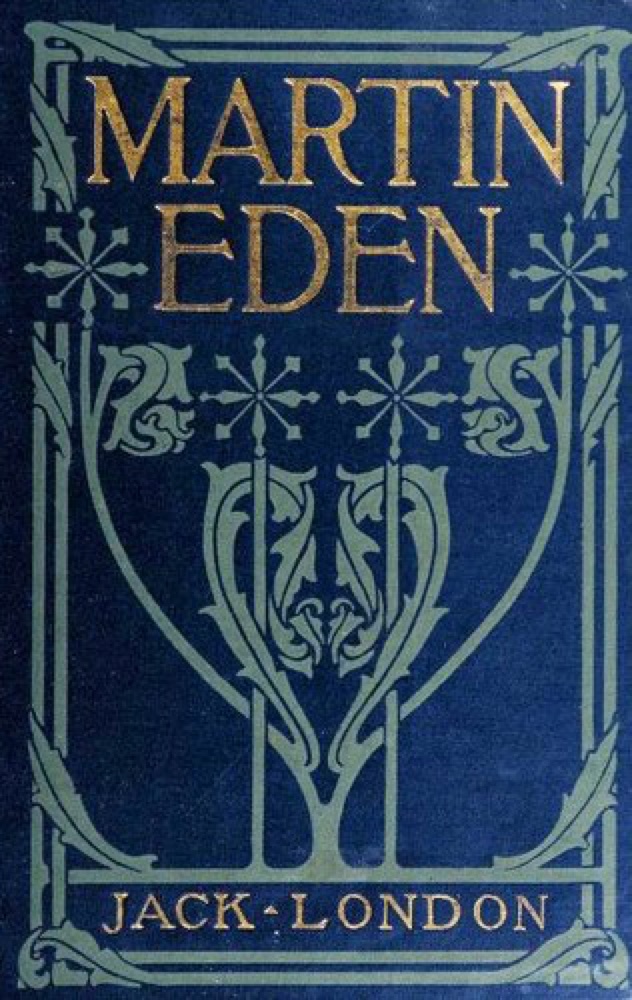
About the book
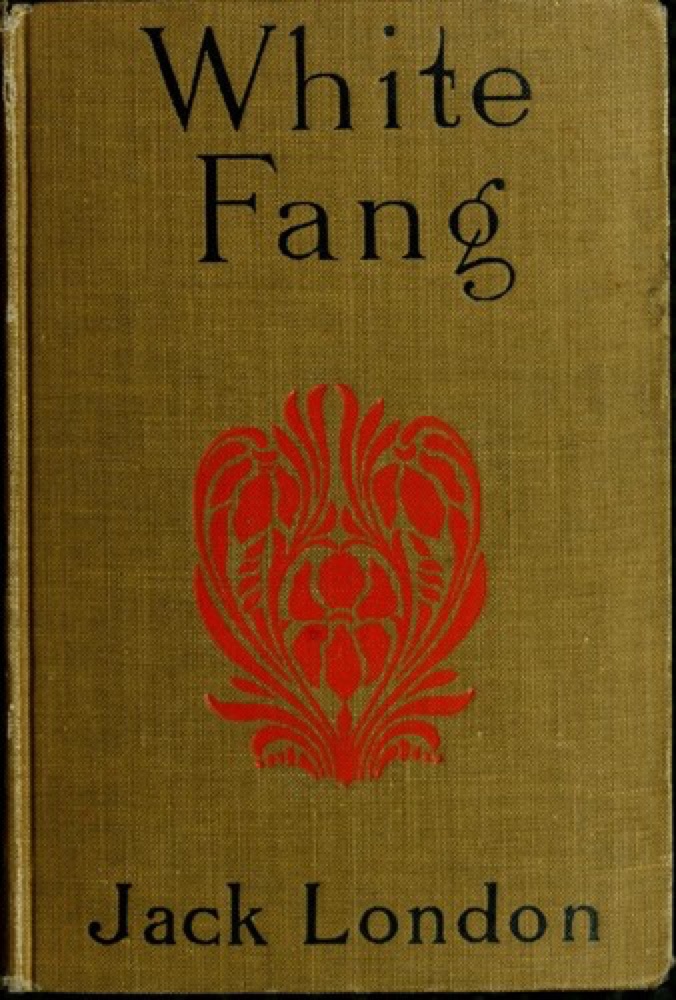
White Fang is a 1906 adventure novel by American writer Jack London, set largely in the Yukon Territory and Northwest Territories during the Klondike Gold Rush of the 1890s. Told largely from an animal's point of view, it follows a wolfdog from birth in the wild through a series of human masters, tracing his passage from the savagery of the northern wilderness toward domestication and life with a family in California's Santa Clara Valley.
At its heart the book is a study of the pull between nature and civilization, and of how environment shapes character. White Fang endures cruelty at the hands of masters such as the dogfighter Beauty Smith before being rescued by the kindly gold hunter Weedon Scott, whose patience and affection gradually reclaim him. London draws on the ideas of writers like Herbert Spencer and Friedrich Nietzsche, exploring survival, adaptation, morality, and the capacity for redemption.
Written as a thematic companion and mirror image to London's earlier The Call of the Wild, which charts a domestic dog's descent into wildness, White Fang reverses that arc to depict a wild creature's turn toward tameness. It remains one of London's most widely read works, a staple of the naturalist tradition, and has been adapted many times for film and television.
Key characters
- White FangThe wolfdog protagonist, born in the wild
- KicheWhite Fang's mother, part wolf and part sled dog
- Gray BeaverWhite Fang's first master, a Native American man
- Beauty SmithA cruel dogfighter who exploits White Fang in pit fights
- Weedon ScottA kindly gold hunter who rescues and tames White Fang
- Judge ScottWeedon's father, whom White Fang comes to protect in California
Book details
- First published
- 1906
- Length
- 327 pages
- Reading time
- 5 hours
- Author
- Jack London
- Genre
- Literature
- Goodreads rating
- 4.03 (210k ratings) →
- First line
- “Dark spruce forest frowned on either side the frozen waterway.”
Movie & TV adaptations
- IMDb
- IMDb
If you liked this, read…
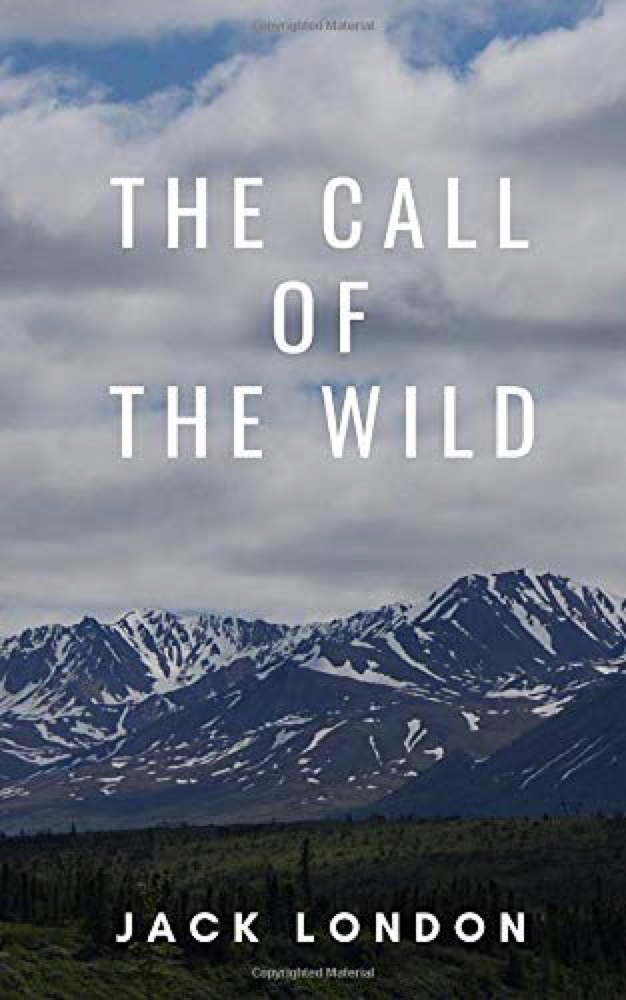
- 1The Call of the WildLondon's companion novel tracing a domestic dog's return to the wild
- 2The Sea-WolfAnother London adventure exploring survival and the struggle against nature
- 3Black BeautyA classic novel told largely from an animal's point of view
Keep reading
The Call of the Wild
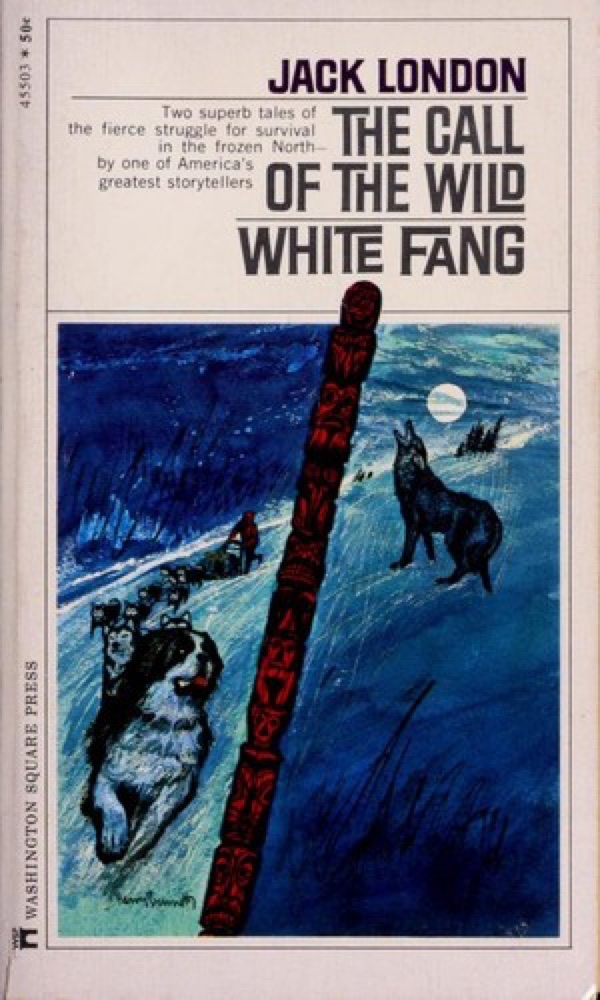 The Call of the Wild/White Fang
 I Am Legend and Other Stories
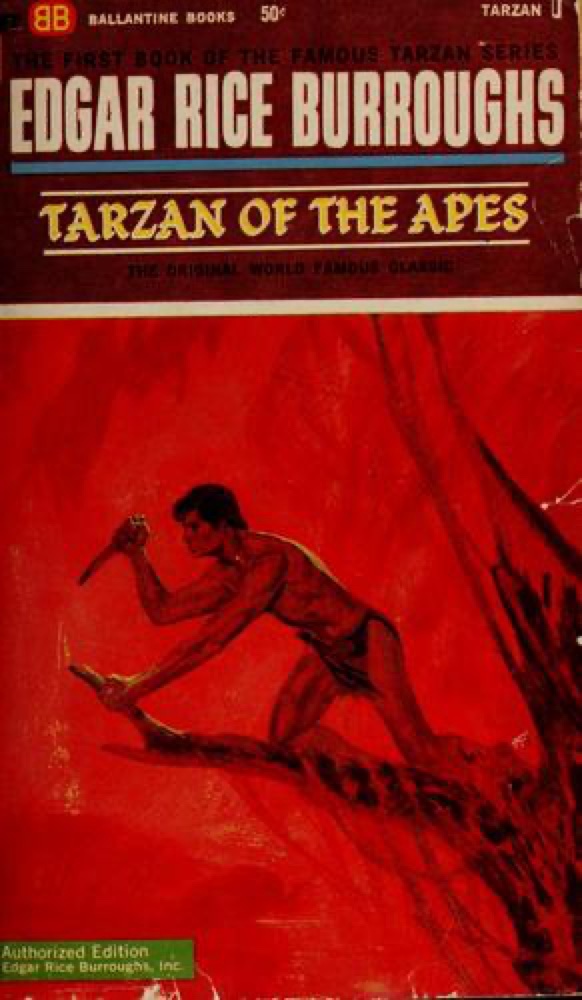 Tarzan of the Apes
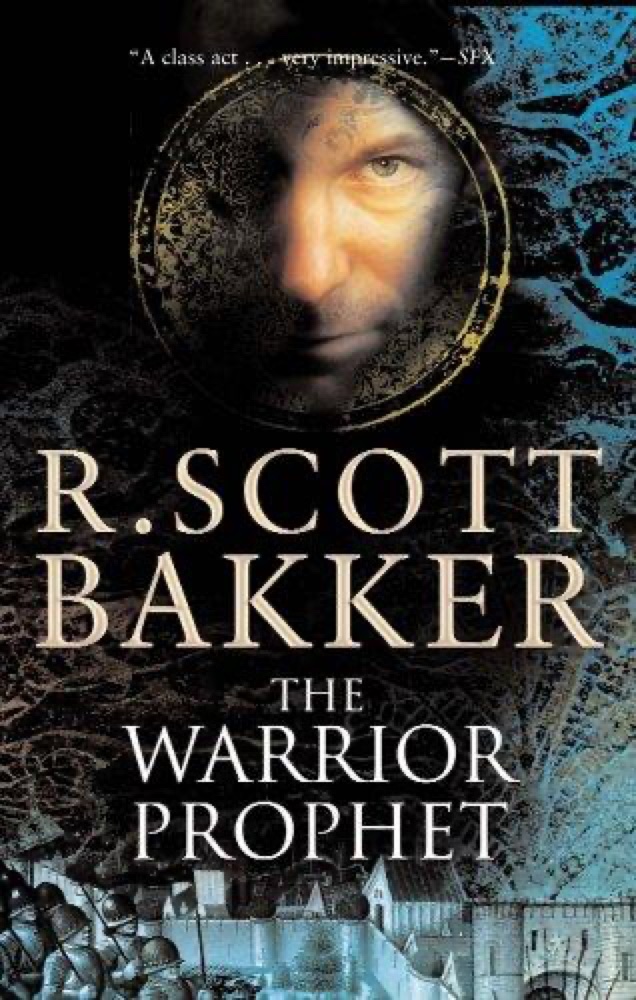 The Warrior Prophet
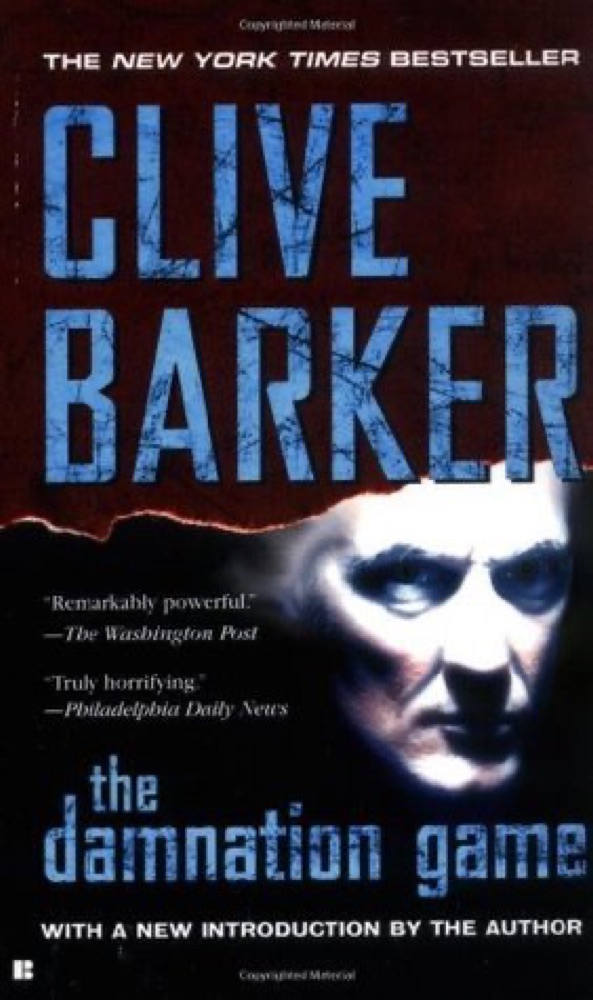 The Damnation Game
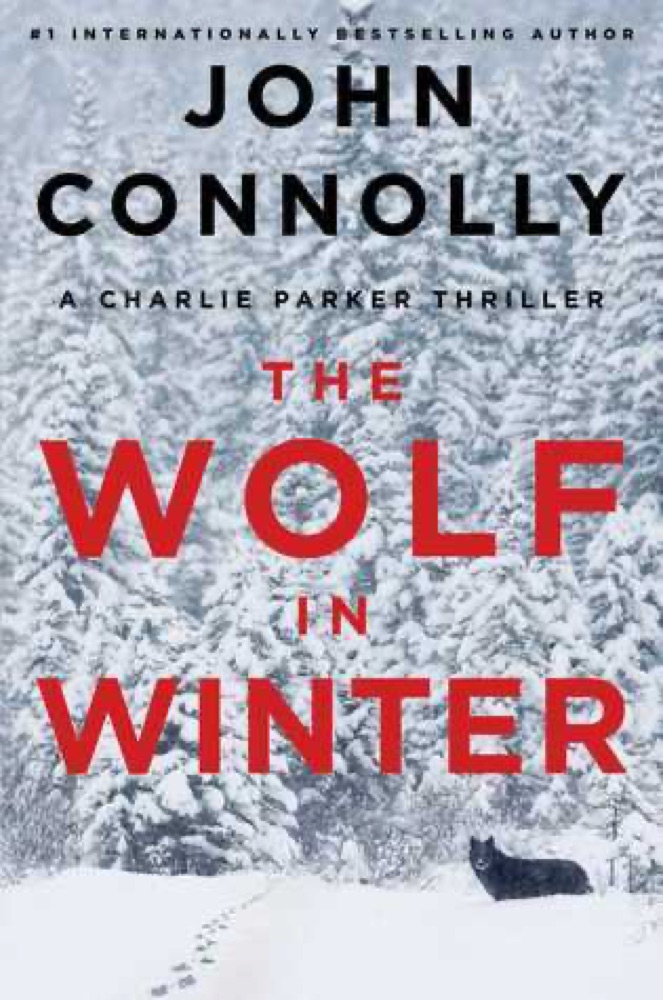 The Wolf in Winter
 Hatchet
 Victory
 Fell
Fell
 Hadji Murad
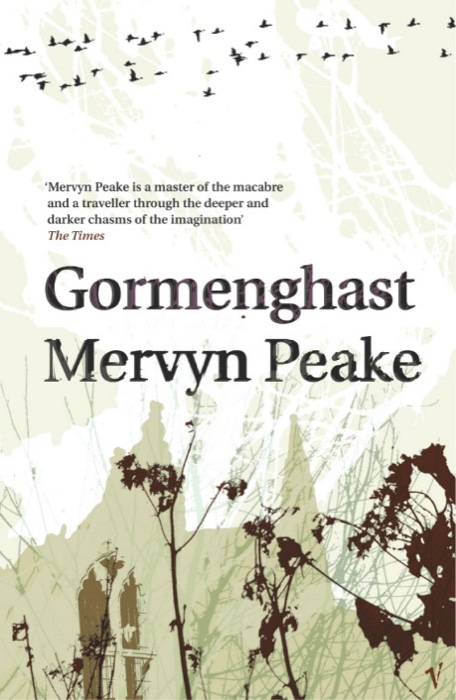 Gormenghast
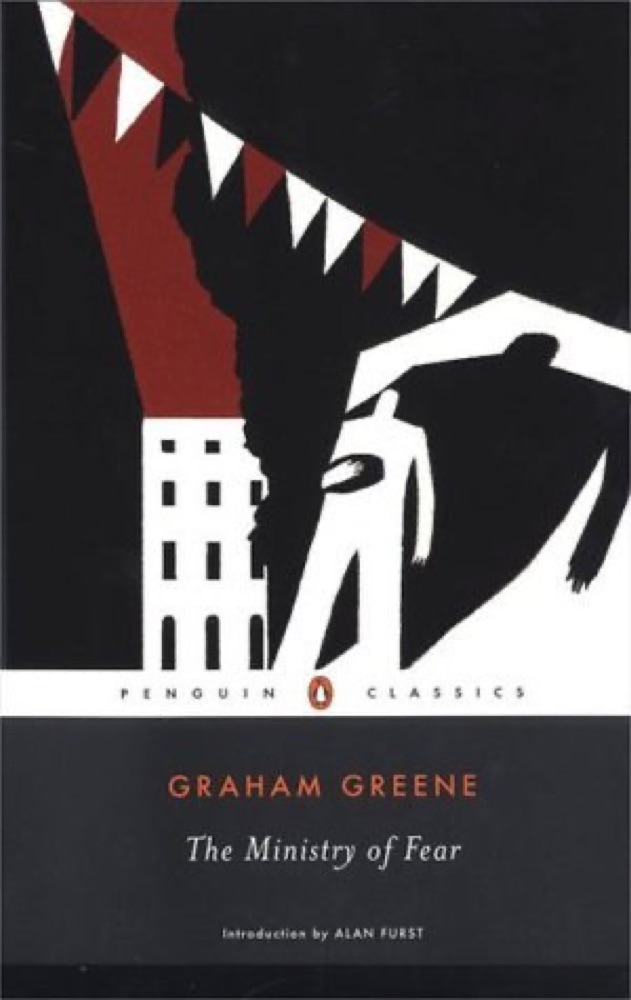 The Ministry of Fear
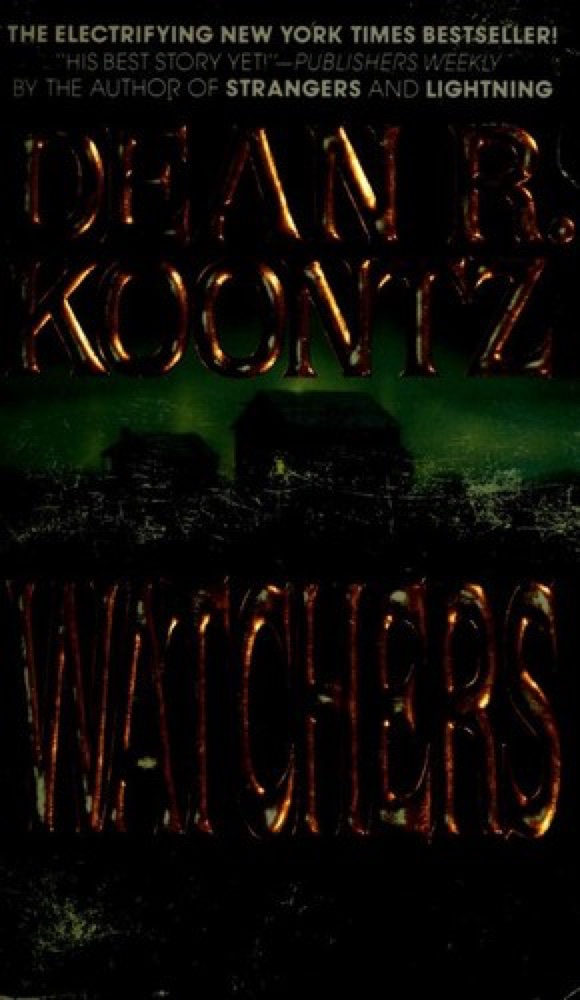 Watchers
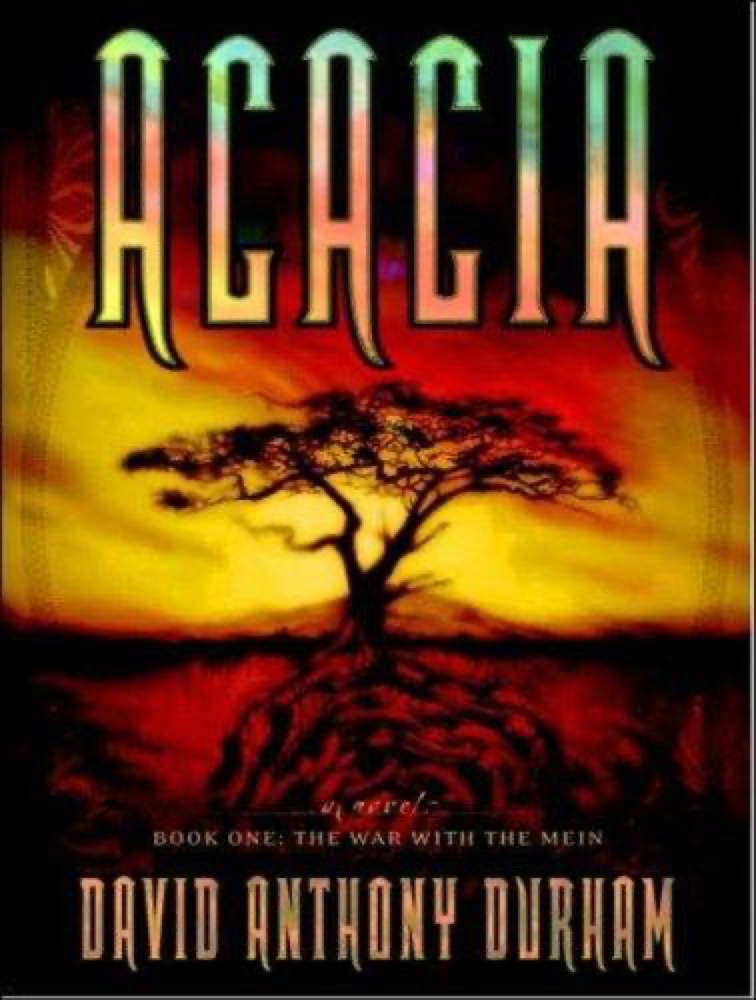 Acacia: The War with the Mein
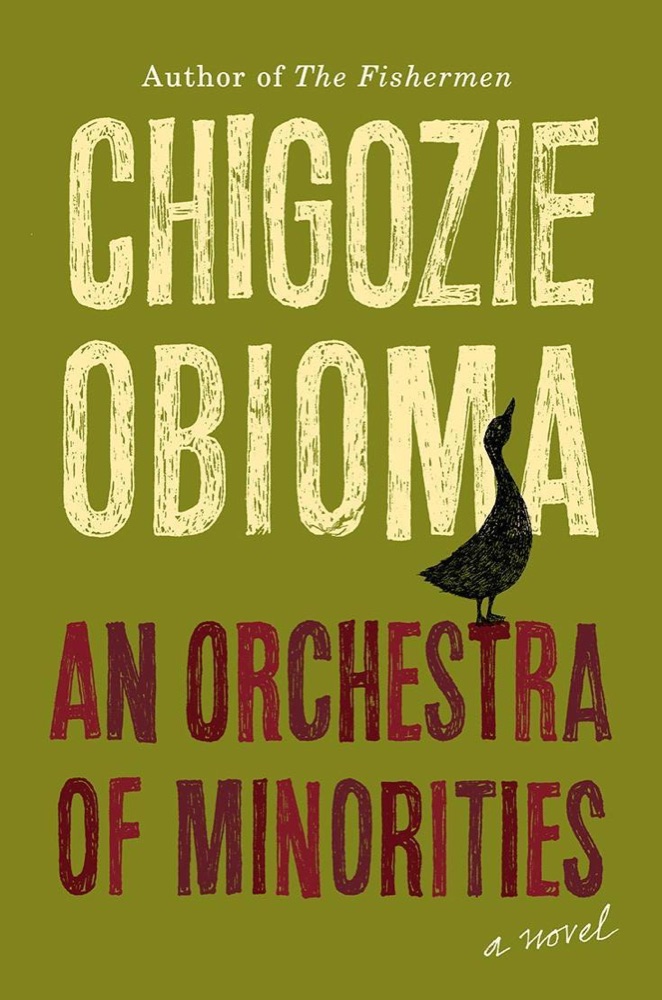 An Orchestra of Minorities
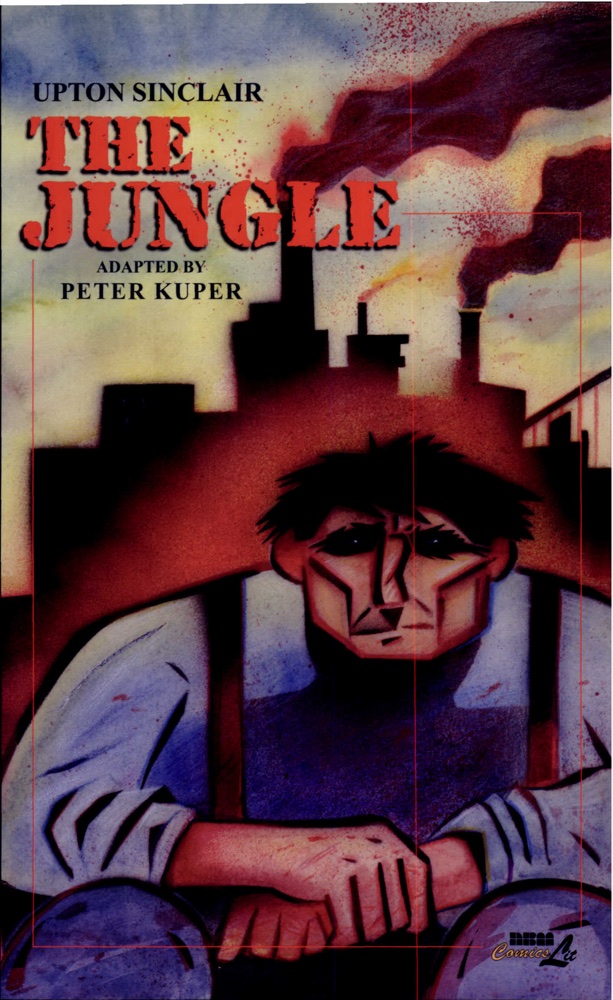 The Jungle
 The Naked and the Dead
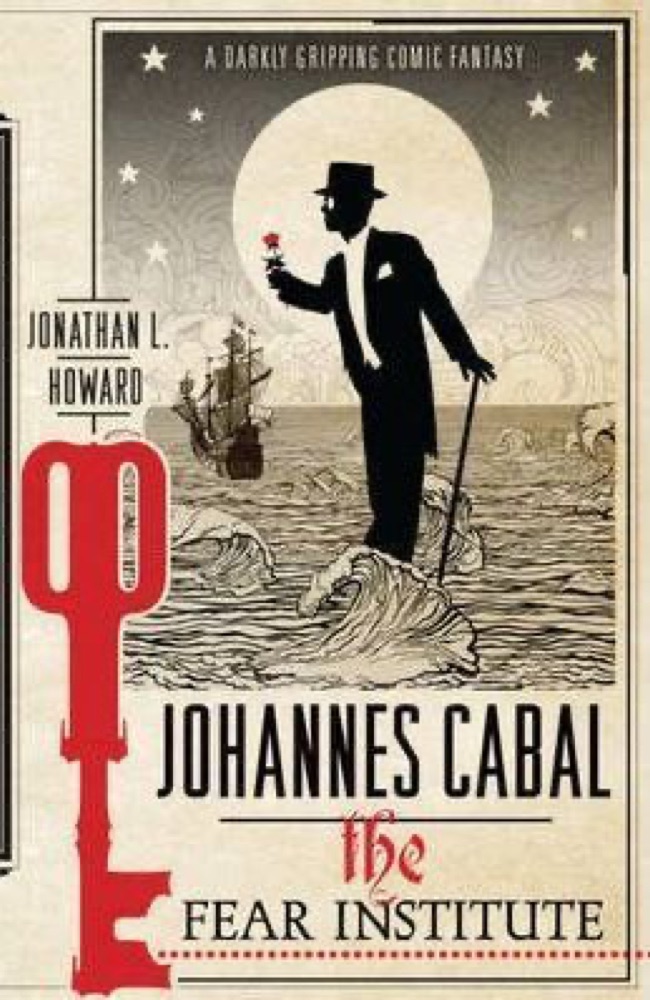 The Fear Institute
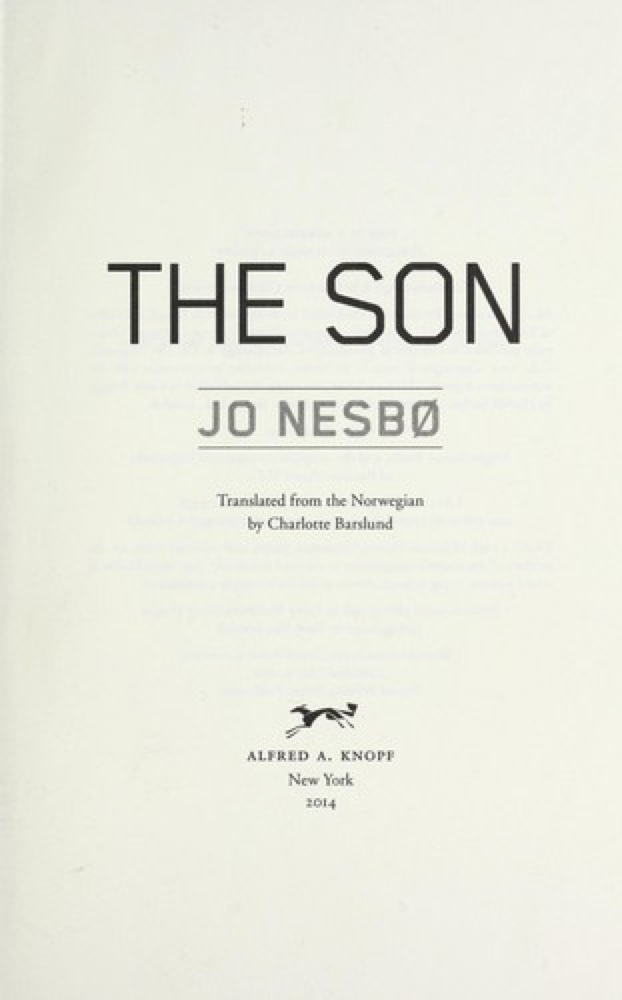 The Son
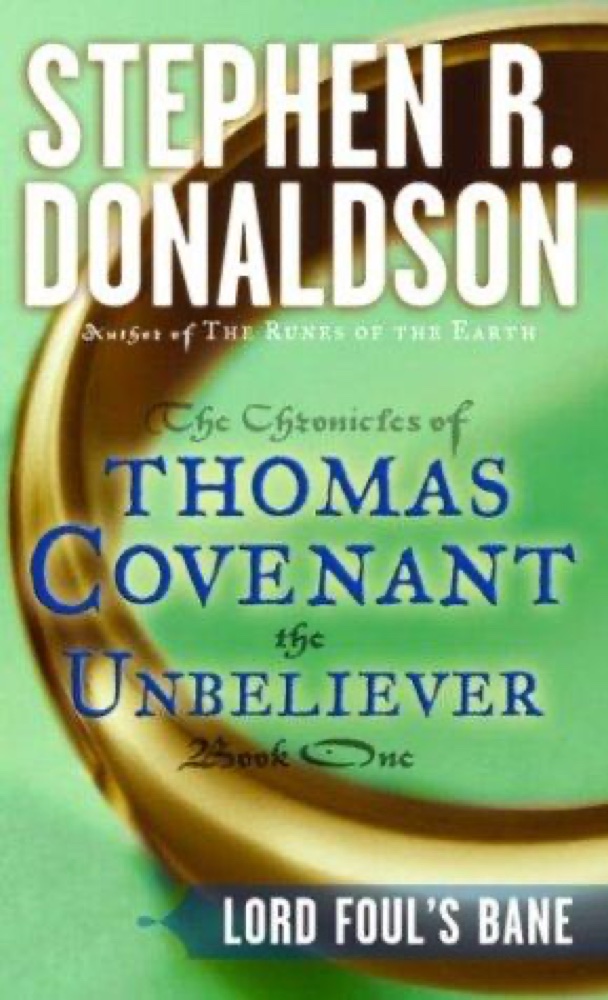 Lord Foul's Bane
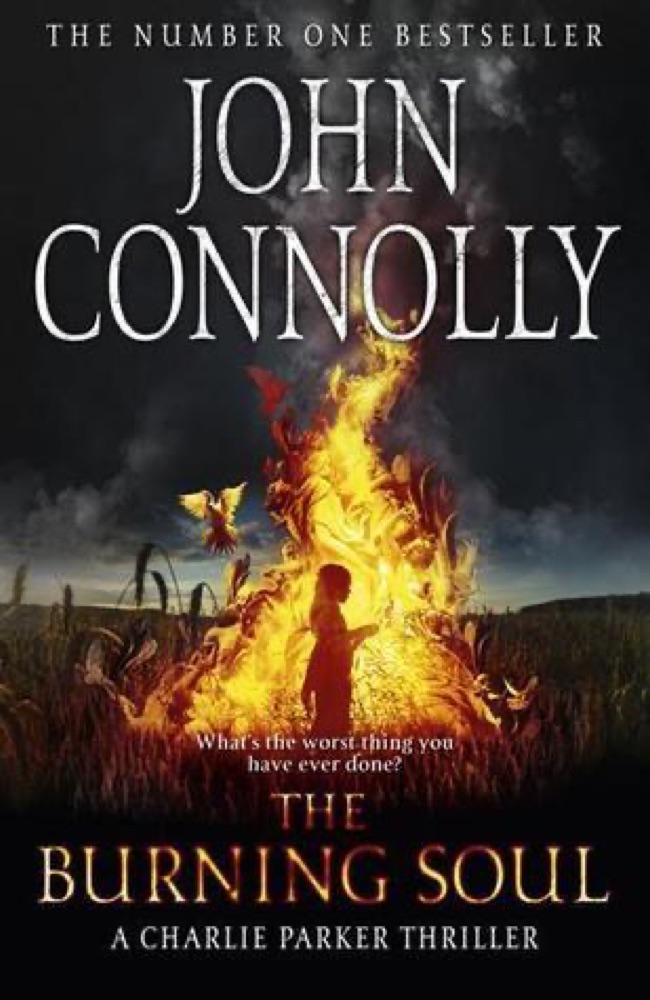 The Burning Soul
 The Sailor Who Fell from Grace with the Sea
 The Violent Bear It Away
 Little Heaven
 The Secret Chord
 J
J
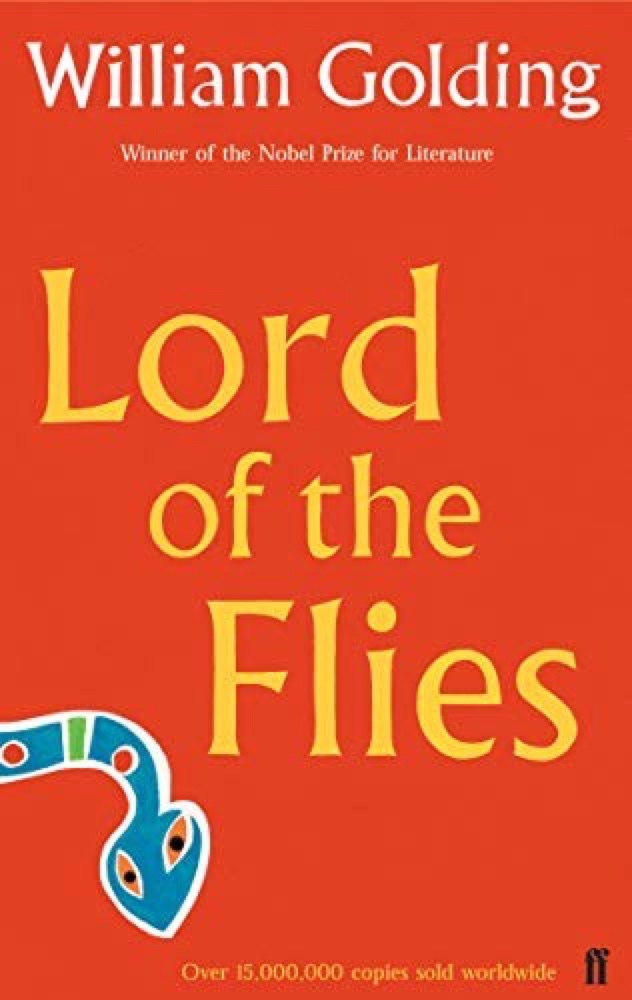 Lord of the Flies
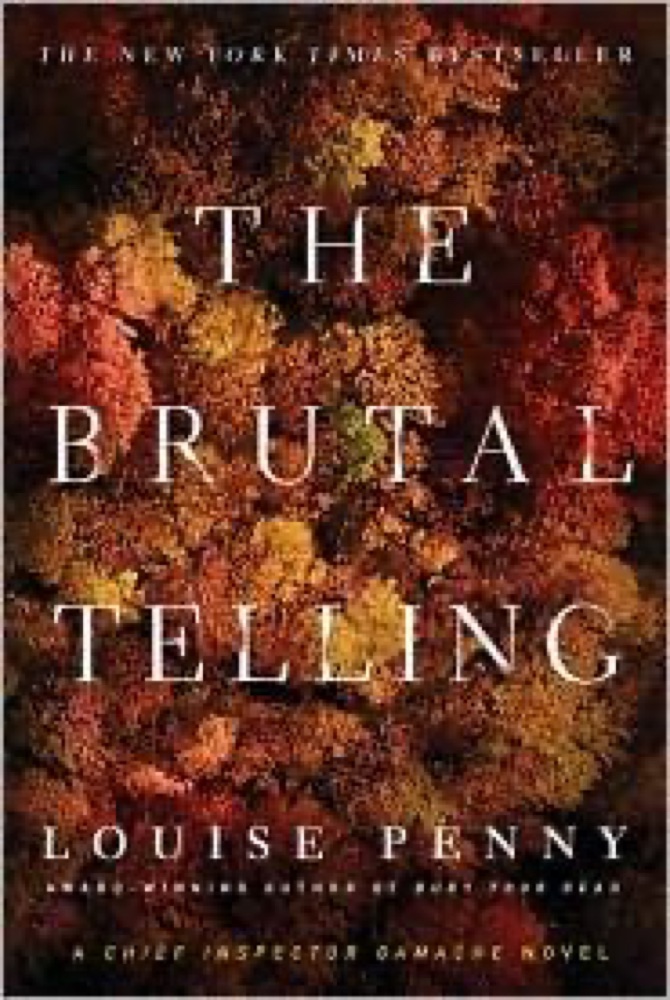 The Brutal Telling
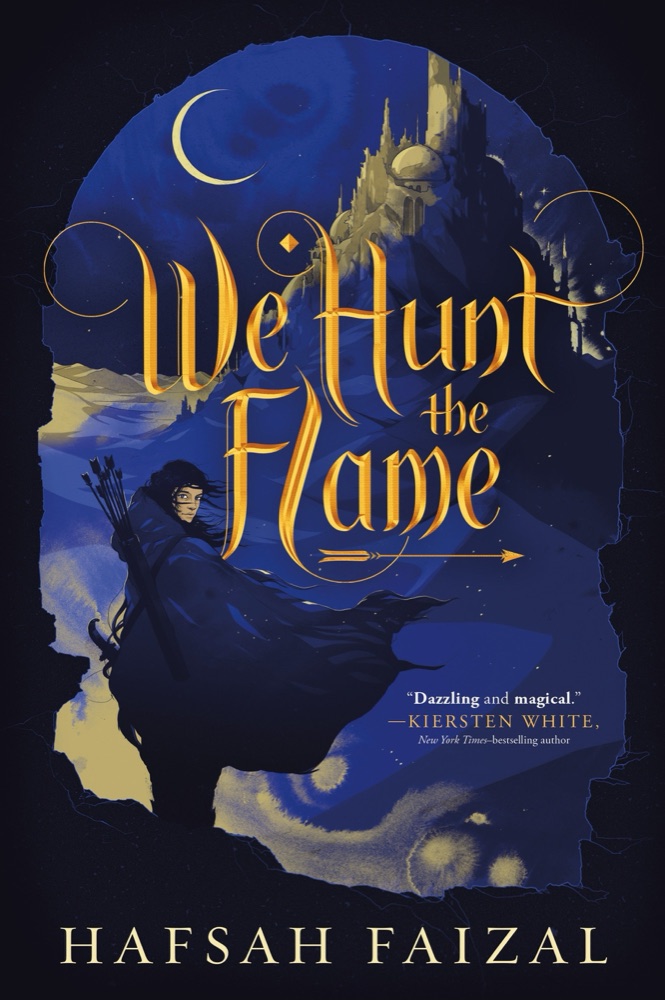 We Hunt the Flame
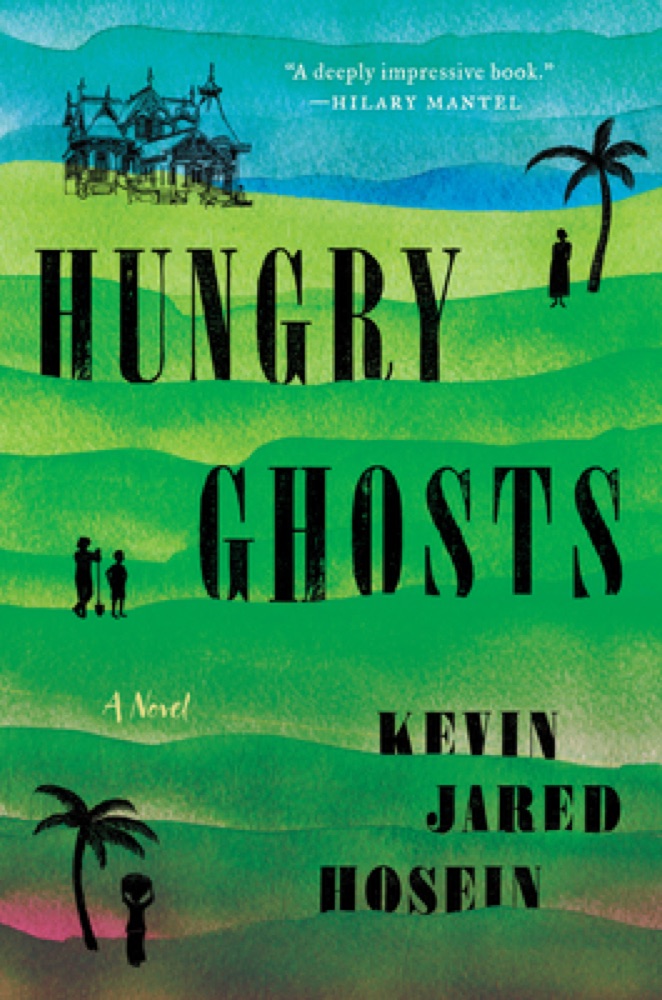 Hungry Ghosts
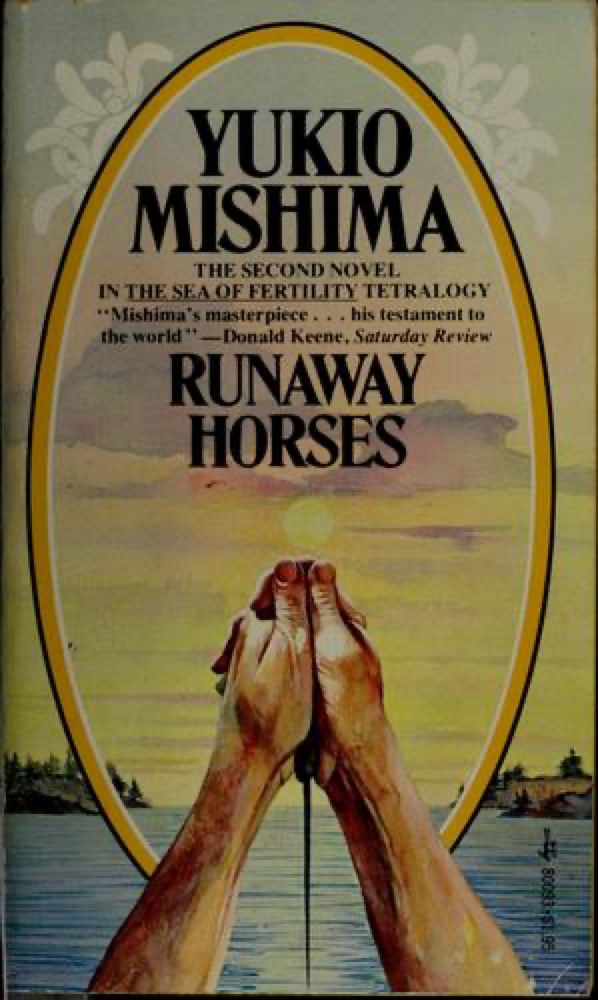 Runaway Horses
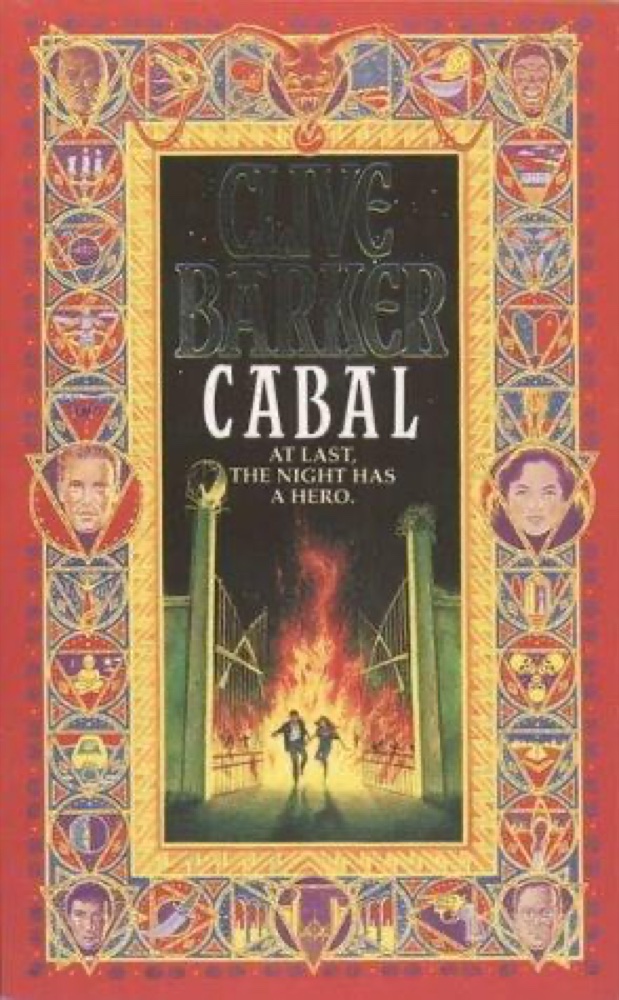 Cabal
Cabal
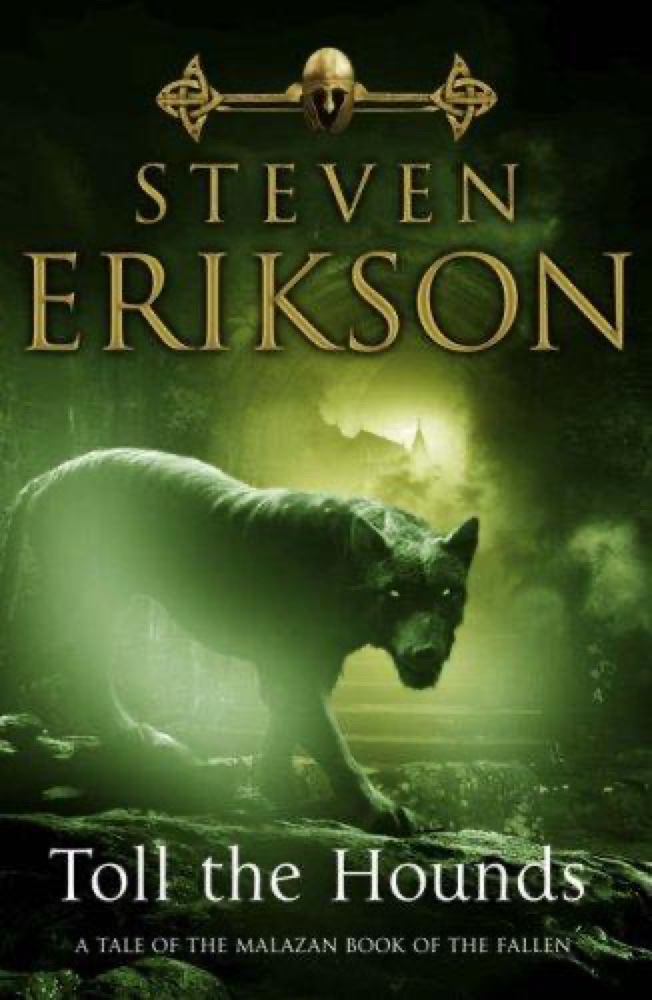 Toll the Hounds
 The Dragonbone Chair
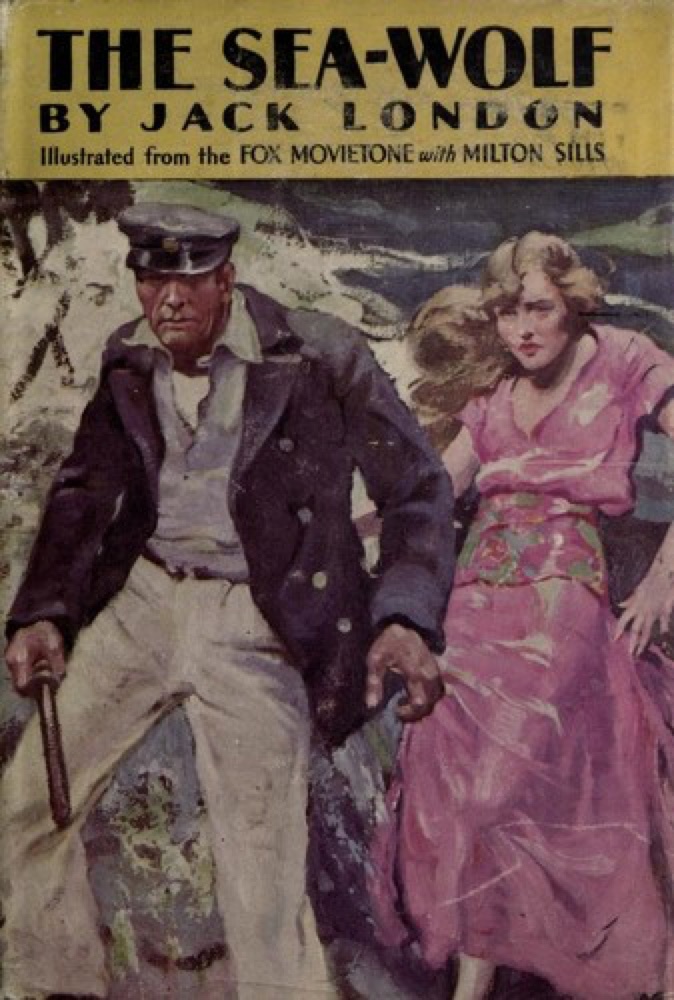 The Sea Wolf
 Of Human Bondage
 Cry Wolf
 The Last Mortal Bond
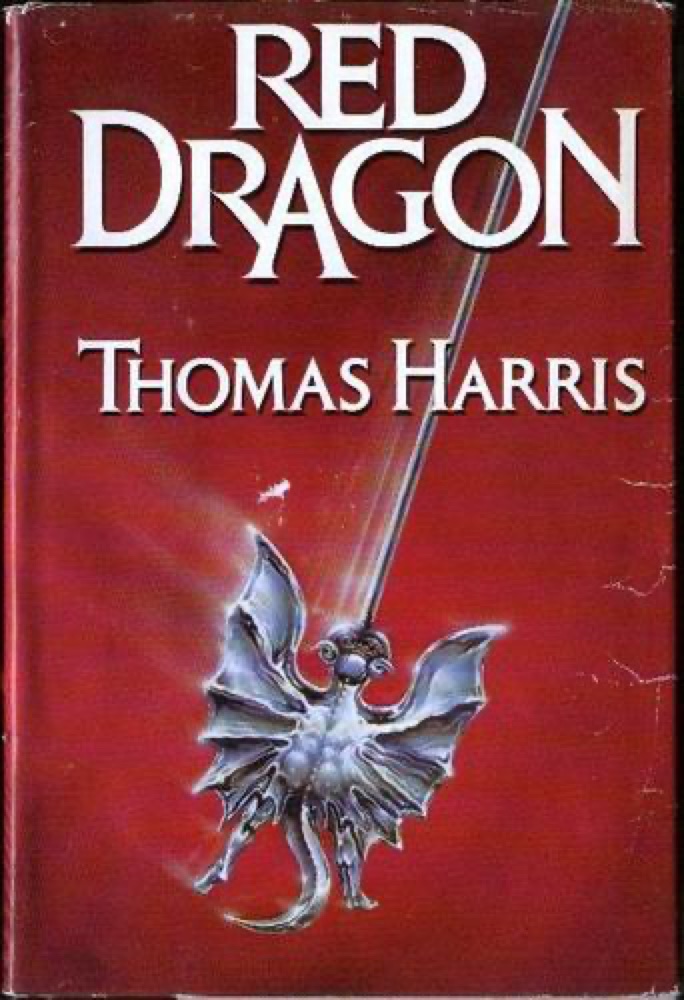 Red Dragon
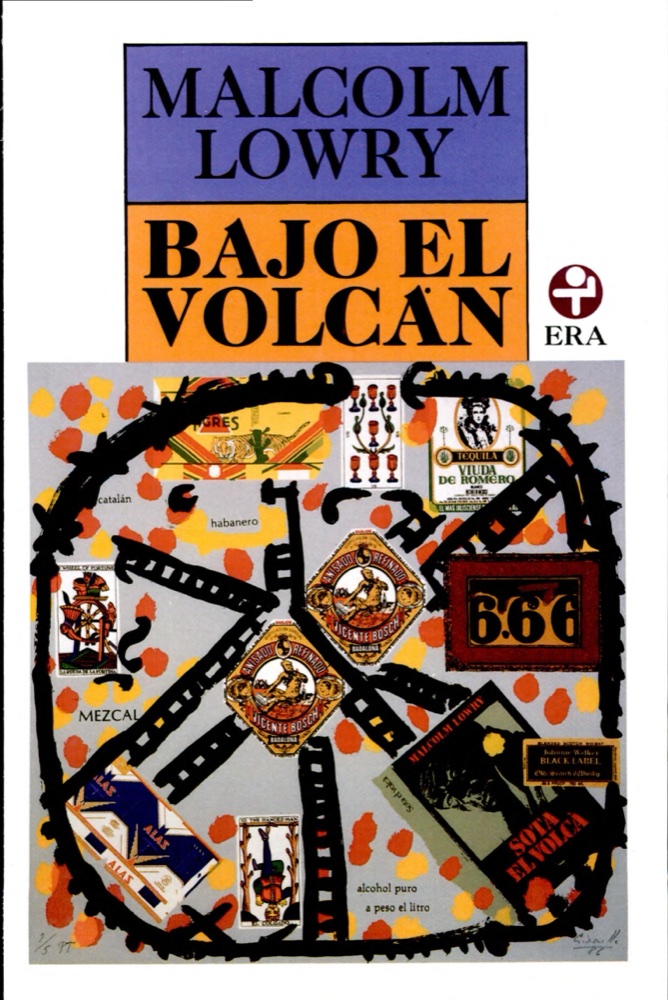 Under the Volcano
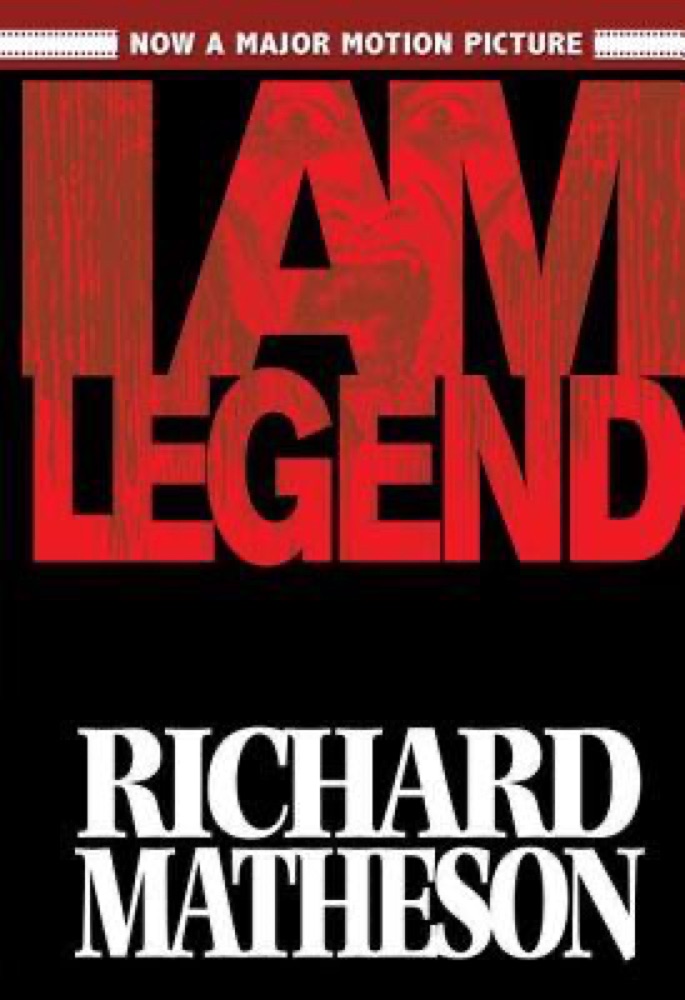 I Am Legend
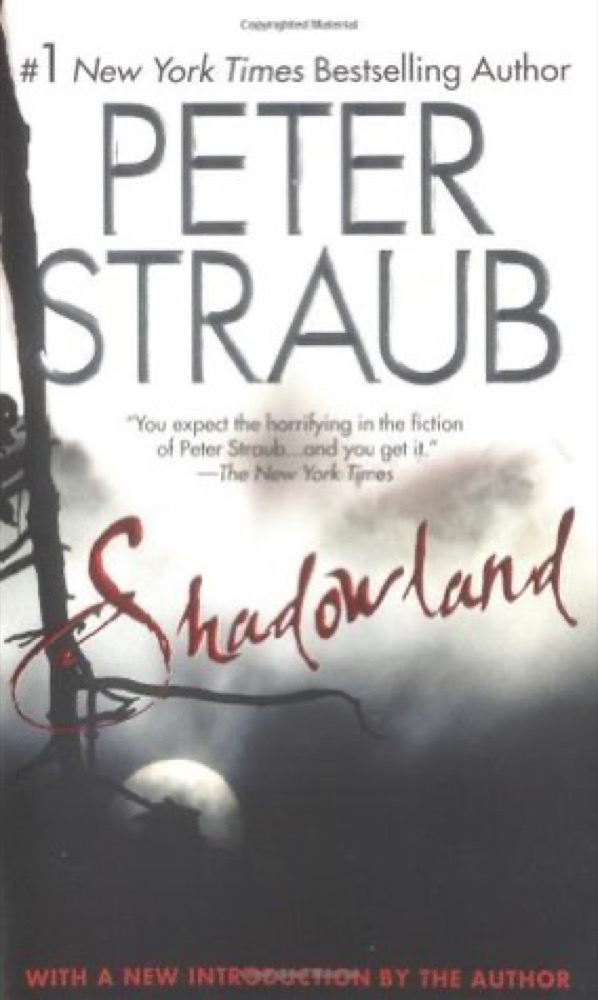 Shadowland
 When the Sleeper Wakes
 The Prophets
 Shadow Country
 The Pearl
 The Fishermen
 Matterhorn
 Mythology
 The Jungle Book
 Roughing It
 The Red Badge of Courage
 The Blade Itself
 The Beautiful Thing That Awaits Us All
 A Time of Torment
 Perfume: The Story of a Murderer
 The Metamorphosis
 Black Leopard, Red Wolf
 Call for the Dead