
 Darkness Visible
Quotes from the Book
Maybe there is a beast… maybe it's only us.
Ralph wept for the end of innocence, the darkness of man's heart, and the fall through the air of the true, wise friend called Piggy.
The thing is - fear can't hurt you any more than a dream.
The greatest ideas are the simplest.
We did everything adults would do. What went wrong?
I think women are foolish to pretend they are equal to men, they are far superior and always have been.
Fancy thinking the Beast was something you could hunt and kill! You knew, didn’t you? I’m part of you? Close, close, close! I’m the reason why it’s no go? Why things are what they are?
What are we? Humans? Or animals? Or savages?
If faces were different when lit from above or below -- what was a face? What was anything?
We've got to have rules and obey them. After all, we're not savages. We're English, and the English are best at everything.
The world, that understandable and lawful world, was slipping away.
He found himself understanding the wearisomeness of this life, where every path was an improvisation and a considerable part of one's waking life was spent watching one's feet.
They looked at each other, baffled, in love and hate.
His voice rose under the black smoke before the burning wreckage of the island; and infected by that emotion, the other little boys began to shake and sob too. And in the middle of them, with filthy body, matted hair, and unwiped nose, Ralph wept for the end of innocence, the darkness of mans heart, and the fall through the air of the true, wise friend called Piggy.
The mask was a thing on it's own, behind which Jack hid, liberated from shame and self-conciousness.
Which is better--to have laws and agree, or to hunt and kill?
Maybe," he said hesitantly, "maybe there is a beast." [...] "What I mean is, maybe it's only us.
They walked along, two continents of experience and feeling unable to communicate.
Towards midnight the rain ceased and the clouds drifted away, so that the sky was scattered once more with the incredible lamps of stars. Then the breeze died too and there was no noise save the drip and tickle of water that ran out of clefts and spilled down, leaf by leaf, to the brown earth of the island. The air was cool, moist, and clear; and presently even the sound of the water was still. The beast lay huddled on the pale beach and the stains spread, inch by inch. The edge of the lagoon became a streak of phosphorescence which advanced minutely, as the great wave of the tide flowed. The clear water mirrored the clear sky and the angular bright constellations. The line of phosphorescence bulged about the sand grains and little pebbles; it held them each in a dimple of tension, then suddenly accepted them with an inaudible syllable and moved on. Along the shoreward edge of the shallows the advancing clearness was full of strange, moonbeam-bodied creatures with fiery eyes. Here and there a larger pebble clung to its own air and was covered with a coat of pearls. The tide swelled in over the rain-pitted sand and smoothed everything with a layer of silver. Now it touched the first of the stains that seeped from the broken body and the creatures made a moving patch of light as they gathered at the edge. The water rose further and dressed Simon's coarse hair with brightness. The line of his cheek silvered and the turn of his shoulder became sculptured marble. The strange, attendant creatures, with their fiery eyes and trailing vapours busied themselves round his head. The body lifted a fraction of an inch from the sand and a bubble of air escaped from the mouth with a wet plop. Then it turned gently in the water. Somewhere over the darkened curve of the world the sun and moon were pulling; and the film of water on the earth planet was held, bulging slightly on one side while the solid core turned. The great wave of the tide moved further along the island and the water lifted. Softly, surrounded by a fringe of inquisitive bright creatures, itself a silver shape beneath the steadfast constellations, Simon's dead body moved out towards the open sea.
The rules!" shouted Ralph, "you're breaking the rules!" "Who cares?
I know there isn't no beast—not with claws and all that, I mean—but I know there isn't no fear, either." Piggy paused. "Unless—" Ralph moved restlessly. "Unless what?" "Unless we get frightened of people.
There have been so many interpretations of the story that I'm not going to choose between them. Make your own choice. They contradict each other, the various choices. The only choice that really matters, the only interpretation of the story, if you want one, is your own. Not your teacher's, not your professor's, not mine, not a critic's, not some authority's. The only thing that matters is, first, the experience of being in the story, moving through it. Then any interpretation you like. If it's yours, then that's the right one, because what's in a book is not what an author thought he put into it, it's what the reader gets out of it.
He lost himself in a maze of thoughts that were rendered vague by his lack of words to express them. Frowning, he tried again.
the conch exploded into a thousand white fragments and ceased to exist.
His mind was crowded with memories; memories of the knowledge that had come to them when they closed in on the struggling pig, knowledge that they had outwitted a living thing, imposed their will upon it, taken away its life like a long satisfying drink.
Kill the pig. Cut her throat. Spill her blood.
What I mean is... maybe it's only us...
I'm scared of him," said Piggy, "and that's why I know him. If you're scared of someone you hate him but you can't stop thinking about him. You kid yourself he's all right really, an' then when you see him again; it's like asthma an' you can't breathe...
Did you know?
- It was William Golding's first published novel, released on 17 September 1954.
- The book was rejected by several publishers before Faber and Faber accepted it.
- The title is a translation of Beelzebub, a name associated with a demon.
- The novel has sold over ten million copies and is widely taught in schools.
- It appears on Time magazine's list of the 100 best English-language novels since 1923.
About William Golding
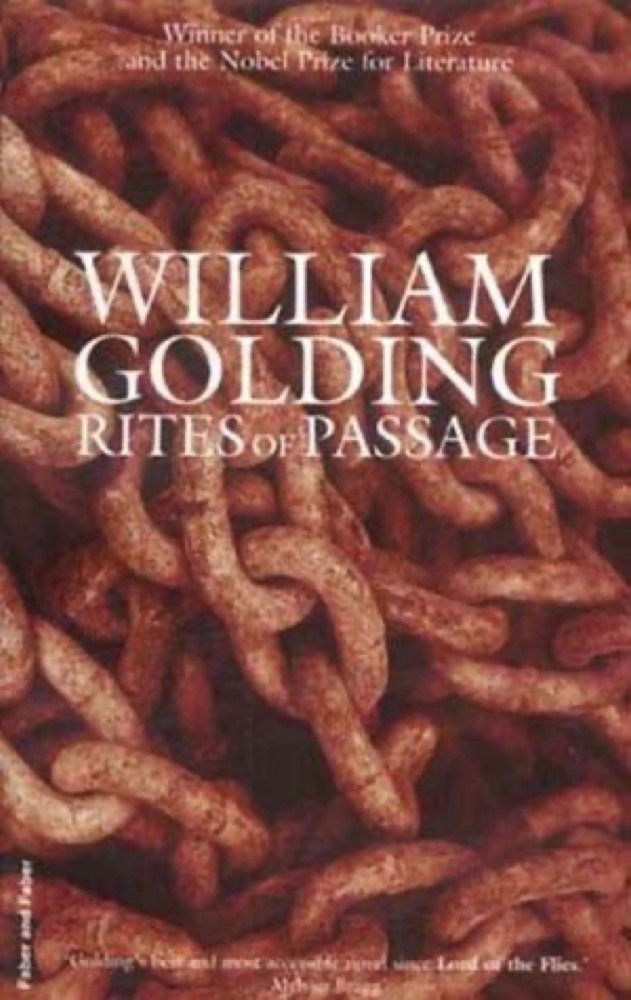
Sir William Golding (1911-1993) was a British novelist, playwright, and poet, born in Newquay, Cornwall. He won the 1983 Nobel Prize in Literature and the 1980 Booker Prize for "Rites of Passage," and was knighted in 1988.
More about the author →More by William Golding
About the book
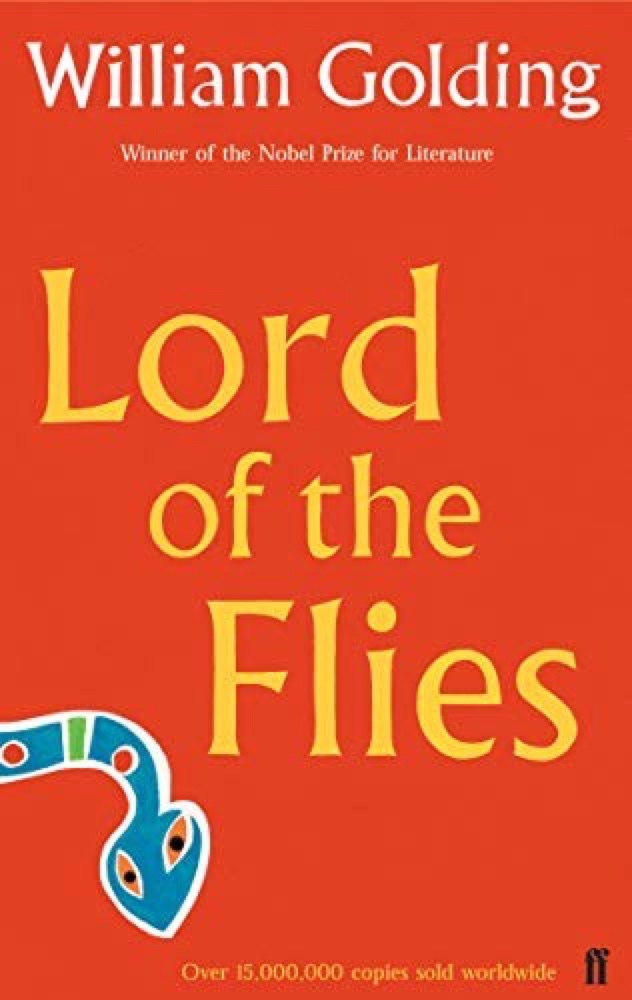
"Lord of the Flies" is William Golding's 1954 debut novel, in which a group of British schoolboys are stranded on an uninhabited tropical island after their plane crashes during a wartime evacuation, with no surviving adults. At first the boys, led by the level-headed Ralph and aided by the intellectual Piggy, try to build order, hold assemblies, and keep a signal fire burning. But as fear of an imagined "beast" spreads and the charismatic hunter Jack draws followers toward violence, their fragile society breaks down into cruelty and tragedy before an unexpected rescue.
At its core the novel is an allegory about the fragility of civilization and the darkness Golding believed to be innate in human nature. Through the contrast between Ralph's rational leadership and Jack's savagery, and the fates of the thoughtful Piggy and the visionary Simon, Golding dramatizes the tension between order and chaos, reason and instinct, and the ease with which social restraints collapse without shared authority.
Published by Faber and Faber, the book was slow to sell at first but grew into one of the most widely read and taught novels of the twentieth century, selling well over ten million copies. Critics have read it as parable, satire, and moral fable, and it helped establish Golding's reputation as a major writer, contributing to his 1983 Nobel Prize in Literature. It remains a fixture on best-novel lists and school curricula around the world.
Key characters
- RalphThe elected leader who represents order and civilization
- Jack MerridewHead of the choirboys turned hunter, embodying savagery and the lust for power
- PiggyRalph's intellectual, bespectacled friend symbolizing reason and science
- SimonA quiet, thoughtful boy with a spiritual, insightful nature
- RogerA sadistic older boy who grows increasingly violent under Jack
- Sam and Eric (Samneric)Inseparable twins loyal to Ralph until forced to submit to Jack
Book details
- First published
- 1954
- Length
- 224 pages
- Reading time
- 3 hours
- Author
- William Golding
- Genre
- Classics
- Goodreads rating
- 3.70 (3.3M ratings) →
- First line
- “The boy with fair hair lowered himself down the last few feet of rock and began to pick his way toward the lagoon.”
Movie & TV adaptations
- IMDb
- IMDb
If you liked this, read…
- 1Animal FarmAllegory of how a group's ideals decay into tyranny and violence
- 2The Coral IslandThe Victorian island adventure Golding wrote against and subverted
- 3The BeachA modern tale of an island community that spirals into disorder
Keep reading
 Nation
 That Hideous Strength
 The Man in the High Castle
 False Memory
 The Son
 The Broken Eye
 And Then There Were None
 The Naked and the Dead
 Assassin's Quest
 Rot & Ruin
 The Lost World
 Watership Down
 We, the Drowned
 Snuff
Snuff
 The Blood Mirror
 Authority
 The Invasion of the Tearling
 Oryx and Crake
 Bradbury Stories: 100 of His Most Celebrated Tales
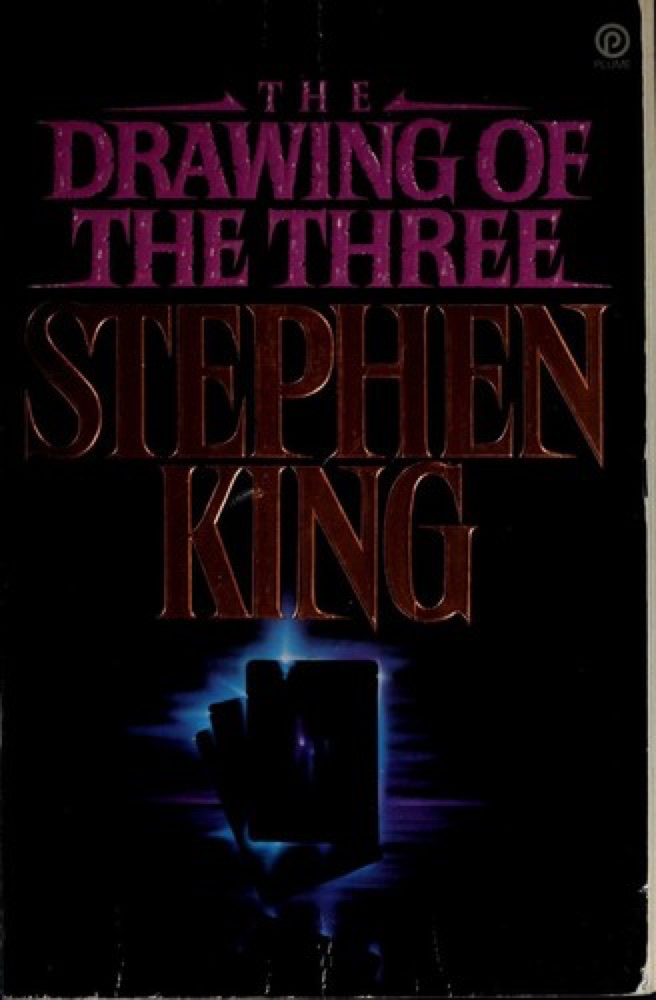 The Drawing of the Three
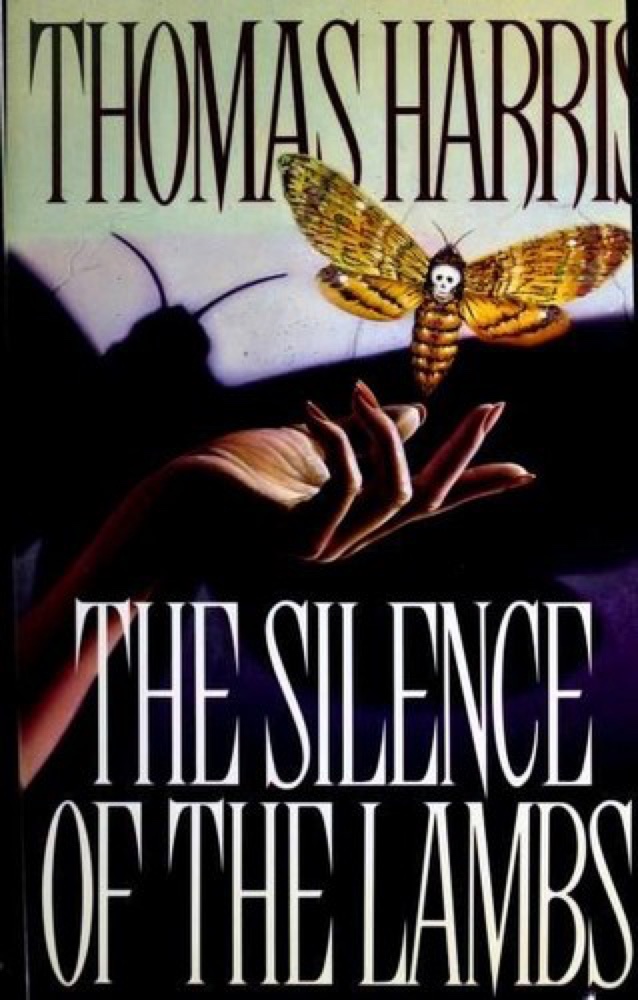 The Silence of the Lambs
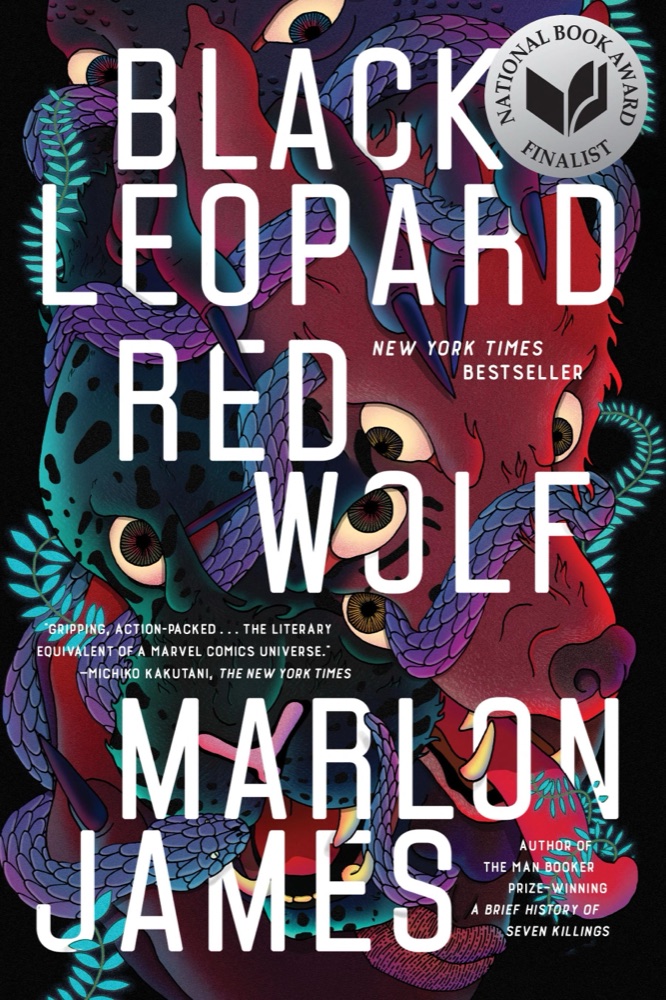 Black Leopard, Red Wolf
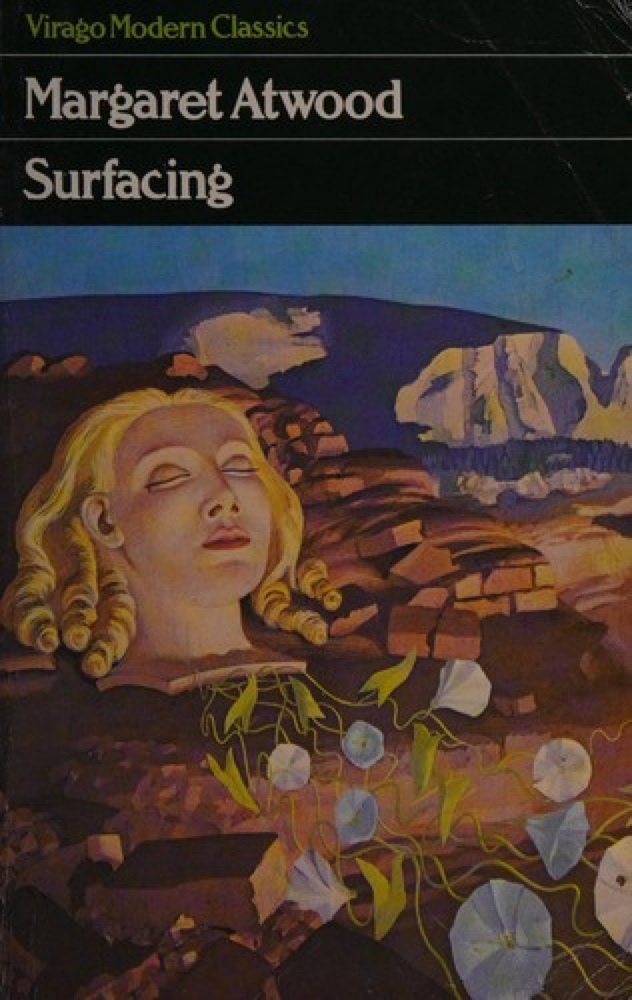 Surfacing
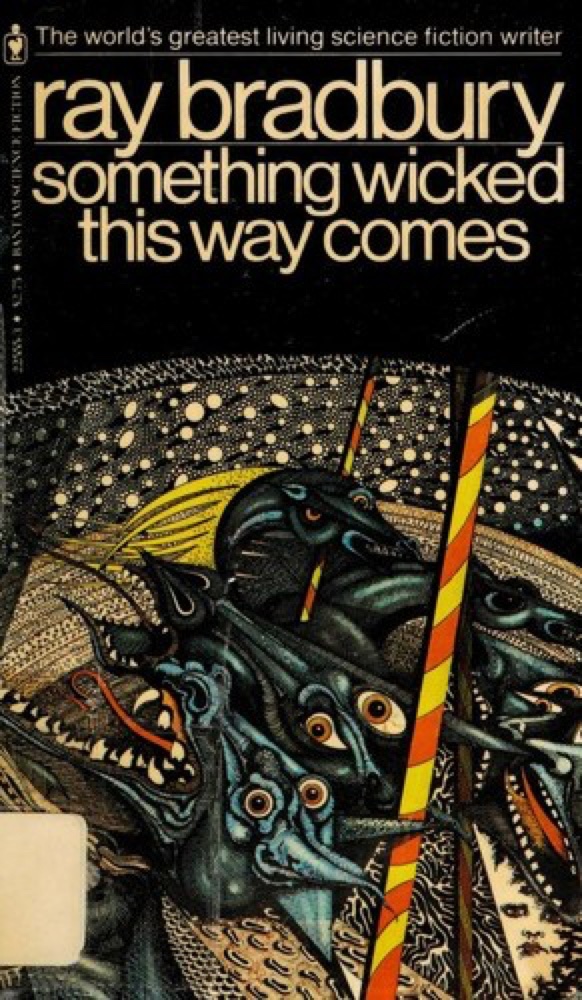 Something Wicked This Way Comes
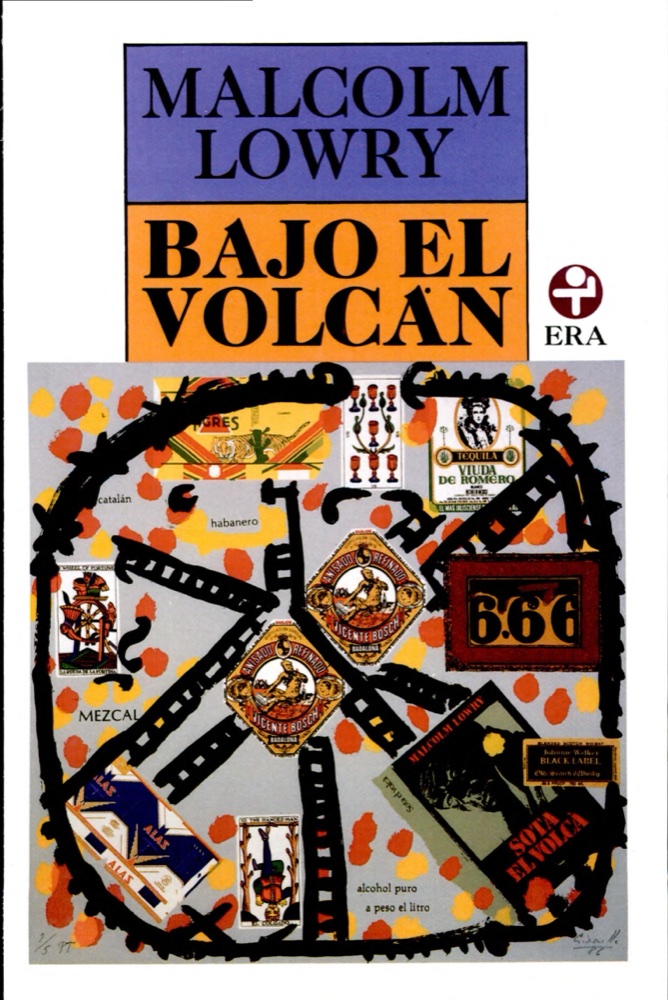 Under the Volcano
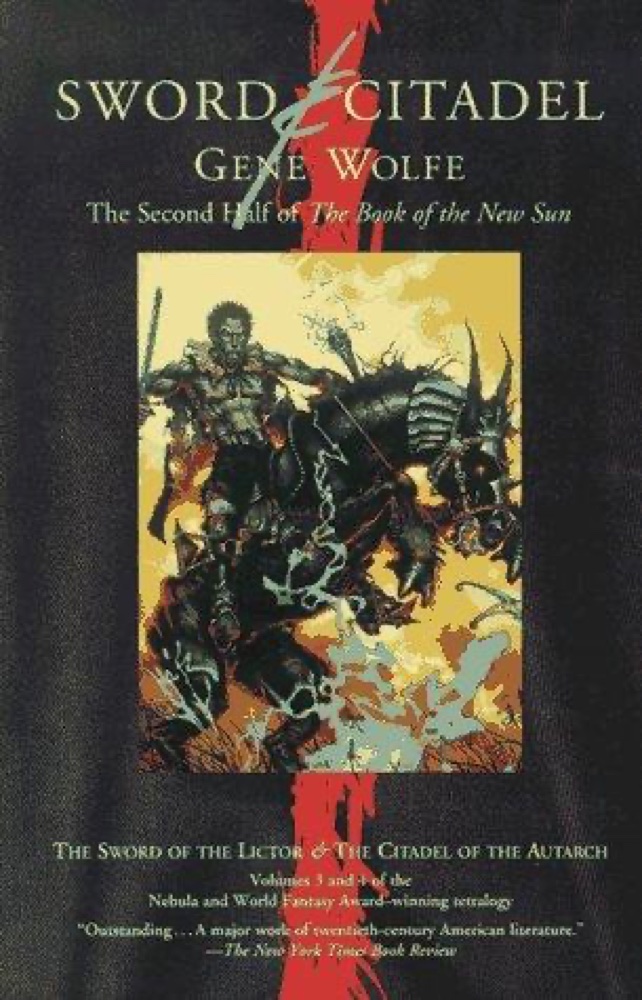 Sword & Citadel
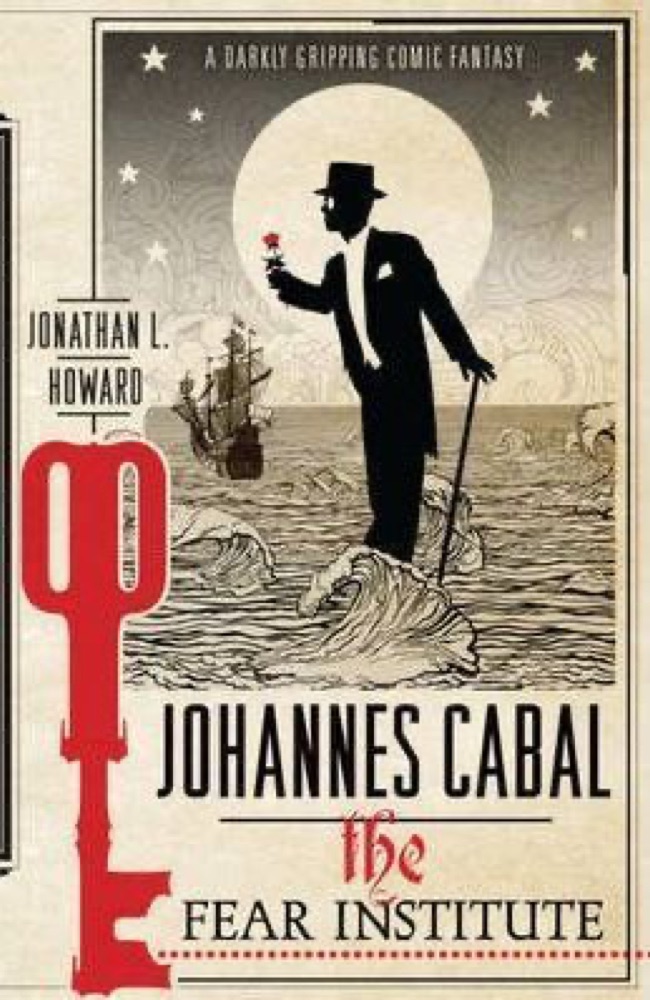 The Fear Institute
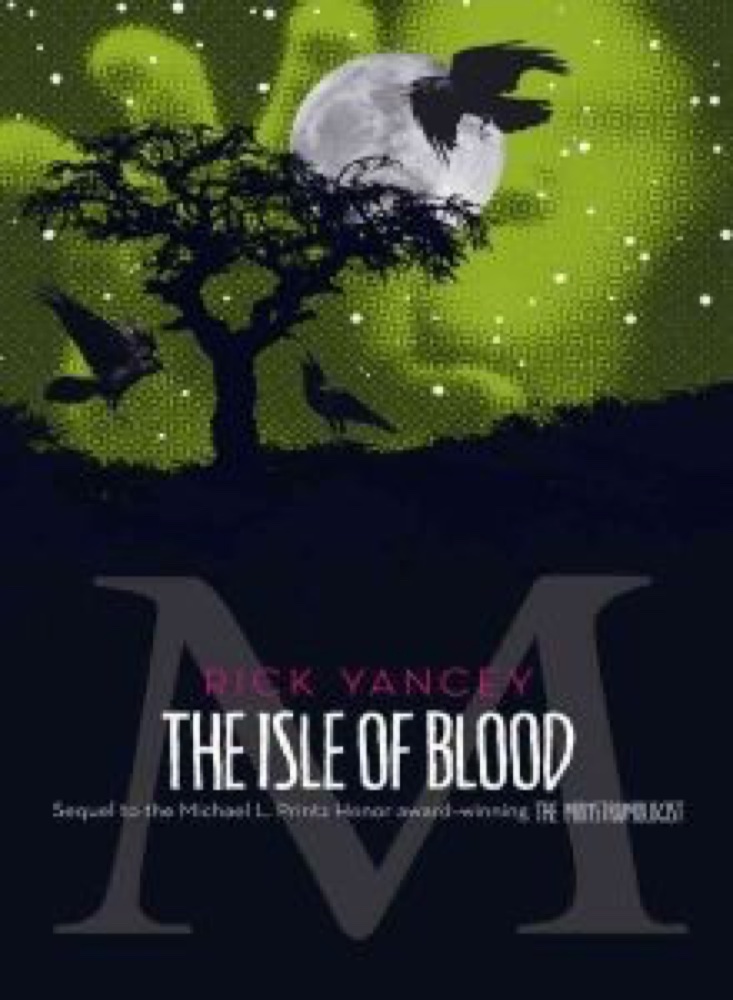 The Isle of Blood
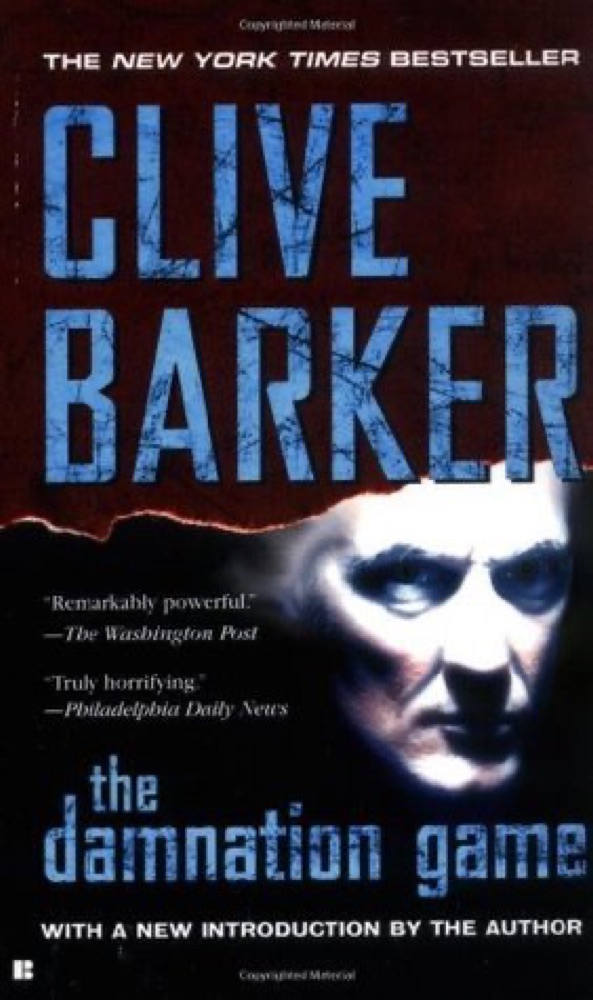 The Damnation Game
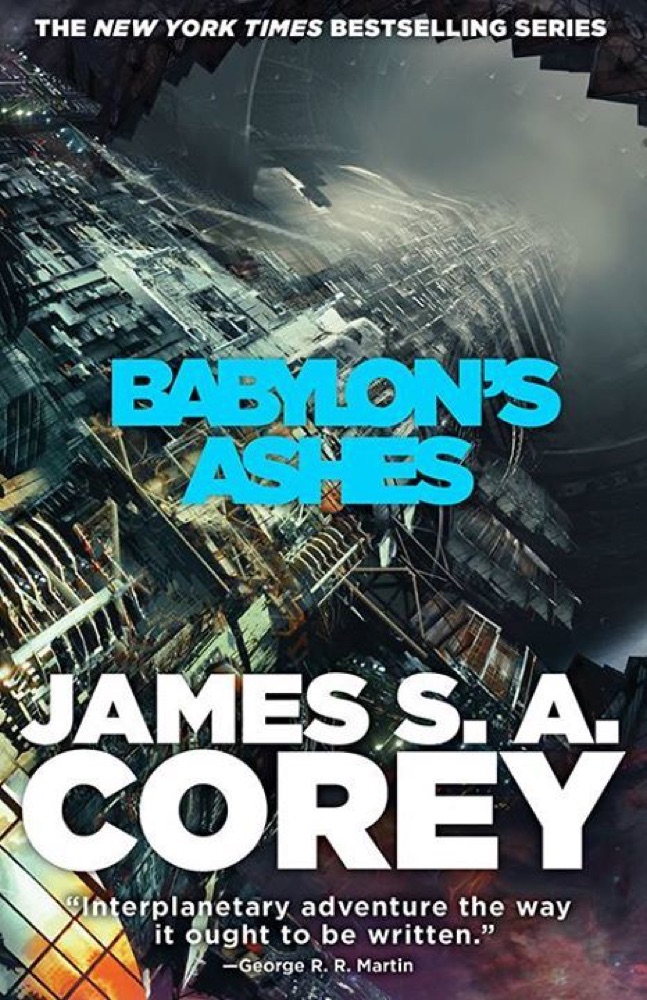 Babylon's Ashes
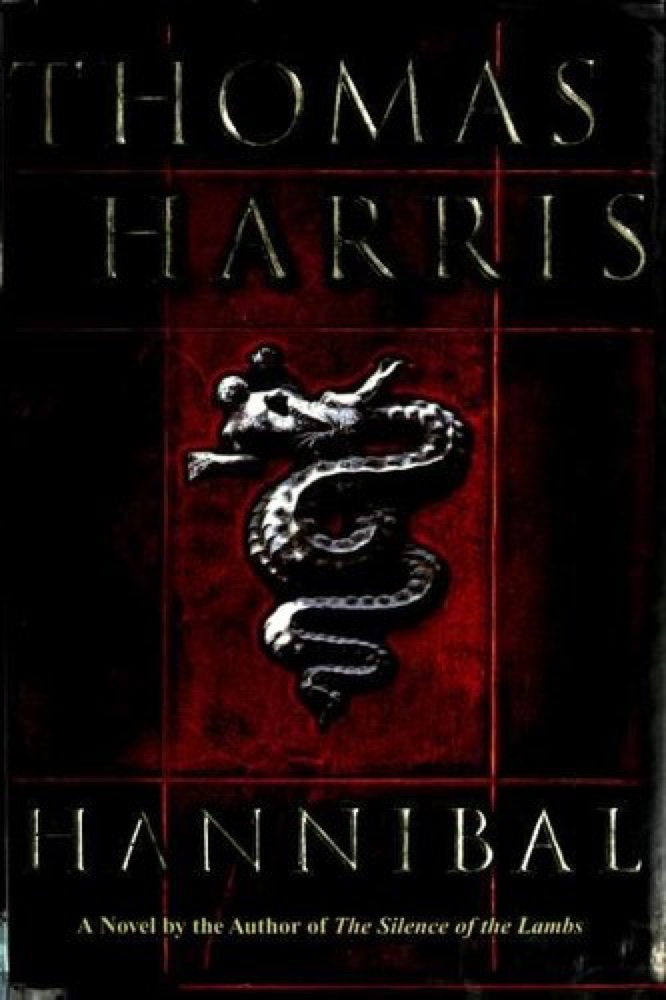 Hannibal
 Gone
Gone
 This Savage Song
 Fear
Fear
 More Than Human
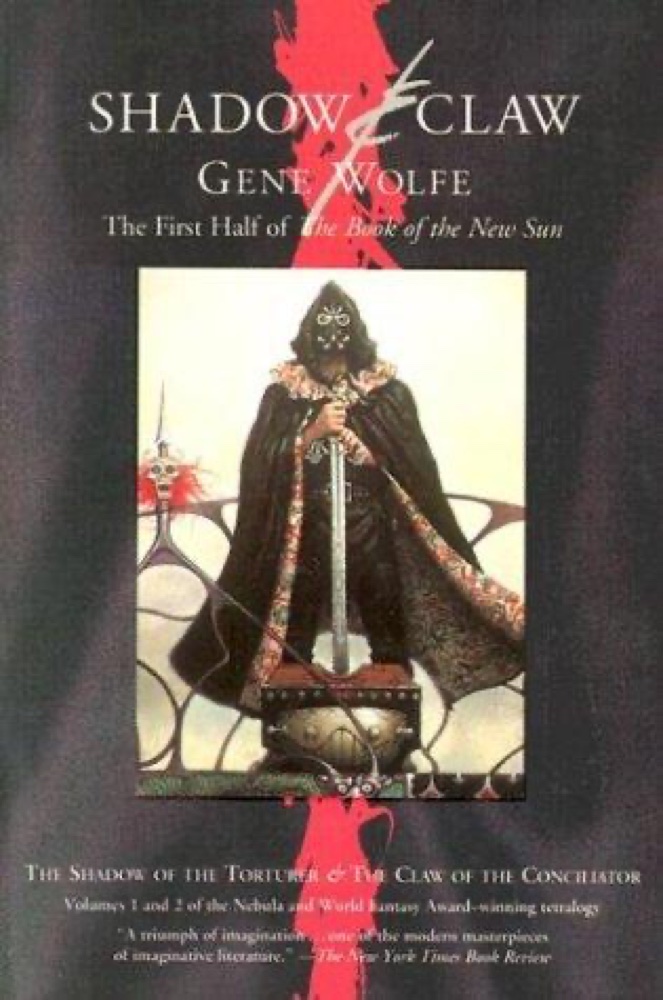 Shadow & Claw
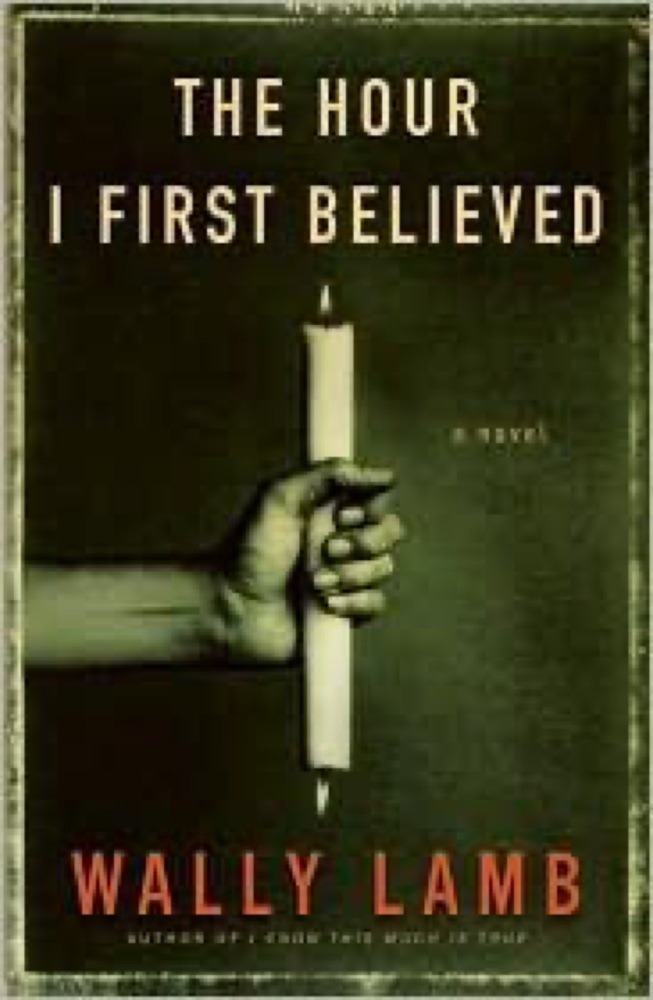 The Hour I First Believed
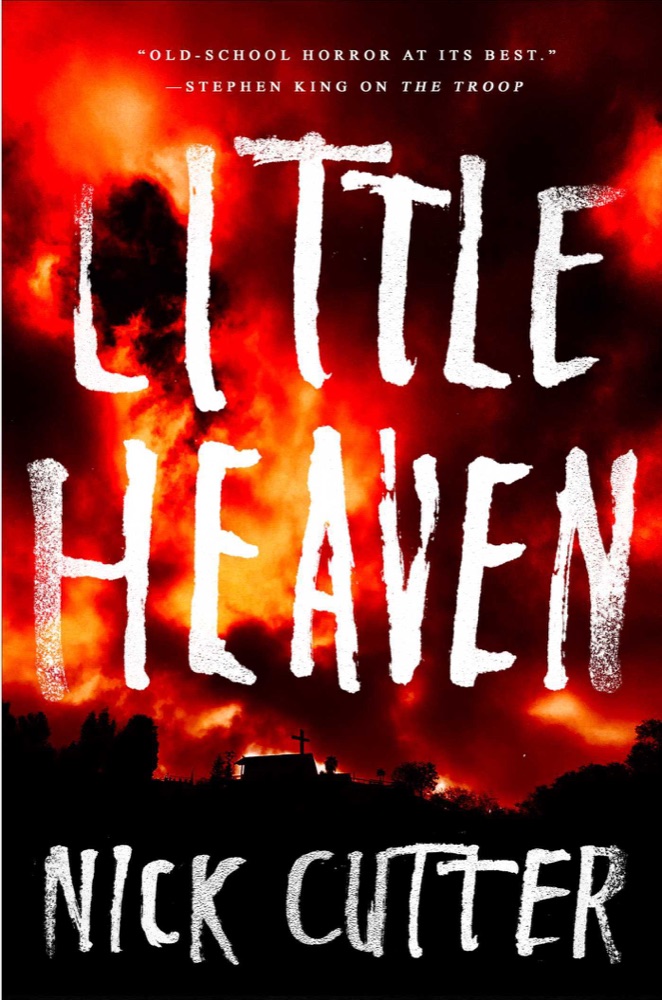 Little Heaven
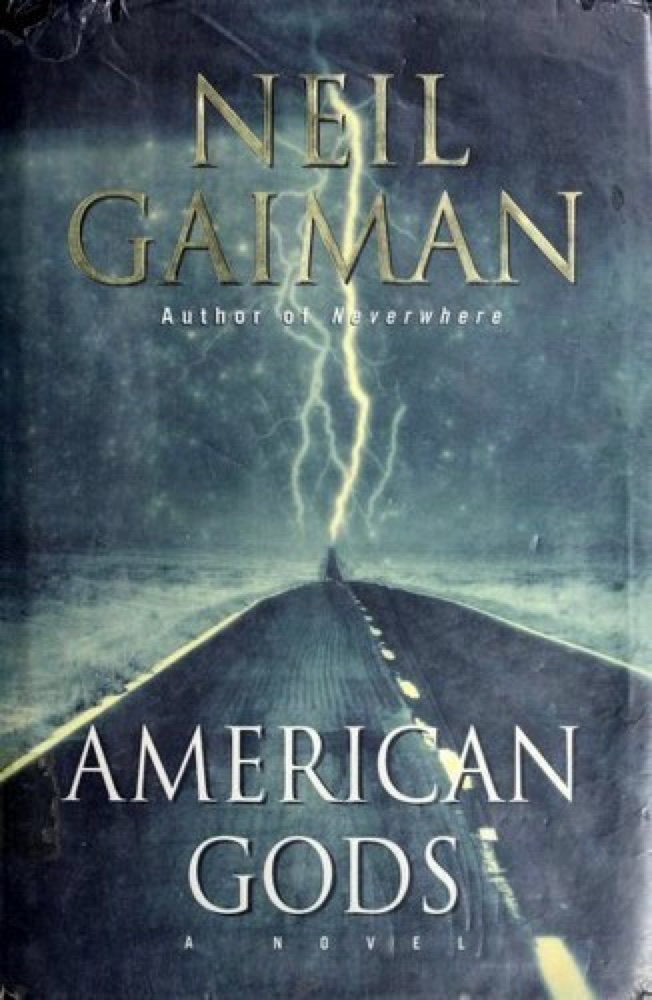 American Gods
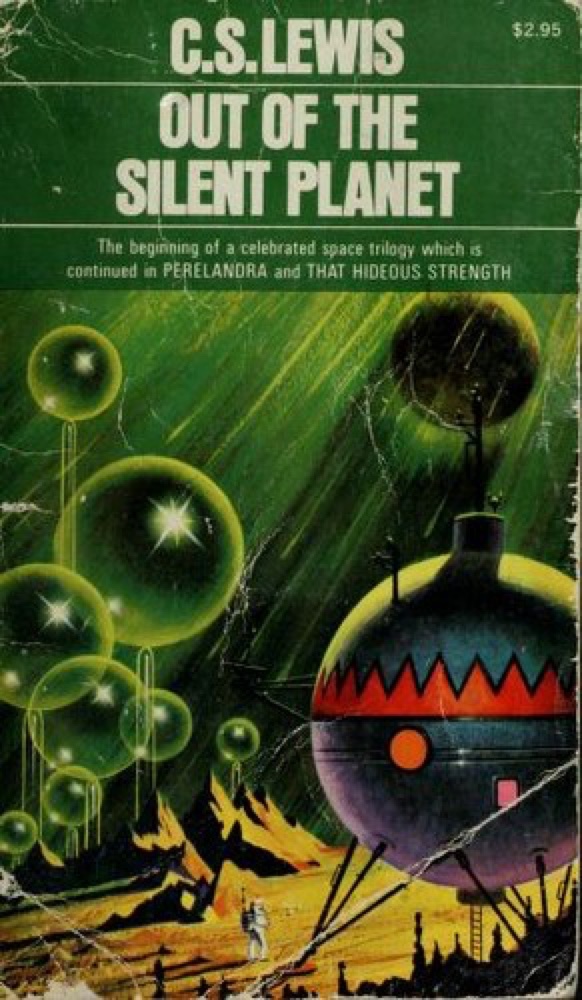 Out of the Silent Planet
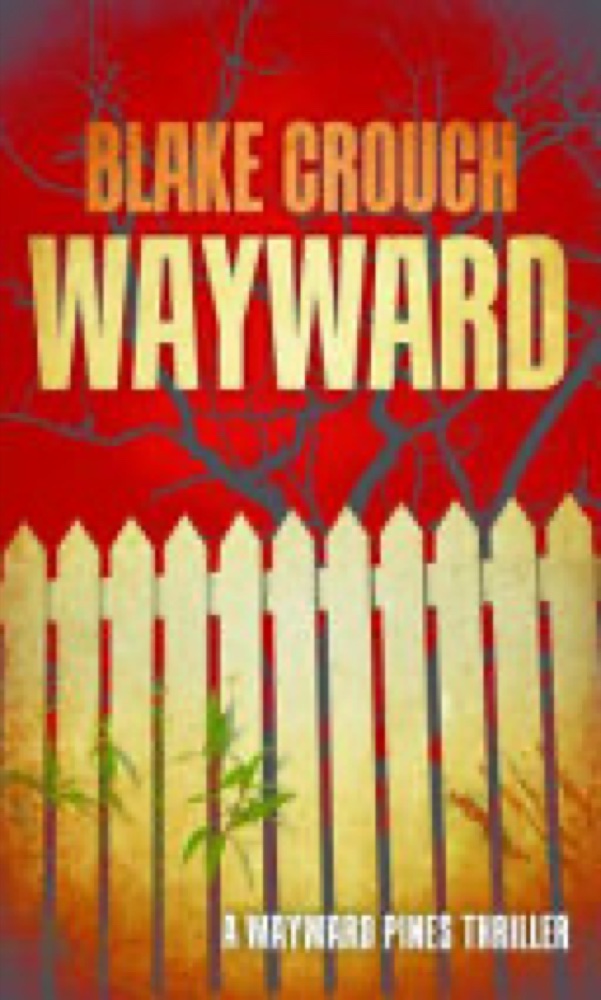 Wayward
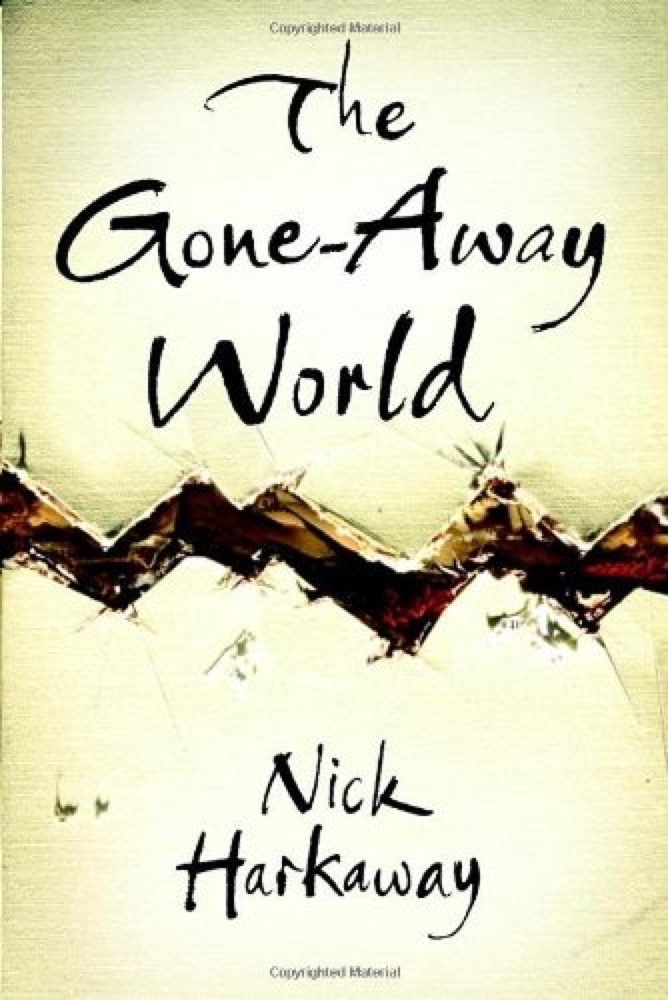 The Gone-Away World
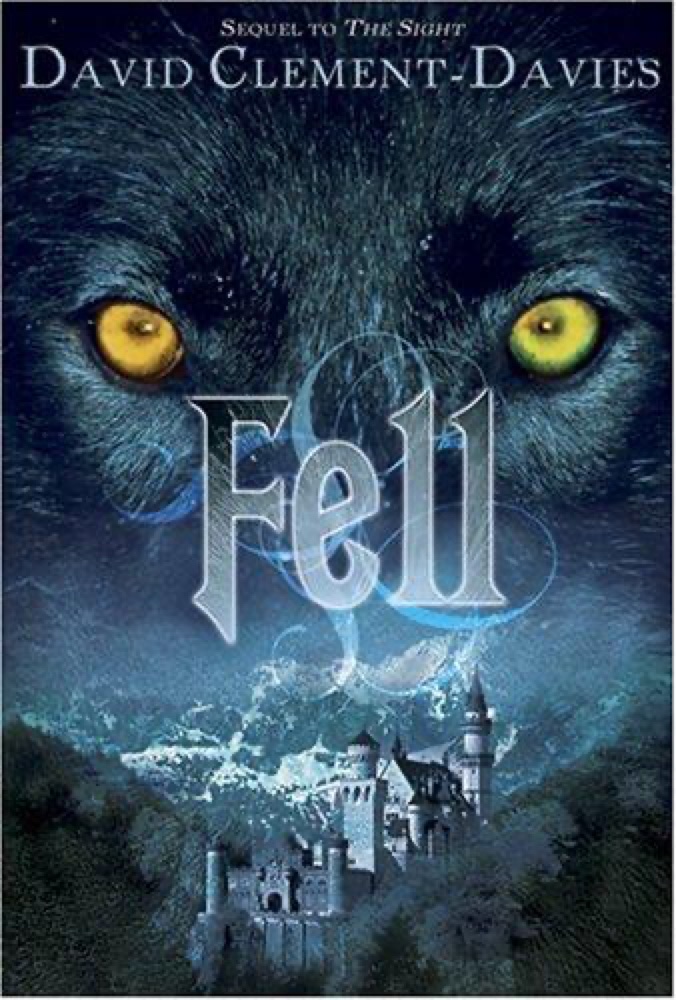 Fell
Fell
 City of Illusions
 Red Dragon
 The Collected Stories
 Enchantment
 The War of the Worlds
 Hogfather
 Watchers
 20th Century Ghosts
 Wanderers
 Rabbit, Run
 The Year of the Flood
 We
We
 The Fall
 City of Thieves
 The Human Stain
 A Lion Among Men
 Vicious