
 Martin Eden
Quotes from the Book
He was mastered by the sheer surging of life, the tidal wave of being, the perfect joy of each separate muscle, joint, and sinew in that it was everything that was not death, that it was aglow and rampant, expressing itself in movement, flying exultantly under the stars.
There is an ecstasy that marks the summit of life, and beyond which life cannot rise. And such is the paradox of living, this ecstasy comes when one is most alive, and it comes as a complete forgetfulness that one is alive. This ecstasy, this forgetfulness of living, comes to the artist, caught up and out of himself in a sheet of flame; it comes to the soldier, war-mad in a stricken field and refusing quarter; and it came to Buck, leading the pack, sounding the old wolf-cry, straining after the food that was alive and that fled swiftly before him through the moonlight.
But especially he loved to run in the dim twilight of the summer midnights, listening to the subdued and sleepy murmurs of the forest, reading signs and sounds as a man may read a book, and seeking for the mysterious something that called -- called, waking or sleeping, at all times, for him to come.
There is an ecstasy that marks the summit of life, and beyond which life cannot rise. And such is the paradox of living, this ecstasy comes when one is most alive, and it comes as a complete forgetfulness that one is alive.
He had learned well the law of club and fang, and he never forewent an advantage or drew back from a foe he had started on the way to Death. He had lessoned from Spitz, and from the chief fighting dogs of the police and mail, and knew there was no middle course. He must master or be mastered; while to show mercy was a weakness. mercy did not exist in the primordial life. It was misunderstood for fear, and such misunderstandings made for death. Kill or be killed, eat or be eaten, was the law; and this mandate, down out of the depths of Time, he obeyed.
Love, genuine passionate love, was his for the first time.
He was a killer, a thing that preyed, living on the things that lived, unaided, alone, by virtue of his own strength and prowess, surviving triumphantly in a hostile environment where only the strong survive.
Deep in the forest a call was sounding, and as often as he heard this call, mysteriously thrilling and luring, he felt compelled to turn his back upon the fire and the beaten earth around it, and to plunge into the forest, and on and on, he knew not where or why; nor did he wonder where or why, the call sounding imperiously, deep in the forest.
A man with a club [bat] is a law-maker, a man to be obeyed, but not necessarily conciliated.
No, sir. Go to hell sir. It's the best I can do for you sir.
He was sounding the deeps of his nature, and of the parts of his nature that were deeper than he, going back into the womb of Time.
He felt strangely numb. As though from a great distance, he was aware that he was being beaten. The last sensations of pain left him. He no longer felt anything, though very faintly he could hear the impact of the club upon his body. But it was no longer his body, it seemed so far away.
The ghostly winter silence had given way to the great spring murmur of awakening life.
They were not half living, or quarter living. They were simply so many bags of bones in which sparks of life fluttered faintly.
He must master or be mastered; while to show mecy was a weakness. Mercy did not exist in the primordial life. It was misunderstood for fear, and such misunderstandings made for death. Kill or be killed, eat or be eaten, was the law; and this mandate, down out of the depths of Time, he obeyed.
So that was the way. No fair play. Once down, that was the end of you.
But he is not always alone. When the long winter nights come on and the wolves follow their meat into the lower valleys, he may be seen running at the head of the pack through the pale moonlight or glimmering borealis, leaping gigantic above his fellows, his great throat a-bellow as he sings a song of the younger world, which is the song of the pack.
There is a patience of the wild--dogged, tireless, persistent as life itself--that holds motionless for endless hours the spider in its web, the snake in its coils, the panther in its ambuscade; this patience belongs peculiarly to life when it hunts its living food;
The first theft marked Buck as fit to survive in the hostile Northland environment. It marked his adaptability, his capacity to adjust himself to changing conditions, the lack of which would have meant swift and terrible death. It marked, further, the decay or going to pieces of his moral nature, a vain thing and a handicap in the ruthless struggle for existence.
He had been suddenly jerked from the heart of civilization and flung into the heart of things primordial.
He had killed man, the noblest game of all, and he had killed in the face of the law of club and fang.
He was beaten (he knew that); but he was not broken. He saw, once for all, that he stood no chance against a man with a club. He had learned the lesson, and in all his after life he never forgot it. That club was a revelation. It was his introduction to the reign of primitive law, and he met the introduction halfway. The facts of life took on a fiercer aspect; and while he faced that aspect uncowed, he faced it with all the latent cunning of his nature aroused.
At the first step upon the cold surface, Buck's feet sank into a white mushy something very like mud. He sprang back with a snort. More of this white stuff was falling through the air. He shook himself, but more of it fell upon him. He sniffed it curiously, then licked some up on his tongue. It bit like fire, and the next instant was gone. This puzzled him. He tried it again, with the same result. The onlookers laughed uproariously, and he felt ashamed, he knew not why, for it was his first snow.
Sometimes he pursued the call into the forest, looking for it as though it were a tangible thing, barking softly or defiantly... Irresistible impulses seized him. he would be lying in camp, dozing lazily in the heat of the day, when suddenly his head would lift and his ears cock up, intent and listening, and he would spring on his feet and dash away, and on and on, for hours, though the forest aisles.
But under it all they were men, penetrating the land of desolation and mockery and silence, puny adventurers bent on colossal adventure, pitting themselves against the might of a world as remote and alien and pulseless as the abysses of space.
...in his gambling, he had one besetting weakness -- faith in a system; and this made his damnation certain.
There is an ecstasy that marks the summit of life, and beyond which life cannot rise. And such is the paradox of living, this ecstasy comes when one is most alive, and it comes as a complete forgetfulness that one is alive. This ecstasy, this forgetfulness of living, comes to the artist, caught up and out of himself in a sheet of flame.
It was an old song, old as the breed itself - one of the first songs of the younger world in a day when songs were sad. It was invested with the woe of unnumbered generations, this plaint by which Buck was so strangely stirred. When he moaned and sobbed, it was with the pain of living that was of old the pain of his wild fathers, and the fear any mystery of the cold and dark that was to them fear and mystery. And that he should be stirred by it marked the completeness with which he harked back through the ages of fire and roof to the raw beginnings of life in the howling ages.
There was nothing the matter with them except they were dead tired. It was not the dead-tiredness that comes through brief and excessive effort, from which recovery is a matter of hours; but it was the dead-tiredness that comes through the slow and prolonged strength drainage of months of toil.
His muscles had wasted away to knotty strings, and the flesh pads had disappeared, so that each rib and every bone in his frame were outlined cleanly through the loose hide that was wrinkled in folds of emptiness. It was heartbreaking, only Buck's heart was unbreakable. The man in the red sweater had proved that.
Did you know?
- The novel was first serialized in five installments in The Saturday Evening Post, which paid London 750 dollars for it in 1903.
- London then sold all book rights to Macmillan, which published it in book form the same year.
- The book has never been out of print since its first publication.
- Buck is depicted as a large crossbreed of St. Bernard and Scotch Shepherd.
- The story is set during the Klondike Gold Rush in Canada's Yukon.
About Jack London
Jack London (1876-1916) was an American novelist and short-story writer known for adventure fiction drawn from his experiences in the Klondike and at sea. He was among the first American writers to achieve worldwide celebrity and a large fortune from his work.
More about the author →More by Jack London
All books by Jack London →
About the book
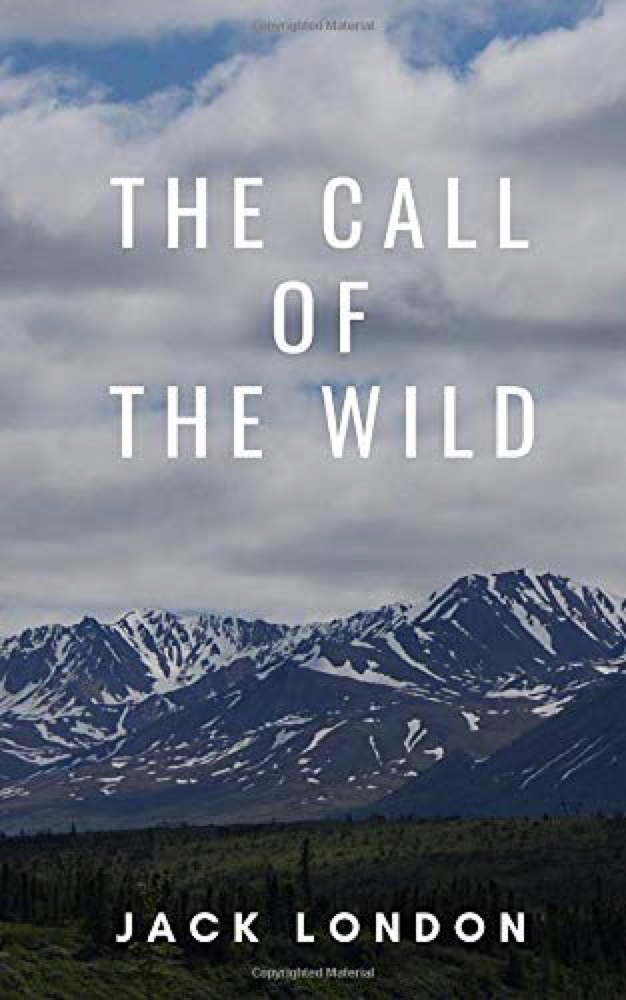
The Call of the Wild is a short adventure novel by Jack London following Buck, a large domesticated dog stolen from a comfortable California ranch and sold into service as a sled dog during the Klondike Gold Rush. Thrust into the harsh conditions of the Yukon, Buck must learn the brutal law of club and fang, surviving cruelty, hunger, and rival dogs before finding a devoted bond with the outdoorsman John Thornton. As the story unfolds, the ancestral instincts buried beneath his tame exterior steadily awaken.
London uses Buck's transformation to explore heredity, instinct, and the thin veneer of civilization, dramatizing the naturalist conviction that environment and inherited nature shape behavior. Themes of survival of the fittest, the pull of the primordial past, and loyalty and love run throughout, as Buck gradually sheds his domesticated self and answers the wild's insistent call.
First serialized in The Saturday Evening Post in 1903 and published in book form the same year by Macmillan, the novel brought London immediate fame and remains one of his most enduring works. Frequently cited as an early landmark of American literary naturalism, it has never gone out of print and has inspired numerous film adaptations across more than a century.
Key characters
- BuckThe domesticated dog protagonist who reverts to a wild state
- John ThorntonThe kind outdoorsman who becomes Buck's beloved master
- SpitzThe fierce lead sled dog and Buck's chief rival
- Judge MillerBuck's original owner on the California ranch
- Francois and PerraultFrench-Canadian mail dispatchers who first drive Buck's team
- Hal, Charles, and MercedesInexperienced, cruel owners who overload and mistreat the team
Book details
- First published
- 1903
- Length
- 232 pages
- Reading time
- 3 hours
- Author
- Jack London
- Genre
- Classics
- Goodreads rating
- 3.92 (483k ratings) →
- First line
- “Buck did not read the newspapers, or he would have known that trouble was brewing, not alone for himself, but for every tide-water dog, strong of muscle and with warm, long hair, from Puget Sound to San Diego.”
Movie & TV adaptations
- IMDb
- IMDb
- IMDb
If you liked this, read…
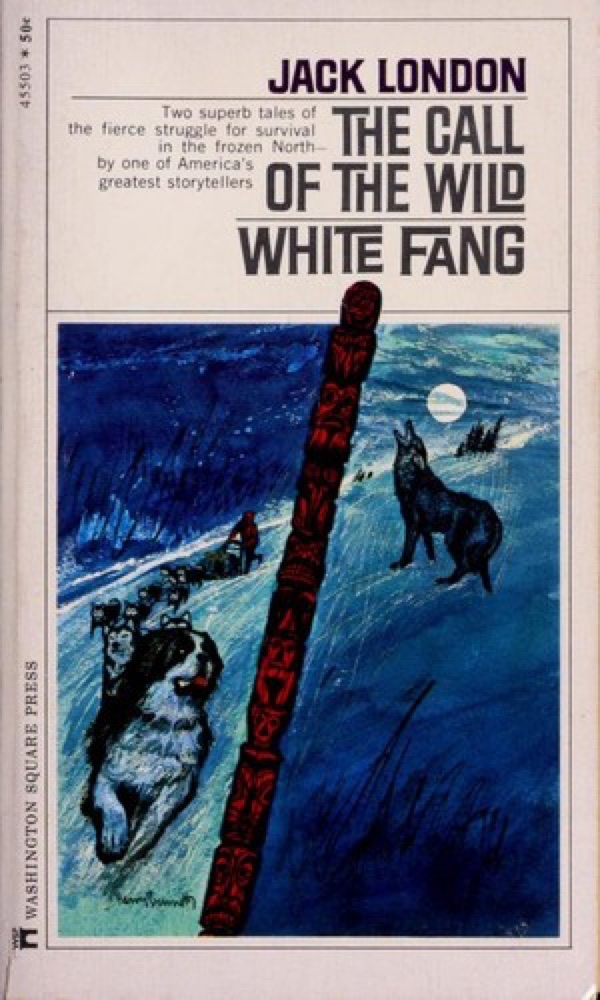
- 1White FangLondon's companion novel that mirrors the arc in reverse, from wild to tame
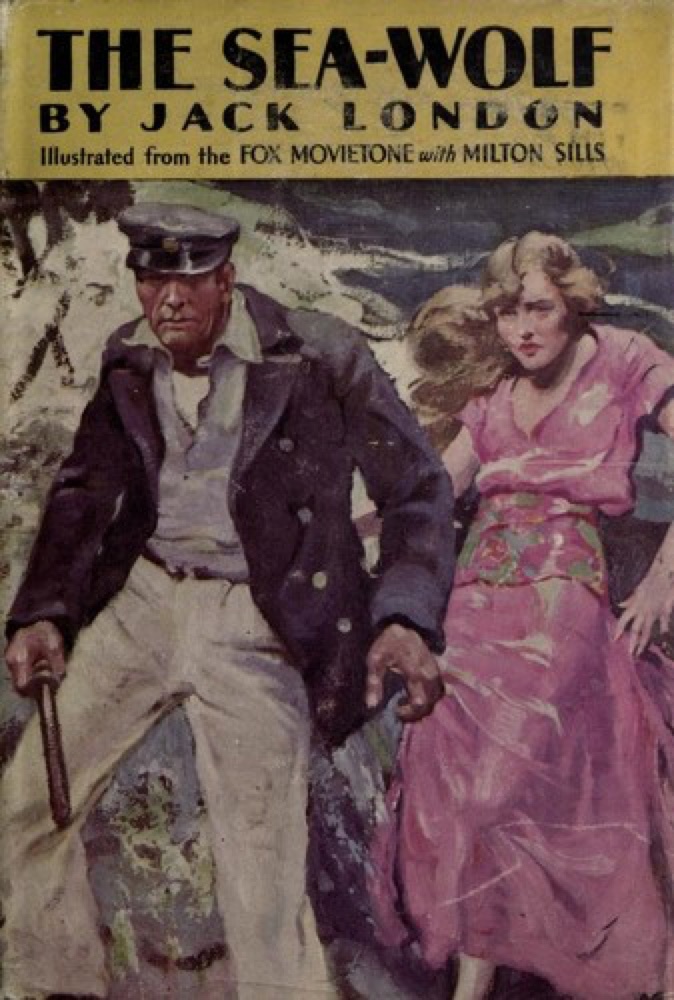
- 2The Sea-WolfAnother Jack London tale of survival and the law of the strong
Keep reading
 White Fang
 The Call of the Wild/White Fang
 Runaway Horses
 Out of the Silent Planet
 Provinces of Night
 The Vorrh
 The Jungle
 Birdsong
 House Made of Dawn
 I Am Legend and Other Stories
 Victory
 Roughing It
 The Sailor Who Fell from Grace with the Sea
 The Warrior Prophet
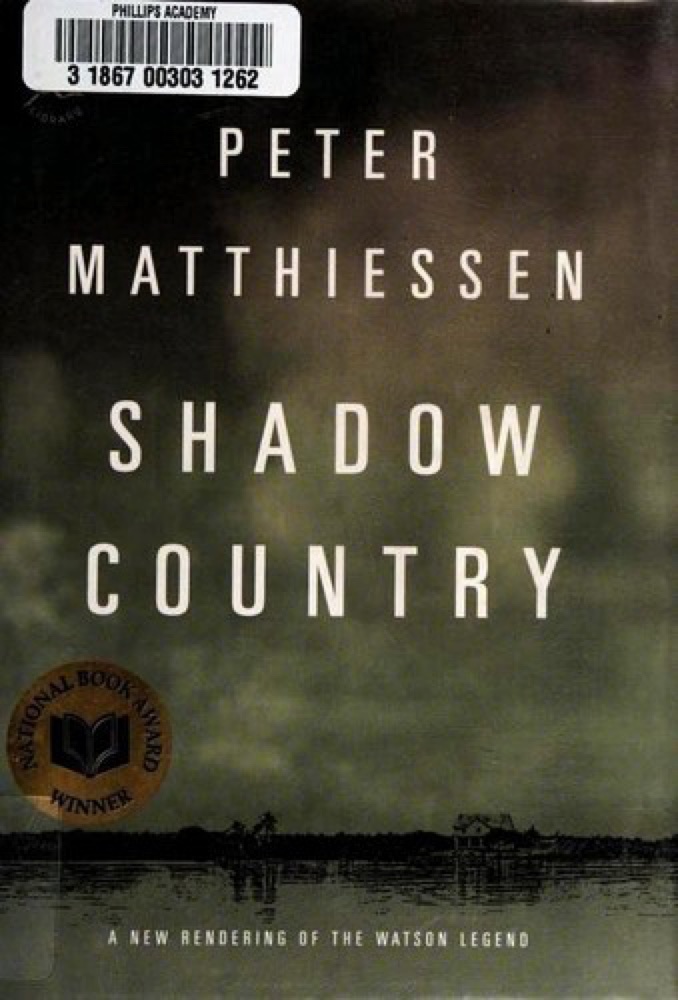 Shadow Country
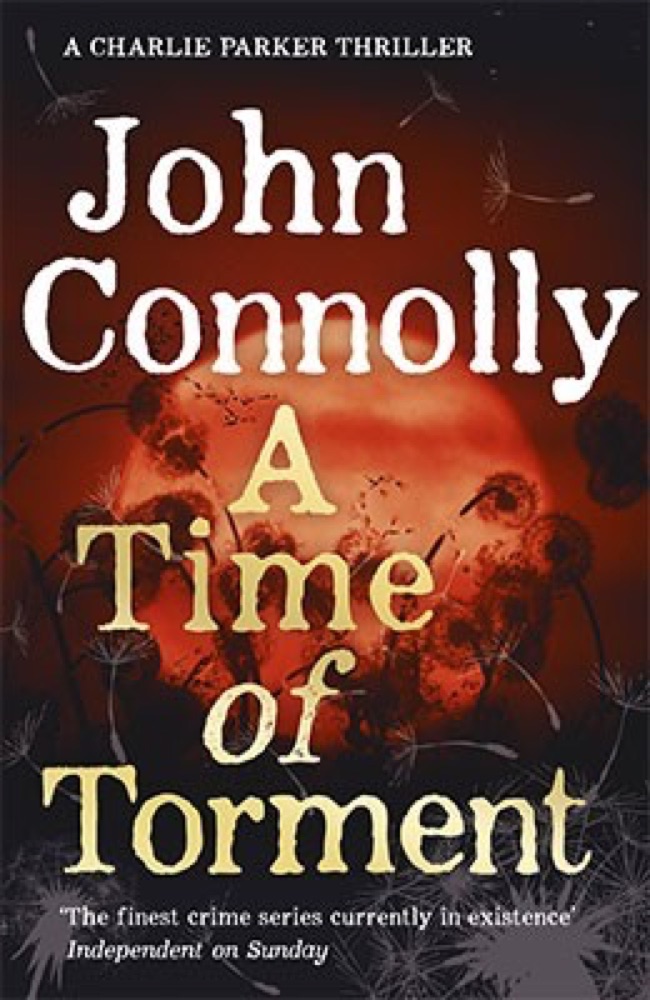 A Time of Torment
 The Damnation Game
 We Hunt the Flame
 Under the Volcano
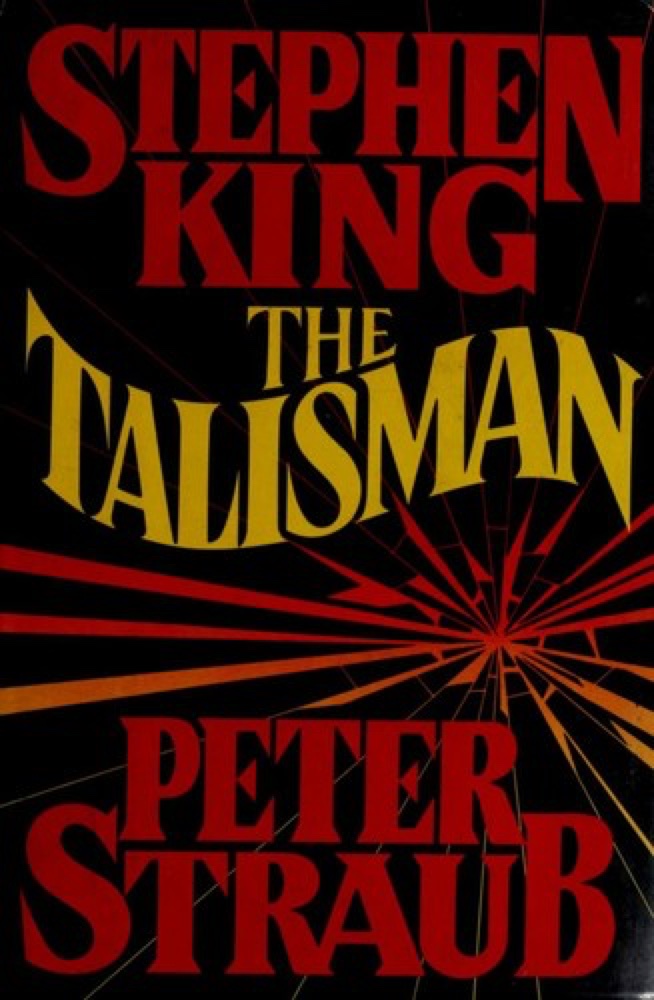 The Talisman
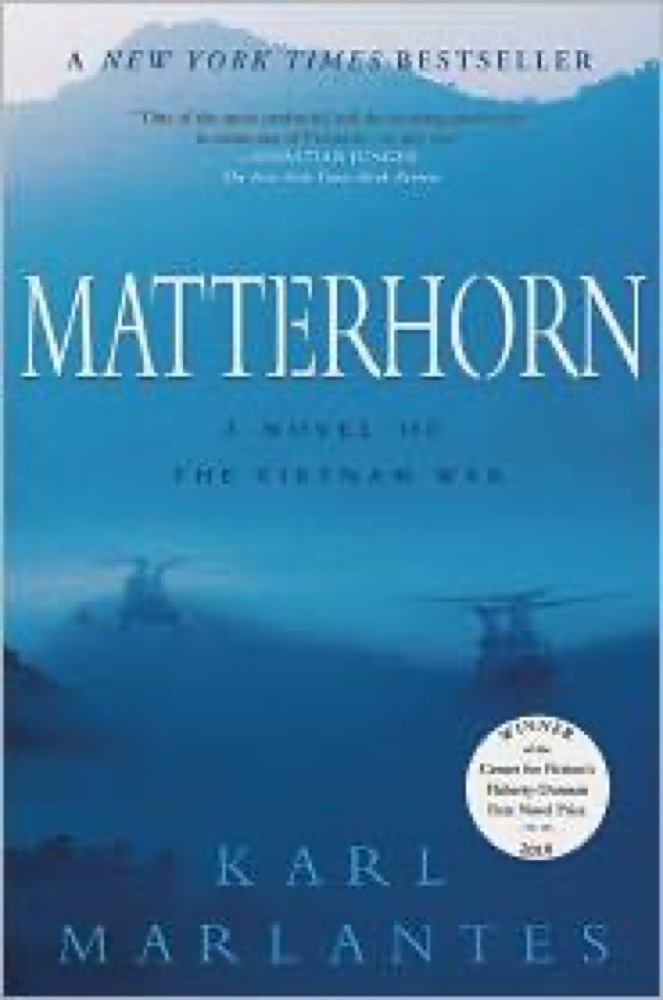 Matterhorn
 Blood Meridian, or the Evening Redness in the West
 Blood Meridian: Or the Evening Redness in the West
 Toll the Hounds
 King Solomon's Mines
 The Sword in the Stone
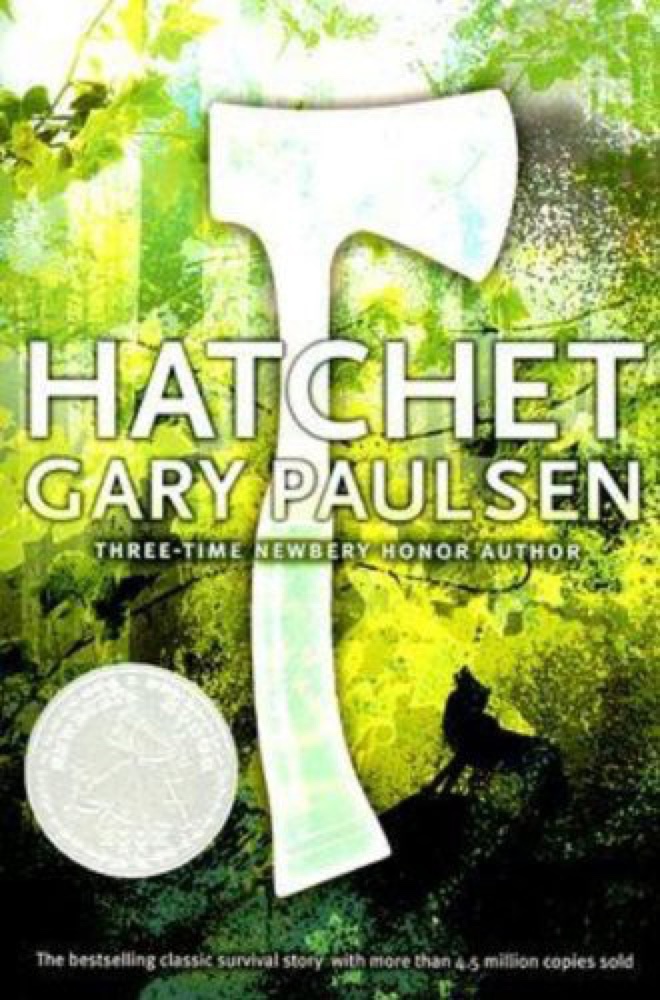 Hatchet
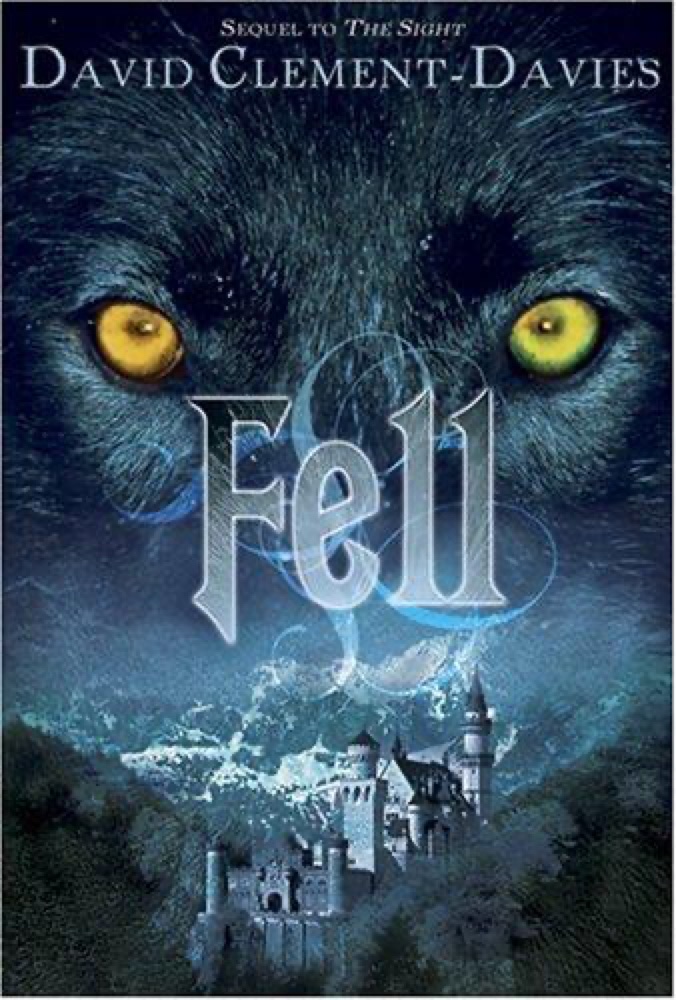 Fell
Fell
 The Naked and the Dead
 The Wendigo
 Miss Lonelyhearts
 Lord Foul's Bane
 Watchers
 Dubliners
 The Collected Stories
 Lord Jim
 Look Homeward, Angel
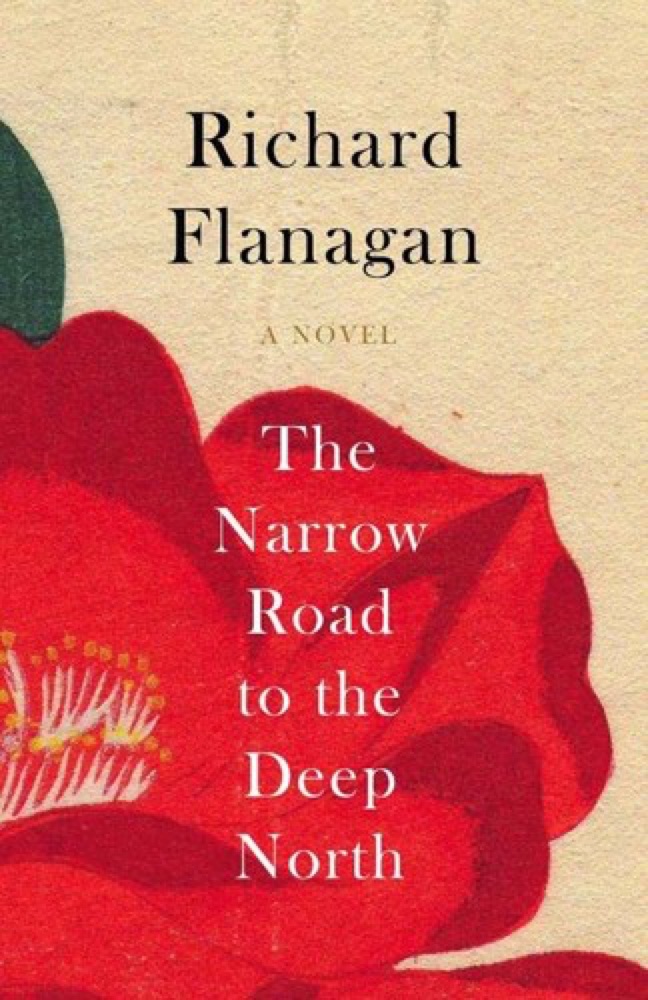 The Narrow Road to the Deep North
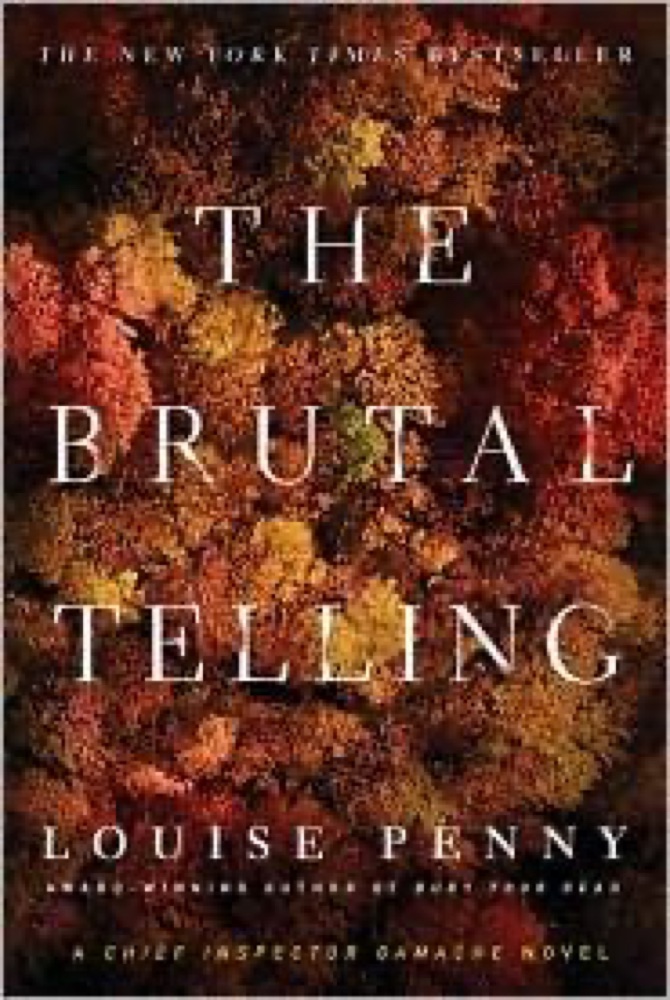 The Brutal Telling
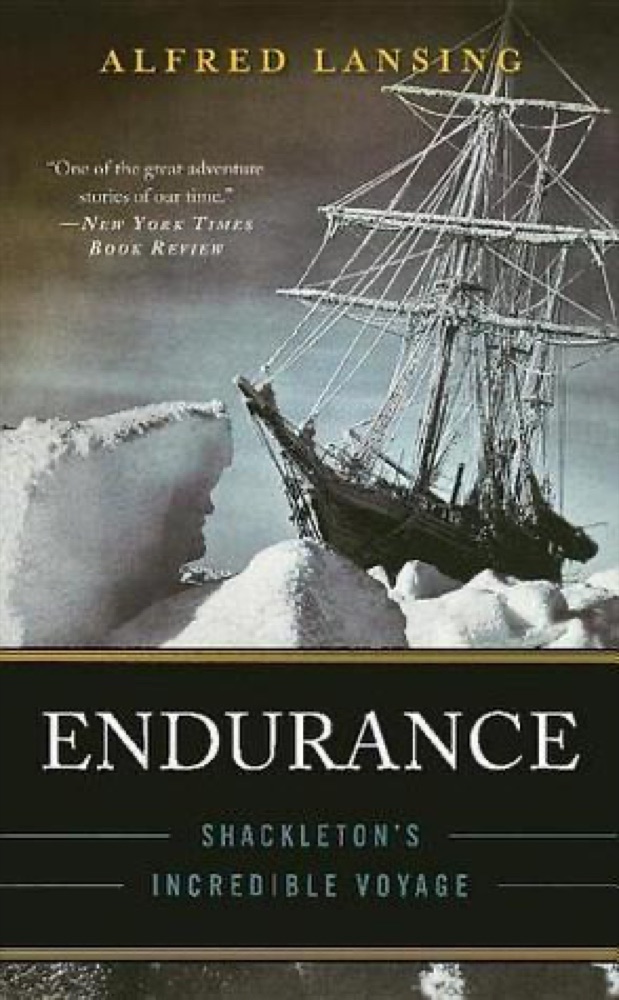 Endurance: Shackleton's Incredible Voyage
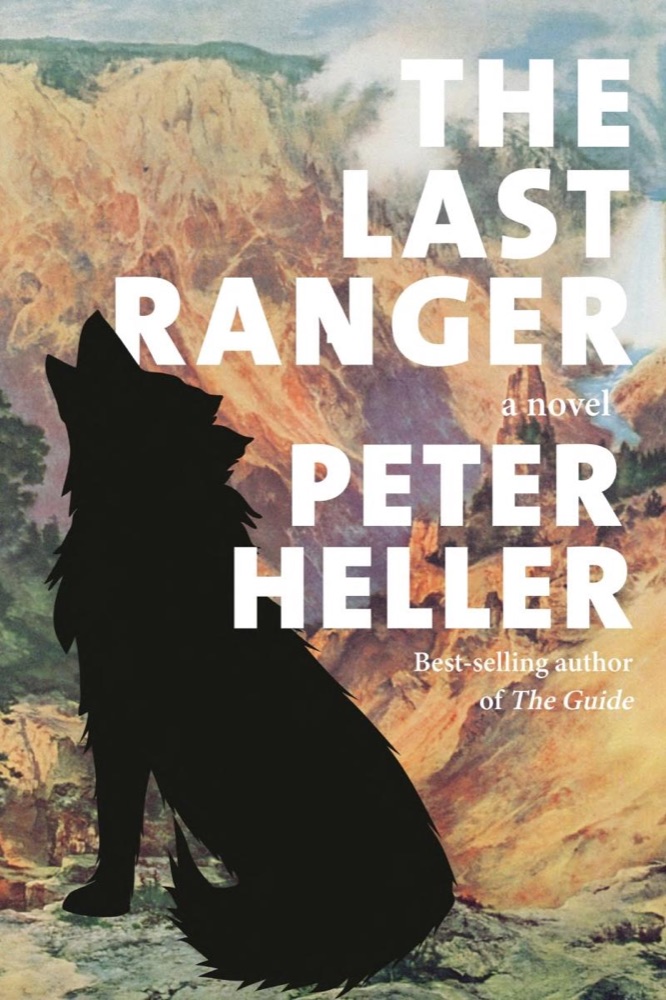 The Last Ranger
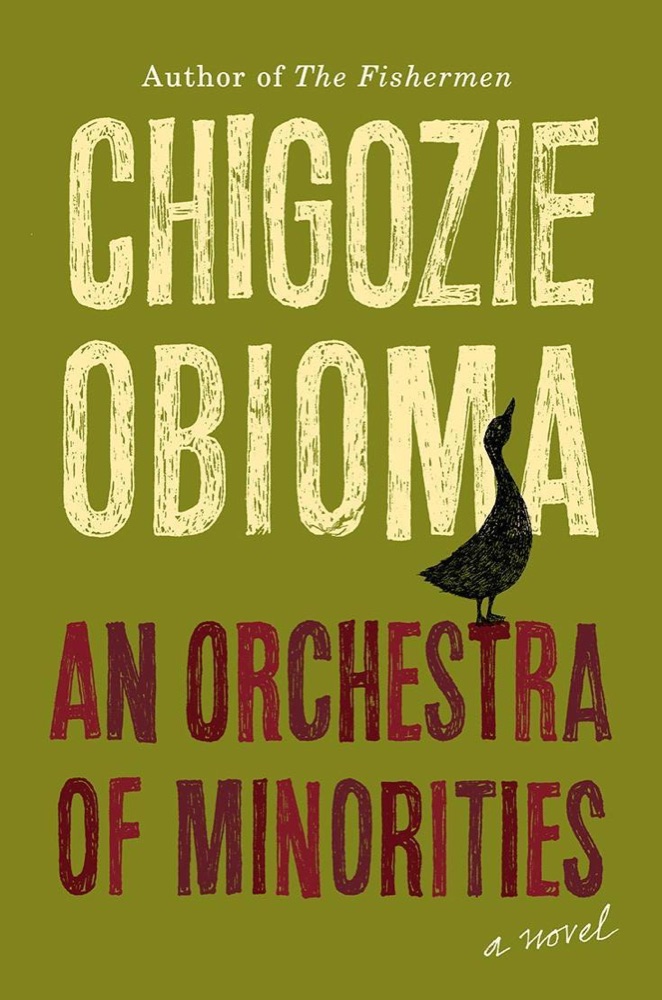 An Orchestra of Minorities
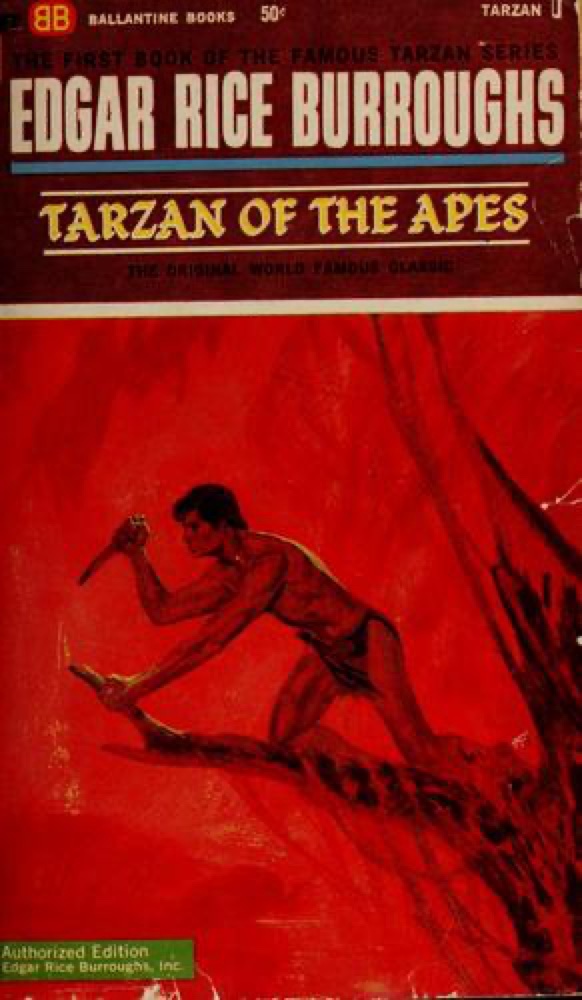 Tarzan of the Apes
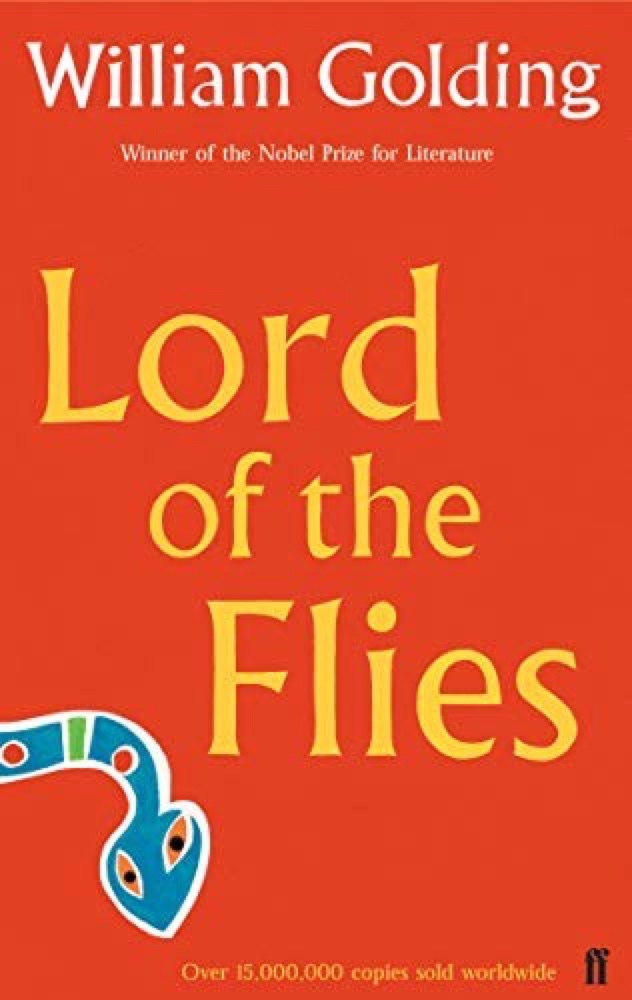 Lord of the Flies
 The Burning Soul
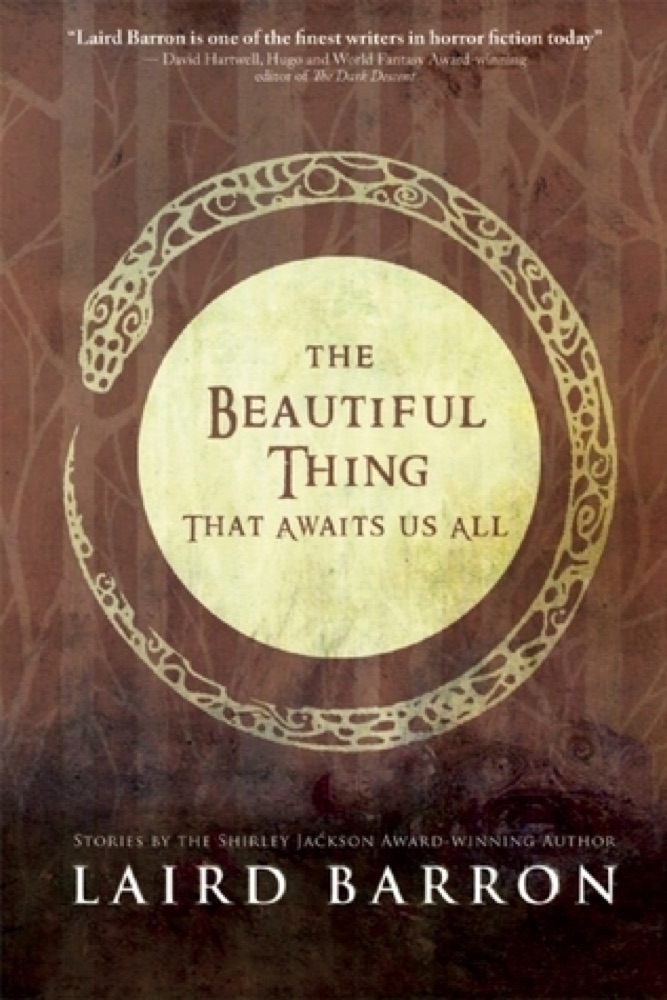 The Beautiful Thing That Awaits Us All
 The Spear Cuts Through Water
 Heart of Darkness
 The Lost World
 The Curse of the Wendigo
 The Monkey Wrench Gang
 The Quick and the Dead
 Earth Abides
 The Violent Bear It Away
 One for the Blackbird, One for the Crow
 The Wolf in Winter
 Little Heaven
 Assassin's Quest
 Gormenghast
 The Tree of Man