

 Gulliver's Travels
Quotes from the Book
Whatever reader desires to have a thorough comprehension of an author's thoughts cannot take a better method than by putting himself into the circumstances and postures of life that the author was in upon every important passage as it flowed from his pen; for this will introduce a parity and strict correspondence of ideas between the reader and the author. Now, to assist the diligent reader in so delicate an affair, as far as brevity will permit, I have recollected that the shrewdest pieces of this treatise were conceived in bed in a garret; at other times (for a reason best known to myself) I thought fit to sharpen my invention with hunger; and in general, the whole work was begun, continued, and ended under a long course of physic and great want of money.
13
I have one word to say upon the subject of profound writers, who are grown very numerous of late; and I know very well the judicious world is resolved to list me in that number. I conceive therefore, as to the business of being profound, that it is with writers as with wells; a person with good eyes may see to the bottom of the deepest, provided any water be there; and often, when there is nothing in the world at the bottom, besides dryness and dirt, though it be but a yard and half under ground, it shall pass however for wondrous deep, upon no wiser a reason than because it is wondrous dark.
13
For to enter the palace of learning at the great gate requires an expense of time and forms, therefore men of much haste and little ceremony are content to get in by the back-door.
12
There are certain common privileges of a writer, the benefit whereof I hope there will be no reason to doubt; particularly, that where I am not understood, it shall be concluded that something very useful and profound is couched underneath; and again, that whatever word or sentence is printed in a different character shall be judged to contain something extraordinary either of wit or sublime.
10
Readers may be divided into three classes - the superficial, the ignorant, and the learned, and I have with much felicity fitted my pen to the genius and advantage of each.
8
Books, like men their authors, have no more than one way of coming into the world, but there are ten thousand to go out of it, and return no more.
8
When a man’s fancy gets astride on his reason, when imagination is at cuffs with the senses, and common understanding as well as common sense, is kicked out of doors; the first proselyte he makes is himself.
4
for as health is but one thing, and has been always the same, whereas diseases are by thousands, besides new and daily additions, so all the virtues that have been ever in mankind are to be counted upon a few fingers, but his follies and vices are innumerable, and time adds hourly to the heap.
4
For what man in the natural state or course of thinking did ever conceive it in his power to reduce the notions of all mankind exactly to the same length, and breadth, and height of his own? Yet this is the first humble and civil design of all innovators in the empire of reason.
2
But as human happiness is of a very short duration, so in those days were human fashions upon which it entirely depends.
1
Watch on YouTube
About Jonathan Swift
We have collected 51 quotes from 3 books by Jonathan Swift on BookQuoters.
More about the author →More by Jonathan Swift
Gulliver's Travels
 A Modest Proposal
About the book
'A Tale of a Tub' was the first big work written by Jonathan Swift. It is arguably his most difficult satire, and perhaps his most masterly. The Tale is a prose parody which is divided into sections of "digression" and a "tale" of three brothers, each representing one of the main branches of western Christianity. Composed between 1694 and 1697, it was eventually published in 1704.
'A Tale' was long regarded as a satire on religion itself, and has famously been attacked for that, starting with William Wotton. The "tale" presents a consistent satire of religious excess, while the digressions are a series of parodies of contemporary writing in literature, politics, theology, Biblical exegesis, and medicine. The overarching parody is of enthusiasm, pride, and credulity. At the time it was written, politics and religion were still linked very closely in England, and the religious and polit
Book details
- First published
- 1704
- Author
- Jonathan Swift
- Genre
- Classics
- Goodreads rating
- 3.44 (2k ratings)
Keep reading
 The Life and Opinions of Tristram Shandy, Gentleman
 The Essays of Ralph Waldo Emerson
 A Treatise of Human Nature
 Philosophical Dictionary
 An Essay Concerning Human Understanding
 The Swerve: How the World Became Modern
 The Autobiography of Benjamin Franklin
 Crome Yellow
 The Common Reader
 The History of Tom Jones, a Foundling
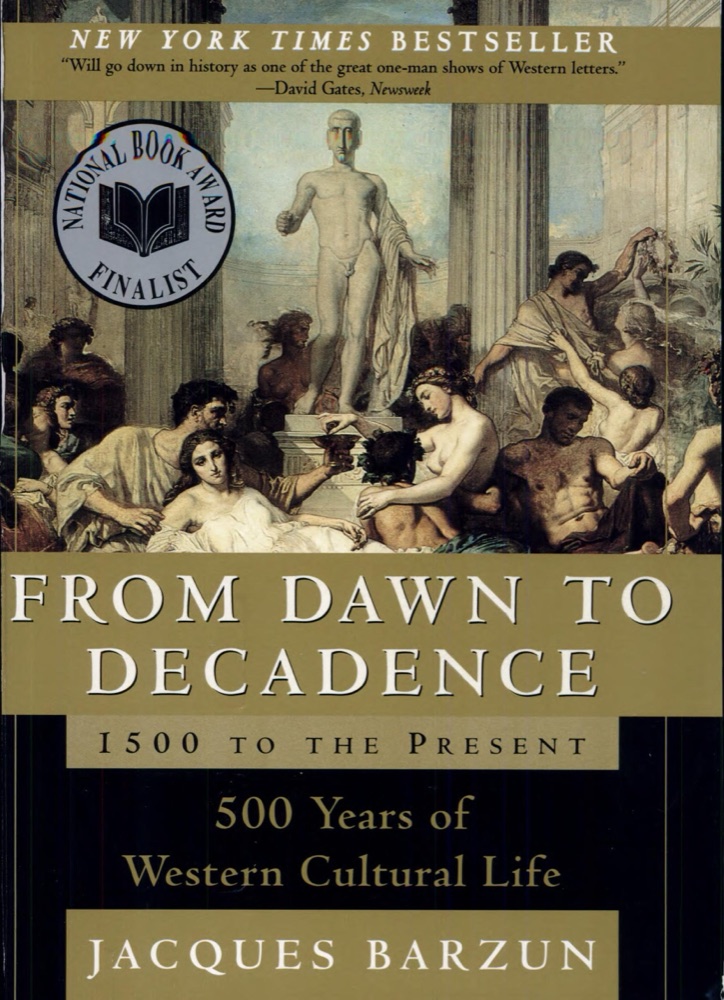 From Dawn to Decadence: 500 Years of Western Cultural Life, 1500 to the Present
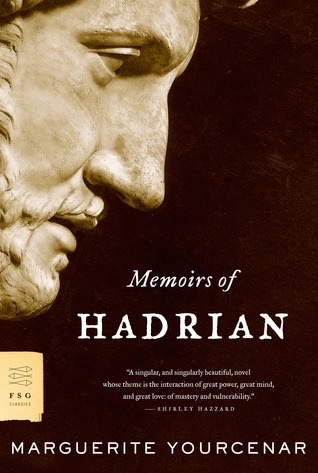 Memoirs of Hadrian
Gulliver's Travels
Memoirs of Hadrian
Gulliver's Travels
 Walden and other writings
 Erewhon
 Selected Non-Fictions
 Wilhelm Meister's Apprenticeship
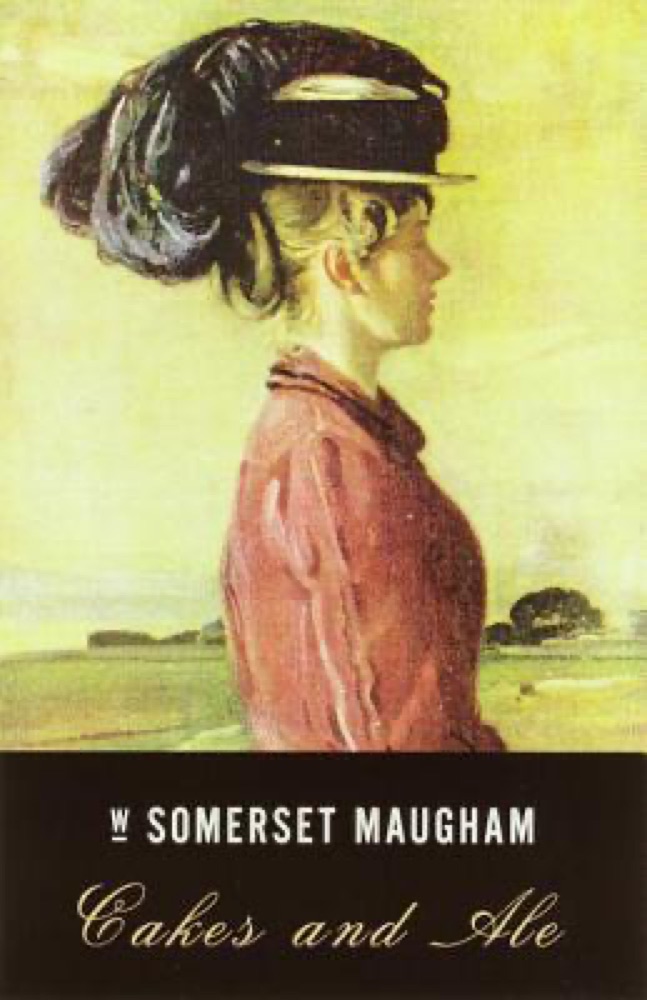 Cakes and Ale
 Daniel Deronda
 Human, All Too Human
 Maldoror and the Complete Works
 Last and First Men
 The Complete Works
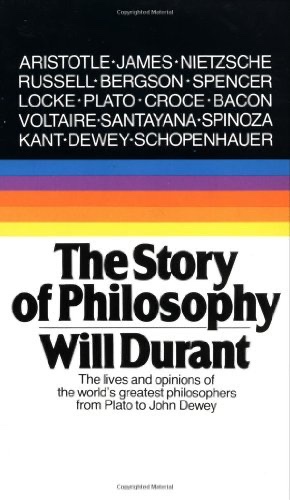 The Story of Philosophy: The Lives and Opinions of the World's Greatest Philosophers
 Letters on England
 The Rhetoric & The Poetics of Aristotle
 Basic Writings of Nietzsche
 The Education of Henry Adams
 Essays
 Labyrinths: Selected Stories and Other Writings
 Discourse on Method and Meditations on First Philosophy
 An Enquiry Concerning Human Understanding
 Aspects of the Novel
 The Lifted Veil
 Leonardo's Notebooks
 The Complete Essays
 One Man's Meat
 A Room of One's Own
 The Man Without Qualities
 The Anatomy of Melancholy
 The Napoleon of Notting Hill
 A Study in Scarlet
 One Way Street And Other Writings
 Essays and Poems
 Discourse on Method
 The Ides of March
 The Wisdom of Life
 Armadale
 Death in Venice and Other Tales
 Complete Works of Oscar Wilde
 Confessions of an English Opium Eater
 The World as Will and Representation, Vol 1
 The Complete Works of Charles Dickens
 Heretics
 The Republic
 Remembrance of Things Past: Volume I - Swann's Way & Within a Budding Grove
 Time Regained
 Death in the Afternoon
 On the Genealogy of Morals