
 Kindred
Quotes from the Book
To study history is to study humanity. And to try to foretell the future without studying history is like trying to learn to read without bothering to learn the alphabet.
3
There’s no single answer that will solve all our future problems. There’s no magic bullet. Instead there are thousands of answers—at least. You can be one of them if you choose to be.
3
So why try to predict the future at all if it's so difficult, so nearly impossible? Because making predictions is one way to give warning when we see ourselves drifting in dangerous directions. Because prediction is a useful way of pointing out safer, wiser courses. Because, most of all, our tomorrow is the child of our today. Through thought and deed, we exert a great deal of influence over this child, even though we can't control it absolutely. Best to think about it, though. Best to try to shape it into something good. Best to do that for any child.
1
The past, for example, is filled with repeating cycles of strength and weakness, wisdom and stupidity, empire and ashes. To study history is to study humanity. And to try to foretell the future without studying history is like trying to learn to read without bothering to learn the alphabet.
1
[P]redicting the future accurately is so difficult. Some of the most mistaken predictions I’ve seen are of the straight-line variety–that’s the kind that ignores the inevitability of unintended consequences, ignores our often less-than-logical reactions to them, and says simply, “In the future, we will have more and more of whatever’s holding our attention right now.” If we’re in a period of prosperity, then in the future, prosperity it will be. If we’re in a period of recession, we’re doomed to even greater distress. Of course, predicting an impossible state of permanent prosperity may well be an act of fear and superstitious hope rather than an act of unimaginative, straight-line thinking. And predicting doom in difficult times may have more to with the sorrow and depression of the moment than with any real insight into future possibilities. Superstition, depression and fear play major roles in our efforts at prediction.
[P]redicting doom in difficult times may have more to with the sorrow and depression of the moment than with any real insight into future possibilities. Superstition, depression and fear play major roles in our efforts at prediction.
Wishful thinking is no more help in predicting the future than fear, superstitions or depression.
Some of the most mistaken predictions I've seen are of the straight-line variety--that's the kind that ignores the inevitability of unintended consequences, ignores our often less-than-logical reactions to them, and says simply, 'In the future, we will have more and more of whatever's holding our attention right now.
I mean there's no single answer that will solve all of our future problems. There's no magic bullet. Instead there are thousands of answers--at least. You can be one of them if you choose to be.
It’s easy enough to spot this horror when it happens elsewhere in the world or elsewhere in time. But if we are to spot it here at home, to spot it before it can grow and do its worst, we must pay more attention to history.
I didn’t make up the problems,” I pointed out. “All I did was look around at the problems we’re neglecting now and give them about 30 years to grow into full-fledged disasters.” “Okay,” the young man challenged. “So what’s the answer?
I wanted to understand the lies that people have to tell themselves when they either quietly or joyfully watch their neighbors ruined, spirited away, killed. Different versions of this horror have happened again and again in history. They're still happening in places like Rwanda, Bosnia, Kosovo, and East Timor, wherever one group of people permits its leaders to convince them that for their own protection, for the safety of their families and the security of their country, they must get their enemies, those alien others who until now were their neighbors.
to try to foretell the future without studying history is like trying to learn to read without bothering to learn the alphabet
Watch on YouTube
About Octavia E. Butler
We have collected 191 quotes from 10 books by Octavia E. Butler on BookQuoters.
More about the author →More by Octavia E. Butler
All books by Octavia E. Butler →

About the book
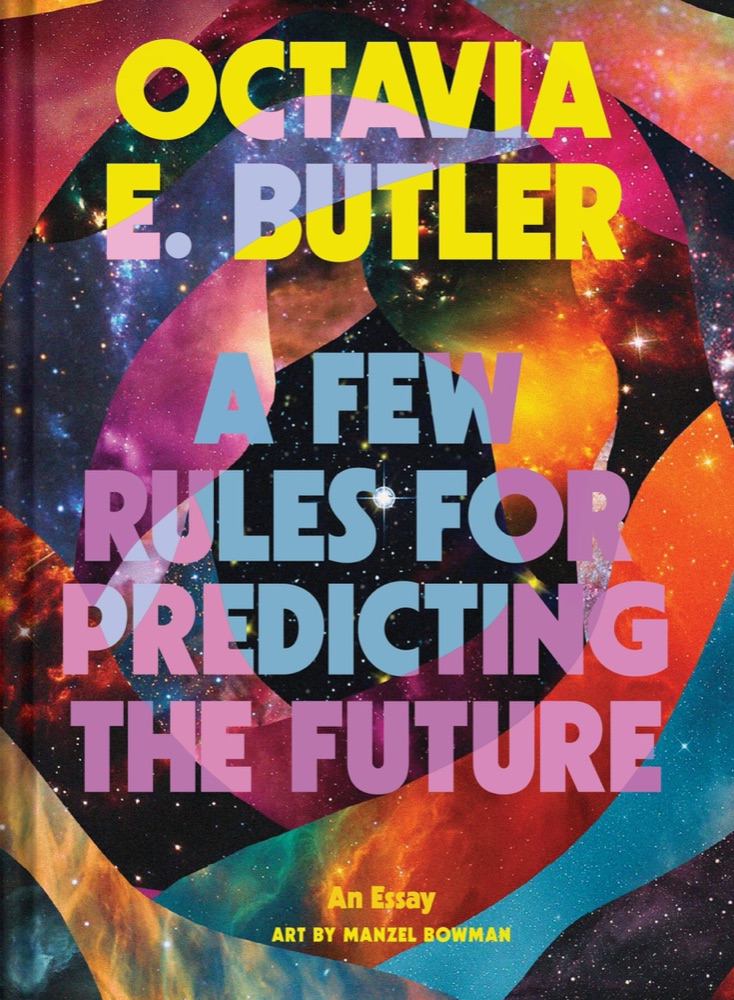
The wise words of science fiction icon Octavia E. Butler live on in this beautiful and giftable little volume.
“There’s no single answer that will solve all our future problems. There’s no magic bullet. Instead there are thousands of answers—at least. You can be one of them if you choose to be.”
Originally published in Essence magazine in the year 2000, Octavia E. Butler’s essay “A Few Rules for Predicting the Future” offers an honest look into the inspiration behind her science fiction novels and the importance of studying history and taking responsibility for our actions if we are to move forward.
Organized into four main rules, this short essay reminds readers to learn from the past, respect the law of consequences, be aware of their perspectives, and count on the surprises. Citing the warning signs of fascism, the illusive effects of fear and wishful thinking, and the unpredictab
Book details
- First published
- 2000
- Author
- Octavia E. Butler
- Genre
- Nonfiction
- Goodreads rating
- 4.27 (3k ratings)
Keep reading
 But What If We're Wrong? Thinking About the Present As If It Were the Past
 Superforecasting: The Art and Science of Prediction
 Homo Deus: A History of Tomorrow
 The Black Swan: The Impact of the Highly Improbable
 The Art of Thinking Clearly
 The Signal and the Noise: Why So Many Predictions Fail—But Some Don't
 Rationality: From AI to Zombies
 Genesis
 21 Lessons for the 21st Century
 The Meaning of It All: Thoughts of a Citizen-Scientist
 Same as Ever: A Guide to What Never Changes
 Hope in the Dark: The Untold History of People Power
 Arcadia
 The Future
 Fooled by Randomness: The Hidden Role of Chance in Life and in the Markets
 Algorithms to Live By: The Computer Science of Human Decisions
 Walden Two
 The Ministry for the Future
 Think Like a Rocket Scientist: Simple Strategies You Can Use to Make Giant Leaps in Work and Life
 Black Holes and Baby Universes and Other Essays
 The Shockwave Rider
 You Are Not So Smart
 The Noticer: Sometimes, All a Person Needs Is a Little Perspective
 Artificial Wisdom
 What Do You Care What Other People Think?
 A Short History of Progress
 World War Z: An Oral History of the Zombie War
 Hocus Pocus
 In the Light of What We Know
 Billions & Billions: Thoughts on Life and Death at the Brink of the Millennium
 Enlightenment Now: The Case for Reason, Science, Humanism, and Progress
 Sandworms of Dune
 Be Your Future Self Now: The Science of Intentional Transformation
 A Funny Thing Happened on the Way to the Future...
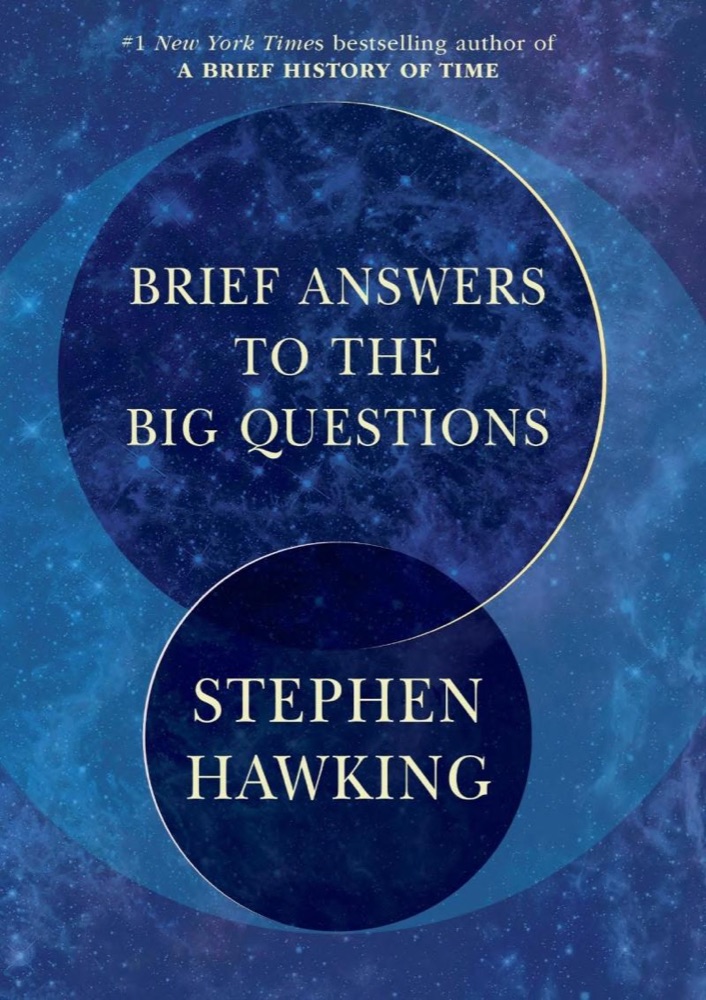 Brief Answers to the Big Questions
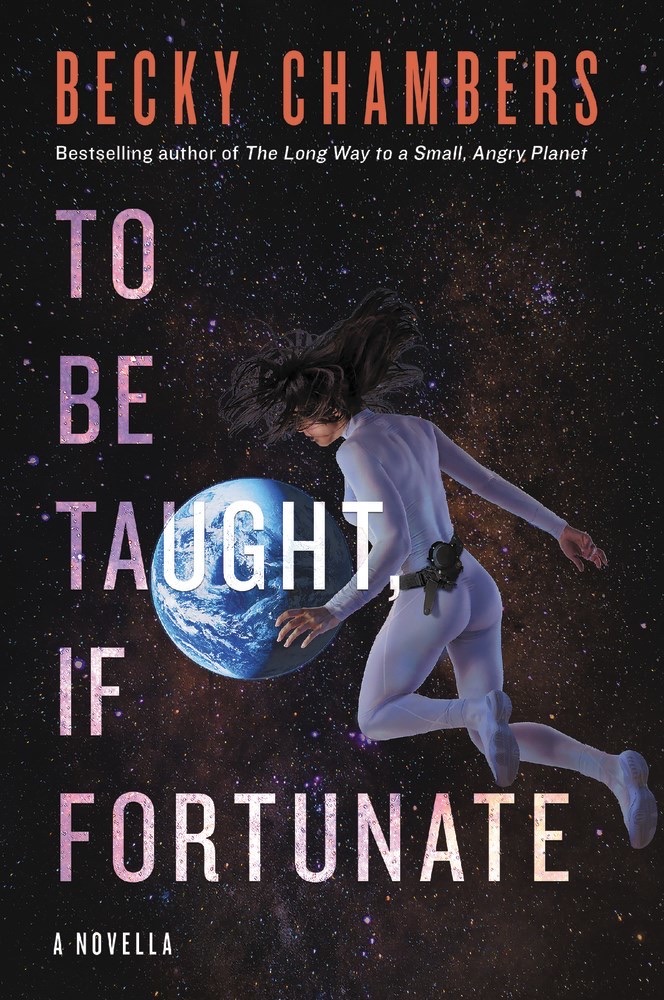 To Be Taught, If Fortunate
 The Wisdom of Insecurity: A Message for an Age of Anxiety
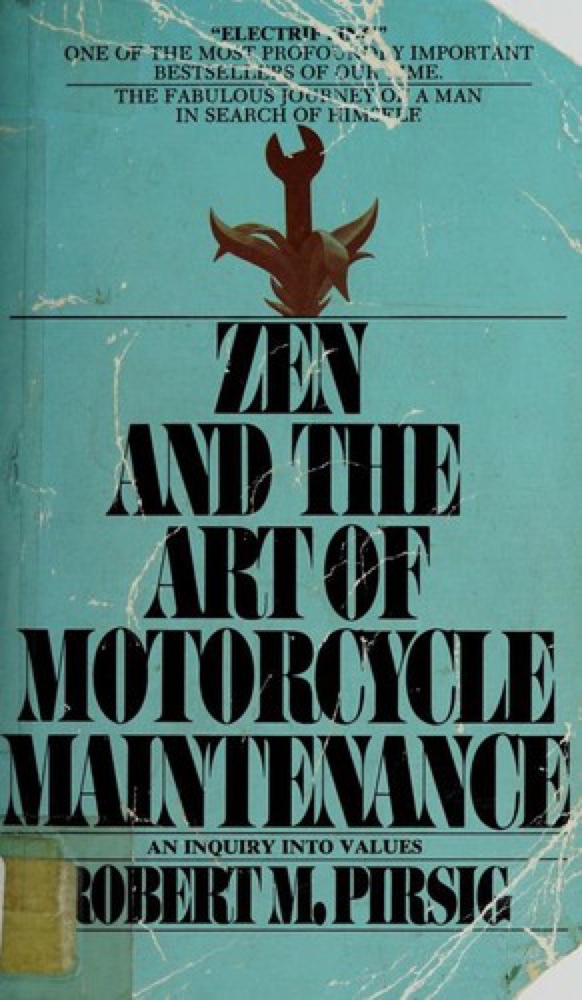 Zen and the Art of Motorcycle Maintenance
 God Emperor of Dune
 Player One: What Is to Become of Us
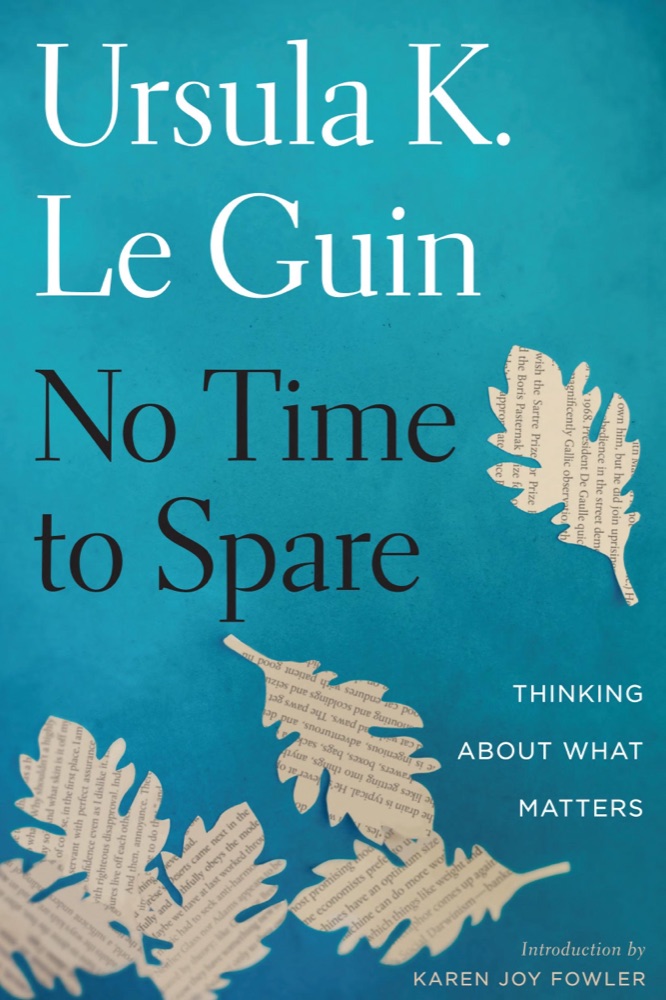 No Time To Spare: Thinking About What Matters
 America Alone: The End of the World As We Know It
 The Undoing Project: A Friendship That Changed Our Minds
 The Story of B: An Adventure of the Mind and Spirit
 Prey
Prey
 12 Rules for Life: An Antidote to Chaos
 The Fifth Science
 Think Like a Freak
 All Our Wrong Todays
 Eating the Dinosaur
 The Demon-Haunted World: Science as a Candle in the Dark
 What's Our Problem?: A Self-Help Book for Societies
 Hunters of Dune
 Invisible Planets: Contemporary Chinese Science Fiction in Translation
 Einstein's Dreams
 Timeline
 Notes on a Nervous Planet
 Independent Study
 Too Like the Lightning