

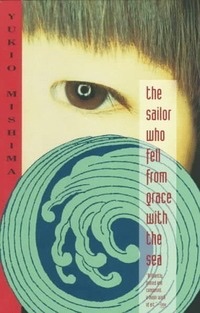
 The Sailor Who Fell from Grace with the Sea
Quotes from the Book
Nobody even imagines how well one can lie about the state of one’s own heart.
242
When silence is prolonged over a certain period of time, it takes on new meaning.
144
We are not wounded so deeply when betrayed by the things we hope for as when betrayed by things we try our best to despise. In such betrayal comes the dagger in the back.
86
When a captive lion steps out of his cage, he comes into a wider world than the lion who has known only the wilds. While he was in captivity, there were only two worlds for him - the world of the cage, and the world outside the cage. Now he is free. He roars. He attacks people. He eats them. Yet he is not satisfied, for there is no third world that is neither the world of the cage nor the world outside the cage.
69
The highest point at which human life and art meet is in the ordinary. To look down on the ordinary is to despise what you can't have. Show me a man who fears being ordinary, and I'll show you a man who is not yet a man.
63
Kensuke and his wife had, like all bored people, a sense of kindness that was close to disease.
15
…In the very simplicity of her desire to punish herself appeared egoism in its purest form. Never before had this woman who seemed to think only of herself experienced an egoism so immaculate.
13
…Her desire was close to that of the person who drowns himself; he does not necessarily covet death so much as what comes after the drowning—something different from what he had before, at least a different world.
11
Might it have been nothing but life itself? Life; this limitless complex sea, filled with assorted flotsam, brimming with capricious, violent, and yet eternally transparent blues and greens.
10
No one’s words can compete with this mercilessly powerful rain. The only thing that can compete with the sound of this rain, that can smash this deathlike wall of sound, is the shout of a man who refuses to stoop to this chatter, the shout of a simple spirit that knows no words.
8
People who wear only ready-made clothes are apt to doubt the very existence of tailors; and this pair, enthralled though they were by ready-made tragedies, had no way of knowing that there were people who had their tragedies made to order. Etsuko was, as ever, written in an alphabet they couldn’t read.
7
A feeling of liberation should contain a bracing feeling of negation, in which liberation itself is not negated. In the moment a captive lion steps out of his cage, he possesses a wider world than the lion who has known only the wilds. While he was in captivity, there were only two worlds to him; the world of the cage, and the world outside the cage. Now he is free. He roars. He attacks people. He eats them. yet he is not satisfied, for there is no third world that is neither the world of the cage nor the world outside the cage. Etsuko however, had in her heart not the slightest interest in these matters. Her soul knew nothing but affirmation.
6
She drank like a drowning man helplessly swallowing sea water, in accordance with some law of nature. To ask for nothing means that one has lost one’s freedom to choose or reject. Once having decided that, one has no choice but to drink anything — even sea water…. Afterwards, however, Etsuko felt none of the nausea of a drowning person. Until the moment of her death, it seemed, no one would know she was drowning. She did not call out — she was a woman bound and gagged by her own hand.
6
On certain occasions human beings are imbued with the belief that they can accomplish anything. In such moments they seem to glimpse much that is normally invisible to human eyes. Then, later, even after they have sunk to the bottom of memory’s well, these moments sometimes revive and again suggest to men the miraculous plenitude of the world’s pains and joys. None can avoid these moments of destiny; nor can anyone—no matter who he is—avoid the misfortune of seeing more than his eyes can take in.
5
I dream of a moment when, without my asking, my actions will betray completely this part of me that asks for nothing
3
Zar sve danas nije samo imitacija? Zar u današnjem vremenu nije sve samo imitacija stvarnosti, sve oko nas je u stvari "pravimo-se-da-je-tako". I mir je samo "pravi-se-da-je-mir", i ekonomska kriza je virtuelna, nije prava, pa i rat je samo imitacija, a imitacija je i ekonomski napredak. Ali, i pored toga, milioni ljudi živi i umire u ovom prividnom svetu. Samo se po sebi razume da moraju da žive i umire; i oni su samo ljudi. To je samo po sebi posve razumljivo. Samo što u svemu tome "pravimo-se-da-je-tako" ne možeš da nađeš za šta bi dao svoj život. Ja sam čovek koji mora da da sve od sebe, inače ništa ne može da postigne.
3
What was there to live for in a time like this? Just living in the present made everyday interminably monotonous.
2
Why is it that she always has such bad luck?" "Sometimes jiltings run in series - like miscarriages. Her nervous system has gotten in the habit of it, I suppose, and when she falls in love it has to end in miscarriage.
2
Svoju patnju, koju prihvatam, moram da prihvatim kao dragocenost. Ne postoji nijedan ispirač zlata koji iskopava samo zlato. Ispirač vadi pesak sa korita reke, naslepo, ne razmišljajući šta će da izvadi iz vode. On bi voleo da je u pesku i zlato, ali možda ga uopšte neće biti, on mora da se pomiri sa time. Niko nema povlasticu da unapred odabere ono što želi.
2
Rumor sometimes follows a more precise logic than fact, and fact more than rumor is apt to have a lie in it somewhere.
1
Her passion was shockingly authentic evidence of the limitlessness of the human passion for self-torture.
1
Watch on YouTube
About Yukio Mishima
We have collected 198 quotes from 11 books by Yukio Mishima on BookQuoters.
More about the author →More by Yukio Mishima
The Sailor Who Fell from Grace with the Sea
 Spring Snow
 The Temple of the Golden Pavilion
 The Sound of Waves
About the book
In Thirst for Love, Japan's greatest modern writer created a portrait of sexual torment and corrosive jealousy that is as delicately nuanced as Madame Bovary and as remorseless as Justine. Yukio Mishima's protagonist is Etsuko, whose philandering husband has died horribly from typhoid. The young widow moves into the household of her father-in-law, where she numbly submits to the old man's advances.
But soon Etsuko falls in love with the young servant, Saburo. Tormented by his indifference yet invigorated by her anguish, she makes one last, catastrophic bid for his attention. Stunningly acute in its perceptions, excruciating in its psychological suspense, Thirst for Love is a triumph of eroticism, terror, and compassion.
Book details
- First published
- 1950
- Author
- Yukio Mishima
- Genre
- Fiction
- Goodreads rating
- 3.63 (8k ratings)
Keep reading
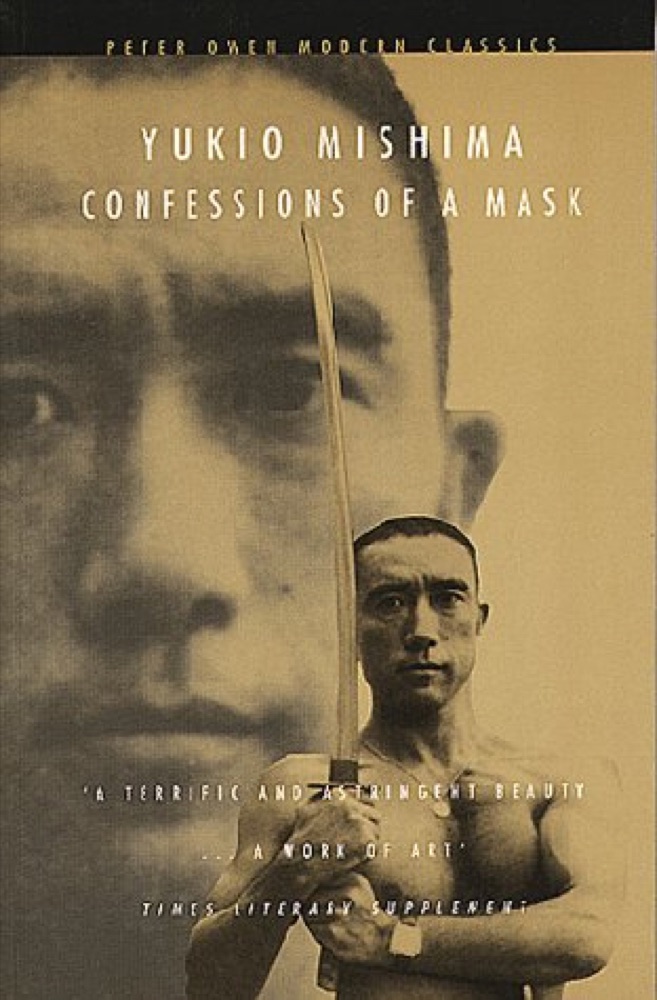 Confessions of a Mask
 Embers
 The Story of the Lost Child
 Selected Stories
Spring Snow
Selected Stories
Spring Snow
 Selected Stories of Anton Chekhov
 Arch of Triumph
 The Interpretation of Murder
 In Search of Lost Time
 The Enchantress of Florence
 The Eighth Life
 Men Without Women
 The Empusium
 Cursed Bunny
 The Joke
 Sexus
Sexus
 The Setting Sun
 Doctor Zhivago
 The Devil in the Flesh
 The Death of the Heart
 She Who Became the Sun
 Parade
 A Tale of Love and Darkness
 The Heart of the Matter
 Muse of Nightmares
 The Weight of Ink
 Oblomov
 The Signature of All Things
 Audition
 The Well of Loneliness
 Palimpsest
 Sexing the Cherry
 The Proposal
 Dream Count
 The Fall of Babel
 Piercing: A Novel
 The God of Small Things
 What Is Not Yours Is Not Yours
 The Human Stain
 Ghana Must Go
 Farewell Waltz
 The Fall
 Of Human Bondage
The Sailor Who Fell from Grace with the Sea
Of Human Bondage
The Sailor Who Fell from Grace with the Sea
 Zeno's Conscience
 Green Dolphin Street
 A Reliable Wife
 The Hod King
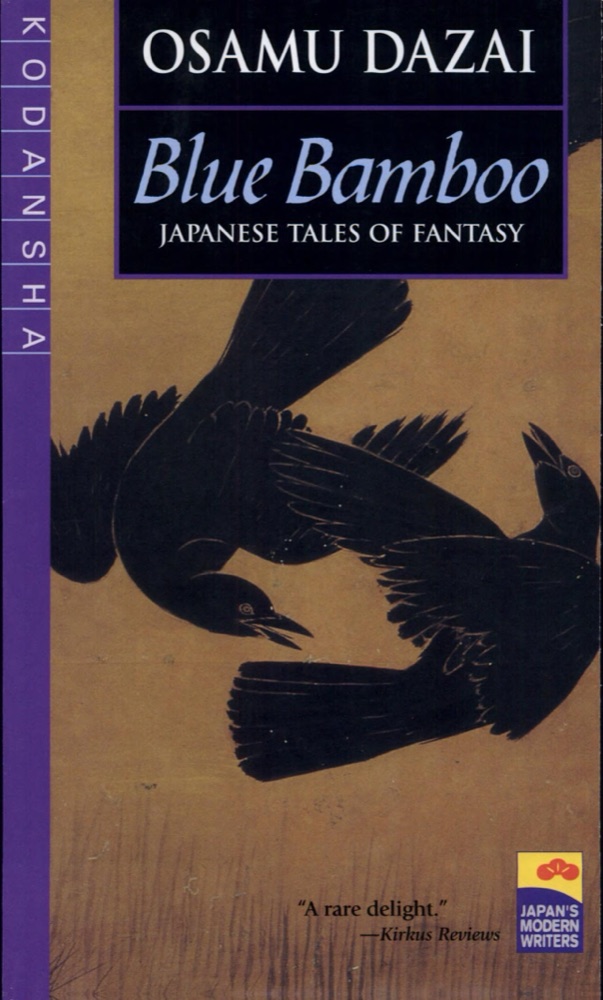 Blue Bamboo: Japanese Tales of Fantasy
 The Secret History
 Forge of Darkness
 The Blind Assassin
 The Memoirs of Cleopatra
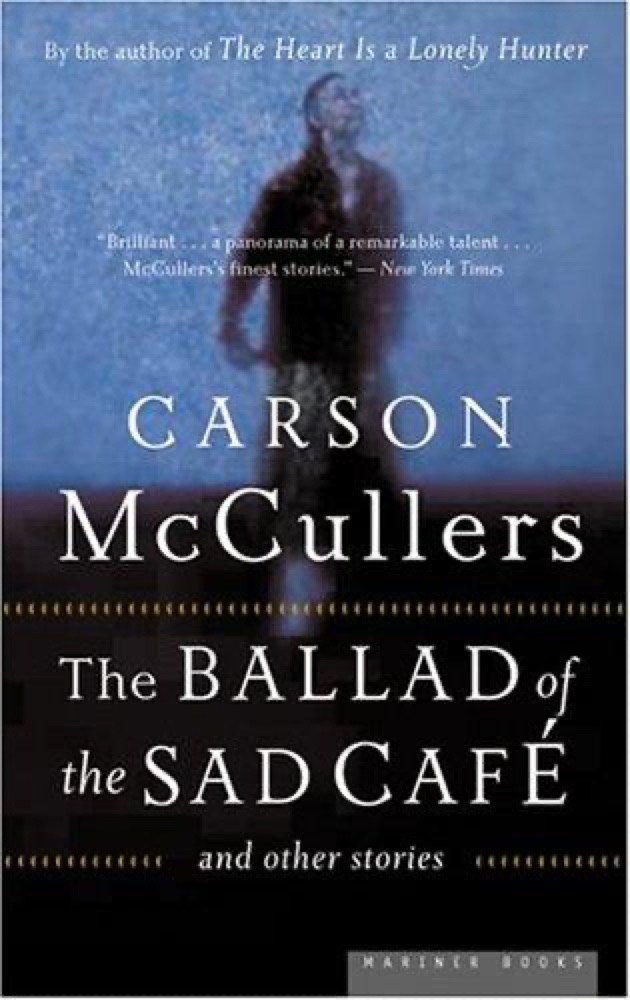 The Ballad of the Sad Café and Other Stories
 Eyeless in Gaza
 The Wolf Gift
 Lady Chatterley's Lover
 The Good Soldier
 Colorless Tsukuru Tazaki and His Years of Pilgrimage
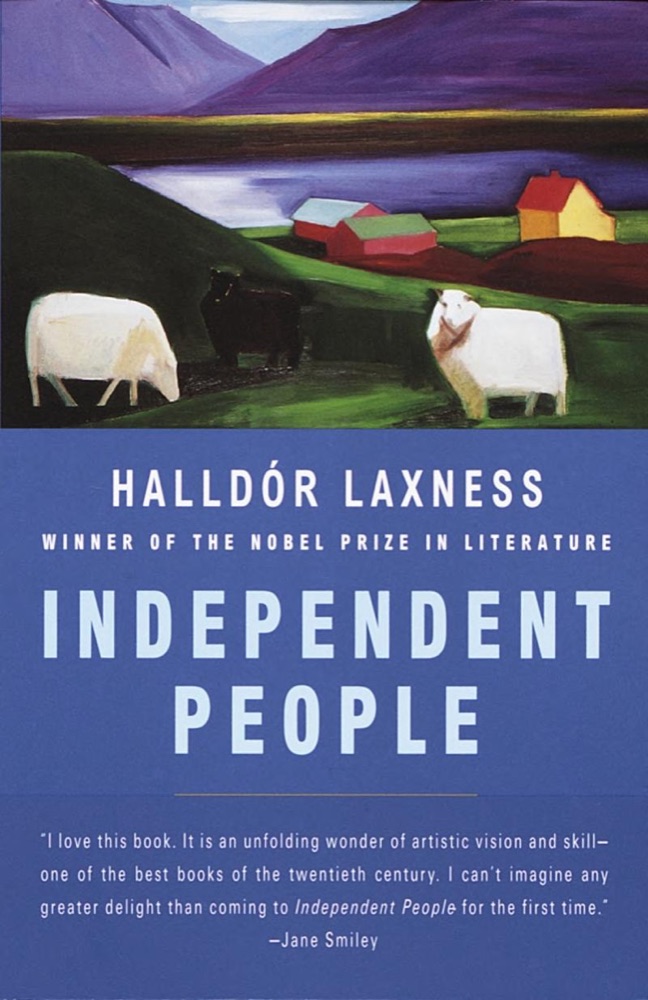 Independent People