
 Swimming Home
Quotes from the Book
When happiness is happening it feels as if nothing else happened before it, it is a sensation that happens only in the present tense.
49
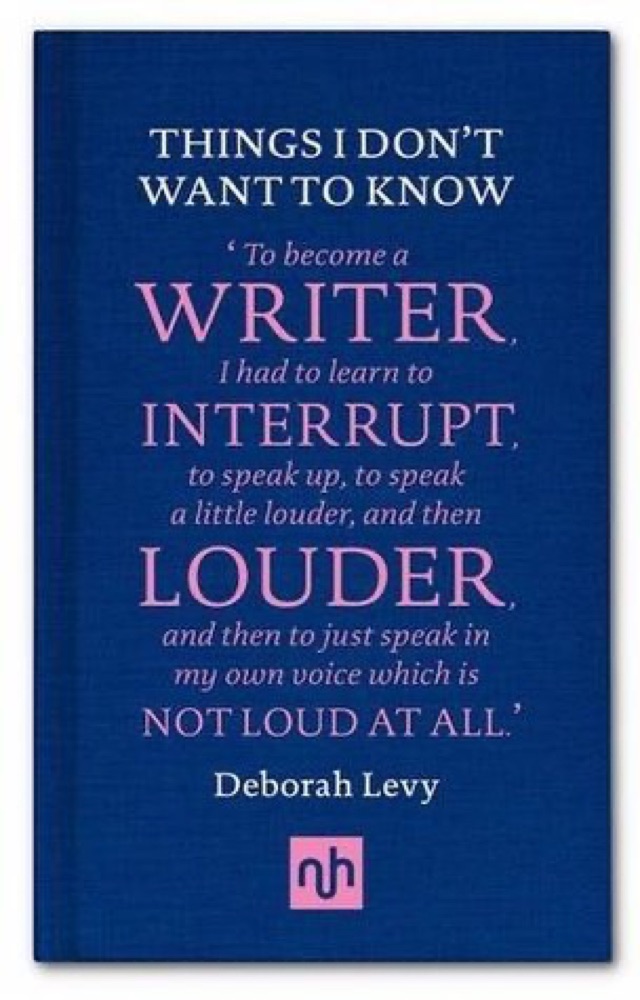
To become a WRITER I had to learn to INTERRUPT, to speak up, to speak a little louder, and then LOUDER, and then to just speak in my own voice which is NOT LOUD AT ALL.
47
Yes, there had been many times I called my daughters back to zip up their coats. All the same, I knew they would rather be cold and free.
28
Like everything that involves love, our children made us happy beyond measure – and unhappy too – but never as miserable as the twenty-first century Neo-Patriarchy made us feel. It required us to be passive but ambitious, maternal but erotically energetic, self-sacrificing but fulfilled – we were to be Strong Modern Women while being subjected to all kinds of humiliations, both economic and domestic. If we felt guilty about everything most of the time, we were not sure what it was we had actually done wrong." (from "Things I Don't Want to Know" by Deborah Levy)
27
The fact that lipstick and mascara and eye shadow were called 'Make Up' thrilled me. Everywhere in the world there were made up people and most of them were women.
15
Smoking cheap Spanish filthy sock-tobacco under a pine tree was so much better than trying to hold it together on escalators. There was something comforting about being literally lost when I was lost in every other way...
14
We did not yet entirely understand that Mother, as imagined and politicized by the Societal System, was a delusion. The world loved the delusion more than it loved the mother.
10
I knew I wanted to be a writer more than anything else in the world, but I was overwhelmed by everything and didn’t know where to start.
8
When a female writer walks a female character into the center of her literary enquiry (or a forest) and this character starts to project shadow and light all over the place, she will have to find a language that is in part to do with unknotting the ways in which she has been put together by the Societal System in the first place. She will have to be canny in how she sets about doing this because she will have many delusions of her own. In fact it would be best if she was uncanny.
7
It was very urgent that I got out of my life. Inside the greasy spoon's steamed up windows and haze of cigarette smoke, this sense of urgency accelerated. I had so little time. Time for what? I didn't know but I was convinced there was another sort of life waiting for me and I had to work out what it was before I cleaned the oven.
6
That spring when life was very hard and I was at war with my lot and simply couldn’t see where there was to get to, I seemed to cry most on escalators at train stations. Going down them was fine but there was something about standing still and being carried upwards that did it. From apparently nowhere tears poured out of me and by the time I got to the top and felt the wind rushing in, it took all my effort to stop myself from sobbing. It was as if the momentum of the escalator carrying me forwards and upwards was a physical expression of a conversation I was having with myself. Escalators, which in the early days of their invention were known as ‘travelling staircases’ or ‘magic stairways’, had mysteriously become danger zones.
5
I wasn’t sure my skeletal system had found a way of walking freely in the Societal System
5
It occurred to me that both Maria and I were on the run in the twenty-first century, just like George Sand whose name was also Amantine was on the run in the nineteenth century, and Maria whose name was also Zama was looking for somewhere to recover and rest in the twentieth. We were on the run from the lies concealed in the language of politics from myths about our character and our purpose in life. We were on the run from our own desires too probably, whatever they were.
5
Now that we were mothers we were all shadows of our former selves, chased by the women we used to be before we had children.
5
Mother was The Woman the whole world had imagined to death. It proved very hard to re-negotiate the world’s nostalgic phantasy about our purpose in life. The trouble was that we too had all sorts of wild imaginings about what Mother should ‘be’ and were cursed with the desire to not be disappointing. We did not yet entirely understand that Mother, as imagined and politicised by the societal system, was a delusion. The world loved the delusion more than it loved the mother.
3
When a female writer walks a female character in to the centre of her literary enquiry (or a forest) and this character starts to project shadow and light all over the place, she will have to find a language that is in part to do with learning how to become a subject rather than a delusion, and in part to do with unknotting the ways in which she has been put together by the societal system in the first place.
3
as the twenty-first century Neo-Patriarchy made us feel. It required us to be passive but ambitious, maternal but erotically energetic, self-sacrificing but fulfilled – we were to be Strong Modern Women while being subjected to all kinds of humiliations, both economic and domestic.
1
Adrienne Rich, who I was reading at the time, said it exactly like it is: 'No woman is really an insider in the institutions fathered by masculine consciousness.' That was the weird thing. It was becoming clear to me that Motherhood was an institution fathered by masculine consciousness. This male consciousness was male unconsciousness. It needed its female partners who were also mothers to stamp on her own desires and attend to his desires, and then to everyone else's desires. We had a go at cancelling our own desires and found we had a talent for it. And we put a lot of our life’s energy into creating a home for our children and for our men
1
I rearranged the chair and sat at the desk. And then I looked at the walls to check out the power points so I could plug in my laptop. The hole in the wall nearest to the desk was placed above the basin, a precarious socket for a gentleman's electric razor. That spring in Majorca, when life was very hard and I simply could not see where there was to get to, it occurred to me that where I had to get to was that socket. Even more useful to a writer than a room of her own is an extension lead and a variety of adaptors for Europe, Asia and Africa.
The night before, when I had walked into the forest at midnight, that was what I really wanted to do. I was lost because I had missed the turning to the hotel, but I think I wanted to get lost to see what happened next.
Watch on YouTube
About Deborah Levy
We have collected 135 quotes from 6 books by Deborah Levy on BookQuoters.
More about the author →More by Deborah Levy
All books by Deborah Levy →
About the book
'Perhaps when Orwell described sheer egoism as a necessary quality for a writer, he was not thinking about the sheer egoism of a female writer. Even the most arrogant female writer has to work over time to build an ego that is robust enough to get her through January, never mind all the way to December.' Deborah Levy
Book details
- First published
- 2014
- Author
- Deborah Levy
- Genre
- Nonfiction
- Goodreads rating
- 4.06 (22k ratings)
Keep reading
 Are You My Mother?: A Comic Drama
 The Rules Do Not Apply
 The Folded Clock: A Diary
 Those Who Leave and Those Who Stay
 All Fours
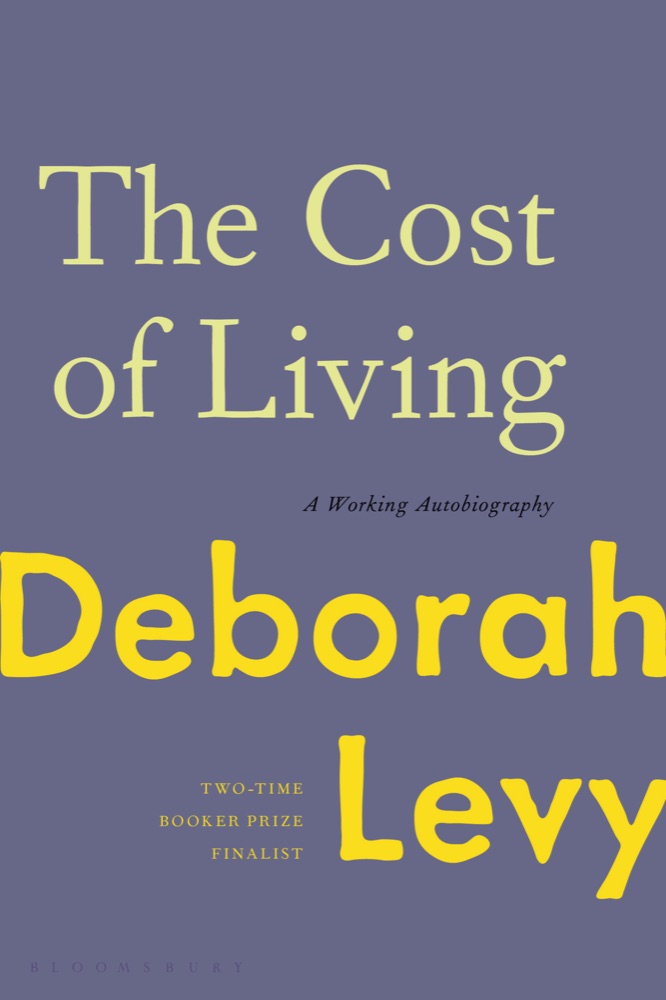 The Cost of Living: A Working Autobiography
 Hot Milk
 Mother Mary Comes to Me
 The Lost Daughter
 Agatha Christie: An Autobiography
 Skin: Talking About Sex, Class And Literature
 The Muse
 Managing Expectations: A Memoir in Essays – A Poignant Collection of Personal Stories on Acting, Failure, and Motherhood's Joy
 Too Much Happiness: Stories
 Old Babes in the Wood: Stories
 Recollections of My Nonexistence: A Memoir
 Parade
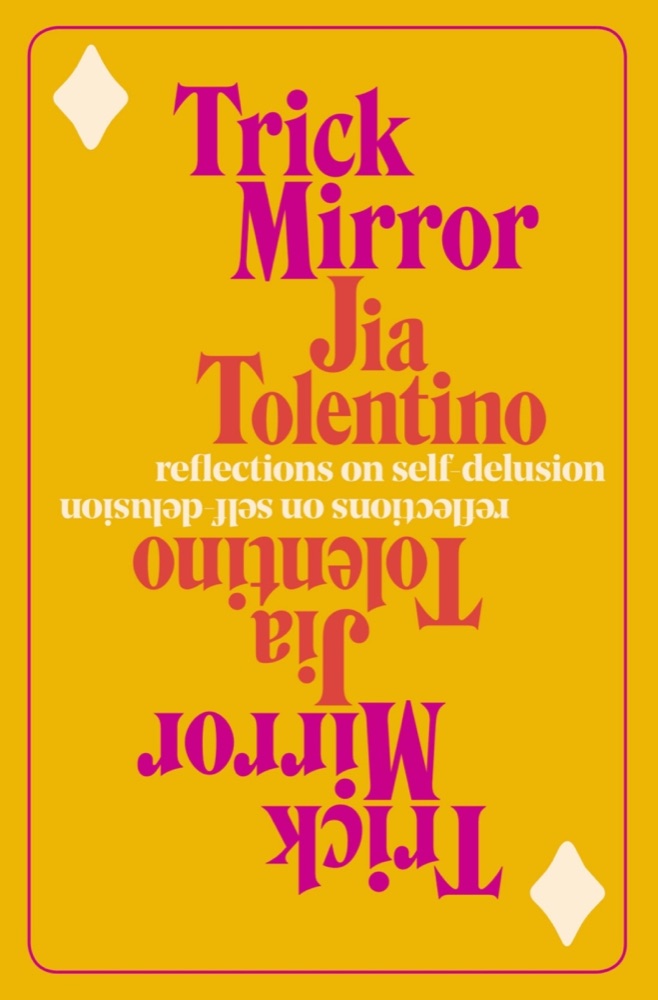 Trick Mirror: Reflections on Self-Delusion
 Bluebeard's Egg
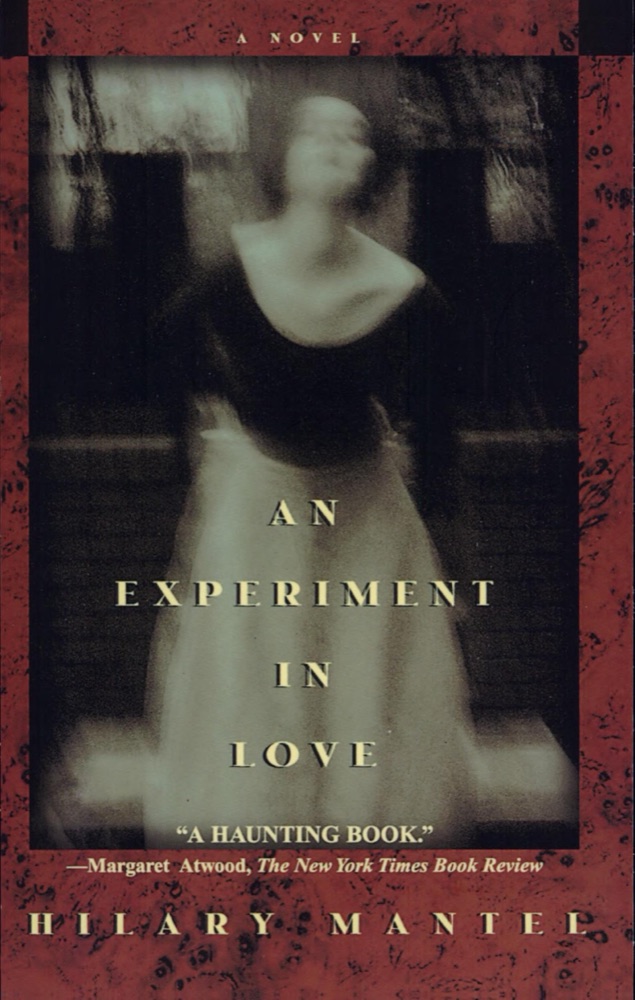 An Experiment in Love
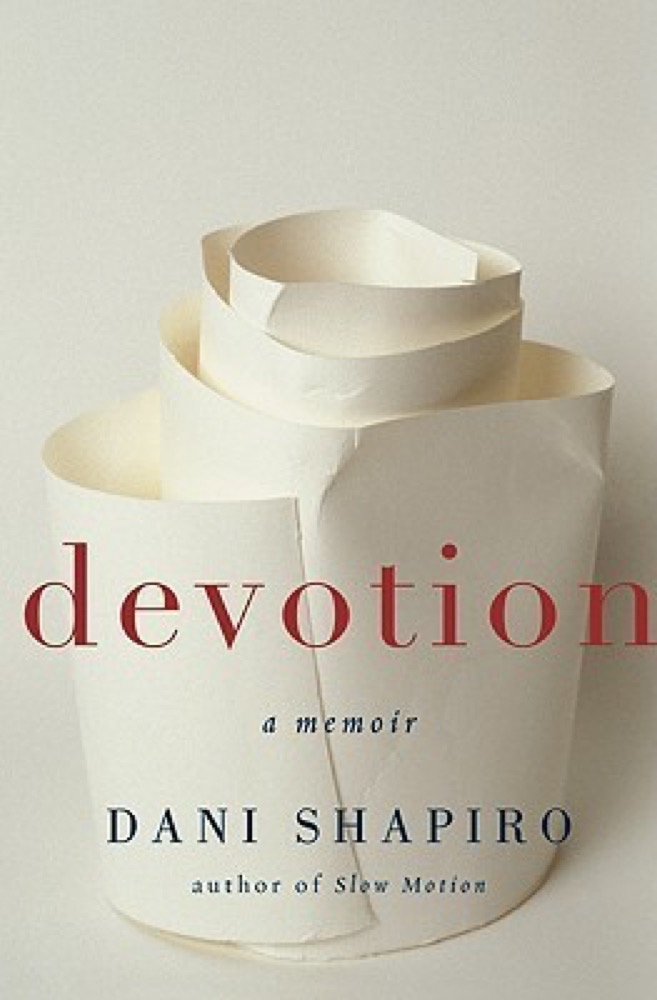 Devotion
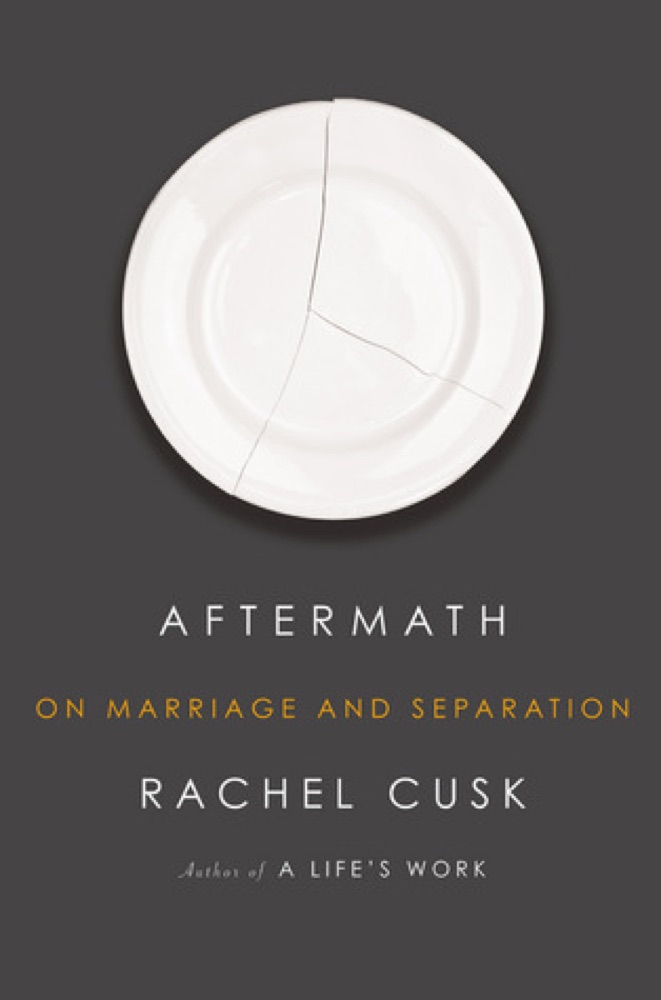 Aftermath: On Marriage and Separation
 Anthropology of an American Girl
 Giving Up the Ghost
 Outline
 Her Body and Other Parties
 The Marvelous Misadventures of Ingrid Winter
 A Woman Is No Man
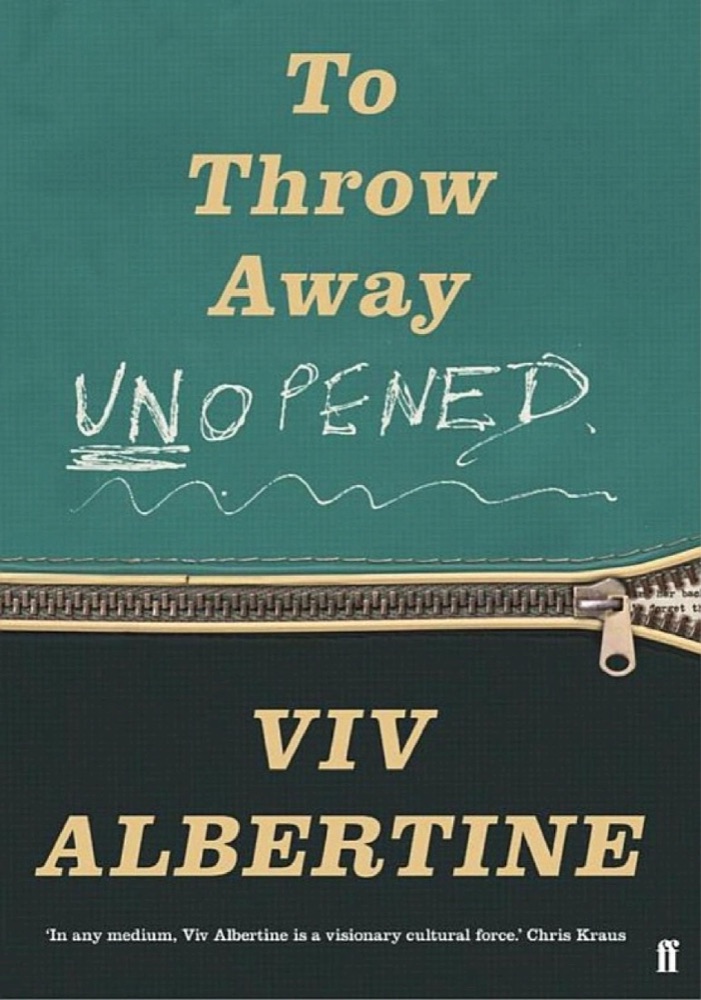 To Throw Away Unopened
 Real Estate
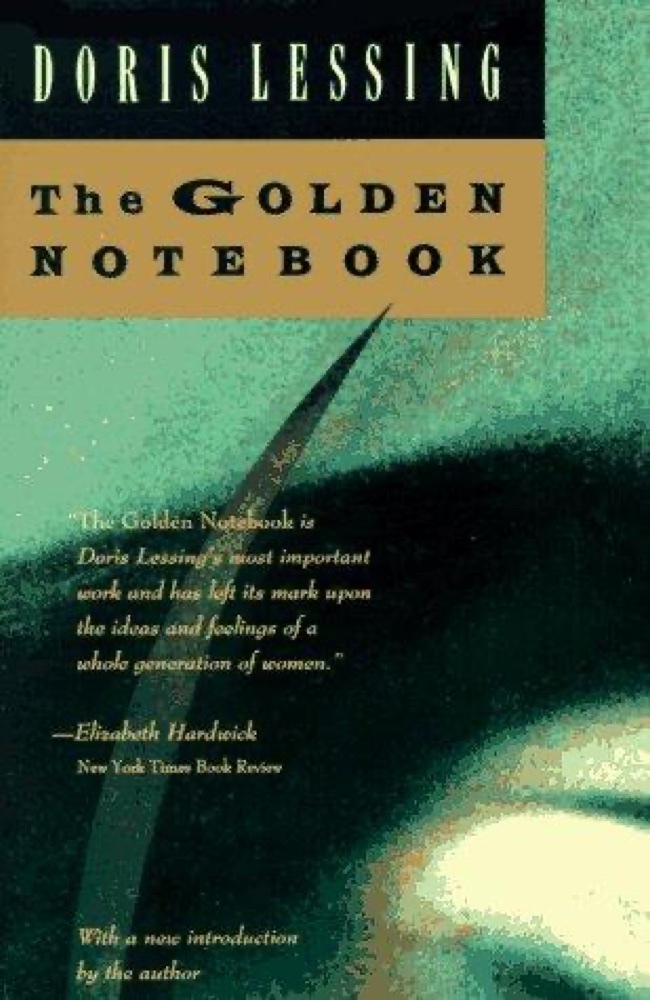 The Golden Notebook
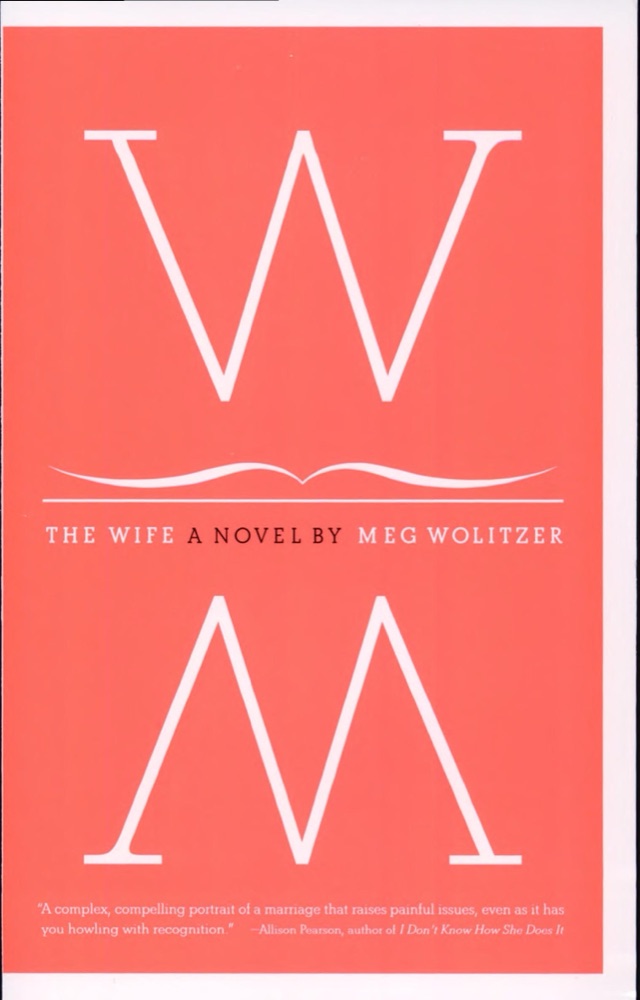 The Wife
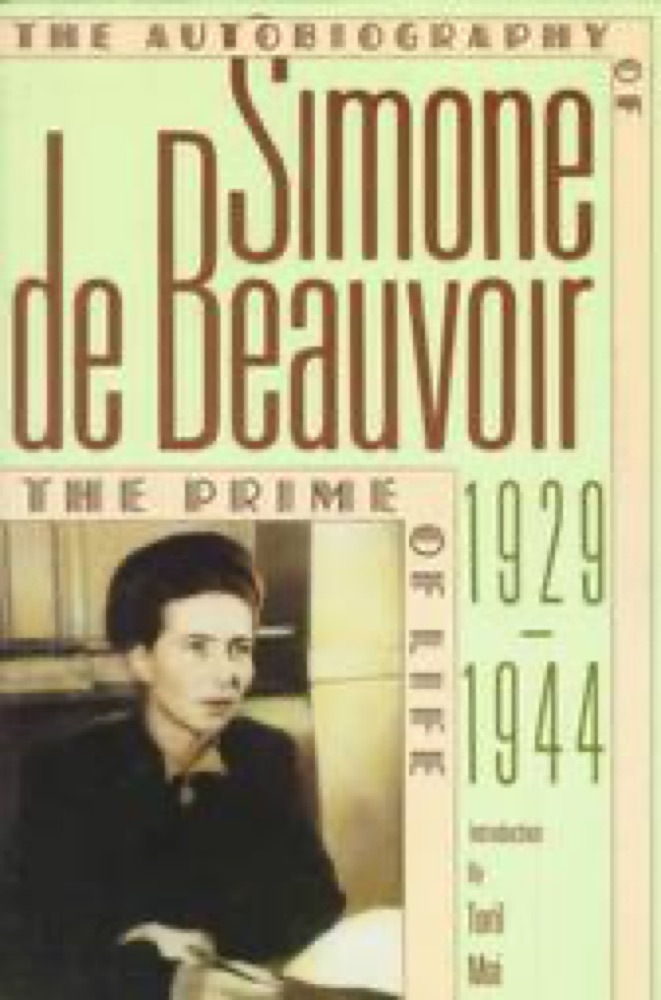 Prime of Life
 Trash
Trash
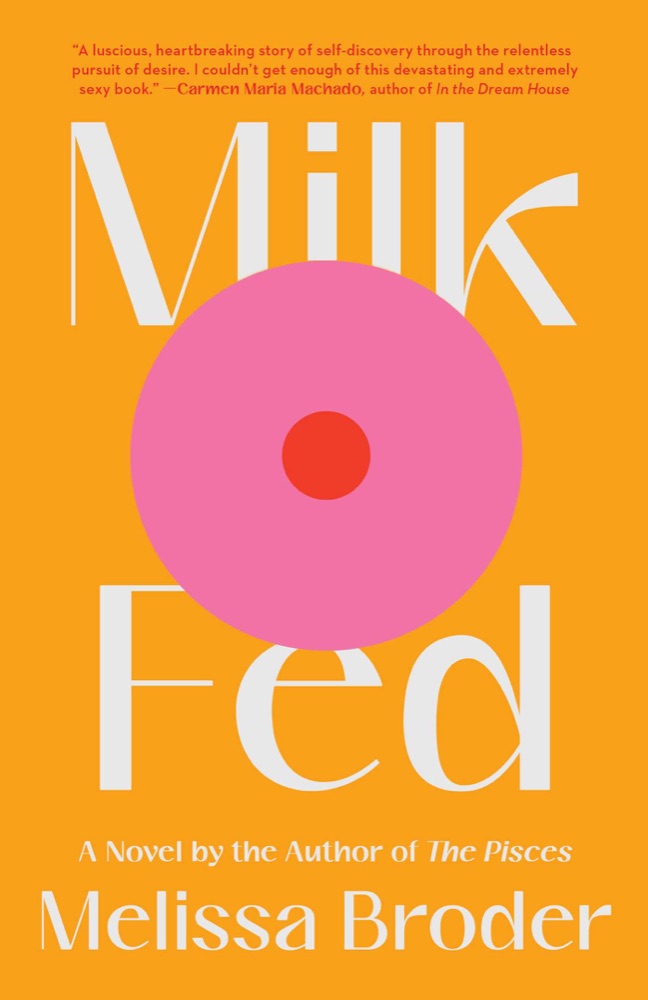 Milk Fed
 Joan Is Okay
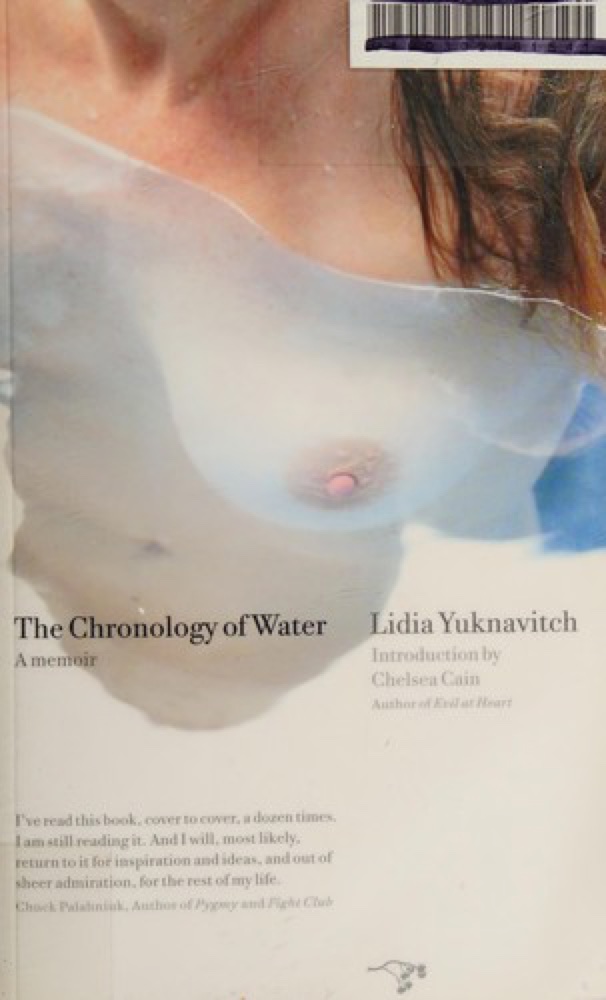 The Chronology of Water
 The Story of a New Name
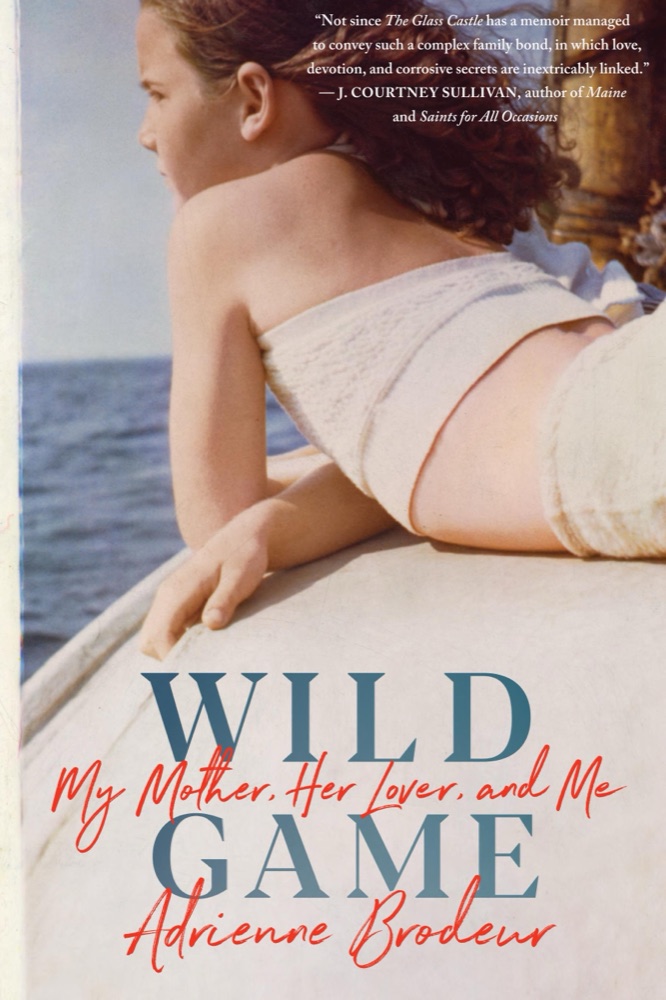 Wild Game: My Mother, Her Lover, and Me
 Now Is the Time to Open Your Heart
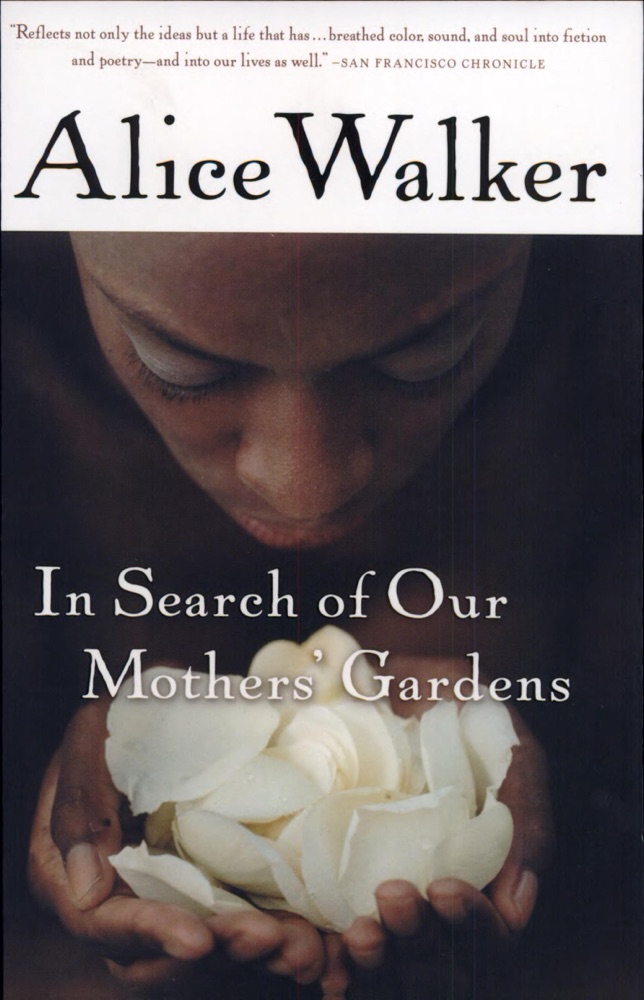 In Search of Our Mothers' Gardens: Womanist Prose
 Let Me Tell You What I Mean
 Committed: On Meaning and Madwomen
 Min kamp 2
 Terminal Boredom: Stories
 NW
NW
 The Blazing World
 Women We Buried, Women We Burned: A Memoir
 Lives of Girls and Women
 No One Tells You This
 The Idiot
 Moments of Being: A Collection of Autobiographical Writing
 Spinster: Making a Life of One's Own
 I'm Supposed to Protect You from All This
 The Girl Who Was Saturday Night
 All the Lovers in the Night
 Good Morning, Destroyer of Men's Souls: A Memoir of Women, Addiction, and Love
 Dream Count
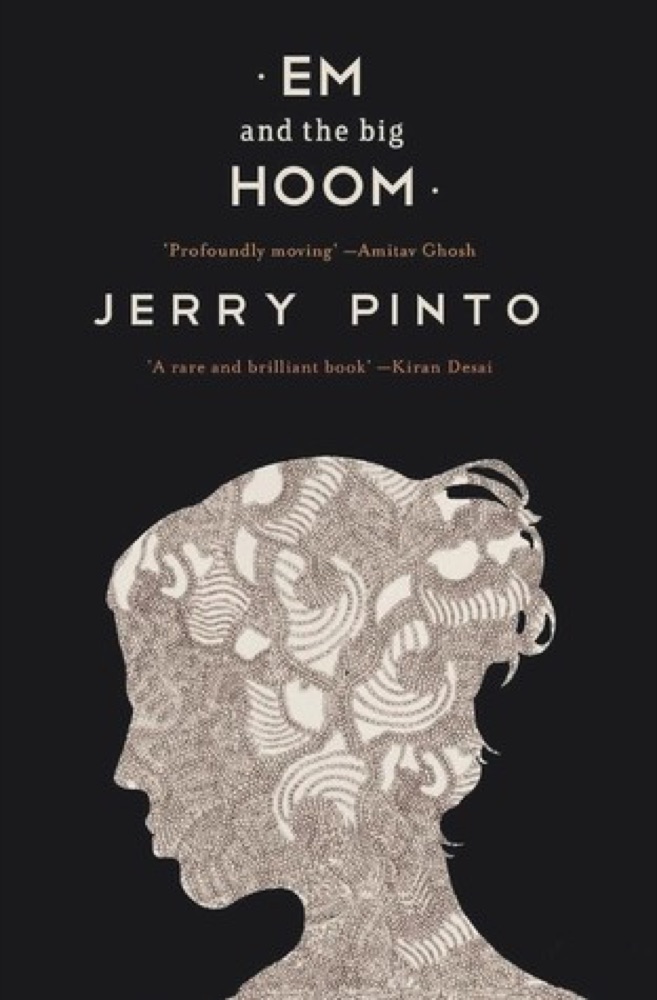 Em and The Big Hoom