
 Last First Snow
Quotes from the Book
I do not understand you. But neither do I understand fire, or starlight, or storms, and I love them.
3
Someone else had made her a weapon, but she made herself kind.
3
Then again, she’d worked with smart people—hells, she was smart people—and she never ceased to be amazed by how smart people could fuck up, given opportunity and time.
2
No city is one city, as no one mind is altogether and only itself. A woman is many women, a man is many men, a city is many cities—not in sequence, but all at once.
2
Deathless Kings, High Priests, let’s call them the thaumaturgical class, are growing used to power and the resources that accompany it. They form a distinct, large pool of exacting consumers of durable bespoke luxury goods.
2
So easy to look out at the world through warped glass and think the world was warped itself. Easy, too, to live in a warped world and forget that, with effort, you could make crooked lines straight.
1
Love lasts longer than either party to that love might want.
1
Meditation handbooks from Sheer Peaks monasteries advised the practitioner to envision herself midcopulation with a sensory lushness from which even an Iskari romance might shrink—and then to envision one’s partner undergoing the many stages of death and decomposition, until one lay in congress with a skeleton. Which proved, to Kai’s mind, that monks were a lot kinkier than most people gave them credit.
1
Someday she’d find who invented this whole adulthood idea and kill them slow.
Zeddig liked the girl: a sharp little vector who looked at everything as if it might kill her, but if it didn’t, she’d write a poem about it later.
Gods are stories people tell. The Hidden Schools claim gods evolved with us. We order the world in our minds, and our stories gather strength and power. Through them we become more than meat, and through us they become more than wind. Faiths are eyes through which we know the world. Gods and goddesses sing ourselves back to us through time.
People lasted as stories, as gods did. And people and gods alike told themselves stories as they died, because dying hurt, and stories helped.
Human minds being human minds, some grim fatalist tendency that really should have focused on survival still took the time to note: you can always trust Gods for shit timing.
But that passed, and now she felt like she had at the bloody end: they were two perfect spheres trapped in mutual orbit, bound, but unable to touch.
We all doubt, sometimes. We doubt ourselves, our worlds, our truths. It can happen to anyone. Even to people of faith. When we can no longer bear the work, we seek refuge in a clearer mind.
We are not complete in ourselves without others, without a world to complement our self-conception—and were we to become so complete, we could not bear it! The fullness of ourselves would break us. We burn. The point of Figment/Fragment/Filament”—claws spread to encompass the whole warehouse space—“is to reflect, refract the beauty of physical form, the glorious futility of our quest for complete knowledge, mastery, or independence.
What is this thing we call form, and to what extent do we comprehend our own forms? I have a form, surely, as do you, and let us grant that we’re both conscious even though certain philosophers would argue that assertion—fortunately they’re not here. So! Both conscious. But we have imperfect knowledge of our own forms, let alone our own selves—consider the human man, his last self-image formed at the age of twenty-five, surprised by wrinkles on his forehead as he looks in the bathroom mirror. Deathless Kings’ residual physicalities endure long after they’ve become skeletons—and they perform premortem exercises to stem mental fragmentation. You’d be surprised how frequently and how widely mental image and physical form differ.
Lava, flowing into the sea, cools with an eruption of steam, leaving arches, bridges, structures that endure when the heat’s gone. Lava wasn’t often sentient, and volcanoes didn’t talk much, but Kai wondered, sometimes, if they ever felt embarrassed by the visible aftermath of their eruption.
Feelings don’t strike turn by turn: they well up stepwise with slow reaction rates, as an alchemist would say, causes transforming into effects even as traces of cause remain. Human features, no matter how expressive, are too slow and simple to convey this welling conflict, and tend to freeze in some awkward intermediate position while the process works out.
Close friends, Zeddig had found, developed a sort of telepathy. Nothing mystical about it—though a musing Craftswoman might spin you a tale of spiritual entanglement and primitive localized divinity, then charge you a few hundred thaums for the musing.
Death came cheap in Agdel Lex, if you knew the market and weren’t afraid to comparison shop.
She breathed anise steam and saw again the shelves lined with books waiting to be read: jokes and histories (they were the same, if you had a dark sense of humor), maps and tragedies, diaries and diagrams, passed down, waiting.
Some people let themselves die when their time came. Some grappled to a reasonable facsimile of life, sustained by insurance contracts, phylacteric trusts, and premortem exercises. Others were Vogel. He just died, decayed, and stuck around.
But while faith, in general, had the same dynamics no matter its object, gods and idols were works of art, and begged thematic consistency.
Gods save us from our sisters. Sisters know us before we know to hide our secrets, before we learn to guard the latches that close our soul, to hide the chinks in the diamonds that become our armor as we recline upon our hoard. And sisters remember.
We’re landing in Agdel Lex, ma’am. Down isn’t always where you left it, and you can’t ever trust your eyes.
Did it ever occur to you,” Kai said, “how overblown that sounds? Final descent. Poets take a final descent into the hells. Emperors have a final descent from the throne before someone chops off their heads. We’re about to land, which we will presumably survive, to descend again.
Time’s like an ocean, she prayed back. People only swim in the top bit.
she wasn’t cursing herself. She was cursing the self she fought to overcome.
But then she imagined the kind of person who could see that pain and not hurt, and she did not want to be that person, either. The prisons into which you locked yourself, you could not escape.
Watch on YouTube
About Max Gladstone
We have collected 107 quotes from 4 books by Max Gladstone on BookQuoters.
More about the author →More by Max Gladstone
About the book
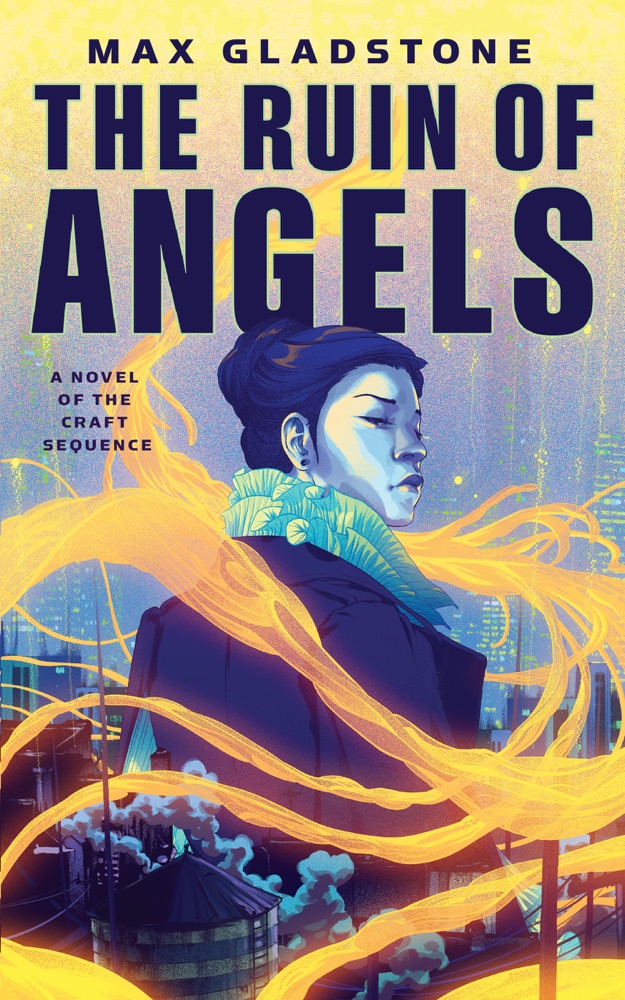
Max Gladstone returns with The Ruin of Angels, the sixth novel in the Craft Sequence, which The Washington Post calls "the best kind of urban fantasy" and NPR calls "sharp, original, and passionate"
The God Wars destroyed the city of Alikand. Now, a century and a half and a great many construction contracts later, Agdel Lex rises in its place. Dead deities litter the surrounding desert, streets shift when people aren’t looking, a squidlike tower dominates the skyline, and the foreign Iskari Rectification Authority keeps strict order in this once-independent city―while treasure seekers, criminals, combat librarians, nightmare artists, angels, demons, dispossessed knights, grad students, and other fools gather in its ever-changing alleys, hungry for the next big score.
Priestess/investment banker Kai Pohala (last seen in Full Fathom Five) hits town to corner Agdel Lex’s burgeoning ni
Book details
- First published
- 2017
- Author
- Max Gladstone
- Genre
- Fantasy
- Goodreads rating
- 4.27 (2k ratings)
Keep reading
 Three Parts Dead
Last First Snow
Three Parts Dead
Last First Snow
 Tiamat's Wrath
 Sunbringer
 Muse of Nightmares
 Speaking Bones
 The Etched City
 The Atlas Six
 Gods of Jade and Shadow
 The Ministry of Utmost Happiness
 Gardens of the Moon
 House of Chains
 The Killing Moon
 What Is Not Yours Is Not Yours
 Skinny Legs and All
 10 Minutes 38 Seconds in This Strange World
 The Ground Beneath Her Feet
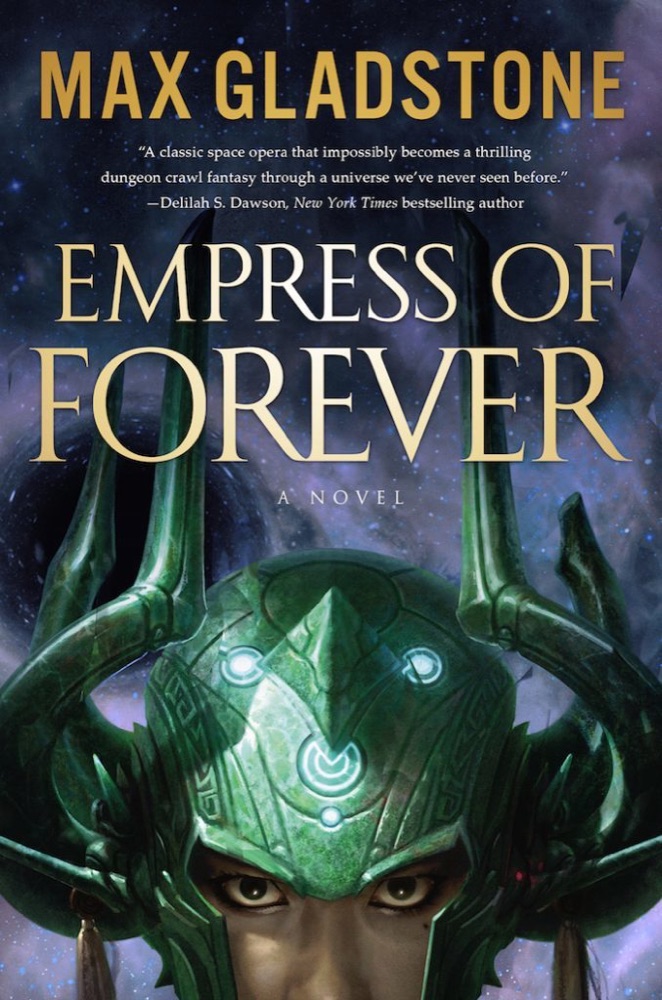 Empress of Forever
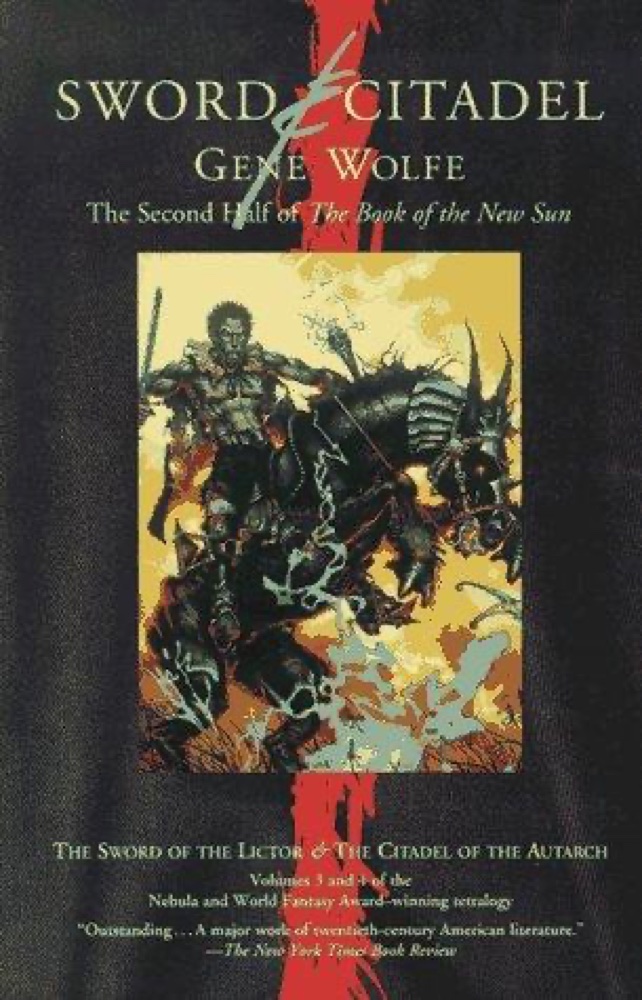 Sword & Citadel
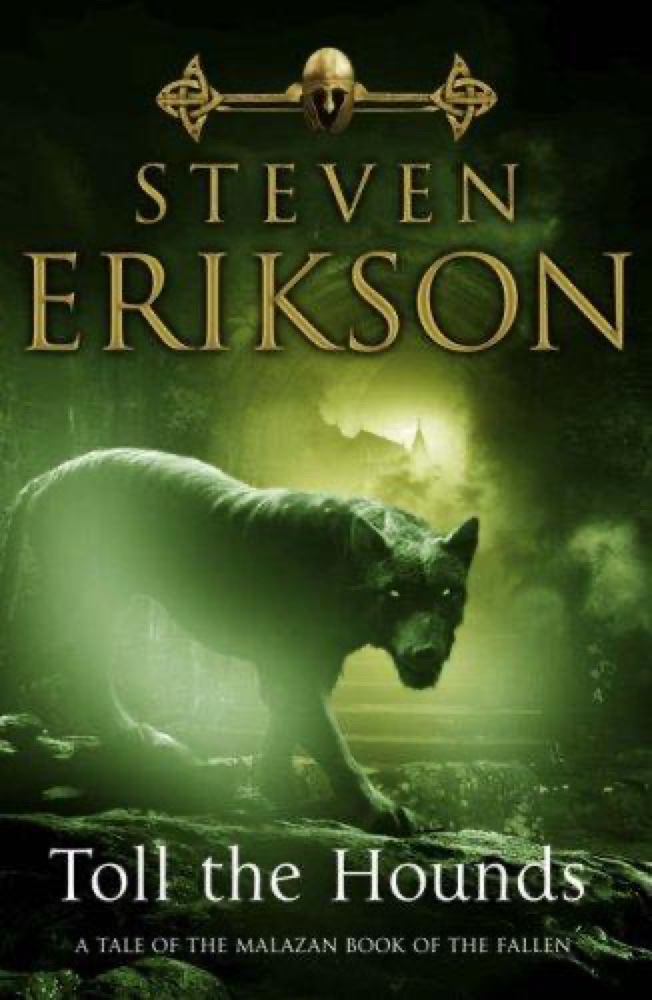 Toll the Hounds
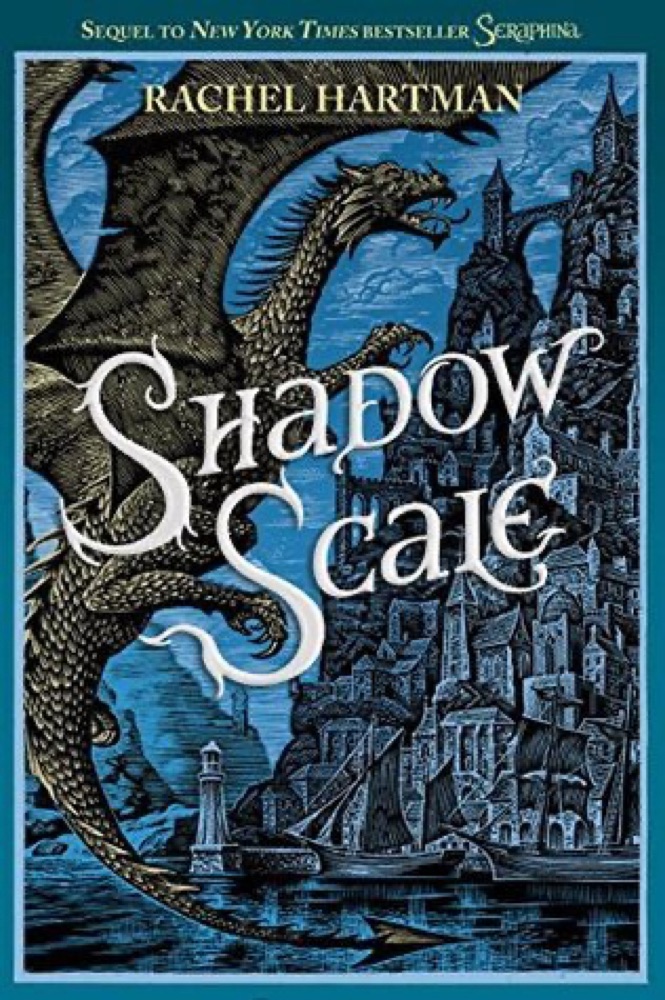 Shadow Scale
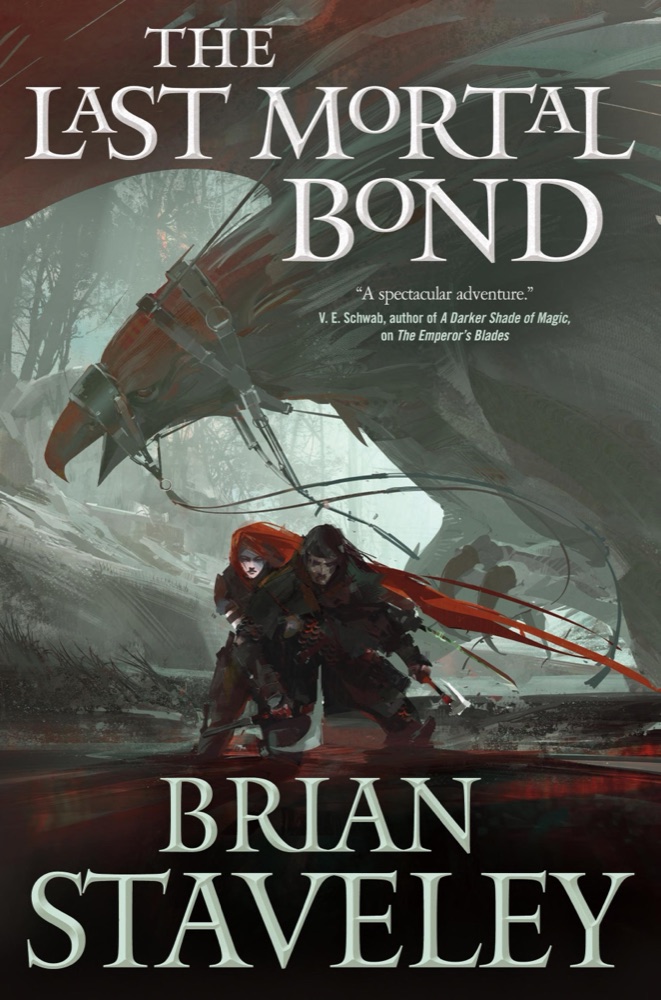 The Last Mortal Bond
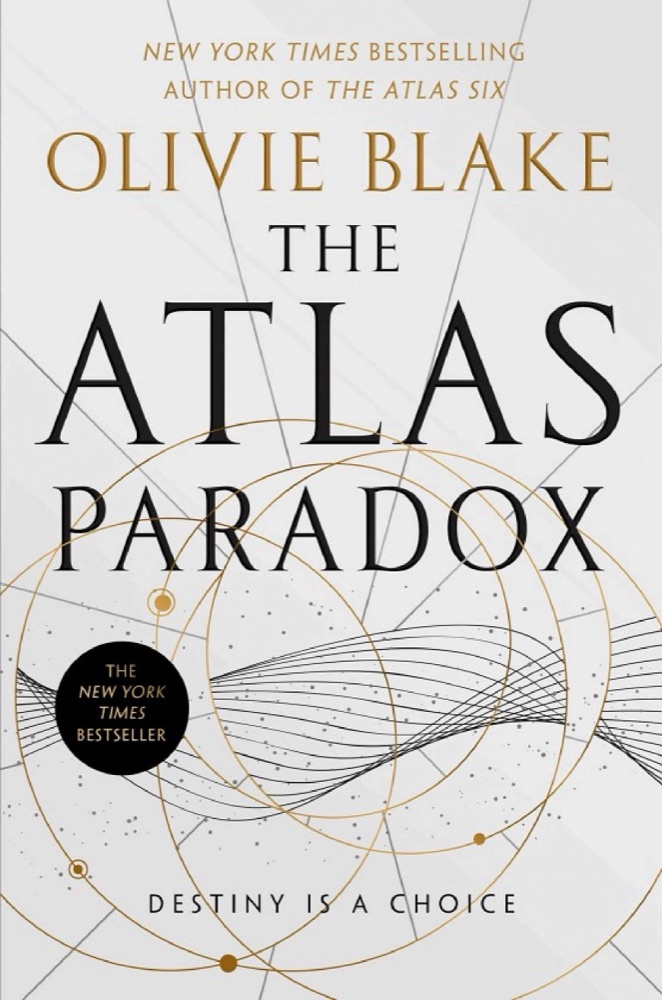 The Atlas Paradox
 The Book That Broke the World
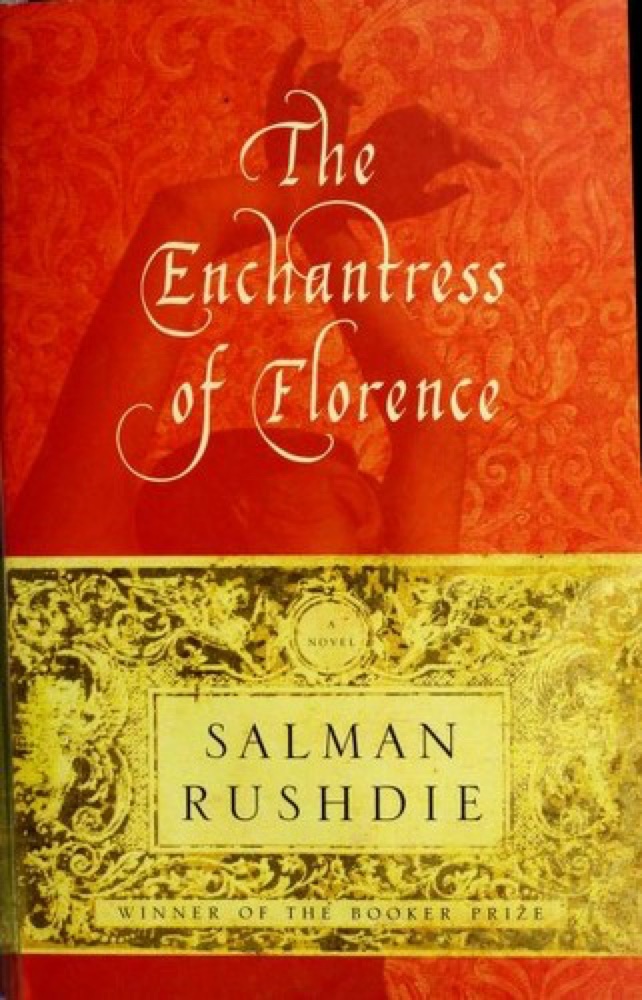 The Enchantress of Florence
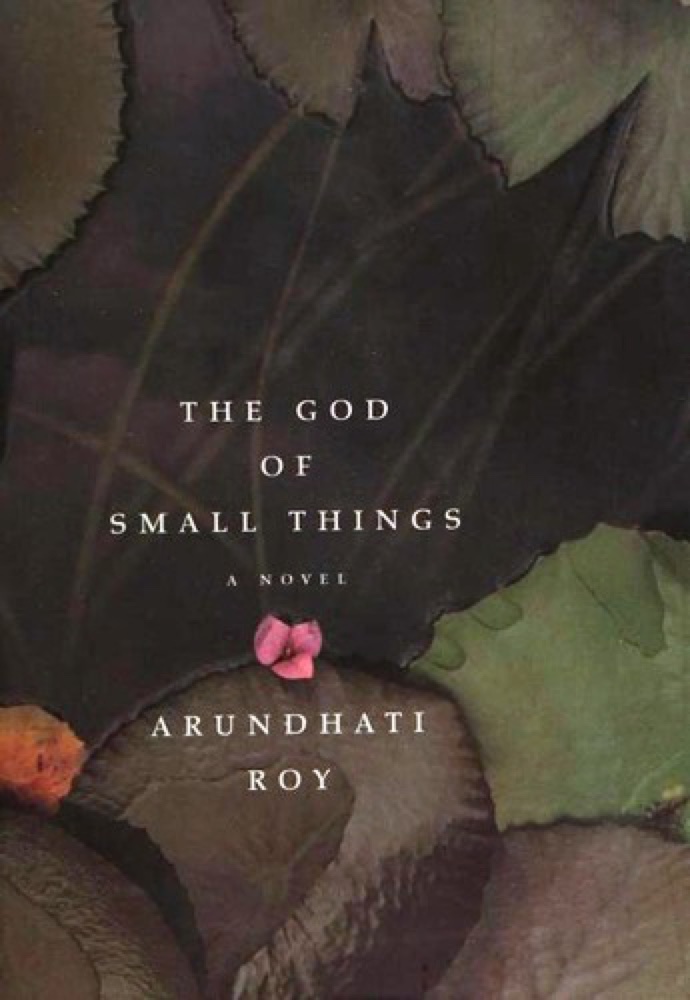 The God of Small Things
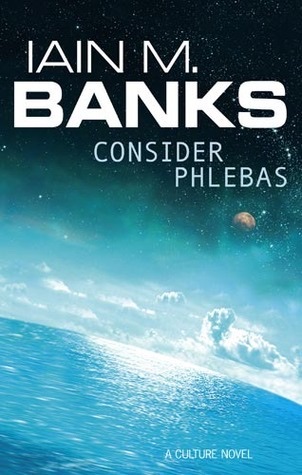 Consider Phlebas
 The Emperor's Soul
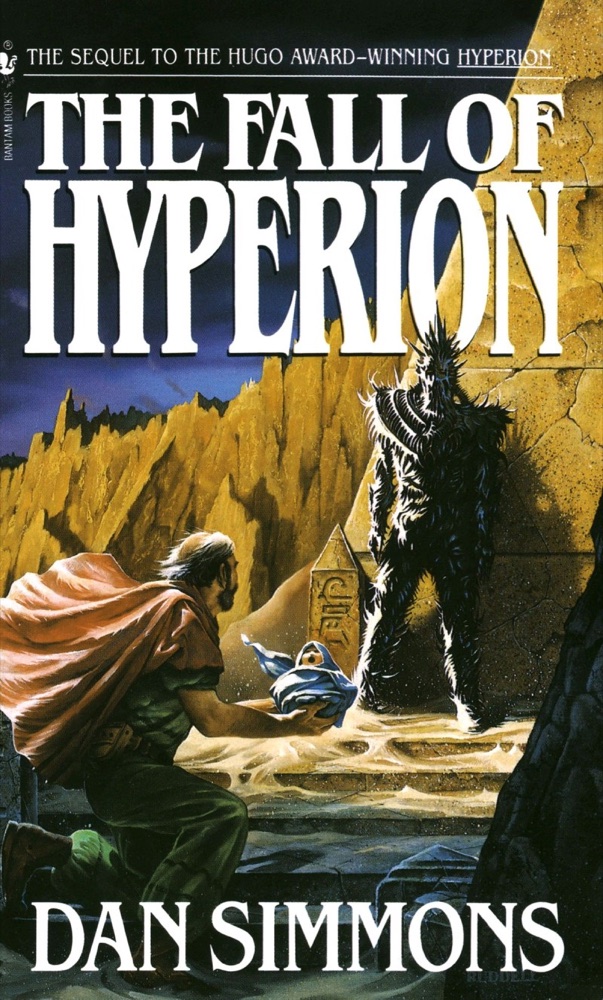 The Fall of Hyperion
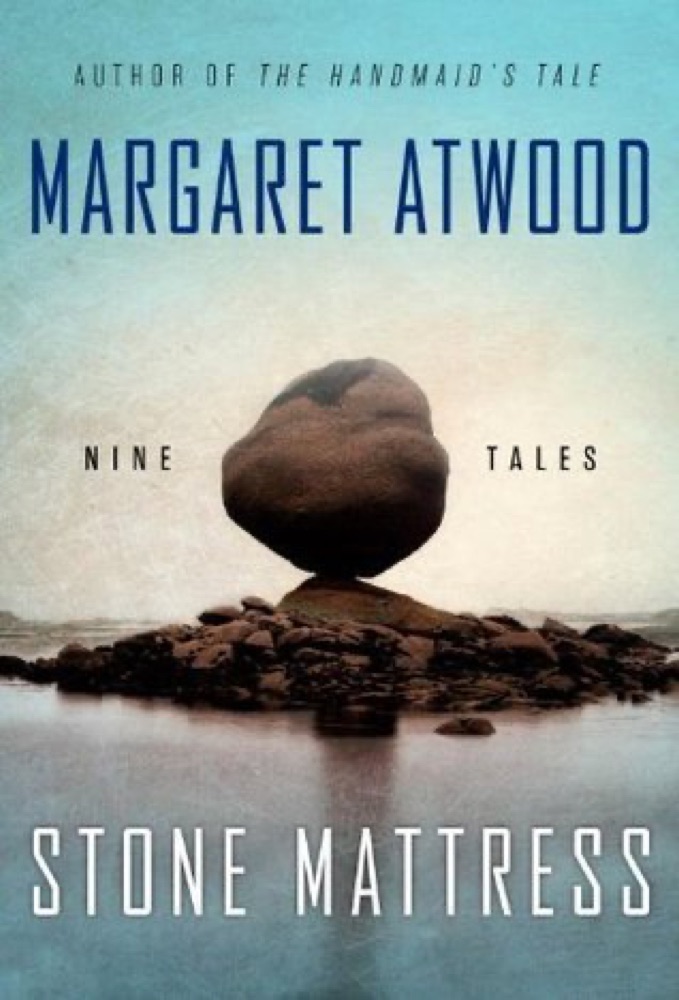 Stone Mattress: Nine Tales
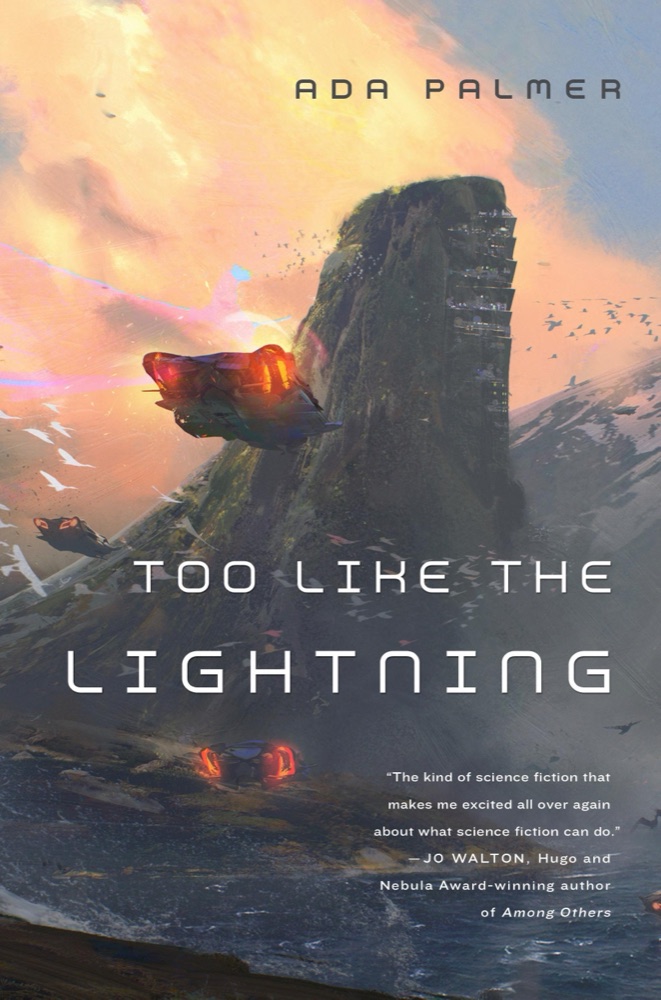 Too Like the Lightning
 Red Mars
 Threads That Bind
 Dead Astronauts
 The Scarlet Gospels
 Sea of Silver Light
 The Bronzed Beasts
 Out of Oz
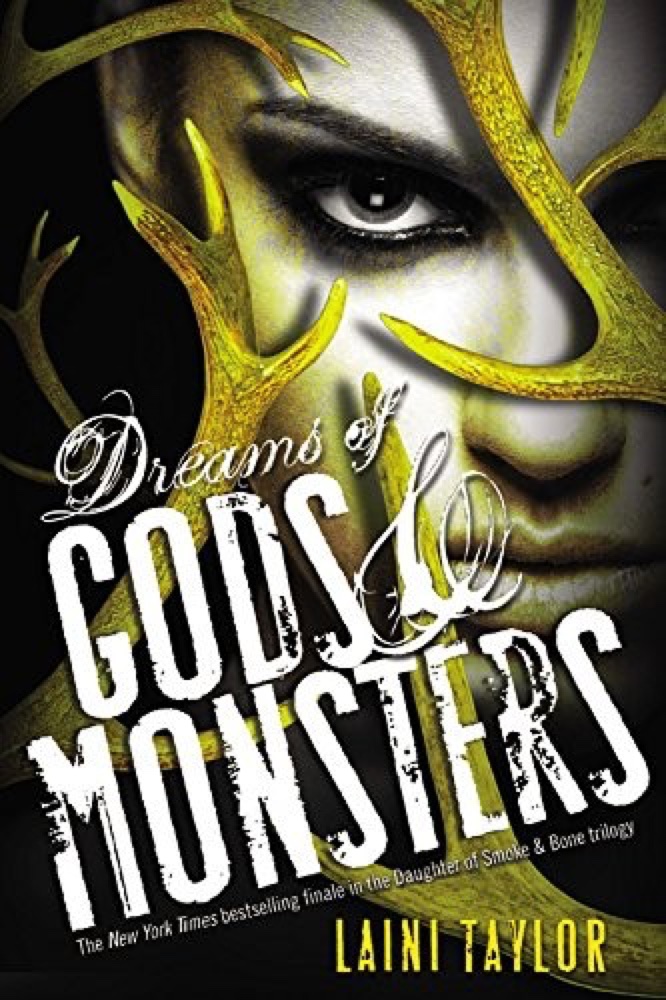 Dreams of Gods & Monsters
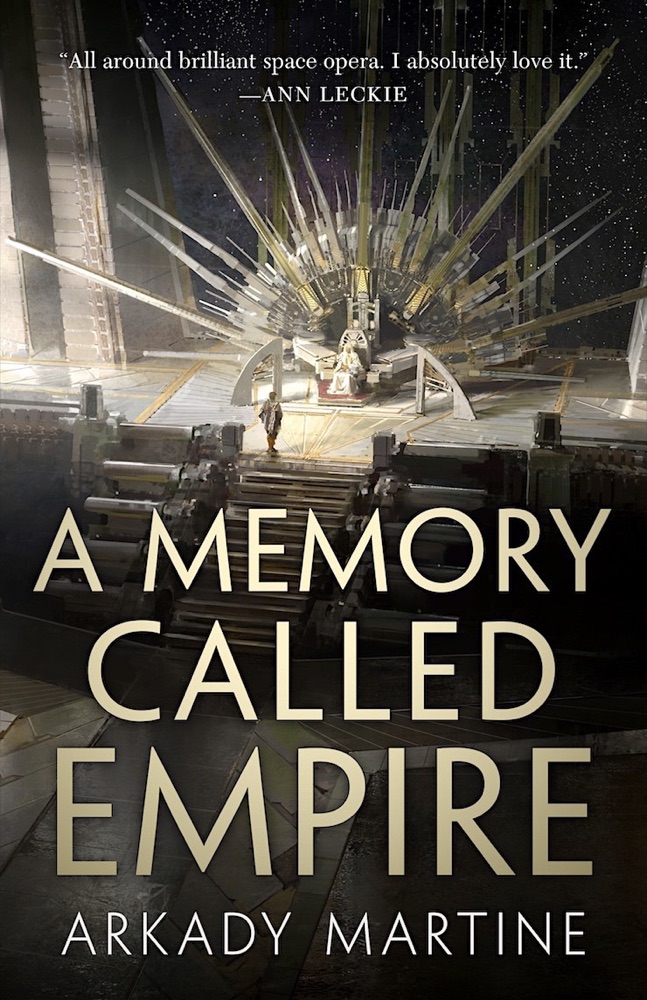 A Memory Called Empire
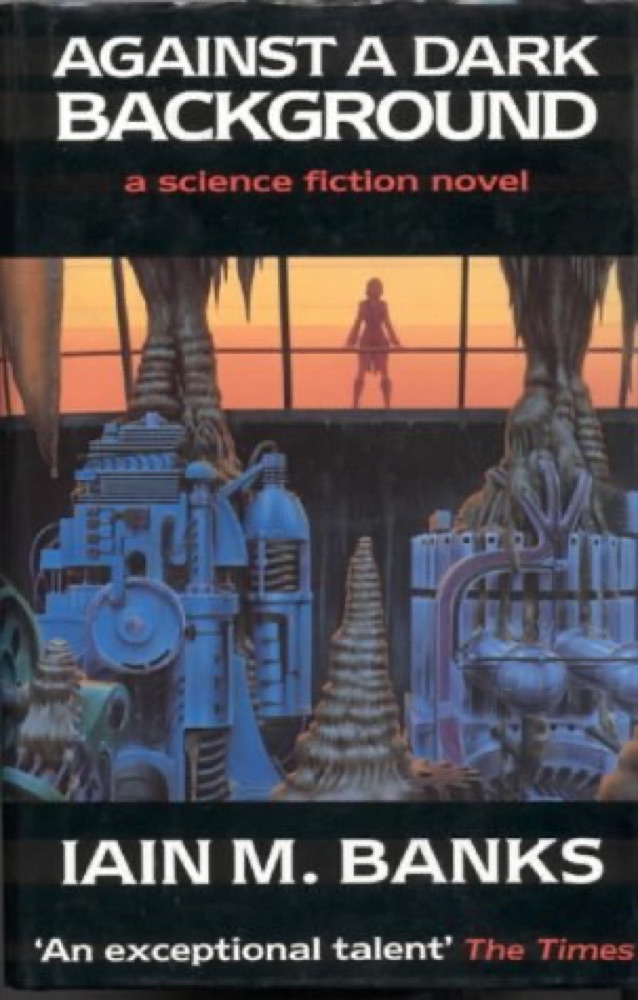 Against a Dark Background
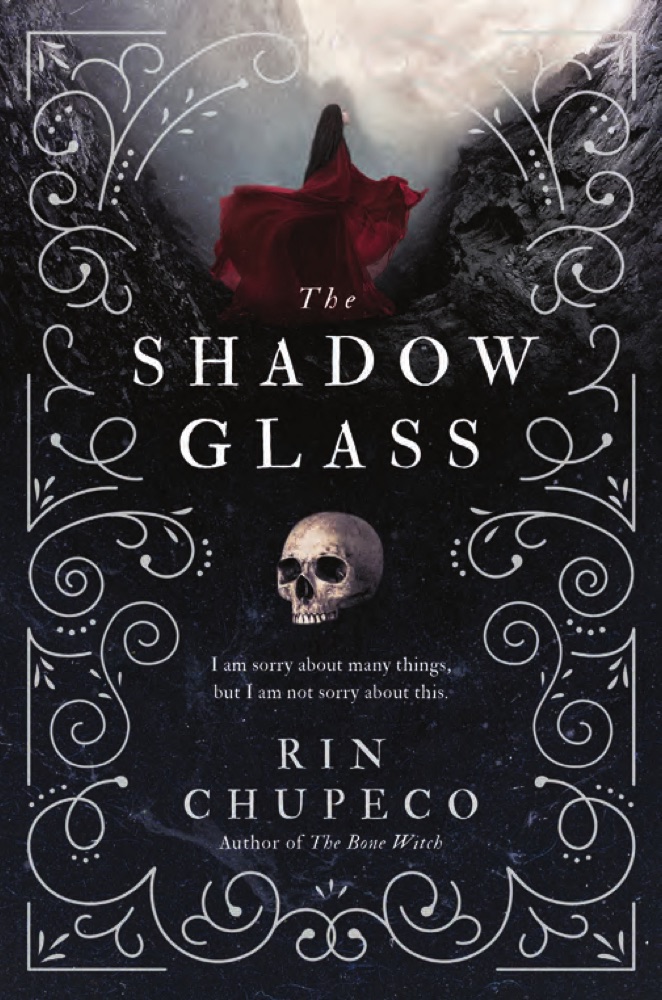 The Shadowglass
 Good Omens
 A Conjuring of Light
 The City in Glass
 City of Stairs
 The Fifth Season
 The Quick and the Dead
 Babylonia
 Come Tumbling Down
 Shadow & Claw
 The Absolute Book
 A Rule Against Murder
 Two Years Eight Months and Twenty-Eight Nights
 Tress of the Emerald Sea
 The Robber Bride
 Palimpsest
 NW
NW
 Pyramids
 The Stone Gods